Multi-Tools
SOG Flash MT vs Leatherman Skeletool: A Real Compact Multi-Tool Rival Arrives
The Leatherman Skeletool has dominated the compact multi-tool space for years. The new SOG Flash MT finally offers a serious alternative with magnetic bit storage and true needle-nose pliers.
Introduction
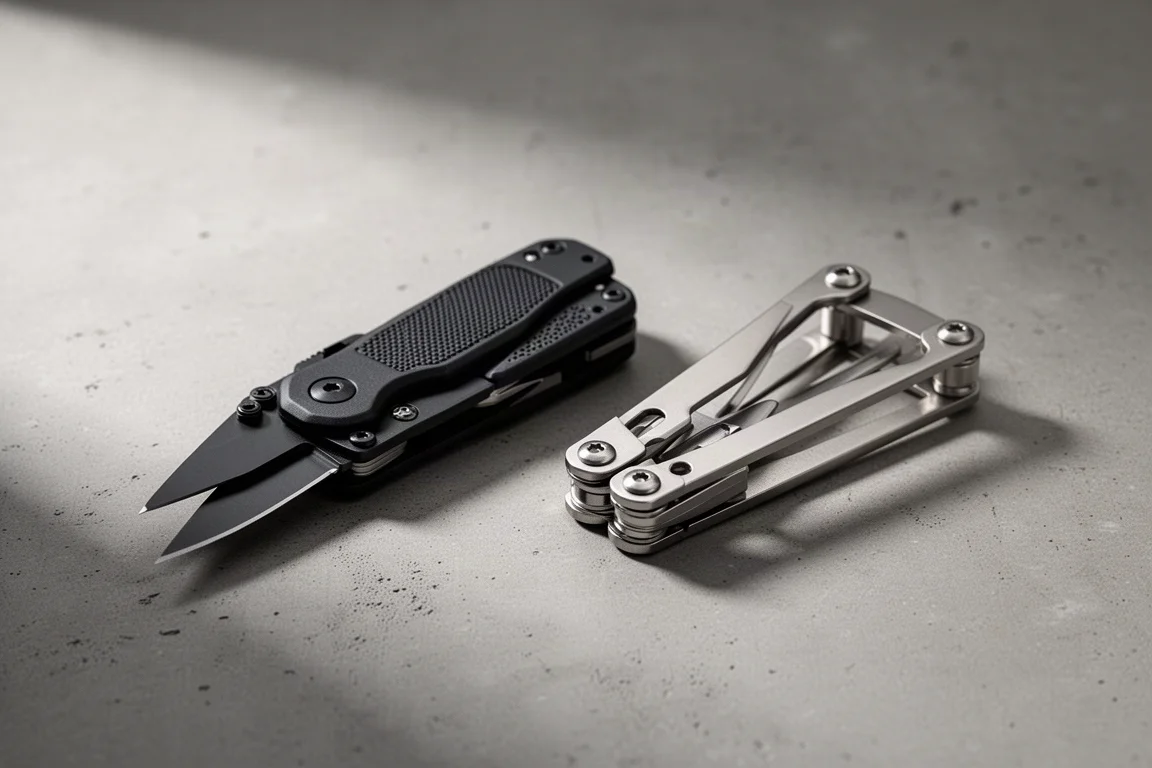
For the better part of a decade, the Leatherman Skeletool has been the default answer to one question: what compact multi-tool should I carry? In that size range, there simply has not been a real competitor. The SOG Flash MT changes that. It matches the Skeletool closely in size and functionality, and on first impressions it brings some genuine advantages to the table.
This comparison looks at both tools across size, blade quality, bit compatibility, and plier performance, with an emphasis on what matters for everyday carry.
Size, Weight, and First Impressions
Out of the box, the Flash MT arrives in packaging with a magnetic closure and specs printed inside and on the back. It weighs 4.7 ounces, which is genuinely light for what it packs. Placed next to the Skeletool, the Flash MT is actually shorter, and the two are quite similar in thickness.
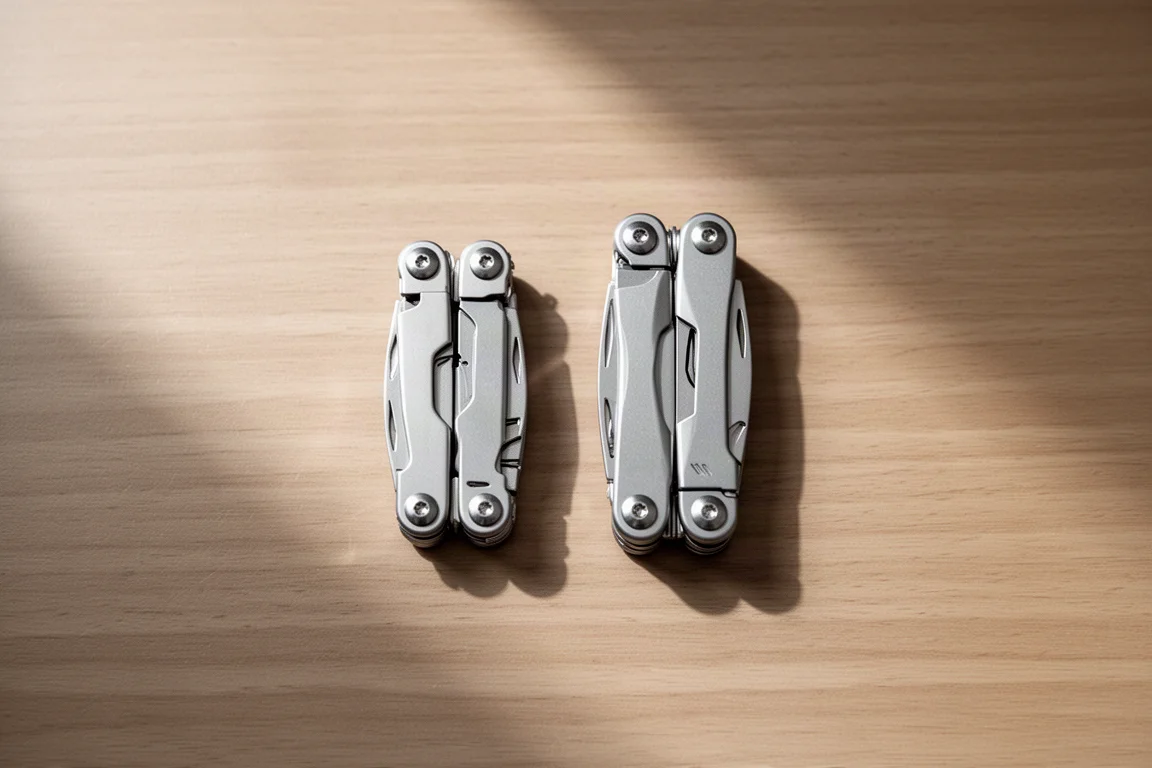
The Flash MT uses SOG’s compound leverage system, and despite packing pliers into a small body, it does not feel cramped in the hand. A lanyard slot is present, though it serves no obvious purpose. One curiosity is the amount of plastic and empty space above the plier head, which cuts weight but could arguably store extra four millimeter bits.
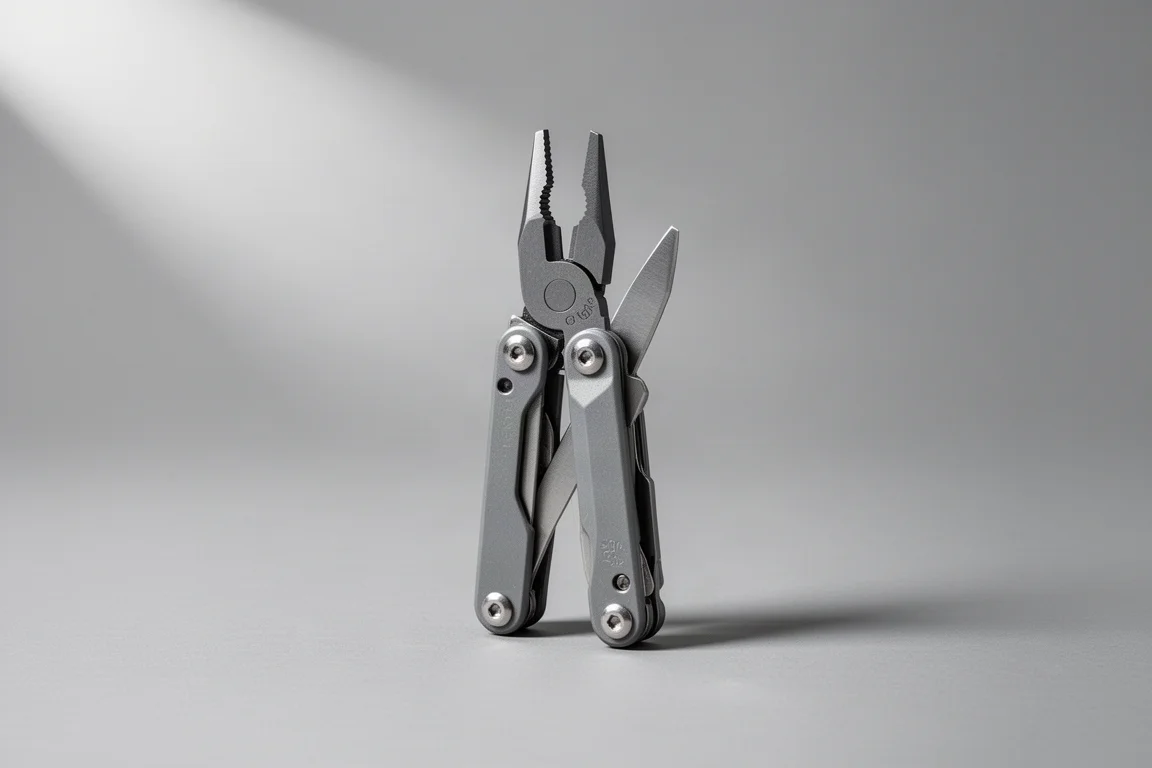
The Skeletool remains the benchmark here: open, minimal, and famously light. It has earned its reputation over many years, and nothing about the Flash MT’s packaging changes that. What matters is what happens when you start using each tool.
Blade, Lock, and Assisted Opening
The Flash MT’s blade is D2 steel, cryogenically heat treated, with a black coating. That coating matters more than it might seem: D2 is not strong on corrosion resistance, so in humid climates an uncoated D2 blade would be a problem. The coating makes the steel choice workable, though a stainless option like 14C28N would arguably have been better, offering corrosion resistance, better toughness, and slightly less edge retention.
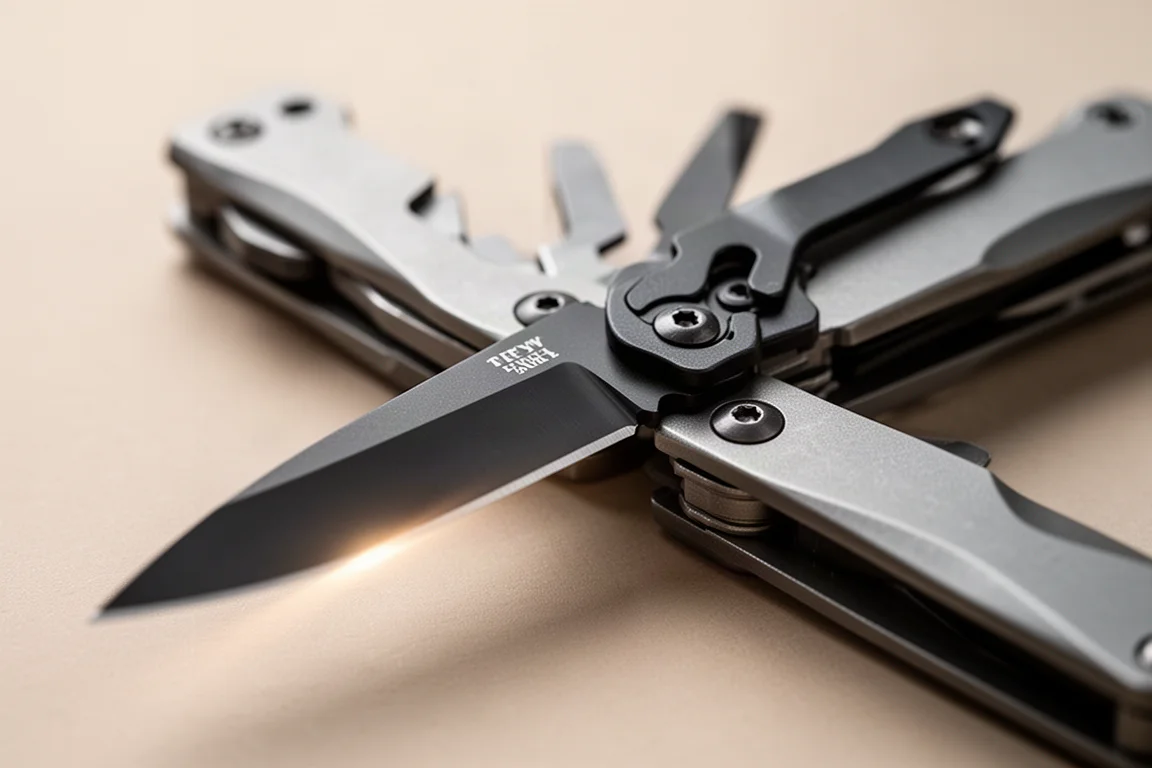
The blade is very thin, which sounds like a downside but is not. It cuts in a slicey, efficient way, and initial sharpness testing showed it comes genuinely sharp. The grind is shallow rather than deeply hollow. A minor gripe: the blade is assisted opening, which some people will not love, though the spring assist is quiet rather than loud, and a solid liner lock means the blade stays put when the tool is closed or dropped. The blade deploys one-handed and closes one-handed easily, and it is effectively a right-handed deployment.
The flathead driver matches the Skeletool’s in gauge but is slip-joint rather than locking, and it is not very thick, so it should not be abused.
Bit Compatibility: The Quiet Superpower
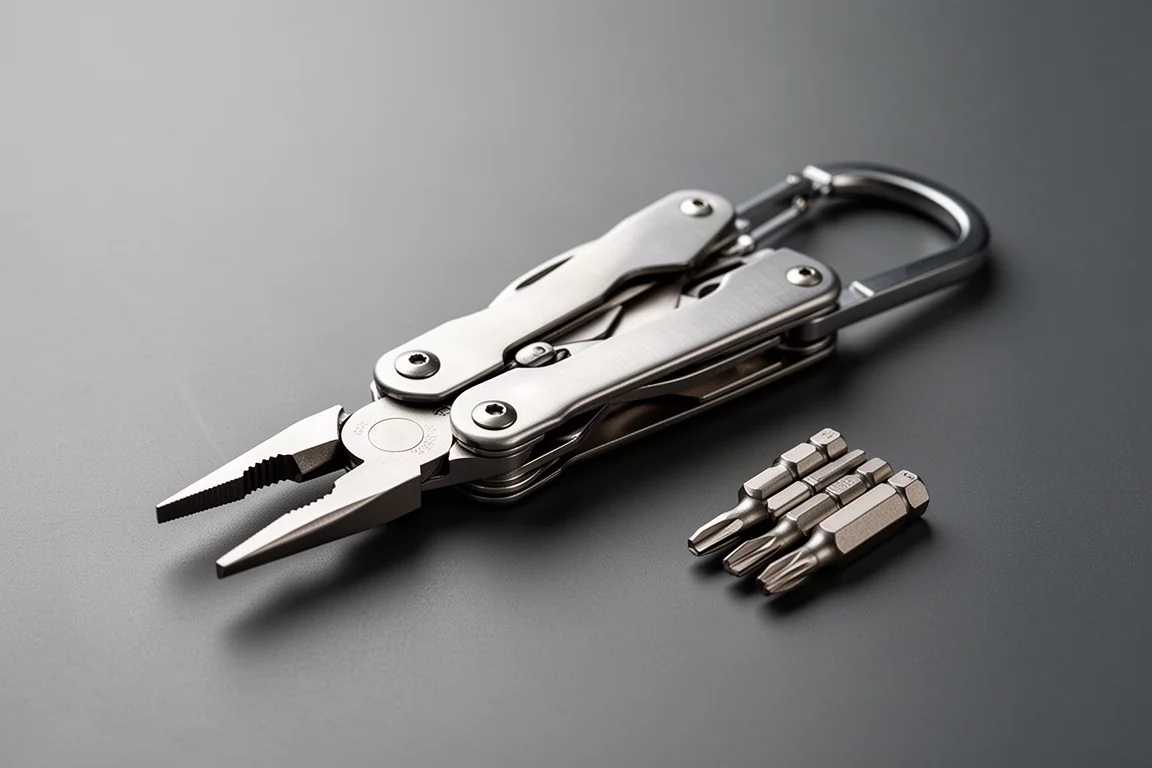
Here is where the Flash MT genuinely distinguishes itself. The flathead piece lifts to reveal a stored double-sided four millimeter bit. Getting it out takes some bending and fiddling, which is a definite downside, but once free, the bit holder at the back of the tool accepts it with a magnetic hold that is surprisingly secure.
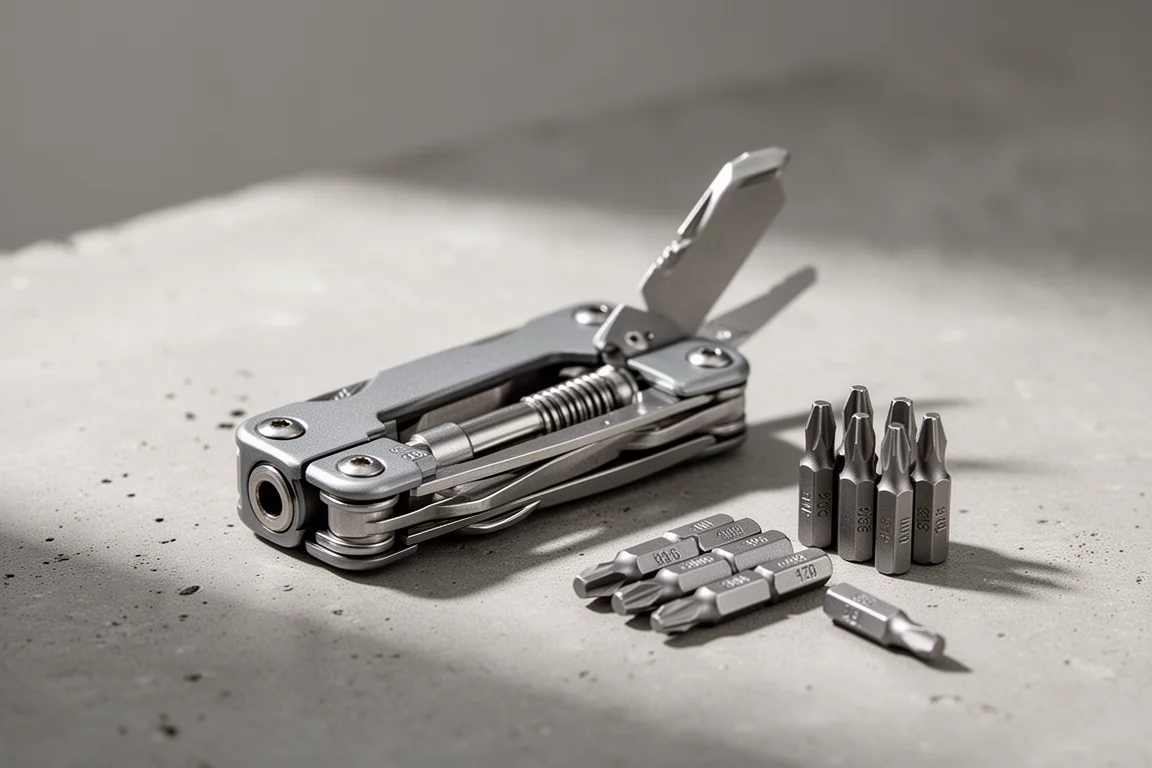
The move from full hex bits to four millimeter bits is the key. Because the four millimeter bits are captured tightly rather than overflowing loosely on either side, the hold is rock solid under moderate pressure. It also means the Flash MT works with the wider four millimeter bit ecosystem, including popular 24-bit sets with security Torx and other specialty bits, which can be carried in the tool itself. No proprietary bits required, and standard four millimeter bits work as well.
This is a real advantage over carrying a bit kit separately: the kit itself is not a tool, but a compact driver paired with the Flash MT becomes an impressive, self-sufficient package.
Pliers: Where the SOG Pulls Ahead
Comparing the two plier heads, the thickness and length are very similar, but the SOG shape is clearly preferable, with tight tolerances and no flex, which is impressive at this size. The compound leverage system makes the most sense precisely in a small tool: you apply far more gripping force with much less hand effort, and the difference is immediately noticeable.
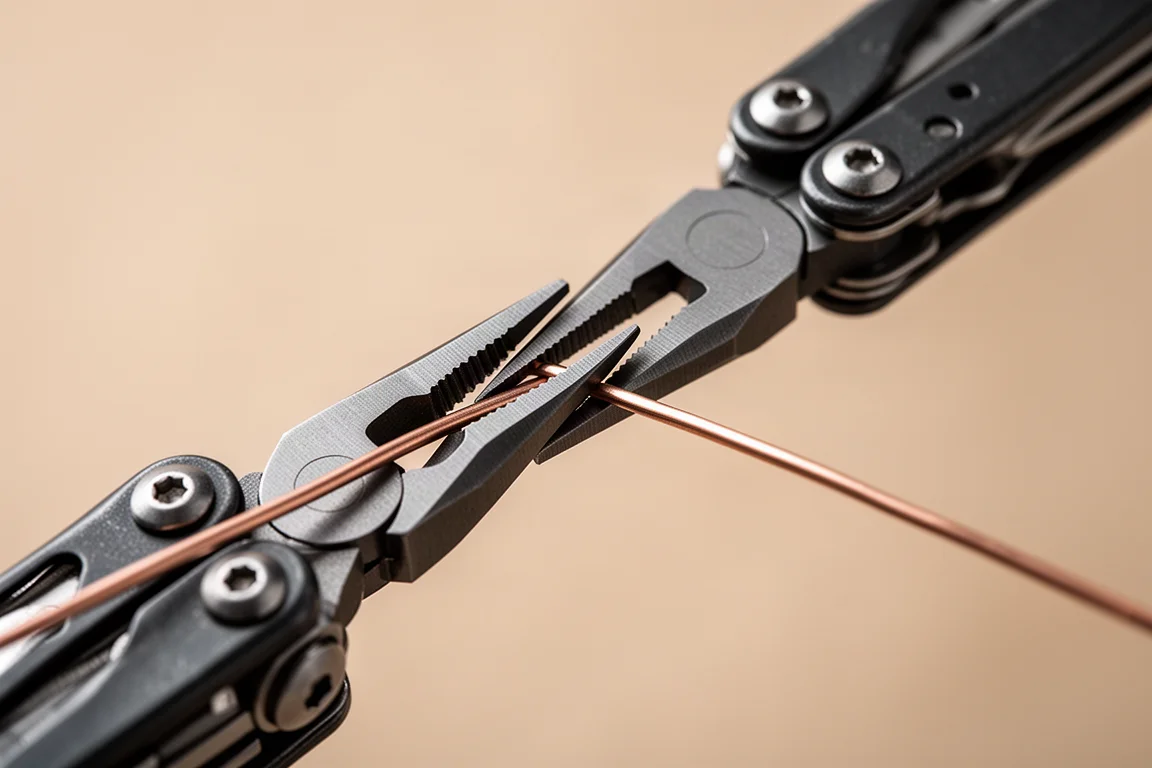
The Flash MT has true needle-nose pliers, precision ground at the tips. The Skeletool’s pliers are not really needle-nose at all, and that has long been a fair criticism of it. The trade-off is that fine tips should not be subjected to heavy lateral torque, but for precision gripping and wire cutting they are excellent. Note that the Flash MT’s opening ratio does not match SOG’s PowerPlier design, but grabbing the handles is easy enough given the small size, and the rubber grip area is more comfortable than expected.
Buying Advice
Choose the SOG Flash MT if you want true needle-nose pliers, a locking thin blade, and native compatibility with common four millimeter bits in the smallest possible package. The stored bit is awkward to extract and the flathead is only slip-joint, but neither flaw is disqualifying.
Choose the Leatherman Skeletool if you value a long-proven design with wide ecosystem support and prefer its open-handle styling. Its pliers remain the weak point of the pairing.
Either way, the compact multi-tool market finally has real competition, and that benefits everyone.
Conclusion
First impressions of the SOG Flash MT are very strong. It is compact, light, sharp, and thoughtfully engineered around standard four millimeter bits, with pliers that outclass the Skeletool’s. The Skeletool’s decade-long run as the default compact multi-tool now has a credible challenger, and the advantages tilt toward the newcomer more than expected. A longer carry period will confirm it, but on paper and in hand, the Flash MT looks like a winner.
Further reading
Related Reviews
Multi-Tools
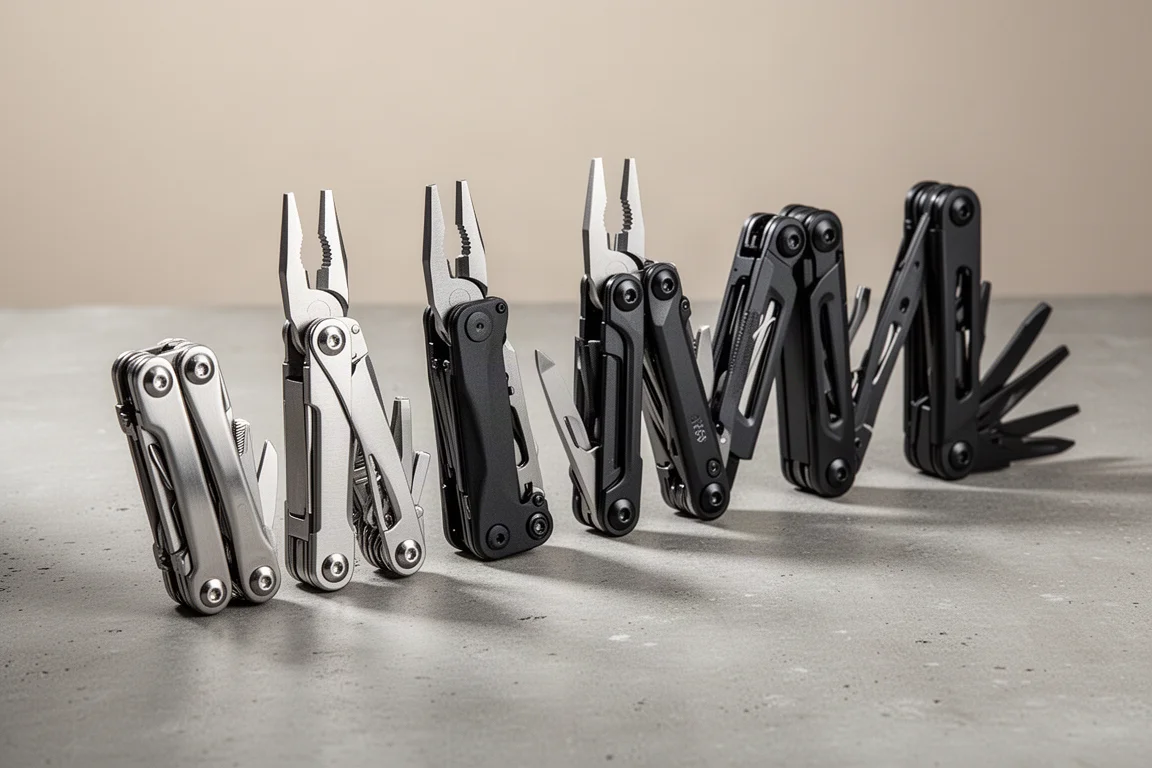
Leatherman Wave Plus Review: A Pliers-First Multitool for Bike Trips
Why a pliers-first multitool earns permanent space in a touring kit, and what to weigh before paying for the Leatherman Wave Plus.
Multi-Tools
Best Budget Multi-Tools Under $50: Four Picks Worth Considering
A compact SOG original and three value-focused clones, with honest notes on which ones deliver real value and where to draw the price line.
Multi-Tools
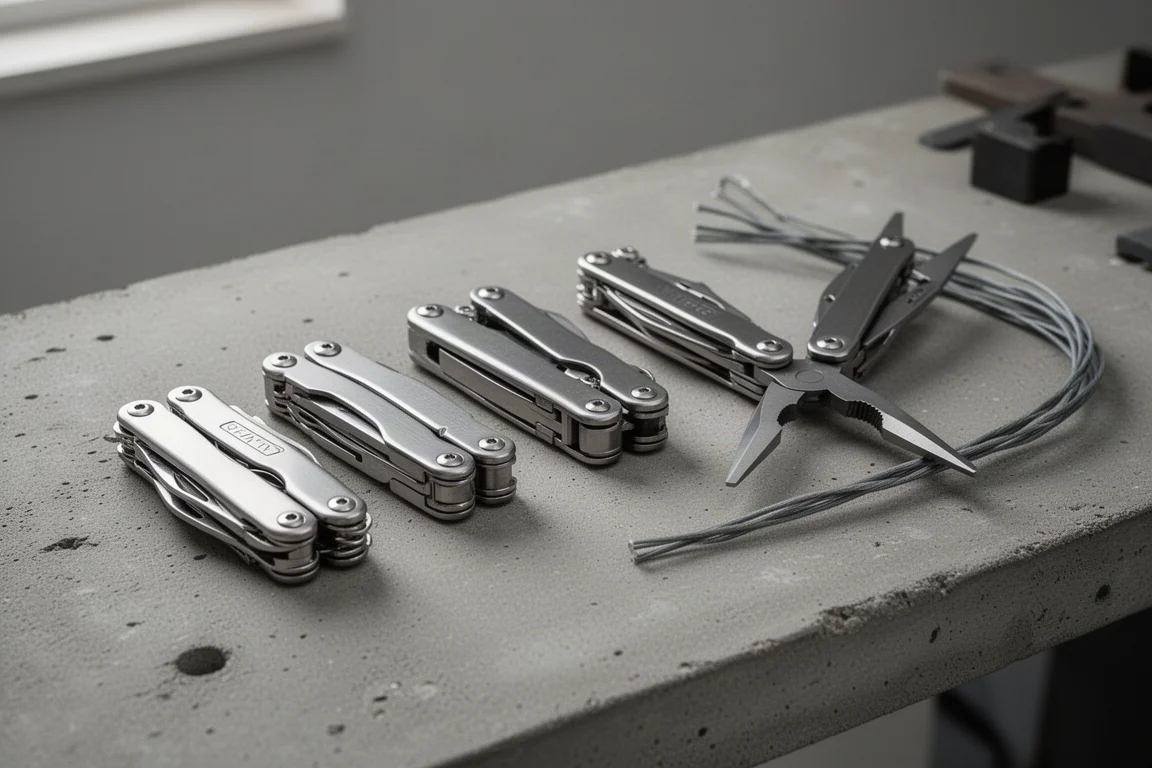
Best Multitools for Hard Wire Cutting: Which Pliers Actually Survive the Test
We put a lineup of classic and modern multitools up against a simple challenge: cutting coat hanger wire cleanly without damaging the cutters.