Art Supplies
The Softest Colored Pencils Tested: Five Pencils Plus the One Blender That Ties Them Together
A hands-on comparison of five soft-core colored pencils, covering blending, layering capacity, saturation, and core sizes, plus the colorless blender pencil many artists rely on.
Introduction
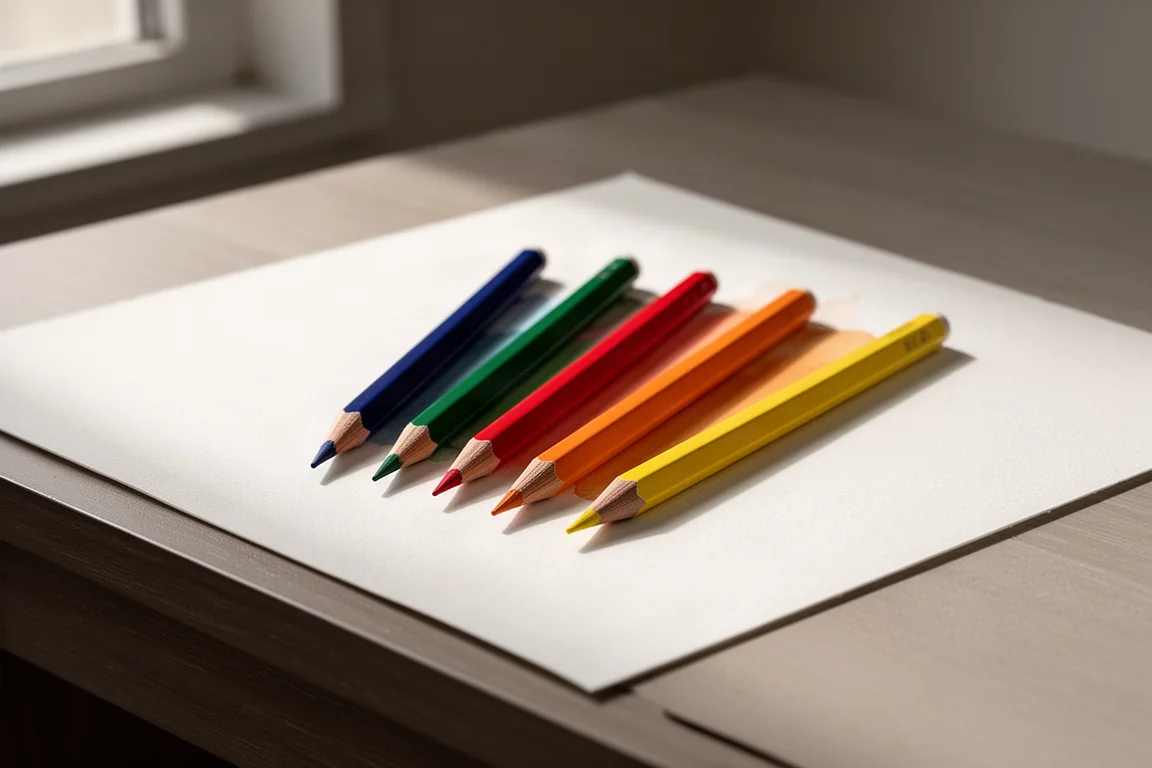
Soft-core colored pencils reward artists with rich, easily blended pigment, but not every pencil marketed as “soft” behaves the same way. This comparison looks at five pencils tested side by side on hot-pressed watercolor paper, with three simple tests applied to each: a color-to-color blending gradient, a layering test counting how many light layers the pencil accepts, and a shaded sphere blended down with a colorless blender pencil. The results show that softness alone does not tell the whole story.
How We Tested
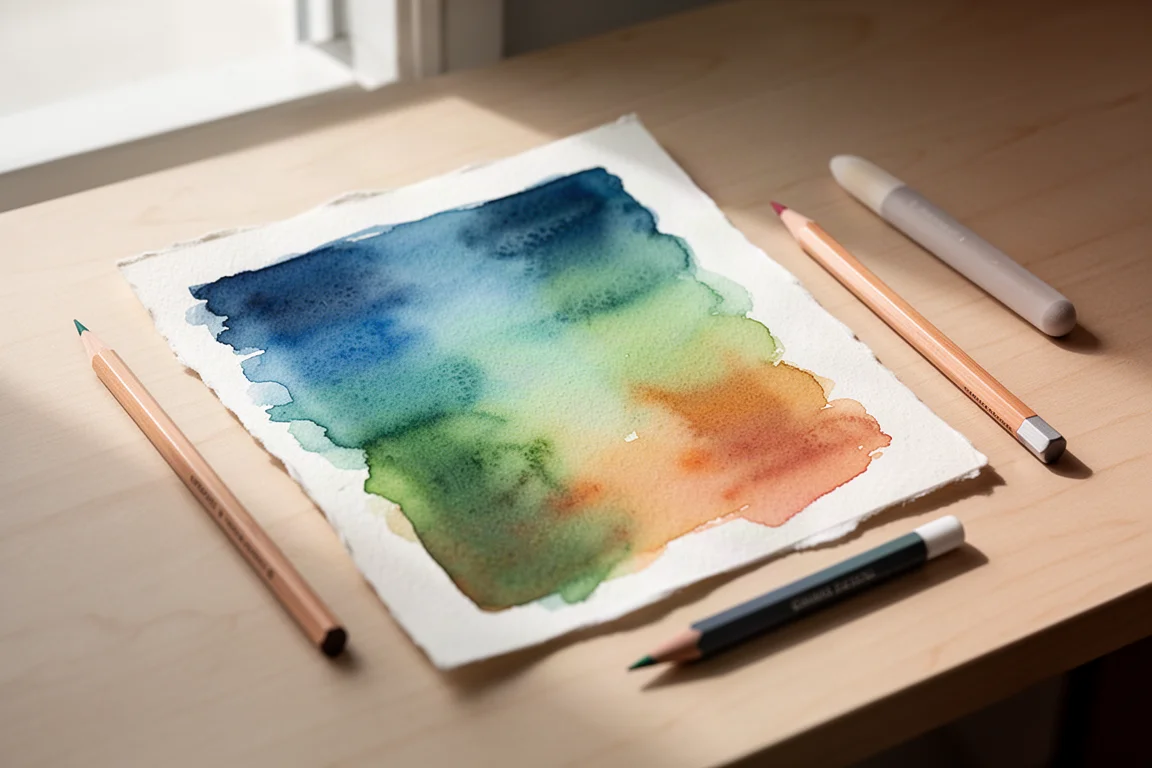
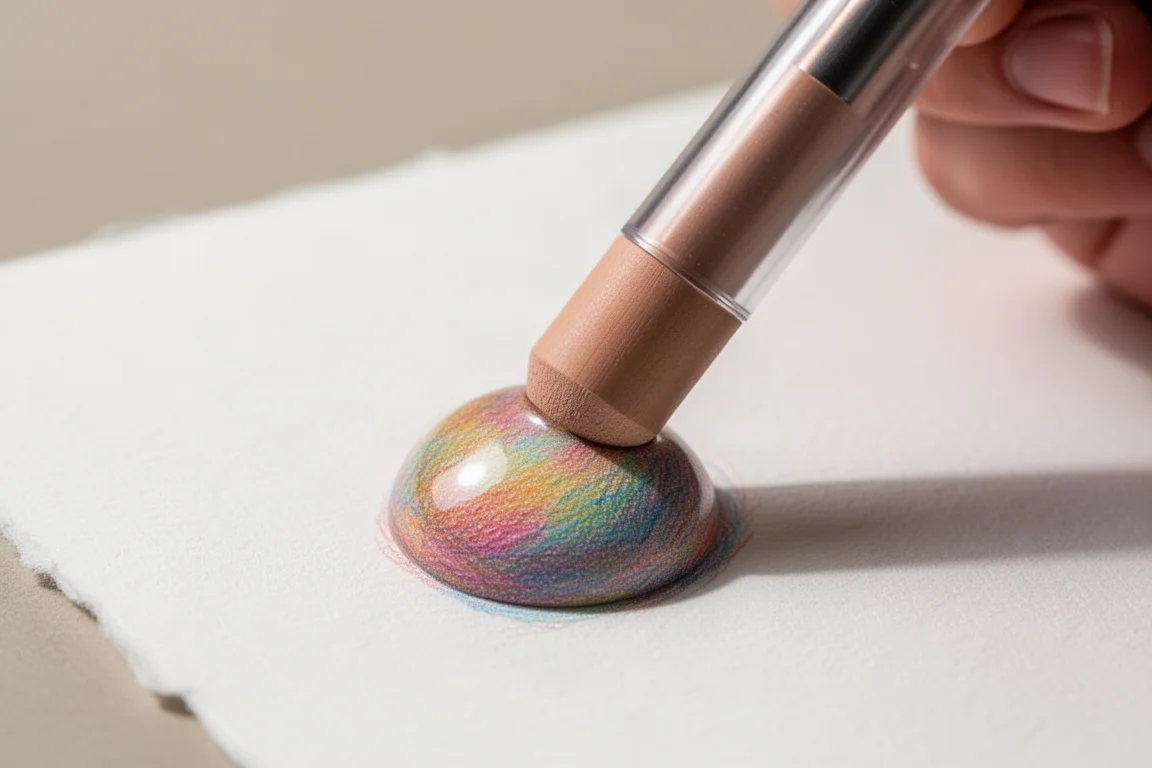
Each pencil was put through the same three tests on the same Derwent hot-pressed watercolor paper. The blending test used a dark-to-light gradient from a single color family. The layering test applied light layers one after another until a new layer stopped changing anything. The sphere test blended a fully shaded form with a colorless blender to see how well each core breaks down under pressure.
A note on blending methods: for artists with arthritis or wrist pain, the colorless blender method requires sustained heavy pressure. Odorless mineral spirits would be the more comfortable route in that case, since it removes the need to press hard. All pencils here were also tested with odorless mineral spirits separately, but this comparison uses the blender pencil throughout.
Prismacolor Premier
Prismacolor Premier is the softest-core pencil in this lineup, and it behaves like it. Its core breaks down beautifully during blending, producing some of the smoothest gradients of the group, and the layering test reached seven layers before an eighth stopped making a visible difference.
The trade-off is familiar: breakage. Soft cores are simply more fragile, and Prismacolor’s quality control around core breakage is a recurring complaint. If a soft core is what you want, some breakage comes with the territory. Harder-cored pencils will always shed fewer fragments, so the choice comes down to which behavior you value more.
Derwent Chromaflow
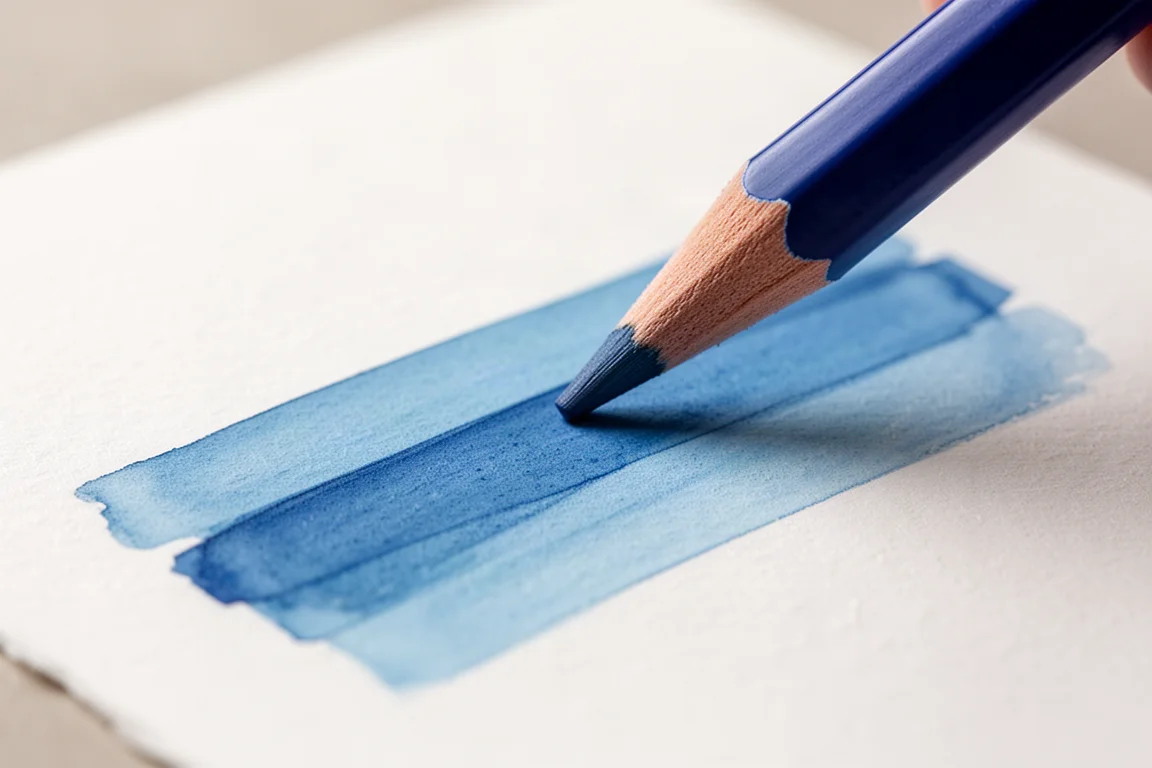
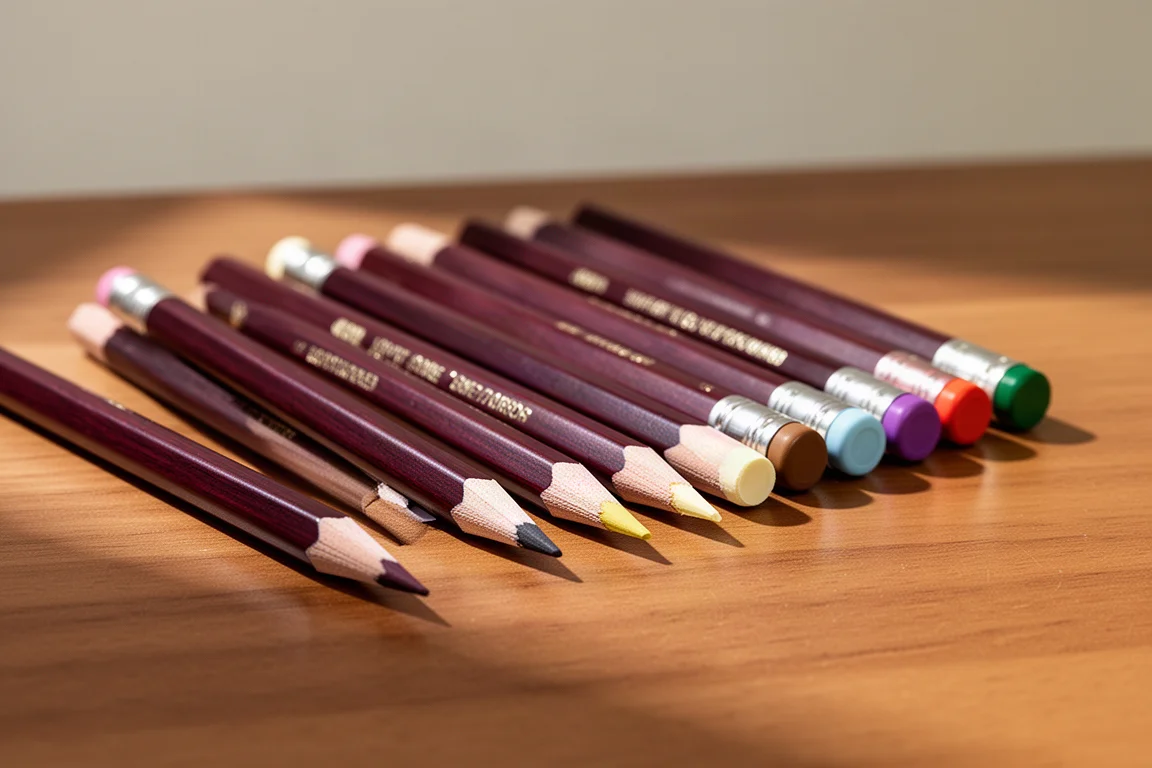
Derwent Chromaflow sits slightly lower on the softness scale, but that slight firmness works in its favor. It holds its point noticeably longer than the two pencils above it, which translates into better coverage when you need to apply a touch of pressure, and it posted the strongest layering result of the group at eight clean layers.
Blending was smooth, though the gradient swatches were not quite as saturated as the layer test suggests. Overall it is a pencil that feels like a soft core but behaves with more discipline, which makes it a strong middle-ground option.
Derwent Coloursoft
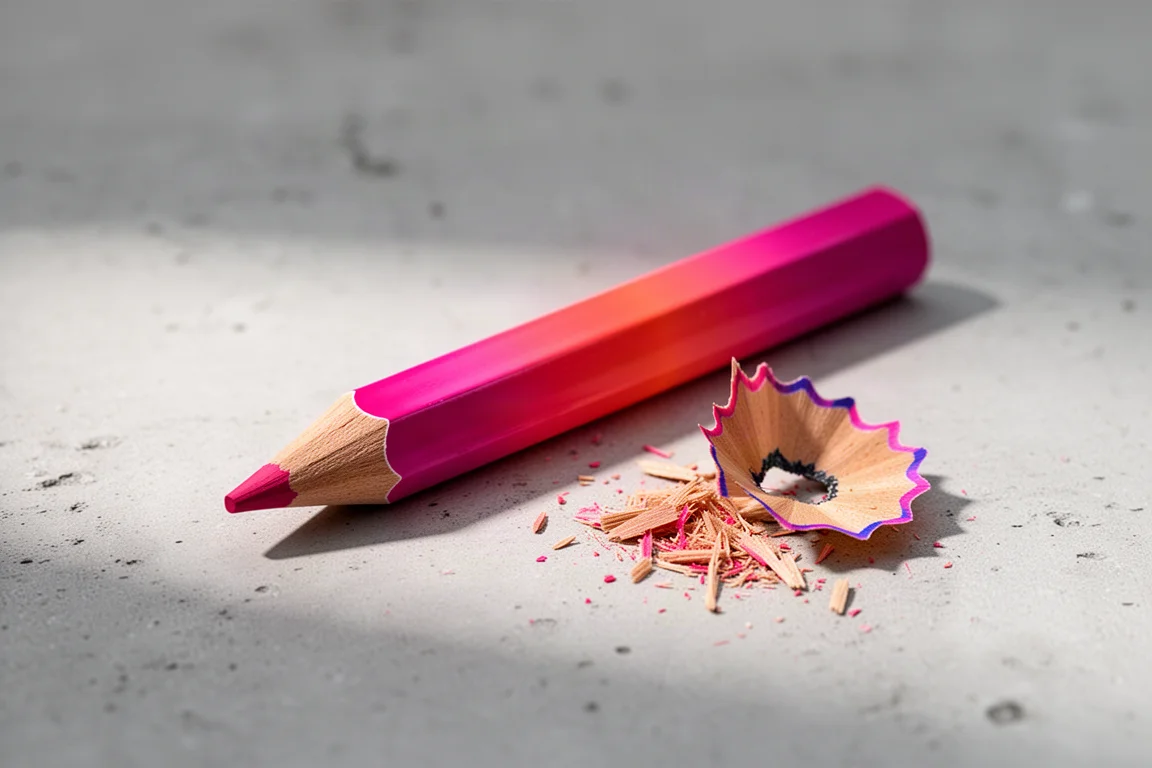
Derwent Coloursoft rates just below Prismacolor on softness, roughly a nine against Prismacolor’s ten on a ten-point scale where ten is softest. The cores feel very different in the hand, though: Prismacolor feels sticky and slightly gloopy under heavier pressure, while Coloursoft feels dry, closer in sensation to a pastel pencil.
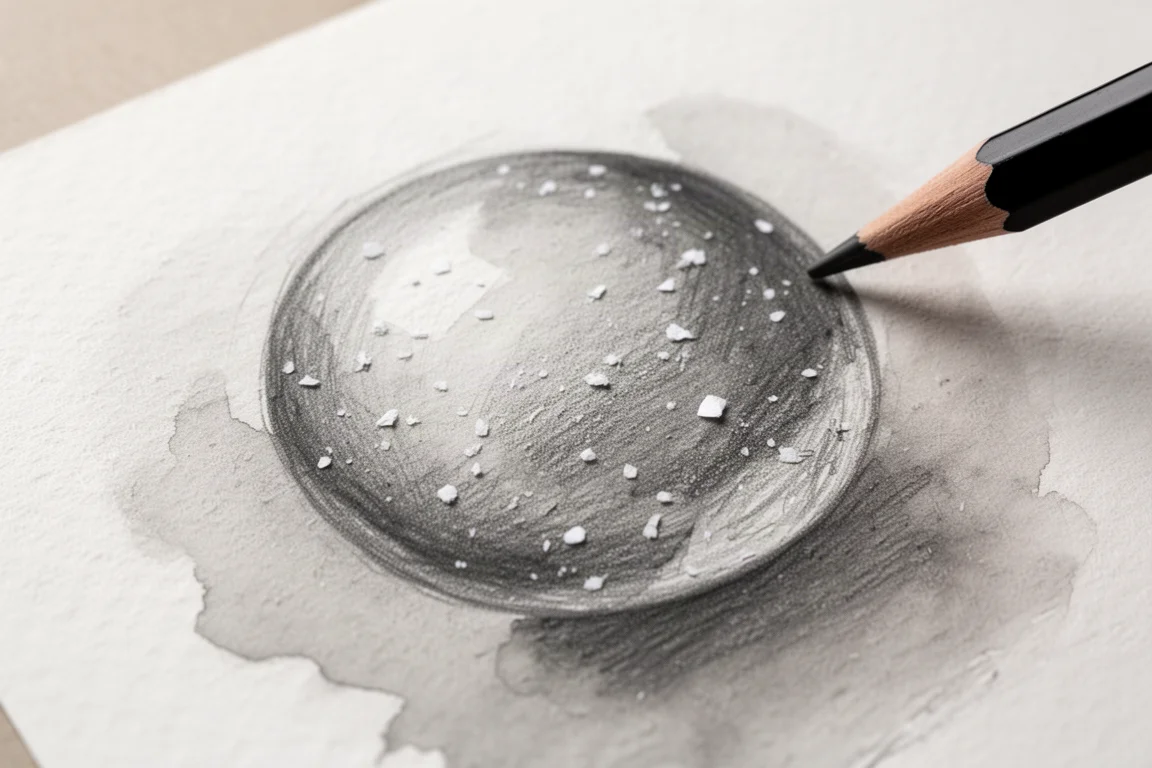
Layering reached eight marks on the test sheet, but the honest number is seven; the eighth layer was applied with too much pressure and left impressions that layering tests should not produce. Saturation was the interesting part here. Before blending, the sphere looked pale with a lot of paper white showing through, but once the colorless blender pushed the pigment into the tooth, the colors became far more saturated and visibly moved from dark areas into lighter ones.
Faber-Castell Black Edition Super Soft
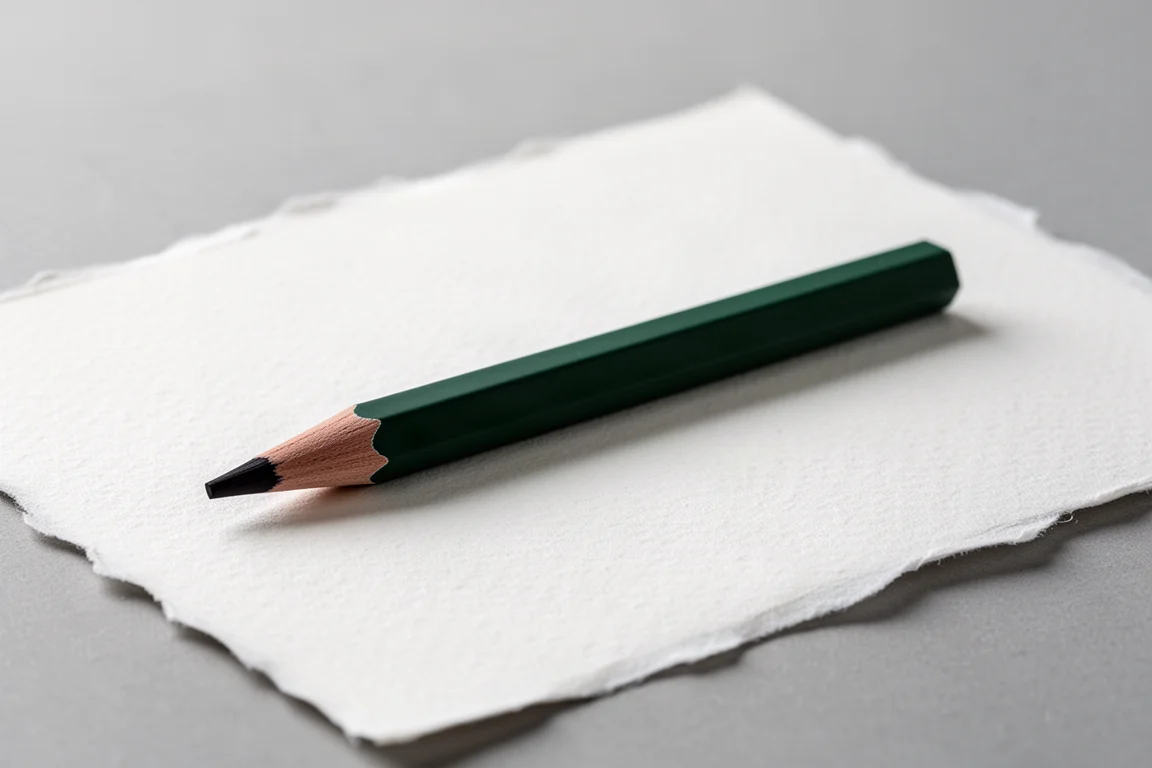
Faber-Castell’s Black Edition is marketed as a soft core, but on a scale where Prismacolor is a ten, the Super Soft lands around a four. It is softer than a firm-core pencil, just not in the same league as the three pencils above.
The blending result was relatively seamless but not very saturated, and looking through the set, many of the reds and oranges share similar saturation levels. The layering test is where it fell behind: only five layers before the surface turned tacky and refused more pigment. It is not a bad pencil, but in this company it is clearly the least soft and least layer-friendly.
Lyra Giotto
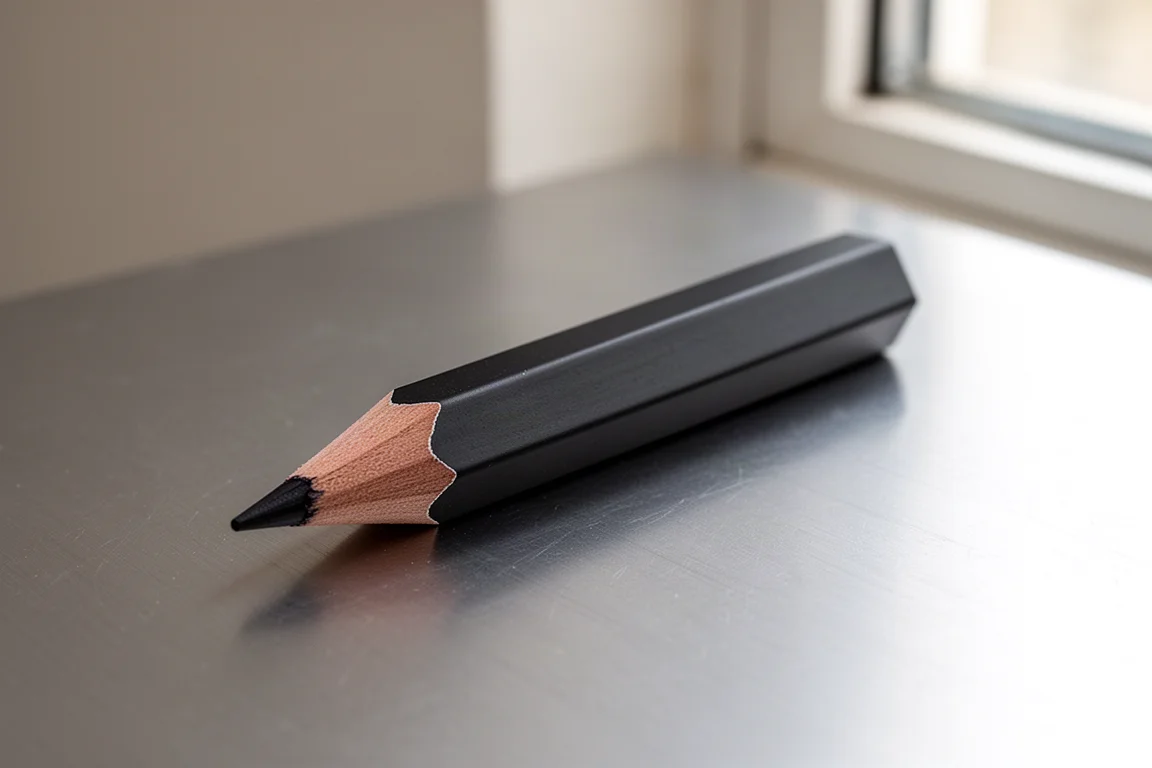
The Lyra Giotto sits in Lyra’s younger-skewing range, and in much of Europe it is a pencil artists grew up with. Its core rates around a five or six, a touch softer than the Faber-Castell Super Soft, and it blends into a seamless gradient.
The main limitation is the range: 36 colors is simply too low a count for a pencil of this quality, particularly because the core lays down and layers well. On the blending test the colors look pale, but that reflects the light layers used there rather than the pencil itself; under firmer pressure the saturation improves considerably. Like the others here, it does not carry strong lightfast ratings, so it is best treated as a practice and general-use pencil rather than a fine-art archival tool.
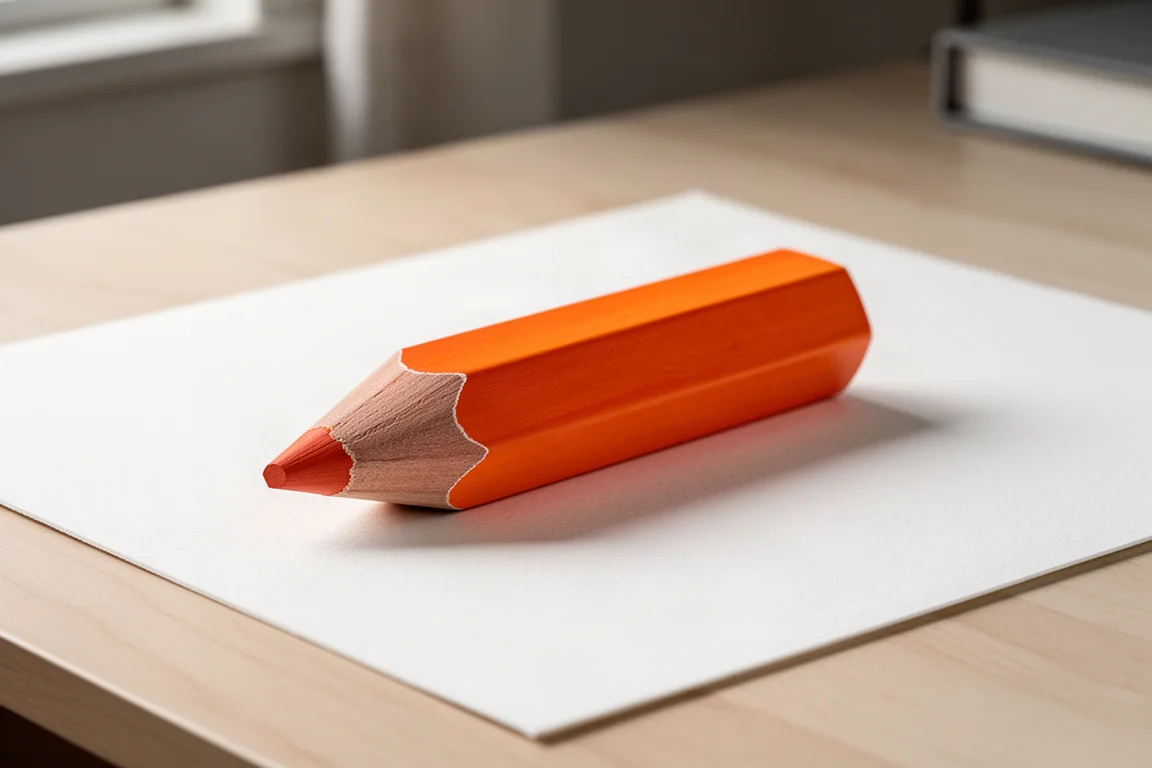
Core and Barrel Sizes Compared
All five pencils sit in a similar size bracket, with some meaningful differences in the core:
| Pencil | Barrel | Core |
|---|---|---|
| Prismacolor Premier | 3.6 mm | 1.6 mm |
| Derwent Chromaflow | 3.5 mm | 1.5 mm |
| Faber-Castell Black Edition Super Soft | Triangular barrel | 1.6 mm |
| Derwent Coloursoft | 3.8 mm | 1.9 mm |
| Lyra Giotto | 4 mm | 1.7 mm |
Derwent Coloursoft has the biggest core at 1.9 mm, Chromaflow the smallest at 1.5 mm, and Prismacolor sits in the middle. A larger core covers more area per stroke, while a smaller one holds a sharper point for detail work.
Blending with the Caran d’Ache Colorless Blender
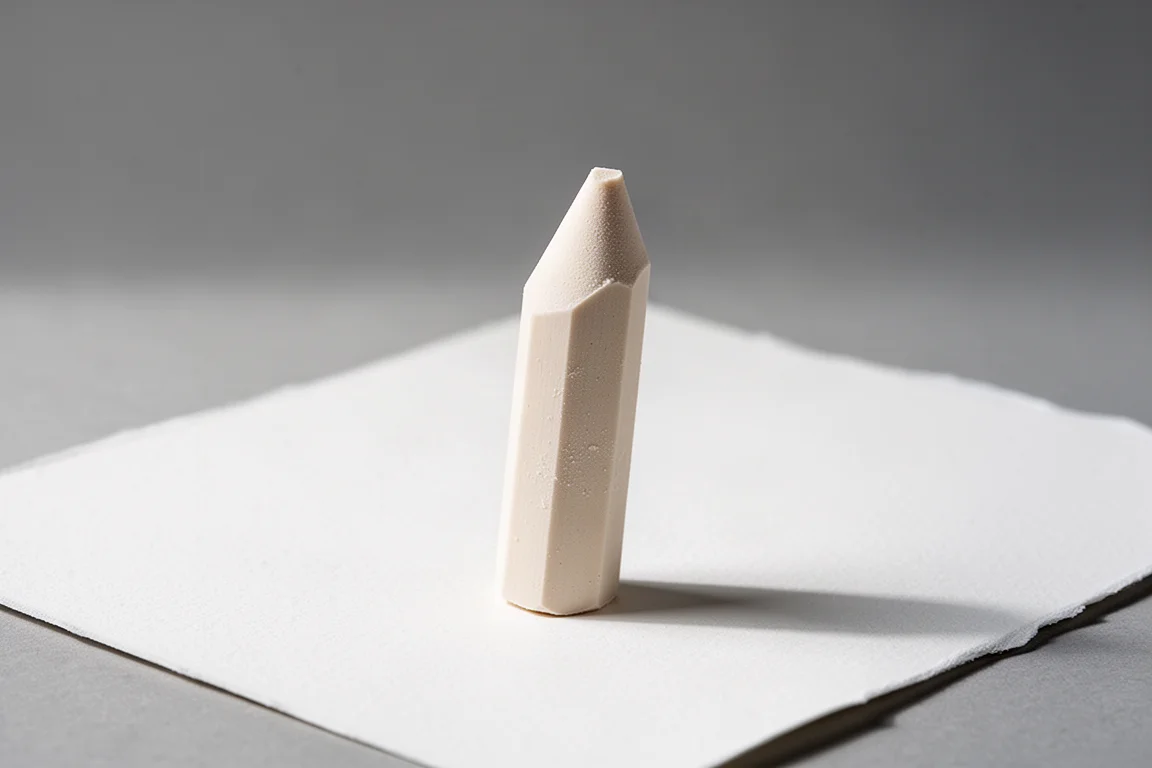
The Caran d’Ache full blender is a pencil with no wood and no barrel, just a complete solid stick of blending material, and it is arguably the best pencil blender on the market. A colorless blender adds no pigment of its own, so when you press hard to flatten the paper’s tooth and melt your layers together, you are not contaminating the values you worked to build. A white or pale pencil used for the same job risks lightening your darker values.
The technique is the same across all five pencils: heavy pressure, steady strokes, and clearing away the little crumbs the blender sheds as you work. The before-and-after transformation is dramatic. Pale spheres with visible paper tooth, like the Derwent Coloursoft one, turn saturated and smooth, with color visibly migrating from darker regions into lighter ones. Faber-Castell Super Soft was the one pencil that stayed noticeably less saturated even after blending.
Which One Should You Buy
There is no outright winner here, because each pencil suits a different way of working. If you want the absolute softest core and accept breakage as the cost, Prismacolor Premier delivers. If you want a soft feel with better point retention and the best layering capacity of the group, Derwent Chromaflow is the disciplined choice. Derwent Coloursoft rewards blending-heavy work and carries the largest core. Faber-Castell Black Edition suits artists who want mild softness in a widely available triangular barrel, and Lyra Giotto is a genuinely pleasant pencil held back mainly by its small 36-color range.
Remember that these tests were run on smooth hot-pressed paper; a more toothy, absorbent sheet such as Derwent Lightfast or Fabriano Artistico would likely have accepted additional layers across the board. And if blending comfort matters, pairing any of these with the Caran d’Ache colorless blender gives consistent, pigment-neutral results, while artists with wrist or hand strain should lean toward odorless mineral spirits instead.
Conclusion
Soft-core colored pencils are less about a single best pick and more about matching core behavior to your technique. Prismacolor leads on pure softness, Chromaflow on balance and layering, Coloursoft on core size and blend response, while Faber-Castell Super Soft and Lyra Giotto fill more specific niches. Whichever you choose, the colorless blender used in these tests will get the most out of any of them.
Further reading
Related Reviews
Art Supplies
Art Pop Watercolor Pencils 48-Color Set: A Thoughtfully Designed Student-Grade Option
The Art Pop 48-color watercolor pencil set blends well, dissolves smoothly, and includes artist-friendly details like barrel-printed color names, all at an affordable price.
Art Supplies
Artics Acrylic Markers 3mm Review: Versatile Paint Markers With a Few Caveats
A 48-color set of water-based acrylic paint markers that blend while wet, dry permanent, and keep the price low, though safety transparency remains a question.
Art Supplies
Best Art Supplies Worth Your Money: Pencils, Pens, Paints, and Paper That Earned Their Spot
After years of daily use and testing, these are the pencils, pens, watercolors, gouache, brushes, sketchbooks, and erasers that stand above the rest.