Running Shoes
New Balance FuelCell Rebel v5 vs Novablast 5, Velocity Nitro 4 and Adizero Evo SL: Which Soft Daily Trainer Wins?
Four soft daily trainers go head to head on stack, foam feel, durability and value to help you pick the right one for easy miles and uptempo days.
Introduction
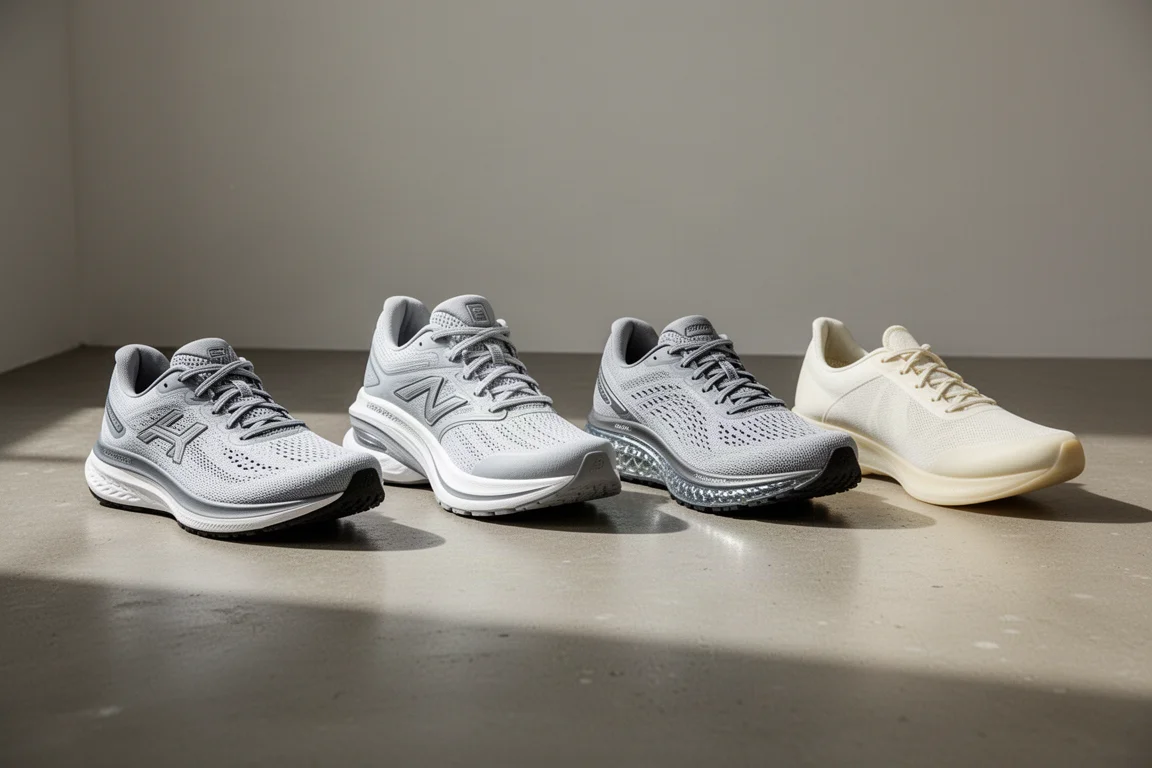
Soft, bouncy daily trainers are more crowded than ever, and four models keep coming up in the same conversation: the New Balance FuelCell Rebel v5, the Asics Novablast 5, the Puma Velocity Nitro 4 and the Adidas Adizero Evo SL. All four sit in that comfortable middle ground between a true easy-day cruiser and a shoe you can push the pace in.
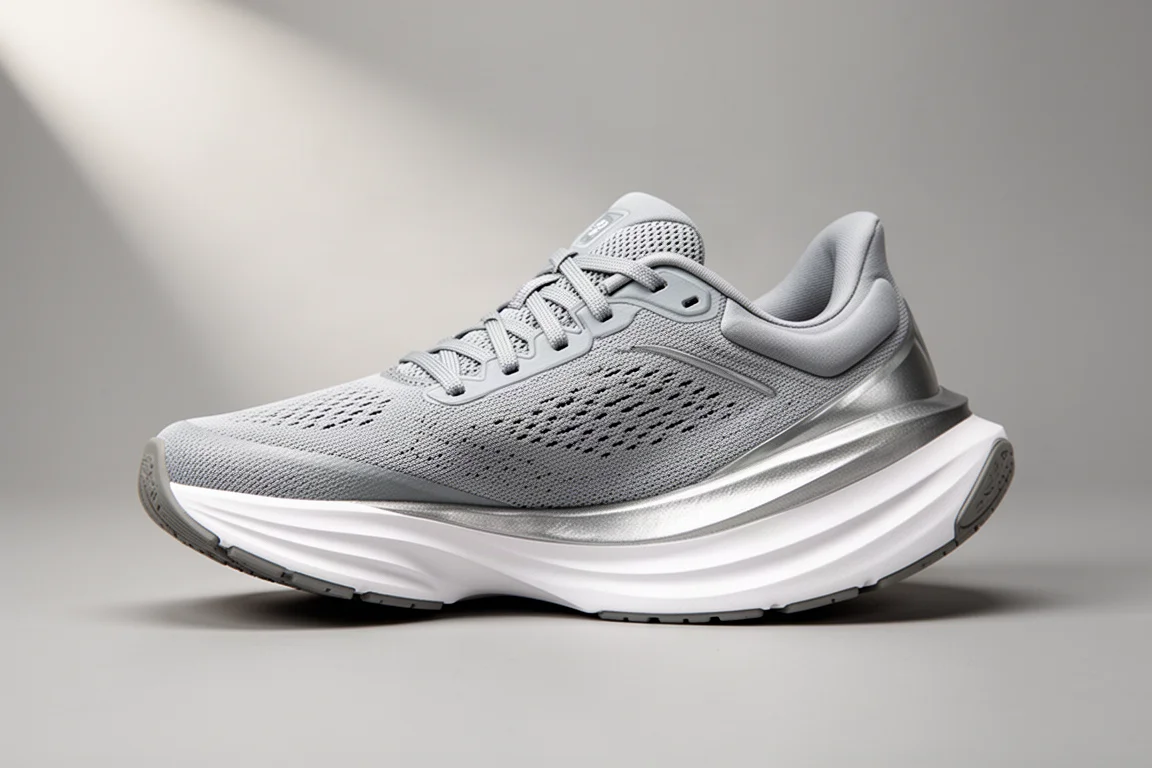
The Rebel v5 is the most interesting of the four on feel. Its FuelCell midsole is among the most compressive and squashy foams around, which makes it light and soft in a way few competitors match. But softness alone does not decide a comparison, and putting it up against the other three reveals some real trade-offs in stack, durability and price.
How They Compare on Paper
The first thing that stands out is stack height. The Rebel v5 runs much lower than the Novablast 5 or the Evo SL, and by a noticeable margin. It also has the lowest drop of the group and the second-widest forefoot, only behind the Novablast 5.
One durability note worth flagging: measured in a UK 11, the Rebel v5 had compressed by roughly 2mm from its out-of-box height with relatively few miles logged. It flattens at a surprising rate, which seems to be the trade-off you accept with such a super-compressive foam. The Evo SL, meanwhile, is barely heavier than the New Balance despite its taller build.

Puma Velocity Nitro 4: The Better All-Round Value
Statistically, the Velocity Nitro 4 is probably the closest match to the Rebel v5, with similar stack heights, but it comes in meaningfully cheaper in the UK. Its Nitro foam is a touch firmer and more resilient, springing back to form noticeably quicker than the extremely squashy FuelCell material. Oddly, that makes it easier to run faster in: at pace the Puma feels more fun and engaging, while the Rebel leans spongey and soft.
The Rebel has the edge in fit polish. Its upper looks great and locks down better than the Nitro 4, though the Puma could trim some overlays and extra materials without hurting anything. The New Balance is also marginally lighter on foot, though the difference is small.
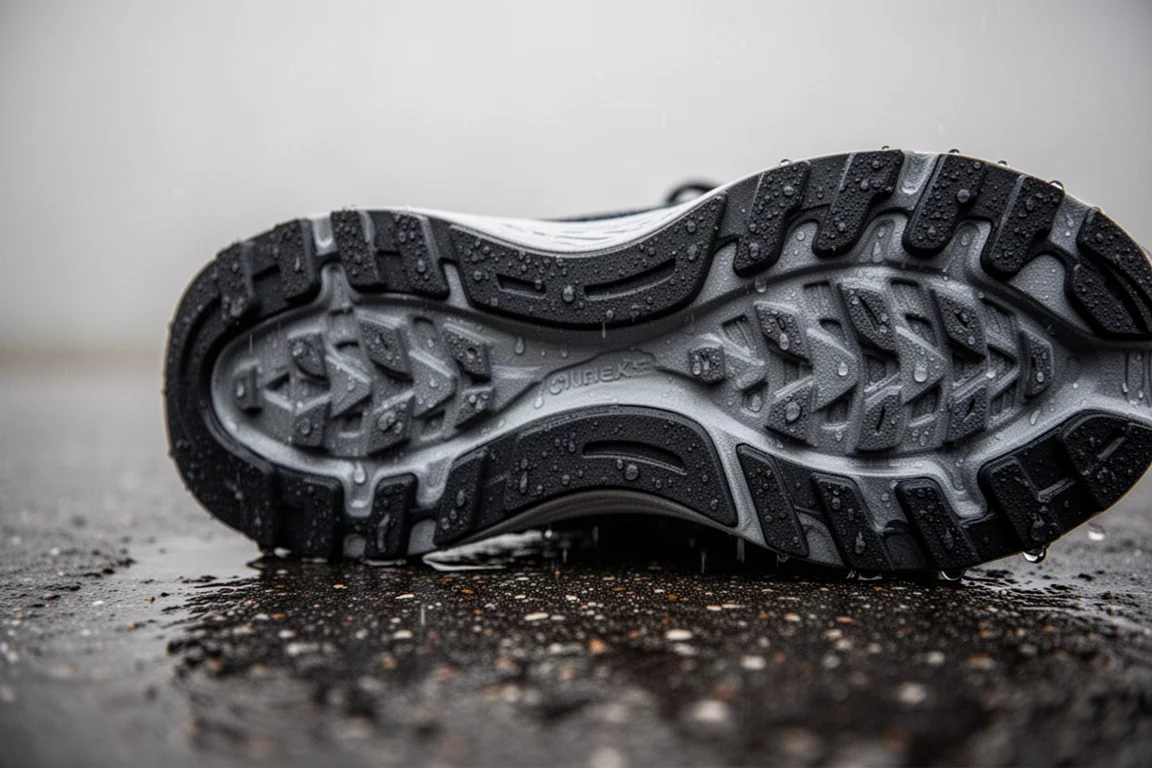
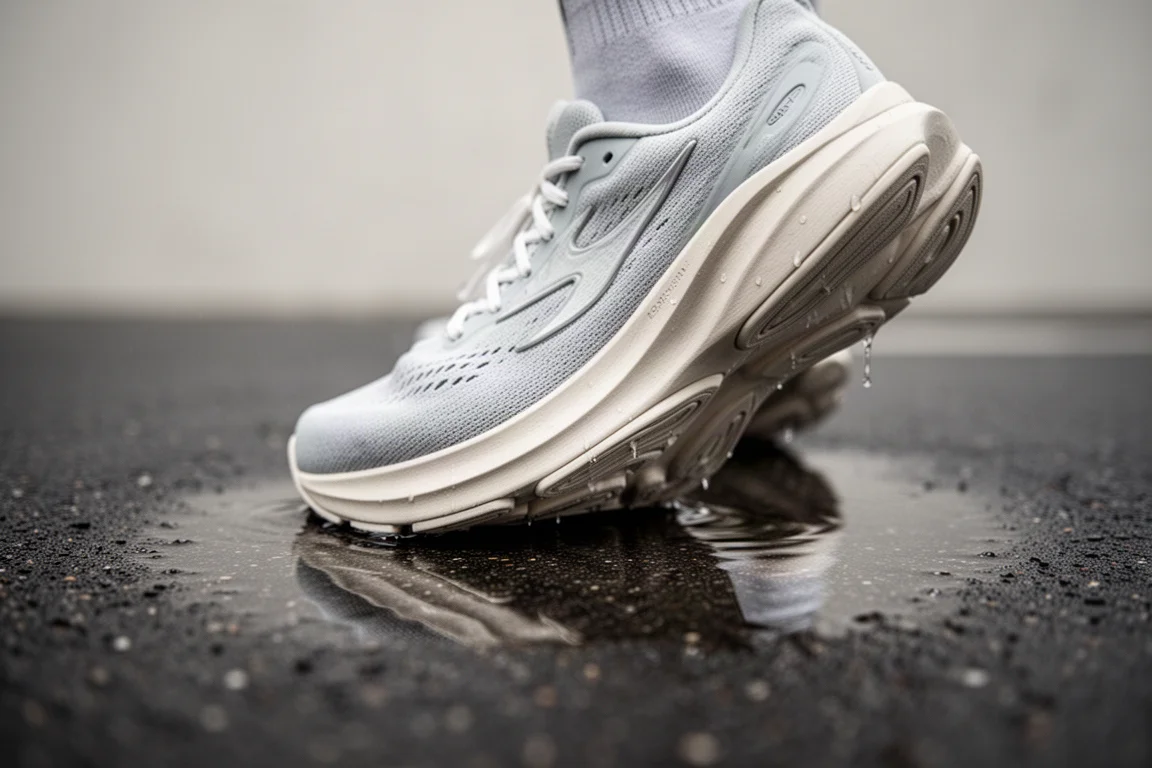
Outsole is where the Puma runs away with it. Puma Grip is far more effective in wet weather, with better cornering traction and more of it. The Rebel shows a lot of exposed midsole creasing. Nitro has also proven itself in longer-term durability testing. Unless you specifically want that super-compressive feel, the Velocity Nitro 4 is the stronger daily pick, and in the UK it is simply far better value than the Rebel v5.
New Balance FuelCell Rebel v5: Niche Appeal
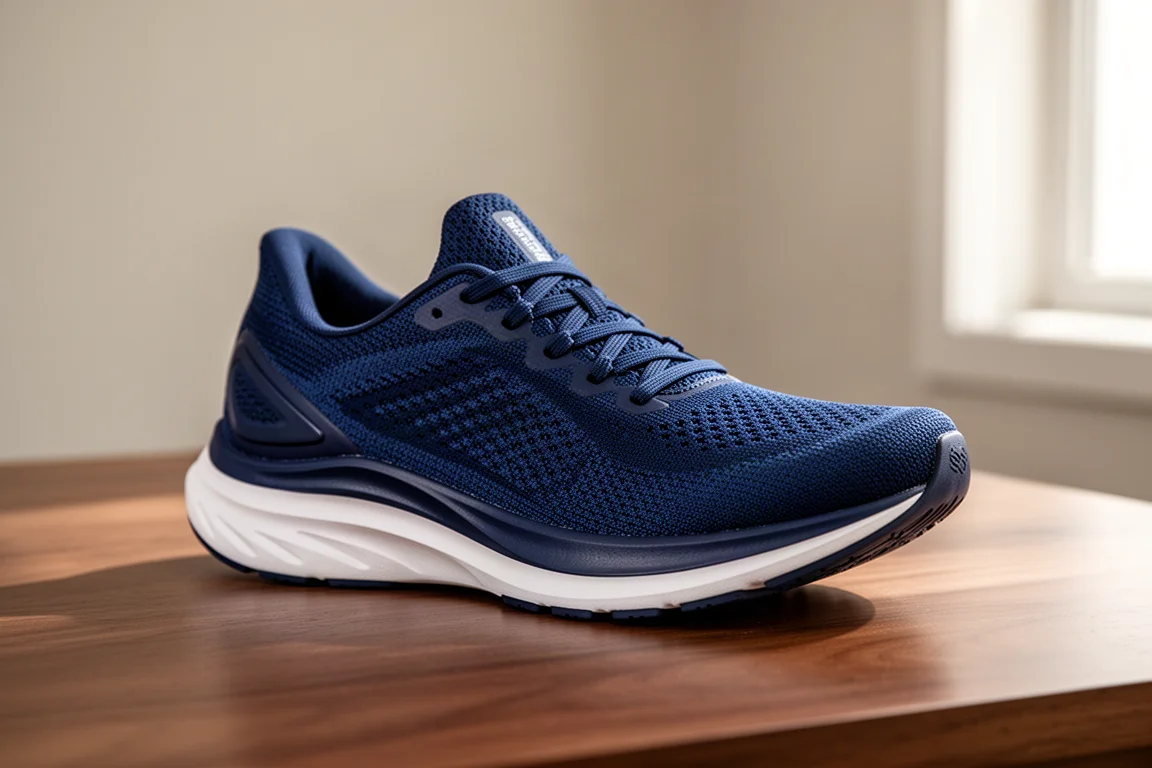
The Rebel v5 is a low-to-the-floor shoe with minimal suspension, and that shapes who it suits. The FuelCell foam gives a soft, compressive ride unlike anything else here, but there is no rigidity in that midsole. It feels like one big slab of foam, without the subtler implementation you get from rivals.
Fit brings some genuine gripes. A section of upper reinforcement ends in a ridge that juts into the toes, which is genuinely irritating and detracts from comfort. The insole is also slippery on top, so your foot can drift toward the front of the shoe at pace.

Whether the low stack works for you depends heavily on your build. Lighter runners can rack up plenty of miles in it, and it can work fine for longer, slower efforts at lower body weight. Heavier-built runners will likely find the early compression and modest stack insufficient for daily use. Combined with a price that makes it the most expensive shoe of the four in the UK, the Rebel v5 becomes a niche option: it ticks boxes in a rotation but appeals to fewer people.
Asics Novablast 5: More Versatility for Less
The gap between the Rebel v5 and the Novablast 5 is wide on paper. The Asics carries roughly 6mm more heel stack, weighs around 50g more in a UK 11 at just under 300g, and uses FF Blast Max midsole foam, which is softer than FF Blast Plus yet still responsive and, importantly, durable.
That combination delivers much more across the pace range. The Novablast 5 stays comfortable on longer efforts, handles recovery and easy days better, and keeps giving mile after mile while the compressive FuelCell material flattens early. Heavier-built runners in particular are likely better served by the Asics, while the plush, padded upper adds a more cushioned feel than the more minimal Rebel.
At a lower price in the UK than the Rebel v5, the Novablast 5 does a lot more for the money. If the extra weight bothers you, the next shoe on this list is probably already the better answer.
Adidas Adizero Evo SL: The Easy Win
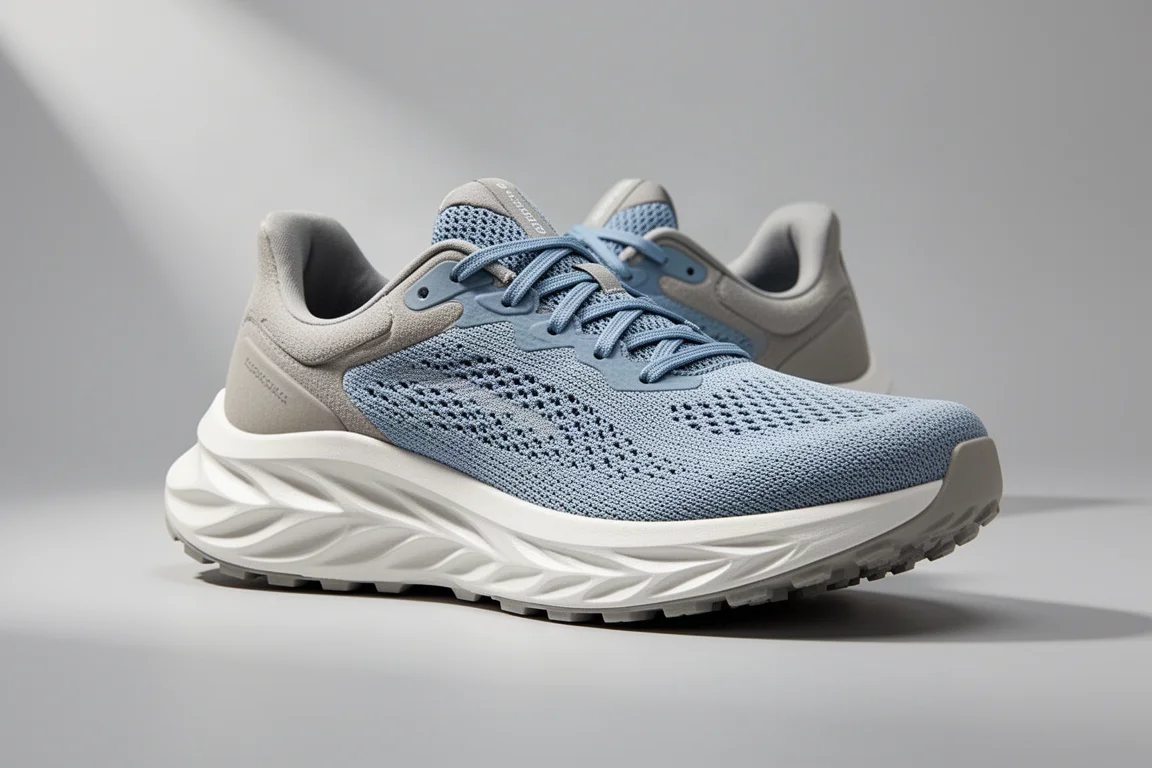
The Evo SL sits about 7mm higher in the heel than the Rebel v5 with a more aggressive drop, and its Lightstrike Pro midsole is the opposite of the FuelCell in behavior: resilient, consistent across the foot, and apparently improving mile after mile rather than flattening. A shank adds a bit of snappiness without making the shoe overly stiff.
The uppers of the two shoes are quite similar, with a flexible, conforming mesh. The Evo SL needs a lace swap to unlock its best lockdown, but once sorted it is secure. The flat, smooth Continental rubber outsole draws criticism, but on ordinary road and pavement it rarely causes problems, and it is only about 10g heavier than the Rebel while costing less in the UK.
Adidas has flooded the market with a wide range of colorways after the initial hard-to-get launch, and the formula is working. Little else offers this level of technology at this price, and it may well be one of the best all-round daily options available in a long while.
Buying Advice
If you want the most versatile daily trainer and the best balance of cushioning, durability and price, the Novablast 5 is the safest bet, especially for heavier-built runners. If you want something slightly livelier at pace with better wet-weather grip, the Velocity Nitro 4 is excellent value. If you want the best overall blend of performance, tech and price in this group, the Evo SL is the standout. The Rebel v5 only really makes sense for lighter runners who specifically enjoy a very soft, low, compressive ride and accept the faster foam flattening and higher price.
Conclusion
The Rebel v5 is a good-looking shoe with a uniquely soft FuelCell ride, but after around 40 miles it loses its appeal quickly against this competition. The Evo SL is the clear overall winner, the Novablast 5 is the best value all-rounder, the Velocity Nitro 4 is the sharp alternative for faster daily miles, and the Rebel v5 remains a niche pick for a specific kind of runner.
Further reading
Related Reviews

Running Shoes
Best Road-to-Trail Running Shoes: Three Versatile Options for Mixed Terrain
A practical guide to three road-to-trail running shoes that handle both pavement and mild trails, with clear strengths and trade-offs for different runner types.

Running Shoes
Best Running Shoes for Achilles Tendonitis: Three Options Explained
Three running shoes with different heel drops and support features designed to help reduce Achilles tendon pain during walking and running.

Running Shoes
Best Running Shoes for Women: Five Top Choices Ranked
A ranked guide to five women's running shoes, from versatile daily trainers to high-performance racing options, with real strengths and trade-offs for each.