Optics
So Grease 12x50 Binoculars Review: A Solid Mid-Tier Pair for Birding
We took the So Grease 12x50 binoculars into the field for a full birding session, from wetland rails to backyard songbirds, to see where they shine and where they fall short.
Introduction
The smart bird feeder market is crowded, so it was refreshing to see a brand take a different angle for birders. So Grease sent over a pair of 12x50 binoculars, and after several outings with them in the field, the short version is this: they are a clear, well-built mid-tier pair that earns a place in a regular birding kit.
First Impressions and Build Quality
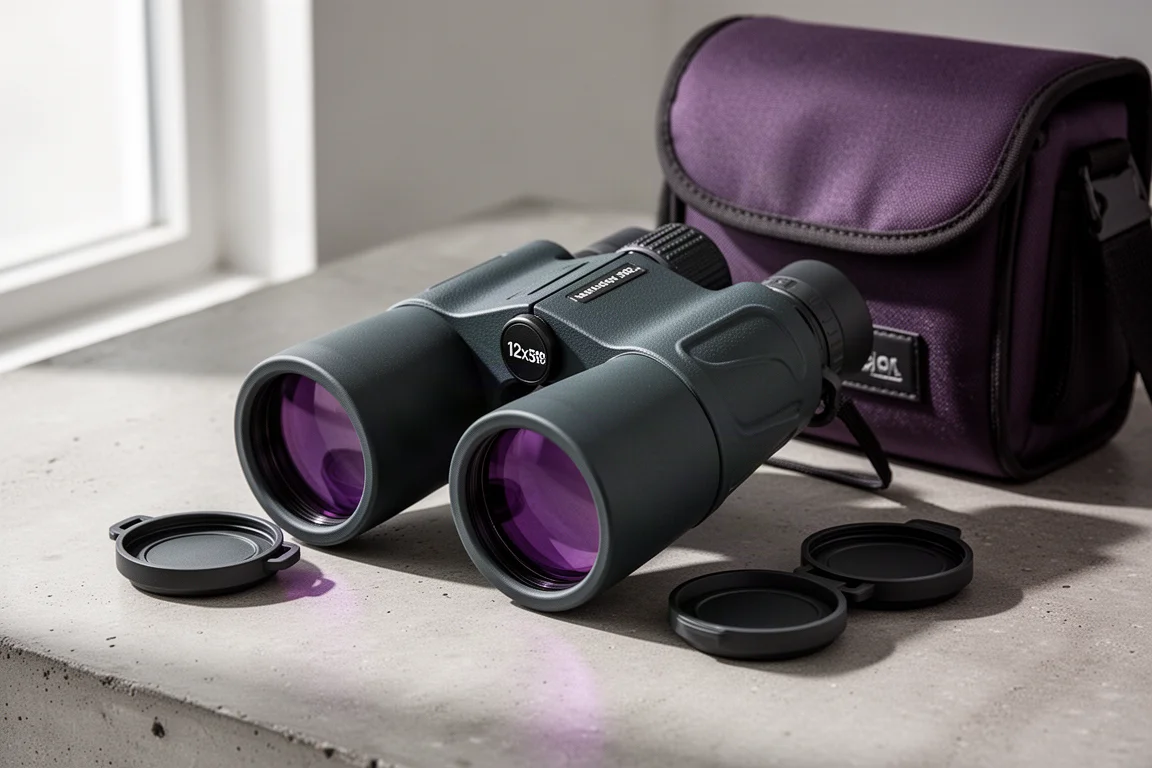
Out of the box, the binoculars come in a padded carrier case, with two straps included: one neck strap and a shorter strap intended for a bag. The body is wrapped in a soft rubber coating that feels noticeably different from hard plastic. It is slightly moldable, slightly grippy, and it seems to provide genuine protection against bumps. There is also a purplish tint to the glass and trim that gives them a distinct look.
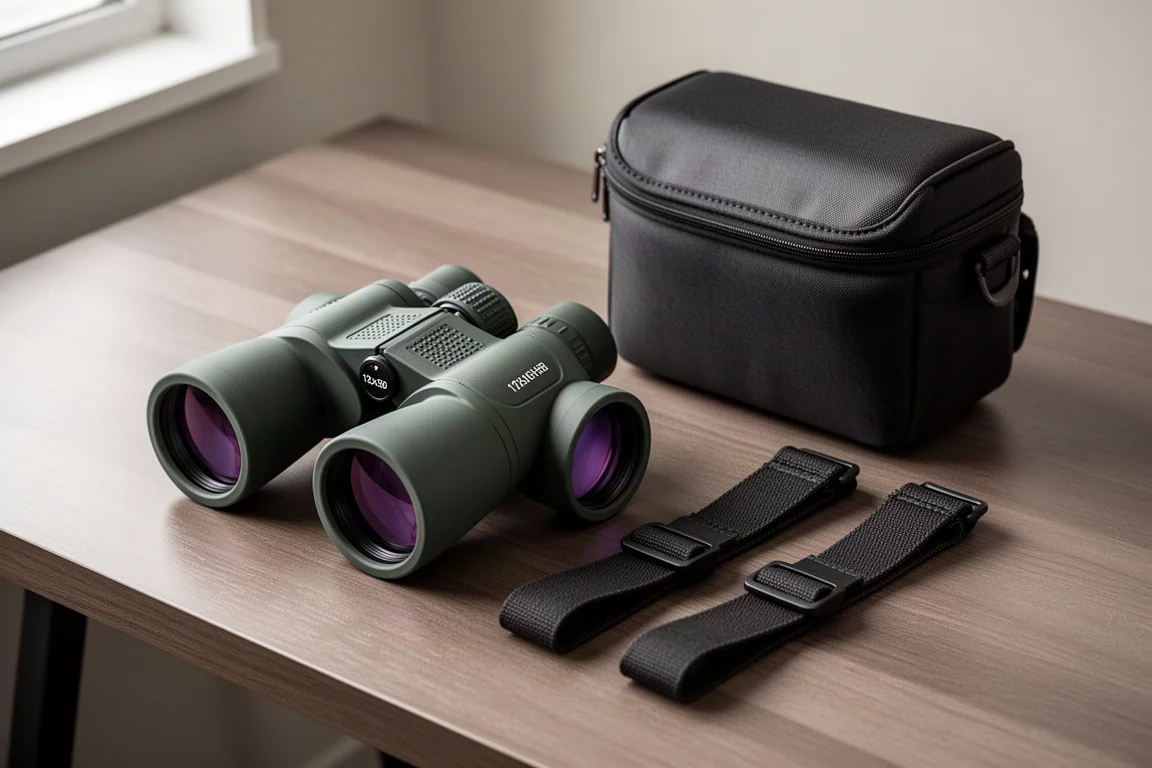
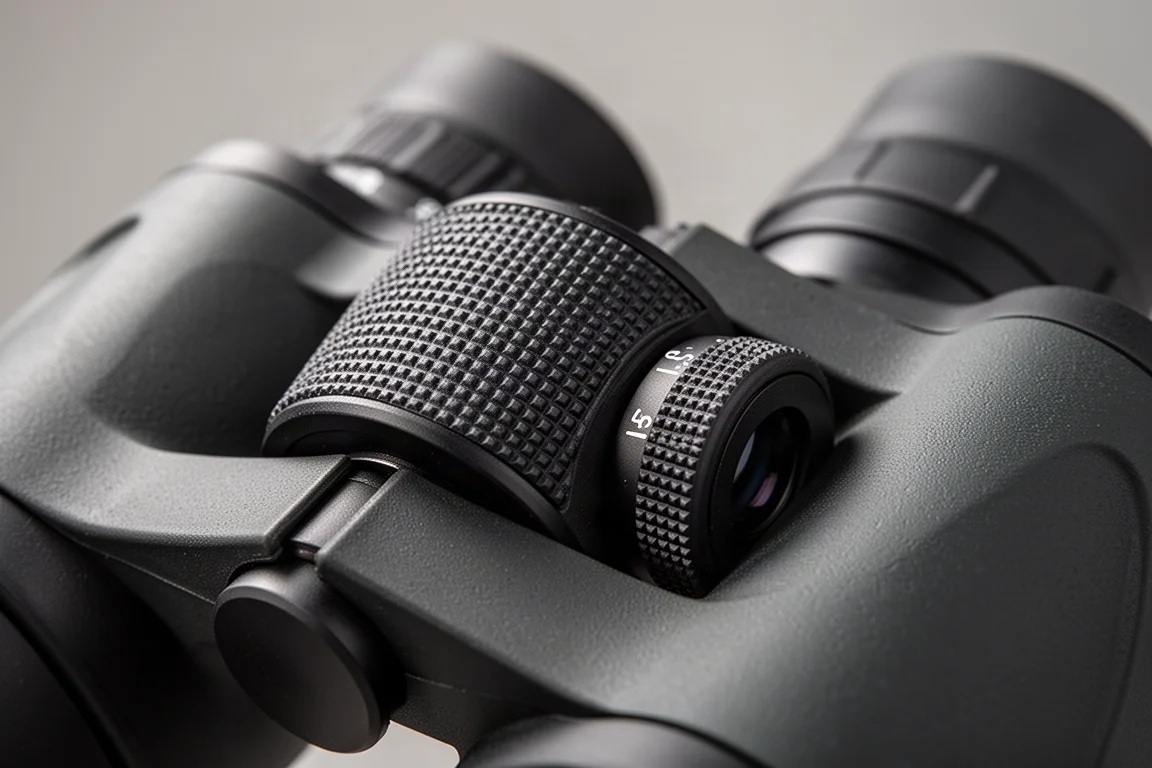
Like most binoculars, the lens covers pop off for viewing, and there are fold-down flaps near the eyepieces. A focus ring sits at the center, and a separate right eye adjustment dial handles diopter correction. One caveat: the eyepiece sockets pop out, which is convenient if you do not wear glasses, but they can depress if you press your eye sockets firmly against them out of habit.
Optics and Zoom Performance
This set is 12x50. In birding circles, 8x42 or 10x42 is often the standard recommendation, but 12x50 gives you both a wider view and more magnification. In practice, that extra zoom is most useful for birds further in the distance. If you can already identify birds at 10 or 20 yards without binoculars, this pair gets you that extra reach on subjects much further out.
The trade-off is a narrower field of view than an 8x or 10x pair. If you are good at getting your binoculars up onto a bird quickly, this is not a problem. Focus also works well on closer subjects, so the restriction is mostly about how much you can see at once, not how sharp the image is.
They are waterproof, so a downpour will not ruin them, and they carry a little heft. That weight is actually a point in their favor: a previous super-light budget pair the reviewer had used for two years had an eyepiece pop off entirely. Some mass speaks to build quality.
How They Perform in the Field
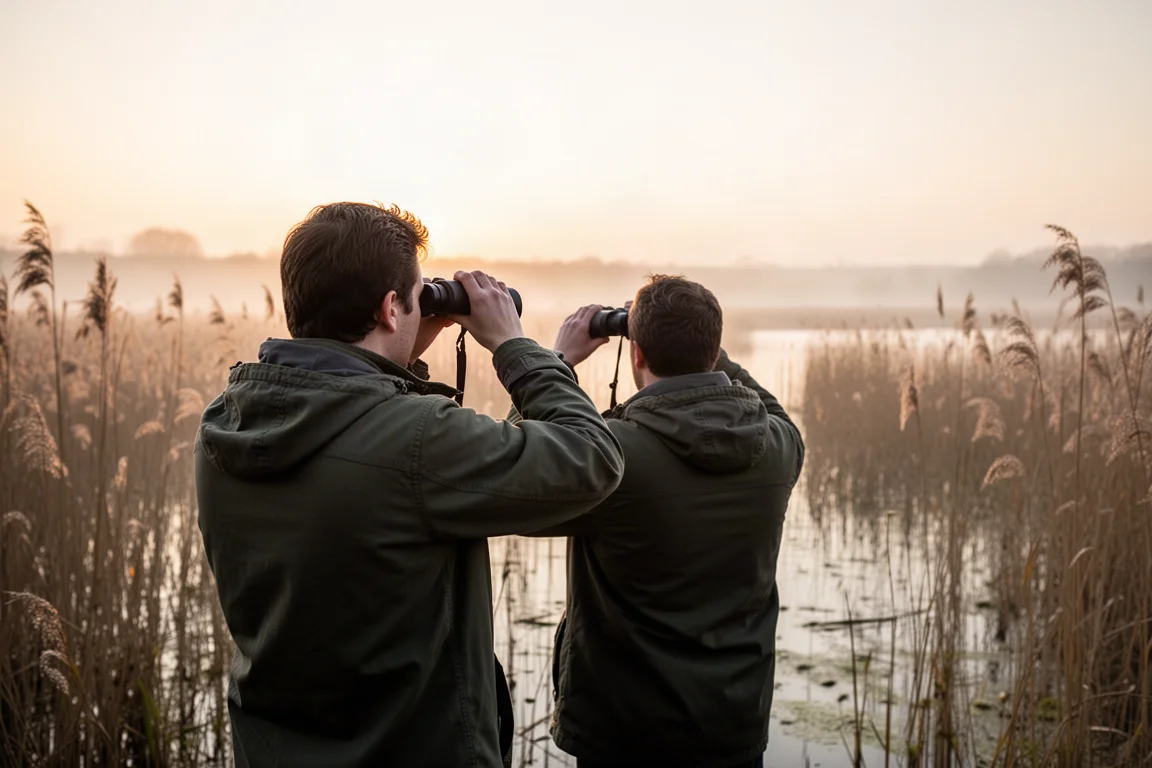
Testing started with red-winged blackbirds perched on sunflowers, followed by coots, ducks, and other wetland species. The views were consistently sharp and high quality. One honest note for anyone judging optics through a phone camera: a view recorded through a lens secondarily never looks as clear as it does through the eyepiece in person, and handheld footage is only as steady as your hands.
The standout moment of the field session came in the reeds. A Virginia rail, a notoriously skulky species that rarely steps into the open, walked right up close. The result was the best views ever had of that species, with video and photos captured through the binoculars. Even in low light under cloud cover at sunset, colors on the birds remained distinguishable, which says a lot about how these handle dim conditions.
Things to Consider Before Buying
None of the drawbacks here are dealbreakers, but they are worth knowing:
- The lens covers protect the glass well, but like on most binoculars, they are easy to lose.
- The fold-down eyepiece flaps are good for protection, but they cannot be removed, they can be difficult to seat properly when pushed in, and they occasionally close on their own and obstruct the view mid-use. Many binoculars share this design, but it is a minor annoyance.
- The pop-out eyepiece sockets depress under firm pressure if you press your eyes into the cups.
On the plus side, the rubberized exterior protects well, the purplish styling looks good, the image is clear, and the weight feels like quality rather than a burden. One general tip applies to almost any binoculars: keep that weight off your neck. A shoulder harness, or a belt carrier if you also carry a camera, is smart practice for longer sessions.
Buying Advice
For a mid-tier priced pair, these get the job done. They suit birders who want extra magnification for distant birds and who are comfortable getting binoculars onto a target quickly. The waterproofing, solid build, and low-light performance make them practical for real field conditions rather than just fair-weather outings.
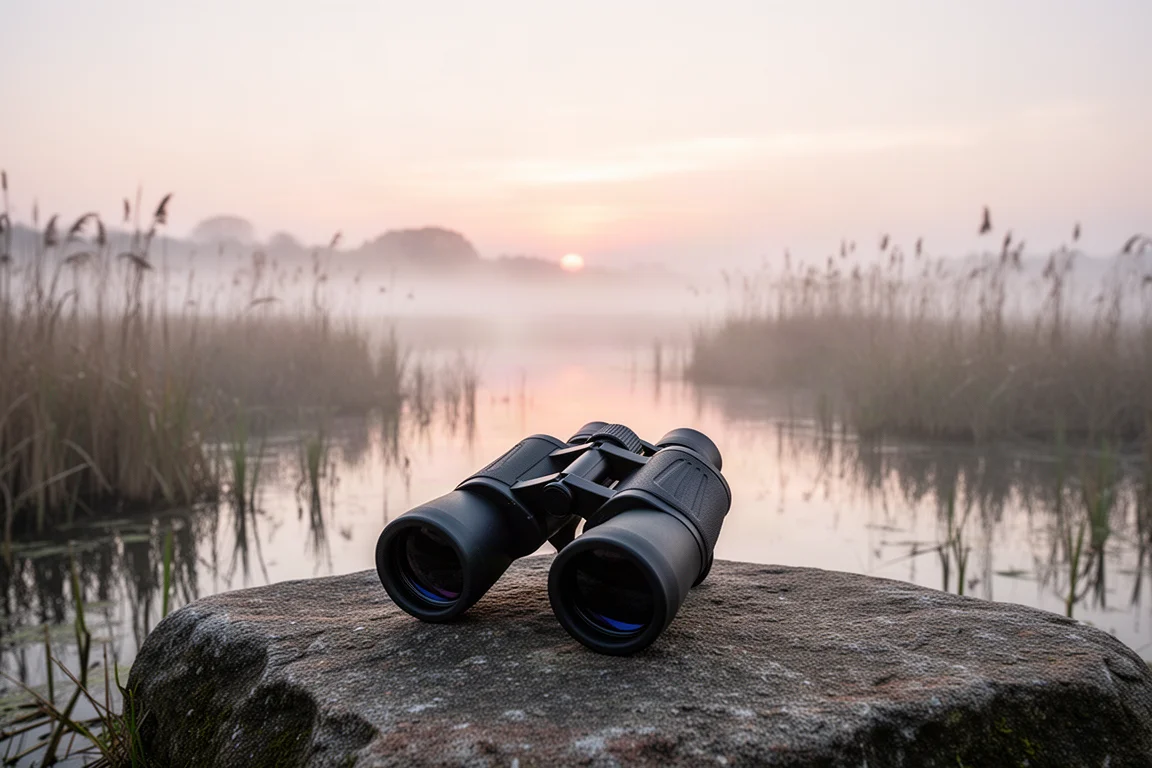
If you prefer a very wide field of view for tracking fast-moving or close birds, an 8x or 10x pair may suit you better. But if extra reach is what you are after, the 12x50 configuration here is a genuinely useful one.
Conclusion
The So Grease 12x50 binoculars are a solid, well-protected, clear-viewing pair that held up across an evening of varied birding, including a once-in-years encounter with a Virginia rail. They are not perfect, with fiddly eyepiece flaps and loose-able covers being the main gripes, but they are now part of a regular birding kit, and that is about as strong a practical endorsement as a pair of binoculars can get.
Product link
View more details for So Grease 12x50 Binoculars
This product is mentioned in the review. Check the specifications, options, and compatibility before buying.
View more details for So Grease 12x50 BinocularsFurther reading
Related Reviews
Optics
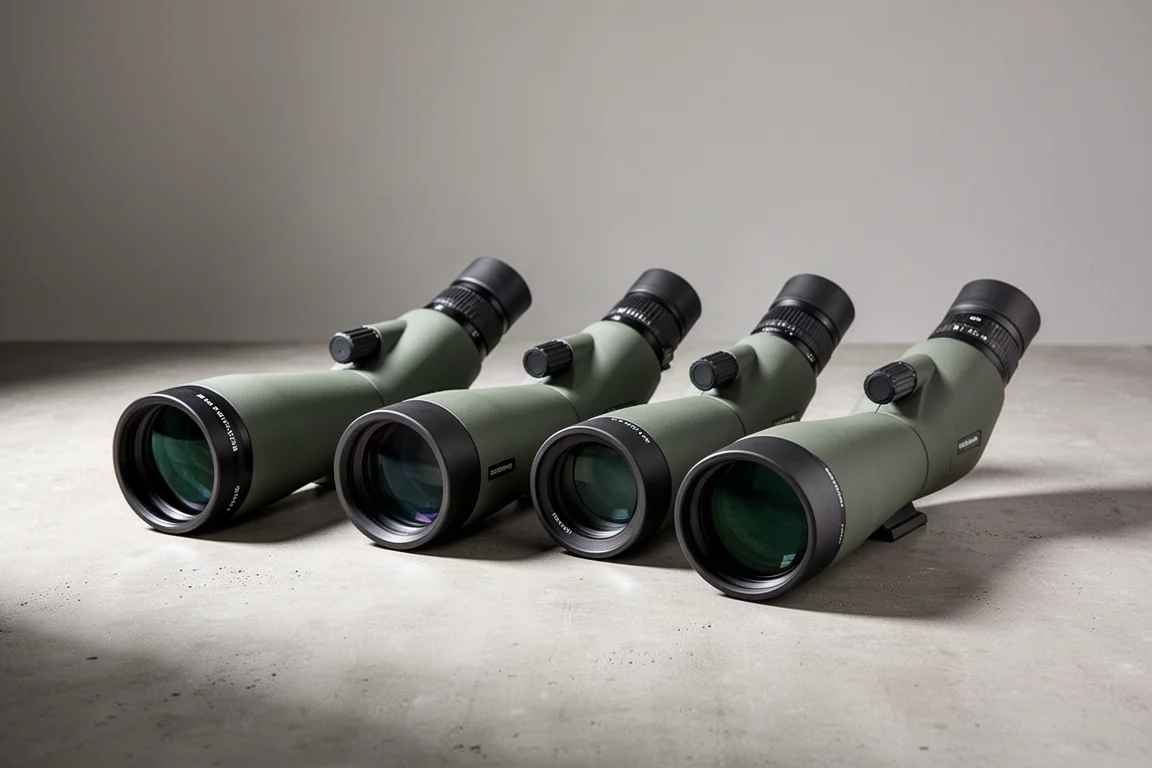
Best Spotting Scopes 2026: Four Models Compared Side by Side
A practical comparison of four spotting scopes across different price points, with honest notes on optical quality, contrast, and value.
Optics
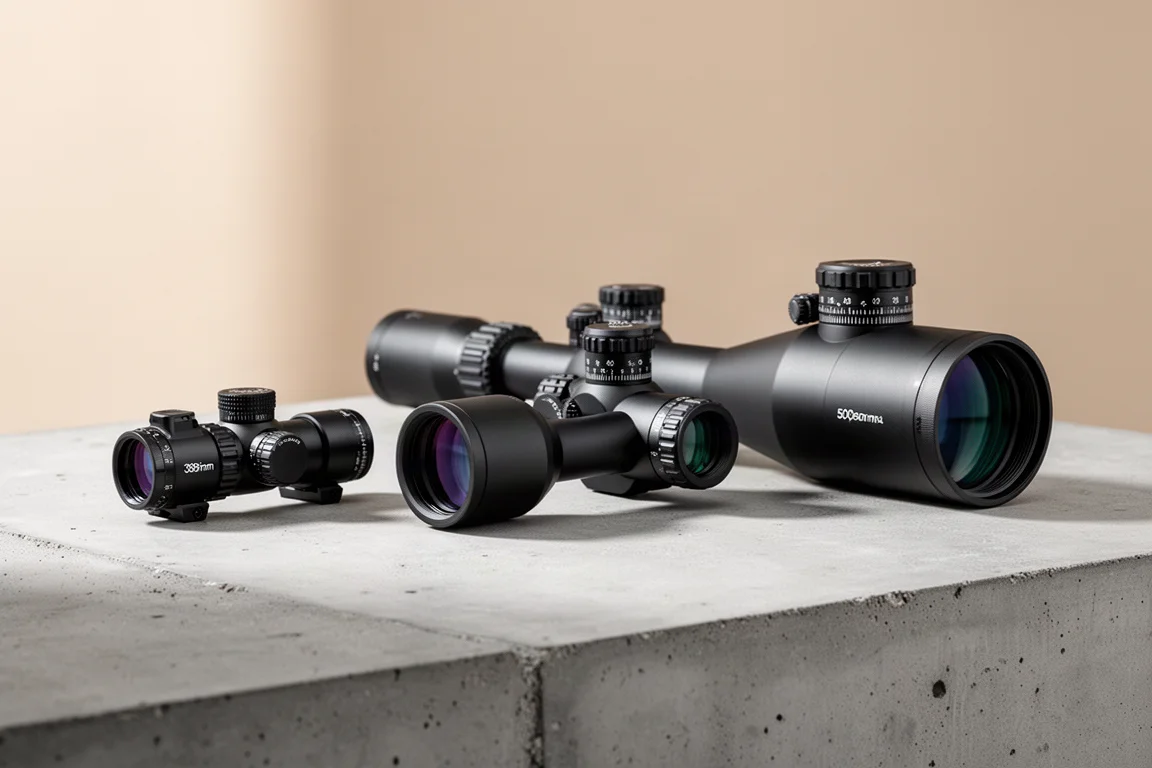
Choosing a Rifle Scope: Three Maven Models for Different Hunting Needs
A practical guide to selecting a rifle scope based on price, size, and features, with three Maven models that cover close-cover, all-around, and precision shooting.
Optics
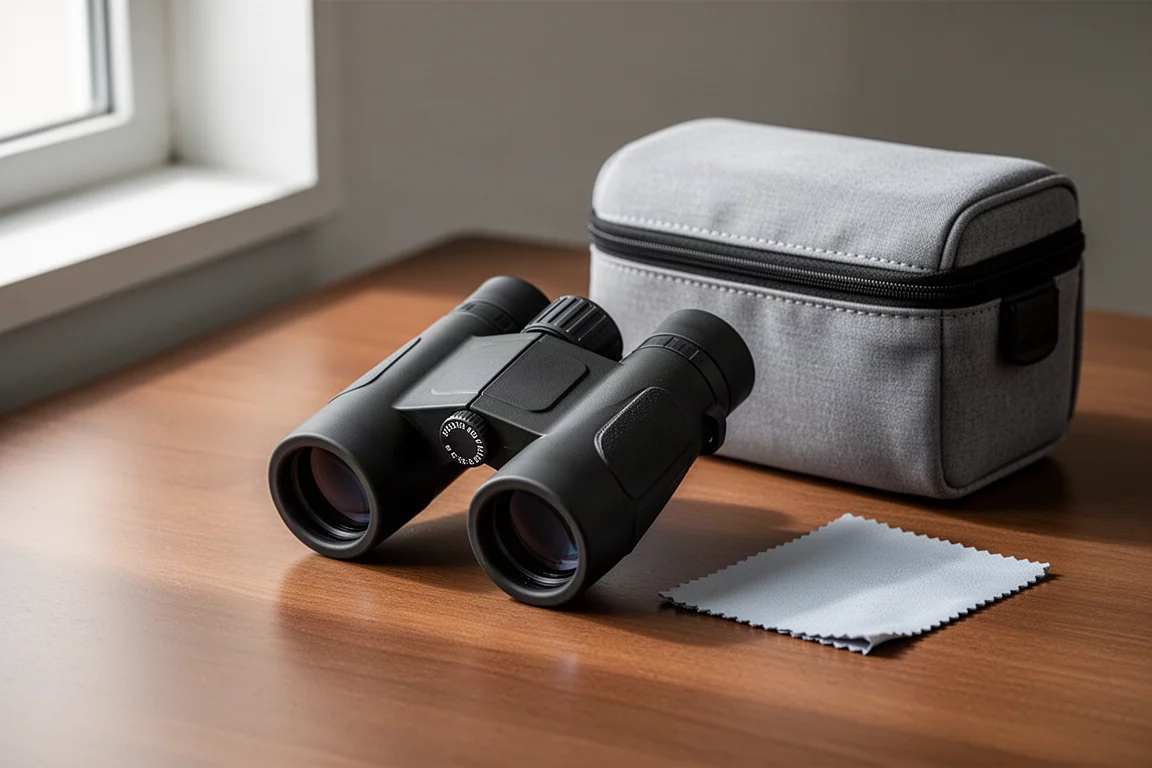
SVBONY SV202 8x32 Binoculars Review: A Compact All-Rounder for Birding
ED glass, IPX7 waterproofing, and a pocketable build make the SV202 8x32 an easy pick for birders who want a lightweight pair under $200.