Backpacking Tents
Snugpak Ionosphere, Scorpion 3 and Jack Wolfskin Gossamer 2: A Low-Profile Tent Value Check
Three low-profile backpacking tents compared on fabric, weight, weather brief and current pricing, with clear guidance on where each one makes sense.
Introduction
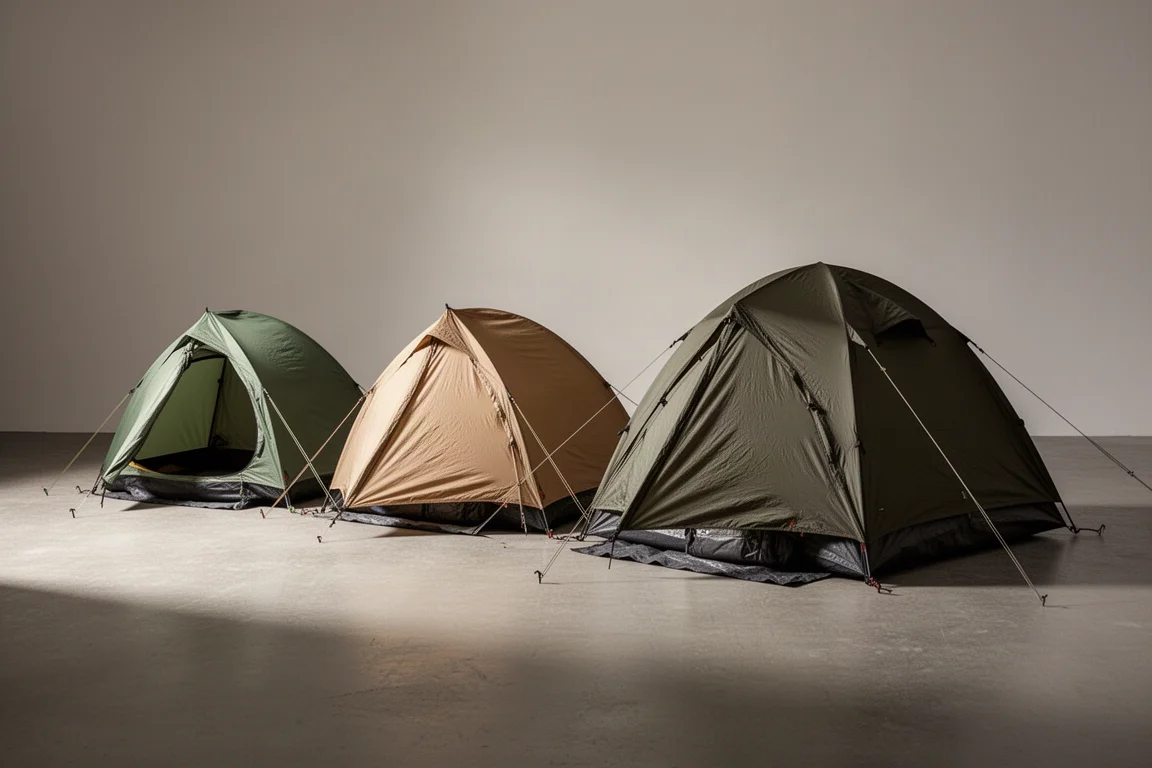
Snugpak has been a familiar name in the low-profile shelter market for a long time, and the Ionosphere has been one of its most recognisable shapes: a small, low-silhouette solo tent that pitches quickly and sits close to the ground. For years it was also genuinely affordable, with US prices landing somewhere between roughly $120 and $160 depending on the colour you chose.
Two things have changed. The US suggested retail price has moved to around $300, and the brand’s recent production has drawn persistent criticism for quality consistency. The tent itself is unchanged on paper, now sold under the name Ionosphere IX with identical dimensions and weight and no explanation for the rename, but the value proposition is not what it was.
This comparison puts the Ionosphere alongside two other tents that matter in the same conversation: the Snugpak Scorpion 3, which shows the same pricing trend on a larger four-season design, and the Jack Wolfskin Gossamer 2, a like-for-like alternative that many campers would be better served by.
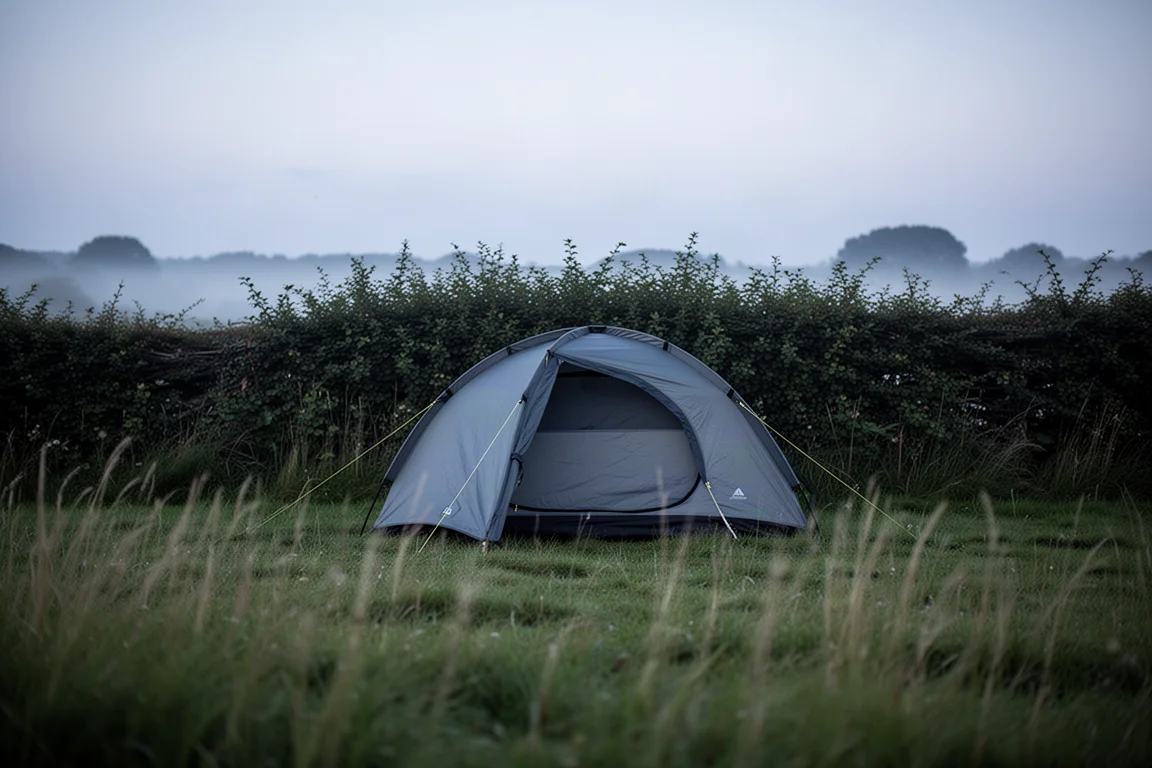
The goal here is practical. Understand what each tent actually is, what it costs today, and where your money is better spent.
What to Check Before Buying a Low-Profile Solo Tent
Four things decide whether a small backpacking tent is worth its asking price. The first is the fabric and hardware: polyester flysheets in the 190T to 210T range are inexpensive to produce, and they are not the same proposition as ripstop nylon with branded zips. The second is the weather brief: a three-season shelter and a four-season shelter are built for very different loads, and a low-profile solo tent is usually designed for rain and wind rather than snow.
The third is weight and packed size. A one-person tent that tips past three pounds starts to compete with roomier two-person options. The fourth is price against construction. When a tent carries a premium number, the materials should explain why.
Snugpak Ionosphere: Compact Shelter, Premium Ask
The Ionosphere is a one-person tent with a very low profile, aluminium poles and a 210T polyester flysheet. It weighs around 3.5 lb, which is a lot for a solo shelter. It performs adequately in rain and works as a three-season tent, and the low silhouette remains genuinely useful for discreet, low-visibility camping. It is not designed for snow, where the shape and structure are not up to the load.
What has changed is the price. The Ionosphere used to sell for roughly $120 to $160 in the US, with the tan version typically costing a little more than the green. At the time of writing, the US suggested retail price is around $300, the UK price sits near $180, and buyers in some other markets report figures above $400. A $300 polyester solo tent that weighs 3.5 lb is difficult to justify when nylon shelters at similar money are typically lighter and stronger. The components that would support premium pricing, namely a ripstop nylon body and branded zippers, are not part of this build.
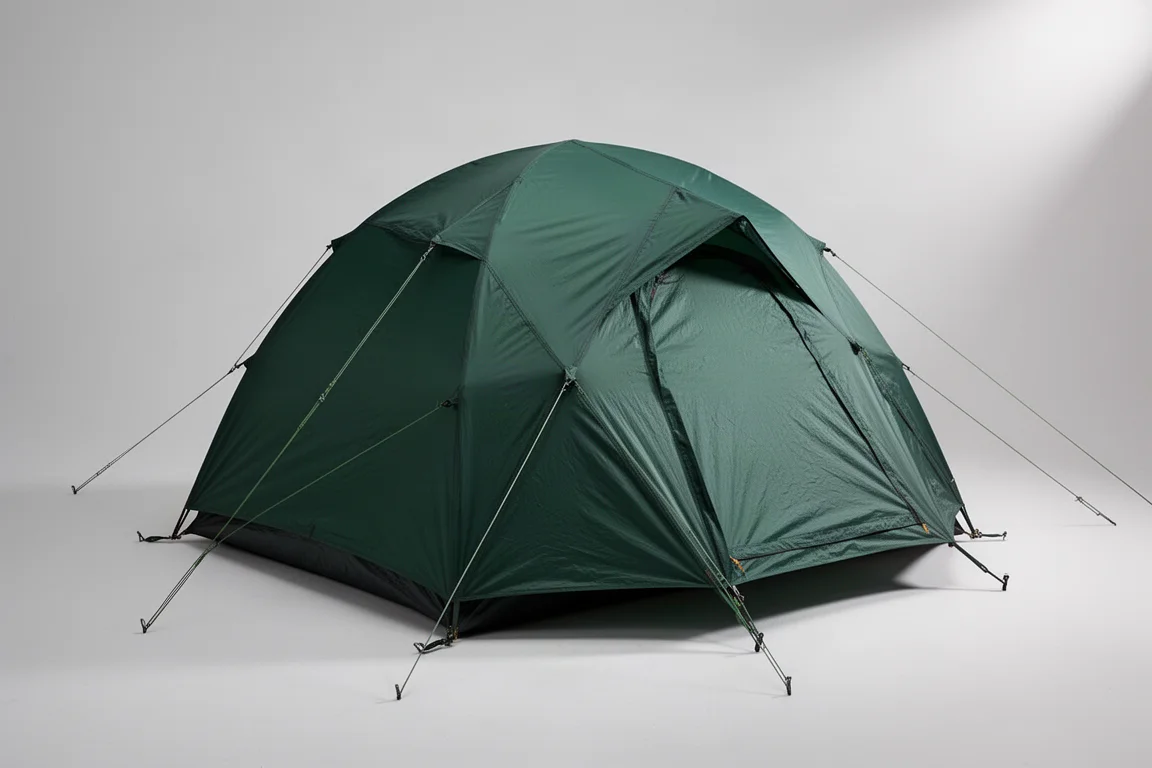
Snugpak Scorpion 3: Four-Season Capability at a New Price
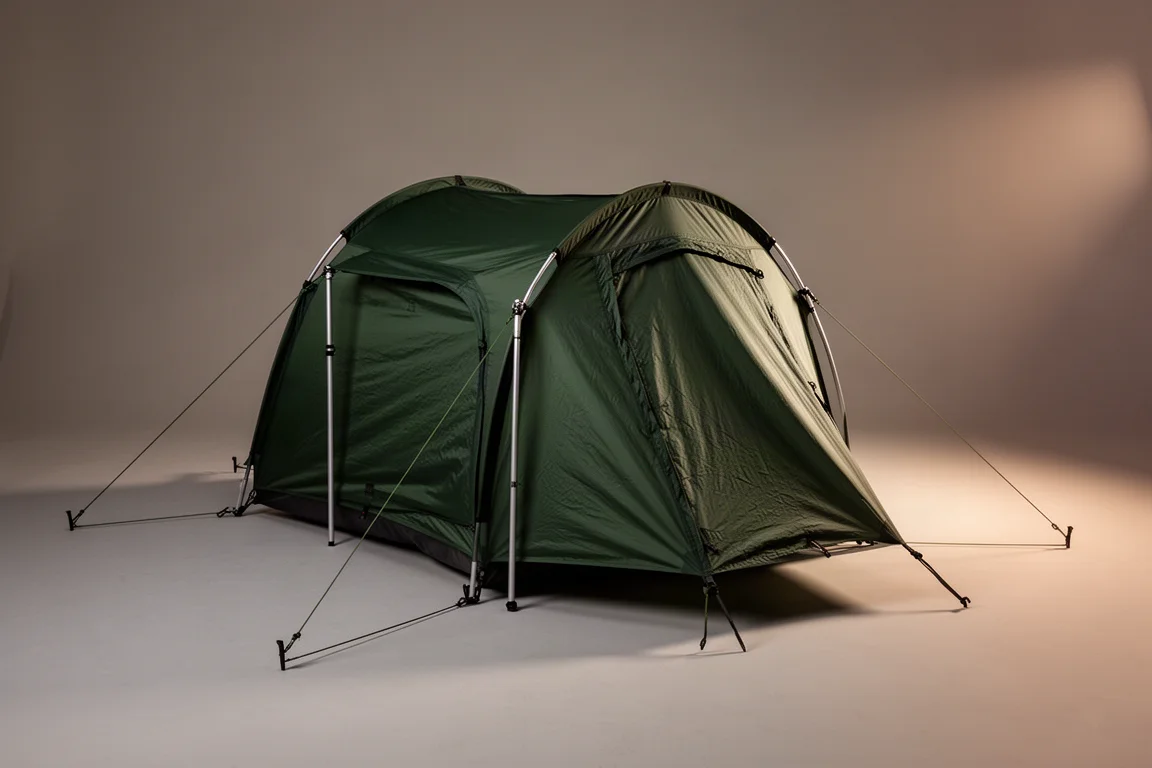
The Scorpion 3 is a four-season polyester tent that carved out a useful niche as a budget-friendly winter shelter. It handles cold, wind and a wide range of snow events, and it was never intended for the most severe conditions. That limitation was acceptable at its original price, because not every camper needs an expedition-grade tent.
The pricing has moved sharply. The Scorpion 3 carried a suggested retail price of $400 and could be found widely for around $260. It is now priced at $600. At that level the arithmetic stops working: a used high-end alpine tent in good condition can often be bought for less than the Scorpion 3 costs new, and a polyester shelter with modest poles does not deliver expedition-level confidence.
Jack Wolfskin Gossamer 2: The Like-for-Like Alternative
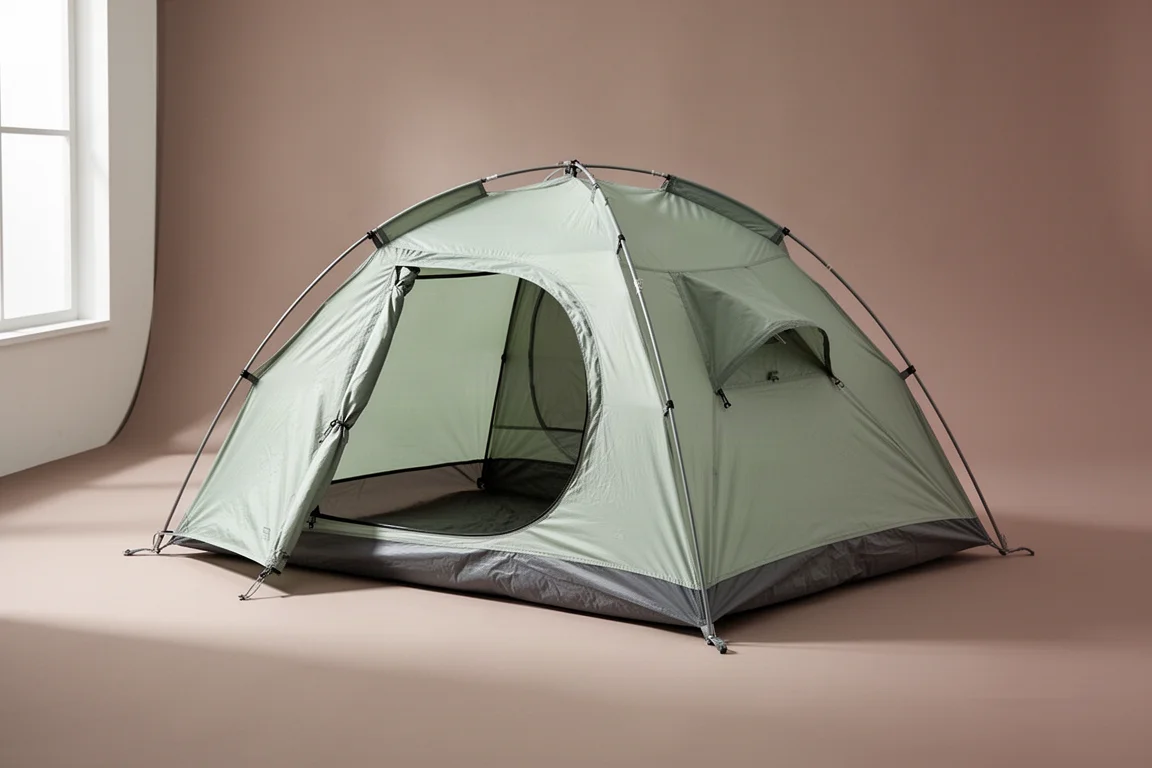
If the low-profile shape of the Ionosphere is what appeals to you, the closest alternative worth knowing about is the Jack Wolfskin Gossamer. It is offered in a one-person and a two-person version, the design closely mirrors the Ionosphere’s low-silhouette approach, and the build quality and pricing are both a step ahead.

Availability is the catch. The Gossamer 2 has been hard to find in the US, and stock has not returned since it sold out. Importing one, or finding one through resale listings, is the realistic route for now, and it is reasonable to expect the one-person and two-person versions to return to the US market once manufacturing catches up. For campers who want this style of tent without paying a premium for budget materials, it is worth the patience.
Materials, Pricing and the Real-World Trade-offs
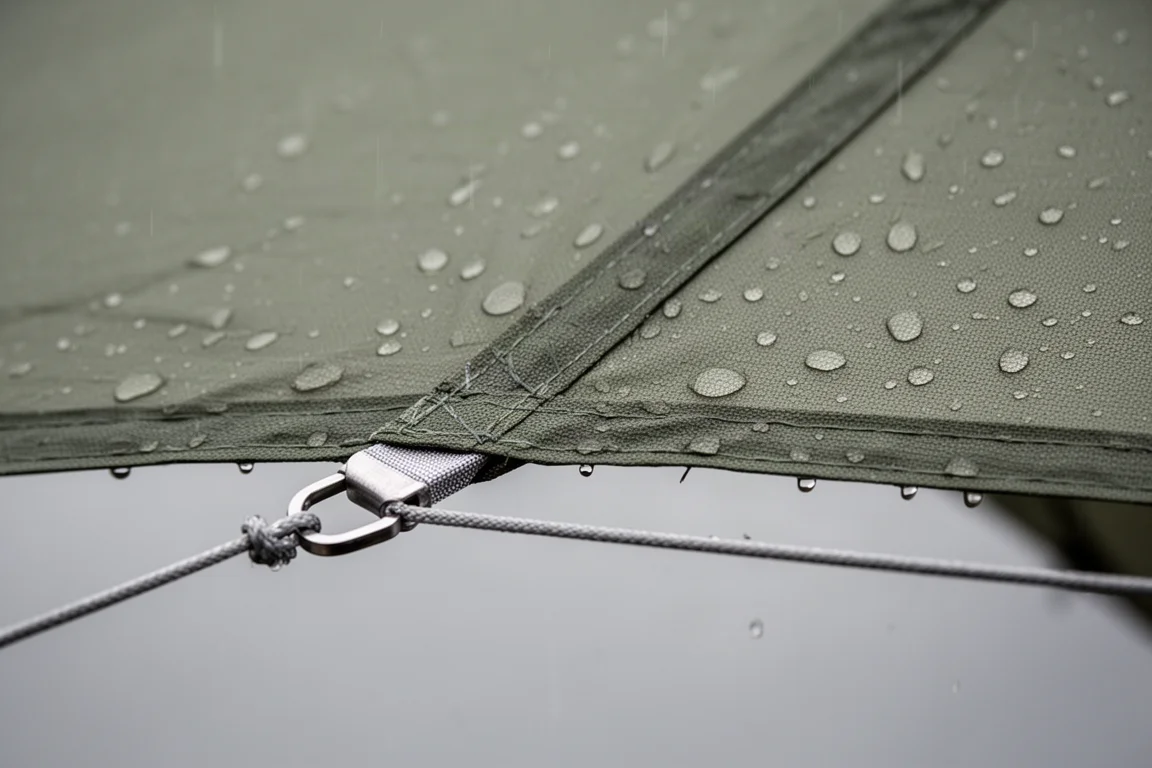
The material story is straightforward. A 210T polyester flysheet is a budget fabric, the kind commonly used on low-cost tents and tarps. Tents and tarps built from the same material sell for under $100 from many sellers, which makes a $300 price tag on the Ionosphere hard to reconcile. Moving up to ripstop nylon buys more strength, less weight and generally better construction quality.
Brand positioning deserves a mention too. Snugpak describes itself as a world leader in lightweight and technical products, and the current lineup does not reflect either claim: nothing in this range is especially light, and the fabrics are not technical, abrasion-resistant materials. The company has acknowledged manufacturing transition issues in recent years, and the products it makes now are not the same proposition as the ones it built before that switch.
Buying Advice and Value Check
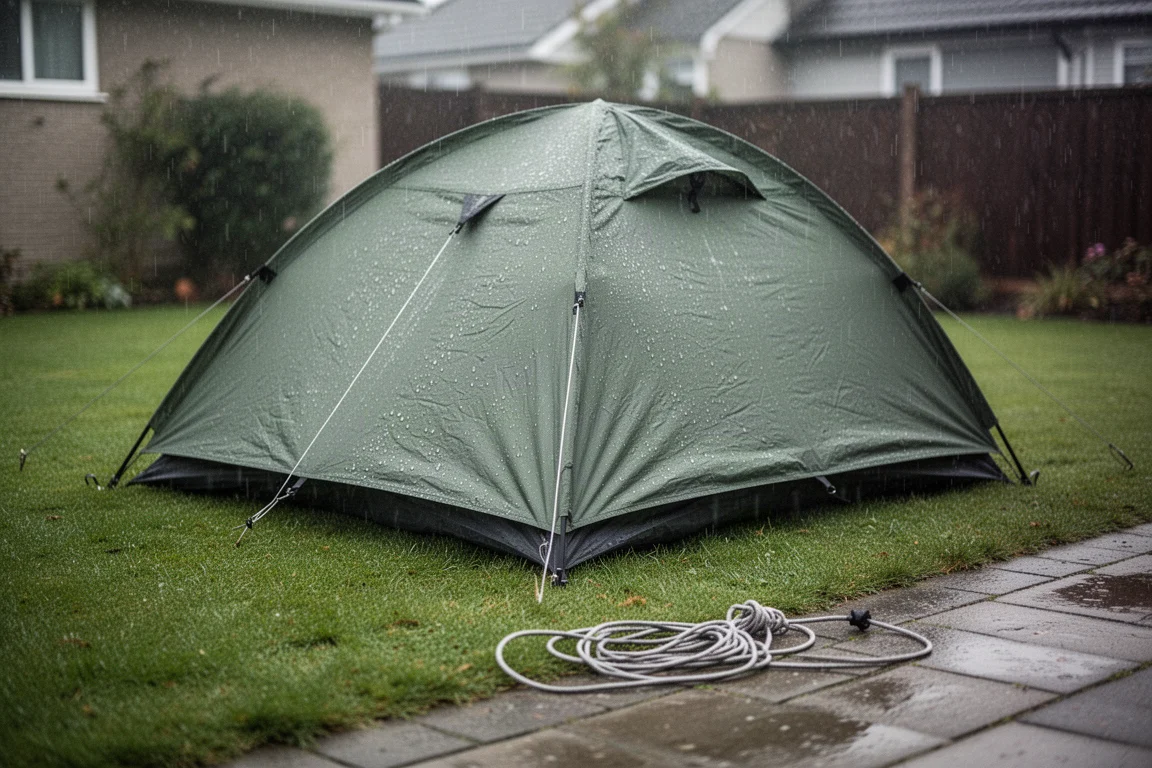
If you are set on buying a Snugpak product, pitch it at home before you trust it in the backcountry. Set the tent up, inspect the poles, seams and seam tape, and run a rain test in the garden. If you are buying a sleeping pad from the same brand, inflate it and confirm it holds air. A short test at home is far cheaper than discovering a problem on a trip.
On value, the alternatives are clearer than they have been in years. At $300 for a solo polyester shelter, a nylon tent makes more sense. At $600 for the Scorpion 3, a used premium alpine tent makes more sense. For the low-profile silhouette specifically, the Jack Wolfskin Gossamer 2 is the tent to look for, even if it takes an import or a wait.
Conclusion
The Ionosphere is still a likeable little tent. It is compact, quick to pitch and genuinely discreet, and none of that has changed. What has changed is the price and the confidence you can place in the brand’s current output, and those two factors are enough to make this a hard purchase to recommend at today’s numbers. The Scorpion 3 tells the same story at a larger scale, while the Gossamer 2 shows what the same design idea can still deliver when quality and pricing stay in balance.
Further reading
Related Reviews
Backpacking Tents
3F UL Lanchan Pro 1 Review: A 1 lb 8 oz Single-Wall Trekking Pole Tent
A practical look at the 3F UL Lanchan Pro 1, a single-wall trekking pole shelter with a 1 lb 8 oz weight, 20D silnylon fabrics, and a roomy 90 x 31 x 49 inch interior.
Backpacking Tents
3F UL Taiji 2-Person Tent: A Convertible Backpacking Shelter Worth a Closer Look
A practical look at the 3F UL Taiji two-person tent, covering its materials, true two-person interior, fly-first pitching, and the seasonal inner swap that lets one shelter cover more of the year.
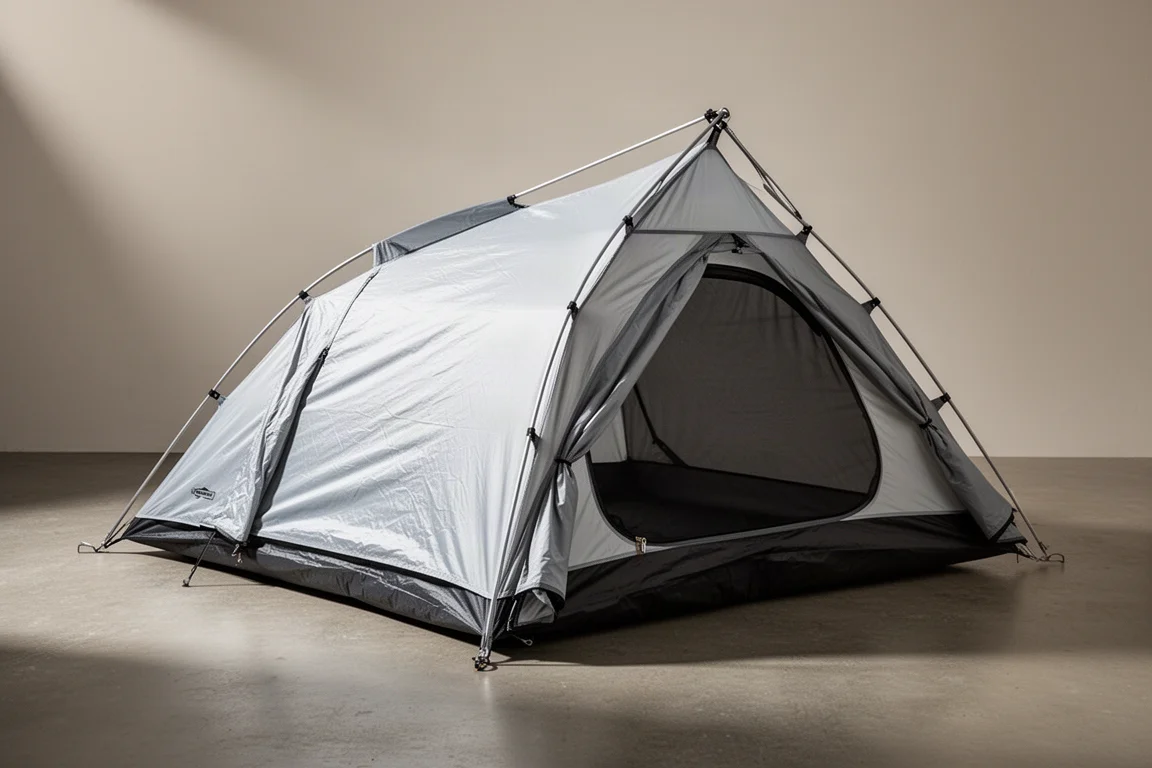
Backpacking Tents
3FUL Lanshan Twoerson Pro Review: A Light Trekking Pole Shelter That Struggled in Rain
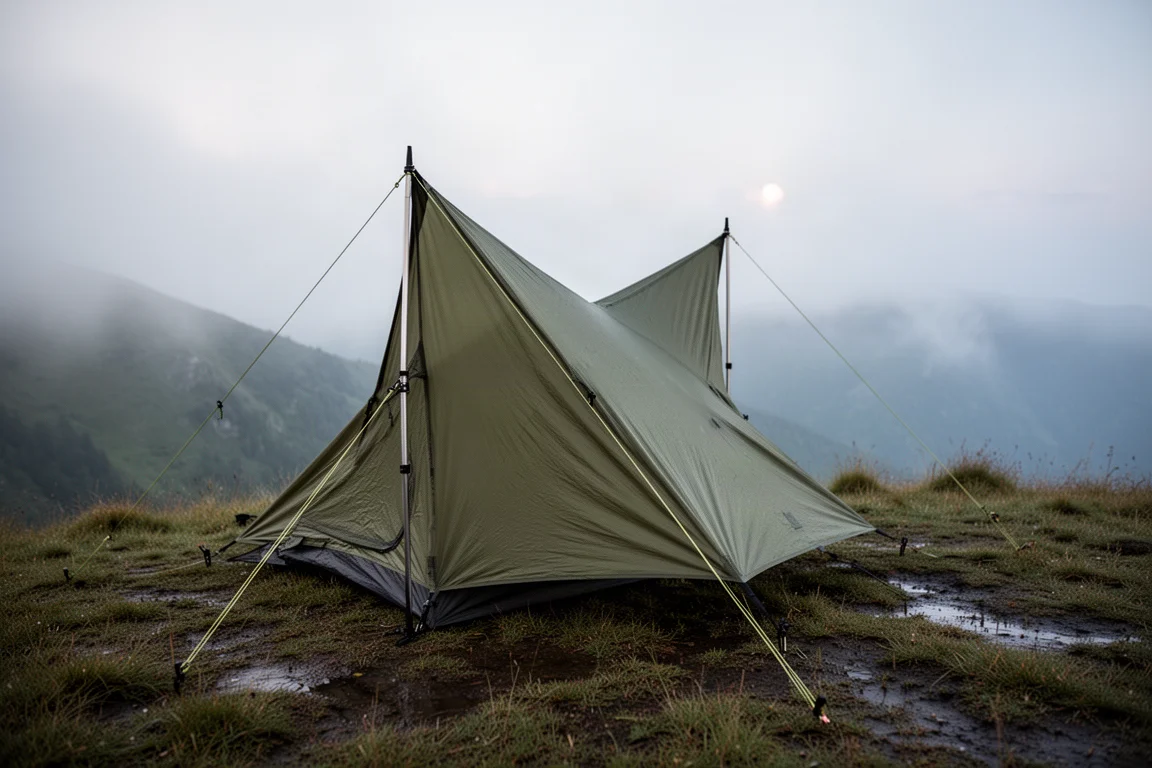
A two-person trekking pole shelter with a 2026 redesign, pitched with sticks and put through a night of steady rain. Here is what worked, what did not, and what to check before buying.