Backpacking Tents
Snugpak Ionosphere IX and Scorpion 3: Price Hikes, Quality Questions, and One Worthwhile Alternative
Snugpak's one-person and four-season tents now carry premium price tags while keeping budget materials. Here is what changed, what each tent still does well, and where to look instead.
Introduction
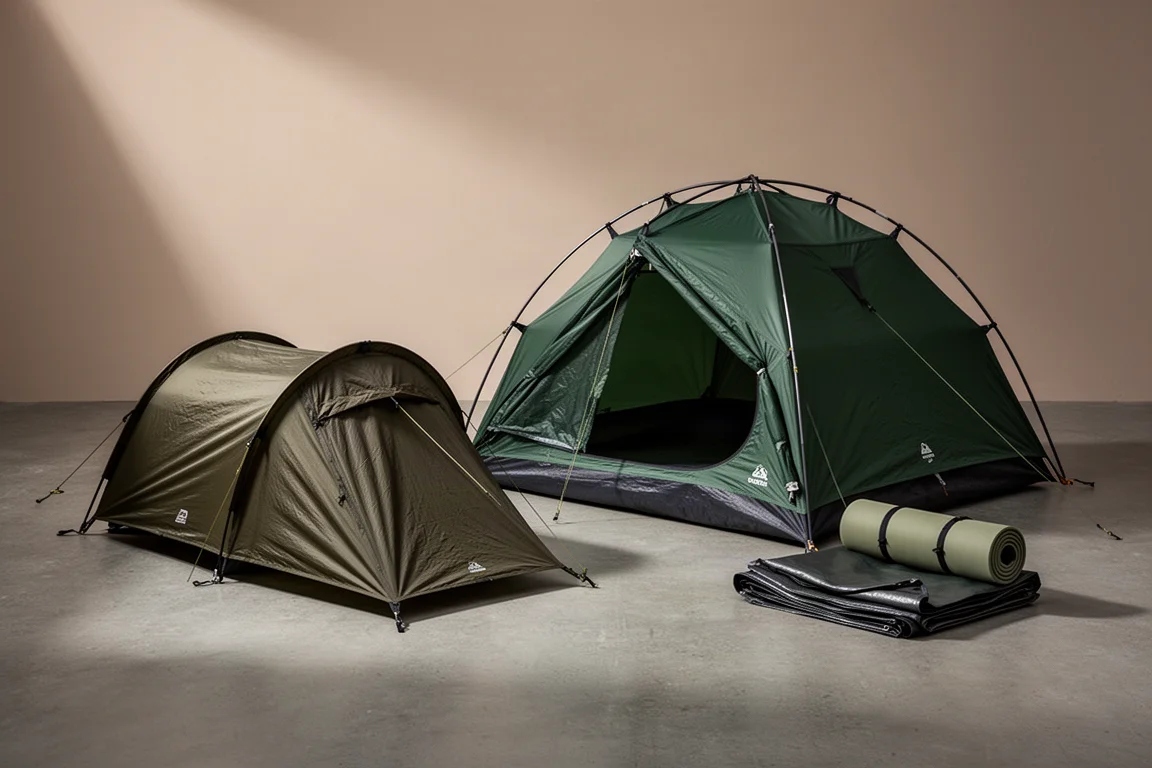
Snugpak has been a familiar name in budget backpacking for decades. The British brand built its following on simple, tactical-styled tents, sleeping bags, and sleeping pads that were never cutting edge but were priced fairly and performed well enough for three-season use. The Ionosphere, a low-profile one-person shelter, was one of the clearest expressions of that formula: compact, easy to pitch in tight woodland spots, and affordable.
That formula no longer holds. Pricing for Snugpak’s tents has climbed sharply in the United States. The Ionosphere now carries a suggested retail price of about $300, and the four-season Scorpion 3 is listed at roughly $600. At those numbers the value equation changes entirely, and recommending either tent becomes difficult, especially when the materials underneath the price tag have not changed.
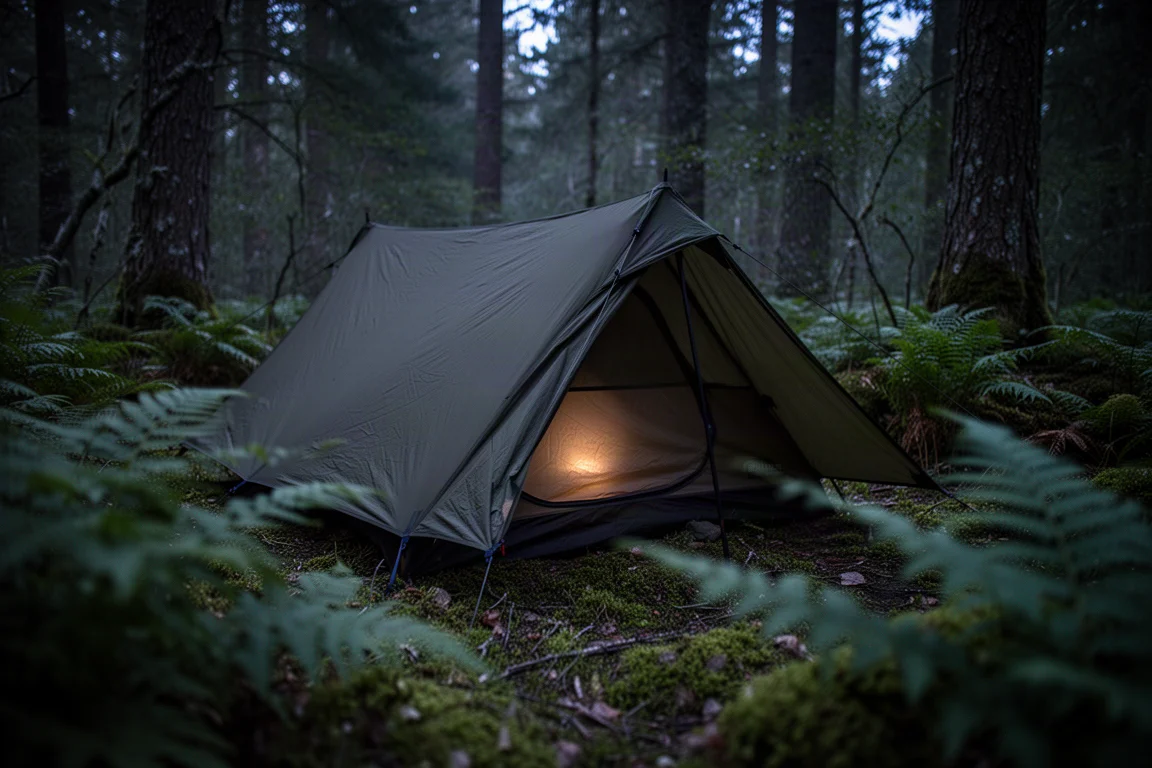
This guide covers what shifted at Snugpak, what each tent still does well, and which alternative is worth tracking down if the low-profile design is what appeals to you.
What Snugpak Is and How the Lineup Has Changed
Snugpak is a British company founded around 1976. Its catalogue includes tents, sleeping bags, sleeping pads, rain jackets, and rain pants, and it has previously offered backpacks. Nearly everything in the range follows a tactical aesthetic, though the products are not built to true tactical standards. The materials are inexpensive rather than high-performance, which was acceptable when prices stayed low.
Two changes matter most. Production moved to a Chinese manufacturer at some point, and the transition brought a run of quality problems with it. At the same time, pricing in the US market has risen steeply. Dealer links published on the brand’s US site are frequently outdated or point to retailers that no longer stock the range, which makes these tents harder to find at anything close to a fair price.
The Ionosphere has also been renamed the Ionosphere IX on the brand’s US site, with no explanation given. Published dimensions and weights for the IX match earlier versions exactly, so the change appears to be a name only rather than a redesign.
Snugpak Ionosphere IX: The Tent That Started This Conversation
The Ionosphere IX is a one-person, low-profile shelter. It is a three-season tent: it handles rain adequately, it is not designed for cold-weather use, and the top can collapse under snow. Weight sits at around 3.5 pounds, which is heavy for a one-person tent and heavier still for one at this price.
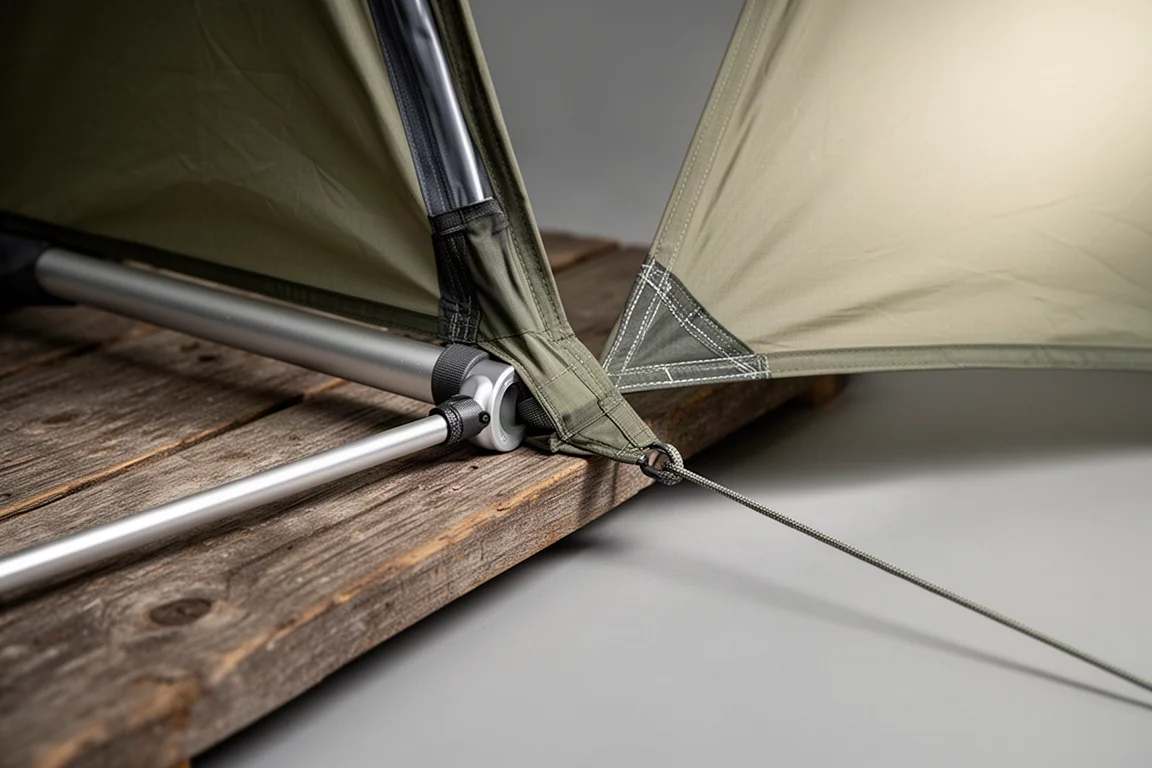
Construction is where the pricing argument breaks down. The fly is a 210T polyester, a budget fabric normally reserved for low-cost tents and tarps, and the aluminum poles are the only component that typically drives cost upward. Comparable shelters and tarps made from similar polyester are widely available for under $100. If this tent were built from ripstop nylon with YKK zippers, a $300 price would make far more sense than it does with the current specification.
Regional pricing adds to the confusion. The tent sits around $180 in the UK, while some markets list it above $400. Buyers paying US pricing are paying a premium for a shelter that does not do anything exceptional to justify it. The low profile remains genuinely useful for stealth camping, and that is the strongest argument in its favour.
Snugpak Scorpion 3: Four-Season Capability at a Much Higher Price
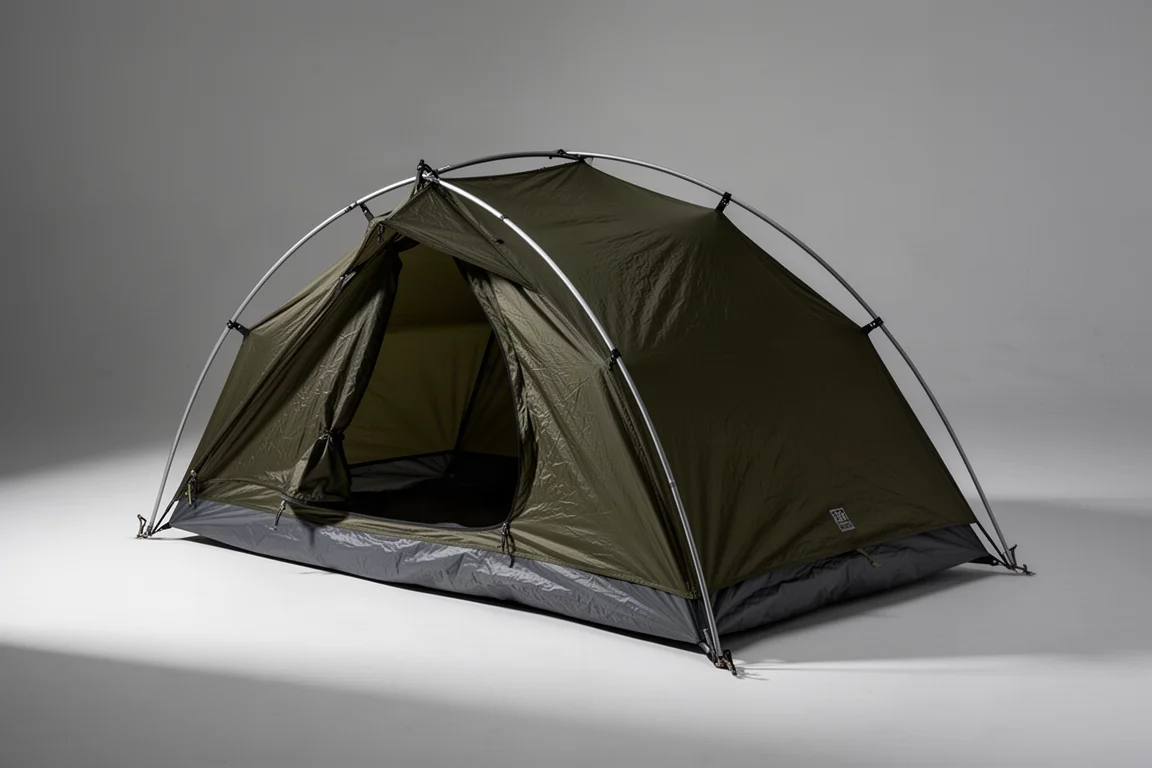
The Scorpion 3 was designed as a budget-friendly four-season tent. It was previously listed at $400 and commonly sold for around $260, a price that made sense for a polyester shelter capable of handling cold, wind, and most snow events short of extreme conditions. It is now listed at $600.
That is a difficult number for an inexpensive polyester tent. It was never built for the worst weather, and snow loading remains a limitation rather than a strength. At $600, used expedition-grade tents from specialist mountaineering brands can be found for similar money or less, and those shelters are built for conditions the Scorpion 3 was never intended to face.
The niche the Scorpion 3 once occupied was real. Not every trip calls for an expedition tent, and a reasonably priced four-season shelter covers a wide range of winter trips. That niche is now priced out of reach for most buyers.
Jack Wolfskin Gossamer 2: The Alternative Worth Tracking Down
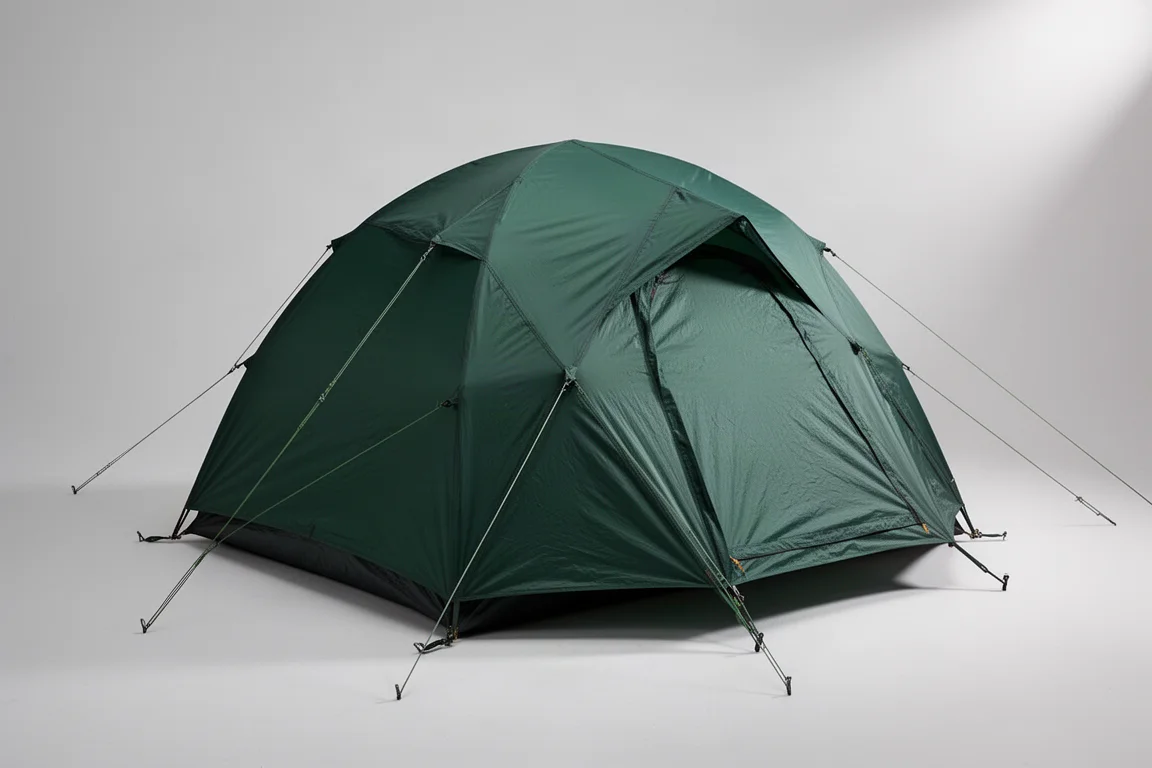
Jack Wolfskin builds low-profile shelters that look very similar to the Ionosphere, in both one-person and two-person versions, with noticeably better build quality and fairer pricing. The Gossamer 2 is the strongest option in that line for most buyers: it pitches quickly, it keeps a low profile, and it holds up better over time than the budget materials used elsewhere in this category.
Availability is the catch. The Gossamer 2 sold out in the US market and has not returned to stock, so most buyers find one through an import seller or a resale listing. That takes patience, but it is a far better use of a $300 budget than spending it on a polyester tent at a premium price.
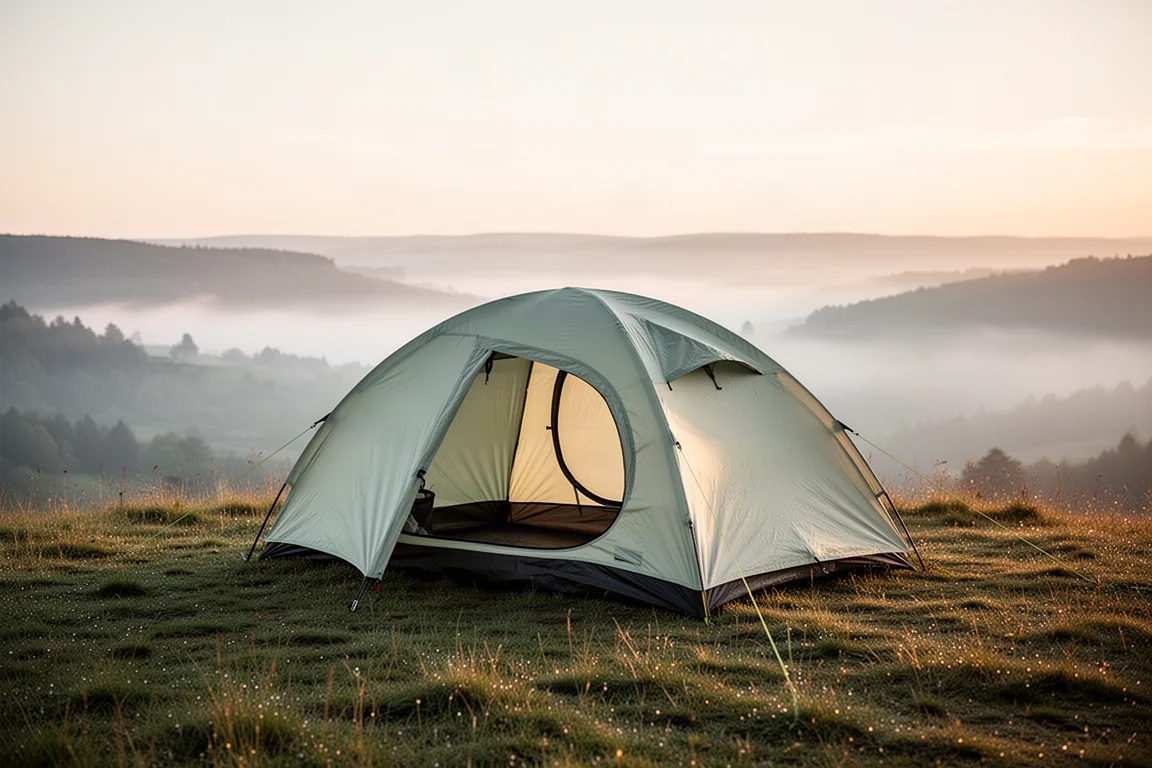
If you want the low-profile, tunnel-style design without the premium markup, the Gossamer 2 is the version to search for. Availability shifts, so it pays to set a saved search and check listings regularly rather than buying the first overpriced option you find.
What the Price Actually Reflects: Materials and Weight
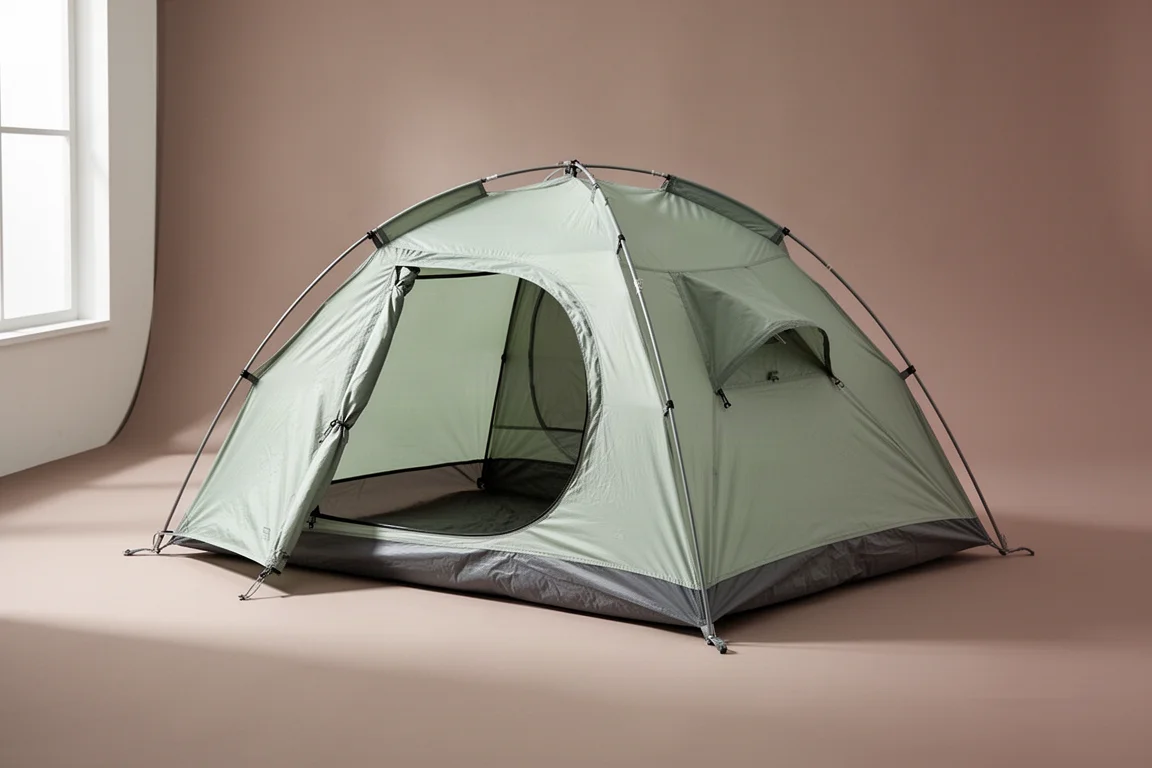
Snugpak describes itself as a world leader in lightweight and technical products. Neither claim holds up against the current range. Technical fabrics are chosen for strength and abrasion resistance, and the polyester used across these tents is not one of them. Weight is equally unremarkable: the Ionosphere IX sits around 3.5 pounds for a single-person shelter, and the rest of the range follows a similar pattern.
What you are paying for at current prices is not lighter materials, stronger construction, or premium hardware. It is the same specification that once sold at a much lower price, now carrying a premium label. That is the core of the value problem, and it applies across the tent line rather than to one model.
Buying Advice Before You Spend
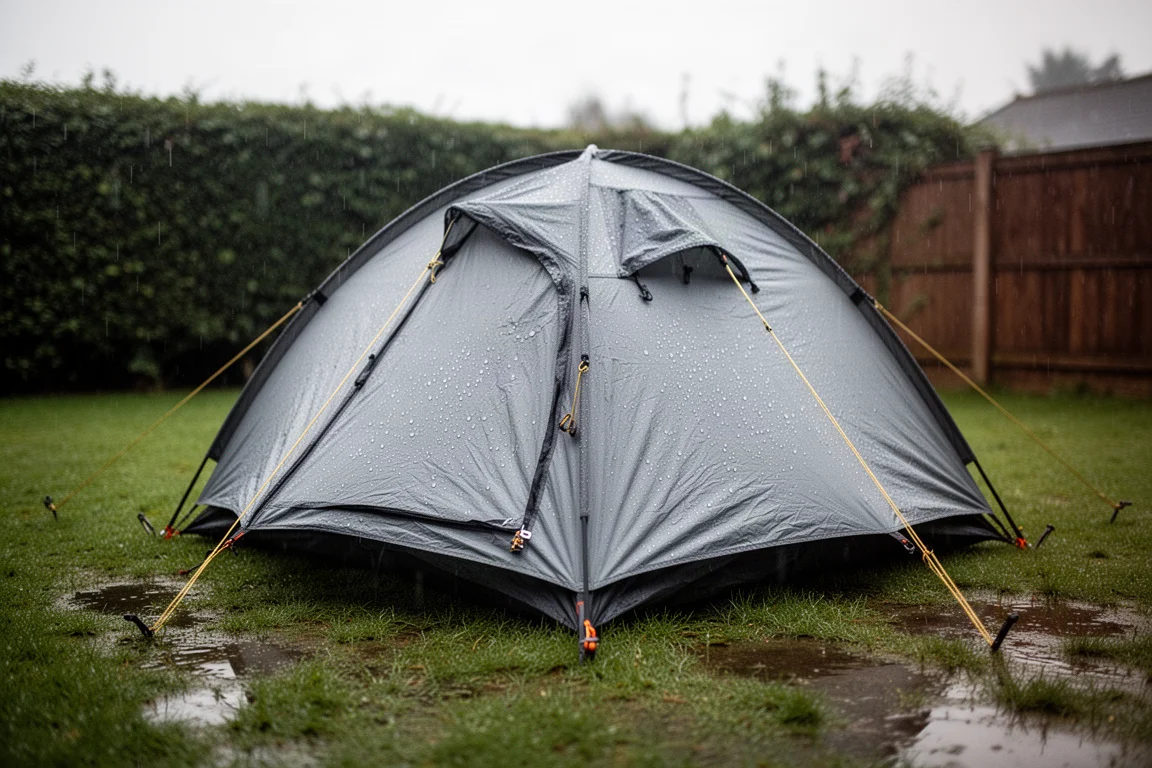
If a Snugpak tent is still on your shortlist, test it before you rely on it. Pitch it at home, check the poles, seams, and seam tape, and run a rain test in the garden before committing to a trip. The same logic applies to sleeping pads, which should be inflated and left overnight to confirm they hold air.
Pay attention to the seller as well. Many of the dealer links published on the brand’s US site no longer lead to retailers that stock the range, so confirm availability and return terms before ordering. It is also worth comparing against nylon shelters at the same price, which are generally lighter and stronger than a polyester tent.
Finally, decide what actually matters for your trips. If you want a light shelter, a nylon tent at this price will serve you better. If you want a low-profile bivy-style design, the Gossamer 2 is worth the search. If you want a four-season tent, a used expedition model is a stronger use of $600 than a new polyester one.
Conclusion
The Ionosphere was a tent worth recommending for years: light on ceremony, low on price, and easy to live with. The Ionosphere IX is the same shelter at roughly double the price, and the Scorpion 3 has moved from a fair four-season option to a $600 polyester tent. Until either the pricing or the materials change, neither makes a compelling case.
The good news is that the design itself still works. Buyers who want that low-profile silhouette have a solid alternative in the Jack Wolfskin Gossamer line, and anyone shopping at $300 or $600 has plenty of nylon and expedition-grade options to weigh instead. Set up any tent at home before you take it out, and the decision becomes much easier to make with confidence.
Further reading
Related Reviews
Backpacking Tents
3F UL Lanchan Pro 1 Review: A 1 lb 8 oz Single-Wall Trekking Pole Tent
A practical look at the 3F UL Lanchan Pro 1, a single-wall trekking pole shelter with a 1 lb 8 oz weight, 20D silnylon fabrics, and a roomy 90 x 31 x 49 inch interior.
Backpacking Tents
3F UL Taiji 2-Person Tent: A Convertible Backpacking Shelter Worth a Closer Look
A practical look at the 3F UL Taiji two-person tent, covering its materials, true two-person interior, fly-first pitching, and the seasonal inner swap that lets one shelter cover more of the year.
Backpacking Tents
3FUL Lanshan Twoerson Pro Review: A Light Trekking Pole Shelter That Struggled in Rain
A two-person trekking pole shelter with a 2026 redesign, pitched with sticks and put through a night of steady rain. Here is what worked, what did not, and what to check before buying.