Snowboard Bindings
Phase Bindings Lineup: Rome Katana, Bataleon Blaster, Bataleon Astro, Jones Mercury and ThirtyTwo Phase Compared
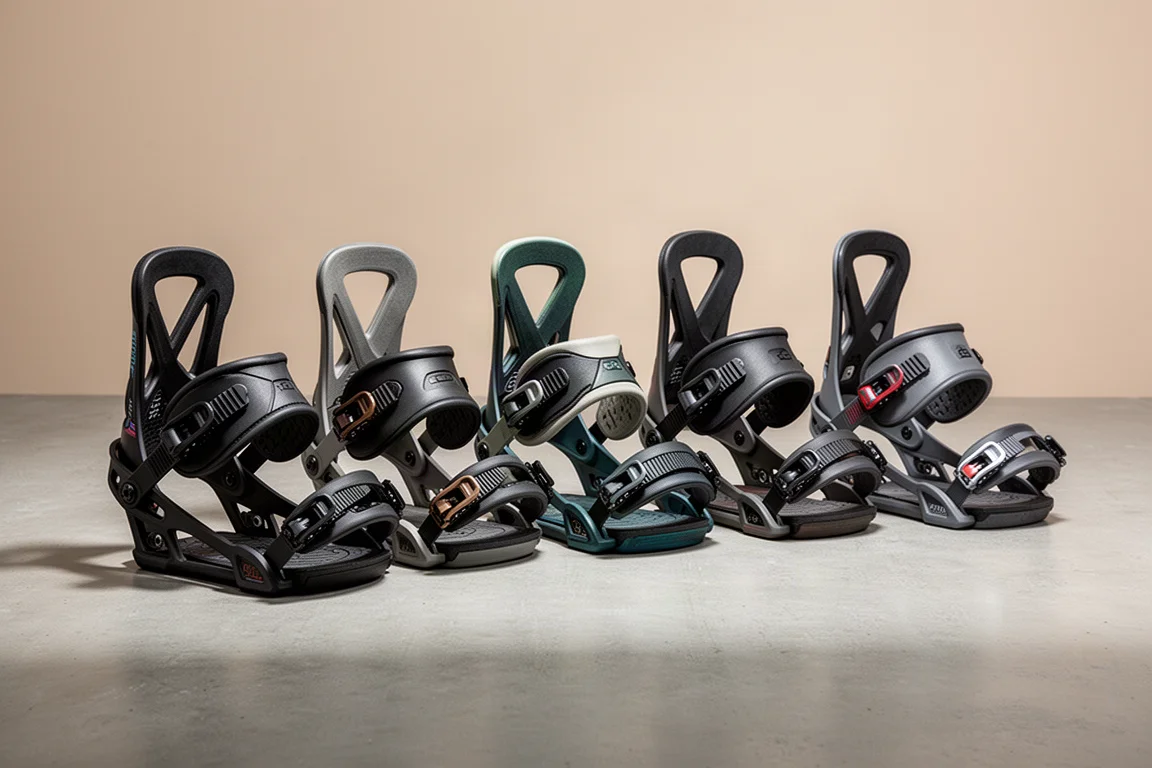
Five fast-entry snowboard bindings built on one shared platform, each tuned for a different riding style. Here is how the line breaks down.
Introduction
Phase is a new fast-entry binding platform launching across four brands at once: Rome, Bataleon, Jones and ThirtyTwo. Instead of a step-on boot and interface, you slide your foot in, ratchet down and ride. There is no separate toe strap to deal with, and the ride feel stays close to a regular two-strap binding. Think of it more like Boa versus laces than like a step-on system: performance first, convenience as a bonus.
After riding the line, the verdict is fairly simple: Phase works, it is not for everyone, but for the riders it is aimed at, it removes a genuine daily annoyance without giving up response.
What Phase Is and Who It Is For
The pitch is speed without compromise. You slide your foot in, ratchet the ankle strap and go, with no tow strap fiddling. On cat tracks or flat landings, being able to pop your back foot out, give two pushes, slide in and be strapped down in under ten seconds is a real quality-of-life upgrade. Riders coming from regular ratchet bindings will recognise the feel immediately, since these still ride like conventional bindings.

Entry technique is slightly different from a standard binding: toe first, then heel, more like a flow binding. Once learned, it becomes second nature. The toe ratchet, once dialed in, does not need to be touched again, and the heel ratchet does not release fully, so re-entry is just a quick crank.
The Chassis Split: Unibody vs Two-Piece
The line divides into two construction approaches. The Jones Mercury and the ThirtyTwo Phase use a unibody chassis, a single solid plastic piece. The Rome Katana and Bataleon Blaster and Astro use a two-piece asymmetrical chassis with an adjustable metal heel cup.
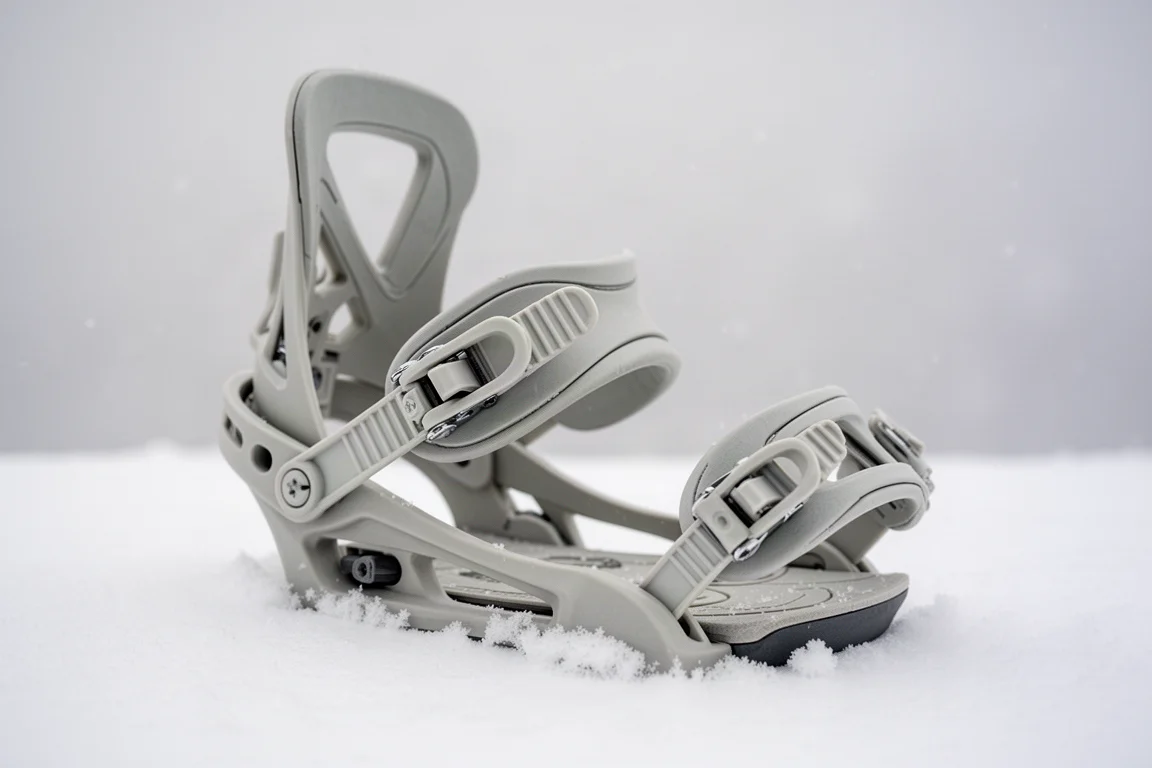
The unibody versions ride a little more damp because there is no metal in the chassis, and boot centering is handled through the disc rather than by moving the heel cup. They also use a regular size disc, which gives bigger riders more stability and less chance of the disc loosening up. The two-piece versions let you slide the heel cup forward or back to center the boot, which is handy for larger or smaller boots, and use a medium disc that leaves a smaller dead spot underfoot for a bit more lateral play.
The heel catch, the flange that closes when you step in, is thicker and denser on the unibody bindings so it pops shut decisively, while the two-piece versions run a more low-profile, spread-out version.
Flex Ladder: From Softest to Stiffest
Across the line, flex runs roughly like this: the ThirtyTwo Phase is the softest and most playful, the Bataleon Blaster and Jones Mercury sit in a similar mid zone with subtle differences, and the Rome Katana is the stiffest.
The ThirtyTwo targets park and rail riders, and its softer ankle strap, softer highback, and plush, slightly roll-prone footbed back that up. The Jones leans more responsive with a stiffer ankle strap and a highback with a stiffening agent added at the back, aimed at big-mountain precision riding. The Bataleon Astro sits close to the Mercury but feels a touch more rigid thanks to its higher-sitting base tray and metal heel cup.
Straps, Ratchets and Everyday Usability
Strap choices differ by brand. Rome and Bataleon use their own proprietary straps. The Bataleon tow strap has a more rectangular shape that grips better, while the Rome version is more oval and can shift around a bit; the Rome team suggests flipping straps left to right to change the fit. These straps are modular, so you can swap Bataleon tow straps onto a Rome binding and vice versa.

The Jones and ThirtyTwo share the same toe strap, which is firm and locks into place well. Their ankle straps differ: the Jones one is denser and stiffer, while the ThirtyTwo version is softer with an exoskeleton that also helps the ladder feed smoothly. All bindings share the same toe ratchet, and the heel ratchets across the line have proven solid over extended testing.
One thoughtful detail: the highback folds down out of the way for chairlifts, and the heel catch releases fully if you kick out hard, then pops back and locks into place. It was clearly designed to survive real-world abuse.
Setup, Adjustments and Durability
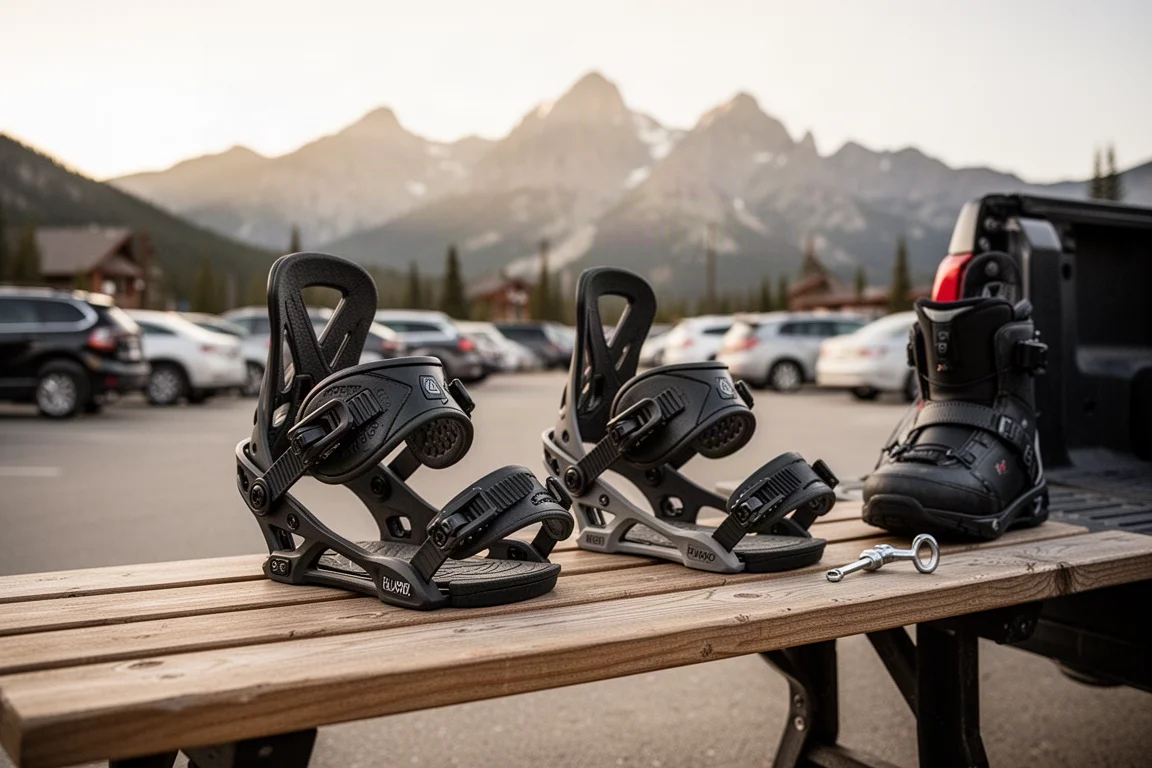
Setup is genuinely quick. A longtime Rome rider had these dialed in the parking lot in around three minutes, and demo-day setups took moments once the heel cup position was known. The Rome and Bataleon versions offer more adjustment than the Jones and ThirtyTwo: the Katana gets 64 points of heel strap articulation via its pivot mount, useful for high or low insteps, while the Bataleon uses kinked ladders you can flip or swap for a straight one.
Durability thinking is baked in. The unibody chassis has few moving parts, and the highback lock is user-replaceable with a single screw. The platform spent roughly seven years in development before launch, loosely inspired by an earlier Australian fast-entry concept, and the maturity shows. The Katana also uses a screw-locked, slightly higher and more rigid footbed compared with the standard Blaster and Katana, adding a more damped, performance-oriented feel underfoot.
Which One Should You Buy
Match the binding to your riding. Soft, playful park and rail riding points to the ThirtyTwo Phase. Big-mountain precision and response point to the Jones Mercury. All-mountain versatility with the stiffest flex and the most adjustment goes to the Rome Katana. The Bataleon Blaster and Astro cover the middle with the added flexibility of an adjustable metal heel cup and swappable straps. Bigger riders may also prefer the unibody options for the larger disc and added stability. There is also a Vulcan collaboration version of the ThirtyTwo with the same hardware at a small premium for the name.
Conclusion
Phase is a well-executed fast-entry platform that keeps the ride feel of a traditional binding while cutting strap-in time dramatically. With five tunings across four brands, most riders should be able to find a flex and fit that matches how they actually ride, and first-generation teething concerns look largely engineered out before launch.
Product link
View more details for Rome Katana Phase
This product is mentioned in the review. Check the specifications, options, and compatibility before buying.
View more details for Rome Katana PhaseFurther reading
Related Reviews

Snowboard Bindings
2024 Union Ultra Snowboard Bindings Review: A Cushy, Freestyle-Focused Favorite
Two seasons on the 2024 Union Ultra: a lightweight, tweakable freestyle binding with standout comfort, a damp molecular bushing, and thoughtful hardware fixes.

Snowboard Bindings
32 Team Phase Binding Review: A Fast Entry Binding Built for Freestyle Laps
The first binding from 32 uses the Phase chassis for quick step-in entry with a softer, freestyle-leaning flex. Here's how it performed on the snow.

Snowboard Bindings
Arbor Cypress Snowboard Binding Review: A Laid-Back Cruiser That Can Charge
A closer look at the Arbor Cypress binding's adjustability, strap feel, and that oddly tall highback before you decide to buy.