Snowboard Bindings
Snowboard Bindings Compared: Six Options Across the Price Range
A practical comparison of six snowboard bindings, from an affordable entry option to an aluminum-framed model built for precision and power on the mountain.
Introduction
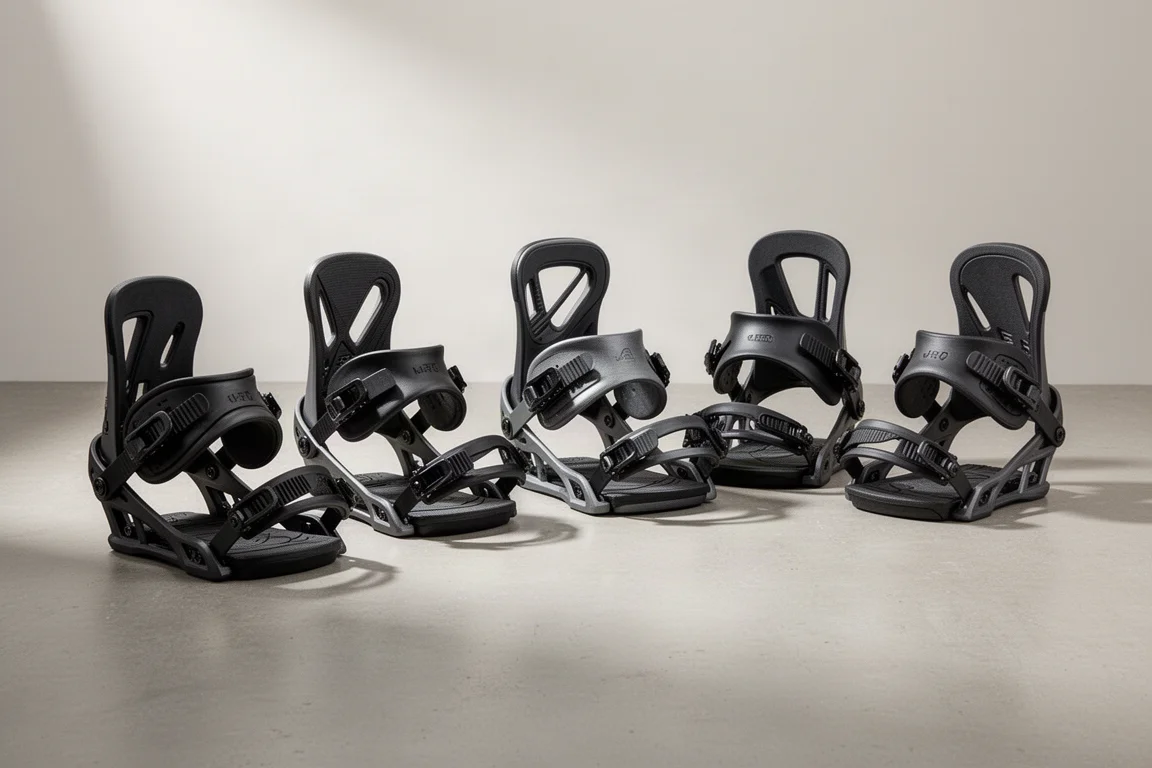
Snowboard bindings are the part of the setup that translates everything you do into the board, so the differences between models matter far more than they might look from a product photo. The six bindings compared here span a wide price range, from an affordable entry option to an aluminum-framed model built for riders who want power and precision.
Before comparing features, there is one piece of information you need about yourself: your boot size. Everything else follows from there.
What Changes as You Move Up in Price
The most obvious difference across this range is price, but the more useful difference is materials and construction. The two least expensive bindings here use injected plastic face plates, which give a softer, more flexible feel that moves with your foot and body. Step up a tier and base plates become stiffer, sometimes with glass fiber content, while ankle straps gain padding and a more forgiving shape.
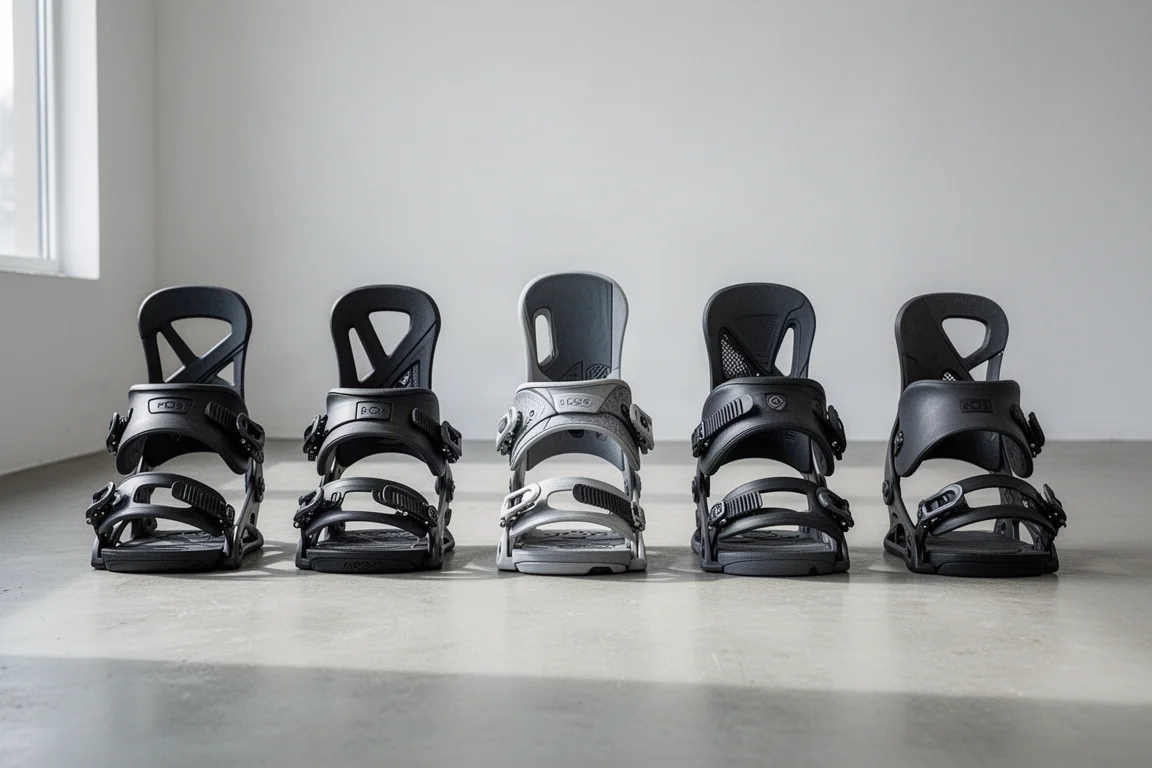
Further up the range, metal starts to appear: an aluminum heel hoop on some models, and a full aluminum frame and base plate at the top. Those changes bring a more solid, direct feel and more drive to the board, along with metal buckles instead of plastic levers. The trade-off is that a stiffer, more precise binding is also less forgiving, which matters if you are still building confidence.
K2 Sonic: An Affordable Starting Point
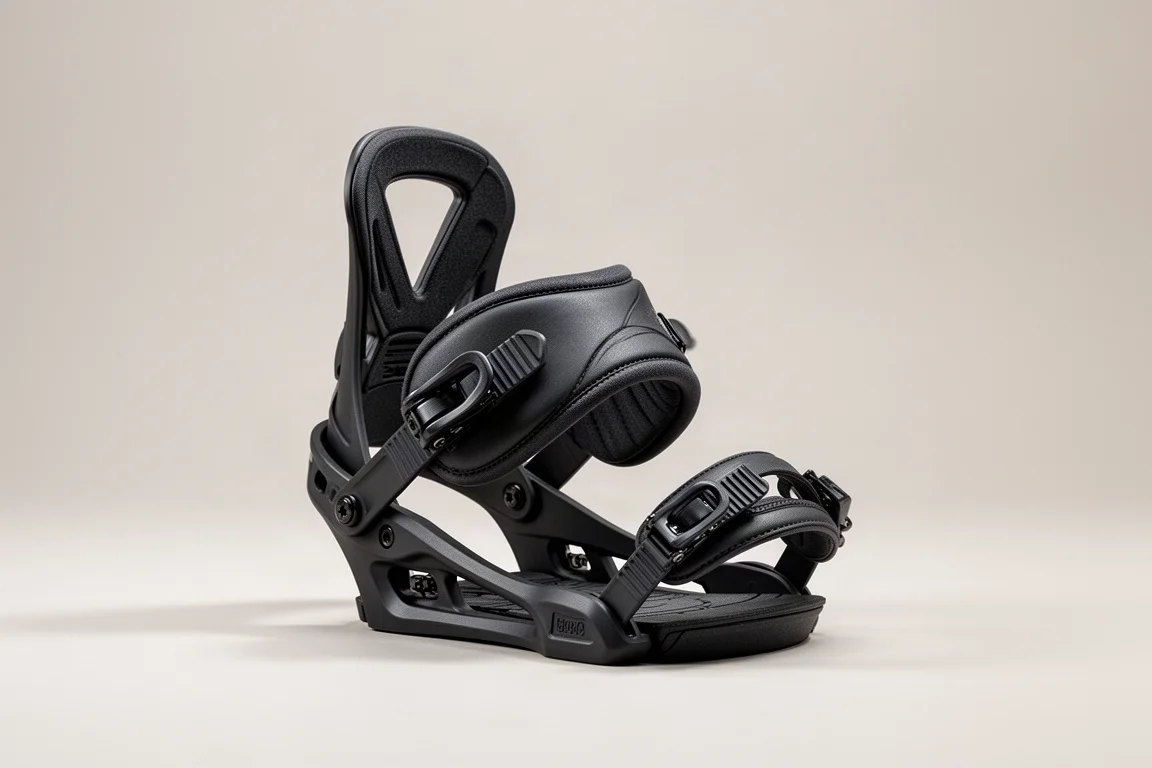
At around $159, the K2 Sonic is the most affordable binding in this comparison, and it does not feel like a compromise in the ways that matter most. It is a light binding, and the ankle strap is soft and pliable, so it conforms to your boot rather than pressing into it. That softness is especially welcome in cold conditions, when a stiff strap can feel rigid and unforgiving.
The highback is easy to work with and the straps adjust simply, which means you can dial everything in at home before your first day out. The injected plastic face plates give the binding a flexible feel that moves with your foot and body. If you want a comfortable, forgiving binding at a low price, this one holds up well.
Arbor Spruce: A Very Similar Alternative
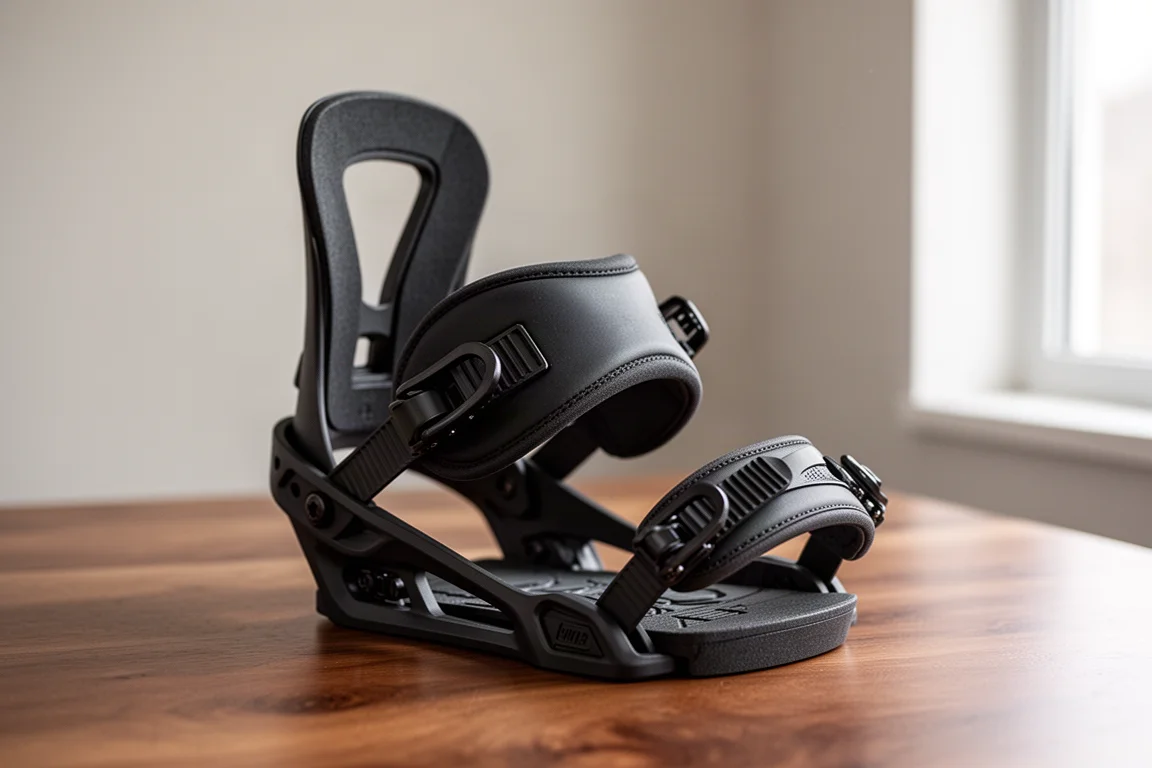
The Arbor Spruce sits close to the K2 Sonic in price, and the two are comparable in performance. The clearest visual difference is a cutout down the middle of the highback, which lightens the binding and lets the highback flex a little more. Your boot does not contact much of that middle section anyway, so the cutout costs nothing in support.
The result is a highback that is neither too stiff nor too soft. The ankle strap, toe strap, and overall weight are all close to the K2 Sonic, so choosing between the two comes down to preference. Both suit first-time riders, intermediate riders, and anyone who gets out on the mountain only occasionally.
K2 Formula: Where the Upgrades Become Noticeable
The K2 Formula is a meaningful step up at around $229.95. The base plate is likely to be stiffer than the two cheaper bindings, partly because base plates at this level often include glass fiber. The most noticeable upgrade is the ankle strap: it is soft and comfortable, and even if you overtighten it, it does not create pressure points or cut off circulation. In cold temperatures that matters, because a stiff strap will not conform properly to your boot.
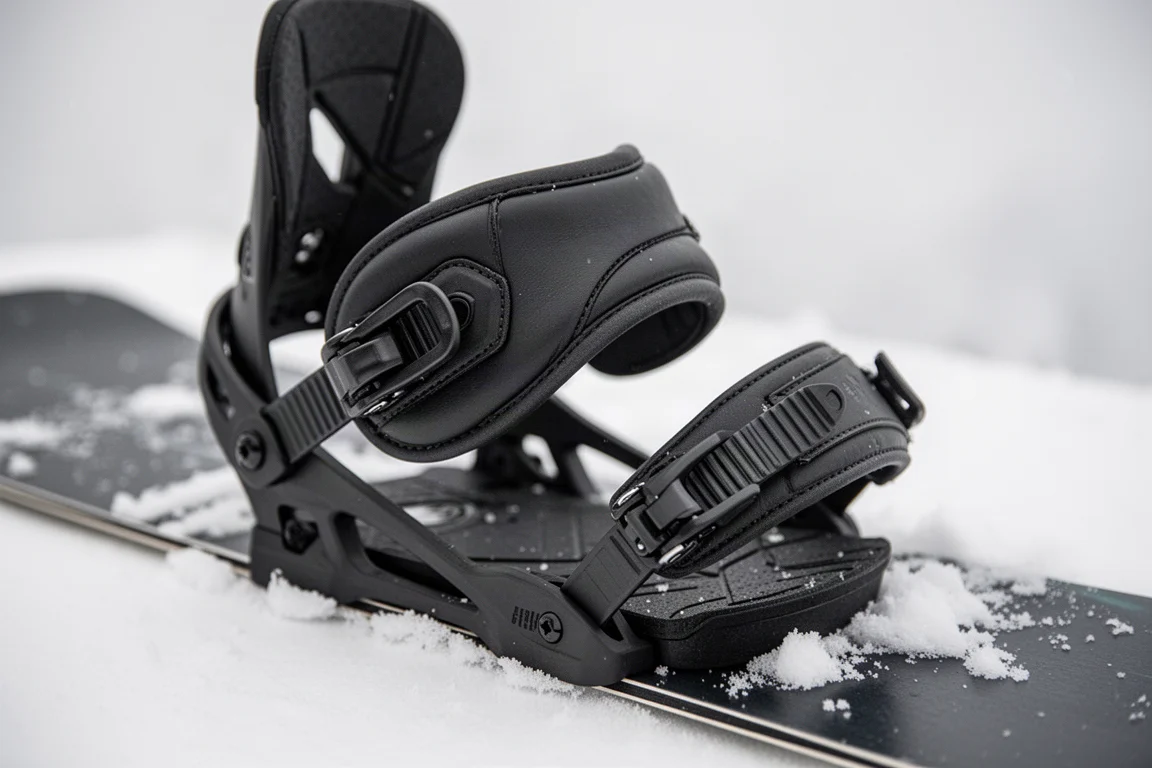
Adjustment is tool-free, so you can reposition the strap at the top or the bottom of the mountain without hunting for anything. The highback is forgiving and moves with you as you twist and turn rather than fighting your movements, and the binding is very light for the price.
Salomon District: Comfort-Focused at a Similar Price
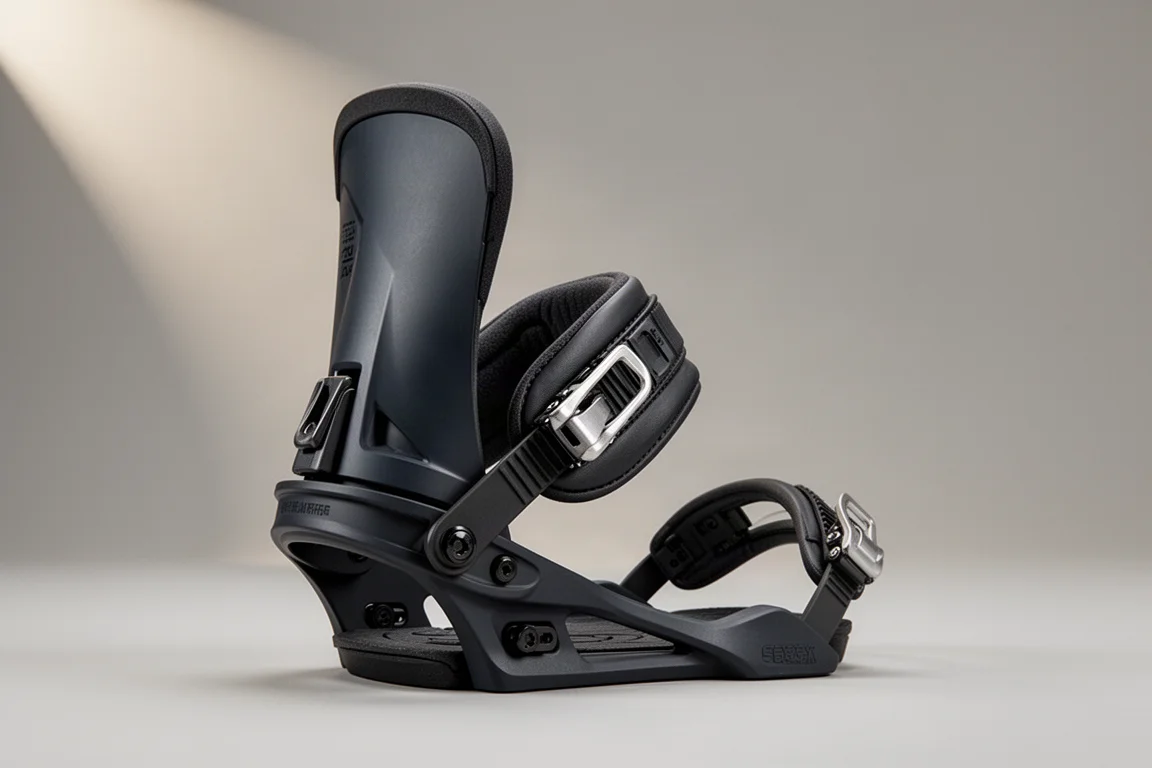
At $249.95, the Salomon District is very close to the K2 Formula in both price and intent. Its stitched ankle strap is soft, pliable, and padded, and the padding is what keeps a cranked-down strap from creating pressure points. The highback has a different shape but is similarly pliable: soft enough to twist out of the way during grabs or awkward landings, firm enough to support you when you need it.
Strap lengths adjust easily, and like the other bindings here, the straps can be positioned over the toe, at mid-toe, or straight over the top. That flexibility is worth using, and it is worth taking a few minutes to find the position that suits your boot and your riding style.
Ride A6: Aluminum Frame and Direct Power Transfer
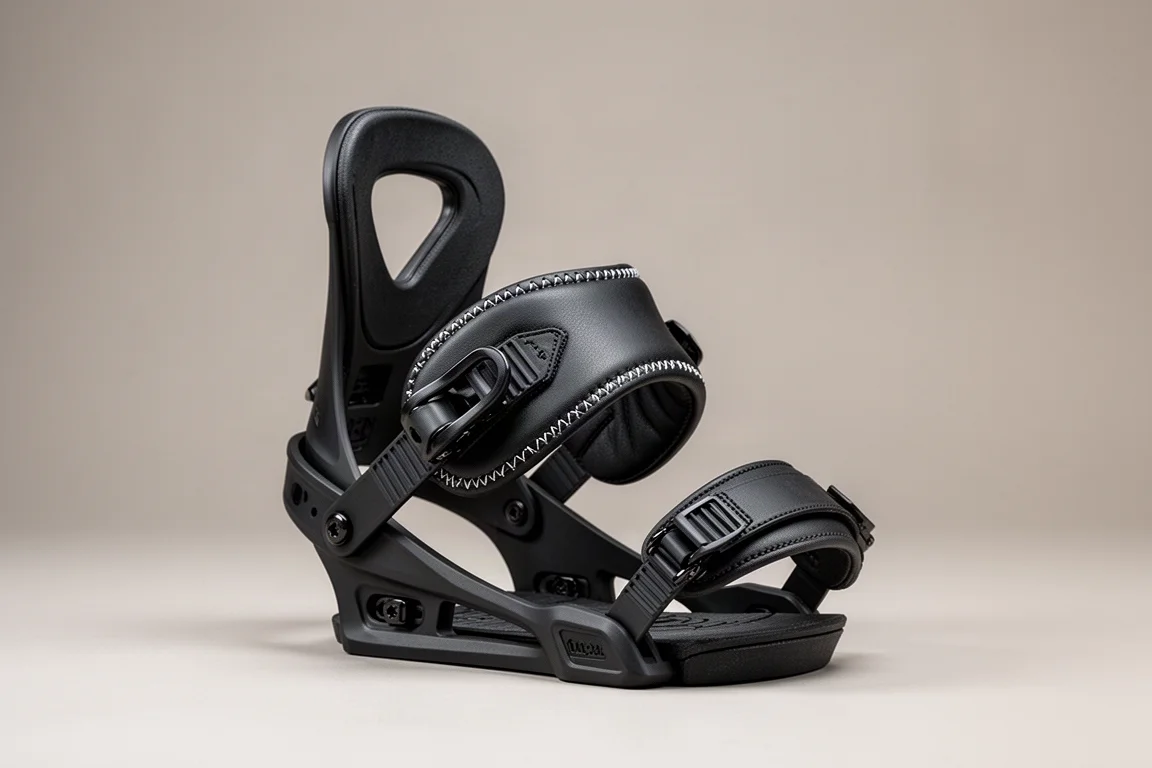
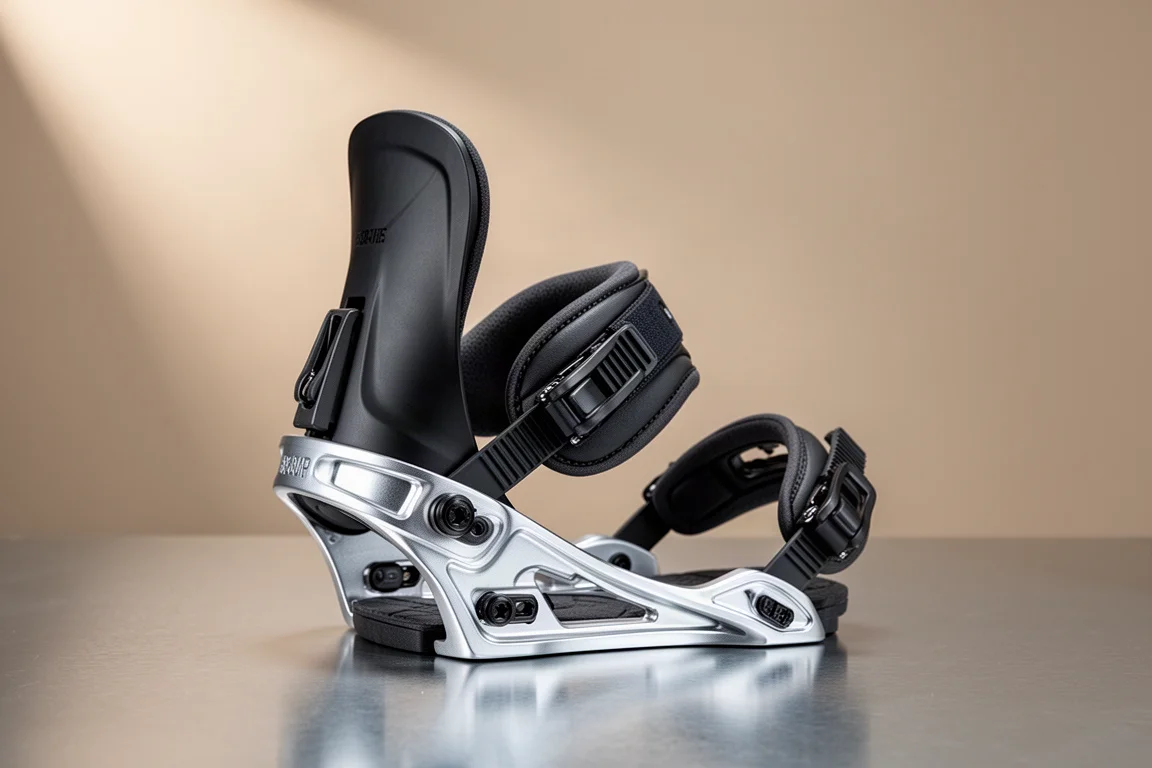
At $299.95, the Ride A6 is a different category of binding. An aluminum frame, aluminum base plate, and aluminum heel hoop create a solid connection with no flex at the heel, which translates into real drive to the board. The tray also has a slight built-in cant of a couple of degrees, which brings your knees a little closer together. On a wider stance that is a more ergonomic position, and over many days of riding it is easier on your hips, knees, ankles, and back.
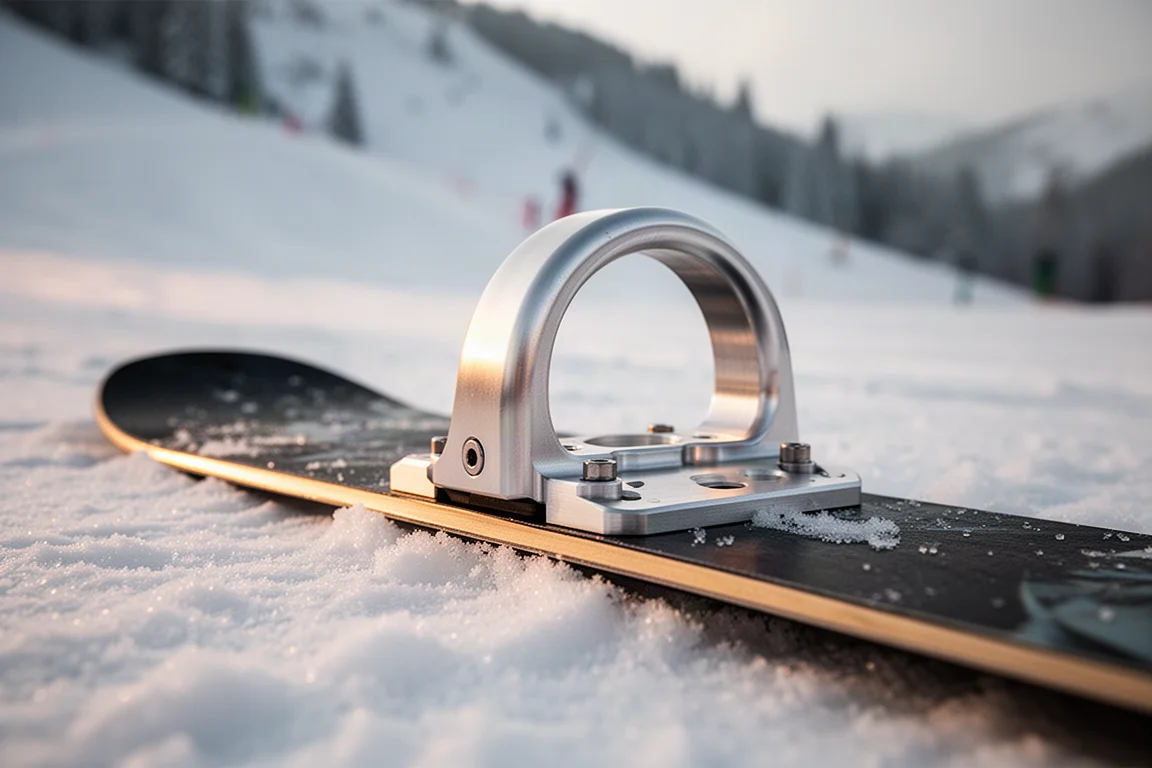
The highback is still on the softer side, so the precision and power come mainly from the frame. That precision cuts both ways: a binding this direct is less forgiving, which makes it a poor match for a beginner, even one with a generous equipment budget.
Ride A8: The Top of This Range
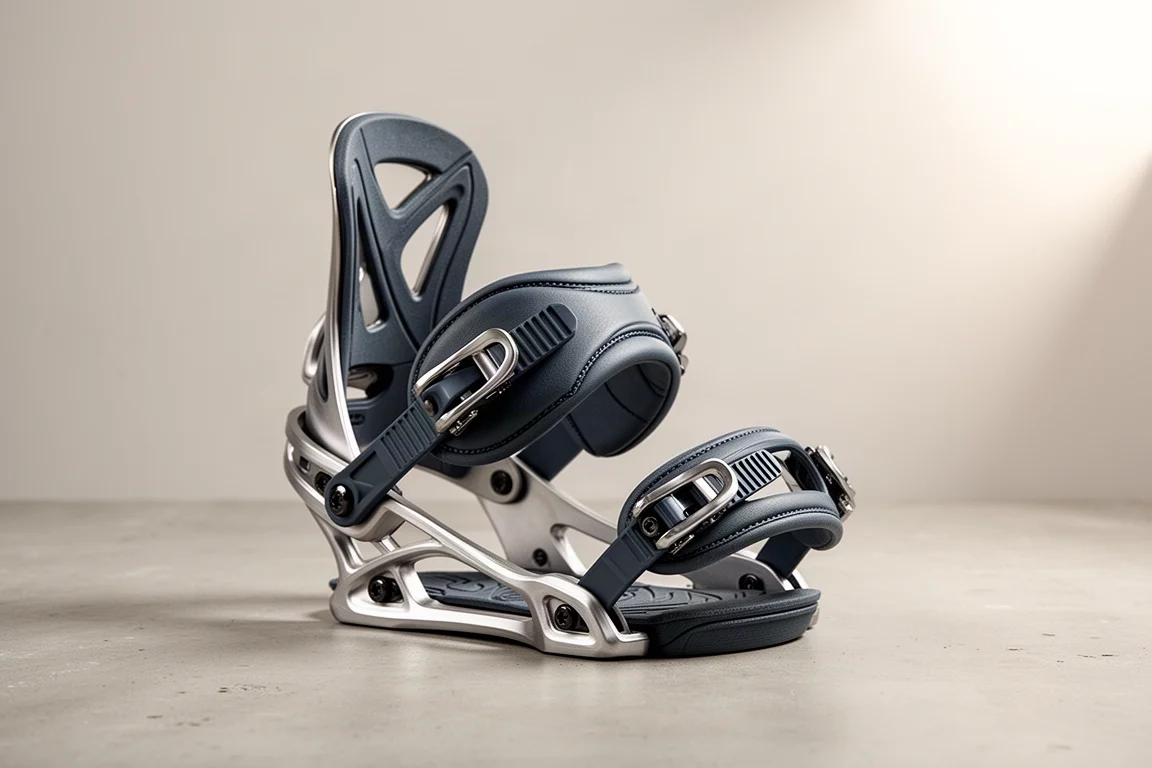
At $339.95, the Ride A8 is the most expensive binding here, and it shares most of its design with the A6. The differences are in the details: a slightly different highback, different straps, and an aluminum finish that sets it apart visually. The tray design is very similar.
In other words, the A8 and the A6 are close in character, both built around an aluminum frame that delivers a solid, precise connection to the board. If you want the top option in this group, the A8 is it. If you want the same aluminum-frame feel, the A6 gets you most of the way there.
Matching a Binding to Your Boot and Board
The single most important thing to check before buying is your boot size. Every binding comes in sizes that correspond to a range of boot sizes. A binding that is too small will not fit your boot, and one that is too large leaves your foot moving around inside it, with the highback sitting too high.
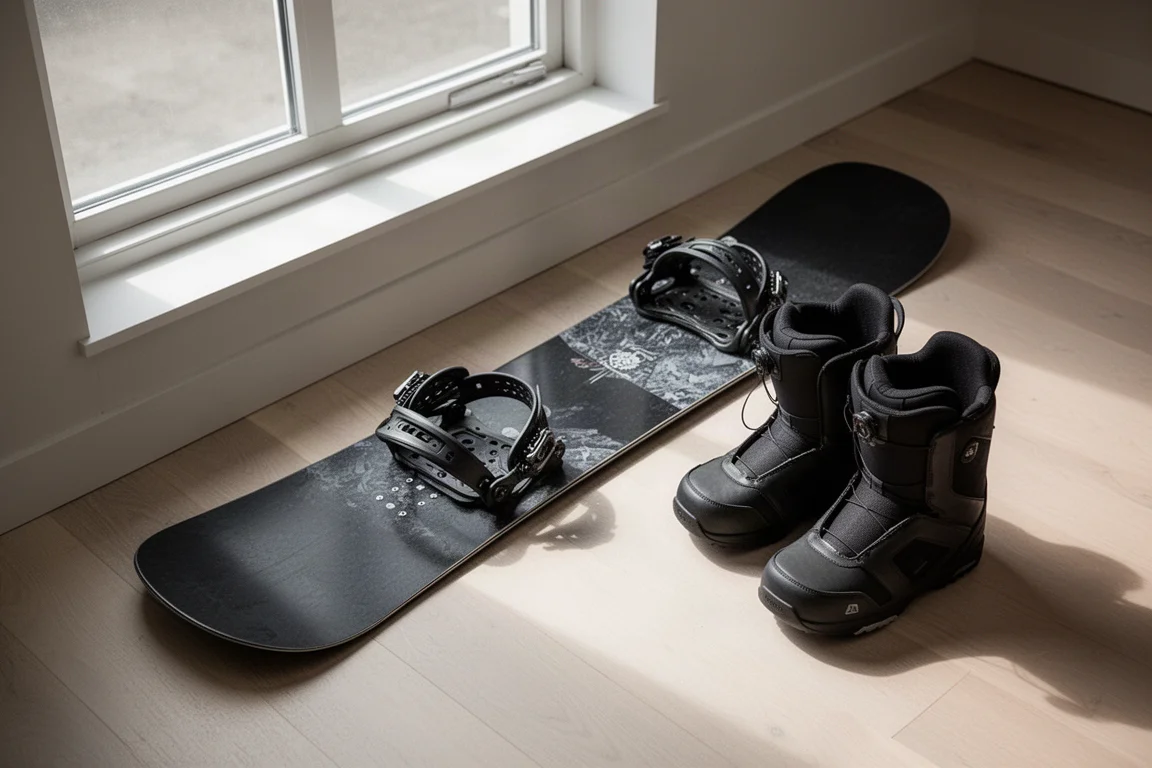
Stiffness should match the rest of your setup. A stiff boot pairs well with a stiff binding, a soft boot with a soft binding, and a stiff board generally suits a stiffer binding. Spending more does not automatically mean a better experience, since a direct, unforgiving binding can work against a newer rider. Once your boot is sorted, it is worth researching a binding that suits it, or asking for a recommendation based on your boot and board.
Conclusion
The range here is wide, and the right choice depends on how you ride. The K2 Sonic and Arbor Spruce cover comfortable, forgiving riding at the lowest prices. The K2 Formula and Salomon District add softer, more padded straps and easier adjustment for a modest step up. The Ride A6 and A8 bring an aluminum frame, a built-in cant, and a level of precision that suits experienced riders who want more power to the board.
Whichever you choose, match the binding size to your boot, set your straps up before your first day out, and let the flex of your boot and board guide how stiff you go.
Further reading
Related Reviews

Snowboard Bindings
2024 Union Ultra Snowboard Bindings Review: A Cushy, Freestyle-Focused Favorite
Two seasons on the 2024 Union Ultra: a lightweight, tweakable freestyle binding with standout comfort, a damp molecular bushing, and thoughtful hardware fixes.

Snowboard Bindings
32 Team Phase Binding Review: A Fast Entry Binding Built for Freestyle Laps
The first binding from 32 uses the Phase chassis for quick step-in entry with a softer, freestyle-leaning flex. Here's how it performed on the snow.

Snowboard Bindings
Arbor Cypress Snowboard Binding Review: A Laid-Back Cruiser That Can Charge
A closer look at the Arbor Cypress binding's adjustability, strap feel, and that oddly tall highback before you decide to buy.