Snowboarding Gear
Snowboard Accessories That Survive 100+ Day Seasons: 5 Pieces Worth Buying
How a helmet, gloves, goggles, a board lock, and a boot dryer wear over multiple seasons, and what to check before you buy.
Introduction
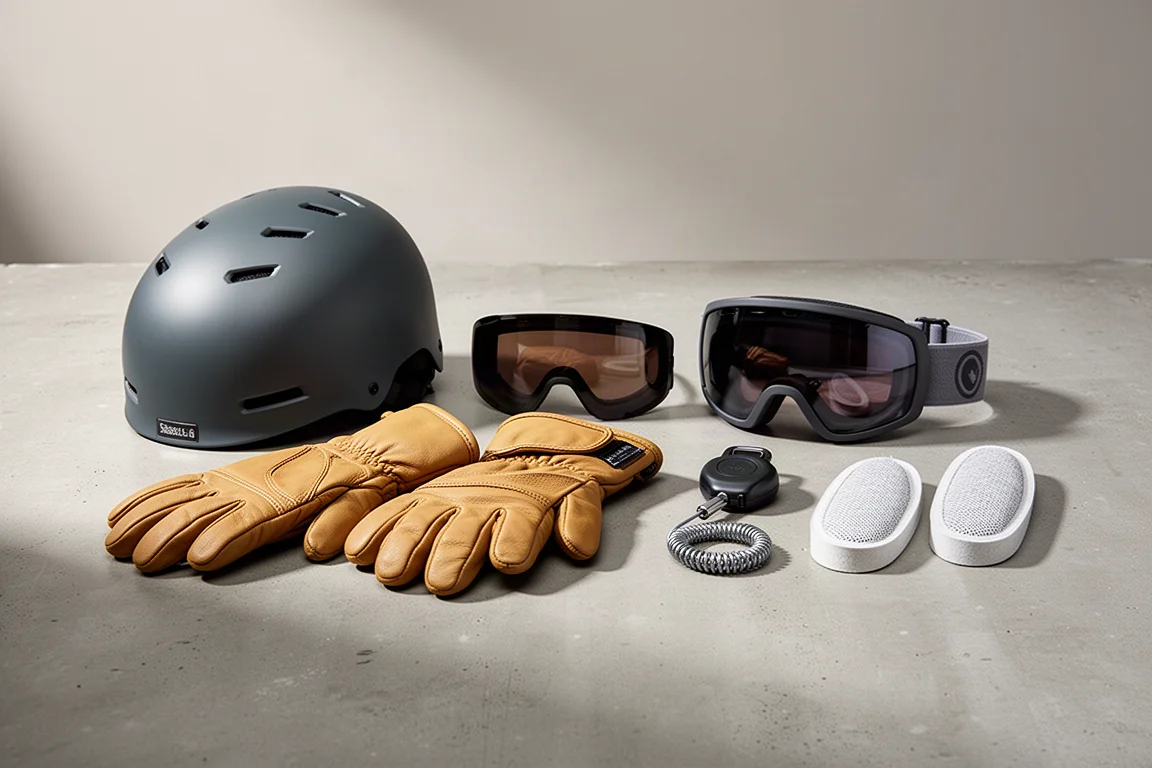
Accessories are where a snowboard setup quietly earns its money back. Boards and bindings take a beating by design, but a helmet, a pair of gloves, goggles, a board lock, and a boot dryer can stay in service for years when they are looked after properly. Five seasons, or a hundred-plus days a year, is a realistic target for well-made gear that gets stored and maintained with a little care.
This guide looks at five accessories that have done exactly that, what the wear and tear looks like after heavy use, and what to check before buying your own.
How Long Snowboard Accessories Really Last
Longevity in snowboard accessories comes down to three things: the material, how the item is stored, and how much it is exposed to things that degrade it. Leather needs treating. Goggle foam needs to be kept away from a sun-baked dashboard. Helmet foam has a shelf life no matter how carefully you ride.
The practical service windows look roughly like this:
- Helmet: about two years, even without a major impact
- Leather gloves: around five seasons of near-daily riding before seams and edge guards start to fail
- Goggles: run them until the foam falls apart, and use a quick-change lens frame so you refresh the lens instead of the whole goggle
- Board lock: a simple retractable combination cable lock can last for decades
- Boot dryer: a desiccant dryer keeps working for years with occasional reactivation
The helmet is the one item with a hard deadline. Foam compresses and protective value drops over time, so two years is a sensible rotation point even if the helmet has never been hit.
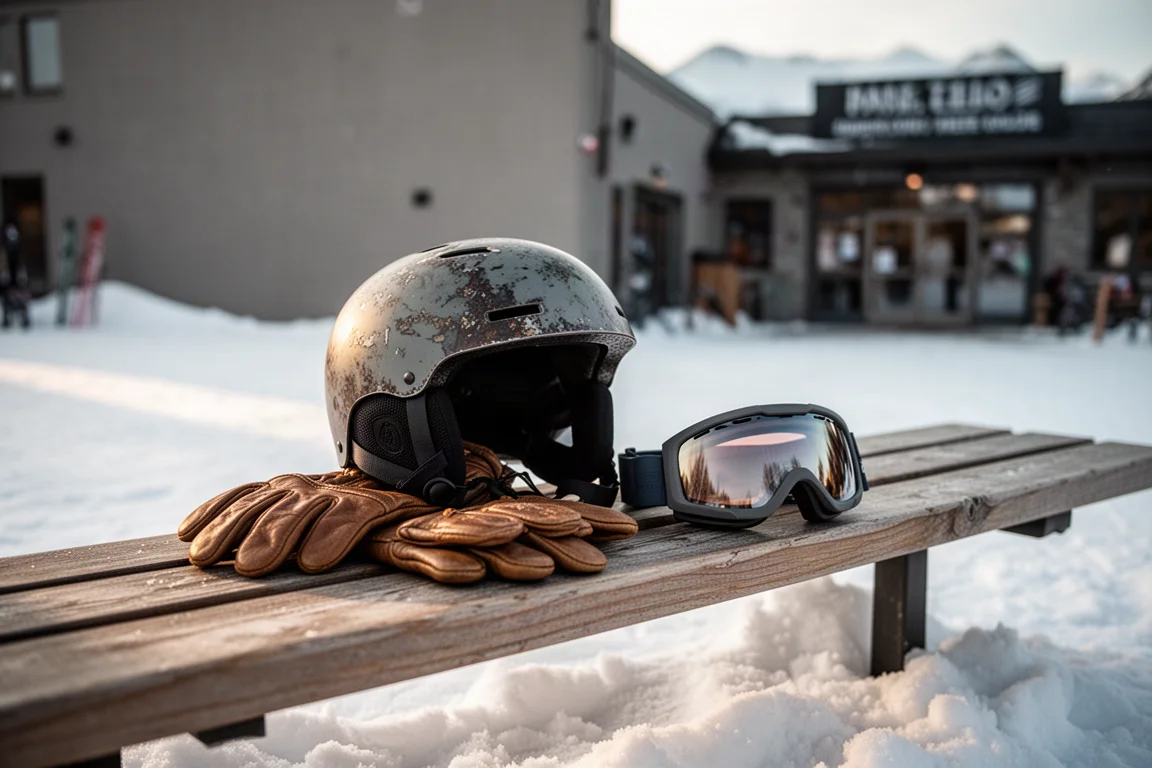
If a helmet takes a decent impact, it should be replaced rather than inspected and reused. Minor knocks that only scuff the shell are a different story, but it is worth pressing the foam inside to check for compression at the start of every season.
Giro Emerge Helmet
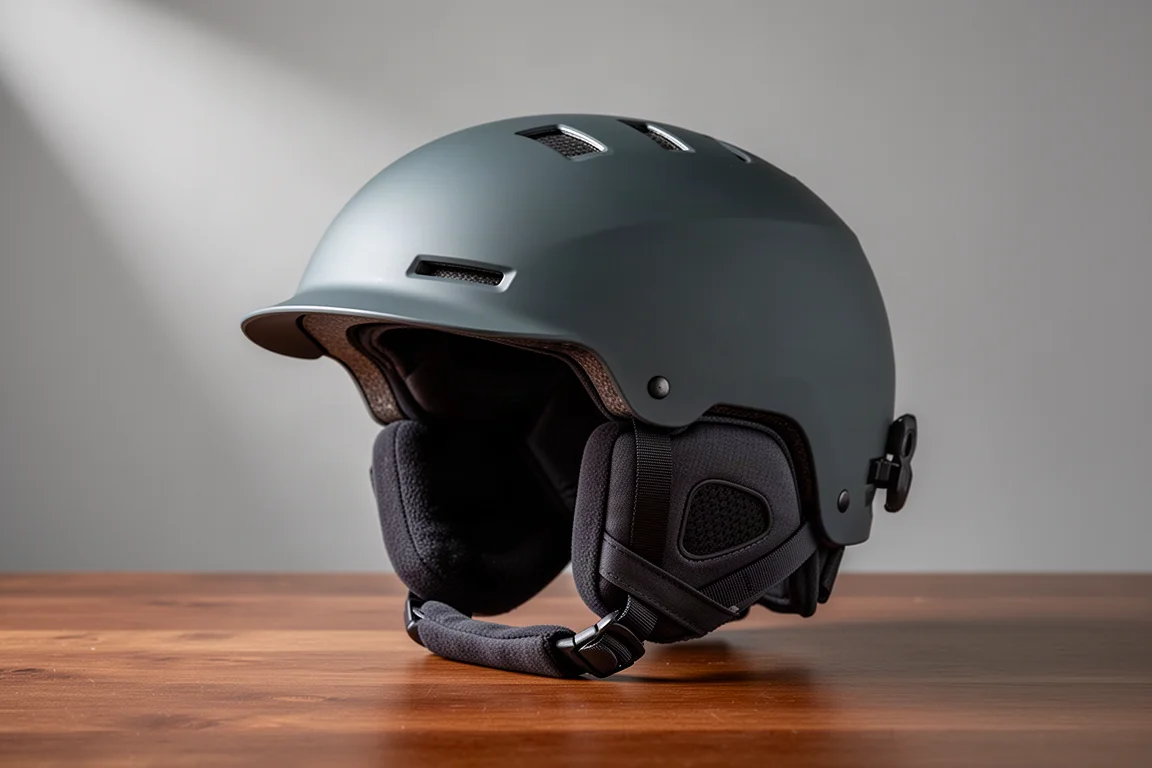
The helmet in this lineup is a Giro Emerge, and after two seasons of regular riding it has held up exactly as a helmet should: no impacts, no dents, and nothing beyond surface scratches on the shell. A helmet that has quietly done its job is not a helmet that still looks new, and that is fine.
Two years, though, is the point at which a helmet should be retired, which puts this one at the end of its service life. The shell is intact and the foam shows no obvious compression, but the protective materials age with temperature swings and time, so the sensible move is to replace it rather than keep pushing it.
When shopping for a replacement, fit comes first and current protection technology second. Modern helmets commonly include rotational-impact systems, which are worth considering if you are already spending $100 to $150 on a new lid. That price band is the sensible place to shop.
Howl Tacoma Gloves
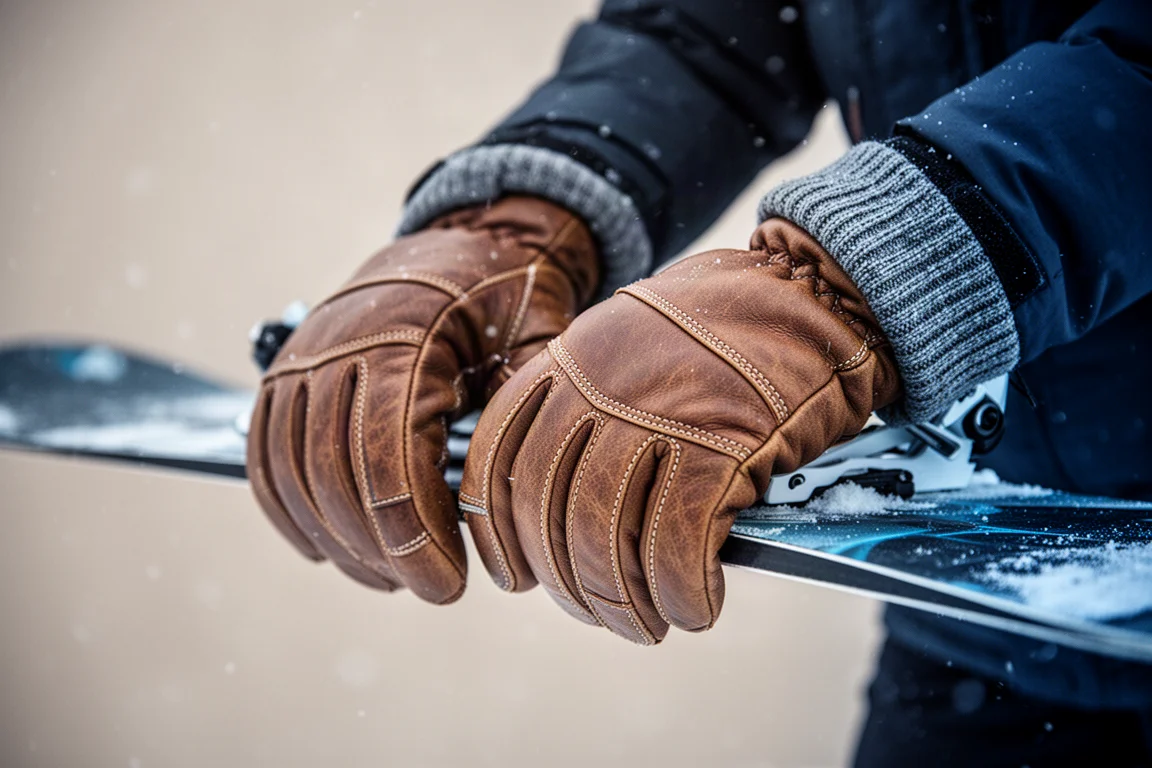
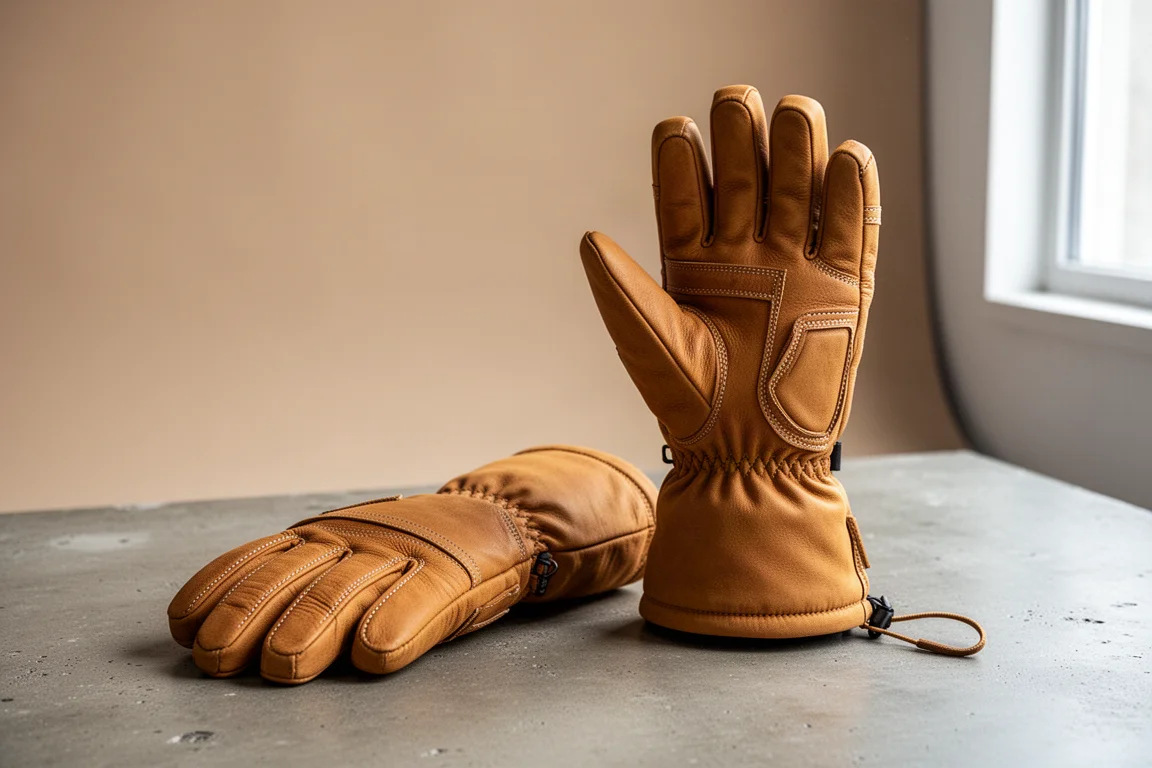
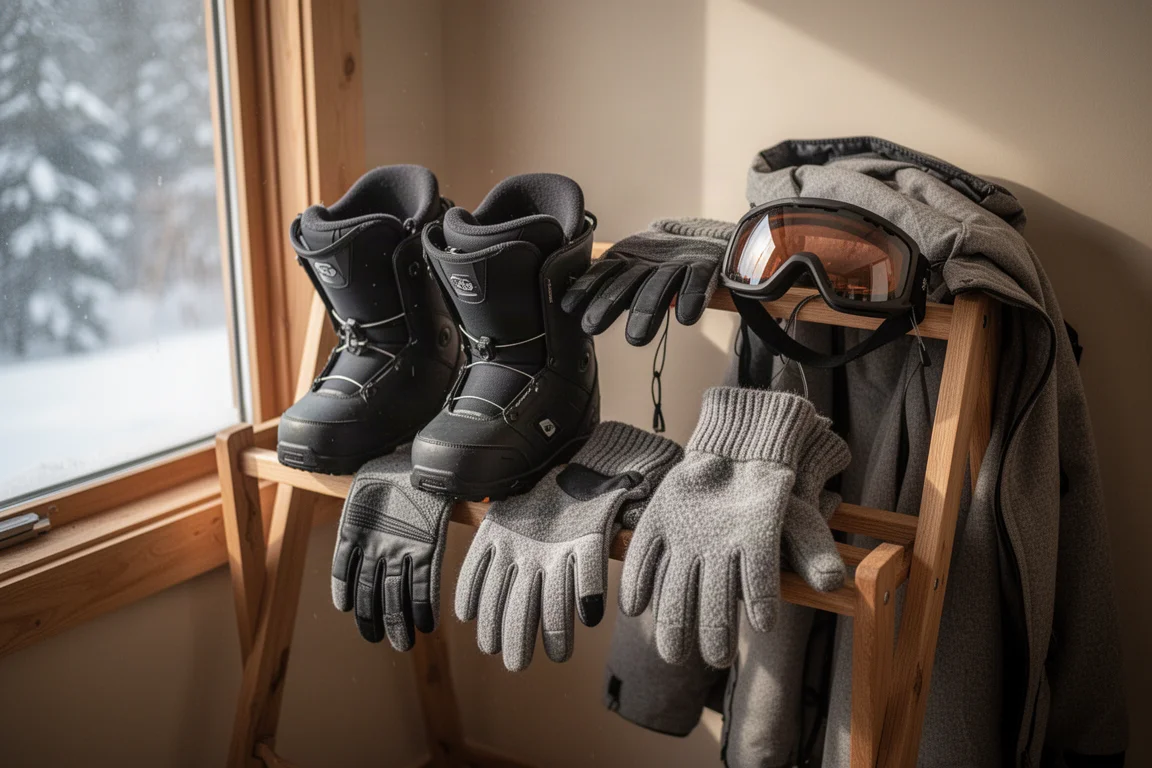
These are the cold-weather gloves: heavily insulated, leather, and built for the days when the lift ride hurts. They are roughly five years old and have been ridden close to a hundred days a year, which makes the amount of life left in them genuinely impressive.
The wear is concentrated where you would expect it. The edge guard on the index finger of both gloves has started separating from the seam, which is mostly cosmetic. There is a small tear through the middle finger of one glove, the thumb has separated on the left hand, and the wrist gaiter needed a repair at one point. The leather itself has lasted because it was treated and looked after.
One thing to note is that this particular model is no longer produced. The brand has moved toward more accessible price points and trend-led designs, so anyone wanting a replacement has to look at the current lineup rather than buy the same glove again. Thick leather remains the most durable option when longevity matters more than weight.
Dragon PXV Goggles
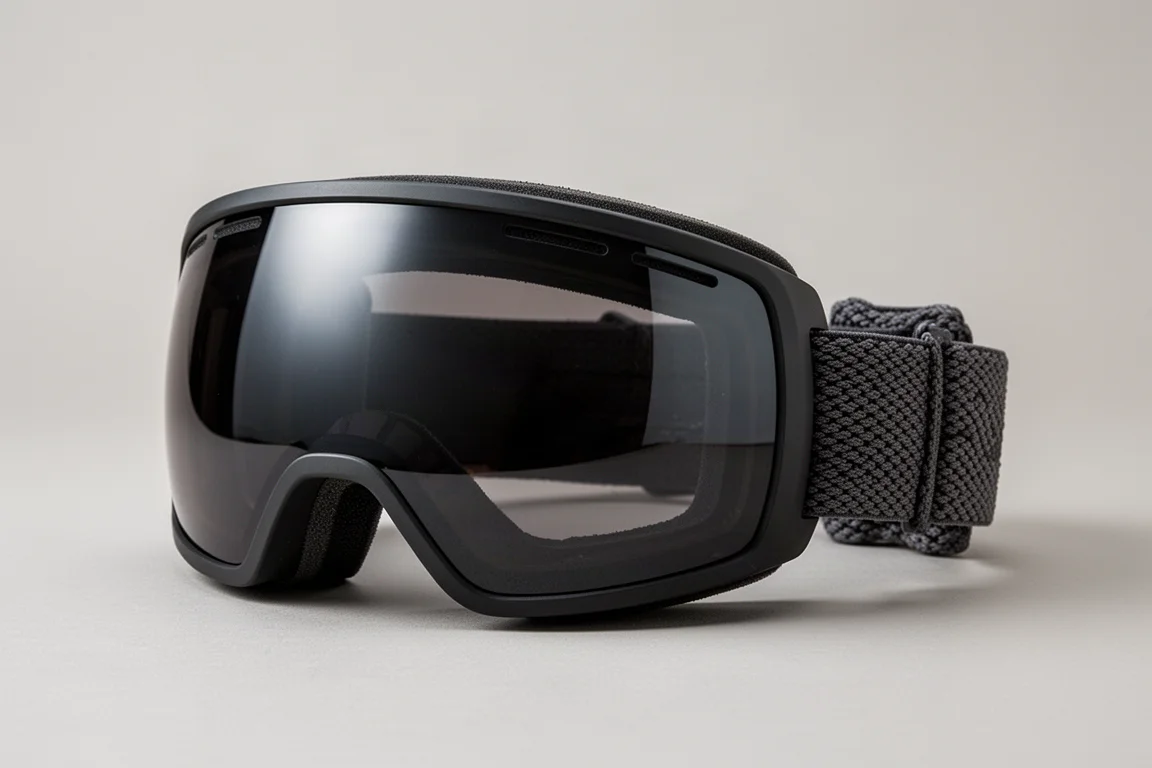
Goggles are the accessory where care pays off most obviously. This pair uses a quick-change lens system, which means the frame can be kept for years while lenses are refreshed as they scratch or as conditions change. The frames are still in good shape, the straps have stayed taut, and the foam is only lightly worn.
The top of the frame uses a vented design rather than a full foam strip. That matters more than it sounds: foam along the top edge is where snow and moisture collect, so less foam up there means less material to break down over time.
Lenses are the consumable part. Surface scratches are normal, and one lens set was ruined on a cold, humid day when fogging was made worse by flexing the goggle to clear it. Another favourite tint has been discontinued entirely. Both are reasons to treat lenses as something you will replace rather than something that has to last forever.
Storage habits make a real difference here. Goggles should go straight back into their bag once they are dry, and if they need to dry out, the front seat of a warm car is a much better place than hanging from a rear-view mirror, where sun exposure can crack the lens and degrade the foam. Buying a good quick-change frame and picking up spare lenses in the off-season is the cheapest way to cover a full range of light conditions.
Dakine Board Lock
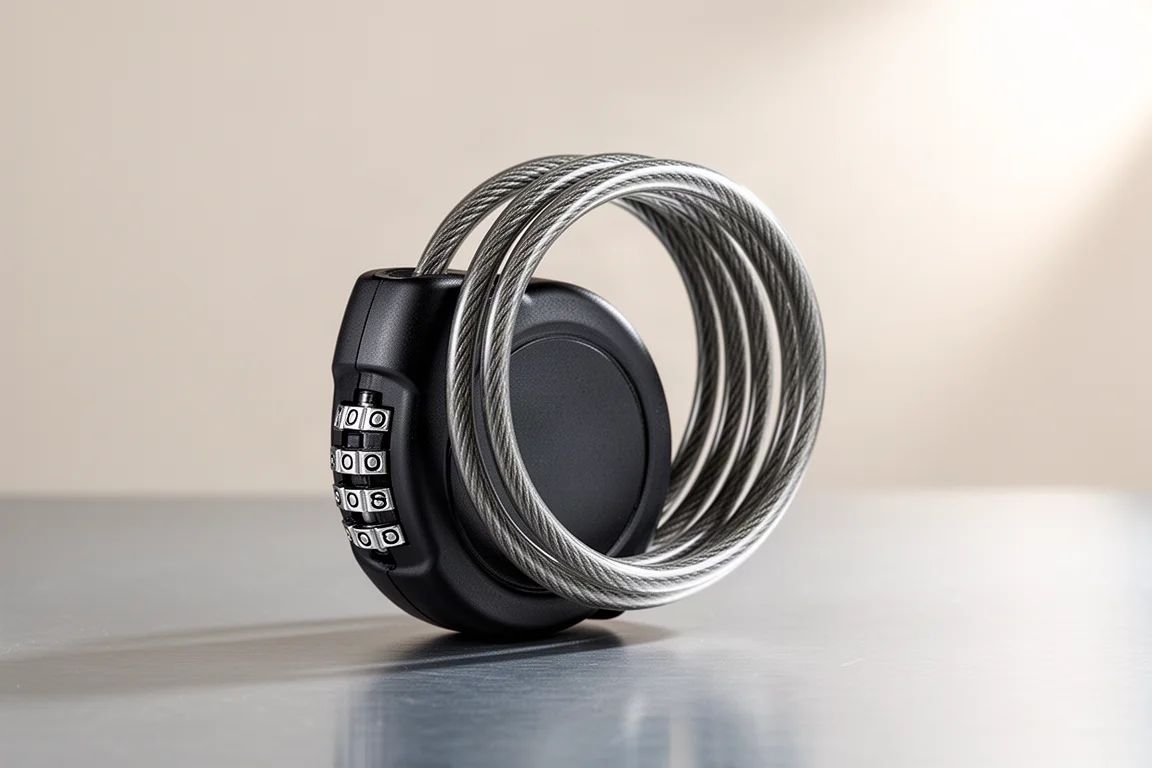
A board lock is the cheapest insurance in snowboarding. This one is a compact retractable cable lock with a four-number combination and a cable small enough to live in a jacket pocket. It replaces a similar lock that finally failed after about twenty years, when high winds caught a board on a rack and snapped the housing apart.
That story is worth keeping in mind for two reasons. First, a lock is a deterrent rather than a guarantee: a determined thief can defeat a thin cable, but base-area theft is opportunistic, and most people will not spend time working on a locked board in plain sight. Second, the failure was caused by wind and rack tension rather than by anyone cutting it, which is a reminder to secure a board loosely enough that it is not under load.
At around $15, or closer to $20 with inflation, a lock costs less than a single day of lift access. If you ride a board that would be expensive to replace, carrying one is close to a no-brainer.
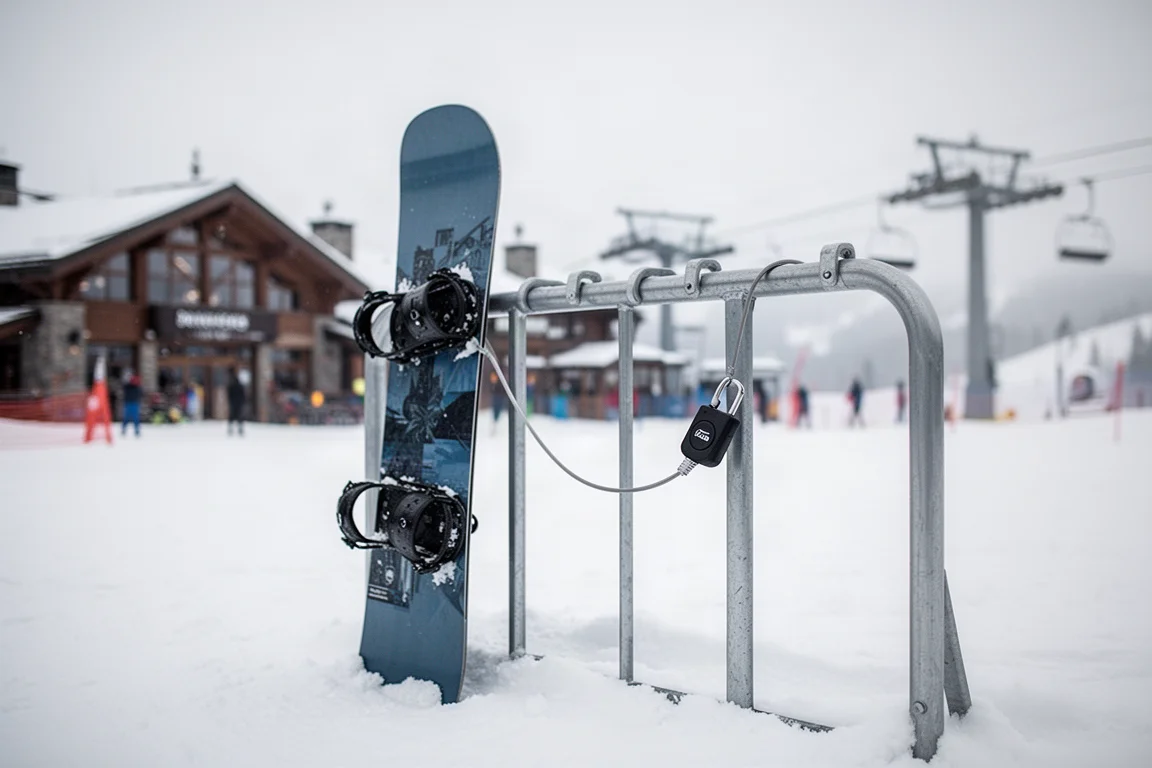
A combination lock is the practical choice for this job because there is no key to lose in the snow, and a retractable design makes it quick to deploy and quick to pocket. That speed matters when the alternative is leaving a board unattended in the base area.
Drysure Boot Dryer
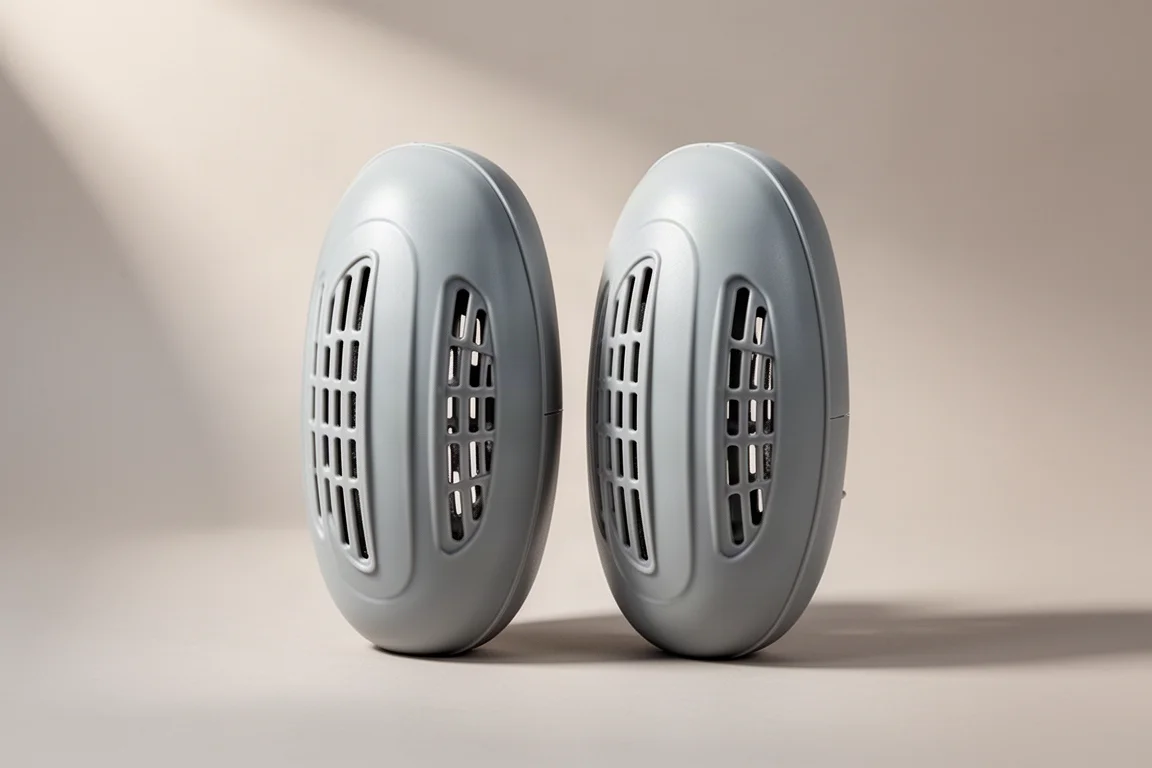
Wet boots are a miserable way to start a day, and this desiccant boot dryer solves the problem without any of the usual complications. There are no plugs, no heating elements, and no forced air, just moisture-absorbing inserts that go into the boots overnight and come out dry in the morning.
In practice they live in the snowboard boots overnight, move into everyday boots during the day, and go back into the snowboard boots after riding, which keeps both pairs dry. The inserts need to be left in the sun occasionally to reactivate, and after five or six years of constant use the outer housing has weakened enough that it separates from time to time and has to be clicked back together.
Heated dryers work faster, but they also warm and expand the liner, which is not ideal for a boot whose fit you want to preserve. A desiccant dryer is slower and simpler, and it is the kind of accessory that quietly becomes part of the routine.
Buying Advice: Where to Spend and Where to Save
The pattern across all five items is that money goes furthest on the things that protect you and the things you touch every single day. A helmet is the one accessory with a hard replacement date, so budget for it on a two-year cycle and buy the best fit you can find in the $100 to $150 range.
Goggles reward buying well once. A quick-change frame with a couple of spare lenses covers bright days, flat light, and everything in between, and spare lenses bought in the off-season are far cheaper than a second pair of goggles. Gloves are more of a gamble because they depend on how you ride: if you drag your hands or grab sharp edges, even good leather will eventually give out. Thick leather treated regularly is the most durable option, and if the budget is tight, a pair of work gloves from a hardware store plus a leather treatment will get a surprising amount of the way there.
Locks and boot dryers are the cheap wins. A retractable combination lock costs around $15 and removes the opportunity a thief is looking for, while a desiccant boot dryer costs very little to run and keeps boots dry season after season. Neither is exciting, and both are the kind of purchase you forget about because they simply work.
Conclusion
Accessories last when they are chosen well and looked after. Rotate the helmet on schedule, treat the leather, store the goggles properly, lock the board, and dry the boots overnight. Do those things and a hundred-plus day season stops being a threat to your gear, and the money you save goes toward the next pair of boots or the next storm day.
Further reading
Related Reviews
Snowboarding Gear
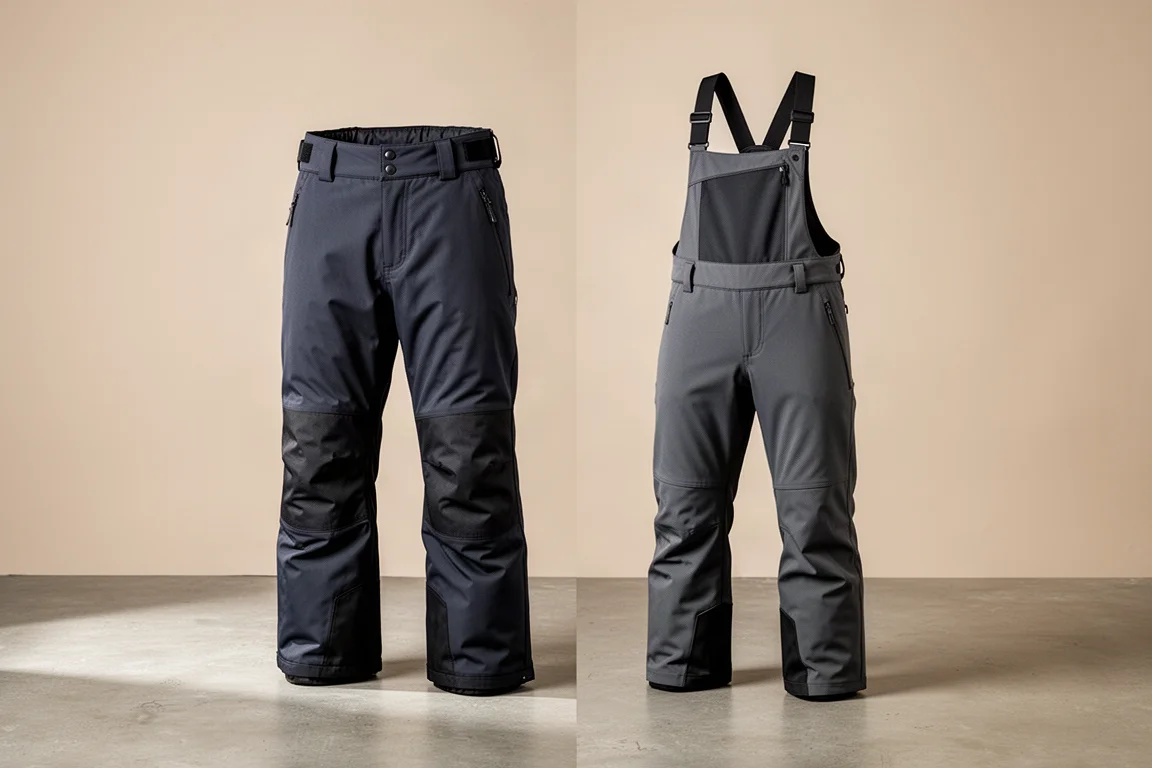
686 Smarty Pants vs 686 Dispatch Bib: Traditional Pants or Bib Pants?
A head-to-head look at two 686 snow pants, weighing warmth, comfort, durability, and breathability to help you pick the right style for your riding.
Snowboarding Gear
Bataleon Thunderbolt Review: A Powerful All-Mountain Freeride Snowboard
A deep-camber freeride snowboard with 3BT and SideKick shaping, tested in powder, chop, ice and soft groomers. Here is who it suits and what to weigh up.
Snowboarding Gear
Best All-Around Park Snowboards: Five Balanced Freestyle Picks
Five park snowboards that balance jumps, rails, and everyday freestyle riding, plus three honorable mentions worth a closer look.