Snowboarding Gear
Bataleon Thunderbolt Review: A Powerful All-Mountain Freeride Snowboard
A deep-camber freeride snowboard with 3BT and SideKick shaping, tested in powder, chop, ice and soft groomers. Here is who it suits and what to weigh up.
Introduction
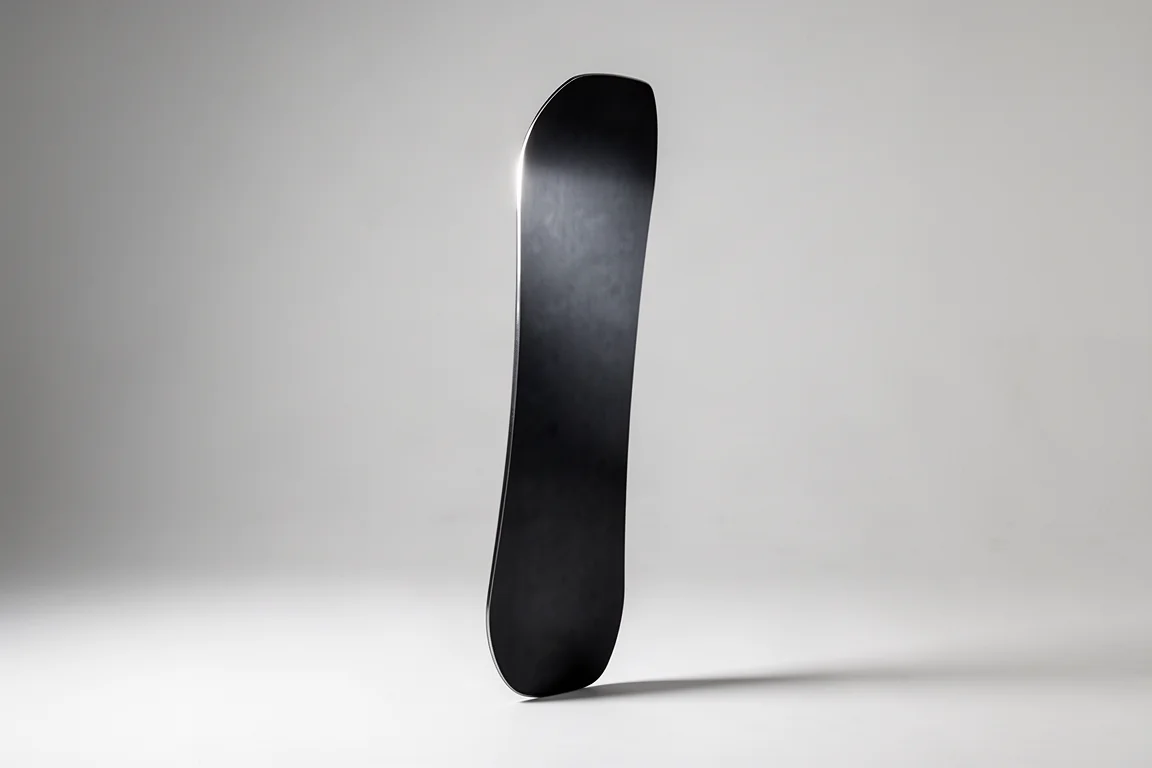
The Bataleon Thunderbolt is a directional all-mountain freeride snowboard built around a deep traditional camber profile, paired with Bataleon’s 3BT base shaping and SideKick technology at the nose and tail. It sits on the stiffer side of the all-mountain freeride category, and it is aimed at riders who want a board that responds the moment they load it. It is offered in three sizes: 156, 158 and 159 wide.
It was ridden at Arapahoe Basin on a powder day with more than five inches of fresh snow, in moderate to high winds and cooler temperatures, across chop, chunder, ice, dust on crust and soft groomers. That mix of conditions is a useful test bed, because it puts a freeride board through soft snow and hard, variable surfaces in the same session.
Who This Board Is For
This is a board for the all-mountain freeride rider who wants some 3D shaping underfoot. The elevated contact points at the nose and tail change how the board engages with snow, which matters most when the surface is soft.
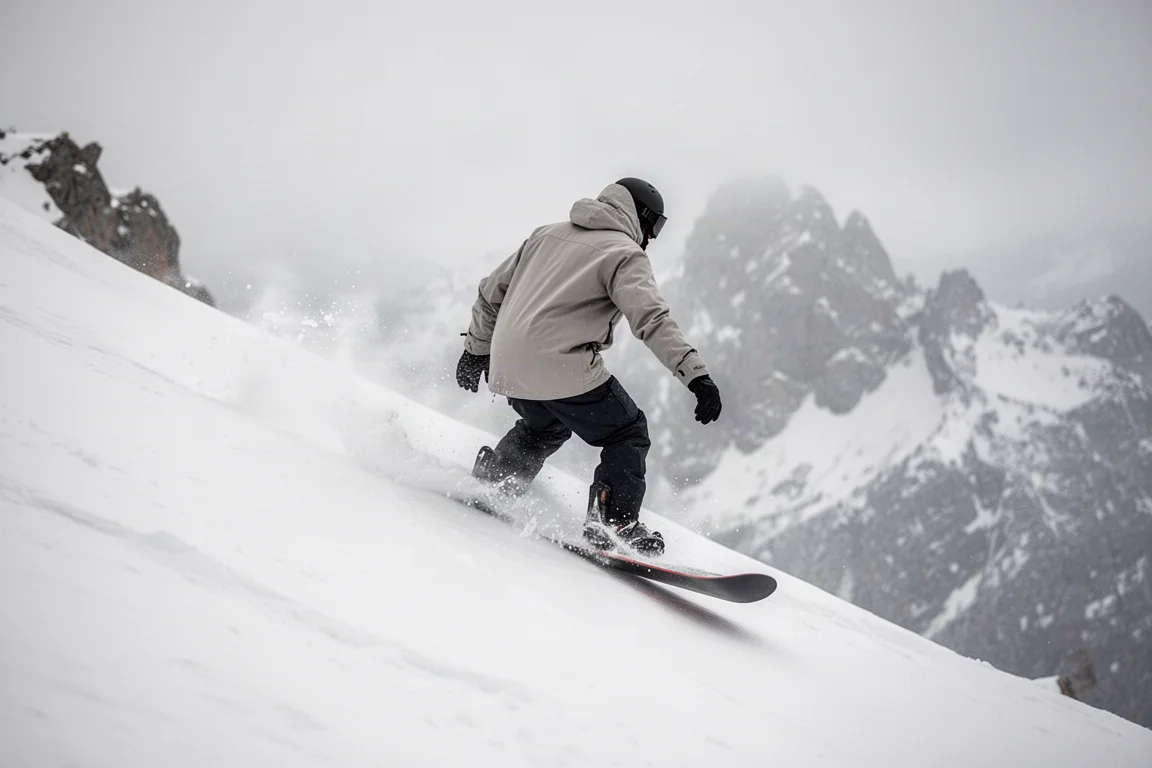
The stiffer flex also means it suits a rider who is willing to push into the board rather than ride it passively. Heavier riders in particular get more out of it, since the extra camber and the firmer flex need some weight behind them to load properly. Lighter riders who want a more playful, easier-going feel are better served by the standard Thunder, which shares the same shaping but delivers less snap and less power.
Main Strengths: Reactivity and Stability
The defining trait of the Thunderbolt is how reactive it is. Twist it, push down on it, load it up, and it wants to spring straight back to its original shape. Torsional flex is present, but it is not overly abundant, so the board keeps a planted feel while still responding to input.
Stability is the other standout. It pushes through chop and chunder without much fuss. In rutted terrain it either rides up on top of the ruts or slams straight through them. Either way the board stays composed, and it behaves like something that wants to travel fast over whatever is in front of it.
Pop is a natural consequence of all that camber. Because the board has to be loaded before it releases, the energy comes back in a hurry. Pillow poppers and side hits are where this becomes obvious, and the board is genuinely eager to get airborne.
Camber, 3BT and Powder Float
The camber profile runs contact point to contact point, which is a large amount of traditional camber by modern standards. That arc is what supplies the load, pop, snap and drive. It also means the board is not a passive ride: you have to engage the camber to get the response out of it.
3BT with SideKick technology scoops the base at the nose and tail and lifts the contact points. The practical result in powder is better float, because the raised edges are less likely to dig in and grab. It also reduces the chance of catching an edge and being thrown forward when the snow is soft and variable.
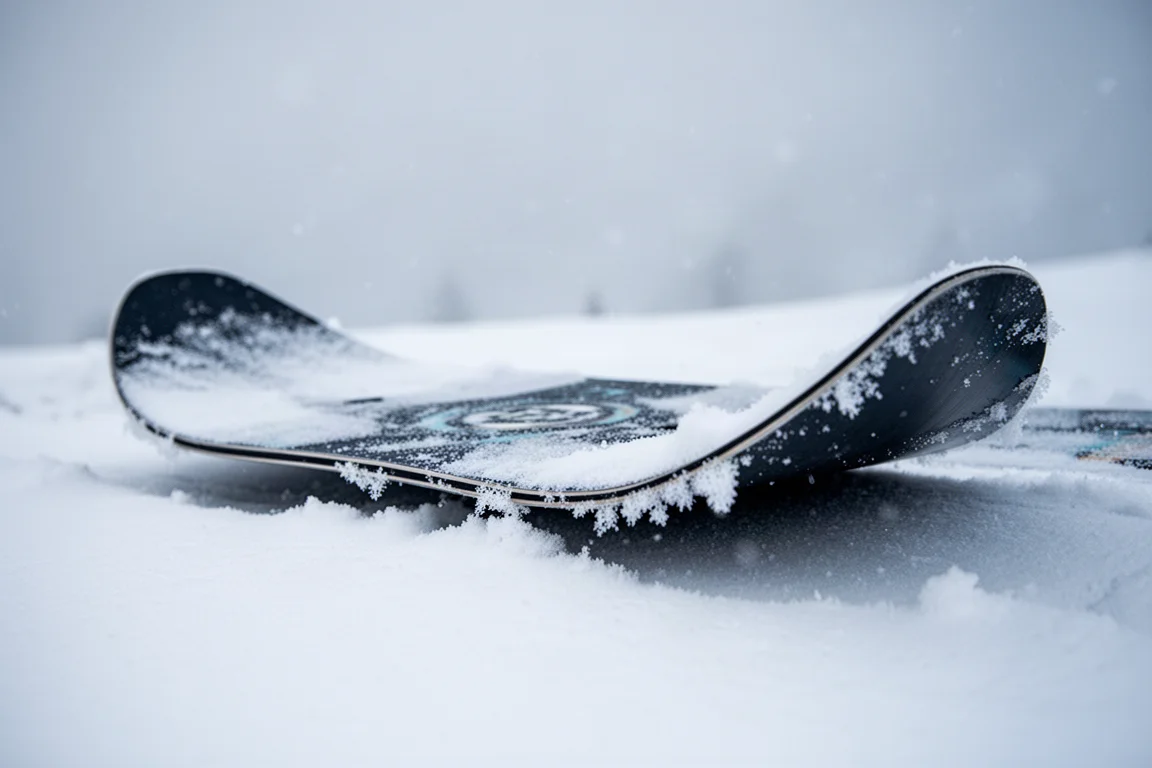
That same shaping has a trade-off at the other end of the spectrum. With the contact points lifted, you lose some edge bite at the tips. On very slick, icy surfaces that can be noticeable. For most riding in mixed resort conditions it is unlikely to come up, but it is worth knowing before you commit to the shape.
Carving and Edge to Edge Response
Edge to edge, the Thunderbolt rolls smoothly and consistently, and power transmission from the feet to the edge is solid. It is designed to be ridden a little harder than a freestyle-oriented board, and you have to push into the camber to drive the tail. When you do, it snaps out of the turn with real energy.
Carve shape does not seem to matter much. Short, tight, quick turns, long drawn-out carves, deep euro carves and medium mellow turns all work. The board’s response stays consistent regardless of how you choose to bend it.
Things to Consider Before Buying
Buttering takes work. The flex, the camber and the reactivity all push in the opposite direction, and you really have to get your weight out over the nose or the tail to engage a press. The nose is a little easier because the flex is softer there. The tail requires you to sit out over it, and even with the 3BT SideKick scoop helping the contact point stay clear, it remains a demanding board to butter.
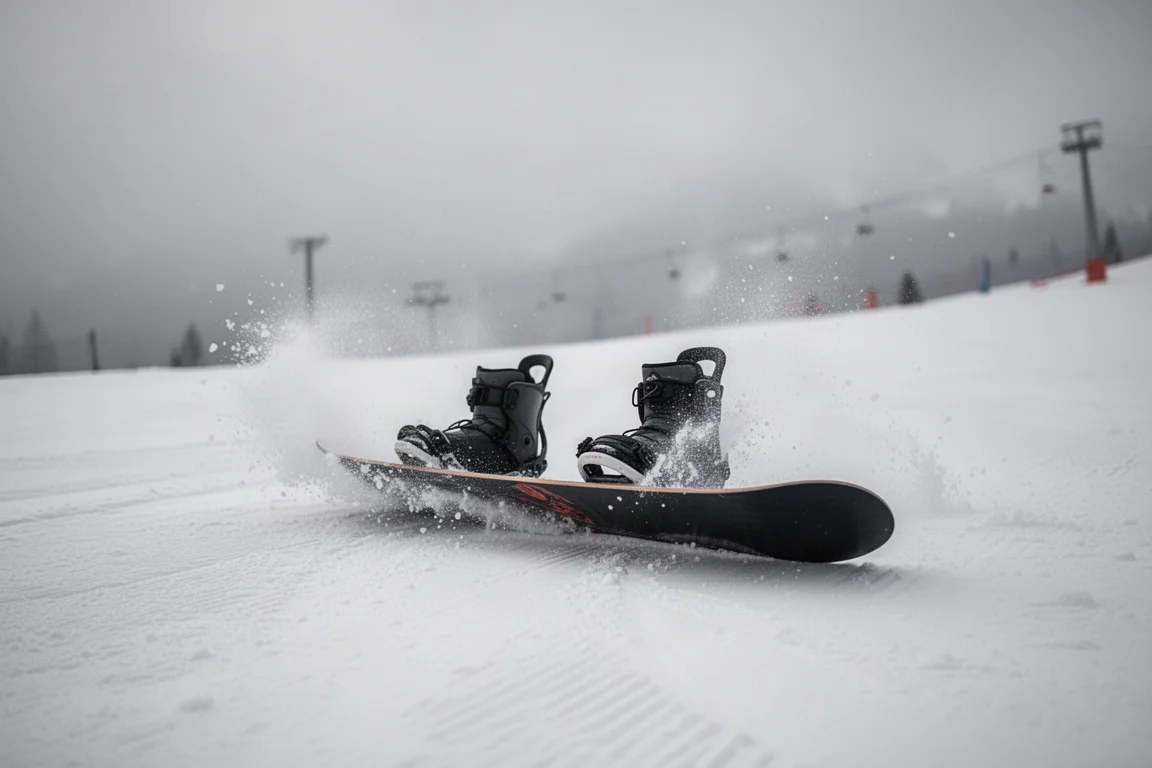
The stiffness is the other thing to weigh up. This is not a board that flatters a relaxed, low-input style. If you prefer a softer, more forgiving ride, the extra camber will feel like work rather than an advantage. Riders who like to drive a board hard will find the opposite.
Sizing and Setup Notes
Three sizes are offered: 156, 158 and 159 wide. The flex is directional, with a softer nose that progressively stiffens toward the tail, which matches the freeride intent of the shape.
Bindings are worth thinking about here, because the board benefits from a responsive setup. Recommended pairings include the Bataleon Astro, the Ride A9 and the Burton Cartel X. A stiffer, more direct binding complements the camber and the tail drive better than a soft park binding.
Buying Advice
The Thunderbolt makes the most sense for heavier riders and for anyone chasing maximum snap and power from an all-mountain freeride shape. If you want the same 3D shaping in a more playful, easier package, the standard Thunder is the better call. The two boards feel very similar in shape and overall character, and the difference is mainly the extra reactivity and power in the Thunderbolt.
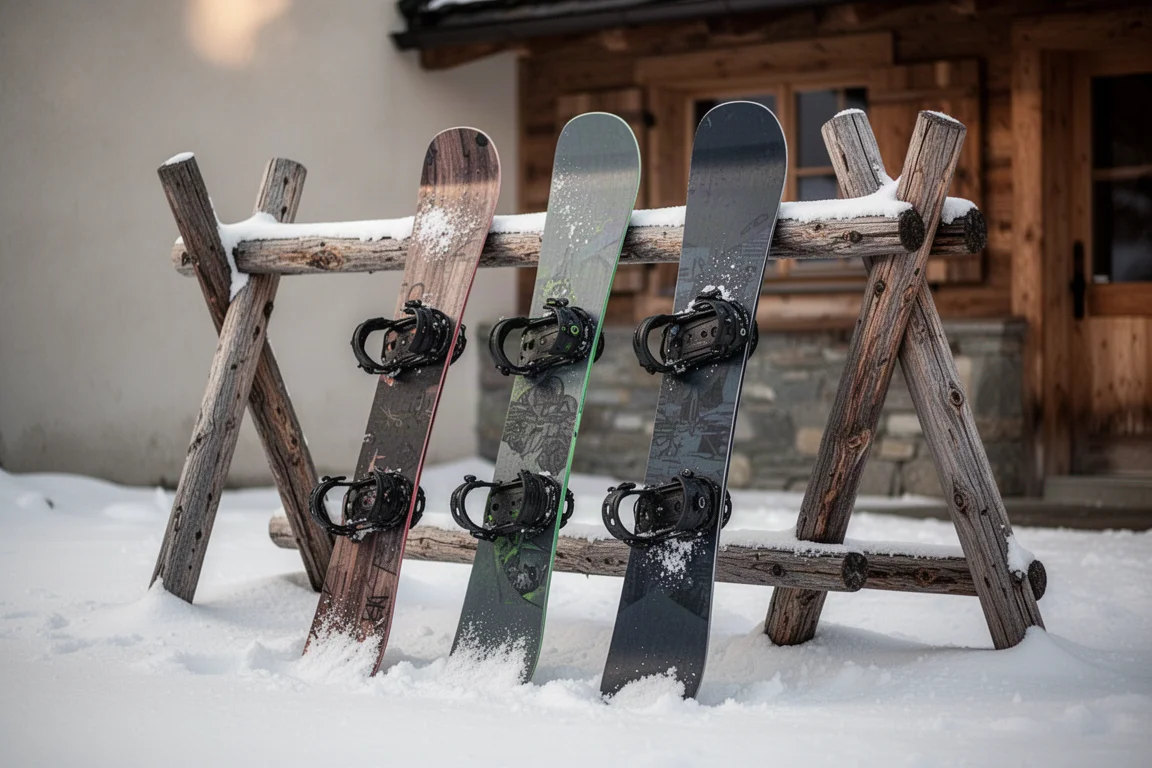
If you are cross-shopping, the Capita Black Snowboard of Death, the Ride Berserker and the Jones Ultra Flagship occupy similar territory and are worth comparing on flex and shape. Sizing comes down to weight and riding style: go longer for stability at speed and float in powder, shorter for a more maneuverable feel in tight terrain.
Conclusion
The Bataleon Thunderbolt is a purposeful freeride board. Deep traditional camber supplies the drive and pop, 3BT and SideKick improve powder float and reduce edge catch, and the stiff directional flex rewards riders who commit to loading it. It is not built for butters or for a laid-back approach, and it gives up a little tip bite on the slickest ice. For the rider who wants a fast, reactive, powerful all-mountain freeride deck with 3D shaping, it delivers exactly what it promises.
Product link
View more details for Bataleon Thunderbolt
This product is mentioned in the review. Check the specifications, options, and compatibility before buying.
View more details for Bataleon ThunderboltFurther reading
Related Reviews
Snowboarding Gear
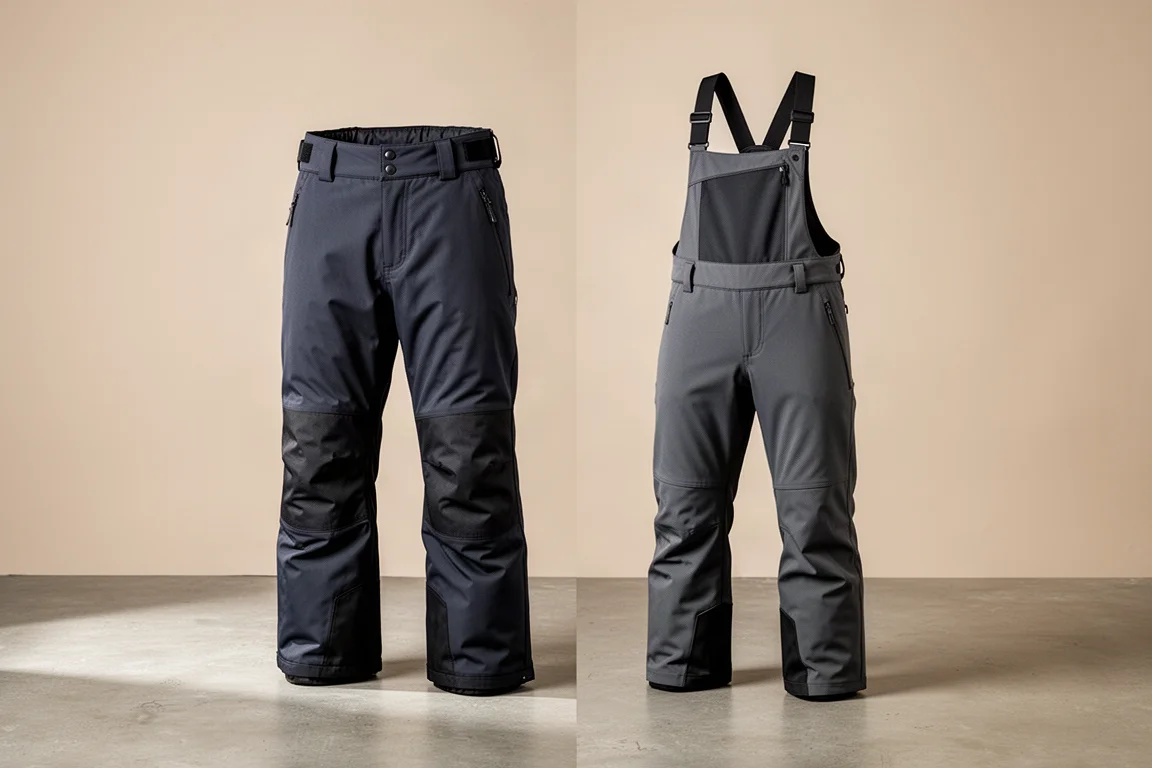
686 Smarty Pants vs 686 Dispatch Bib: Traditional Pants or Bib Pants?
A head-to-head look at two 686 snow pants, weighing warmth, comfort, durability, and breathability to help you pick the right style for your riding.
Snowboarding Gear
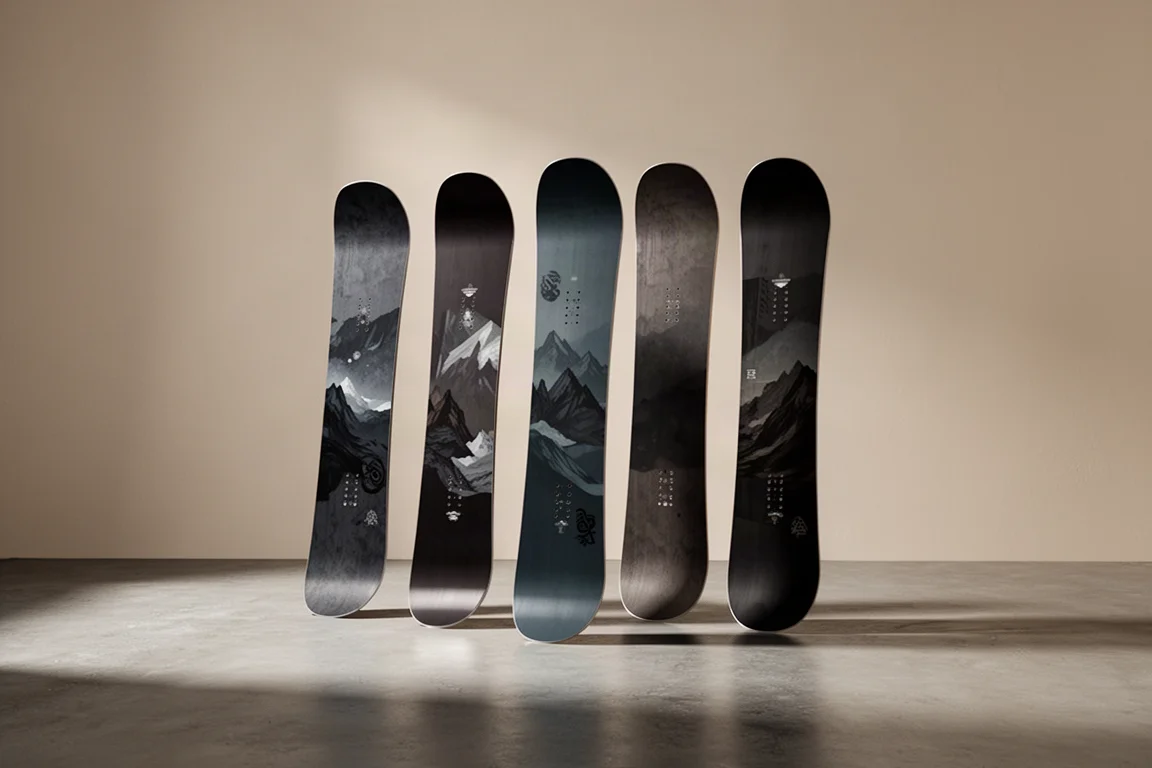
Best All-Around Park Snowboards: Five Balanced Freestyle Picks
Five park snowboards that balance jumps, rails, and everyday freestyle riding, plus three honorable mentions worth a closer look.
Snowboarding Gear
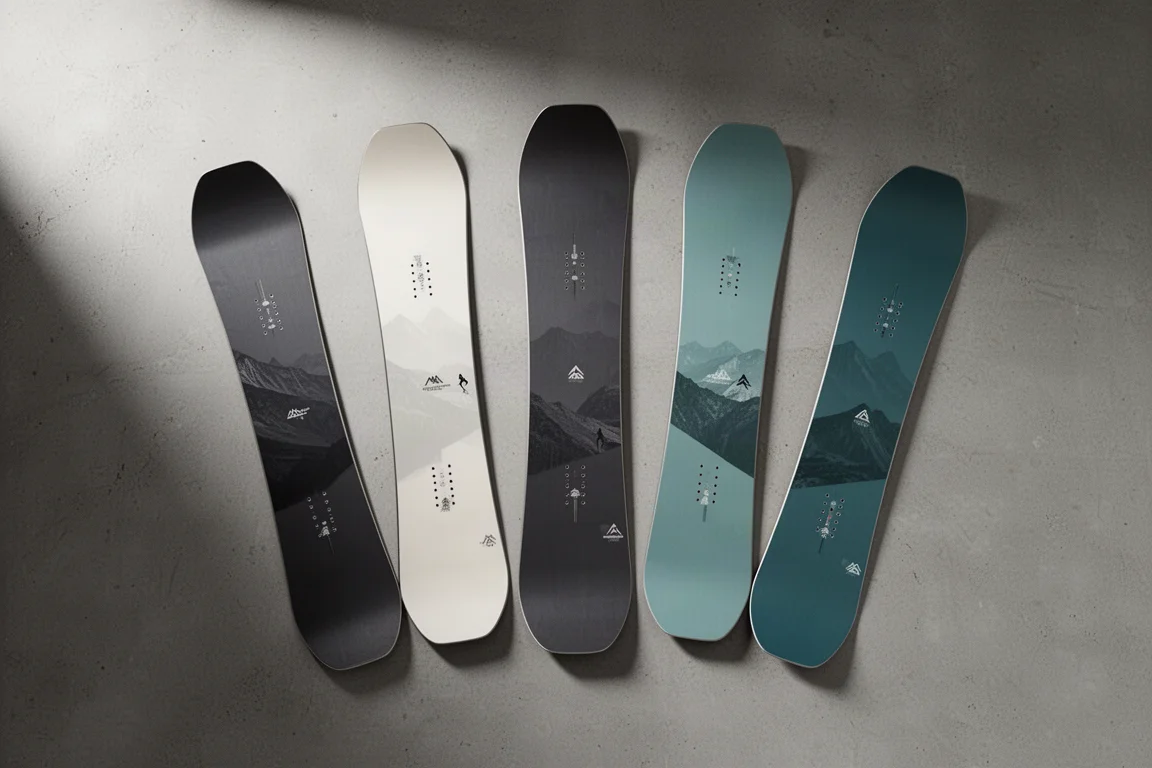
Best All-Mountain Freestyle Snowboards: 8 Directional Twin and Twin Picks
A practical guide to eight all-mountain freestyle snowboards, from stiff, damp chargers to lightweight, pressable decks, with notes on who each one suits.