Multitools
Snap-On SMT 997R Review: A Premium Multitool With One Serious Flaw
One of the most expensive production multitools you can buy today. We look at what the SMT 997R gets right, where it falls short, and whether it justifies its price.
Introduction
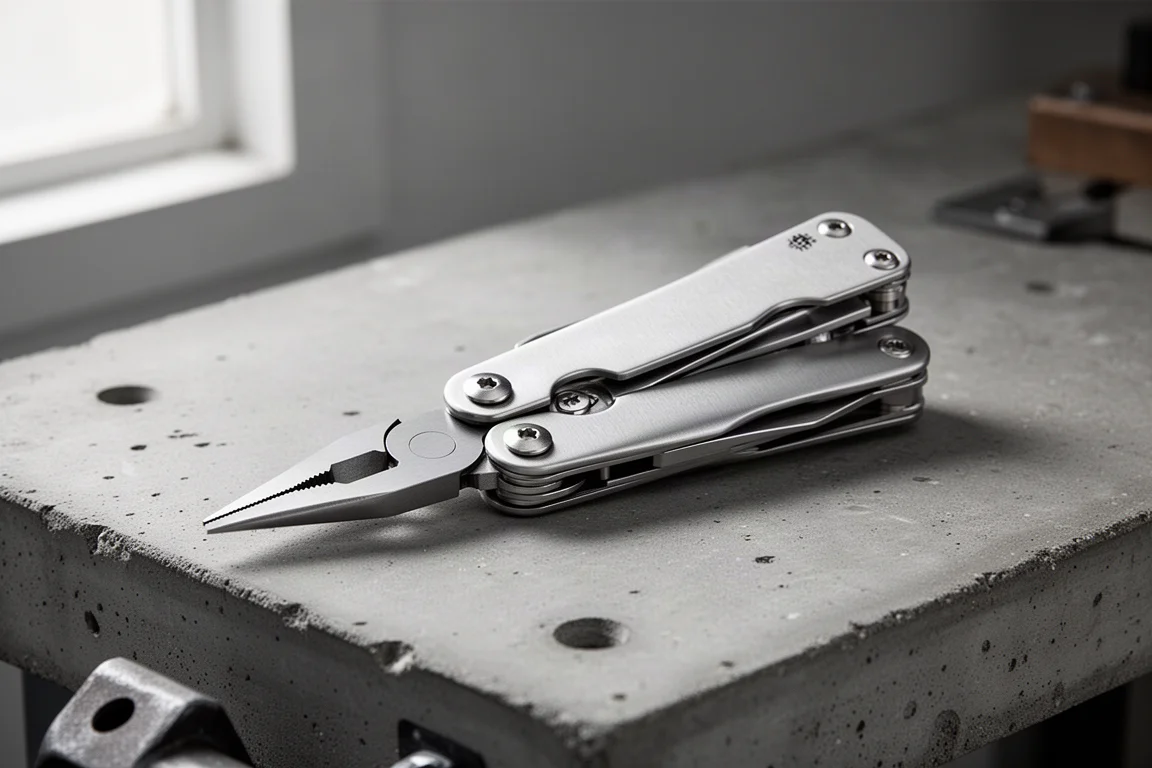
The Snap-On SMT 997R sits at the very top of the production multitool market. It carries one of the highest price tags you can currently find on a mainstream multitool, and that alone raises an obvious question: does it deliver enough to justify the cost?
This is a folding plier-style multitool with a familiar layout, but with a few choices that set it apart from its closest rivals. It also has some real problems, one of which matters a great deal for the audience most likely to buy it.
Who This Multitool Is For
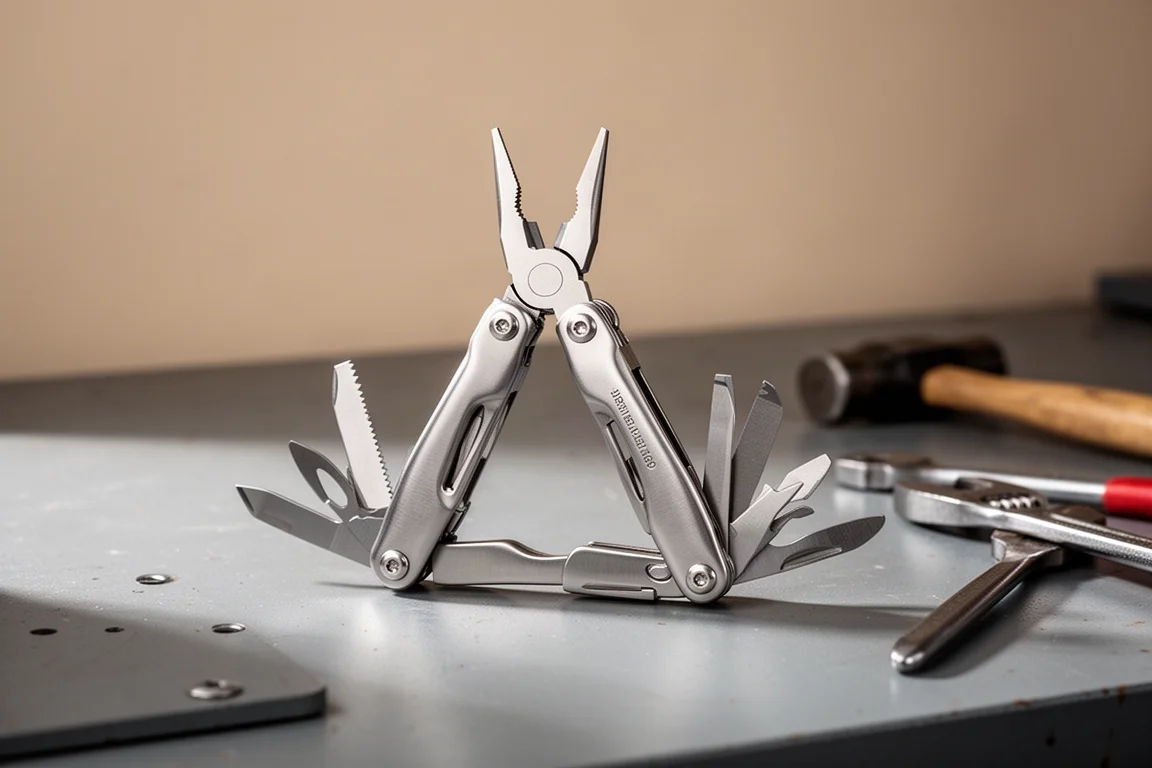
On paper, this is aimed squarely at people who work on vehicles. Snap-On has deep roots with mechanics, and a branded multitool is an easy purchase for someone already invested in that ecosystem. The tool layout reflects that: pliers, drivers, a blade, a saw, a file and scissors, all packed into a body that is closely matched in size to its nearest equivalents.
That audience also works under time pressure, and this is where the design philosophy matters. If you are reaching for a multitool dozens of times a day, how quickly you can get a tool out counts for a lot.
Main Strengths
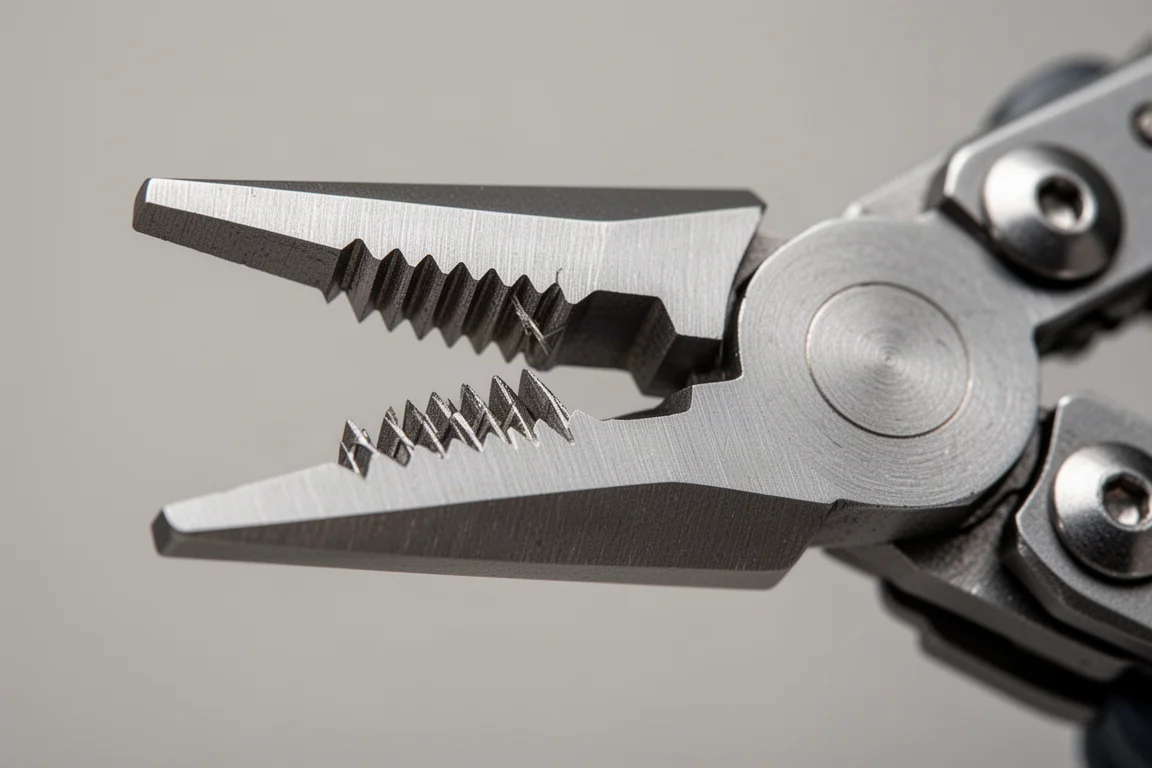
The plier head is the standout. Instead of the usual tooth pattern, the jaws use a cross-hatch texture that offers noticeably more grip. Anyone who has spent time with dedicated pliers knows how much difference that makes when holding smooth or oily parts, and it is a genuinely welcome change.
The rest of the tool set is thoughtful too. You get a flathead, a partially serrated blade, a carbide grit saw holder, a small flathead, a file with aggressive single-cut and cross-cut surfaces, and a pair of scissors that perform very well. The file in particular is a cut above what most multitools offer.
There is also a nice surprise for bit users: the driver works with a third-party bit adapter that slots over the Phillips driver. That opens the door to a much wider range of double-sided bits than the tool ships with, which adds real versatility for precision work.
Things to Consider Before Buying
The first problem is access speed. Getting any inner implement out is a multi-step process: unfold the tool, slide the tool out, unfold it, and only then is it ready to use. Rivals with outside-accessible tools get there in one motion. For a mechanic-style audience, that friction is hard to ignore.
The second problem is more serious. The partially serrated blade sits proud above the frame. When you squeeze the plier handles around something thin, the blade and the opposing handle make contact before the jaws can fully clamp. There is simply no travel left for the handles, so the pliers slip on thin sheet metal instead of gripping it. For a tool marketed at automotive work, where brake pad springs and other thin sheet metal parts are common, that is a significant design flaw.
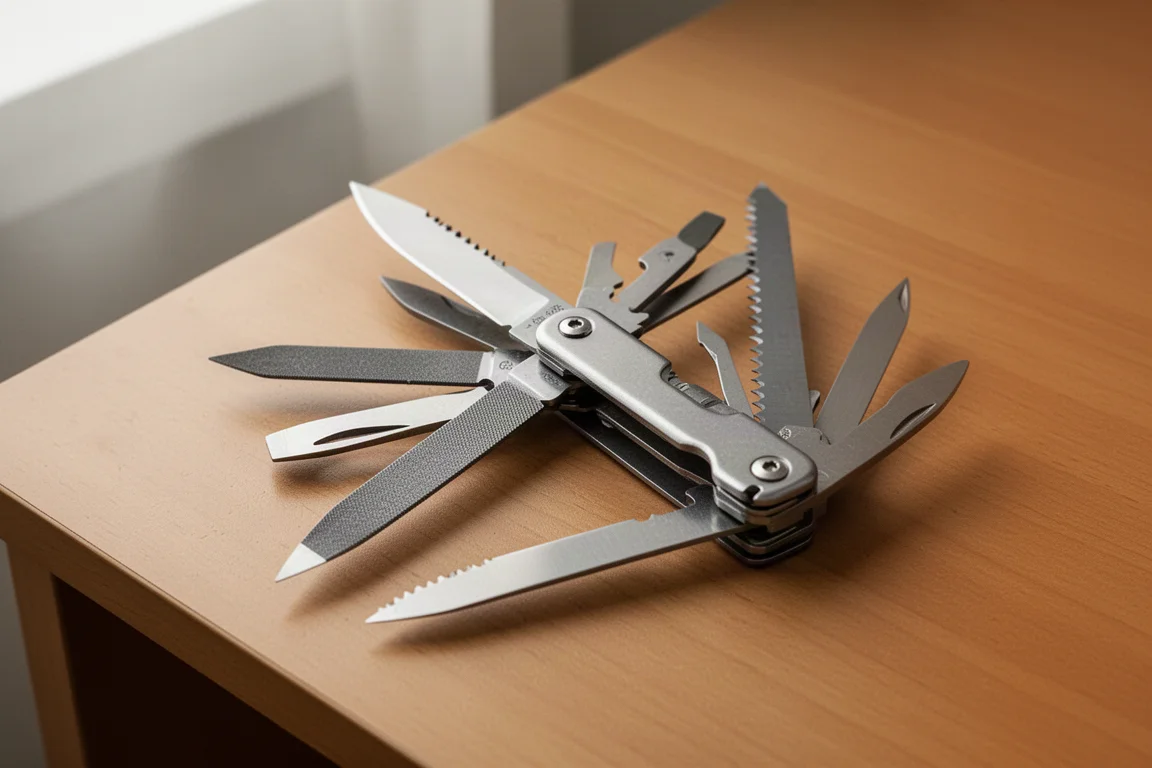
It is not an unfixable problem. A flush-cut blade would solve it immediately, and competing models handle this with either a flush blade or a rotating bit holder that extends past the handles to create clearance. The SMT 997R offers neither workaround.
The final issue is build tightness out of the box. Both the inner tools and the main pliers arrived extremely stiff, to the point that the inner implements were hard to extract. This can be adjusted by loosening the pivots with pliers, but doing so may affect the warranty, so treat that as a caution rather than a recommendation.
One more note on the cutters: the carbide cutters are a known weak point in this family of tools, with reports of them shattering easily. US-made high-speed steel replacements exist for several models at a similar price, and at this price point it would be reasonable to expect better cutters fitted as standard.
Buying Advice
So is it worth the roughly $200 asking price? As a collector’s piece or a data point in a multitool collection, it is interesting. The plier head is excellent, the file is excellent, and the scissors are among the better ones available in this format.
But for its most likely buyer, a working mechanic, the clamping flaw undercuts the core function. If pliers are what you will actually use, and pliers are what most people will use, a tool that cannot reliably grip thin sheet metal falls down heavily on its primary purpose.
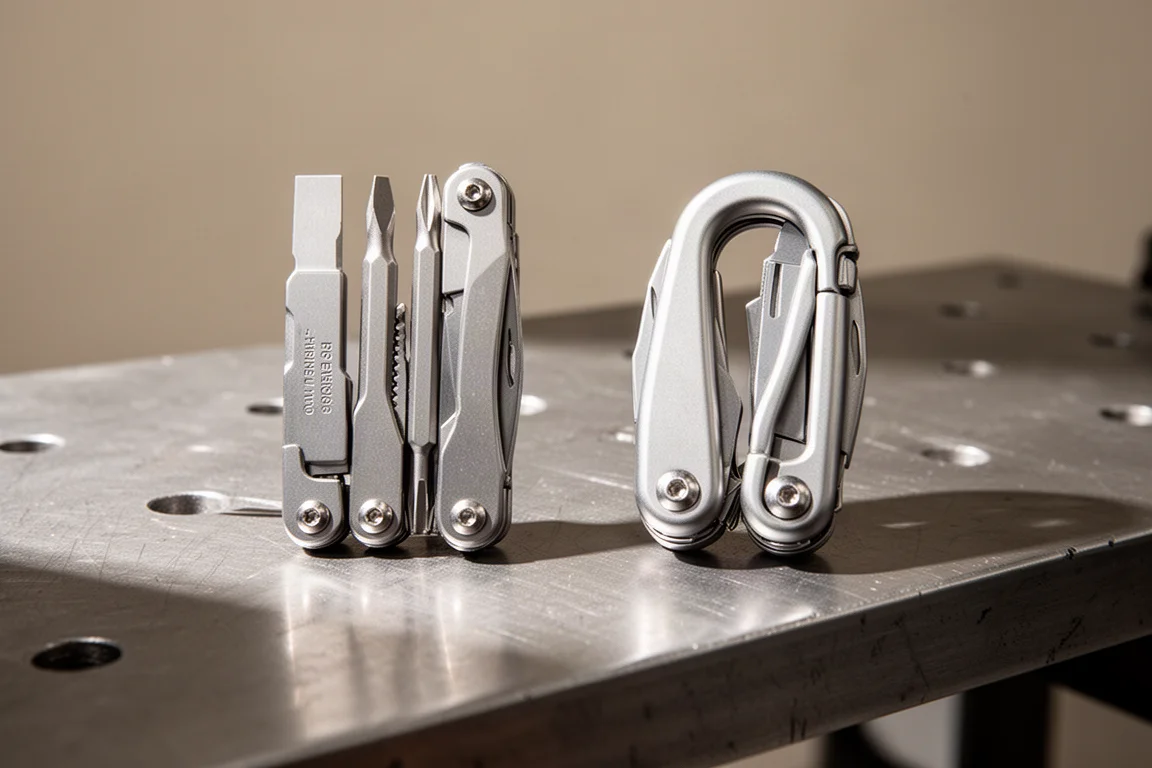
Alternatives in the same family handle this better. Models with spring-loaded pliers, an in-line extended bit driver, or slip-joint pliers with long handles offer more practical designs at presumably lower prices. Until Snap-On revises the blade or issues an updated model, the safer buy is one of those alternatives rather than the premium badge.
Conclusion
The Snap-On SMT 997R is a premium multitool with a genuinely improved plier head and a strong auxiliary tool set, undermined by a proud blade that limits plier clamping force, stiff out-of-box action, and slow tool access. It earns its place as a point of interest, but most buyers would be better served by a more considered design. If Snap-On updates it, this could become a serious contender. As it stands, the price is hard to justify.
Product link
View more details for Snap-On SMT 997R
This product is mentioned in the review. Check the specifications, options, and compatibility before buying.
View more details for Snap-On SMT 997RFurther reading
Related Reviews
Multitools
Victorinox Huntsman Swiss Army Knife Review: 15 Functions for Camp and Everyday Carry
A long-term look at the Victorinox Huntsman, covering what each of its 15 functions does, how the blades and saw perform, and the trade-offs to know before buying.
Multitools
Multitool Cutter Test: Leatherman Arc, Surge, Super Tool 300 and Gerber Center Drive Put to Work
We stress-tested four popular multitools on coat hangers, nails and screws, and found where replacement high-hardness cutters genuinely pay off.
Multitools
Harbor Freight 20-in-1 Multitool vs Leatherman Wave: A $40 Wave Clone Worth a Look
Harbor Freight's new 20-in-1 multitool copies the Leatherman Wave formula closely, and in some areas it improves on it. Here is how the two compare.