Tools
Snap-on 46 ACF and LN44 BCF Pliers: Two EDC Picks Compared
Snap-on now sells these triple-joint pliers individually, in two sizes and two handle styles. Here is how they compare for everyday carry.
Introduction
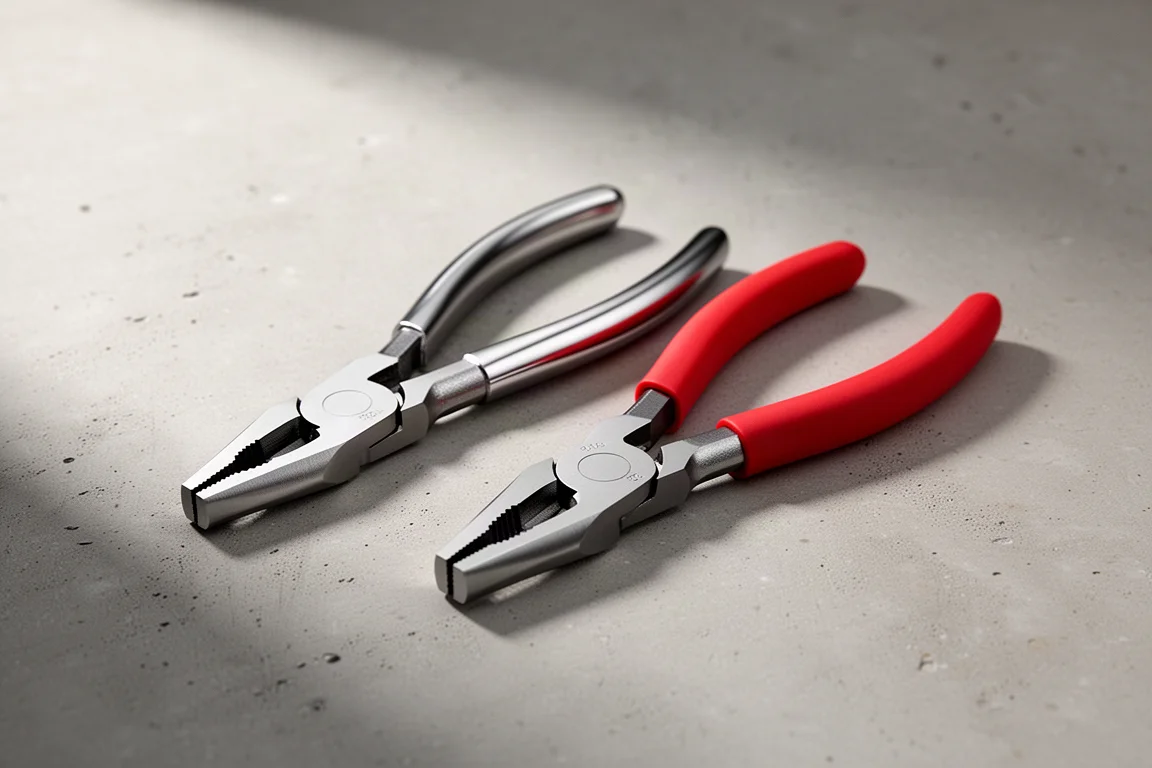
For a long time, Snap-on’s compact triple-joint pliers were only available as part of a set, which meant waiting for the full kit even if you only wanted one pair. That has changed. Both the 46 ACF and the LN44 BCF can now be ordered individually from the catalog, and each comes in a choice of two handle styles: bare metal or a red dipped finish.
That matters for anyone building a small everyday carry kit. A single, well-made plier is arguably more useful in an EDC pouch than a multi-tool, because it does the plier work properly instead of compromising on every function at once. Here is how the two sizes stack up.
The 46 ACF: A Full-Size Plier in a Small Package
The 46 ACF measures roughly five and a half to six inches, which keeps it small enough to carry easily while still feeling like a serious tool. The generous head size means it can take on genuinely substantial work, and the triple-joint design opens the jaws far wider than a conventional plier of the same length. It is the kind of plier you can apply real force to without worrying about the tool.
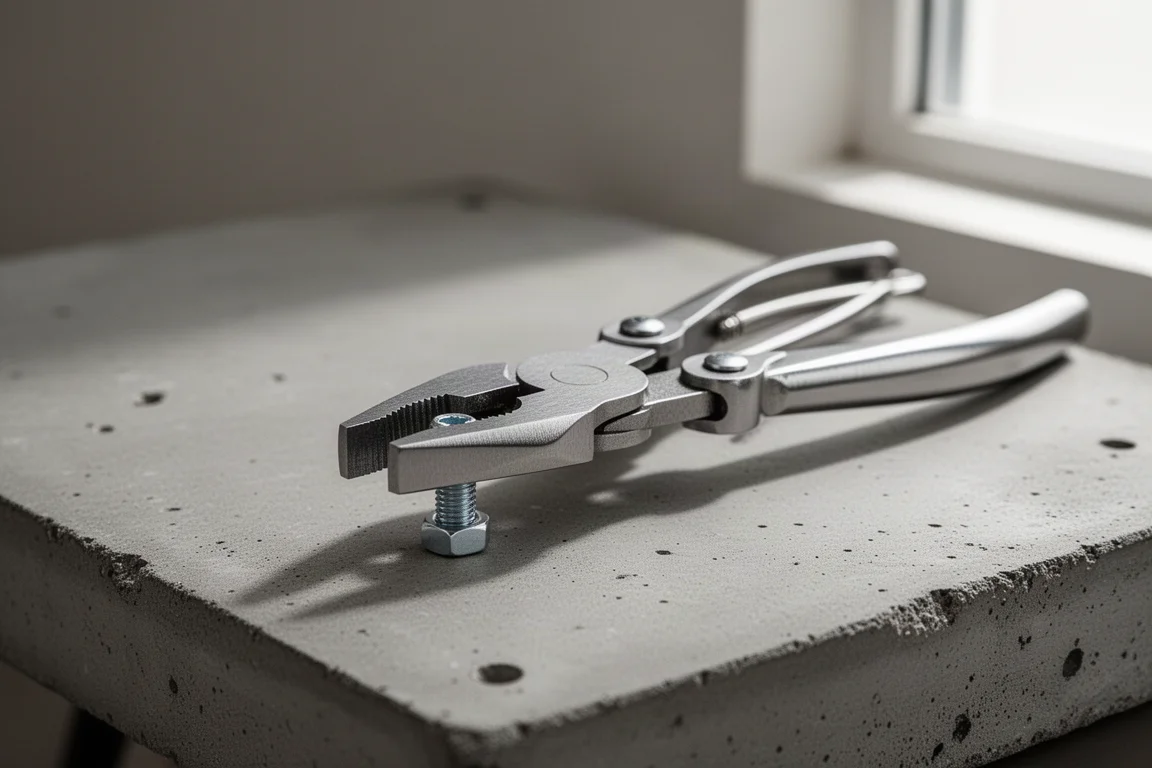
It is also the plier the writer would keep if only one pair were allowed. It lives in vehicles and kits on a permanent basis, which says a lot about how dependable it is in daily use.
The LN44 BCF: The Smaller EDC Specialist
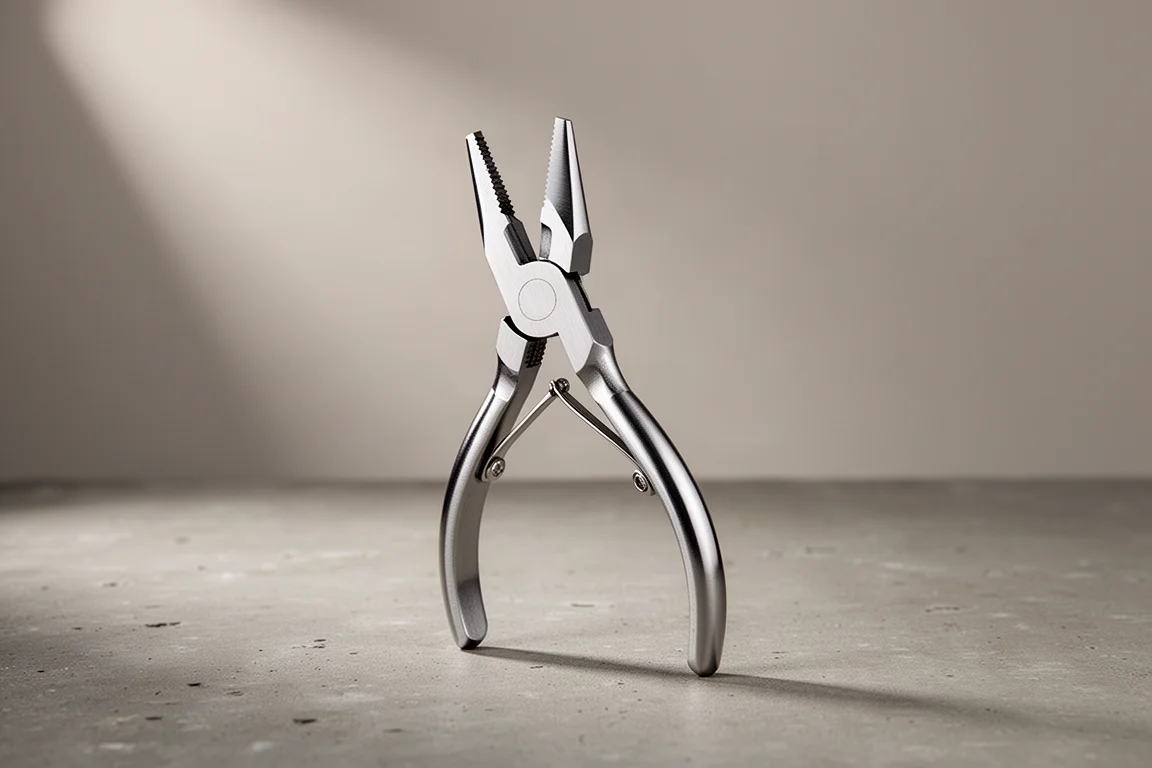
The LN44 BCF is the compact sibling, and it is the one best suited to a dedicated everyday carry role. It shares much of the same design language, so the two models overlay each other almost exactly when the pivots are lined up. The difference is that the LN44 BCF adds a needle nose, which is genuinely useful for finer gripping and manipulation tasks.
One trade-off worth knowing about: the cutters on the small cutter connection are marginal. On a few test pieces of wire the cutting performance was not great, and the tiny cutter size demands precision. This is not a precision cutting tool, but as a compact gripping plier it is hard to beat.
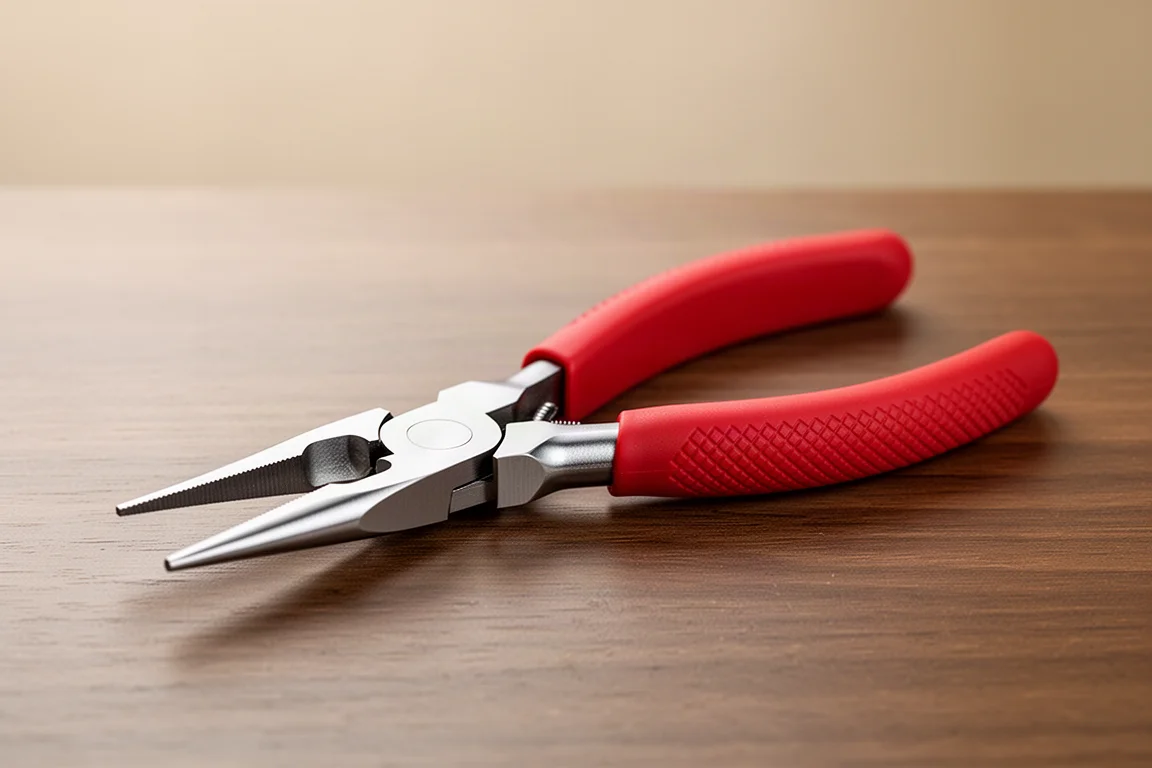
How the Two Sizes Compare
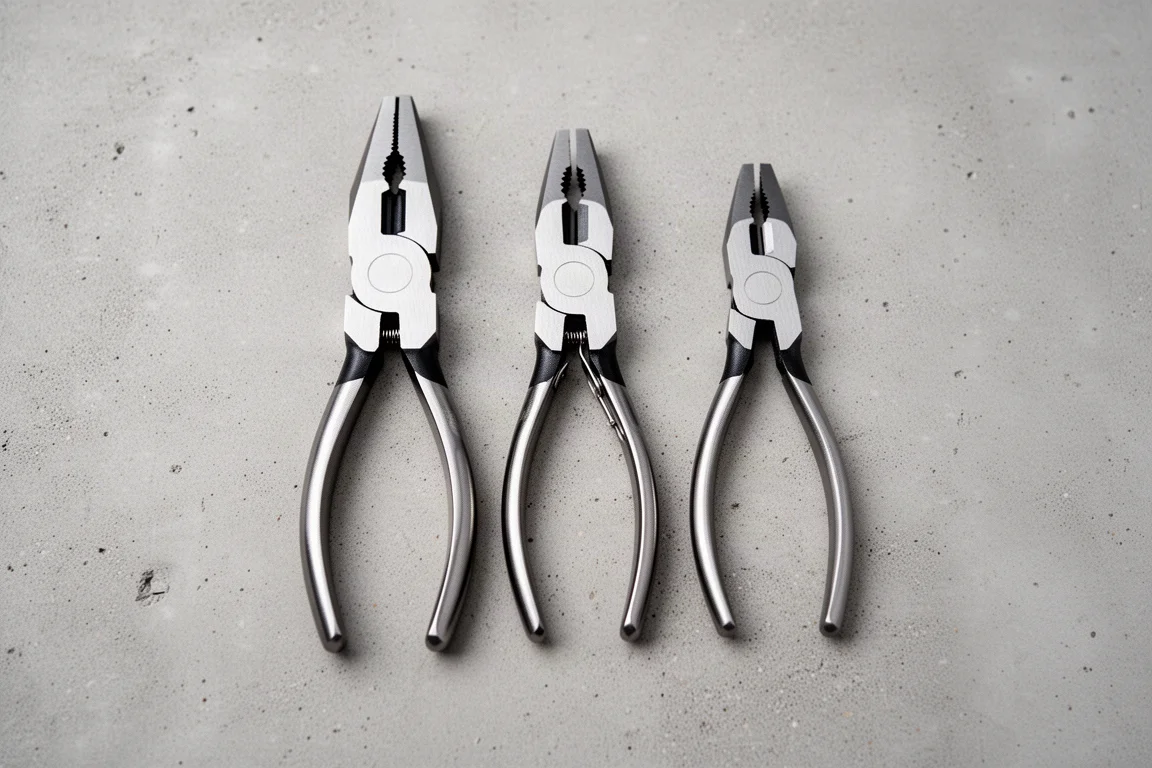
Lined up side by side, the two pliers are near-overlays of each other in profile, differing mainly in scale and jaw shape. The 46 ACF offers more grip surface and more mass for hard use, while the LN44 BCF is lighter, thinner, and simpler, which makes it the more natural fit for a slim EDC kit.
The added needle nose on the LN44 BCF is the decisive feature for many buyers, since it extends the range of small tasks the plier can handle. If your priority is serious gripping force on larger work, the 46 ACF is the stronger pick; if the plier lives in a pocket kit and mostly deals with small jobs, the LN44 BCF makes more sense.
Bare Metal or Red Dipped Handles?
Both pliers are available with either bare metal handles or a red dipped finish. The bare metal option is streamlined, simple, and old school, and it slides in and out of a kit more easily. The red dipped handles have a diamond tread pattern and feel stickier in the hand, which helps when applying a lot of force.
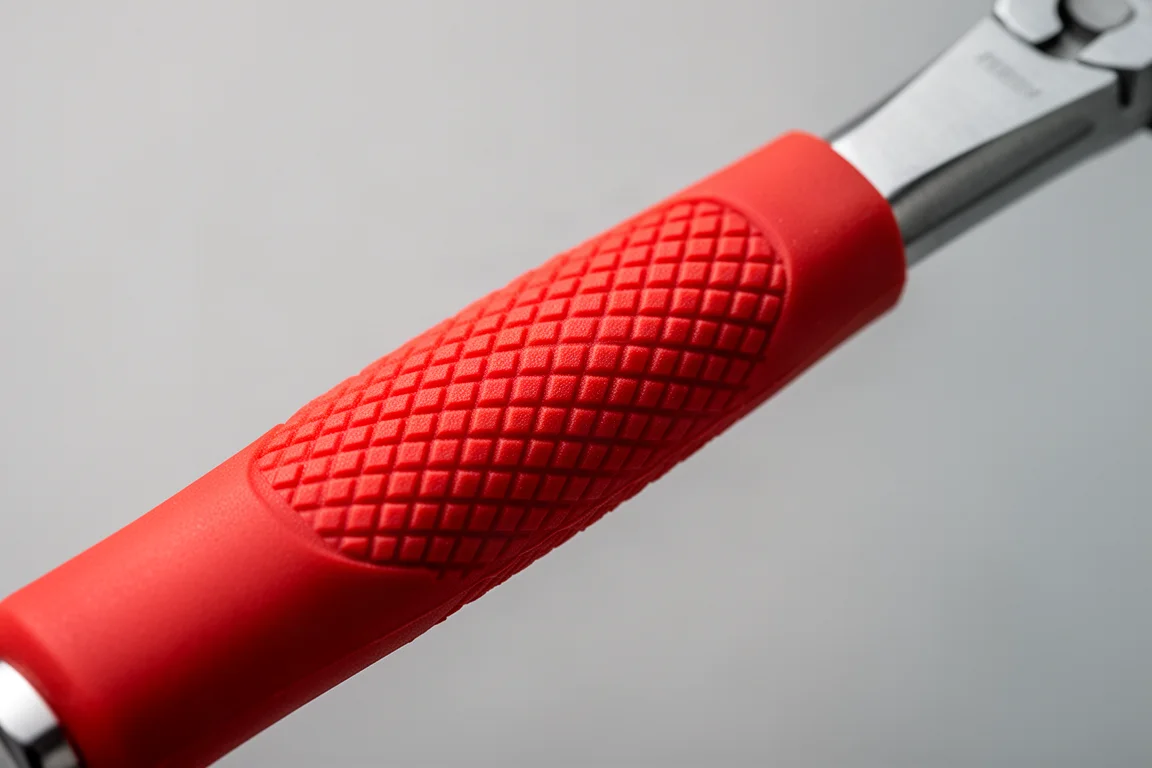
There is a real difference in feel. With the dipped handles you notice more surface area in the palm, which translates into more control and noticeably more cushioning. The metal handles are better if the plier needs to move in and out of a kit constantly; the dipped handles are better if the plier is doing the work. One caveat: some owners report that the underlying handle profiles may differ slightly between the two finishes, though that is hard to confirm without removing the grips.
Buying Advice
Snap-on tools sit at the expensive end of the market, and these pliers are no exception. A lot of engineering clearly goes into such a small tool, and the audience for them is a narrow niche, which helps explain the price. If the cost gives you pause, it is worth remembering that these occupy a space where very few competitors put in this much effort.
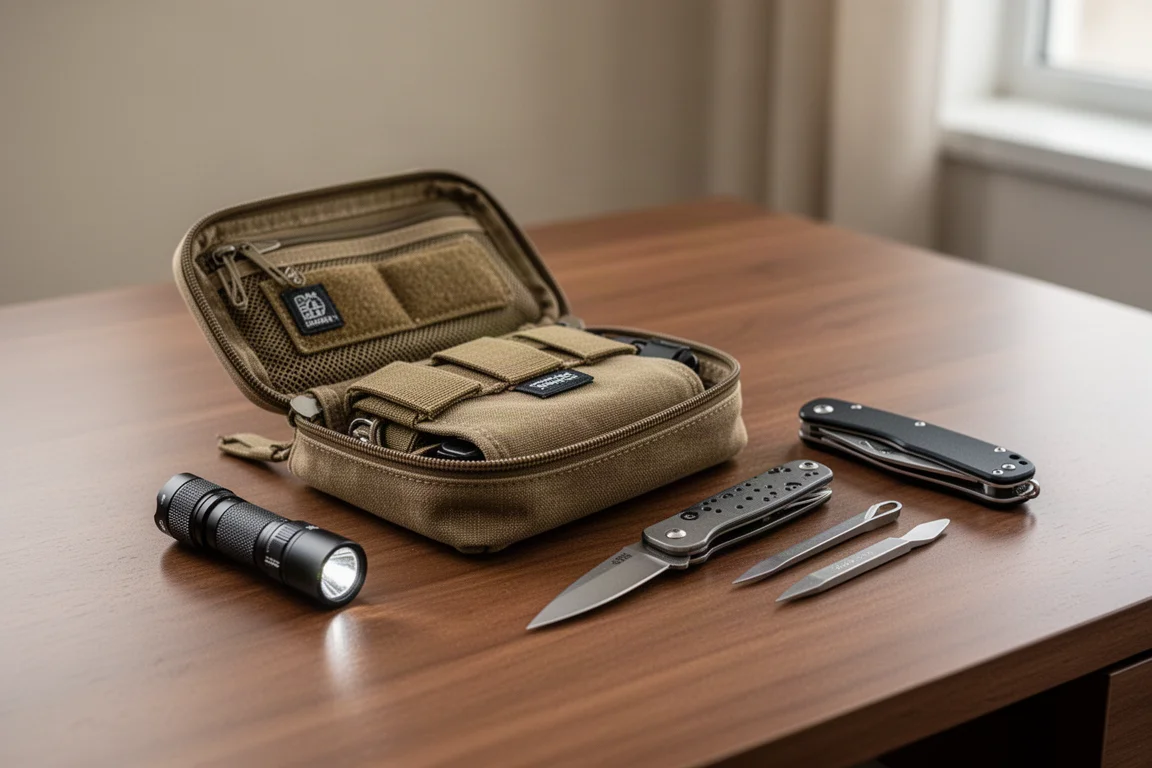
For everyday carry, think about the classic trade-off: hard use versus convenience. The 46 ACF leans toward capability, the LN44 BCF toward portability and fine control. Most EDC-focused buyers will be happiest with the smaller plier and the dipped handles, while anyone who wants one robust pair for the vehicle or toolbox should go with the 46 ACF.
Conclusion
Both pliers earn their place, and the ability to buy them individually removes the biggest obstacle. If you can only pick one, the 46 ACF is the do-everything survivor; the LN44 BCF is the refined EDC choice with the useful needle nose. Either way, a good knife plus one of these pliers is a combination many people prefer to any multi-tool.
Further reading
Related Reviews

Tools
Best Contractor Grade Tape Measures 2026: Eight Models Tested Head to Head
We tested eight contractor grade tape measures from Milwaukee, DeWalt, Crescent Lufkin, Tajima, Stanley, Irwin, Gelan, and Craftsman to find the best value and performance.

Tools
Best Precision Screwdriver Sets 2026: Manual and Electric Options Compared
We compare 19 precision screwdriver sets, from budget manual kits to electric drivers, to find the strongest bits and best value.

Tools
Best Stud Finders 2026: Five Popular Models Put to the Test
We tested five popular stud finders on drywall, firewall, and lath and plaster surfaces to see which ones really find studs and avoid false readings.