Backpacking Tents
SlingFin 2Lite Review: A Storm-Ready Two-Person Backpacking Tent
A close look at the SlingFin 2Lite, a two-person double-wall backpacking tent with two doors, two vestibules, a 2 lb 14 oz packed weight, and structure built for bad weather.
Introduction
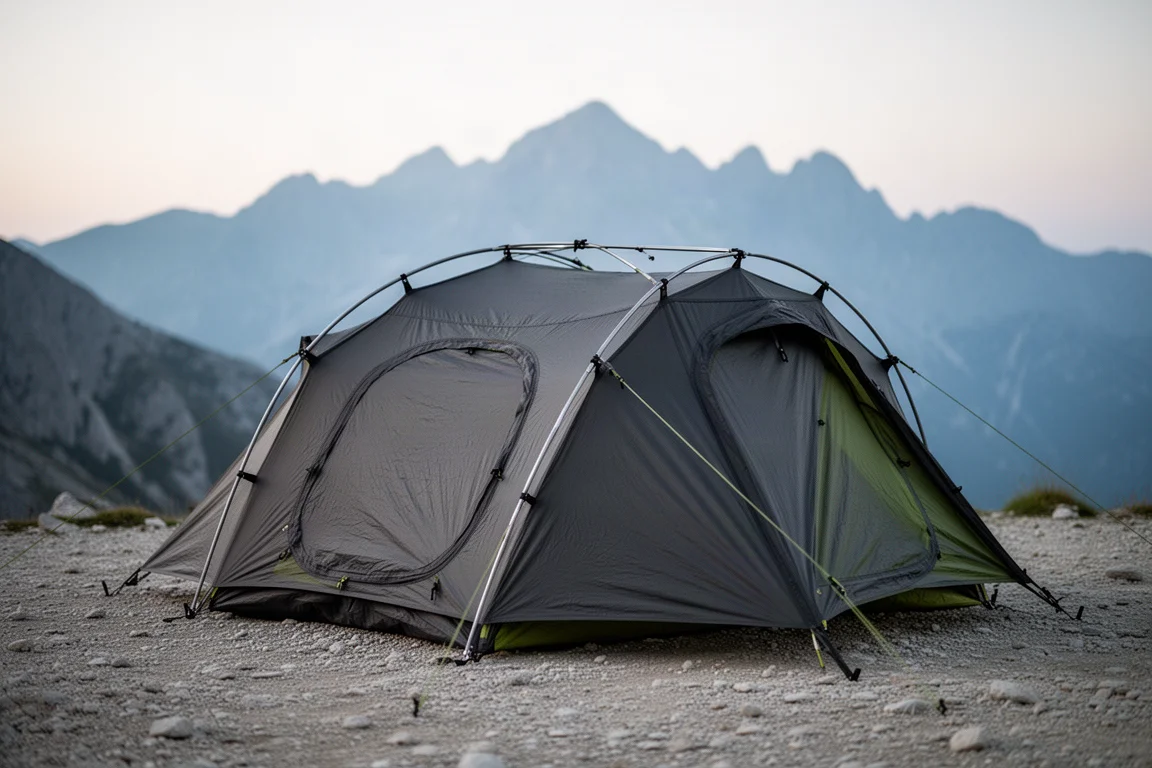
The SlingFin 2Lite is a two-person, double-wall backpacking tent that rarely headlines the ultralight conversation, yet its feature list reads like a shelter designed for bad weather rather than fair-weather weekends. SlingFin lists a packed weight of 2 lb 14 oz, just under 3 lb, which is a competitive figure for a tent that carries a real pole structure and two full vestibules.
What sets it apart is the detail work: tensioning hardware at every stakeout point, an internal guy line system that runs corner to corner, and a zipper design that can be repaired in the field. For backpackers who value storm worthiness as much as pack weight, those choices matter more than a handful of grams.
Who the SlingFin 2Lite Is For
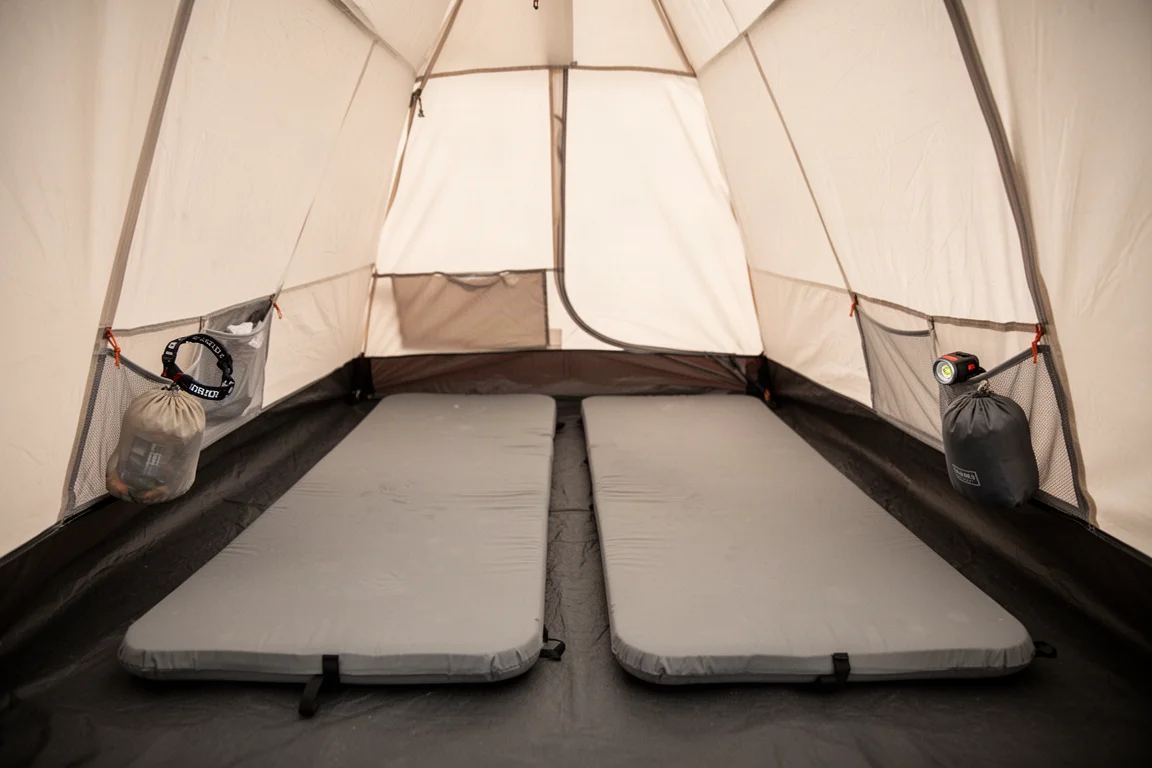
Two doors and two vestibules define the layout. Each side gets its own entry, which keeps gear organized and lets two people come and go without climbing over each other. The floor measures about 28 square feet, with a width of 42 inches at the head end, 50 inches at the main pole, and 40 inches at the foot end.
That tapered shape is the key buying consideration for couples. Two 25-inch wide rectangular sleeping pads will not fit side by side, but two 20-inch tapered pads will. At 89 inches long, the 2Lite is generous for taller sleepers, particularly when it is used as a solo shelter with the sleeper centered in the tent.

The short pole segments also make the 2Lite a natural fit for bikepacking, where long pole sections are awkward to pack.
Packed Size, Pole Sections, and Pitching
Everything arrives in a compact stuff sack: the tent body and rainfly rolled tightly together, a pole set with notably short segments, a stake bag with the included stakes, removable vent rods for the rainfly, and guy lines. Those guy lines are not only for external use. They can be attached inside the tent to add structural support, a design choice that pays off in strong wind.
Pitching is straightforward. Stake the four corners, seat the pole in the grommets at the foot end, arc it across to the opposite grommet, and attach the three clips. Repeat at the head end, add the center clip, and the inner mesh body is standing. The rainfly then pulls over the top and fastens at each corner, with a toggle and loop connection at both the head and foot ends to tie the fly to the pole structure. Staking out the vestibules and the loops pulls the fly away from the inner body.
Main Strengths: Weather Protection and Structure
The fabric package is built around light weight and weather resistance. The rainfly is a ripstop nylon with a 1,200 mm hydrostatic head, the floor is a 20-denier ripstop nylon rated at 1,800 mm, and the inner body uses 15-denier nylon mesh.
Nylon stretches when it takes on water during heavy rain, and the 2Lite addresses that with tensioning at every single stakeout point, so the fly can be tightened back down as conditions change. At the bottom of the vestibule zipper, a clip secures the zipper closed so extreme wind cannot force it open.
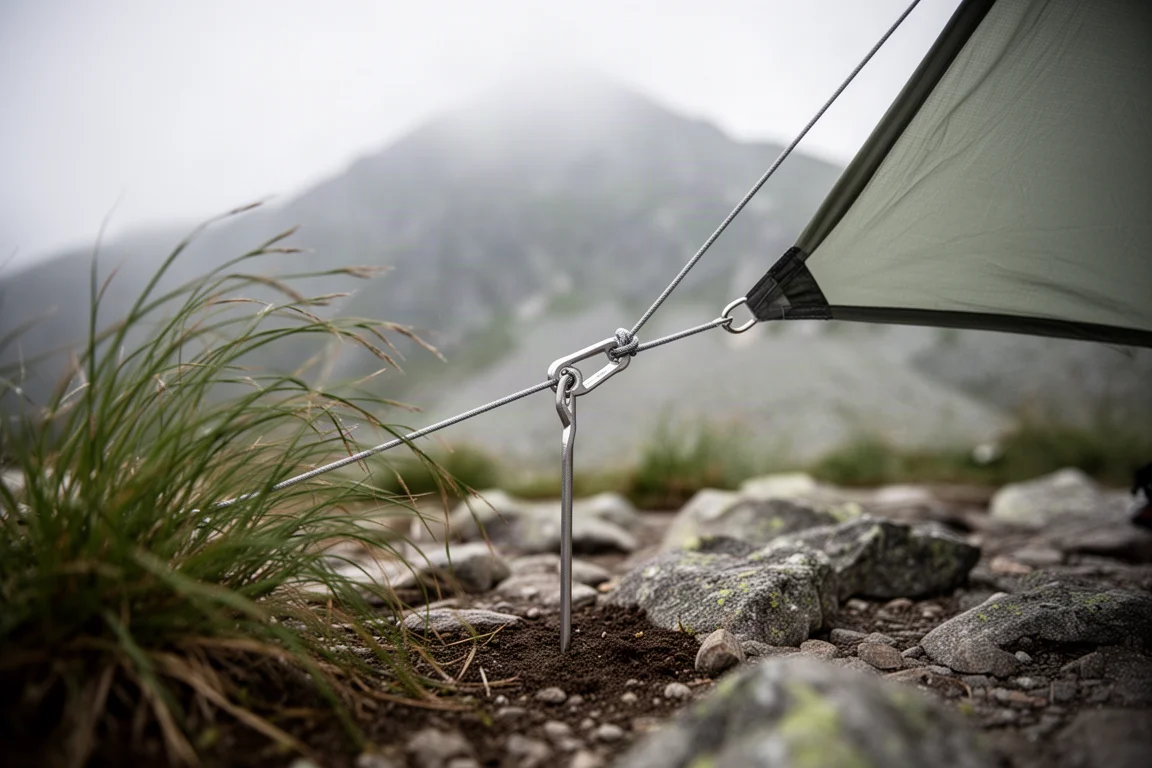
Inside, an X-pattern guy line system runs from corner to corner, connecting stake, pole, and opposite stake into one continuous structural line. Three additional guy points, one at the foot end and two at the head end, add further bracing for gusty conditions. Pitching the lower foot end into the wind is the preferred orientation, and the larger head end panel can still handle wind if that is the only option.
Interior Space, Pockets, and Ventilation
Peak height is 41 inches. That is not the tallest interior available, but it is enough to sit up and move around, and the head does not touch the walls. The low profile means two occupants are less likely to knock elbows, and the gap between the mesh body and the outer fly helps keep condensation off the inner walls.
Storage is well covered: a large mesh pocket on each side, two small triangular pockets overhead for a headlamp or lip balm, and a small pocket at the foot end. The doors use L-shaped zippers and open wide, so entry stays easy despite the low stance.
Ventilation comes from the removable rods that velcro to the rainfly. Propping the fly open lets air move underneath and out through the top of the fly, which reduces condensation inside the tent. In calm conditions, the main door can be opened fully and the side panel rolled back after loosening a stake, creating an airy, open feel that can be buttoned up quickly when weather turns.
Every zipper, on both doors and both vestibules, has a repair pole sewn in alongside it. If sand, dirt, or a separated coil causes a problem, the zipper can be repaired in the field without special tools.
Trekking Pole Conversion Kit
The optional TR conversion kit removes the clips at the head end and replaces the pole with trekking poles. A webbed sleeve and grommets on both sides create a crossbar, the trekking pole handles slot into pockets at the top, and the tips drop into the grommets below. A lock on a piece of webbing, with a stitch line used as a tension indicator, sets a clean arc across the top of the shelter.
The conversion saves roughly 4 oz and reduces packed size, which makes sense for backpackers who already carry trekking poles.
Things to Consider Before Buying
The tapered floor is the first thing to check against your existing kit. If you and a partner both sleep on 25-inch rectangular pads, this tent will not accommodate them; two 20-inch tapered pads are the workable setup.
Nylon’s tendency to stretch when wet is a known trade-off, and the 2Lite expects you to retension the fly at the stakeout points during sustained rain. The 41-inch peak height and low profile are deliberate choices that favor wind resistance over a tall, upright interior.
It is also worth deciding whether the trekking pole conversion matters to you, since it is a separate kit rather than a standard inclusion.
Buying Advice
The 2Lite makes the most sense for backpackers who want a two-door, two-vestibule shelter that stays stable in wind and rain without pushing packed weight into the luxury tier. Two people who are comfortable on tapered pads will share the load efficiently, and a solo hiker gets a genuinely roomy shelter with space for gear inside and out.
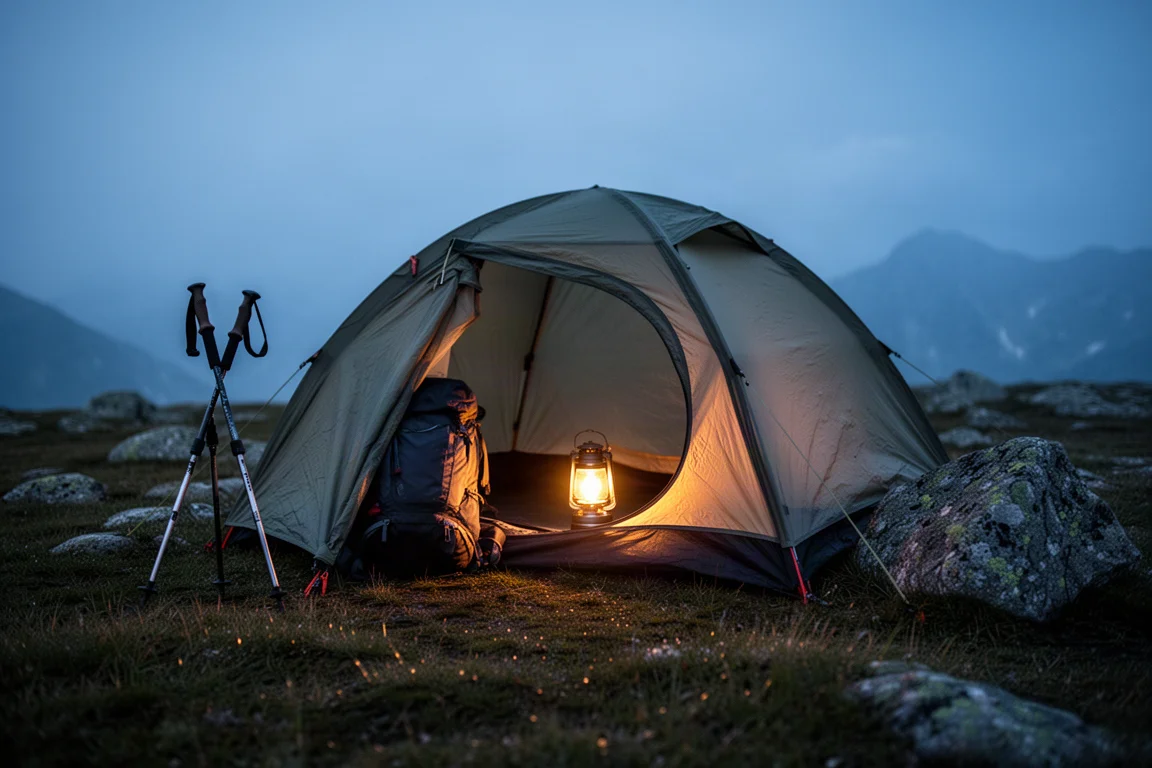
If you already hike with trekking poles, the TR conversion kit is a sensible addition for the weight and pack size savings. If you prefer a freestanding pitch with a full pole structure, the standard configuration delivers that.
Conclusion
The SlingFin 2Lite is a thoughtfully engineered two-person tent. Two doors, two vestibules, an X-pattern internal guy system, repairable zippers, and a fabric set rated for real weather add up to a shelter that prioritizes performance in difficult conditions. The trade-offs are clear and manageable: tapered floor dimensions, a low peak height, and nylon that needs retensioning when wet. For backpackers who plan around storms rather than avoiding them, that is a reasonable exchange.
Product link
View more details for SlingFin 2Lite
This product is mentioned in the review. Check the specifications, options, and compatibility before buying.
View more details for SlingFin 2LiteFurther reading
Related Reviews
Backpacking Tents
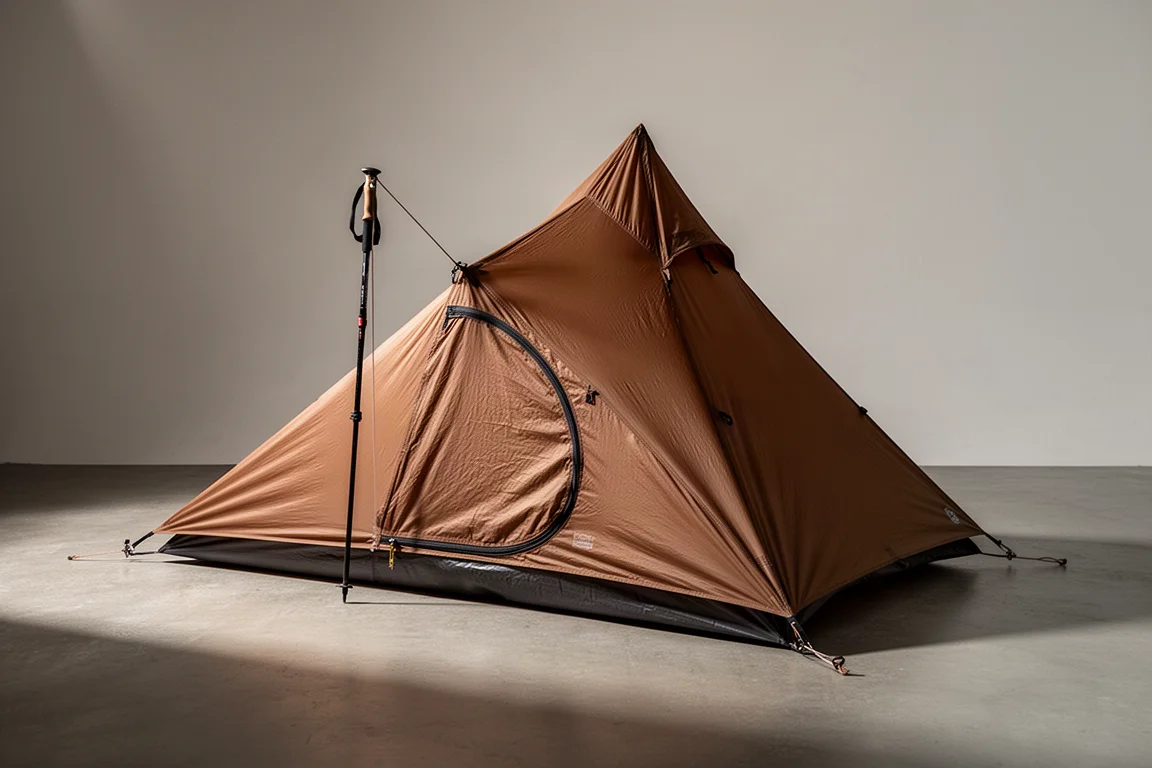
3F UL Lanchan Pro 1 Review: A 1 lb 8 oz Single-Wall Trekking Pole Tent
A practical look at the 3F UL Lanchan Pro 1, a single-wall trekking pole shelter with a 1 lb 8 oz weight, 20D silnylon fabrics, and a roomy 90 x 31 x 49 inch interior.
Backpacking Tents
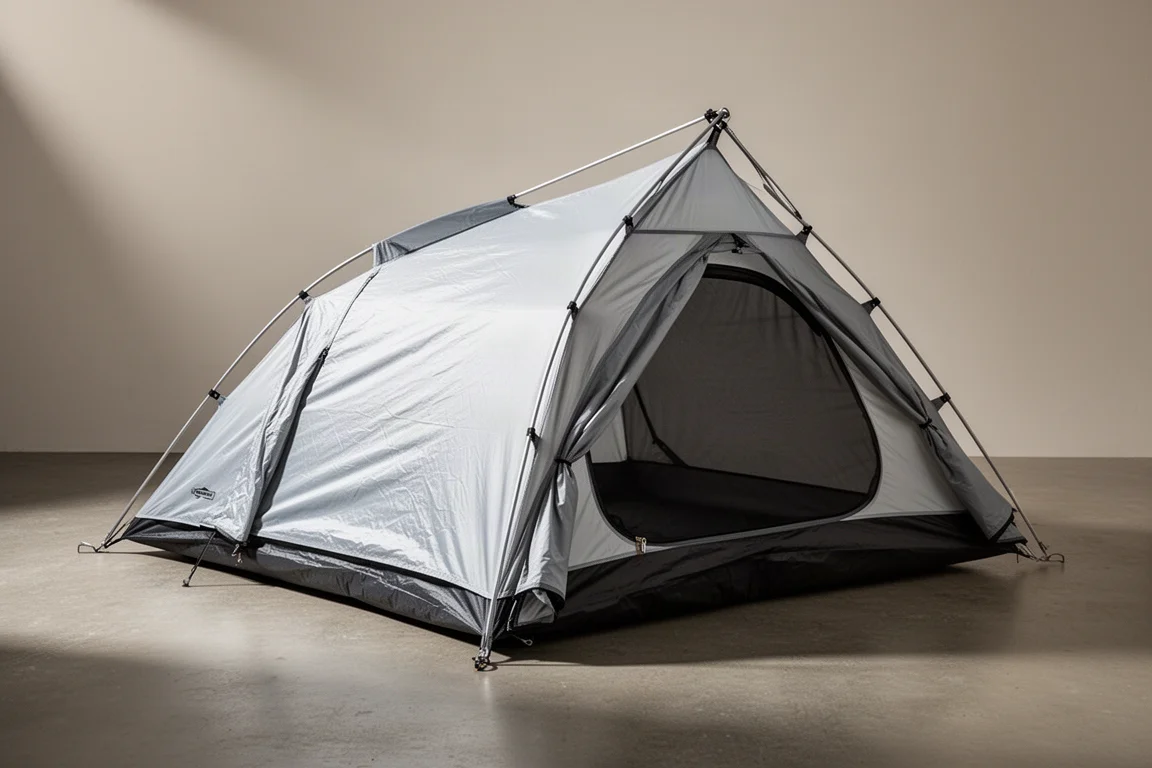
3F UL Taiji 2-Person Tent: A Convertible Backpacking Shelter Worth a Closer Look
A practical look at the 3F UL Taiji two-person tent, covering its materials, true two-person interior, fly-first pitching, and the seasonal inner swap that lets one shelter cover more of the year.
Backpacking Tents
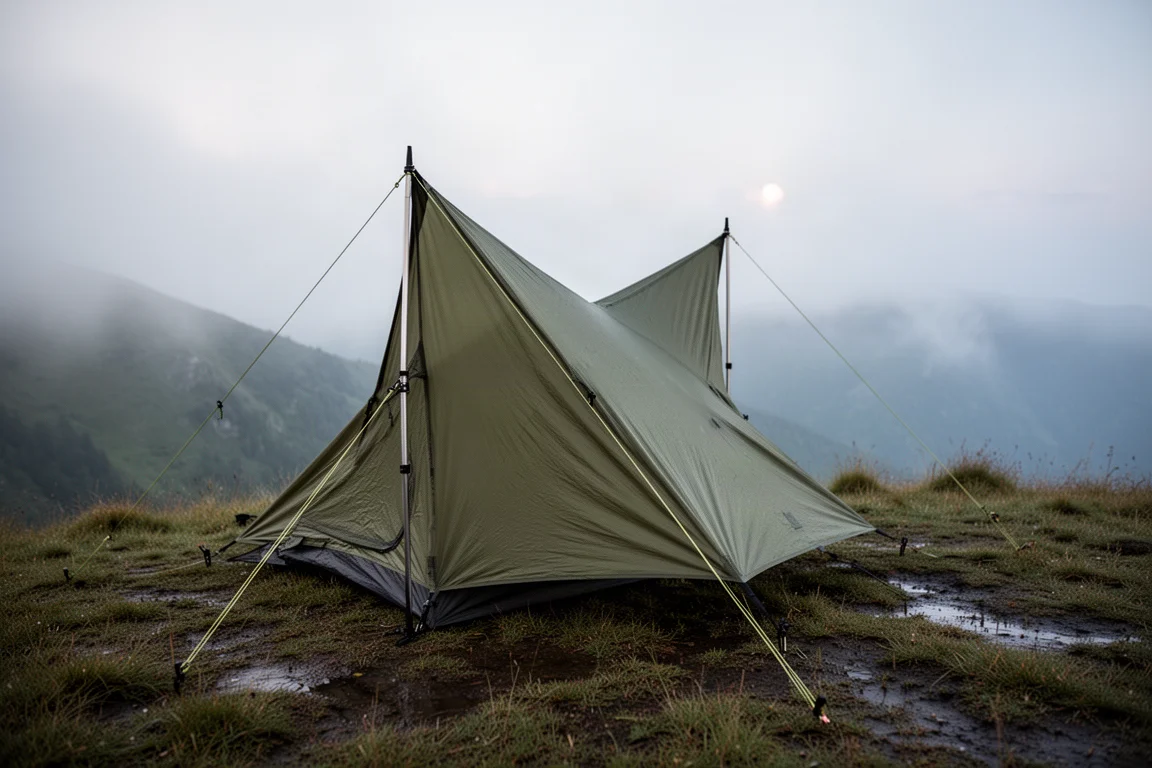
3FUL Lanshan Twoerson Pro Review: A Light Trekking Pole Shelter That Struggled in Rain
A two-person trekking pole shelter with a 2026 redesign, pitched with sticks and put through a night of steady rain. Here is what worked, what did not, and what to check before buying.