Tools
Slice Zirconium Dioxide Ceramic Cutting Tools: A Different Kind of Sharp
A hands-on look at Slice's ceramic blade tools, from utility knife to package opener, box cutter, scissors, and scraper, and why their intentionally 'less sharp' edge works so well.
Introduction
Ceramic blades occupy a strange space. In everyday cutting, most people reach for steel, and for good reason: steel is tough, cheap, and can be ground to a scary level of sharpness. Slice’s approach flips that logic. Their blades are made of zirconium dioxide, a very hard ceramic that holds a deliberately calibrated edge, one tuned to the sharpness a task actually requires rather than far beyond it.
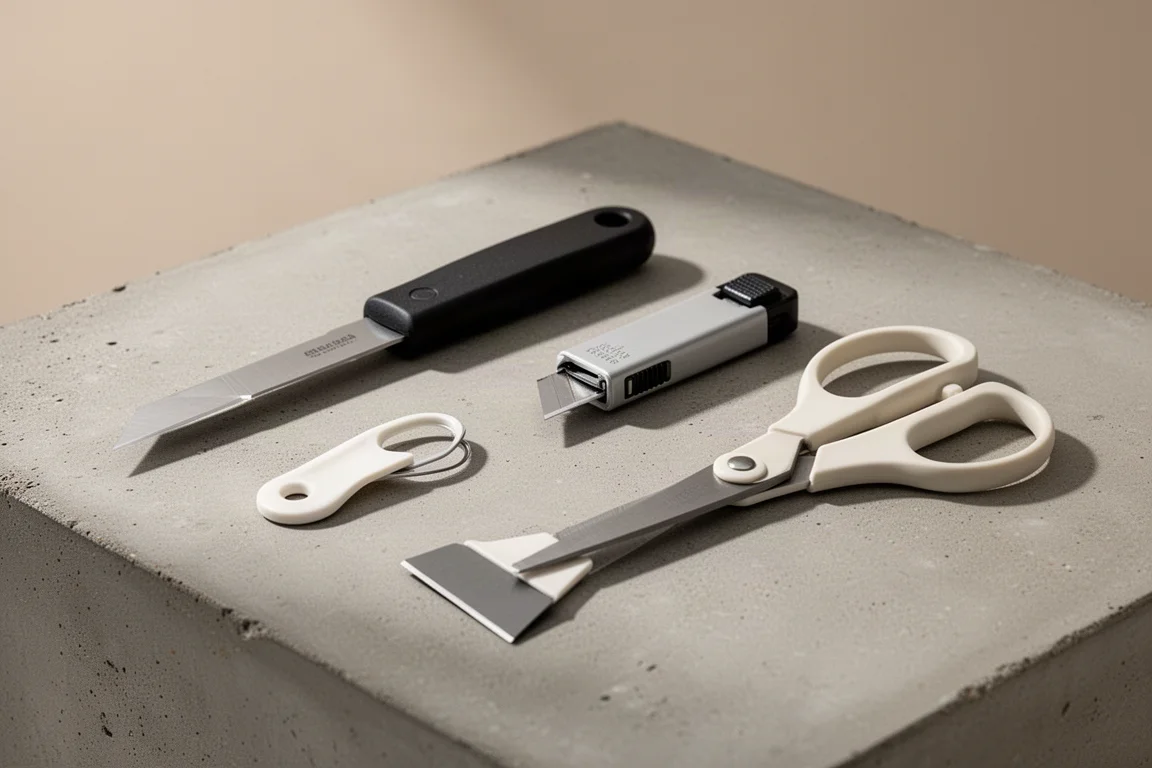
After spending time with the utility knife, package opener, box cutter, scissors, and scraper, the pattern is clear: these tools are not about maximum sharpness. They are about safe, effective cutting that lasts, and in that window they work remarkably well.
The Safety-First Blade Philosophy
A conventional razor blade is typically sharpened well past the point of usefulness, then dulls through that excess sharpness until it stops cutting. Slice tunes its edge to what it calls the optimum sharpness for the job, using a material that stays at that edge far longer. The company claims the blade remains sharp up to 11 times longer than standard steel, and in use the edge showed no noticeable loss of sharpness.
The result is a blade that cuts cleanly while being harder to cut yourself with. Press one across your skin with light pressure and it takes real effort to break the skin, yet it glides through cardboard, paper, and hard plastic packaging without hesitation. That mismatch is the whole appeal: it should not work, but it does.
The material itself deserves credit. Zirconium dioxide is extremely hard, does not corrode, resists staining, shrugs off temperature and most things that attack metal, and can be honed to a very fine edge. A generic zirconia ceramic blade can even slide through paper with almost no pressure. Slice’s blades are intentionally less aggressive than that, which is the point.
Utility Knife
The Slice utility knife is the most versatile piece of the lineup. It burns through cardboard with almost no effort and handles tough plastic clamshell packaging, the kind that usually wins the fight, by simply slicing it open. It feels light in the hand, almost as if it is not sharp, which is exactly the sensation the design philosophy produces.
One practical note: Slice blades are slightly thicker than standard trapezoid blades, so they will not fit in many conventional utility knife holders. If you already own other knife bodies, budget for the Slice handle.
Slice offers three main blade styles: a serrated blade, a more traditional straight blade, and a rounded-tip blade with no sharp corner, aimed at the safest possible cutting.
Package Opener: The Quiet Surprise
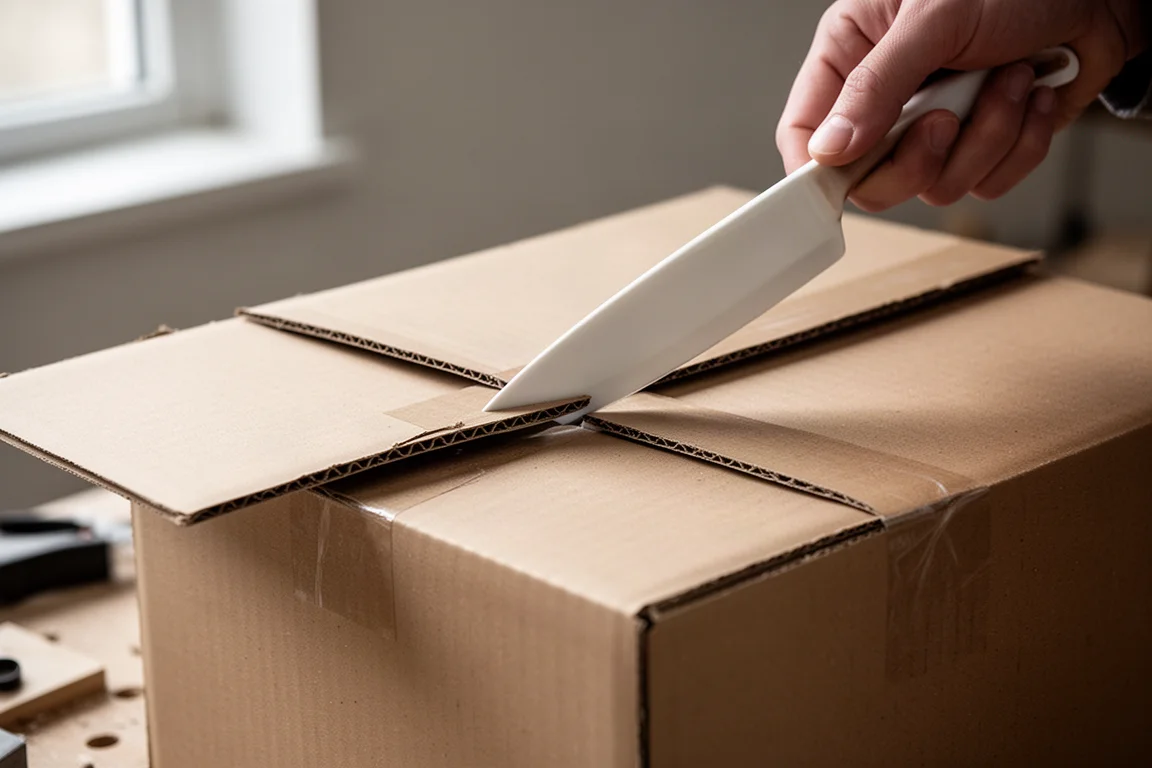
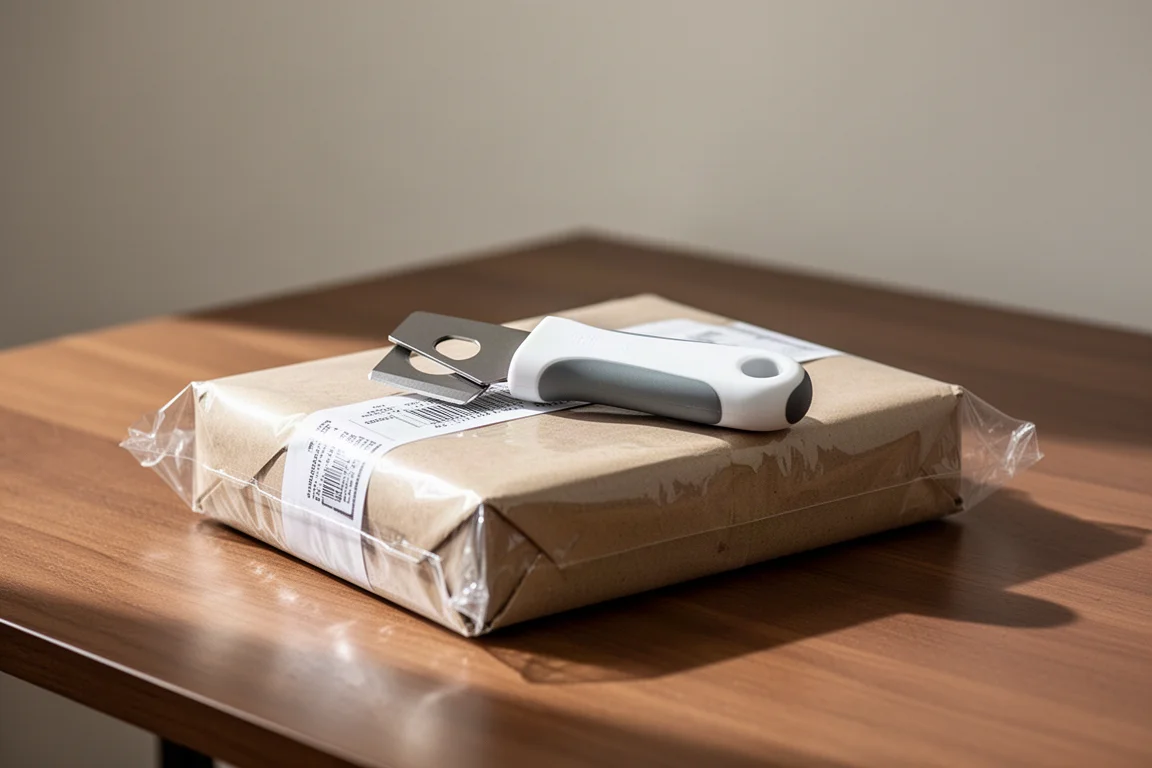
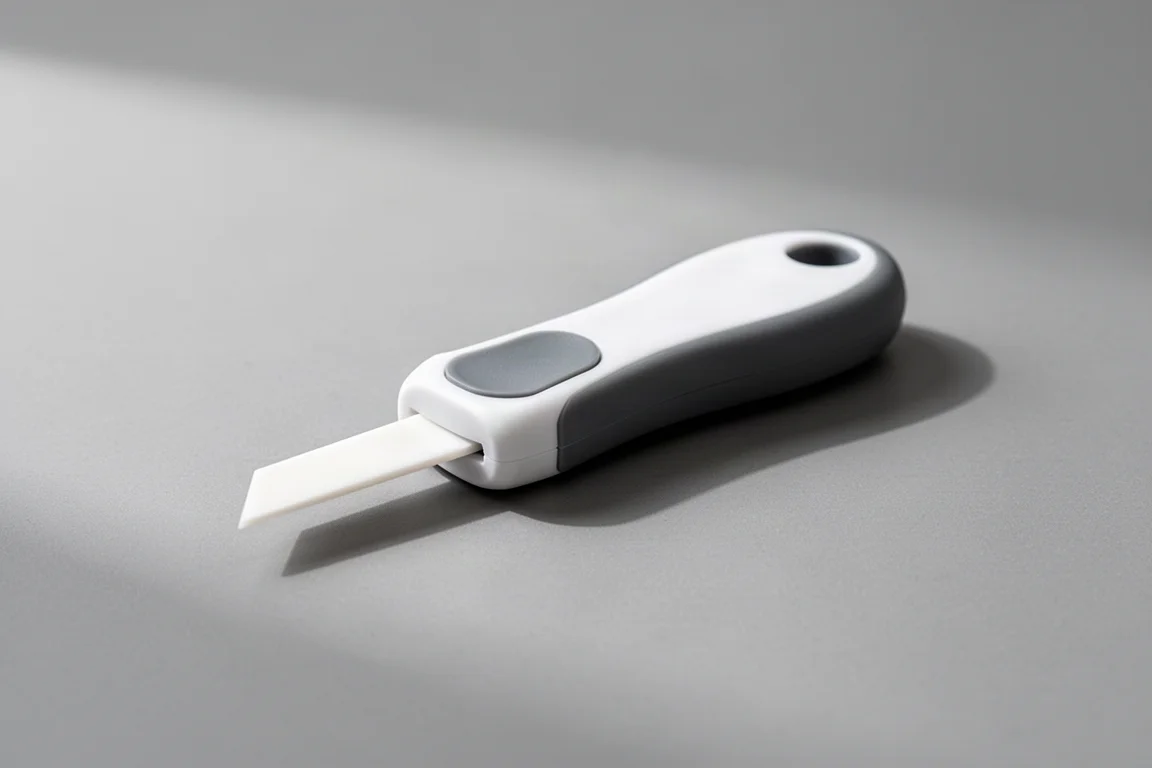
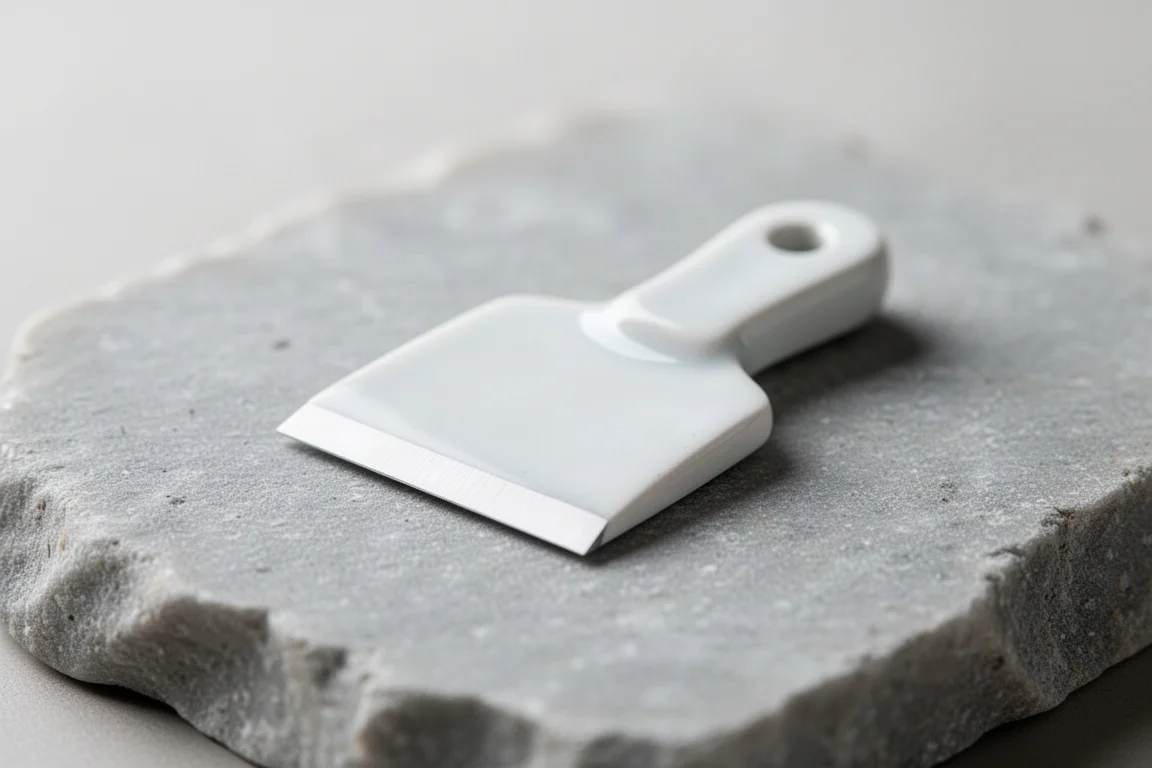
The package opener is a small, flat tool designed to be used with the blade held flat against the surface. It turned out to be as impressive as anything in the set. Sliding it across hard blister plastic opens it cleanly, and because it is used flat, it is very difficult to cut yourself while working.
It also handles corrugated cardboard. Held flat against the surface, it slices through the material without going deep enough to damage what is inside, which is precisely what you want when opening a parcel.
Box Cutter
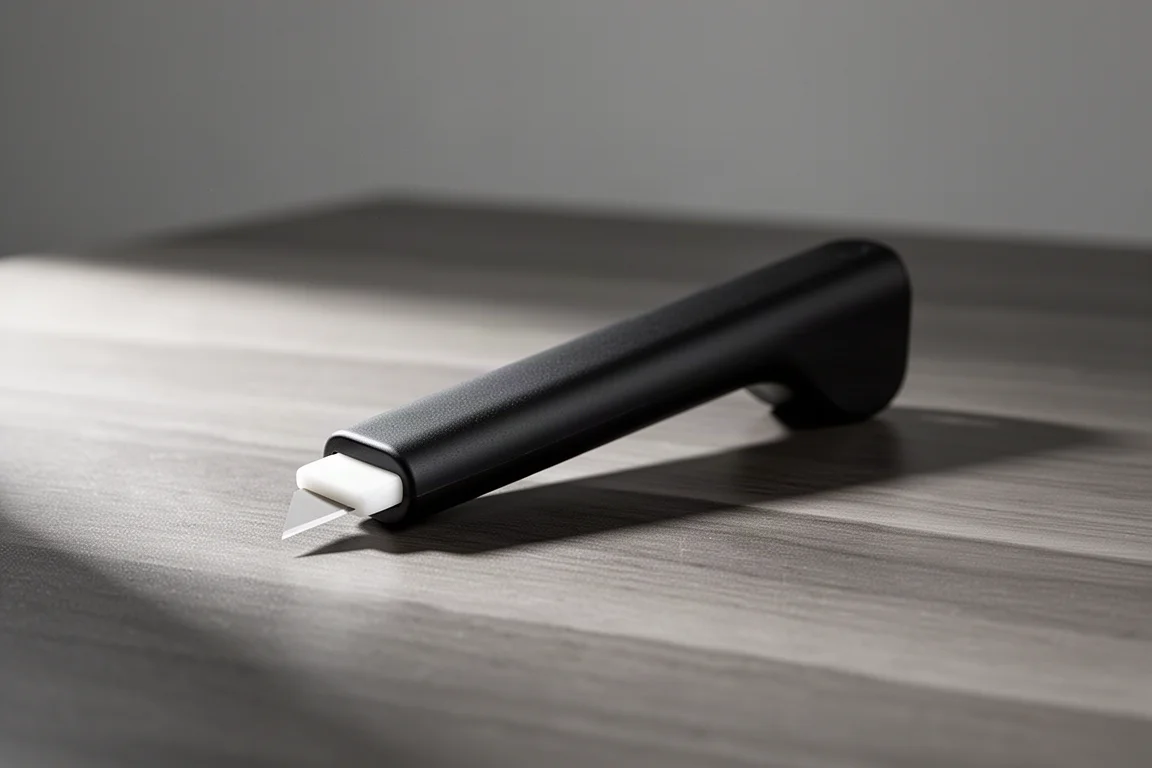
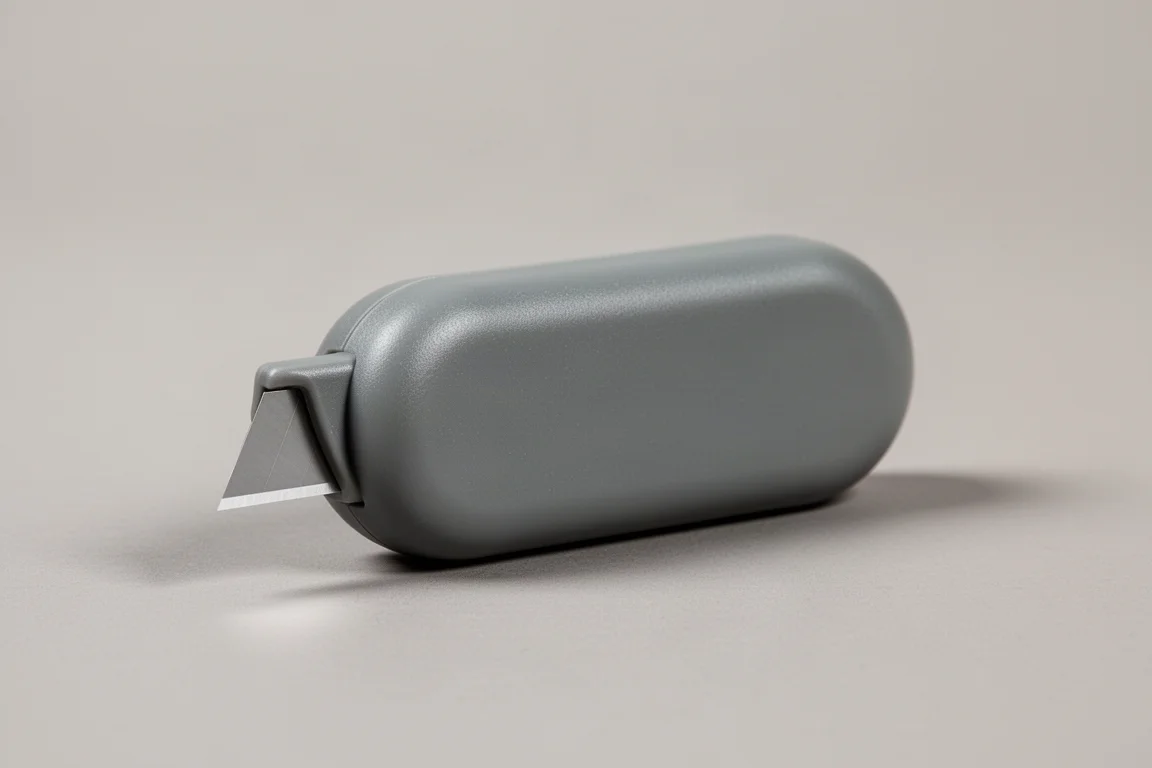
The box cutter trades reach for safety. Even though the edge is not knife-sharp by steel standards, it cuts through cardboard with no trouble at all. The blades barely protrude from the housing, which limits how deep a cut can go but does nothing to slow the cutting itself.
The same blade design works well on hard plastic packaging. Applying a little extra pressure, the edge slices straight down through clamshell material that would otherwise require scissors and a fair amount of patience.
Scissors: Surprisingly Capable on Cardboard
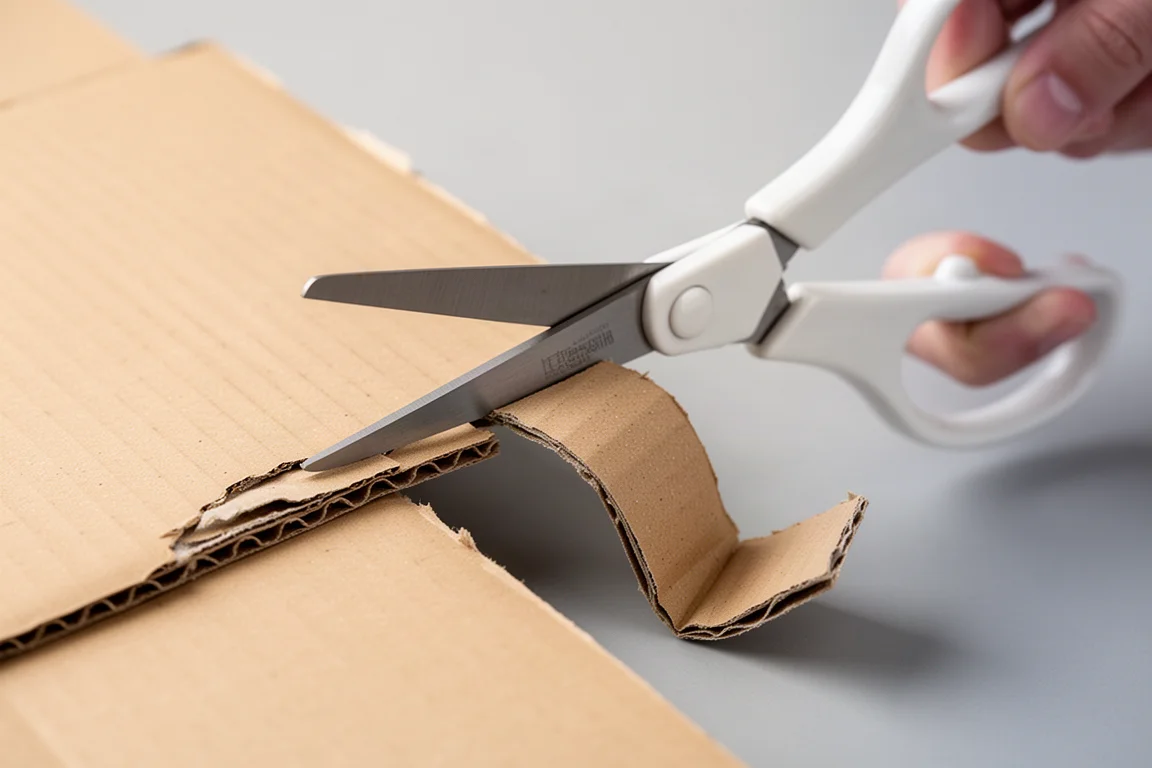
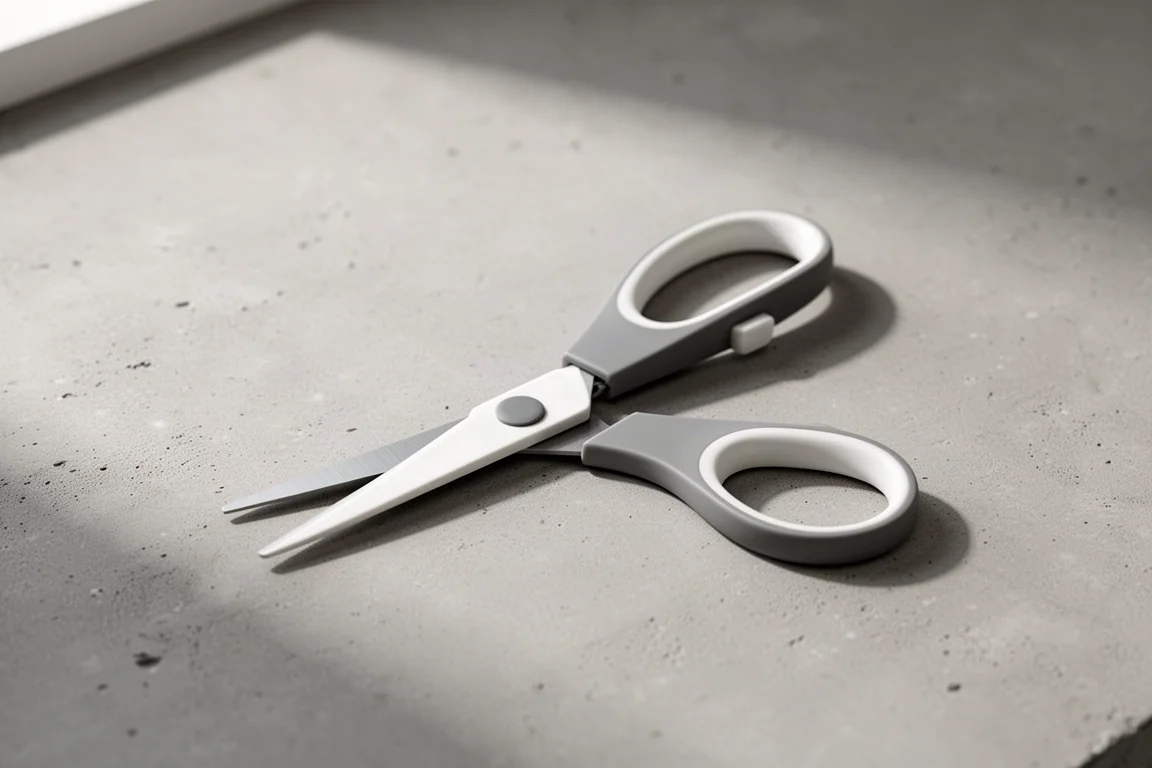
The Slice scissors look and feel light, almost unconvincing, until they touch cardboard. They dig into corrugated material and cut through without hesitation, and the tips are fine enough for precise work like trimming paper or cutting along an edge accurately.
They also open plastic packaging, slicing blister packs down the middle with the same low-effort, low-danger feel as the rest of the lineup. Touch the blades and they do not feel sharp in the way steel scissors do, which makes them an easy recommendation around households where someone will inevitably grab whatever is nearby.
Scraper: Small Tool, Impressive Reach
The scraper is the least cutting-oriented of the group because of its shape, and it is not great at slicing thick cardboard. But even with only a tiny amount of blade protruding, it cuts through cardboard and hard plastic cleanly, always staying shallow.
Where it falls short is aggressive scraping on rough surfaces like cement. Utility blades destroyed every minute in that test, and the ceramic scraper did not scrape quite as well on that kind of abuse. For gentler work like cleaning glass and smooth surfaces, its hardness is a genuine asset.

Durability: How Brittle Is Ceramic, Really?
Ceramic has a reputation for brittleness, so the blades were put through destructive testing. A blade wedged under an eight-inch wrench in a pan of ice and left to bounce around did not snap right away, and even at the breaking point it took real stress before failing. Compared side by side, a steel blade snapped far more readily.
That said, ceramic is not unbreakable. Attempting to break one by hand eventually succeeded, and a blade flexed in packaging split under enough force. The realistic takeaway: these blades are harder to break than their material suggests, but they are still ceramic, so avoid prying and twisting.
Buying Advice
Slice’s tools fit a clear window: light-duty cutting where safety and edge longevity matter more than raw sharpness. They are strongest in the small formats, package openers, box cutters, scrapers, and scissors, where their flat-use design and safe edge make the most sense. The utility knife is a good all-rounder, but remember the thicker blades need the matching handle.
If your work involves heavy scraping or prying, steel still wins. For opening boxes, parcels, and stubborn plastic packaging safely, ceramic is worth exploring. It is also worth noting that a portion of purchases supports autism research.
Conclusion
Slice’s zirconium dioxide tools solve a real problem: the gap between sharp enough to work and sharp enough to hurt. The edge lasts, the cutting performance is genuinely good across cardboard, paper, and hard plastic, and the safety margin is real. For everyday package duty, these are easy tools to recommend.
Further reading
Related Reviews

Tools
Best Contractor Grade Tape Measures 2026: Eight Models Tested Head to Head
We tested eight contractor grade tape measures from Milwaukee, DeWalt, Crescent Lufkin, Tajima, Stanley, Irwin, Gelan, and Craftsman to find the best value and performance.

Tools
Best Precision Screwdriver Sets 2026: Manual and Electric Options Compared
We compare 19 precision screwdriver sets, from budget manual kits to electric drivers, to find the strongest bits and best value.

Tools
Best Stud Finders 2026: Five Popular Models Put to the Test
We tested five popular stud finders on drywall, firewall, and lath and plaster surfaces to see which ones really find studs and avoid false readings.