Camping Gear
Sleeping Pad Comparison: Budget vs Premium - What You Really Get for the Extra Cost
A practical comparison between the OEX Traverse and Therm-a-Rest NeoAir reveals how comfort, insulation, and weight trade off across different budgets and camping styles.
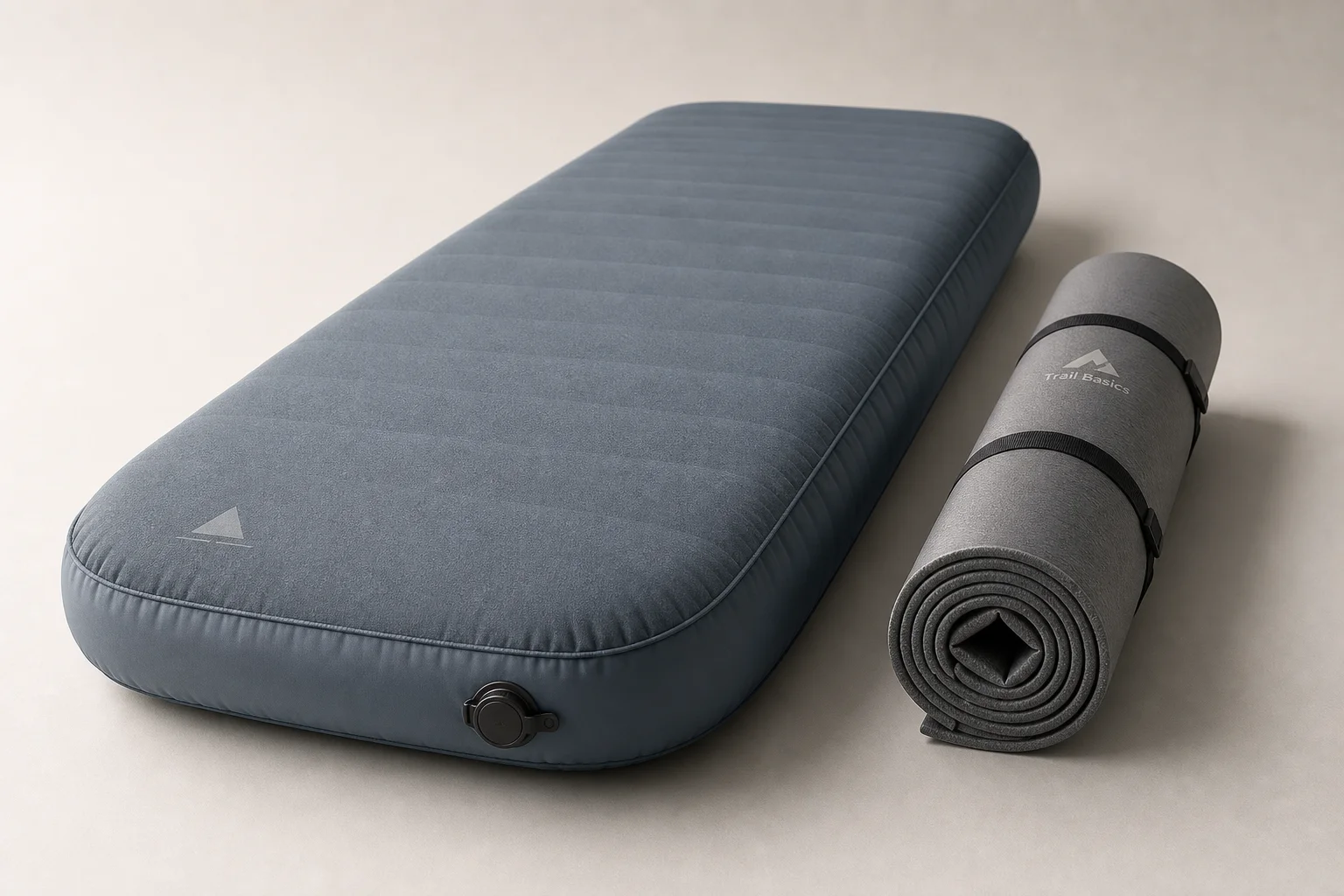
Introduction
Sleeping pad choice shapes every night spent outdoors, yet the market spans from budget options under £50 to premium pads costing several times more. Understanding what separates these tiers helps match your gear to your actual camping style and budget.
Price and First Impressions
The OEX Traverse costs around £50 in current versions, making it an accessible entry point for new campers. The Therm-a-Rest NeoAir sits at approximately £230, a significant jump that raises an obvious question: does the extra investment deliver proportional value?

For beginners or occasional summer campers, the price difference alone may feel prohibitive. The budget pad removes financial risk if you discover backpacking isn’t for you, while the premium option requires confidence that you’ll use it enough to justify the outlay.
Thickness and Comfort
The most immediately noticeable difference is thickness. The NeoAir inflates to approximately 4.6 inches, while the OEX Traverse reaches only about 1 inch when fully inflated. This extra cushioning is the primary source of the NeoAir’s comfort advantage.
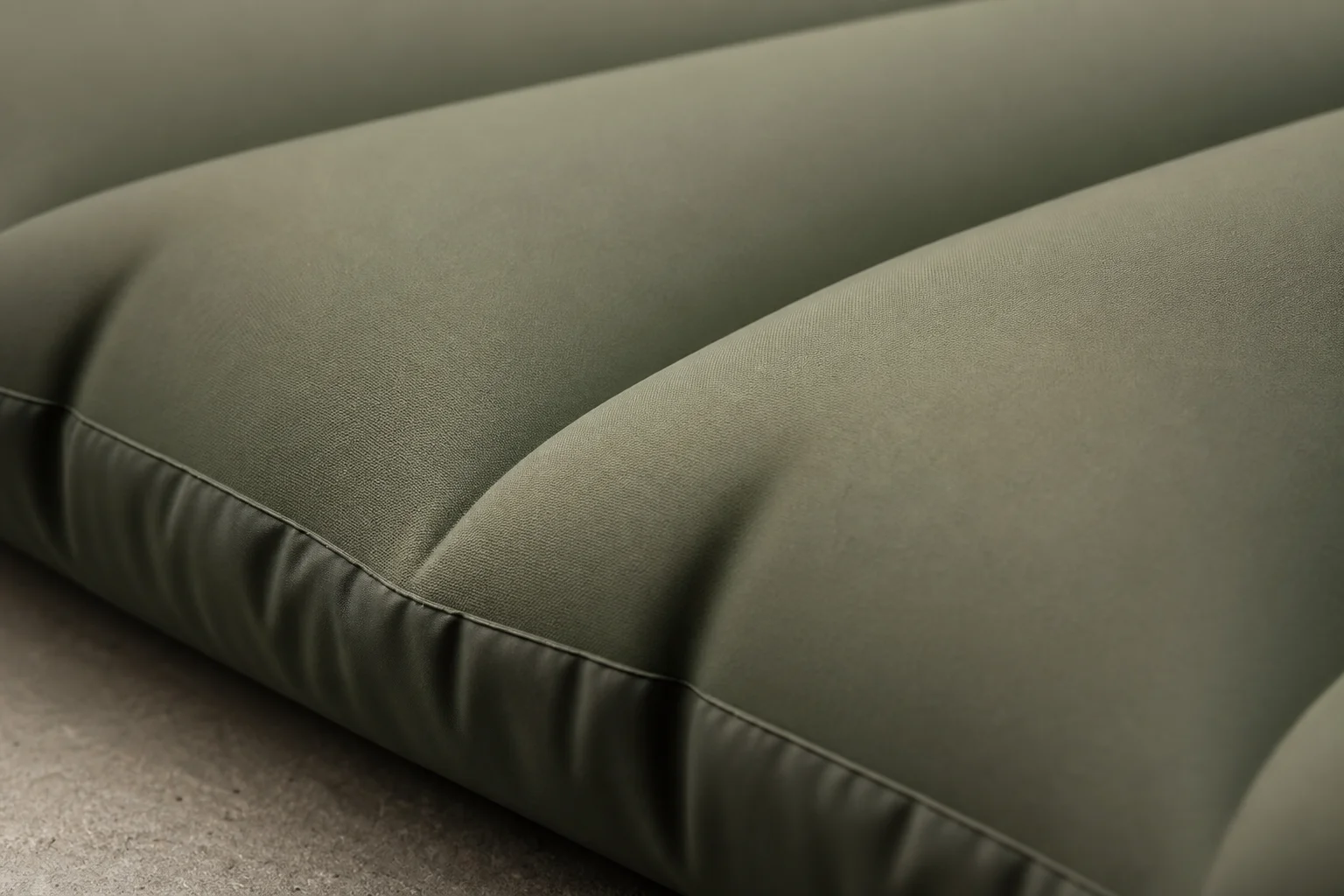
The NeoAir’s stretchy top surface molds to your body, distributing pressure more evenly and reducing the sensation of ground contact. This matters most on longer trips or for side sleepers who feel pressure points acutely. The budget pad offers minimal insulation from the ground and provides less cushioning before you bottom out against harder terrain.
Weight and Packability
Here the budget pad wins decisively. The OEX Traverse weighs around 400 grams and packs down to roughly the size of a standard household mug. The NeoAir weighs approximately 900 grams and requires a pack space comparable to a 1-liter water bottle.
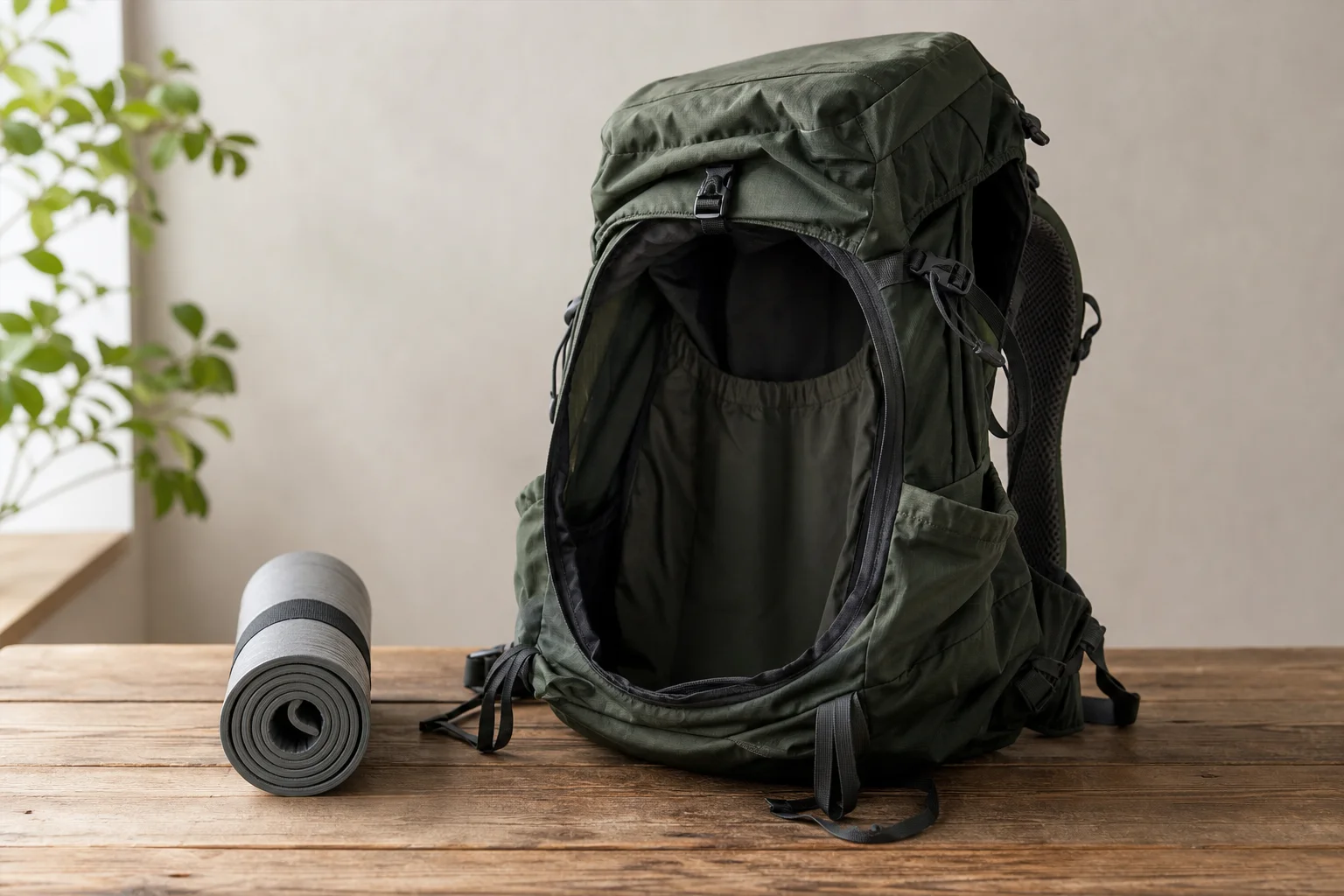
For fast-and-light summer trips where weight matters and cold is not a concern, the OEX’s minimal footprint and half the weight of the NeoAir make it the practical choice. The premium pad’s bulk becomes a trade-off you accept in exchange for comfort and warmth.
Insulation and Real-World Use
Insulation separates these pads most fundamentally. The OEX Traverse has no built-in insulation, offering zero protection against cold ground. The NeoAir features an integrated insulation system with an R-value of 4.7, making it suitable for cooler conditions and more challenging seasons.

After six years of camping with the budget pad, waking with numb arms and cold nights justified the upgrade to a pad that handles both comfort and thermal protection. The NeoAir now serves as the primary choice for comfort-focused trips and colder weather, while the OEX remains useful for lightweight summer missions where insulation is unnecessary.
Who Should Buy Each Pad
The NeoAir suits experienced campers who camp frequently and want to maximize comfort and extend their season into shoulder months. The OEX works well for beginners testing whether backpacking fits their lifestyle, and for established campers who prioritize weight savings on summer trips.
Beginners should not feel pressured to start with a premium pad. A mid-range option with basic insulation offers better value than jumping directly to the highest tier, especially if you’re still discovering your camping preferences.
Conclusion
Budget and premium sleeping pads serve different needs. The choice depends on how often you camp, what seasons you target, and whether comfort or weight matters more for your trips. Starting with a budget option and upgrading later, once you understand your real needs, often makes more sense than investing heavily upfront.
Product link
View more details for Therm-a-Rest NeoAir
This product is mentioned in the review. Check the specifications, options, and compatibility before buying.
View more details for Therm-a-Rest NeoAirFurther reading
Related Reviews
Camping Gear
Best Bivvy Bags for Camping: Five Options from Budget to Premium
A practical guide to five bivvy bags tested in real conditions, from lightweight emergency shelter to high-performance alpine protection.
Camping Gear
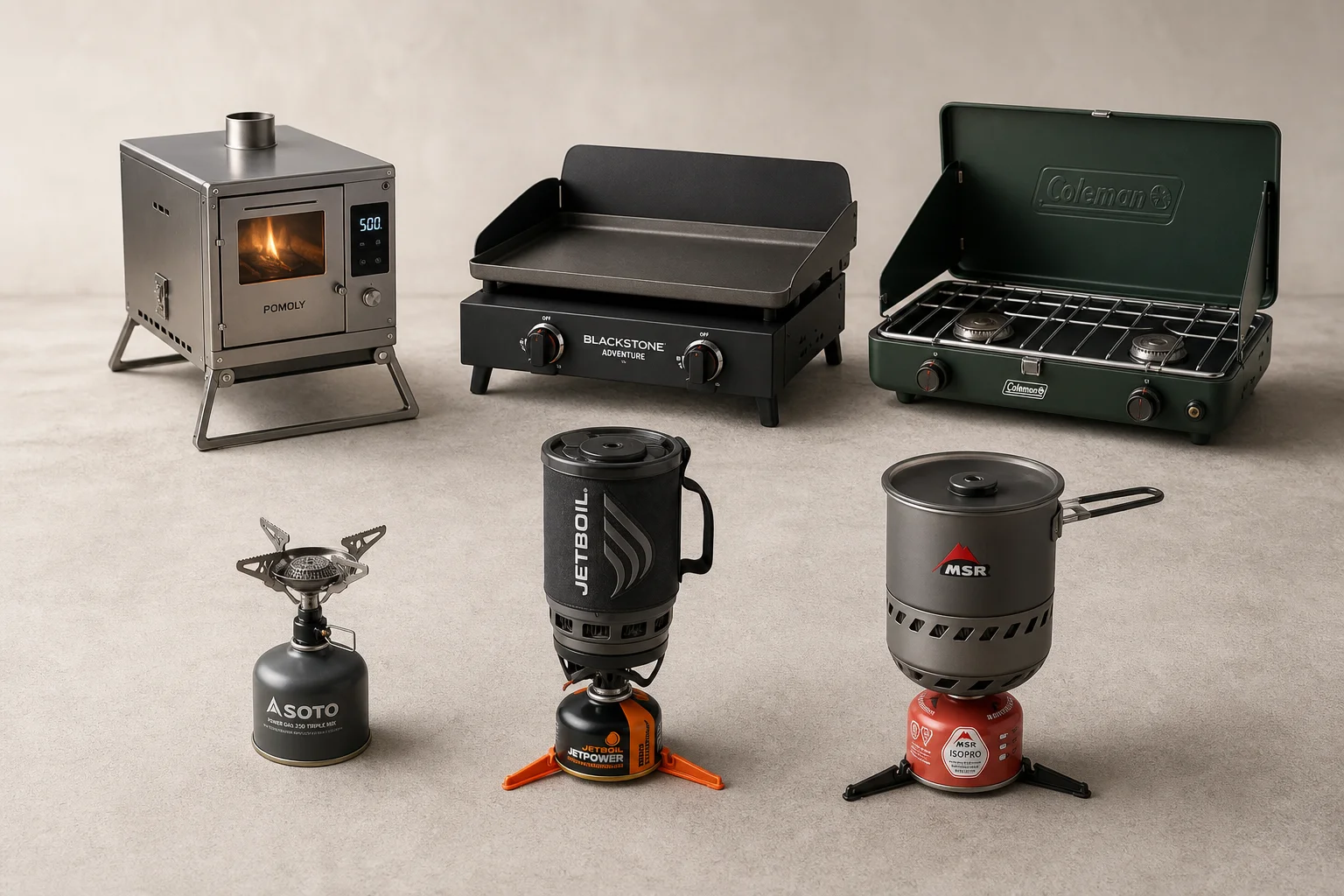
Best Camp Stoves 2026: Six Practical Options for Different Camping Styles
From wood-burning stoves with USB charging to lightweight backpacking systems, six camp stoves that match different cooking needs and trip types.
Camping Gear
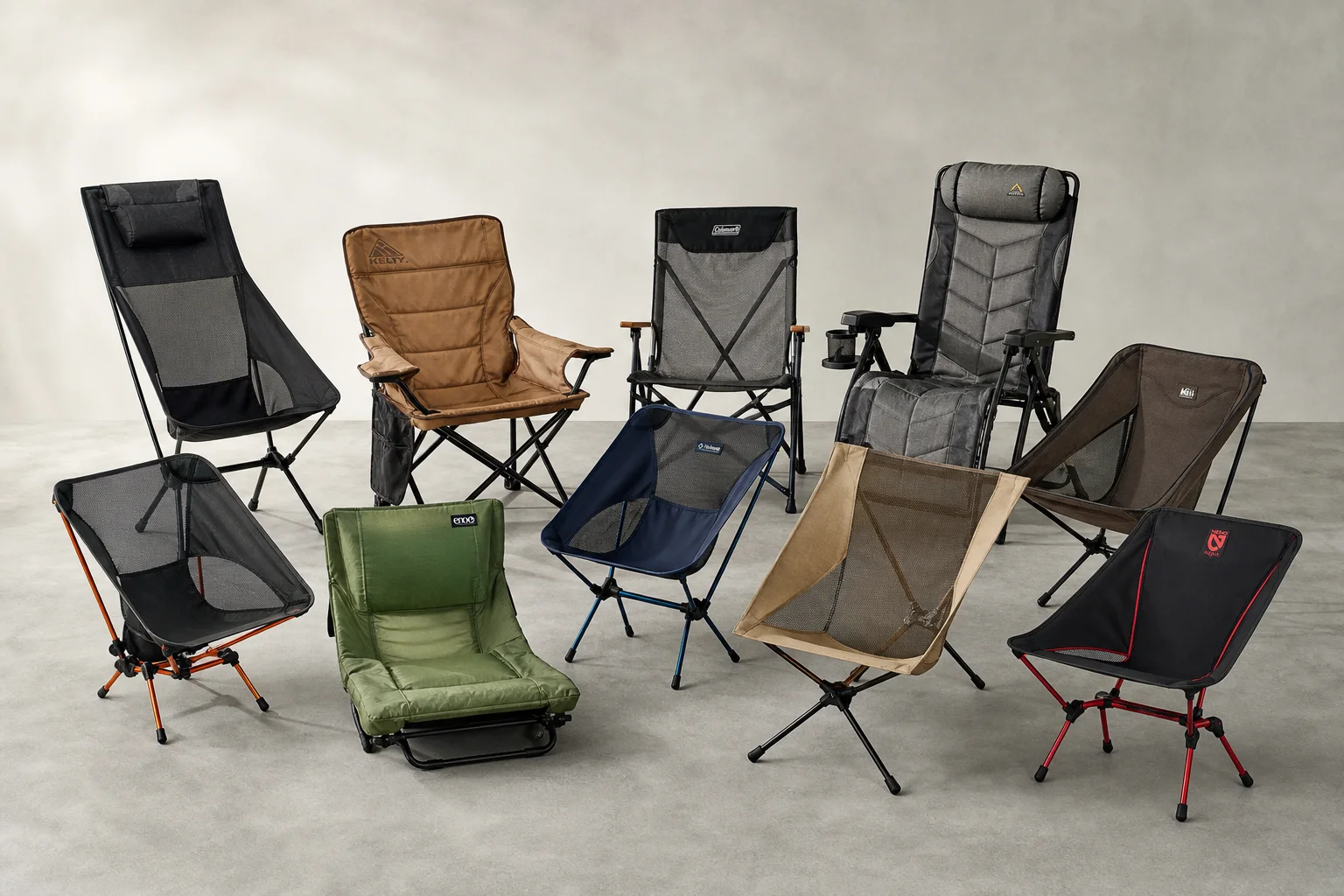
Best Camping Chairs 2026: Comprehensive Test of 21 Models
A detailed comparison of 21 camping chairs tested across comfort, breathability, features, quality, and portability to help you find the right chair for your needs.