Camping Gear
Sleep System Basics: Choosing a Sleeping Pad and Packing a Repair Kit
A practical look at why your sleeping pad carries half the warmth of your sleep system, how EN and ASTM ratings work, and why a small roll of repair tape belongs in every pack.
Introduction
Few things ruin a night outdoors faster than a sleep system whose parts do not work together. The sleeping bag gets most of the attention, but the pad underneath it does half the work, and a single puncture can undo both. What follows are the mistakes that most often lead to a cold, restless night, along with two inexpensive items that make a setup easier to trust.
Why Your Sleeping Pad Is Half of Your Warmth
A sleeping bag keeps you warm by trapping air in its insulation. When you lie on top of the bag, the fill beneath your body compresses and stops trapping much of anything, so the underside of a bag contributes very little. From that point down, the pad is the only thing between you and the ground. A pad designed for late spring, summer, and early fall will not carry you through a genuinely cold night, no matter how warm the bag above it is rated. The bag and the pad are one system, and the weaker half sets the limit.
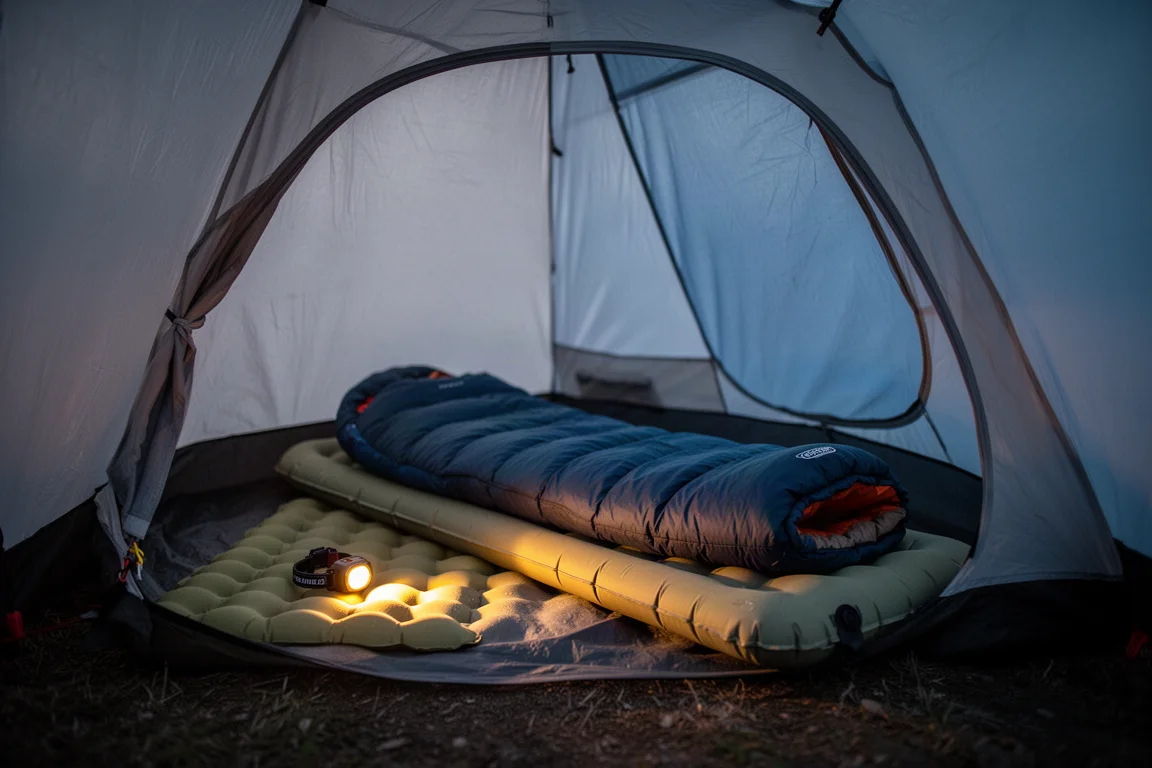
That is why a heavily insulated bag paired with a lightly insulated pad can still produce a miserable night. The warmth you feel on top comes from the bag. The warmth you feel underneath comes almost entirely from the pad. Treating them as two separate purchases, rather than two halves of the same job, is the most common sleep system mistake of all.
Best Value Summer Pad: Klymit Insulated Static V Lite
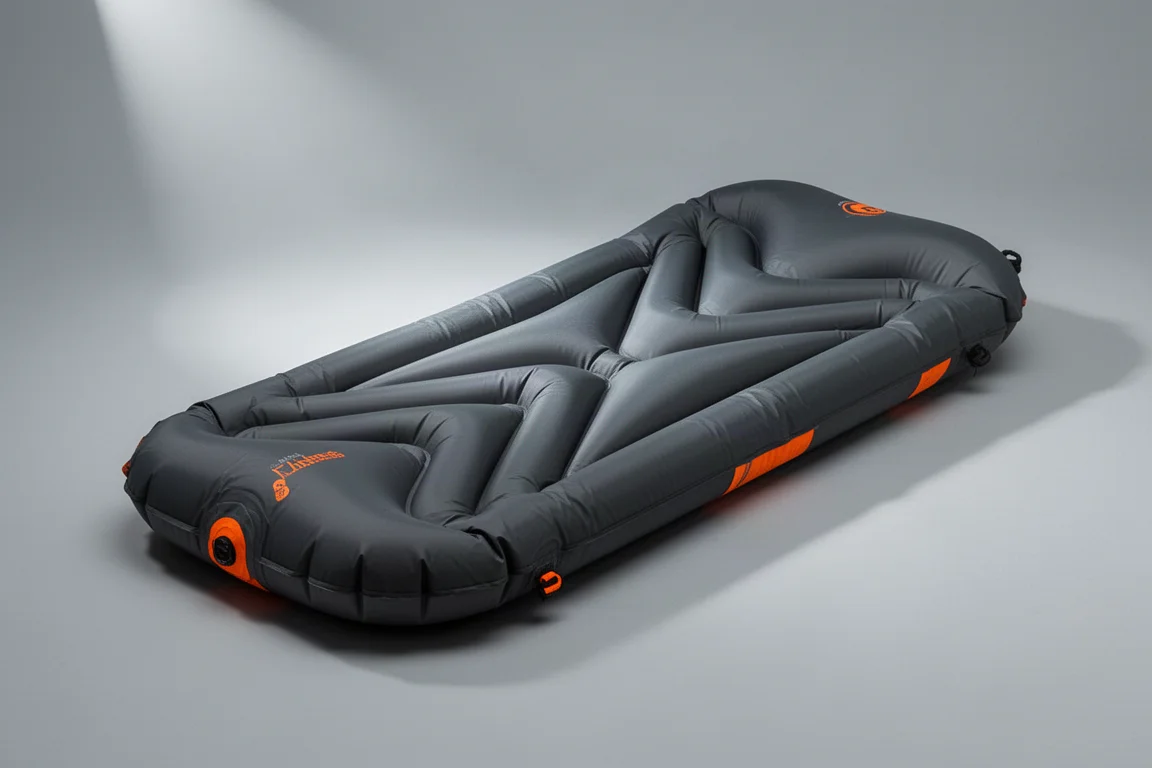
The Klymit Insulated Static V Lite is an insulated pad that has now been ASTM rated at 1.9. That figure is the one that matters, because the same pad was previously listed with an R-value of 4 and described as a four-season model. By ASTM standards, an R-value of 1.9 places it firmly in summer territory. The insulation layer is thin, and the pad is not built for the kind of cold night where a heavily insulated pad is needed.
For warm-weather trips, that low R-value is far less of a limitation, and the lighter build suggested by the Lite name is what makes it appealing for summer backpacking. The real value of the ASTM rating is honesty: you can now see what the pad will actually do instead of relying on a season label.
How EN and ASTM Ratings Actually Work
Sleeping bag ratings are not standardized by default. A manufacturer can print a survival figure, a risk figure, or a comfort figure, and it can choose whichever number looks best on the tag. The EN standard exists to remove that ambiguity, but it is voluntary, so checking whether a brand publishes EN results is a reasonable first filter. Even on an EN-rated bag, the headline number is often not the comfort figure. A bag marked 20°F may carry a comfort rating of 32°F, a transition range that begins around 20°F, and a risk rating near -9°F. The number printed on the bag is not the temperature at which you will sleep comfortably.
Sleeping pads have a comparable standard, ASTM, and it performs the same job of keeping R-values honest. Under ASTM, a pad around 3.2 is a capable three-season option, while a pad near 6.9 is a very warm one. Without an ASTM figure, an R-value may come from a different system that inflates the number. That is exactly what happened with pads marketed as four-season at an R-value of 4 while the ASTM rating later came in at 1.9. A higher R-value means a warmer pad underneath you, and a very warm pad can feel sweaty in the middle of summer for sleepers who run hot.
Best Field Repair Fix: Tenacious Tape
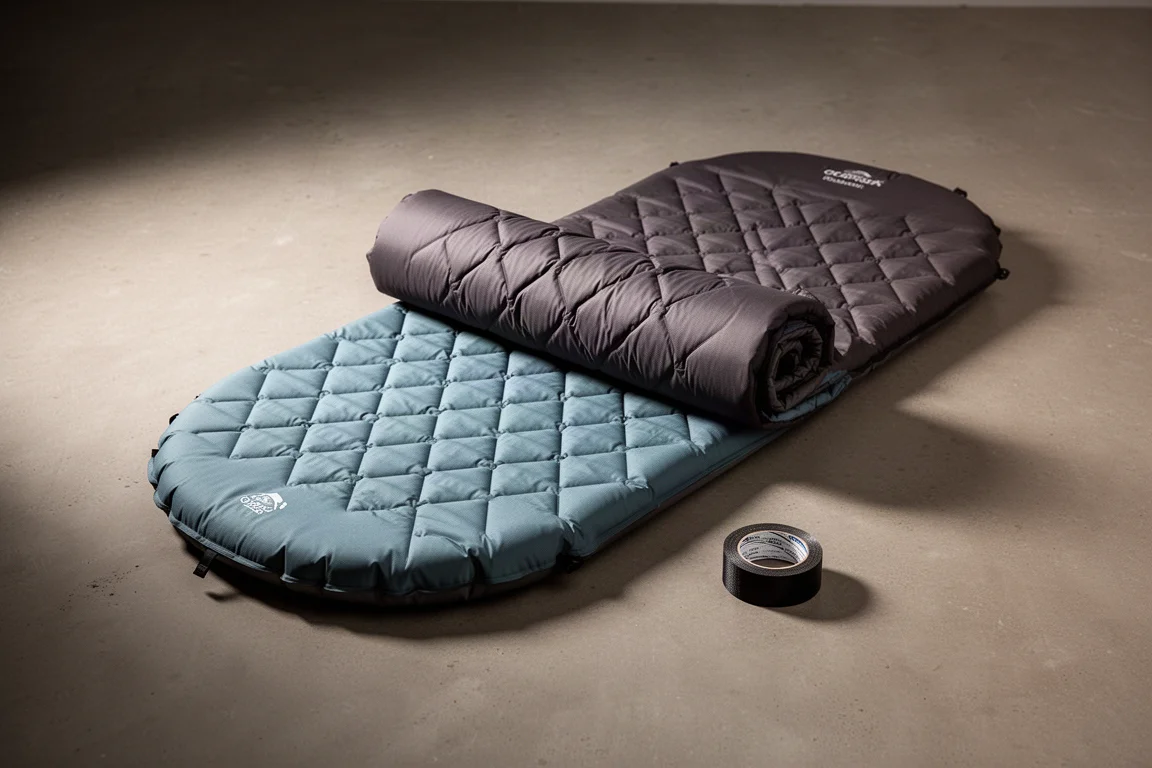
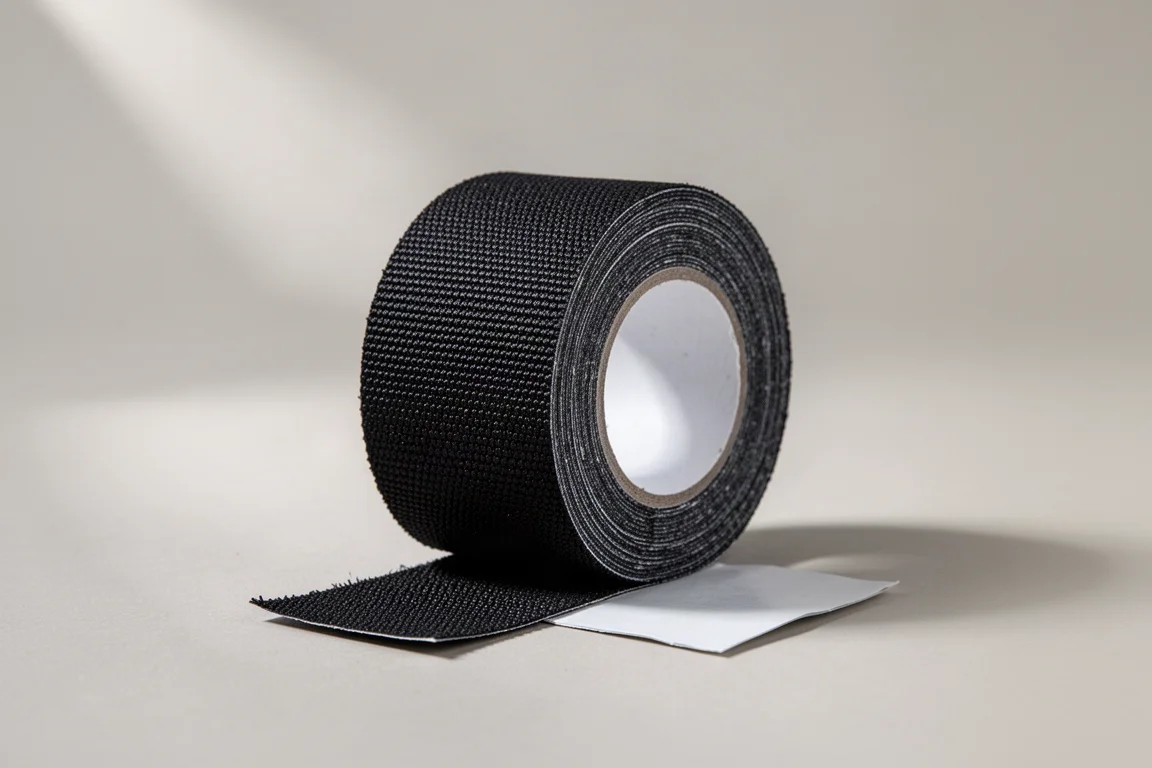
A leaking sleeping pad can end a trip on the spot. Tenacious Tape is a small roll of repair tape that bonds to nylon and Dyneema, which covers the fabrics used on most pads, tents, and shelters. It weighs almost nothing, takes up no meaningful pack space, and turns a deflating pad into a fixable problem rather than a reason to walk out. The only real requirement is that it is already in your pack when the puncture happens.
Pad Width, Bag Size, and Insulation Layout
Pad width is one of the most overlooked specifications in a sleep system. Entry-level pads are frequently only 20 inches wide, which is narrow enough that an arm slides off onto cold ground during the night. Pads at 23 and 25 inches feel much closer to a mattress at home, and 23 inches is about as narrow as most people should go. Thru-hikers counting grams may accept the narrower option, and still sleepers may not notice it, but anyone who moves around will feel the difference.
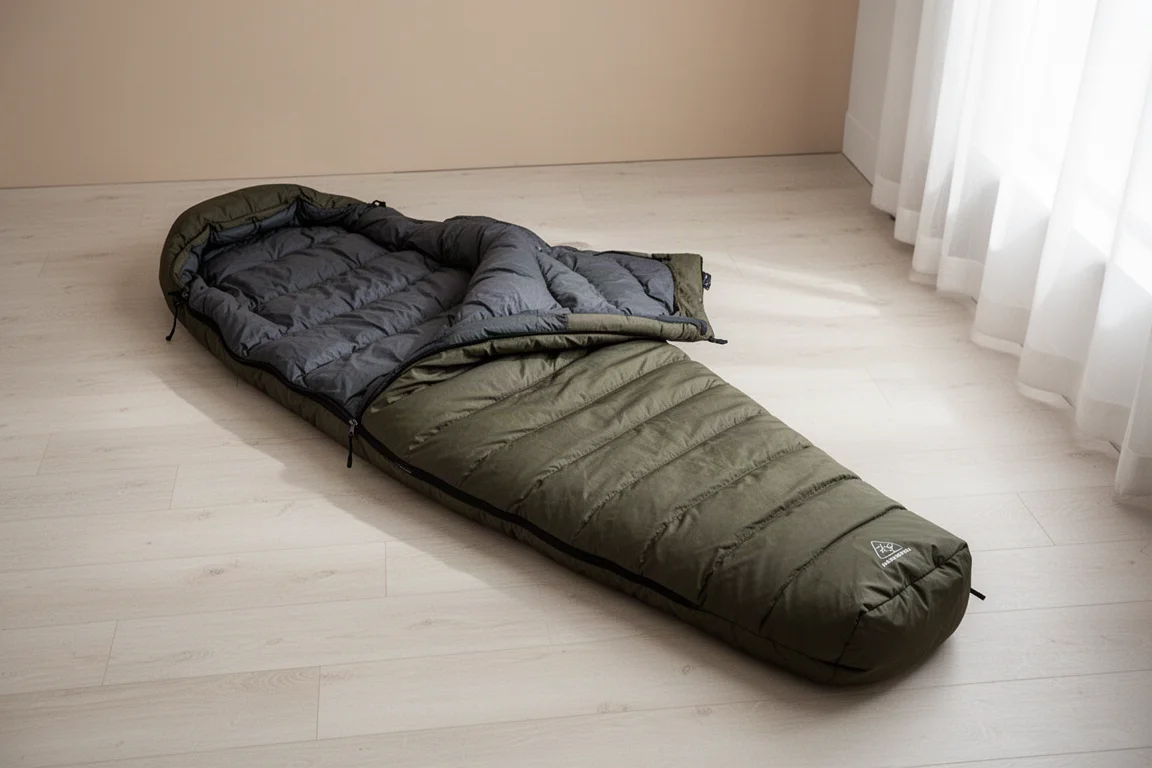
Sleeping bag dimensions matter for the same reason. A narrow bag leaves less dead air to heat up, but it also restricts movement. Many bags concentrate the majority of their insulation on top, often around 70 percent, with the remainder underneath. Rolling over inside a narrow bag can press you against that thinner underside and leave your back cold. The technique that avoids it is to roll inside the bag so the bag itself stays flat and the insulation stays where it was designed to sit. Wider bags take longer to warm up but allow that movement, and some designs unzip along both sides so the width can be adjusted for different sleepers. Back sleepers have an easier time in a narrow bag because they stay in one position, while side sleepers and restless sleepers usually do better with more room.
Matching the Setup to the Conditions You Actually Camp In
The right sleep system depends less on the gear catalogue and more on the trips you actually take. A pad rated around 1.9 and a lightly insulated bag are sensible for summer nights, and they will feel like a mistake in shoulder-season cold. A pad in the 3.2 range covers three-season use well, and a pad near 6.9 is the choice for genuinely cold conditions. Pad width, bag dimensions, and insulation placement all follow the same logic. They should match how you sleep and where you sleep, not the lowest temperature a manufacturer is willing to print.
Buying Advice
Before buying, ask three questions. Does the pad publish an ASTM R-value, and is that number appropriate for the coldest night you realistically expect? Does the sleeping bag publish an EN comfort rating, or only a headline figure that may be a survival or risk number? And is the pad wide enough, and the bag roomy enough, for the way you move at night? Beyond those, pack a small roll of repair tape on every trip. It costs very little, weighs next to nothing, and it is the item most likely to rescue a night that would otherwise be spent shivering on a deflated pad.
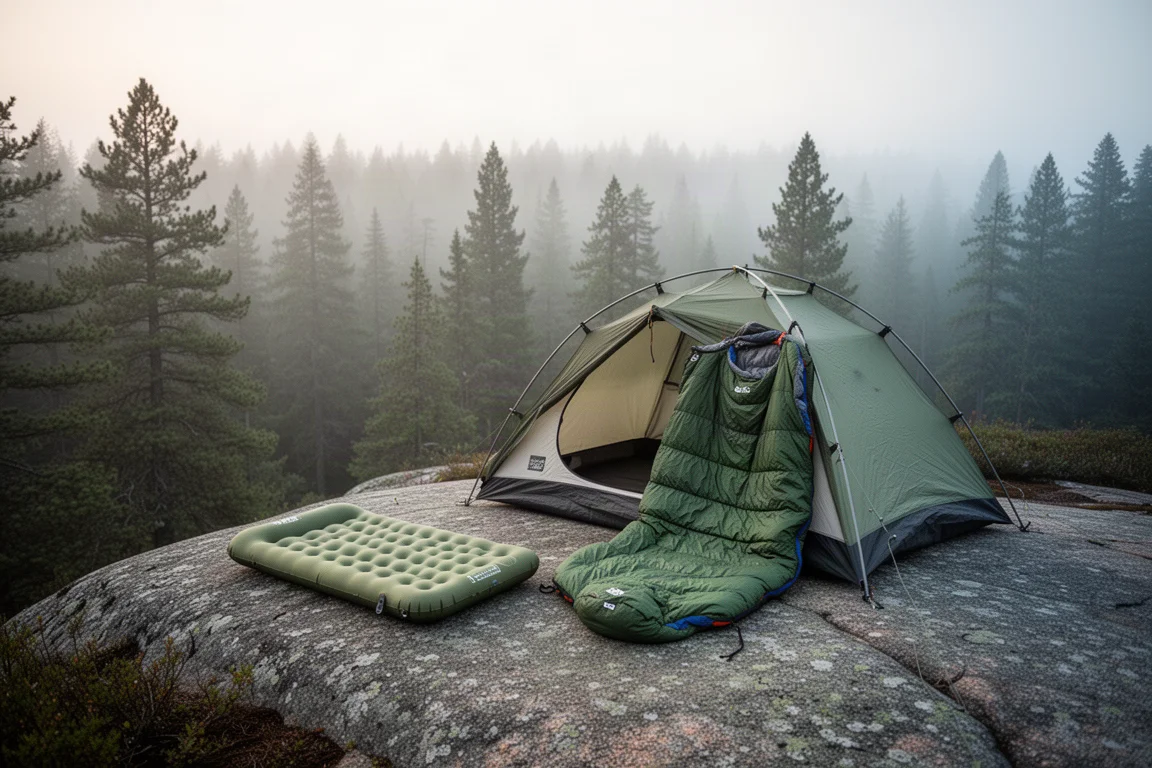
A sleep system that matches your conditions does not have to be expensive. It needs a pad with an honest warmth figure, a bag whose comfort rating you can trust, and a patch for the night something goes wrong.
Conclusion
Most cold nights outdoors trace back to the same handful of decisions: trusting a season label over an ASTM R-value, trusting a headline bag rating over a comfort figure, buying a pad too narrow to sleep on, and leaving the repair tape at home. Get those right and the rest of the system tends to fall into place. For warm-weather camping, the Klymit Insulated Static V Lite is a sensible, honestly rated option, and a roll of Tenacious Tape is worth carrying on every trip regardless of which pad you choose.
Further reading
Related Reviews
Camping Gear
3FUL Ultralight Ground Sheet Review: A Two-Person Footprint Worth Packing
A 6.7 oz two-person ground sheet in ripstop silnylon, priced around $30. Here is what it protects, what it does not do, and who should pack it.
Camping Gear
Backcountry Light Dual-Function Tarp and Floor Review: A Footprint First
A dual-purpose tent floor and tarp that keeps falling rain off you, but cannot block wind. Here is where it works and where it does not.
Camping Gear
Best 2-Person Camping Mattresses for Couples: 10 Options Compared
A practical comparison of ten two-person camping mattresses, covering self-inflating pads, air pads and air mattresses for couples.