Snowboards
Slash Floater Review: A Rigid Powder Board That Carves Harder Than It Should
The Slash Floater pairs a hybrid camber profile with a torsionally rigid carbon layup, delivering float, stability, and surprisingly strong edge performance for pow chasers.
Introduction
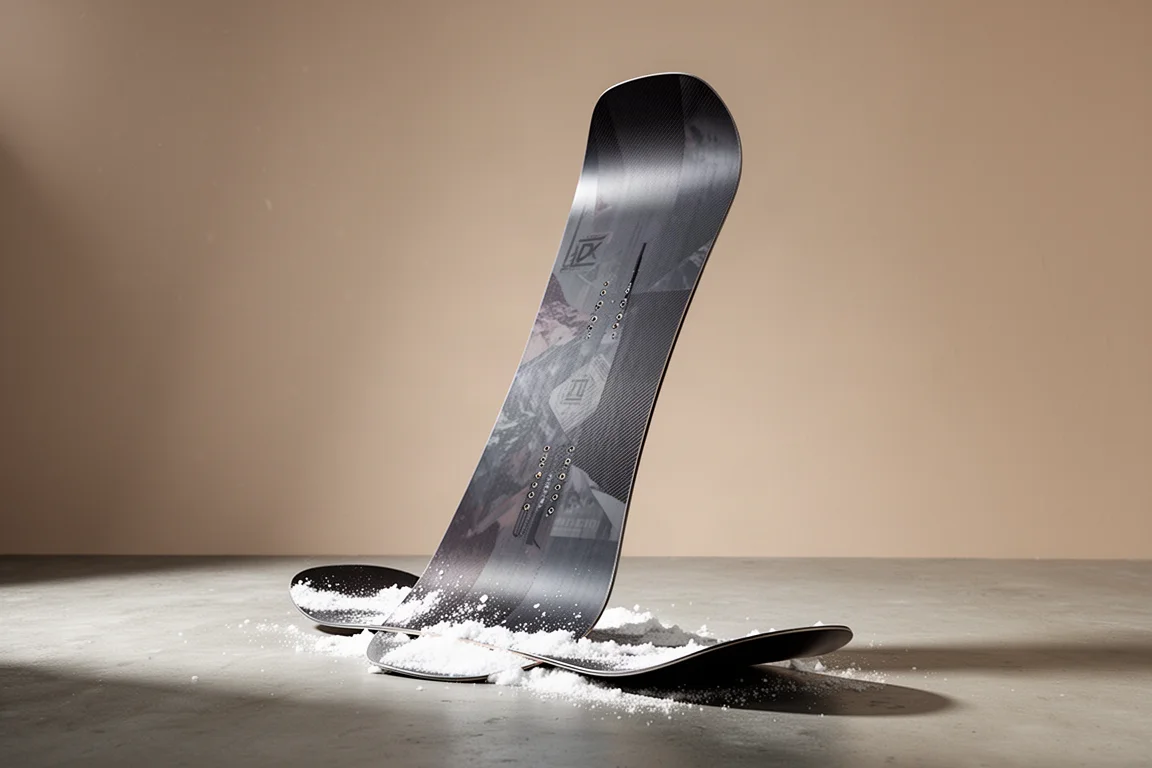
The Slash Floater is a directional powder board built around the brand’s hybrid camber, essentially a directional cam-rocker: rocker in the nose, camber through the rest of the board. It is available in 153, 157, and 161, and it targets a specific rider: the pow chaser who also wants a board that can carve hard once the snow runs out.
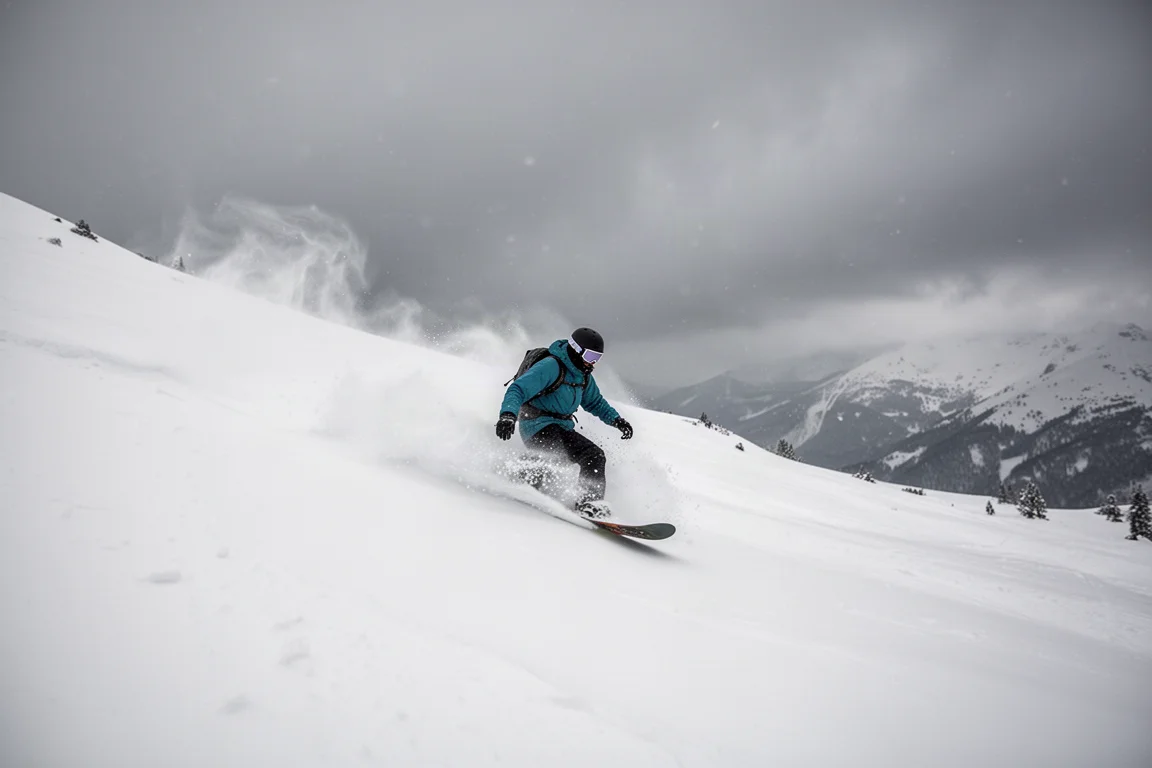
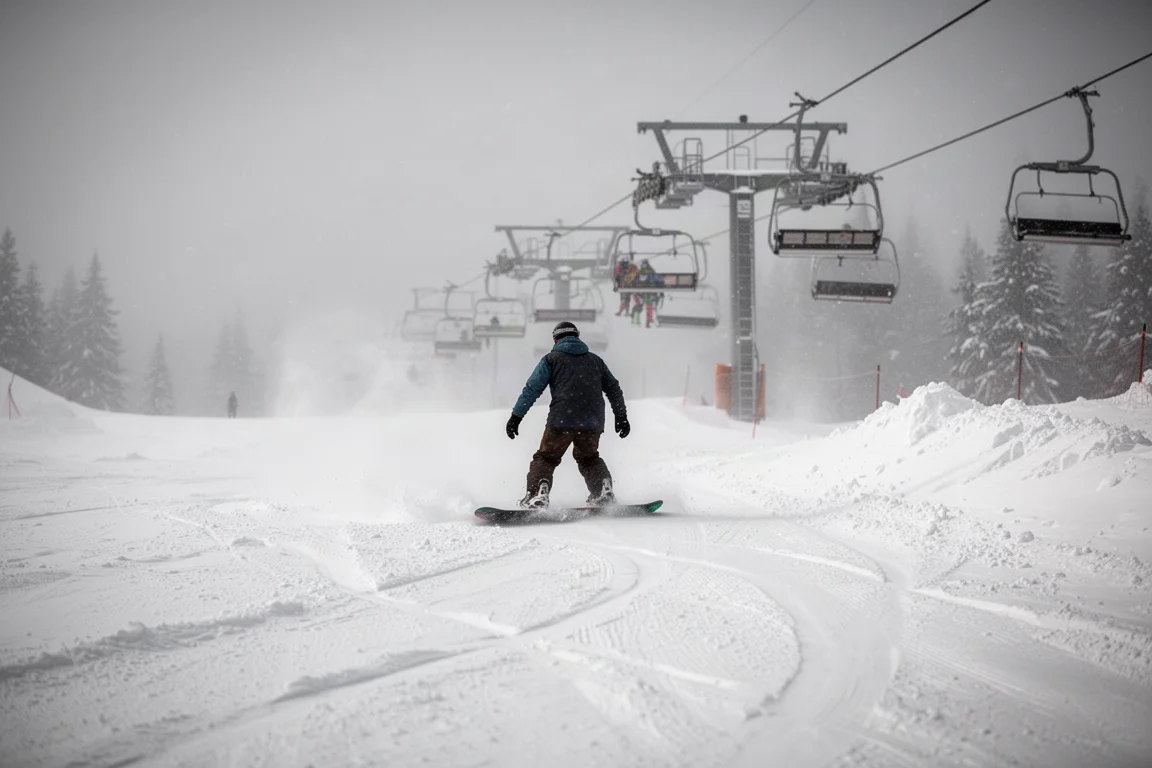
We rode it at Copper Mountain on a stormy day with gray skies, low to high winds, roughly six inches of wind-loaded powder, blown-off scrap, and a mix of perfect groomers, powder groomers, and choppy variable terrain. The setup paired with Rome Black Label bindings and K2 Thraxis boots, which gave a fair read on how the board behaves in real mixed conditions.
Build and Hybrid Camber Profile
The camber profile is the heart of this board. The camber section underfoot delivers load, pop, snap, and drive, and when weighted it helps elevate the rockered nose. That combination gives easier entry in and out of turns and more optimal powder float. The flex pattern is progressive: a little more play in the rockered nose, then progressively stiffer to the tail with one key flex point just inside the rear foot.
Torsionally, this board is not just stiff, it is rigid. The carbon layup and thick core are visible in the construction, and the result is a board you steer with both feet locked on edge rather than with loose foot steering. That is a deliberate design choice, and it shapes everything else about how the Floater rides.
Rigidity and Ride Stability
That rigidity and the camber profile work together for an exceptionally stable ride. Even with rocker in the nose, the board pushes through everything without hesitation. Cruising at speed across variable terrain, there is no noticeable kinetic energy or chatter; the only time you might feel anything is ramming an ice boulder, and even then the board does not buck you off line.
This is also an easy board to load up. With the camber section weighted while riding, you simply roll back onto the tail and it snaps. Notably, the pop sends you more up than out, so speed management matters: if you are eyeing a gap jump, plan on more speed than you think you need. But for popping up onto a pow-covered pillow boulder or launching out of a banked turn into a slash, the pop is exactly right.
Edge Hold and Carving
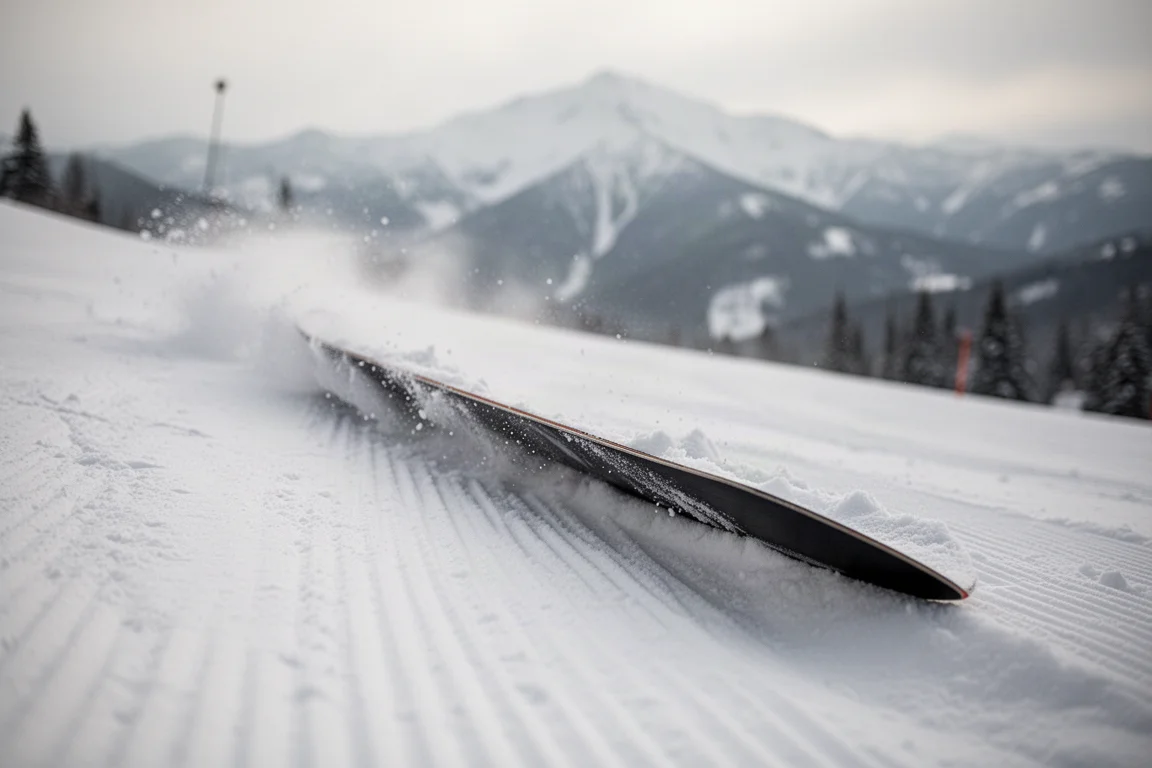
This board has no business being this good on edge, and that is the part that surprised most. On a carve, it locks in and lets you drive with as much power as you want, in a way that recalls older boardercross boards. The most mundane turns become trenches, and it cuts through everything in its path.
The trade-off is turn shape. Tight-arc carves are not happening here; this board excels at long, drawn-out carves where you have room to rip. In crowded areas or tight terrain, it takes more work than you would expect. Given the space, though, the edge performance genuinely blew away expectations for a powder-focused board.
Powder Performance: Float First, Tricks Second
This is a pow board, so it should float in powder. It does, but be prepared to work for it in the park-style moves. The low tip kick means popping a 180 and pressing hard to engage takes real effort, and even then the nose feels a bit soggy. It is a chore, plain and simple.
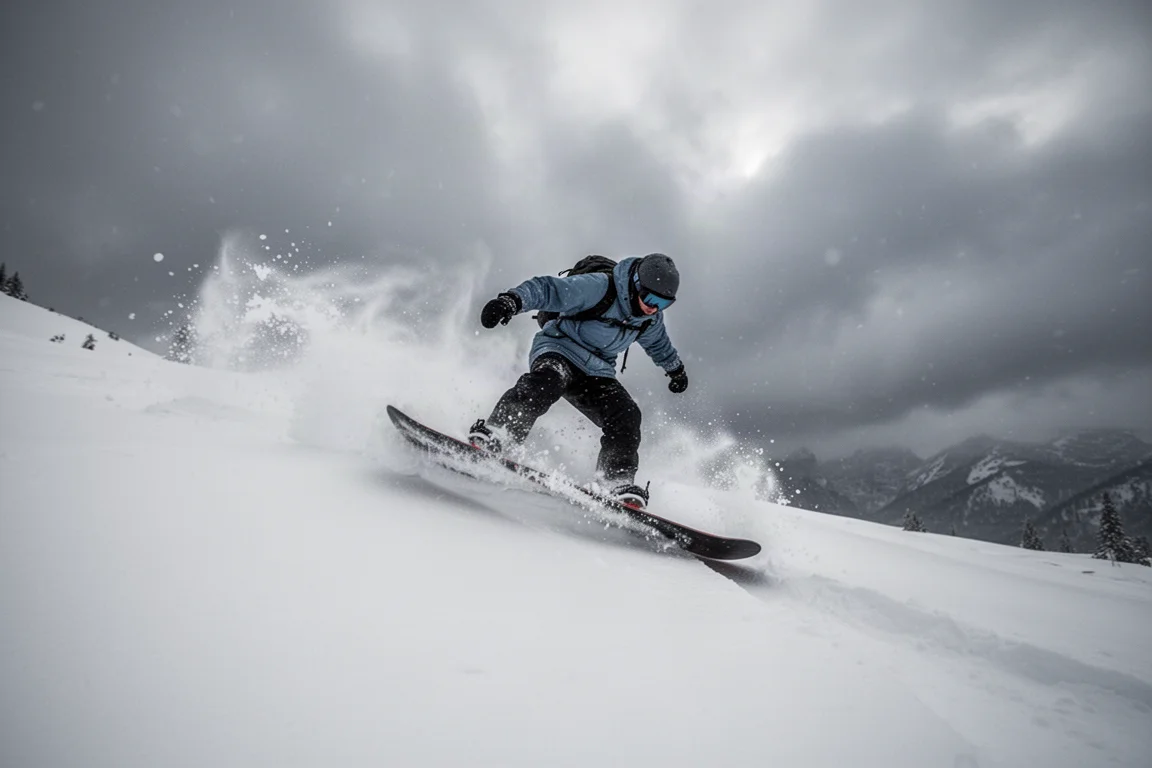
Tail presses are another story: high-speed wheelies for days, though you will be leveraging as far back as possible, nearly dragging a hand on the ground. Neither of these is what the board is made for. The Floater is made to float, and in wind-loaded powder it does exactly that: get on top, porpoise along, and push through anything in its path with next to no leg burn. Sit on the back foot, press into that flex point, and the whole front of the board rises and plows forward.
Who the Floater Is For
The Floater is built for the pow chaser who wants a board that floats and can still carve when the run flattens out. If your days revolve around storm snow, wind-loaded pillows, and wide-open slash fields, this board fits that brief unusually well.
It also rewards riders who like a solid, locked-in feel underfoot rather than a playful, loose freestyle ride. If tight trees and quick pivots dominate your riding, look elsewhere; if big powder lines and long carves are your thing, it deserves a serious look.
Buying Advice
If the Floater sounds appealing, comparable boards worth cross-shopping include the Strand Shorty, the Telos Lumaran Carbon, and the Wired Arc. For bindings, the Fix Block 7 and Union Falcor pair well with its rigid, powerful character.
Given the three sizes on offer, pick based on your weight and how deep the snow you ride tends to be: sizing toward the 157 or 161 leans further into the float mission, while the 153 keeps things a bit more nimble. Either way, go in expecting a rigid, directional ride and it will reward you.
Conclusion
The Slash Floater turned out to be far more than a niche powder oddity. It is rigid, stable, loaded with pop, and shockingly good on edge for a float-focused board. The minimal tip kick and lack of freestyle playfulness are real trade-offs, but for riders chasing deep snow and long carves, Slash is clearly onto something here.
Product link
View more details for Slash Floater
This product is mentioned in the review. Check the specifications, options, and compatibility before buying.
View more details for Slash FloaterFurther reading
Related Reviews

Snowboards
32 Middle Earth Scott Stevens Pro Model Snowboard Review: A Park Board With a Reversed Flex
A medium traditional camber park board with carbon V reinforcement that is stiffer in the tips and more playful between the feet. Here is how it rides and who it suits.

Snowboards
32 Snafu Review: A Directional All-Mountain Freestyle Board with Serious Pop
The 32 Snafu pairs a directional camber-rocker profile with a stiffening tail for powerful carves, big ollies, and a surprisingly damp ride.

Snowboards
32 XXX Pat Fava Pro Snowboard Review: A Stiff Camber Beast for Hard-Charging Riders
A full-width traditional camber deck that rewards aggression with stability and edge power, but demands effort everywhere else.