Ski Gear
Complete Ski Season Gear List: The Layers, Boots, Bindings, and Cameras That Earn Their Spot
A full season-ready ski gear rundown covering base layers, shells, boots, bindings, avalanche safety, and filming equipment, with honest notes on what each piece is actually for.
Introduction
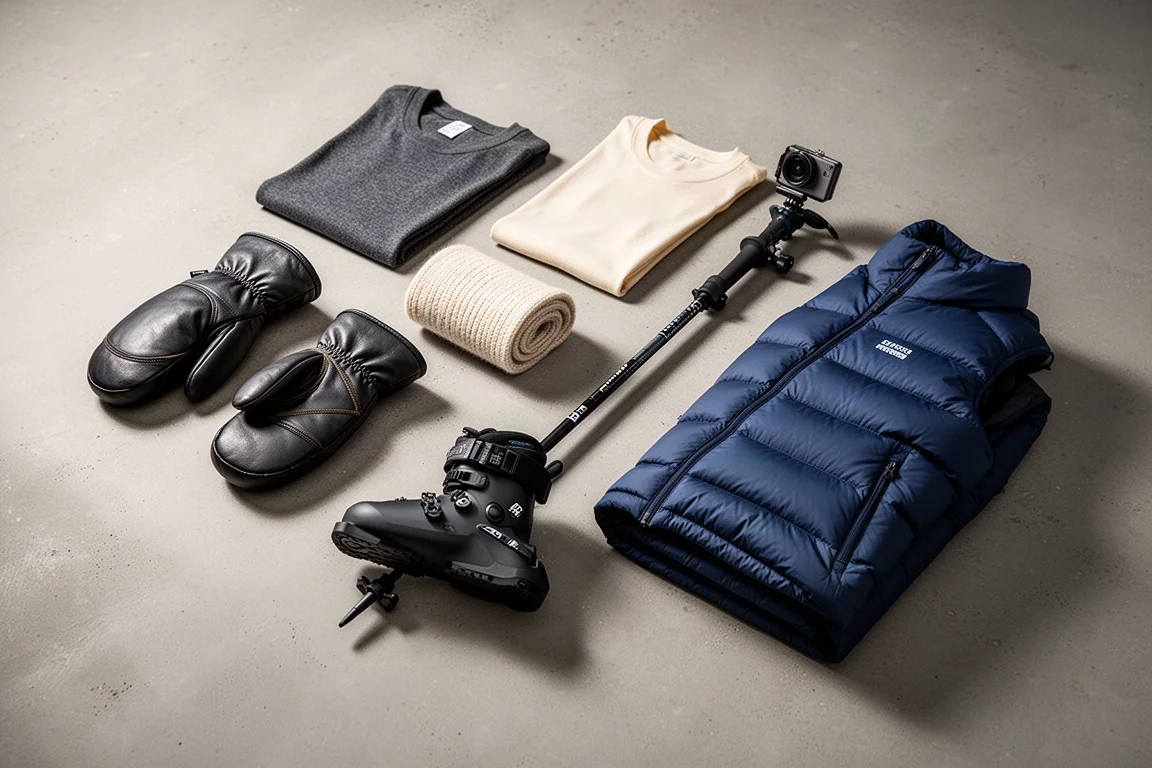
Every ski season starts the same way: gear comes out of storage, smells questionable, and gets sorted into what stays and what goes. This list walks through a complete setup the way most people actually pack for a trip, from the feet up: socks and base layers first, then mid layers, insulation, shells, gloves, helmets, boots, bindings, backpacks, safety kit, and finally the cameras that capture it all.
Everything covered here is gear that has been used regularly in real mountain conditions across multiple seasons, including resort days, spring missions, and multi-day backcountry trips. That matters because ski gear only proves itself after hundreds of lift rides, transitions, and long traverses. Here is what earns a permanent spot, and why.
Base Layers That Make Long Trips Livable
The core packing strategy for long trips is simple: own four or five of each base layer. Merino wool can be worn for three to four days without noticeable odor, so a small rotation can cover an 18 to 20 day trip with only the occasional sock rinse in a sink. If merino is ever on sale, it is worth stocking up.
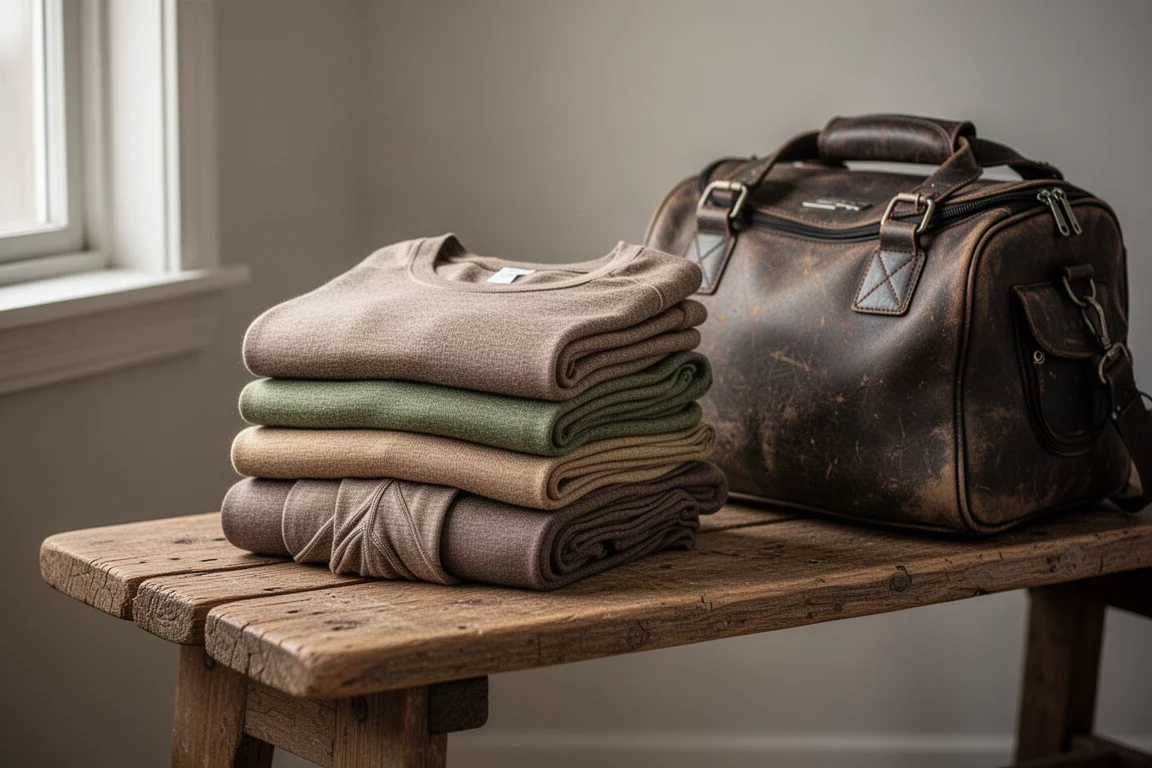
Socks come first because they set the tone for the whole day. Thin, zero-cushion socks are the preference here: bulky padding makes a well-fitted performance boot fit worse, and a sloppy boot fit ruins everything downstream. The same logic applies to base layer bottoms. A comfortable, reasonably priced synthetic blend works just as well as a premium label, as long as it fits properly and does not chafe. Calf-height cuts are a nice bonus for skiing because they remove the bunching that happens under tall ski socks, even though they are less versatile than full leggings for hiking or fishing.
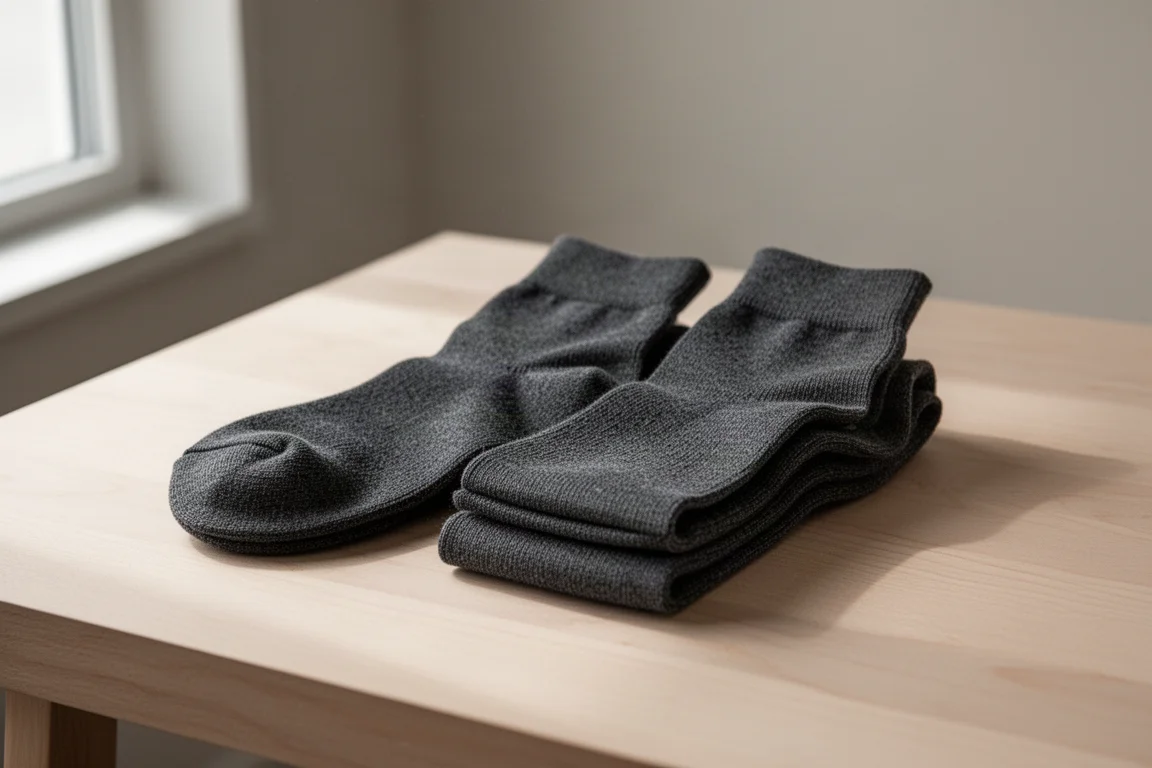
Smartwool Zero Cushioning Socks
These thin ski socks have been in rotation for six or seven years. With no padding under the foot, they keep a close boot fit intact, which is the whole point for anyone whose feet run tight in performance boots. Expect a season or two of hard use before they wear out, especially if they double as hiking socks.
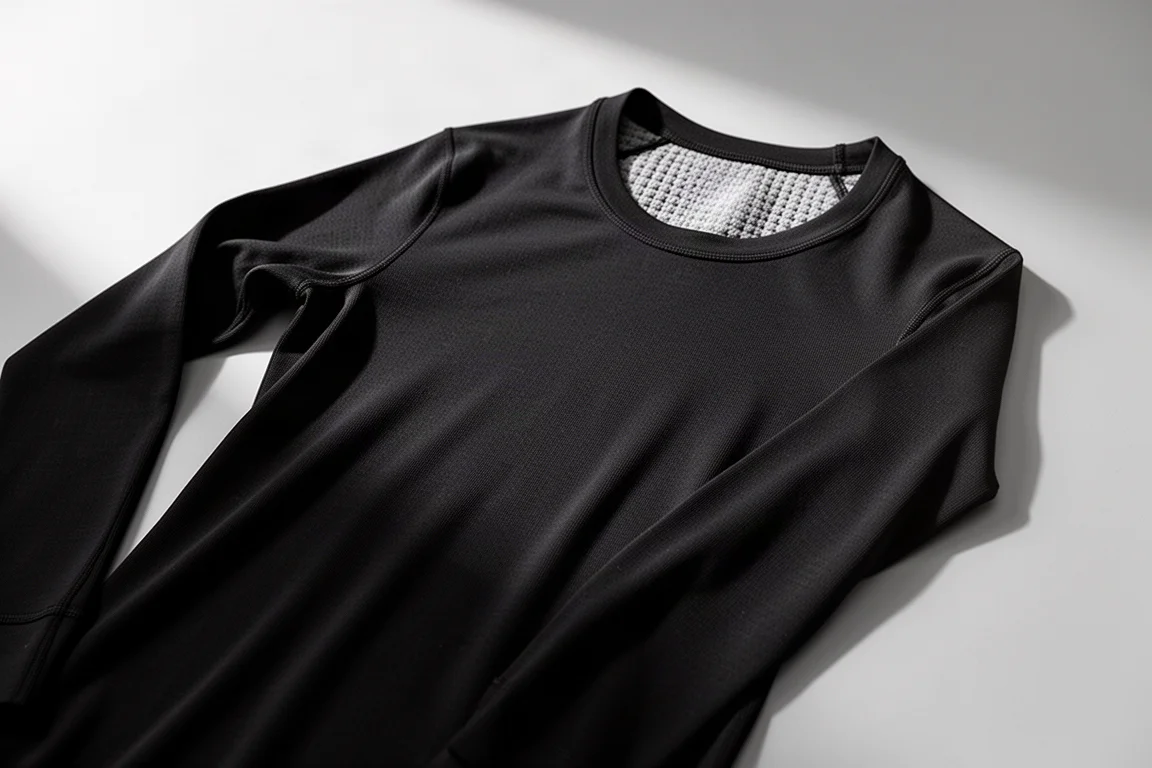
Patagonia Capilene Thermal Weight Base Layer
The newest addition to the top-layer rotation, picked up on a Silverton trip. It runs a touch warmer than the merino tops but still breathes remarkably well, which makes it the default for cooler days when a light merino shirt is not quite enough.
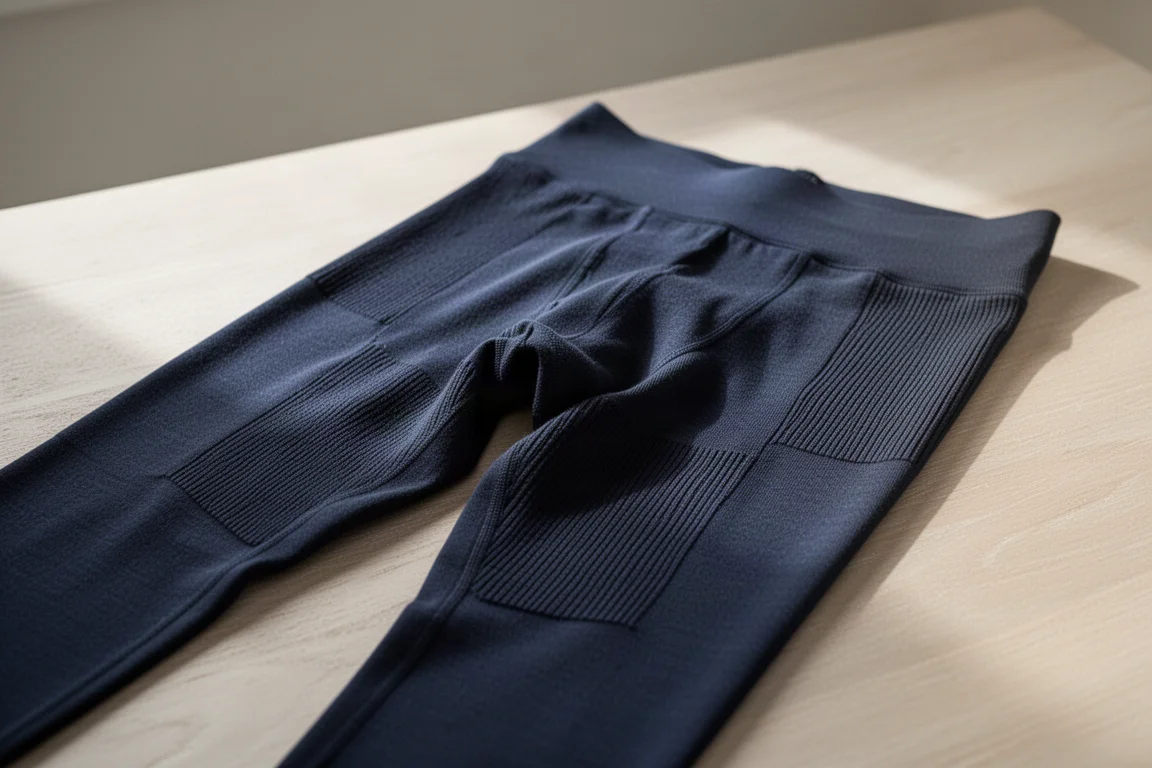
Helly Hansen Lifa Merino Midweight Bottom
The warmest base layer bottom in the lineup, saved for the coldest days under a shell pant. These are genuinely toasty, which makes them a February staple but too hot for spring touring. They round out a four-pair rotation that covers everything from warm spring corn days to deep winter.
Mid Layers
Layering is what actually keeps you warm, especially touring. A traditional fleece sits at the center of the resort kit: a hoodless Polartec fleece from Costco earns daily-driver status because it hits a comfortable temperature and stays out of the way under a shell. For spring, a Helly Hansen Lifa Merino Midweight fleece layers either on its own or over the top of another mid layer for fine-tuning warmth.
Insulating Layers
On cold resort days, insulation goes over the fleece and under the shell. In the backcountry, insulation is a safety item as much as a comfort one: if someone gets hurt or a partner gets cold, staying warm can be the difference in an emergency. That is why the bag usually carries more insulation than a single day strictly requires, so one layer always stays dry.
Patagonia Nano Puff
Seven years of daily use, city wear, fishing trips, and washing have left visible wear and a few hook holes, but it still works beautifully as a mid-layer insulator. The aged insulation has thinned enough that it layers even better than when new. It is the resort-day cold fighter.
Mountain Hardwear Whisper Light
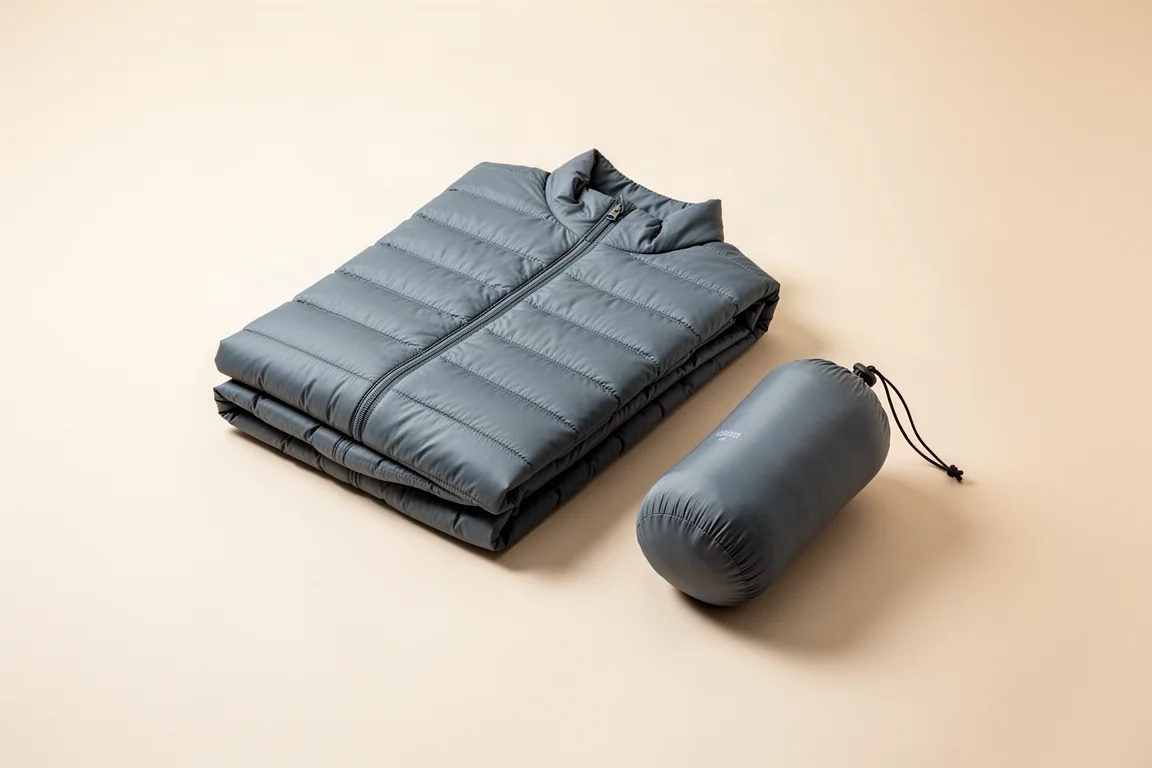
The favorite down jacket of the current lineup. It is not quite as warm as a bigger puffer but very close, packs down far smaller, and weighs almost nothing. Packed down it is roughly the size of a Nano Puff yet noticeably warmer, which makes it an ideal backcountry second or third warmth layer that lives at the bottom of the touring bag.
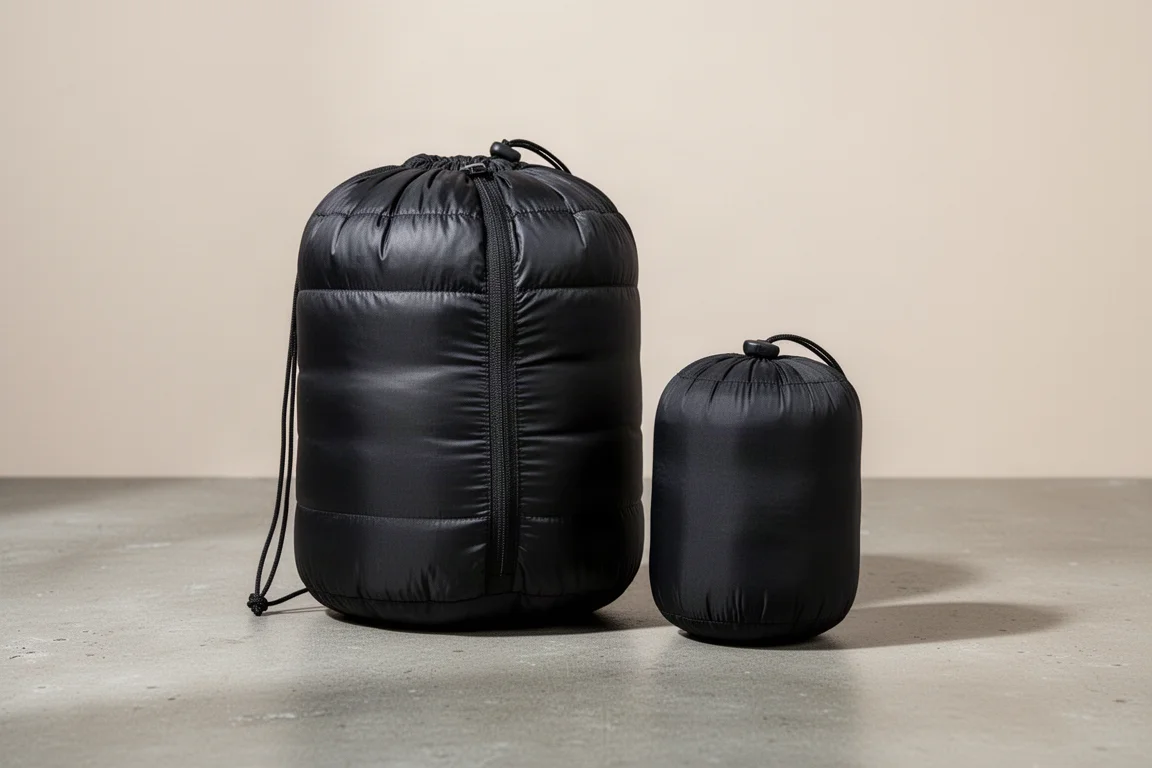
A bonus mention goes to Patagonia DS shorts with zips, worn over or under ski pants. Most riders running hot will not need them, but for standing around filming, race gates, long transitions, or cold hut nights, they are remarkably warm, pack tiny, and even double as an improvised pillow on hut trips.
Shell Jacket and Pants
A reliable shell is the outermost line of defense, and two setups currently split duty.
Patagonia PowSlayer Jacket
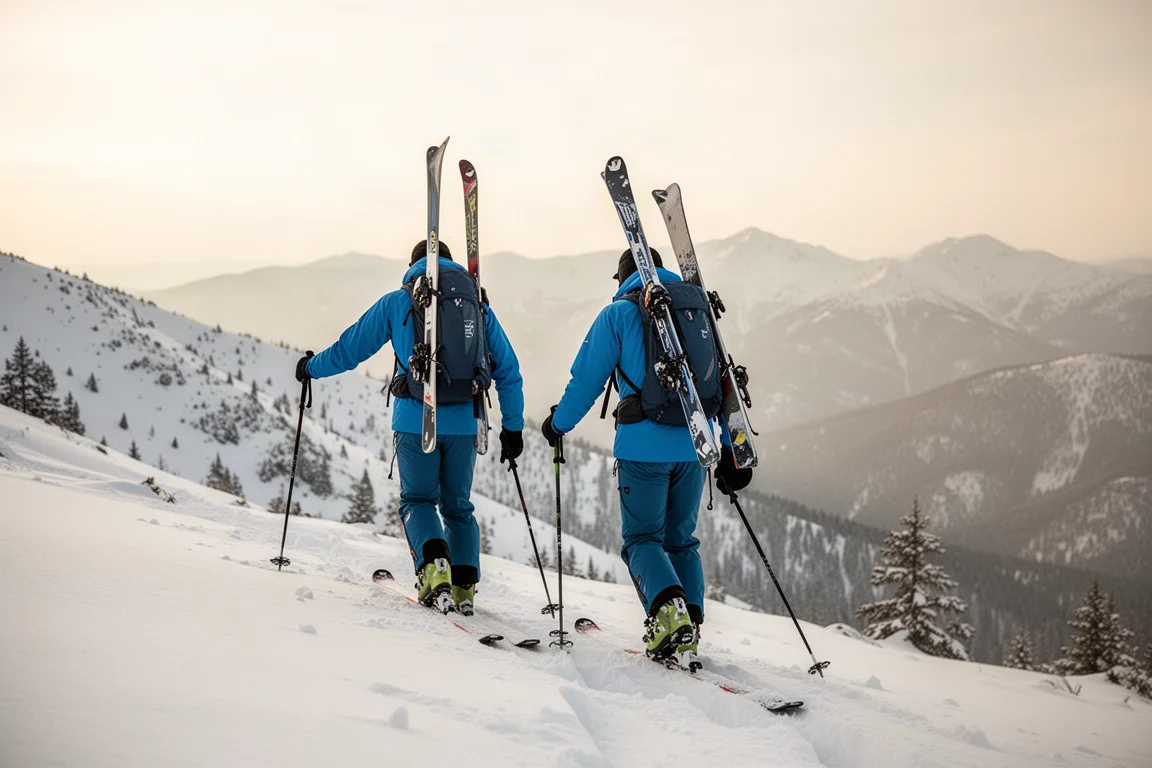
The new daily driver for this season. This jacket and pant combo is fully waterproof, PFC-free, and impressively light. The design details are excellent: a hood that stretches over a helmet without opening the jacket, a helmet-compatible cut that does not fight backpack straps, a chest pass pocket, and enormous front pockets that swallow skins, snacks, or a suspicious number of sandwiches. The one missing touch is thumb hand-warmer loops, which the base layer system makes up for.
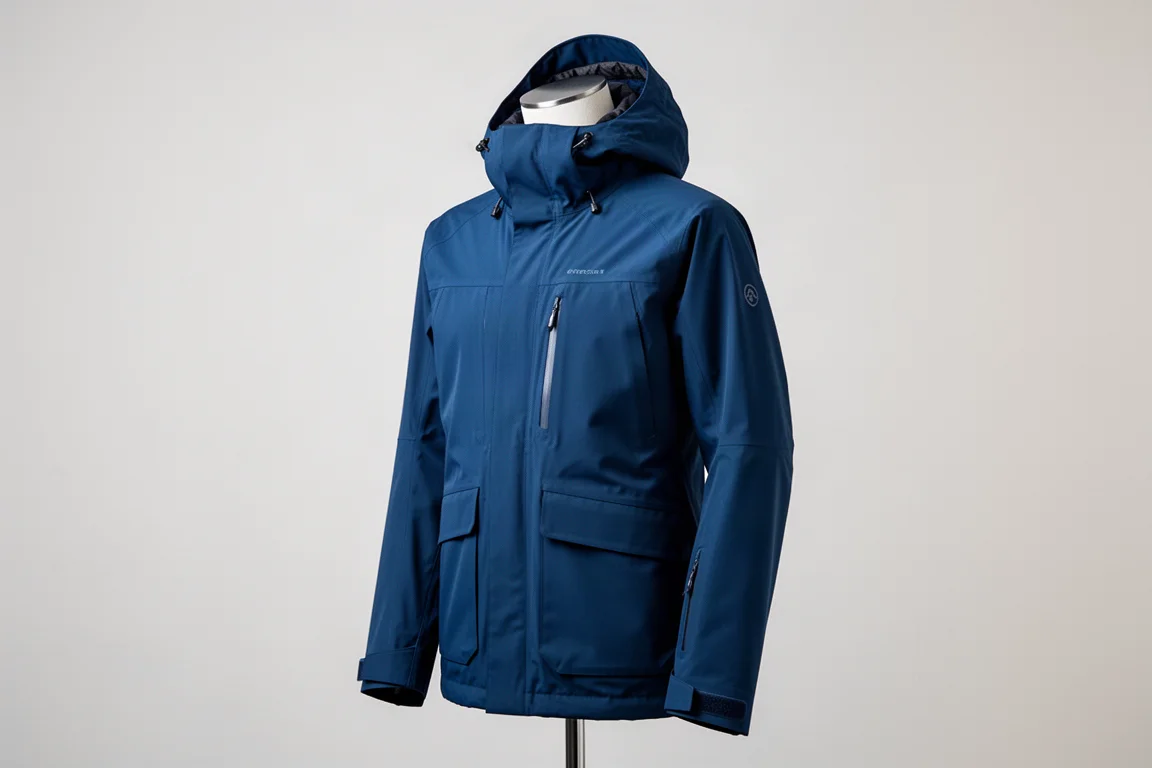
As a secondary note, the Helly Hansen Ridge Infinity 2.0 jacket and bib pants served as last year’s daily drivers and now become the backup set. They fit clean and not overly baggy, the bibs have a zippered chest pocket, and the thumb loops in the cuffs are genuinely useful. The trade-offs: a removed side zipper pocket and a chest pocket that sits low enough for a phone to tap the knee. Still a fabulous kit, and having two full shell outfits is handy on the West Coast when one set is soaked.
Gloves and Mittens
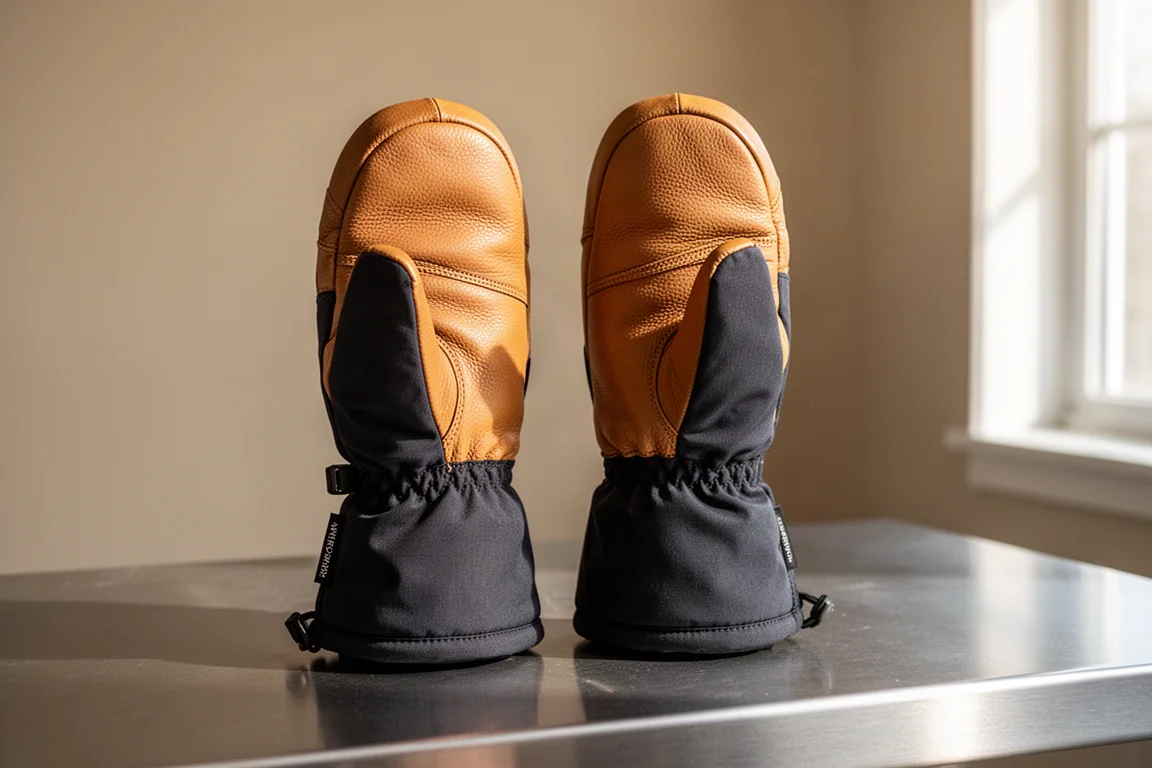
Mittens beat gloves for warmth. For skiers with perpetually cold hands, leather mittens with a warm liner have kept hands comfortable through three years of hard use, including enough camera fiddling to stay practical. A Gore-Tex glove alternative may stay drier in wet coastal climates, but the warmth-to-dexterity balance of a good leather mitten is hard to beat. Thin insulated glove liners work well for the skin track in spring, and a cheap pair of Showa Atlas gardening gloves with grippy palms lives in the first aid kit for scrambling on cold rock. Spare gloves on a touring day are never a bad idea.
Hestra Fall Line Mittens
Three years of the hardest use any glove sees has left holes in the leather, split seams, and worn-through liners, which is honest wear for the most-used piece of kit on the body. Twice a year the wrist straps snap off and get replaced, sometimes for free through Hestra. Warmth has been excellent until the recent holes arrived, and the repair path is reason enough to buy again.
Helmet, Goggles, and Sunglasses
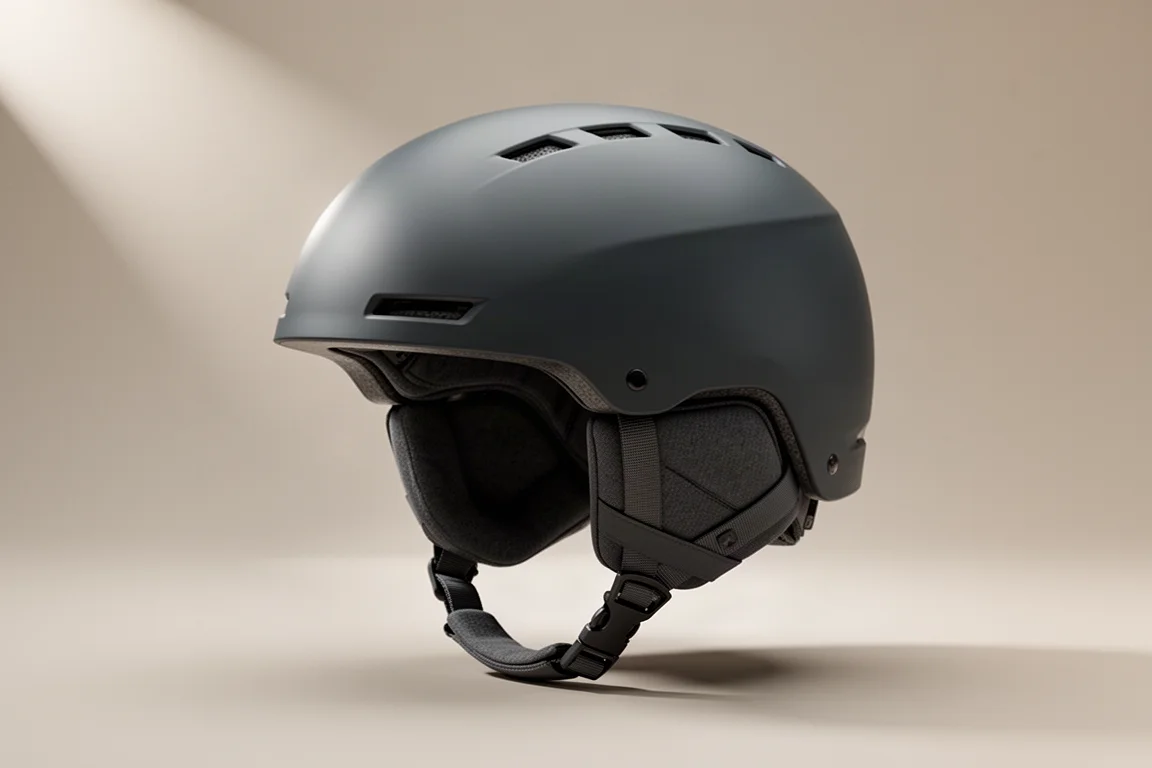
Head protection is non-negotiable, and a helmet also carries the camera mounts. The Zeal Lookout goggles pair well here: a slightly larger fit gives strong peripheral vision, and the wide top bridge actually props the helmet forward so a pole-mounted or head-mounted camera sits stable. On the eyewear side, Zeal Cellkerk sunglasses with removable side panels handle glacier travel, while Ombraz Refugio sunglasses with armless, croakie-style straps turn out to be surprisingly comfortable on long runs since nothing rubs the ears. An extra pair of cheap wraparounds always rides in the touring bag.
Smith Vantage MIPS Helmet
A long-overdue replacement, and deliberately the exact same model as before. After the men’s version sold out, research confirmed that Smith’s men’s and women’s helmets share identical sizing and differ only in ear pads, so a women’s large solved the problem. Camera mounts transfer right over. Sometimes the right upgrade is simply replacing what already worked.
Ski Boots Worth Getting Fitted
Boots are the most personal piece of ski gear, and the honest advice is blunt: buy a pair new, get them fitted by a professional, then add booster straps. Aftermarket power straps outperform anything the boot brands include, and the difference on the hill is real, not hype.
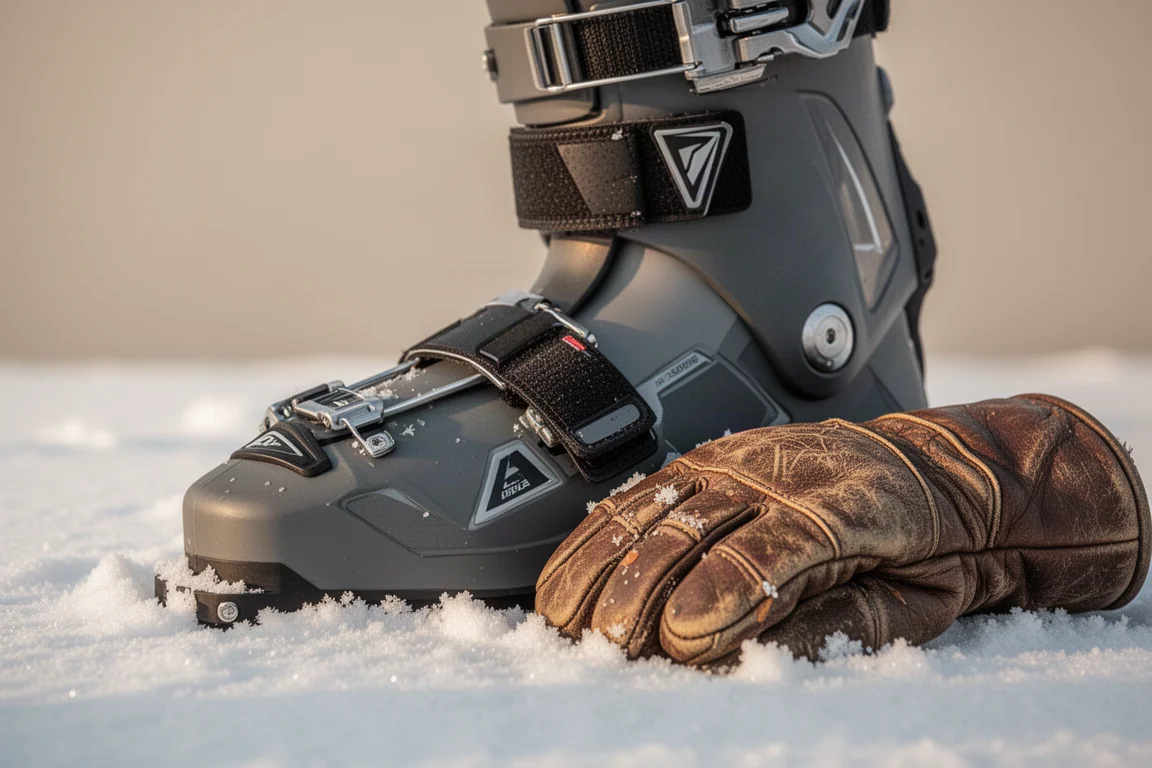
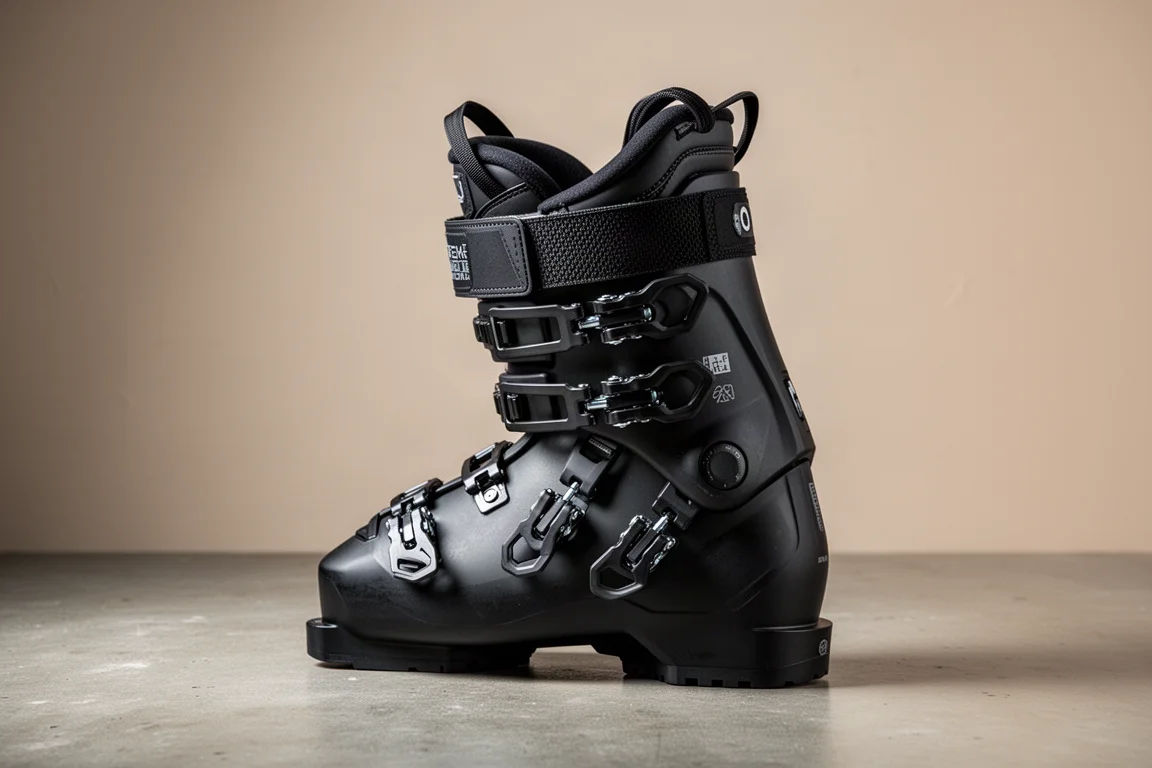
Three Nordica boots cover the range. All are 130 flex. The discontinued Strider fits the best but is heavy for touring; the Speed Machine 130 is the stiff, resort-focused boot being transitioned into; and the Unlimited LT130 is the lightest of the three, ideal for big touring and spring days but not the right call for hard resort skiing at a heavier body weight. A boot that flexes well for one skier may not for the next, so fit should always come before brand loyalty.
Nordica Speed Machine 130
The full resort boot with no touring mode, and the boot being grown into for the season ahead. Performance is sharp and it handles hard resort skiing confidently. It squeaks, the liner is still being broken in, and the booster straps still need transferring over, but the downhill performance makes the transition worth it.
Bindings
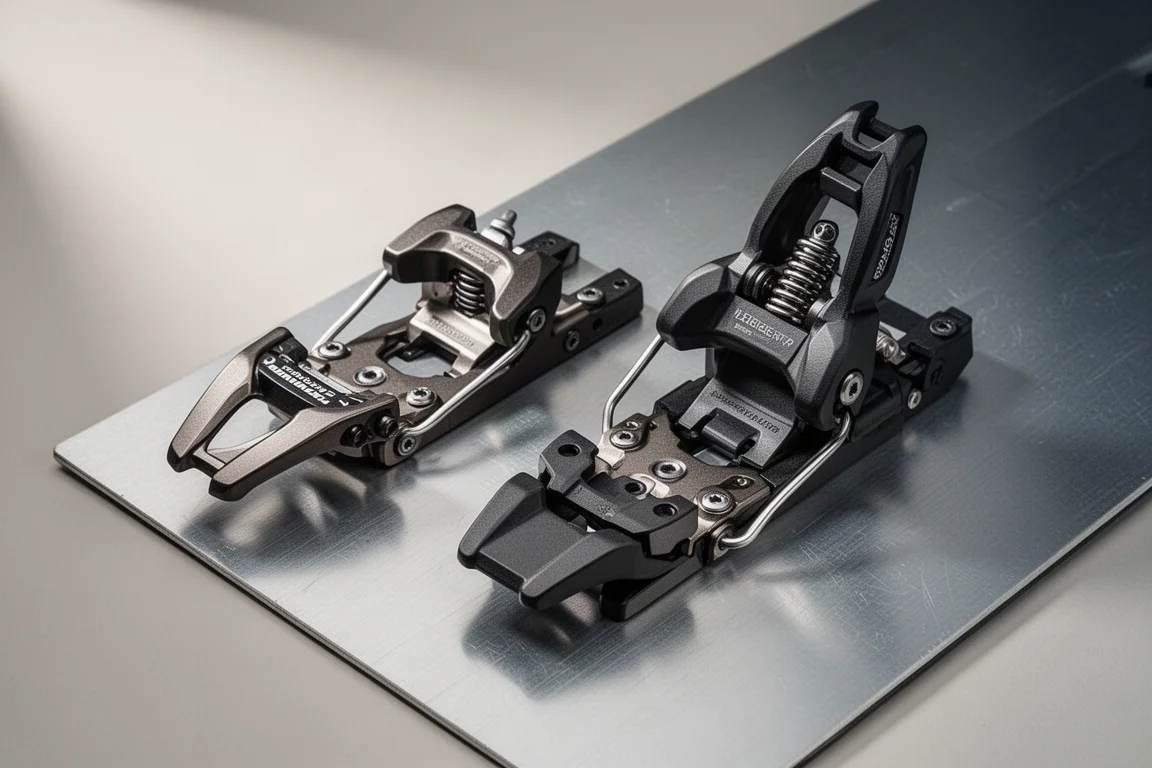
Binding choice is a weight-versus-confidence decision, and one binding stands above the rest. The Marker Duke PT 16 has been the daily driver for four years: the toe piece pops off for touring and reattaches for a full resort-grade downhill experience. It is heavy and clunky, but the security and downhill performance are worth every gram. The Marker Jester 16 is the classic no-brainer for pure resort skis. The Marker Kingpin 13, added last year, turned out to be a rock-solid middle ground at roughly half the Duke PT’s weight, and the earlier fear of pin bindings turned out to be a boot-fit issue all along. CAST Freetour is another solid hybrid option; dedicated tech bindings like an ATK suit the ultralight crowd, but not everyone needs to chase grams.
Marker Duke PT 16 Binding
If one binding had to last a lifetime, this would be it. Full resort-level security on the way down, a removable toe for the skin track, and enough trust earned over four years to run it on powder skis in the backcountry without hesitation. Heavy, yes. But dependable in a way that lets you ski every ski in the quiver.
Poles, Packs, and Safety Gear
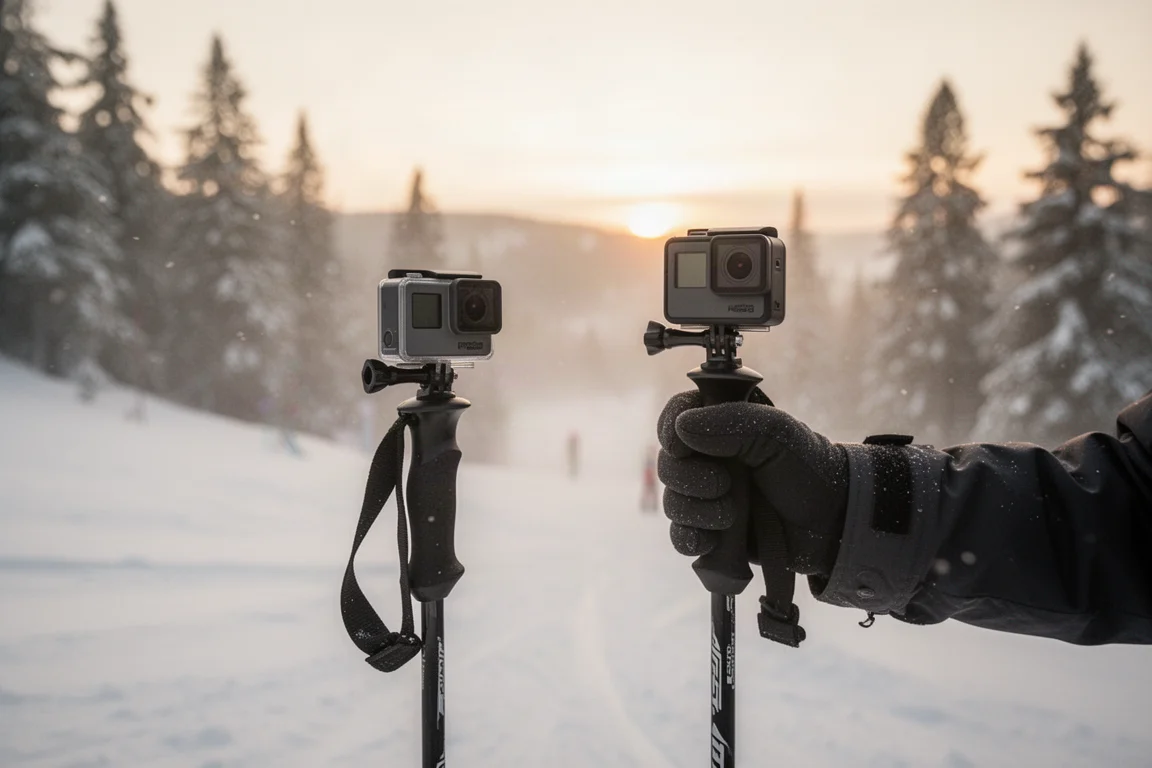
Poles with integrated camera mounts, like the Diorum FR with its mono mount and quarter mount, have quietly changed how ski footage gets captured: a magnetic camera on the pole grip and an invisible selfie stick screwed to the pole make hands-free POV filming easy on both the climb and the descent. The poles themselves have survived years of abuse without a single break.
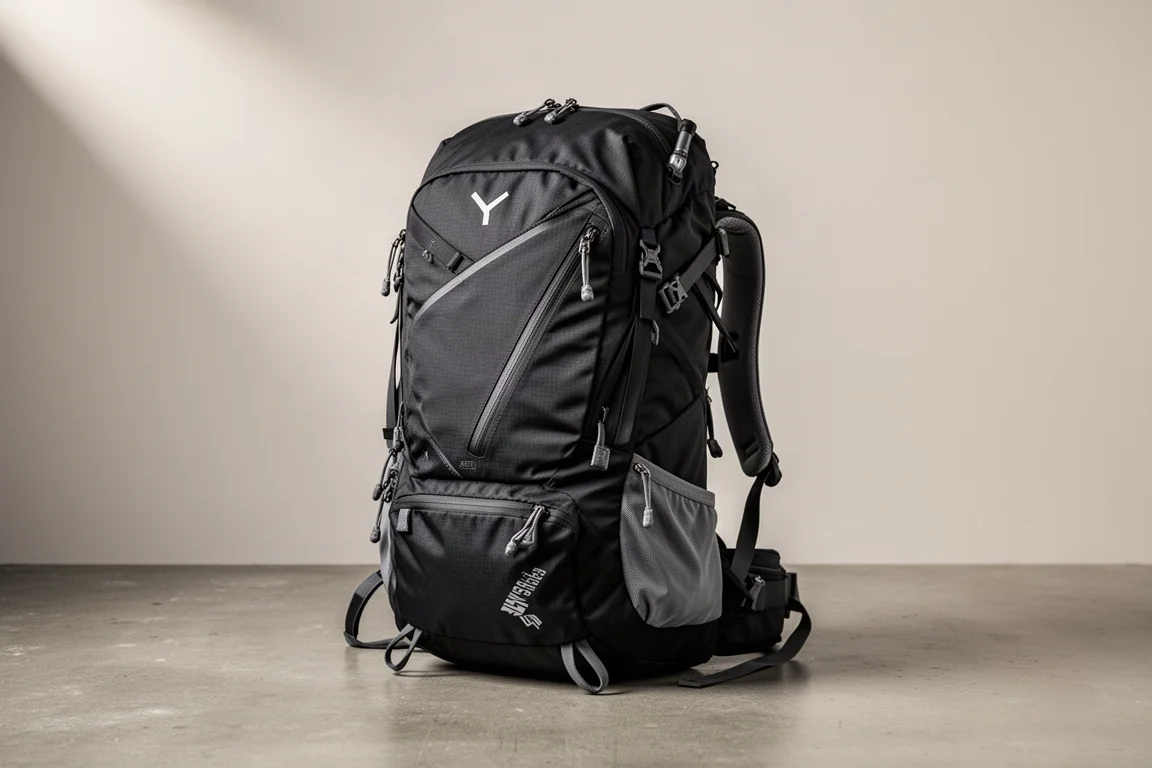
On the pack side, a 20-liter BCA Stash handles daily resort duty, while the Patagonia PowSlayer 38L covers everyday touring with durable, simple design, though its helmet carry could cinch better and pocket count is minimal. The Diamonte Weekend Warrior bag earns a special mention as a genius travel solution: sleek enough to carry ski boots onto a plane or bus, with room for goggles, an outfit, and a change of clothes. For safety, the essentials are a BCA Stealth 300 aluminum probe, a BCA B2 extendable shovel, a Black Diamond Recon BT beacon purchased six years ago, and a survival kit with first aid supplies, hand warmers, a bivy, a multi-tool, extra batteries, and a Black Diamond Spot headlamp.
BCA Float E2 Airbag
The right size for a full day tour with room to spare, thoughtful pocket layout including a dedicated avalanche gear pocket and a stash pocket that fits a big water bottle, and the Alpride firing system tucked inside. The main gripe: under heavy loads the airbag compartment zipper can creep open, which is annoying on long ski-carry days. Still a proven, dependable companion.
Two more tools round out the kit. A Spot X satellite communicator keeps people at home updated from out of service, and Rocky Talkies walkie-talkies solve a problem most skiers never anticipate: voice carries almost nowhere in the mountains, especially in wind. For tree skiing or blind lines, radios are the only reliable way to confirm nobody skis the same line at the same time.
Filming Gear That Fits in a Ski Bag
The filming setup is refreshingly simple: three cameras, one microphone, spare batteries, done. An iPhone handles talking-head work on a tripod, supplemented by an external microphone since phone audio suffers with wind and construction noise. On the mountain, a cube-style action camera serves as the vlog camera, riding the magnetic mount on the ski pole, while a 360 camera captures all POV, selfie, and ski footage. Carry roughly three spare batteries for the action camera and one or two for the 360, and that is the entire kit.
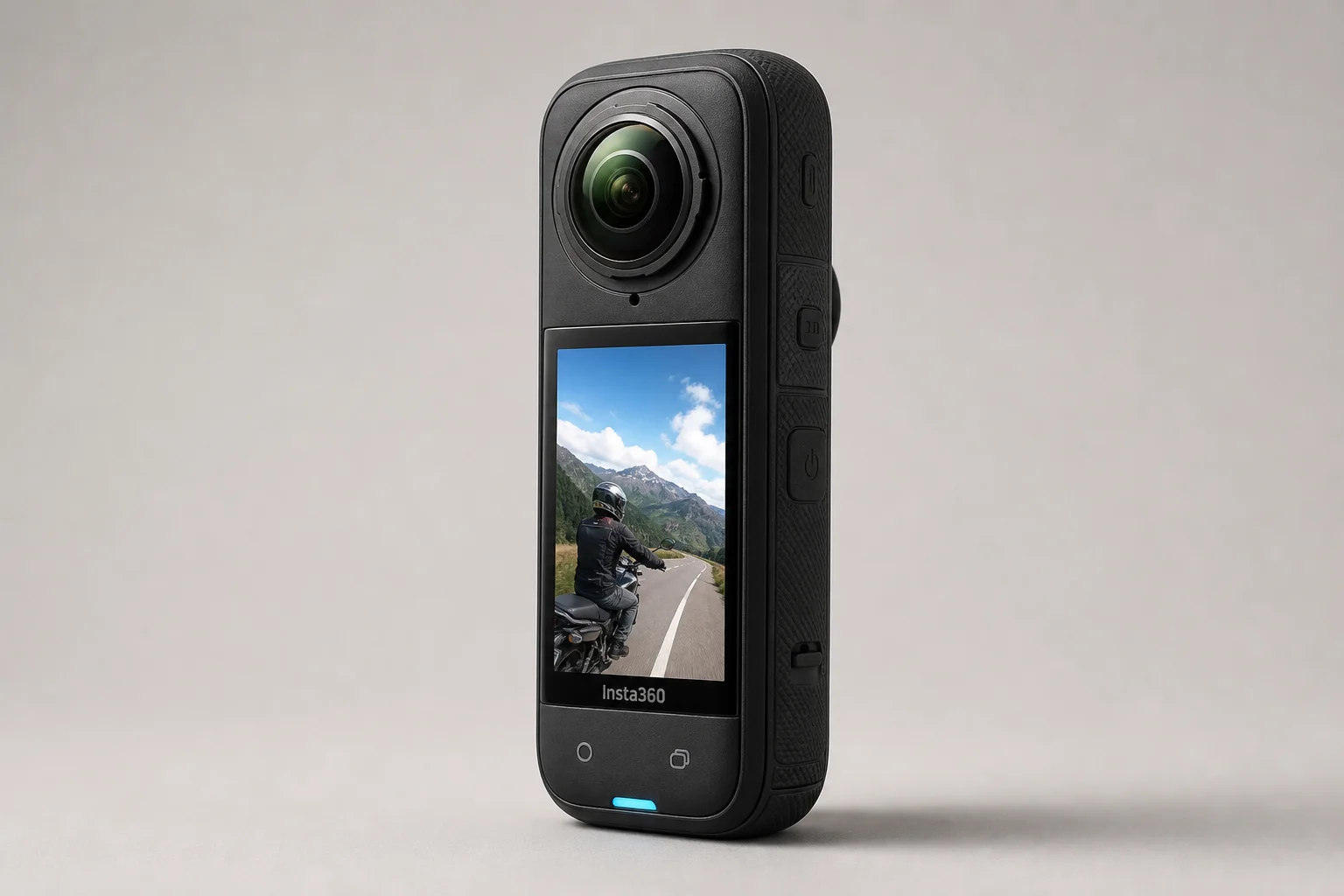
Insta360 X5
The newest addition to the filming kit and the 360 camera of choice this season. The X4 before it was already a great ski camera, and the headline upgrade is practical rather than glamorous: a replaceable lens. For anyone investing serious money in a ski camera that spends its life around trees, rocks, and hardpack, a user-replaceable lens saves serious money over a cracked one. Full review still to come.
Buying Advice
The pattern across all of this gear is consistency over novelty. Thin socks that preserve boot fit, base layers bought in multiples so laundry becomes optional, one warm puffer reserved as a safety layer, mittens over gloves, a hybrid binding chosen for confidence over weight savings, and a small camera kit that actually gets carried every day. When something works, it gets replaced with the same thing rather than replaced with something new.
A few universal takeaways: get ski boots fitted professionally before anything else, add power straps immediately, put real money into the avalanche beacon because it is a life-saving device, and always carry one more warm layer in the backcountry than feels necessary. Warmth, in an emergency, is not optional.
Conclusion
None of this gear is exotic, and that is the point. It is a setup built around fit, reliability, and specific use cases: merino for long trips, thermal synthetics for cold days, leather mittens for warm hands, a hybrid binding for skiers who want one quiver, and compact cameras that disappear on the pole. Match each piece to how and where you actually ski, and the whole kit gets lighter, warmer, and easier to live with every season.
Further reading
Related Reviews

Ski Gear
2023 Blizzard Hustle vs Rustler: Six Freeride Skis Compared
Blizzard's 2023 Hustle collection rebuilds the Rustler shape with a lighter core and no metal. Here is how all six skis differ, and which one suits your riding.

Ski Gear
2023 Skis of the Year: Atomic Maverick 88 TI, Salomon QST 106, and Look SPX 12 Pro
Three standout ski picks for all-mountain carving, powder days, and reliable binding performance, with practical buying notes for 2023 models.

Ski Gear
2025 Nordica Enforcer 104 Review: A Directional Charger Replaces the 104 Free
The 2025 Nordica Enforcer 104 drops the Free name and the twin-tip personality, gaining weight, stiffness and composure in rough snow. Here is what changed and who it suits.