Ski Gear
Ski Recommendations 2026: Seven Skis for Mixed and Variable Conditions
Seven all-mountain and powder skis matched to real conditions, from lightweight carving skis to forgiving deep-snow shapes.
Introduction
Variable snow is where most ski buying decisions go wrong. A ski that feels brilliant on a freshly groomed run can feel punishing the moment the surface turns to chopped-up crud, and a ski that floats beautifully in deep snow can feel vague and slow everywhere else.
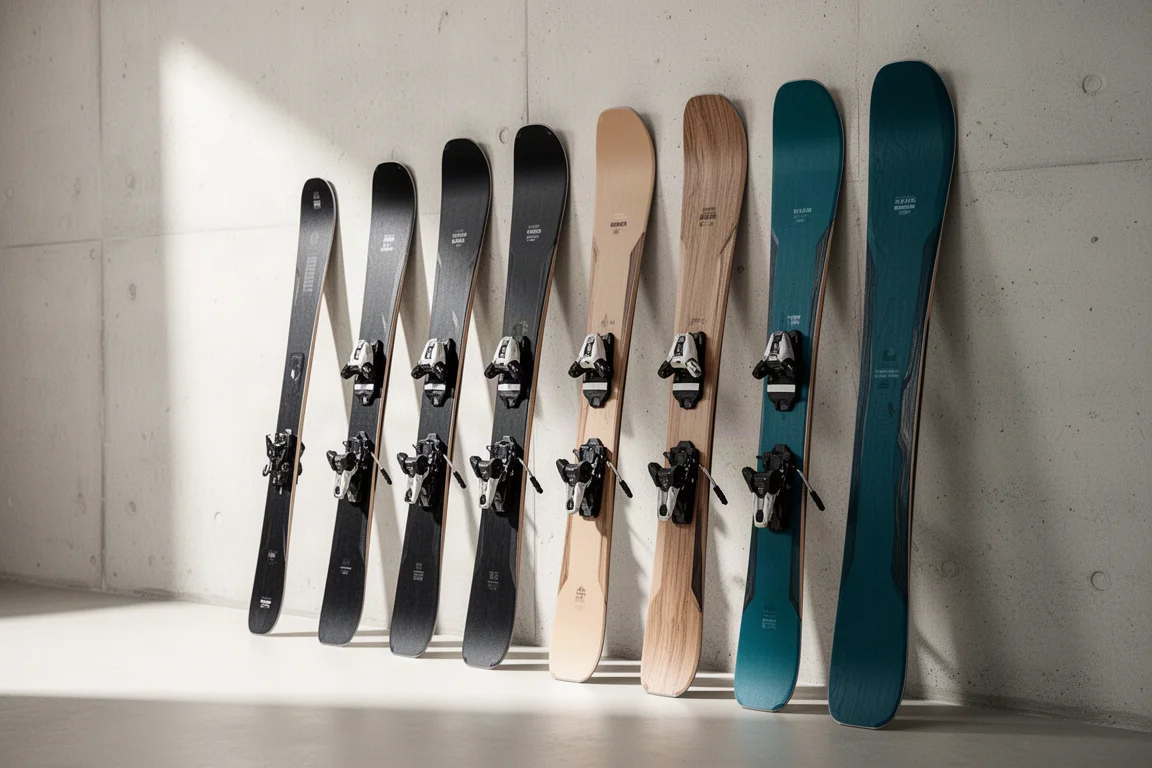
The seven skis below cover that spread of needs, from narrow and lightweight carving shapes to forgiving powder skis. Each has a clear character and a clear set of conditions where it makes sense. The goal is to help you match a ski to the days you actually ski rather than to an imagined perfect quiver.
How to Match a Ski to Your Conditions
Two things shape a recommendation more than anything else: rider weight and the kind of snow you spend most of your time on.
Lighter skiers generally get more out of lighter skis. A light ski bends more easily under a lighter rider, which makes it turn more readily and feel less like work over a long day. Denser, heavier skis carry momentum better through chopped-up powder and crud, but they also tend to sink and cut through soft snow rather than float over it.
That trade-off explains why no single ski covers every scenario. A ski that is genuinely good in moguls, in trees, in heavy coastal powder, and still carves cleanly on hardpack does not really exist. What you can do is decide which part of that list matters most and choose accordingly.
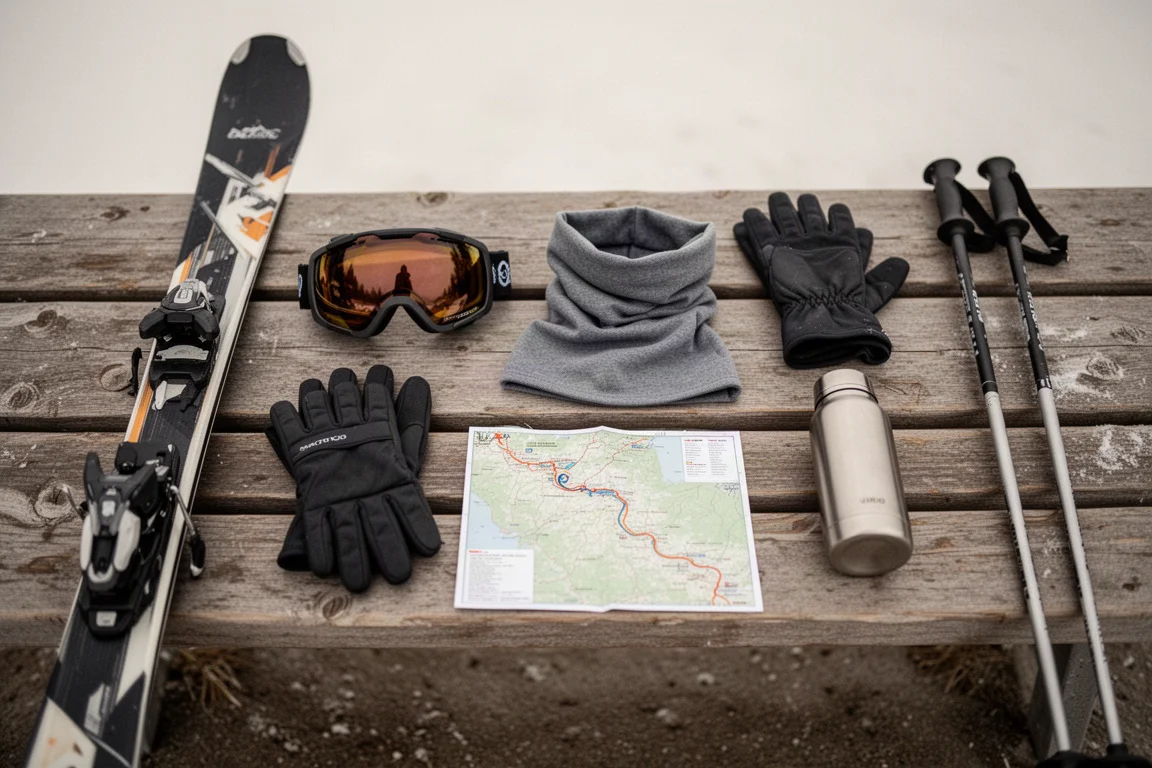
Weight also matters if you plan to travel under your own power. Light skis are easier to traverse with, easier to hike out on, and far more forgiving when a wrong turn leaves you side-stepping along a ridge.
Head Kore 87: A Lightweight Carver That Can Leave the Groomers
If you are a lighter skier and your current all-mountain ski has started to feel stiff and heavy, this is one of the most natural places to look. The Kore 87 turns quickly, feels very responsive, and has enough shape to stay useful both on and off trail.
It is a strong fit for the rider who wants one lightweight ski that carves well and can still be taken into the trees without feeling like a compromise. If your reference point is an older, stiffer all-mountain ski, the difference in effort over a full day is the part that tends to stand out.
Head Kore 105: An Approachable First Powder Ski
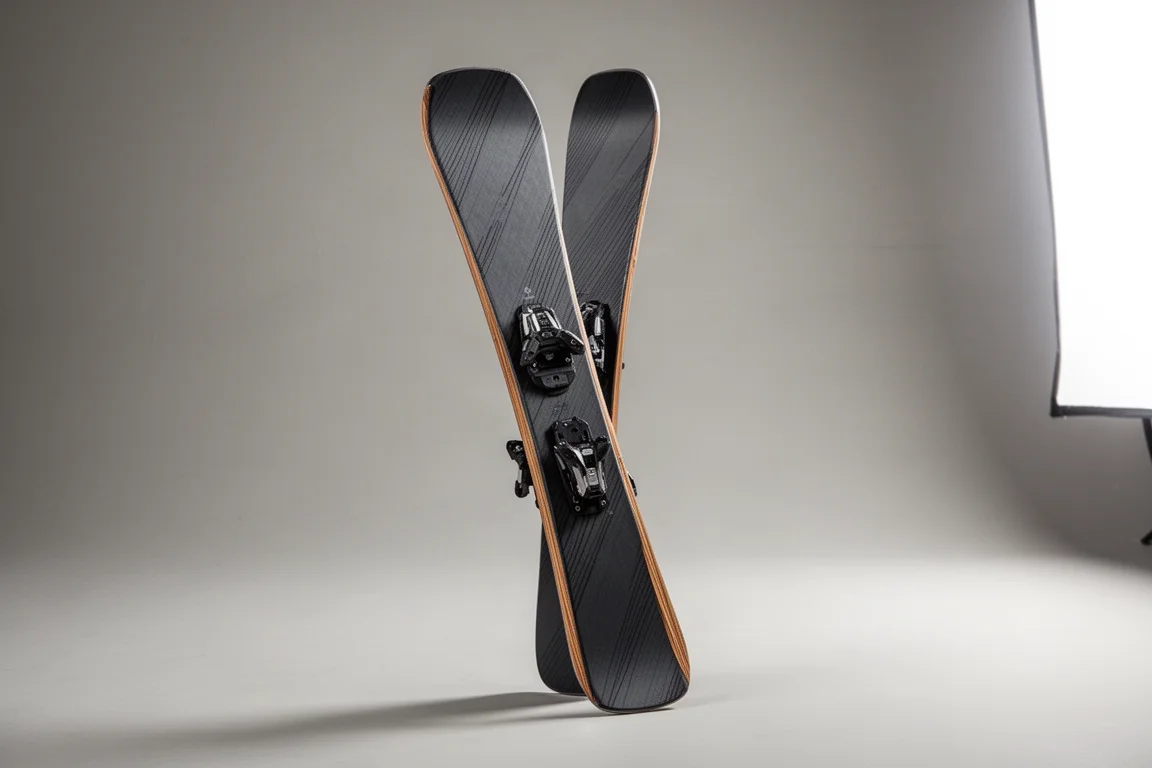
For riders who want a dedicated soft-snow ski, the Kore 105 is light, forgiving, and easy to get along with. It works well as an introductory powder ski, which makes it a sensible choice if you are adding a second ski rather than replacing your daily driver.
The low weight also makes it a natural option for backcountry use. Light skis are far easier to traverse with and to hike out on, so a setup like this stays manageable even when a line does not go the way you planned.
Atomic Backland 102: Forgiving Flotation Off Trail
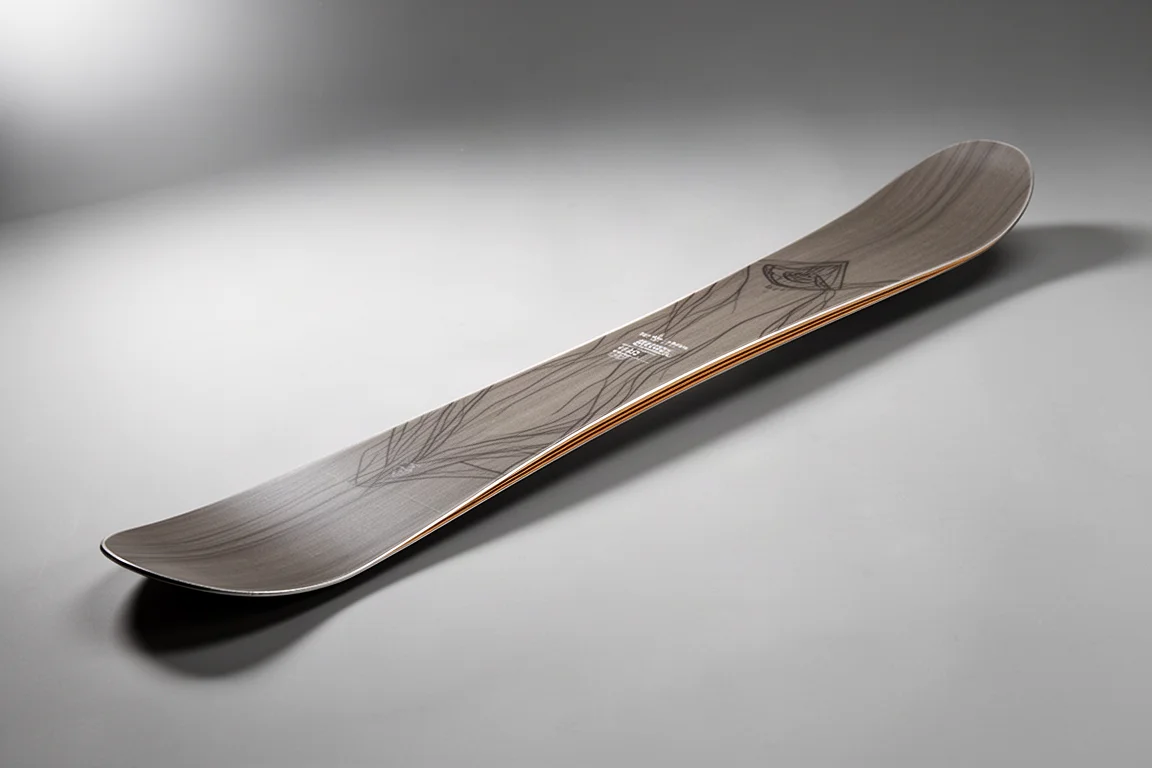
The Backland 102 is one of the most forgiving ways to get off trail. It is not an especially wide powder ski, and that is part of the appeal: the narrower platform keeps it easy to handle while still offering the flotation you want on soft days.
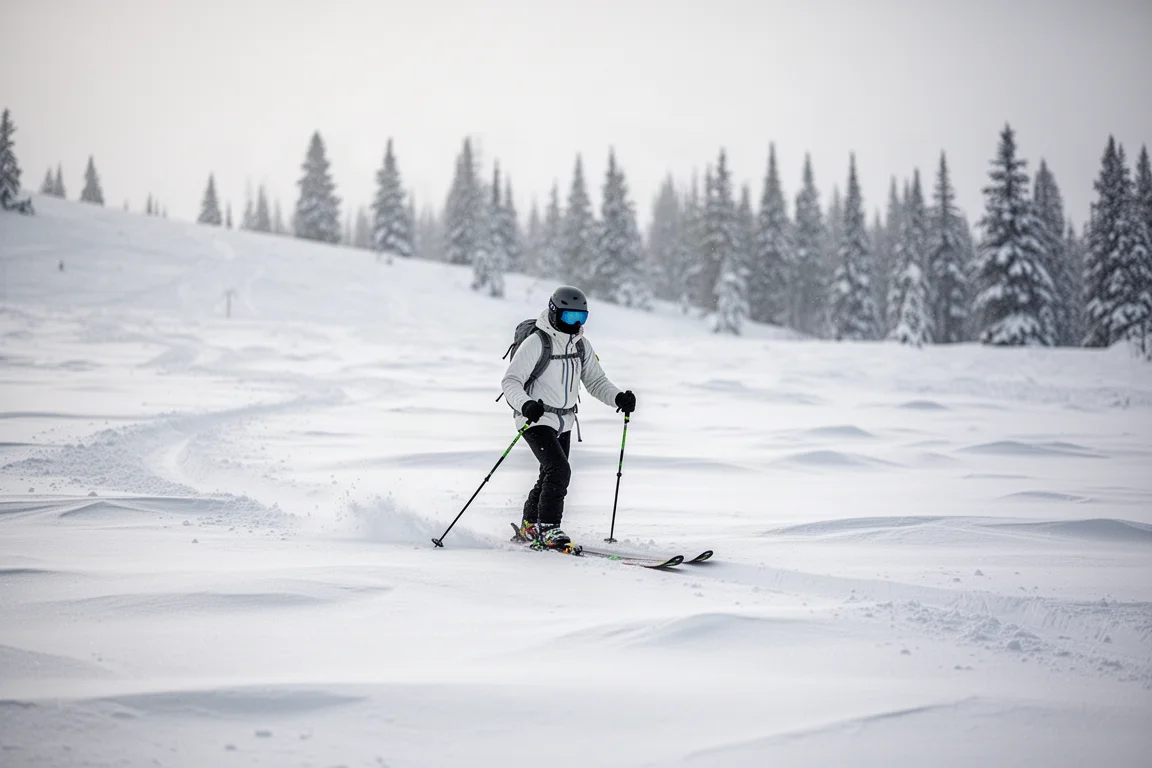
Because it sits in the lightweight powder category, it doubles as a practical backcountry companion. When a wrong turn forces a traverse or a long side-step out, a light ski is the difference between an inconvenience and a genuinely hard afternoon.
If you want one soft-snow ski that stays approachable rather than a wide, demanding powder board, this is the shape to look at.
View more details for Atomic Backland 102
Atomic Maverick 88 TI: Light and Accurate, With a Firmer Flex
The Maverick 88 TI is light, accurate, and confident off trail, where its Horizon Tech construction adds noticeable flotation. It rewards a rider who likes a precise, connected feel underfoot.
The trade-off is flex. This ski sits on the stiffer side and is not as forgiving as the softest options here, so it suits someone who wants accuracy and response rather than maximum comfort. If you get the chance to try it, it is worth taking, because the light weight is genuinely noticeable.
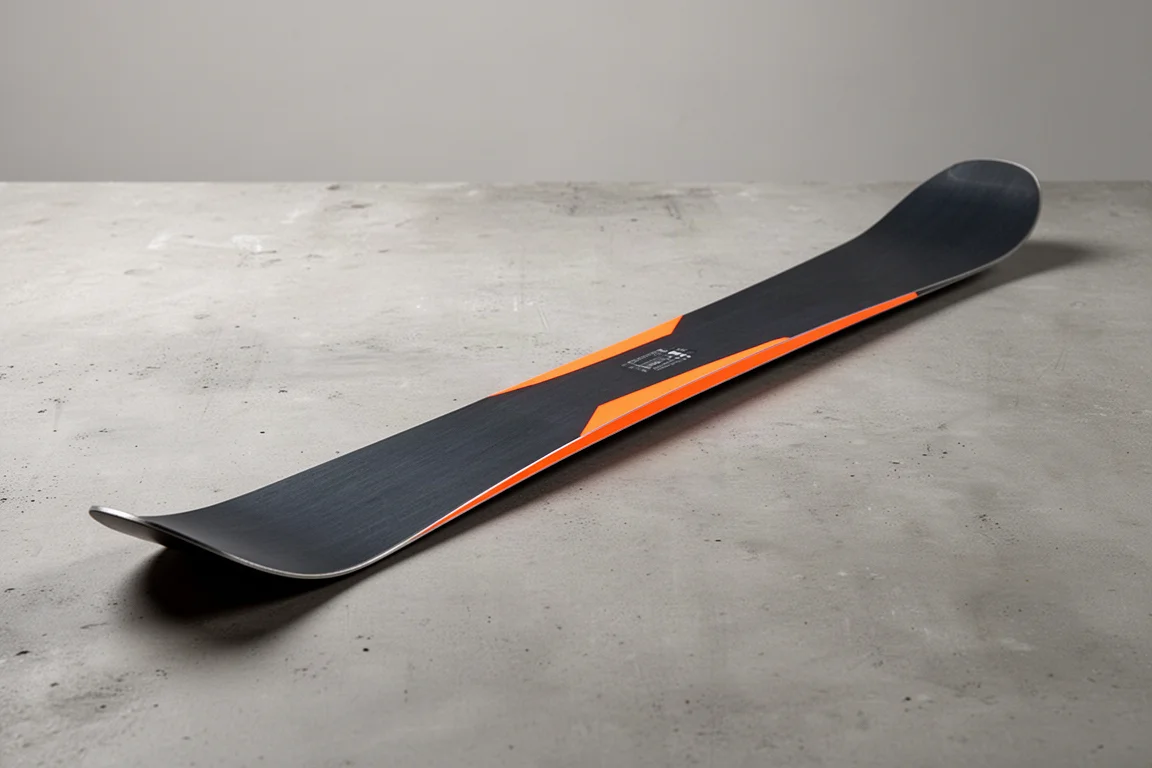
Black Crows Octo: Short-Radius Turns and Powder Versatility
The Octo is a genuinely versatile all-mountain ski. It excels at short-radius turns, which makes it a natural pick for instructors and anyone who spends the day making tight, shaped turns, but it can also be stretched out into longer arcs when the terrain opens up.
It performs well in powder and in the trees as well, so it covers more ground than a pure carving ski. The main caveat is weight: it is not the lightest ski in this group, so a rider specifically chasing low weight should look at the lighter options above first.
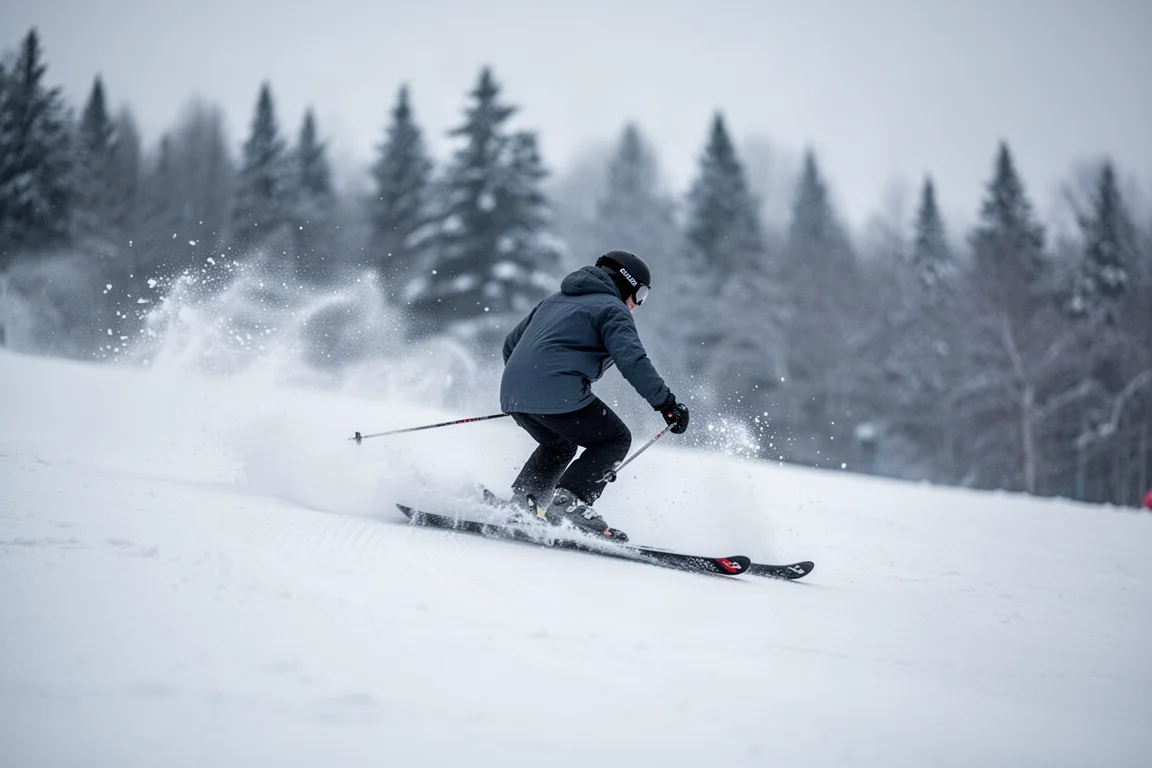
For a rider who wants one ski that handles tight turns beautifully and still holds up in soft snow, this is the most obvious answer on the list.
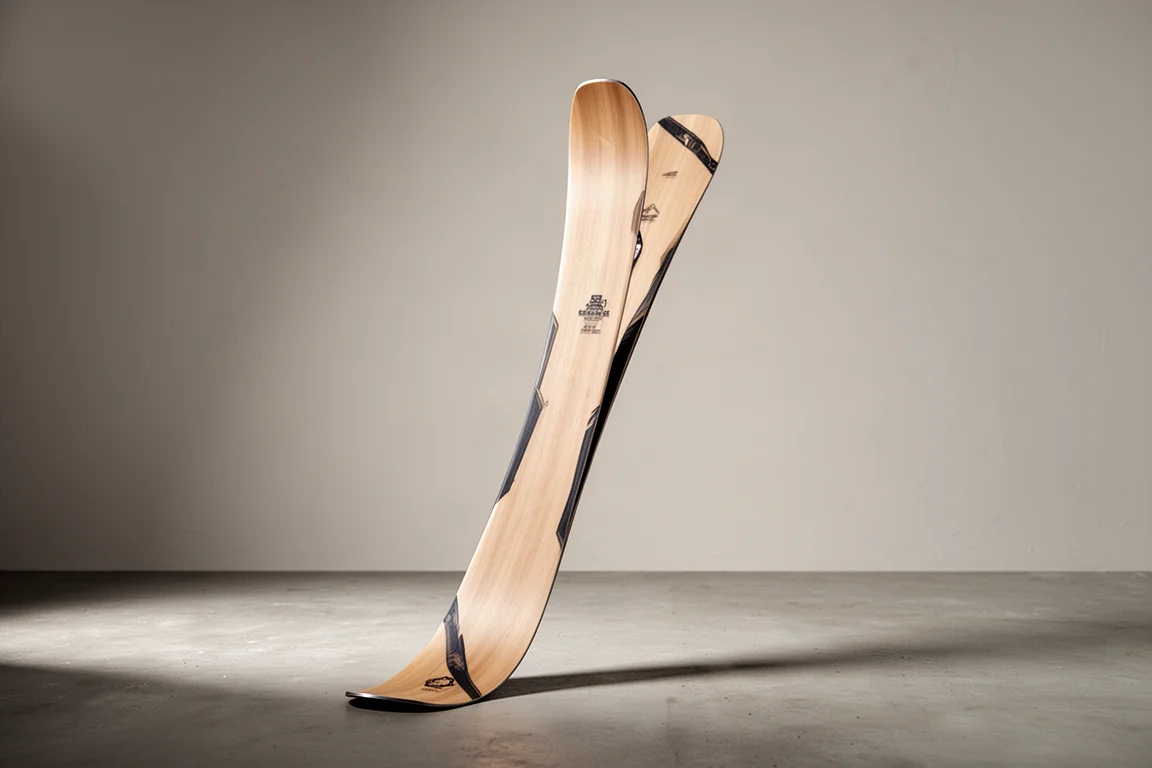
Nordica Enforcer 99: A Meaningfully Updated Crud Cutter
The Enforcer family is one of the clearest examples of a crud cutter: a dense, damp ski that carries momentum through chopped-up snow rather than floating over it. That behaviour is exactly what heavy coastal powder, refrozen junk, and tracked-out side country demand.
The 2025 Enforcer 99 has been updated in a way that reads as meaningful rather than cosmetic, which makes it the version worth seeking out if this is the style of ski you want. Expect it to feel planted and substantial rather than light and playful.
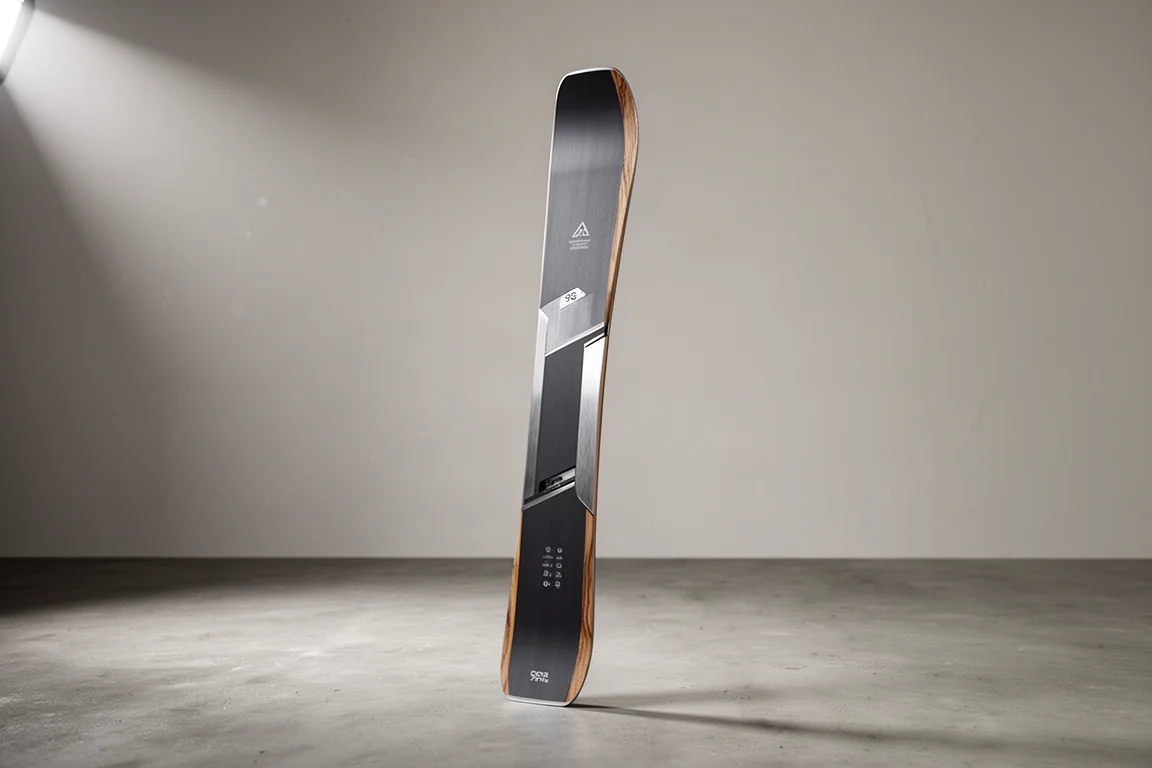
Salomon QST 92: Comfortable Value for Exploring Off Trail
The QST 92 is one of the easiest recommendations on this list to justify. It is comfortable across a wide range of conditions, leans slightly toward off-trail performance, and is often available at a very low price, particularly later in the summer.
That combination makes it a natural choice for a rider who is just beginning to wander off trail and wants a ski that feels encouraging rather than demanding. It is not as precise as a dedicated carving ski, and it is better off trail than on trail, but the easygoing feel is the point.
Buying Advice for Mixed-Condition Skiing
Start with your weight and your snow. A lighter rider on stiff, heavy skis usually gains the most from moving to something like the Head Kore 87, which turns easily and costs far less energy over a full day.
If you want one ski to cover the widest range of days, the Salomon QST 92 is the value pick and the Black Crows Octo is the more capable all-rounder for riders who prioritise turn shape. If your goal is soft snow specifically, the Head Kore 105 and the Atomic Backland 102 are the forgiving, lightweight options, while the Nordica Enforcer 99 and the Atomic Maverick 88 TI suit riders who prefer a firmer, more planted feel and are willing to accept less forgiveness in exchange.
The honest framing is that no ski does everything. Pick the two or three conditions you ski most often, and choose the ski that is strongest in those rather than the one that is merely acceptable everywhere.
Conclusion
The right ski is the one that matches the snow you actually spend your time on. Lighter riders looking for an easier, more responsive all-mountain ski have strong options in the Head Kore 87 and the Salomon QST 92, riders adding a dedicated soft-snow ski should look at the Head Kore 105 and the Atomic Backland 102, and riders who want precision or crud-cutting heft will get more from the Atomic Maverick 88 TI, the Black Crows Octo, and the Nordica Enforcer 99.
Buy for your weight, your terrain, and your most common snow, and the choice becomes much simpler than the spec sheet suggests.
Further reading
Related Reviews

Ski Gear
2023 Blizzard Hustle vs Rustler: Six Freeride Skis Compared
Blizzard's 2023 Hustle collection rebuilds the Rustler shape with a lighter core and no metal. Here is how all six skis differ, and which one suits your riding.

Ski Gear
2023 Skis of the Year: Atomic Maverick 88 TI, Salomon QST 106, and Look SPX 12 Pro
Three standout ski picks for all-mountain carving, powder days, and reliable binding performance, with practical buying notes for 2023 models.

Ski Gear
2025 Nordica Enforcer 104 Review: A Directional Charger Replaces the 104 Free
The 2025 Nordica Enforcer 104 drops the Free name and the twin-tip personality, gaining weight, stiffness and composure in rough snow. Here is what changed and who it suits.