Ski Gear
A Complete Ski Quiver Explained: From Carving Skis to Powder Skis
Nine skis, from a 77 mm nostalgic all-mountain ski to a 120 mm freeride powder tool, with honest notes on when each one earns a spot in the rotation.
Introduction
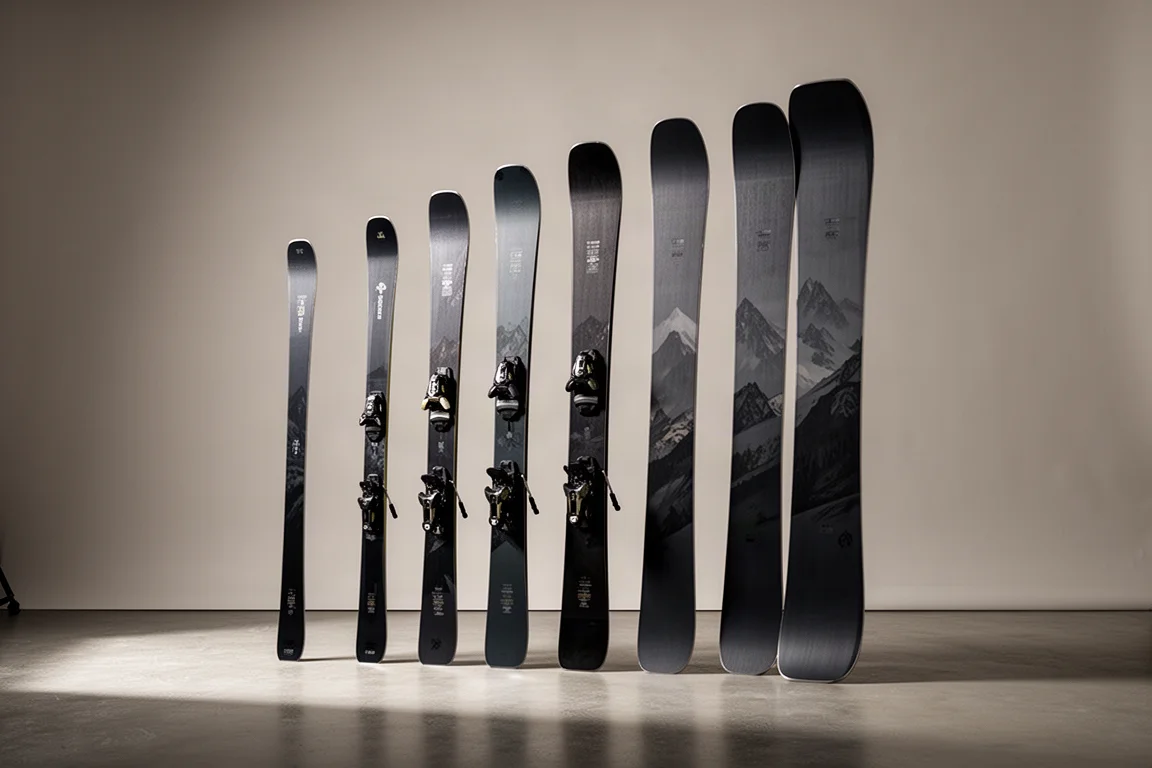
A ski quiver rarely starts as a quiver. It usually starts with one ski you love, and then a second one for the days the first one cannot handle. This lineup grew the same way: a single all-mountain ski ridden for years, then a carving ski, then progressively wider freeride and powder tools until the collection covered nearly every condition a mountain can throw at you. The honest takeaway up front: you do not need this many skis. In practice, two do almost all of the work. But walking through the full rack, from skinniest to fattest, is a useful way to understand which width fits which day.
The Head I Rally: The Nostalgia Ski
First in the rack is the Head I Rally, a 77 mm underfoot all-mountain ski. It stands there mostly for nostalgia. It was the daily driver for most of a lifetime of skiing, from about age 16 to 21, and it was ridden on everything: steepest resort runs, opening days, powder days, hard pack. It proved a simple point that is worth repeating to anyone buying their first ski: you can ride one skinny ski on everything, because at the end of the day it is about the skier, not the ski. These days it never comes out, but it earns its wall space as a reminder of where the journey started.
The Nordica Enforcer 89: The Dedicated Carving Ski
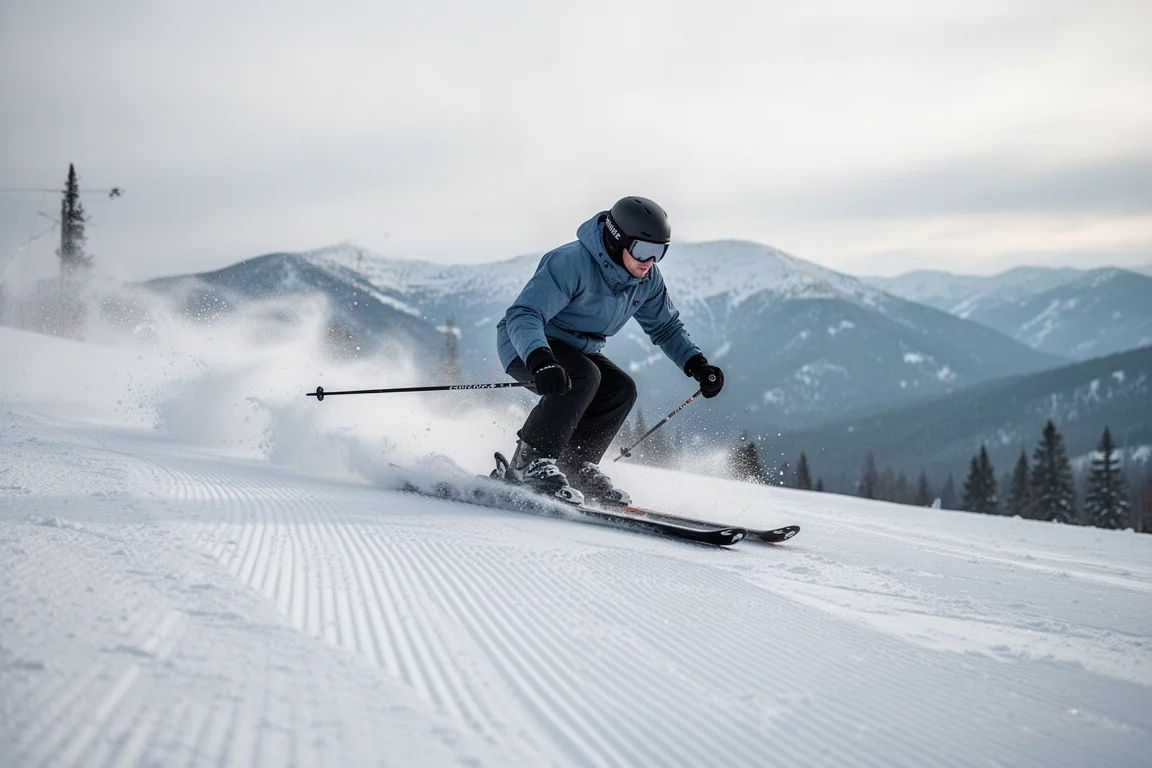
The Nordica Enforcer 89 is the carving specialist, sized down to 185 cm for a snappier turning radius. It is genuinely fun on super hard snow, ideal if carving is your primary goal with the occasional off-piste run. The catch is versatility: it feels too stiff with too much effective edge anywhere but smooth snow, and it tends to get caught in bumps. If most of your days involve riding off-piste, a pure carving ski like this will sit in the rack more than it comes out.
The Nordica Enforcer 99: The Hard-Snow Daily Driver
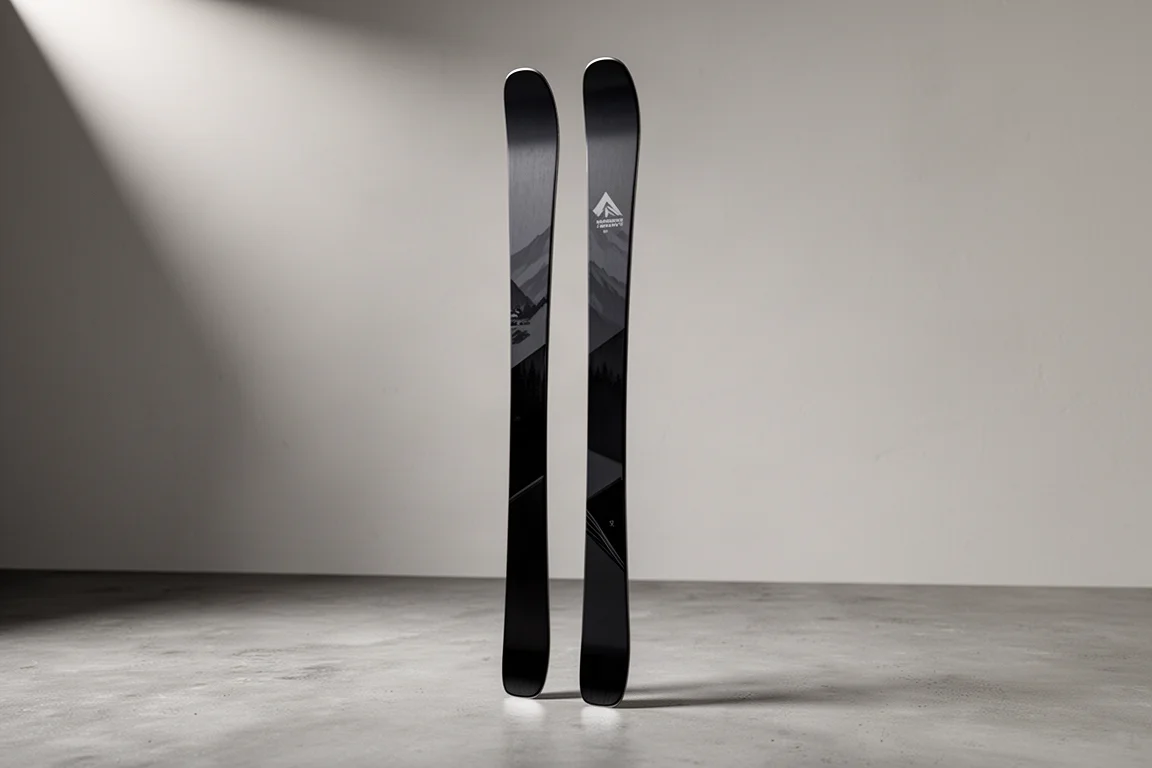
The Nordica Enforcer 99, also at 185 cm, is one of the two workhorses. This is the ski for any day with zero fresh snow in the forecast: groomers that have hardened up, off-piste runs that are firm or even icy. The tail unlock from a couple of years ago made it feel noticeably better, and sizing down helps it feel really nice. It is a true all-mountain killer for firm conditions, and it will happily ski anywhere on the mountain. The one firm rule: any amount of new snow, even 5 cm, and this ski stays on the wall. It is a snow-free type of ski, through and through.
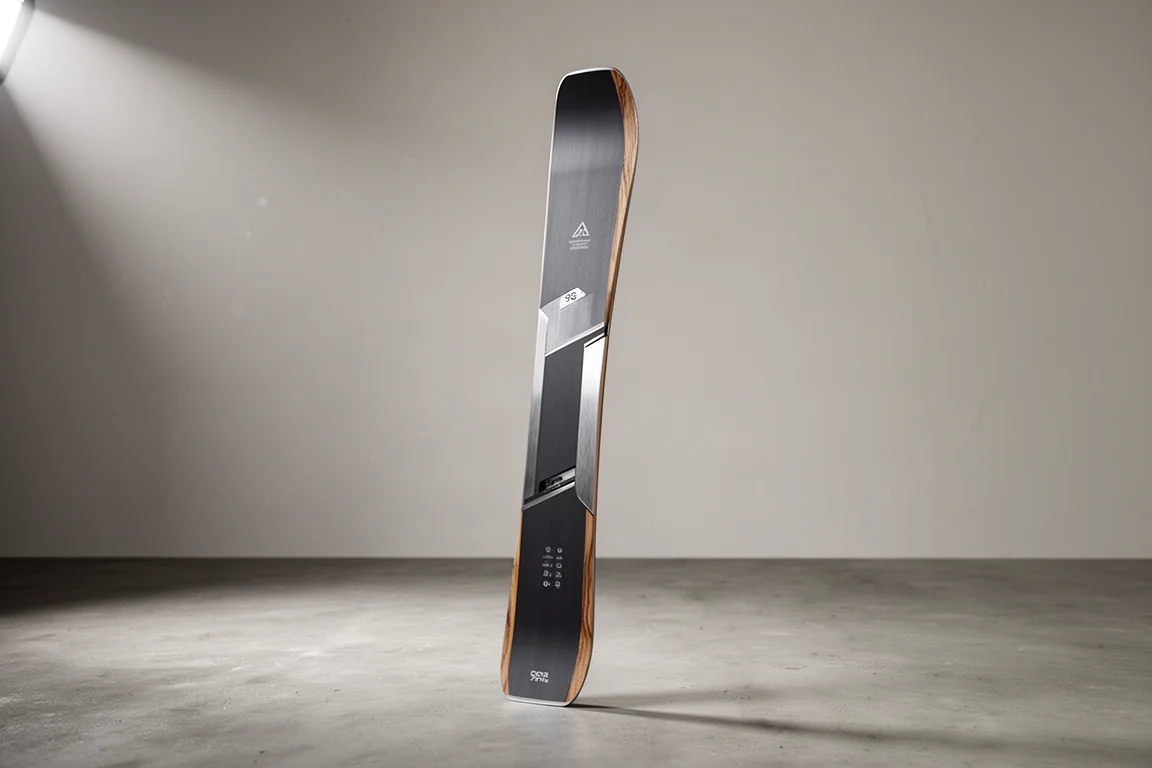
The Nordica Enforcer 104 Free: The Happy Medium That Gets Squeezed Out
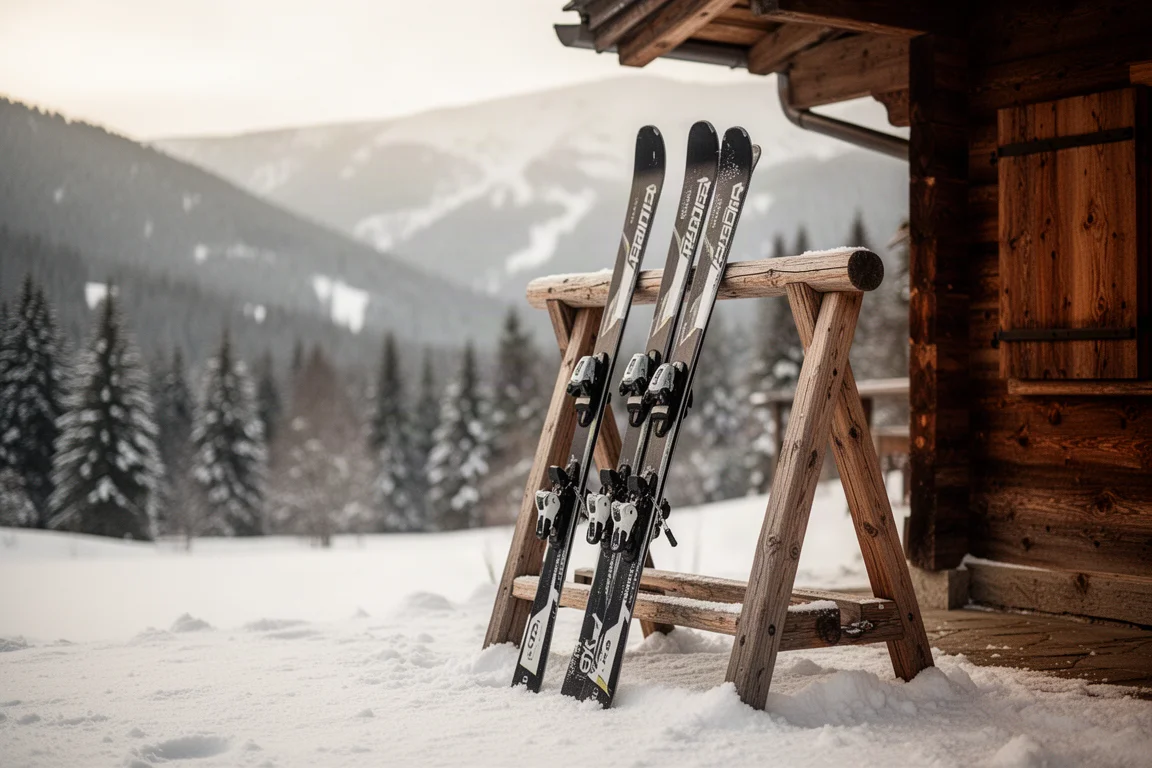
The Nordica Enforcer 104 Free was the flagship all-mountain ski that everyone loved, and it was the first ski from Nordica in this collection. It is a good happy medium between the 99 and the wider Unleashed skis, but that is also its problem: if you already own both a firm-snow ski and a wider soft-snow ski, there is almost no day where the 104 Free is the obvious choice. Hard pack goes to the 99, any snow in the forecast goes to something wider. Note that the old 104 Free is a very different build from the new Enforcer 104, so do not mix the two up. Expect only a couple of days a season on it if your quiver is complete.
View more details for Nordica Enforcer 104 Free
The Nordica Unlimited 104: The Lightweight Touring Ski
The Nordica Unlimited 104 is the lightest ski in the lineup and the flagship touring ski, currently paired with Kingpin bindings. The honest verdict is mixed. It shares some of the same character as the 104 Free: a bit grabby, a bit too frontside, not as flowy or playful in soft snow. It shines when weight matters most, like on a long traverse, and it may earn more use in spring slush. But for most tourers who prioritize the downhill, the weight savings are hard to feel when the ski is less fun coming down. A lighter binding setup could turn it into a true super-light touring build.
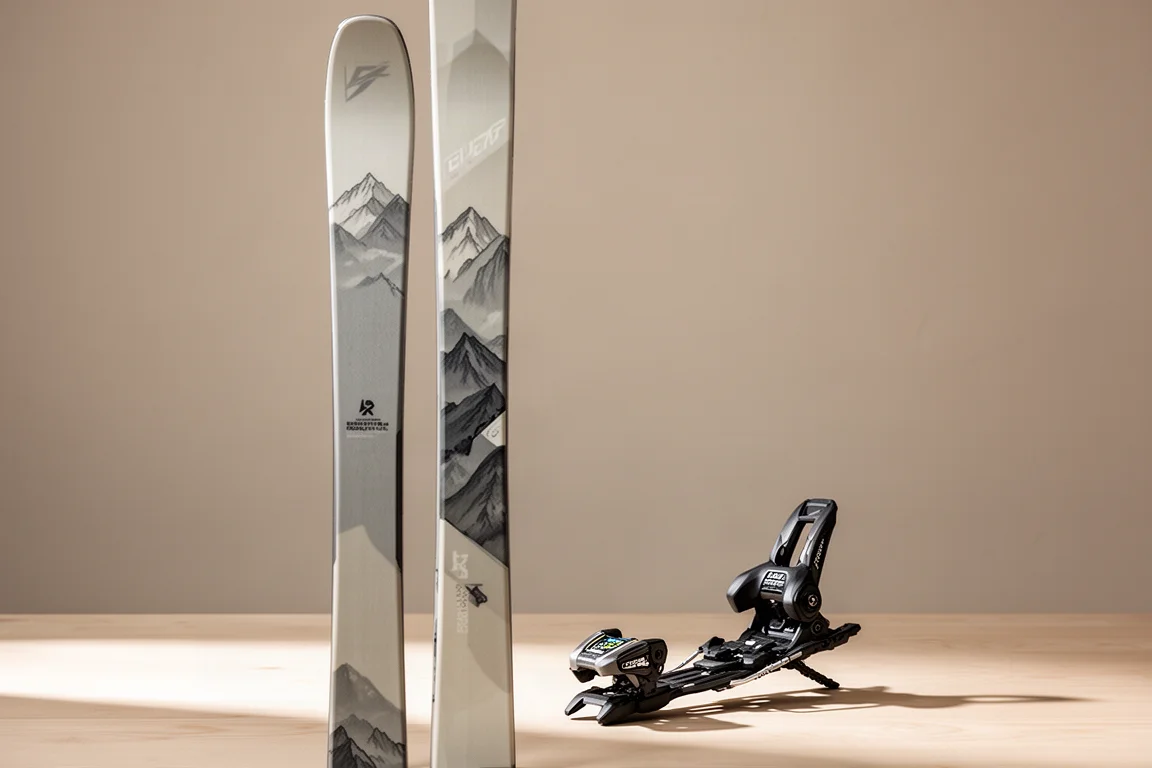
The Nordica Unleashed 108: The Spring and Rock Ski
The Nordica Unleashed 108 in 191 cm is a strong happy medium and arguably one of the better all-around all-mountain skis in the rack. The whole Unleashed line is lighter and more playful than the Enforcer line, built for freeride, but it keeps metal in the construction so it is not floppy. It still carries enough stiffness to lay down good carves and it handles spring slush, tracked-out snow, and even the occasional deep powder day without complaint. In practice it has settled into the spring and slack-season role: the ski you take out when snow coverage is thinning and you are going to beat it up on rocks and grass anyway.
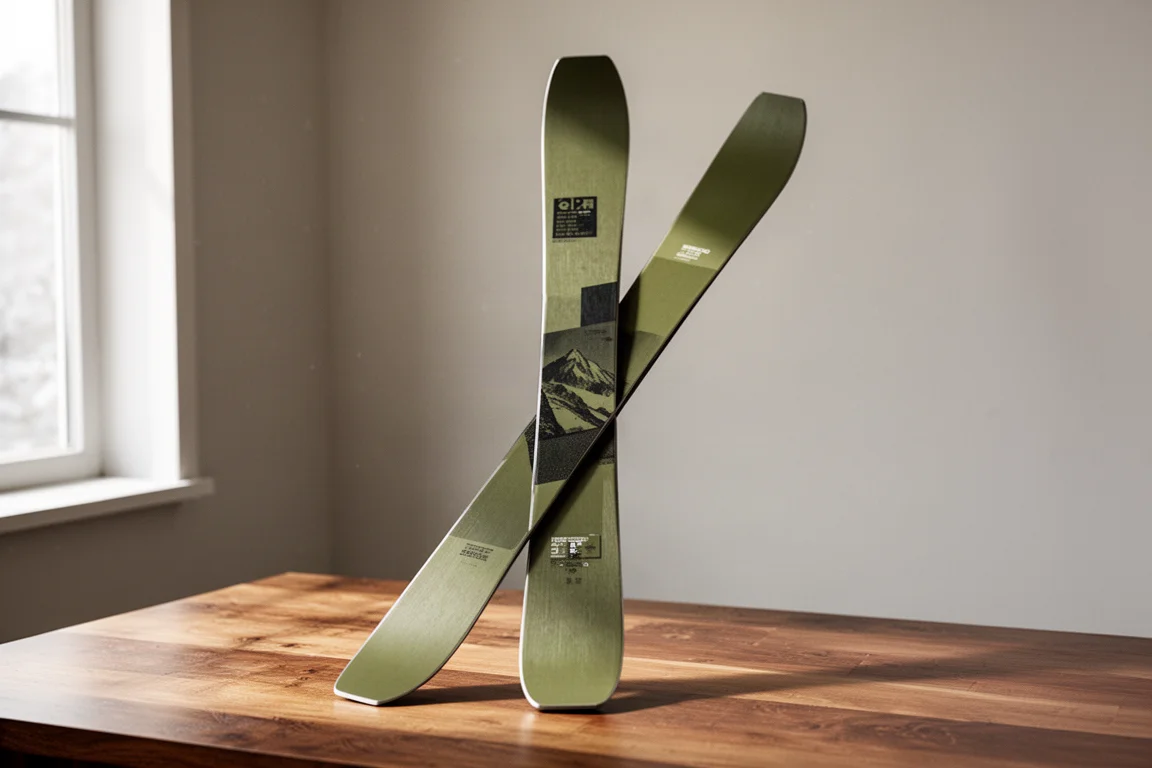
The Nordica Unleashed 114: The True Daily Driver
If two skis could be kept and the rest given away, it would be the 99 and this one: the Nordica Unleashed 114 in 191 cm. This is the true daily driver for any day with off-piste skiing, the ski that feels most comfortable and most fun. Flotation is really solid, and the edge hold when carving is genuinely shocking for a ski this wide, so when things get tracked out it stays powerful and damp enough to enjoy everywhere on the mountain. It handles hundreds of touring days too, mounted with PT Shift-style touring bindings; the setup is heavy, but the trade is a much better ride down. One caveat worth knowing: after hundreds of days of aggressive skiing, the edge has started to crack and pop off in one spot.
The Nordica Enforcer 115 Free: The Retired Legend
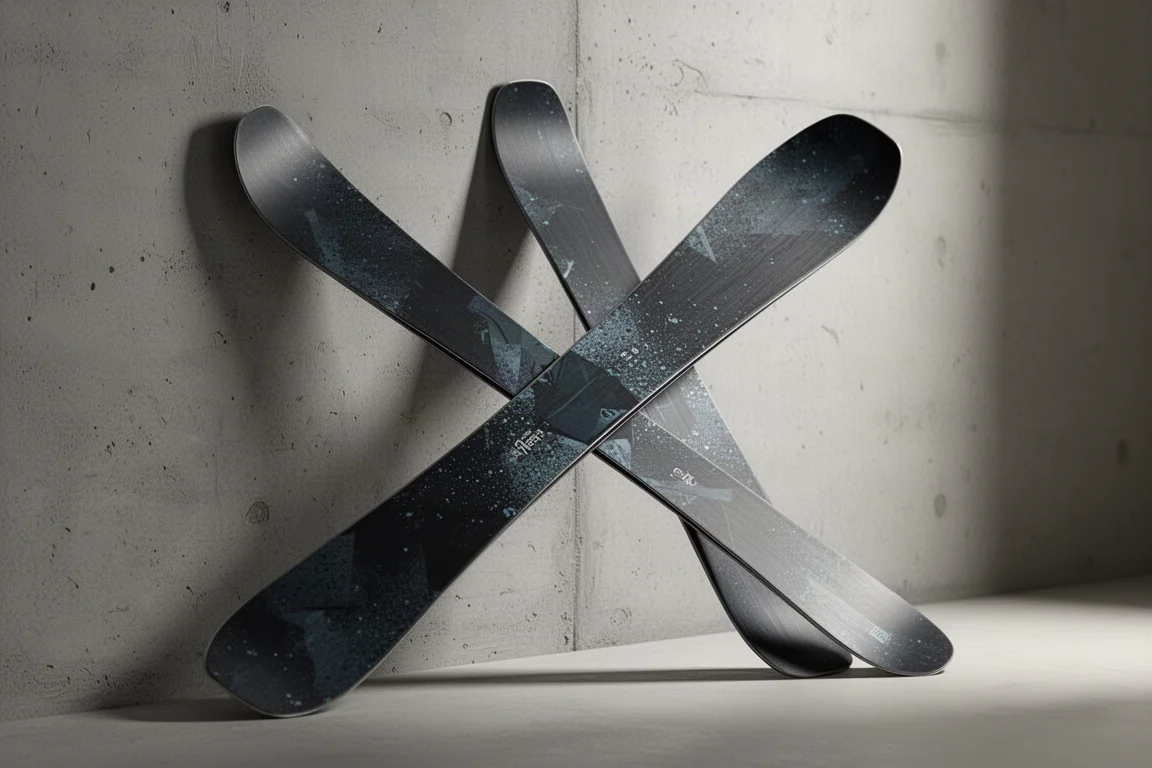
The Nordica Enforcer 115 Free is no longer made, and everyone who rode it loved it. It was a beautiful ski and served as the powder ski for a long stretch, until an edge was blown clean off with wood showing after a hard hit. It kept getting skied with the wood exposed until a replacement arrived, and then it was retired to the wall. It is a reminder of why the 114 took over the daily-driver role: the extra rocker in the bigger skis simply made more sense for the way soft snow days actually unfold.
The Nordica Unleashed 120: The New Powder Weapon
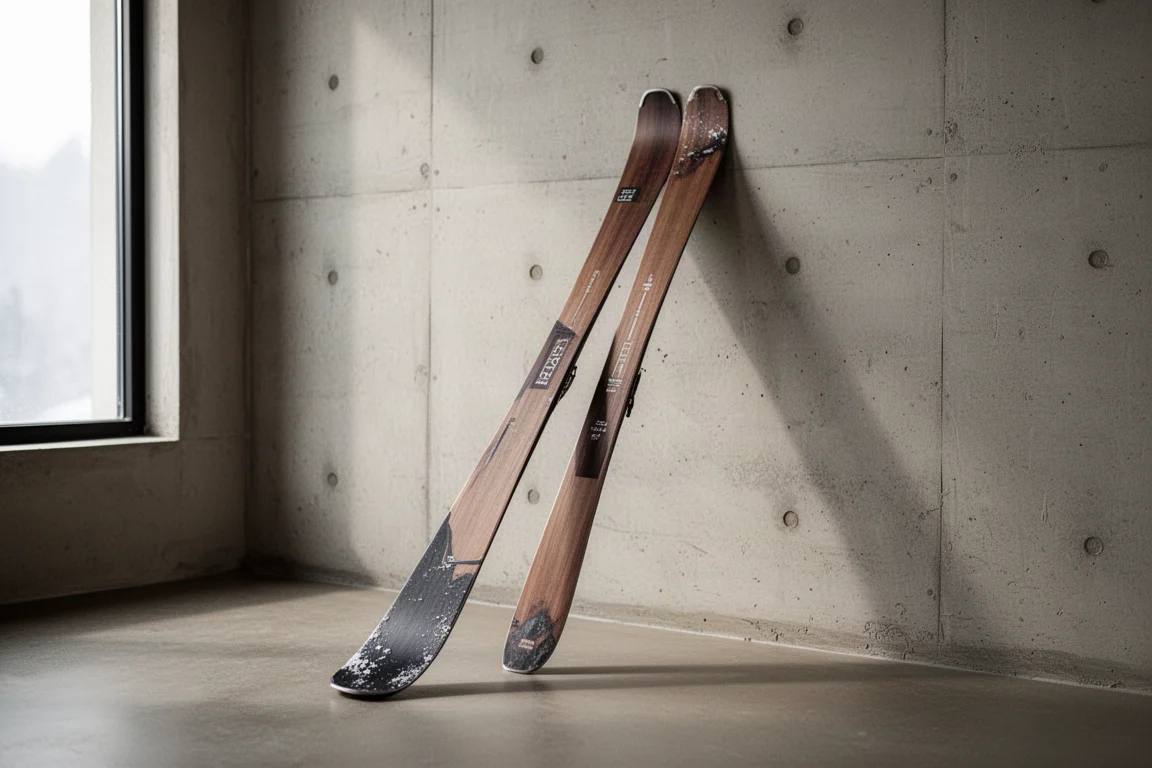
The newest and fattest ski in the rack is the Nordica Unleashed 120, the fattest ski ever ridden in this collection and a serious step up from the previous 115 and 114 ceilings. Nordica built it to compete with the big, lighter, more playful freeride skis on the market, and it does exactly that. It is far less stiff than the rest of the rack, with more flex and a lot of rocker, so it turns extremely quickly and easily. The trade-off is stability: it does not feel as planted when conditions firm up, and carving on groomers is not its strength. This is a true powder ski, best saved for neck-deep storm days, though its Duke-style touring bindings mean it can do backcountry powder duty too.
View more details for Nordica Unleashed 120
Building a Quiver That Actually Works
Here is the simple theory that makes the whole rack make sense. Any snow in the forecast, take the 114. Mega snow, take the 120, or take the 120 just for the fun of it. Springtime and slack season, take the 108. Hard snow and no fresh snow, take the 99 all over the mountain. The 89 comes out rarely, only for a pure carving day. Everything else is gravy.
For a hybrid resort and backcountry skier who is not obsessed with ultralight setups, two skis are genuinely enough: one for firmer resort days so you can carve and still have fun, and one bigger ski that remains tolerable in any conditions for softer days. If you are choosing within this lineup, the 114 is simply more fun than the 108 despite being wider, and the 99 feels better off-piste than the 89.
Durability: A Look at the Bases
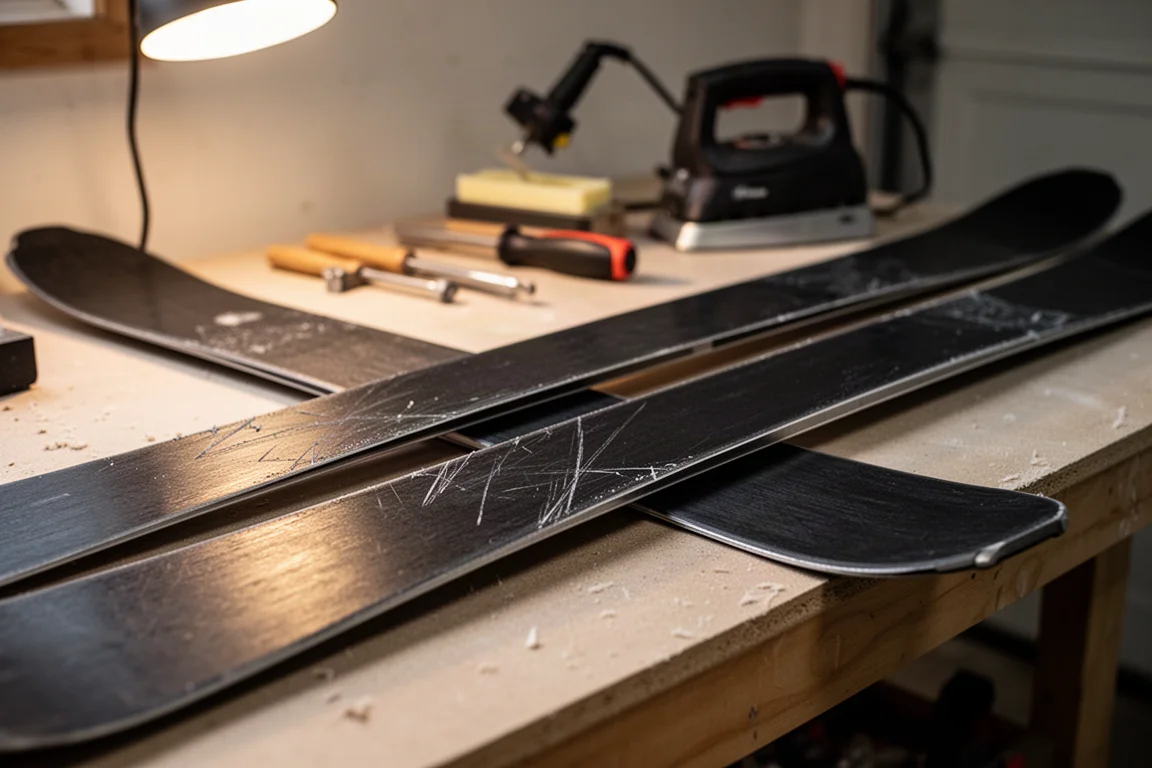
No honest quiver rundown skips the bases. Across the collection, the damage tells the story of hundreds of days of aggressive skiing over rocks and grass. The retired 115 Free shows the worst of it, with a fully blown edge and exposed wood. The 114s carry one small core shot and a cracked edge but otherwise look remarkably good. The newer 120s are nearly mint with a couple of scratches. Several bases have been PEX-filled and everything has fresh or storage wax. The overall verdict on build quality is simple: these skis are burly, and cosmetic damage is about all this abuse produced.
Conclusion
The moral of this quiver is that more skis are fun, but not necessary. Two skis, a firm-snow all-mountain ski and a wider freeride ski, cover nearly every day on the mountain. If you are building your own setup, start there, and only add specialists when a very specific condition keeps showing up in your season. Choose the tool for the day, and the rest of the rack is a luxury, not a requirement.
Further reading
Related Reviews

Ski Gear
2023 Blizzard Hustle vs Rustler: Six Freeride Skis Compared
Blizzard's 2023 Hustle collection rebuilds the Rustler shape with a lighter core and no metal. Here is how all six skis differ, and which one suits your riding.

Ski Gear
2023 Skis of the Year: Atomic Maverick 88 TI, Salomon QST 106, and Look SPX 12 Pro
Three standout ski picks for all-mountain carving, powder days, and reliable binding performance, with practical buying notes for 2023 models.

Ski Gear
2025 Nordica Enforcer 104 Review: A Directional Charger Replaces the 104 Free
The 2025 Nordica Enforcer 104 drops the Free name and the twin-tip personality, gaining weight, stiffness and composure in rough snow. Here is what changed and who it suits.