Ski Gear
Ski Quiver Guide: 12 Skis for Carving, Park, Powder, and Race Days
A practical breakdown of 12 skis that cover carving, park, powder, and race terrain, with insights on what each does well and what to consider before buying.
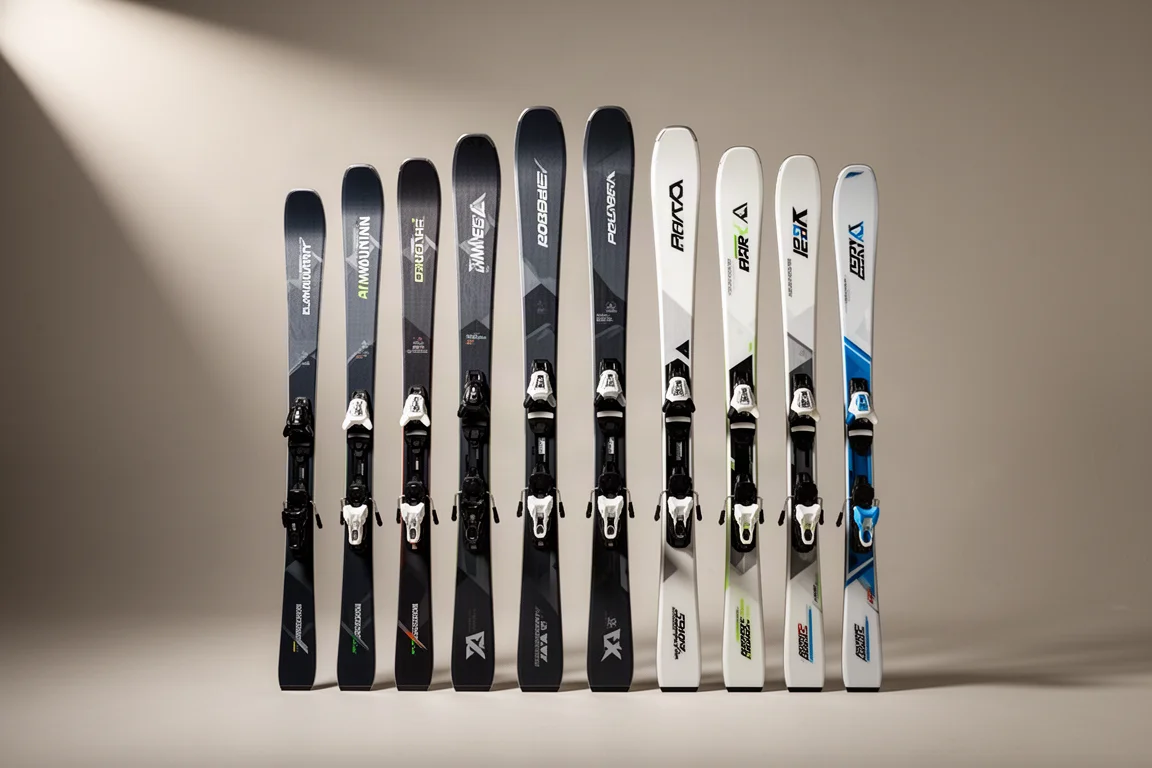
Introduction
Building a ski quiver is about matching skis to the conditions and terrain you actually ride. A single ski can cover a lot of ground, but dedicated tools for carving, park, powder, and race days can make each session more enjoyable. This guide looks at 12 skis that represent different quiver roles, from budget-friendly used finds to premium all-mountain performers. Each one has a clear purpose, and understanding those purposes can help you decide what belongs in your own quiver.
How to Evaluate a Ski for Your Quiver
Before buying any ski, consider width, turn radius, and construction. Width underfoot determines float in powder and quickness on groomers. A 77mm ski like the Head i.Rally is built for firm snow, while a 106mm ski like the Salomon QST 106 is designed for soft snow. Turn radius affects the shape of your turns: a short radius suits slalom and moguls, while a longer radius favors GS-style arcs.
When shopping used, inspect the top sheet for delamination and the edges for rust. Rust does not always mean the ski is ruined, but it can indicate poor storage. Look for base scratches that run along the edge line, and check for edge cracks or bending. These issues matter more on carving skis than on powder skis, where edge grip is less critical.
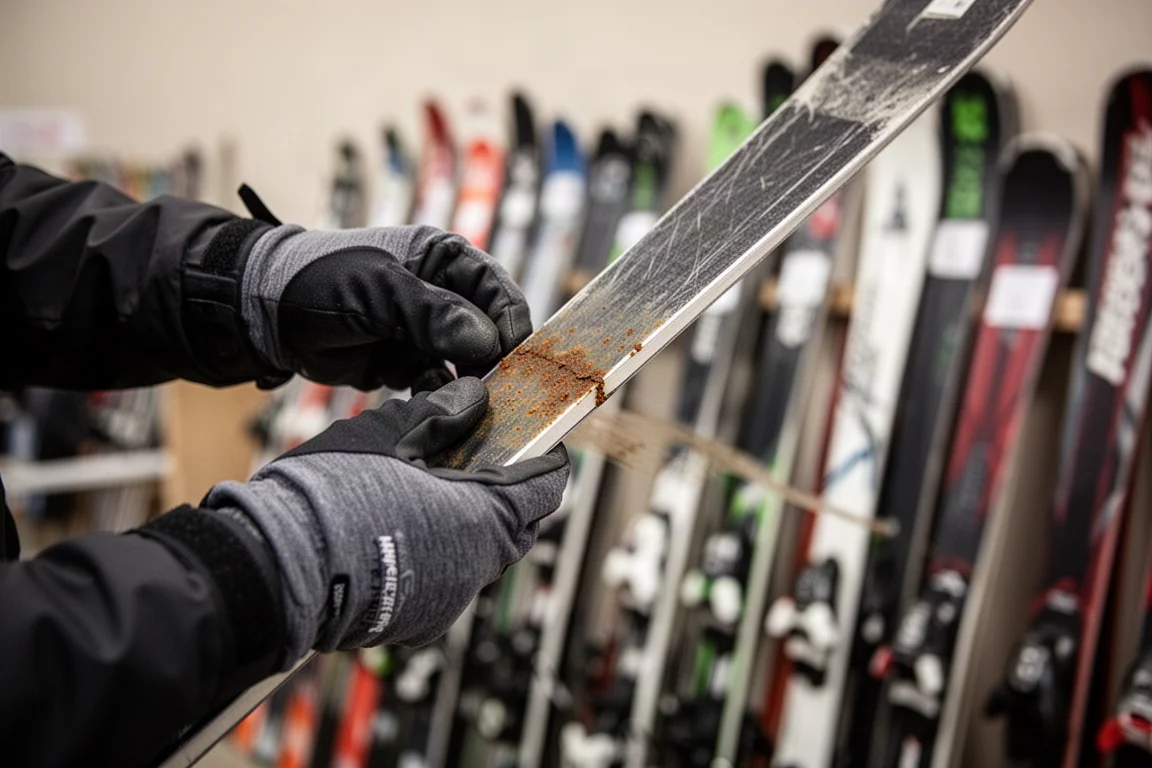
A ski that has been stored properly will have minimal rust and a clean base. If you find a ski with a few scratches but solid edges, it can still be a great value. The key is to know what you are buying and to avoid overpaying for a ski that is too damaged.
Atomic Access
The Atomic Access is an older model from around 2011 or 2012 that has proven itself as a reliable soft-snow ski. It works well in powder and wet, sticky slush, and it served as a primary ski for two seasons. The top sheet shows some wear, but the ski still has life left as a rock ski or backup. For skiers on a tight budget, a used Atomic Access can be a smart way to get a powder-capable ski without spending much.
Head i.Rally
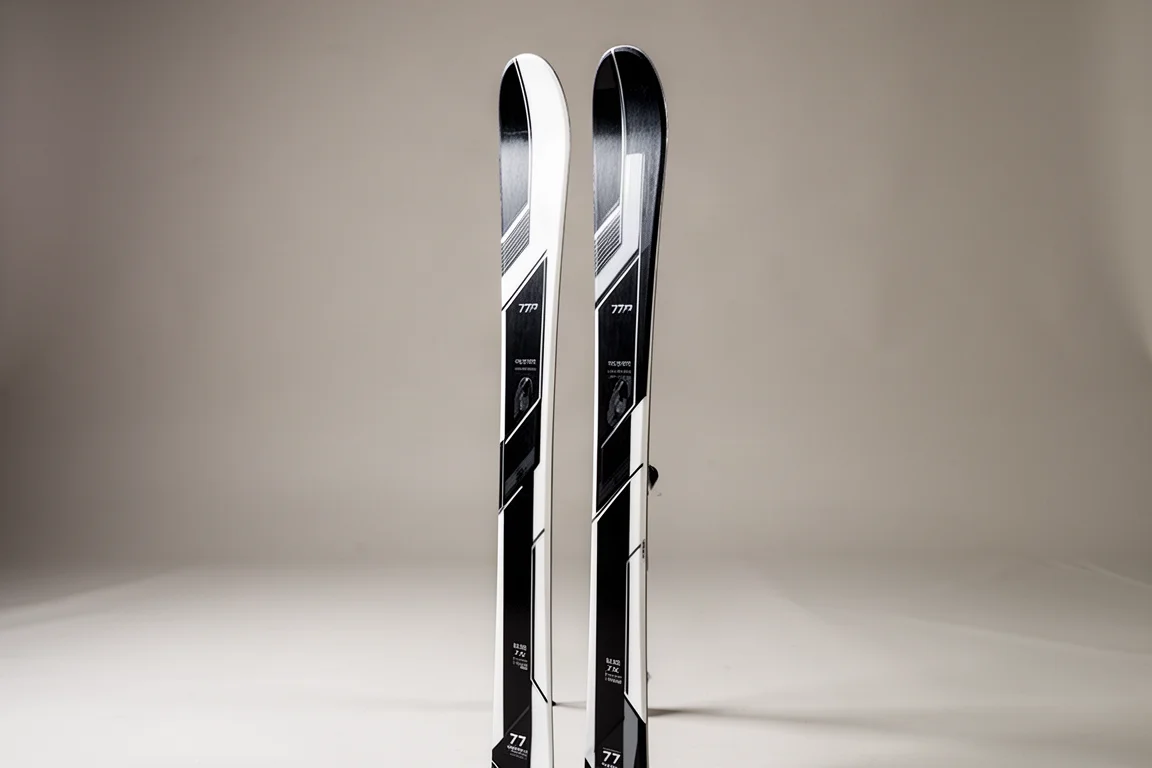
The Head i.Rally is a carving specialist with a 77mm waist. It replaced race skis for firm-day performance, offering strong edge grip and confidence on icy groomers. The model is updated every year, but older versions like the 2017 model remain capable and can often be found used for under $300 with bindings. If you prioritize carving and want a ski that feels planted on hardpack, the i.Rally is a solid choice.
K2 Mindbender 99 Ti
The K2 Mindbender 99 Ti is a metal-laminate all-mountain ski with a 99mm waist. It rails GS-style turns and stays stable at speed, making it a strong option for advanced skiers who want one ski for carving and soft snow. The ski is heavier than some alternatives, and it is not very forgiving, so it rewards a skilled driver. It also has a longer turn radius than the Head i.Rally, which gives it a different feel on groomers.
Atomic Maverick 88 Ti
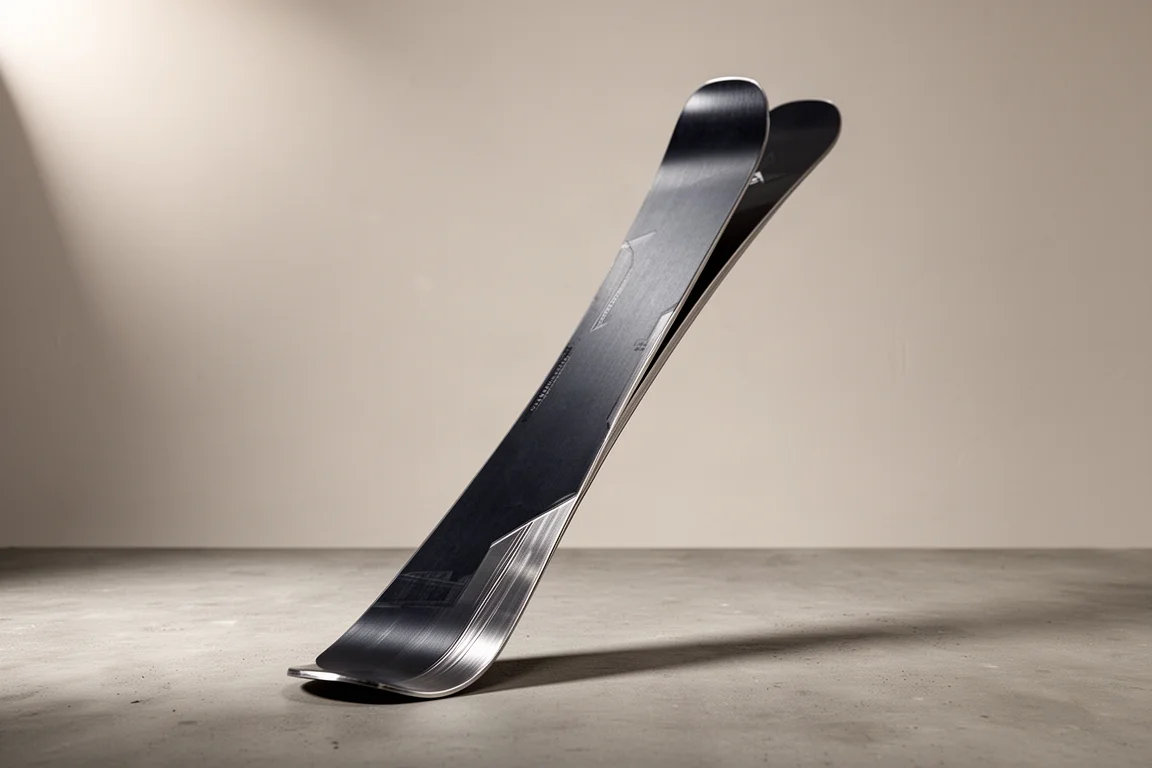
The Atomic Maverick 88 Ti is an 88mm all-mountain ski that handles carving well and can manage softer snow. It is not a dedicated powder ski, but it can do it okay. This makes it a good daily driver for mixed resort conditions, especially for skiers who want a versatile ski that does not excel in any single category but performs well across the board.
Head Frame Wall
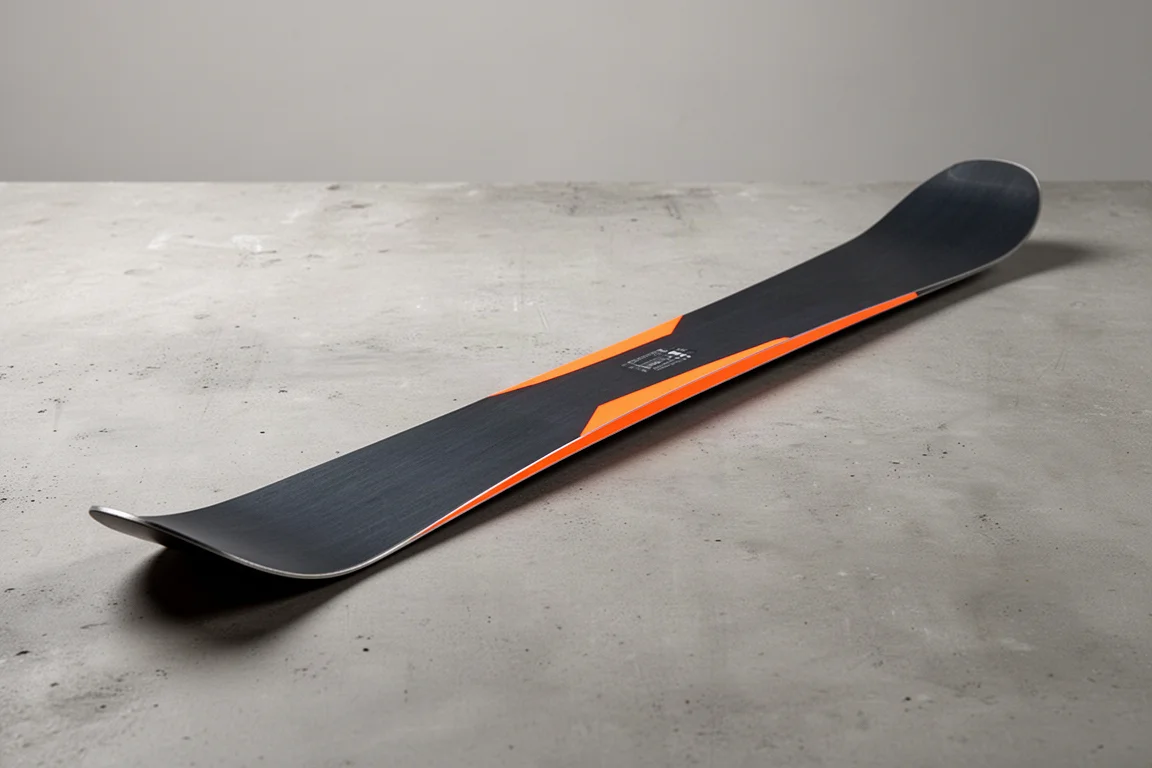
The Head Frame Wall is a park ski that leans toward pipe and jump performance. It carves better than expected and handles big jumps with confidence, but it has limited buttering flex. The ski is affordable, often available for around $200 brand new if you catch a deal, and it can be found used at ski swaps. Edges can crack with heavy park use, so inspect carefully before buying used.
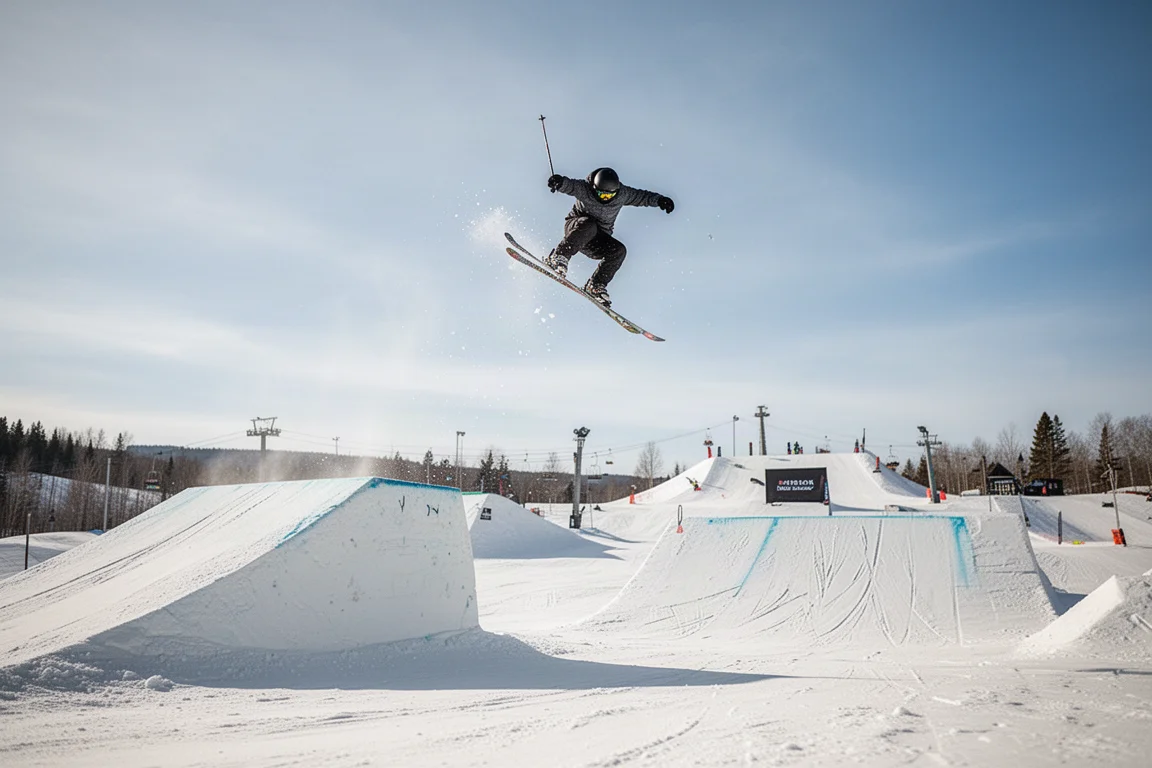
If you spend most of your time in the park and want a ski that can still carve when you leave the park, the Frame Wall is a reasonable choice. Just be aware that it is not the most playful ski for butters and presses.
Icelantic Denali
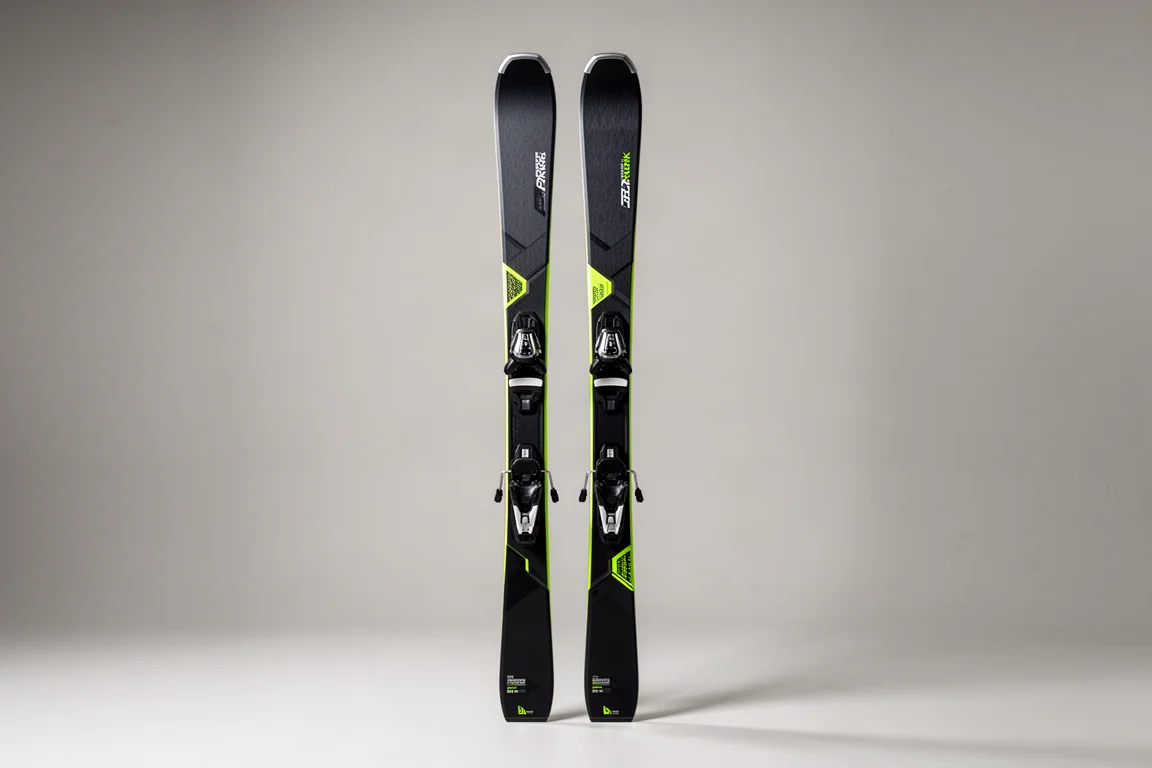
The Icelantic Denali is a buttery park ski with distinctive graphics. It is designed for freestyle riding and offers a playful flex that makes butters and presses feel natural. Older models may lack modern rocker profiles, but they still ski like a park ski. If you want a dedicated park ski with a unique look, the Denali is worth considering.
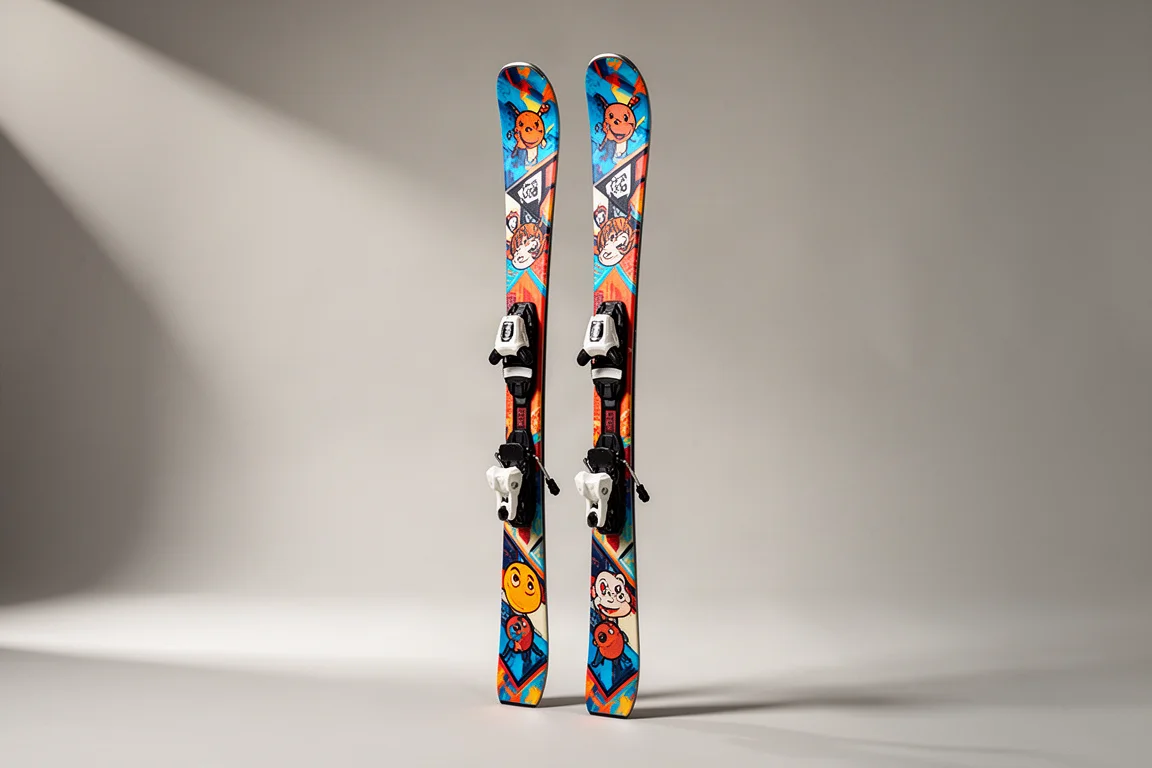
Salomon Simon Dumont Pro Model
The Salomon Simon Dumont Pro Model is a classic park ski that served as a first dedicated freestyle option for many skiers. It has a fiberglass top sheet and originally came with demo bindings that sit high off the ski, which is not ideal for park riding. However, those bindings can be adjusted to fit different boots, making the ski useful for teaching beginners. As a collector’s item, it holds sentimental value, but its performance is dated compared to modern park skis.
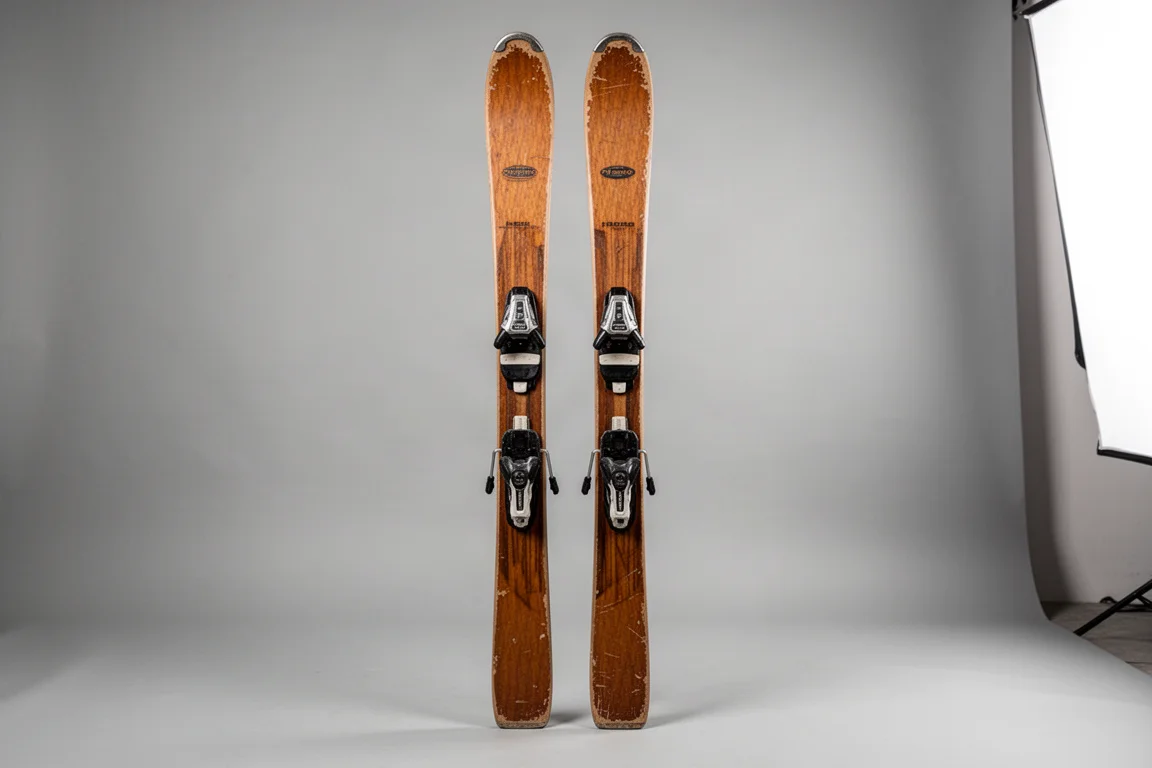
K2 Reckoner
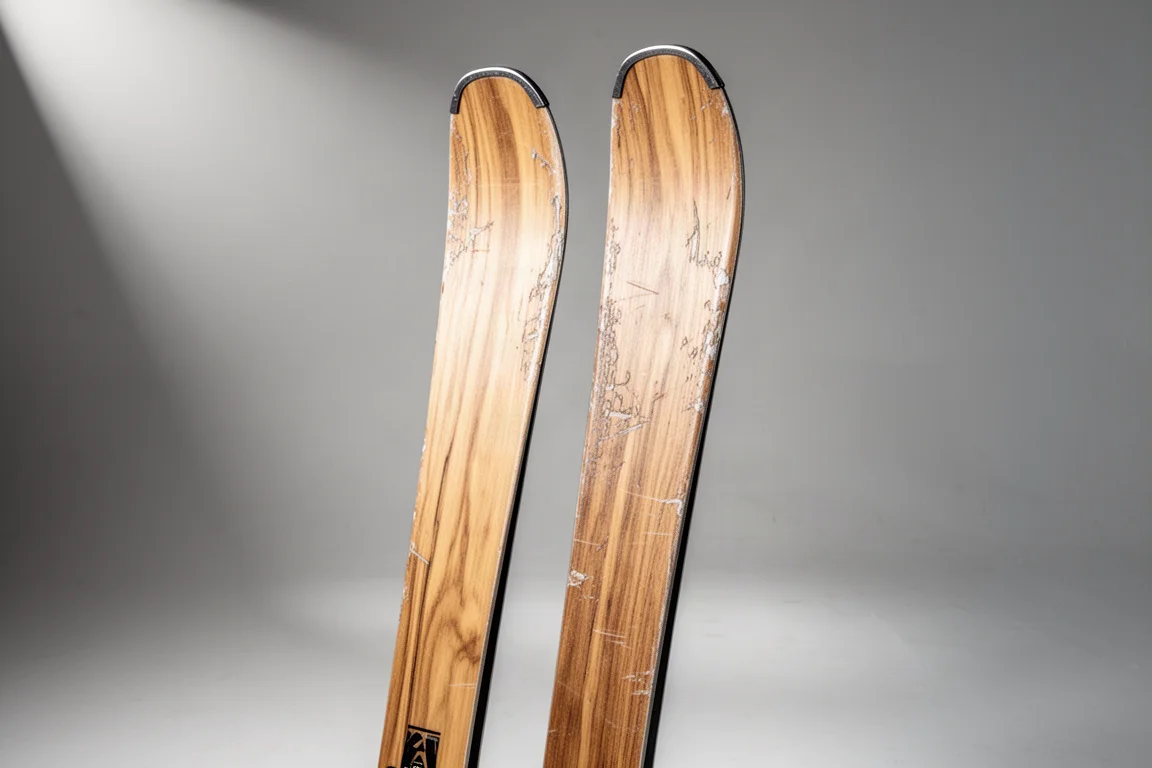
The K2 Reckoner is an all-wood freestyle ski with a short turn radius that excels in moguls and trees. It feels very different from the K2 Mindbender, and together they cover a wide range of terrain. The Reckoner is playful and quick edge-to-edge, making it a great complement to a wider all-mountain ski. If you want a freestyle-oriented ski that can also handle soft snow, the Reckoner is a strong option.
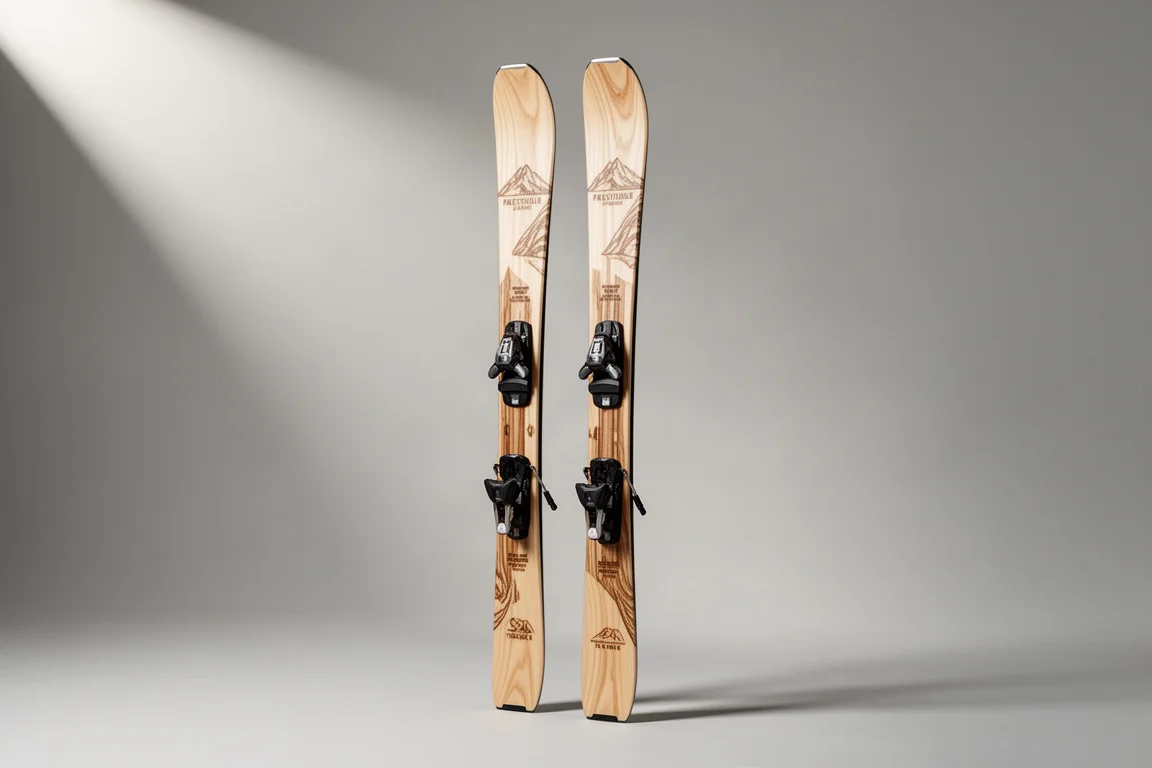
Rossignol Super 7
The Rossignol Super 7 is a 188cm powder ski with a 100+mm waist. It floats well in powder and plows through variable snow, but it feels heavy and bulky for lighter or less aggressive skiers. The length can also be too much for some riders. If you are a strong skier looking for a dedicated powder ski for deep days, the Super 7 can deliver, but many skiers may prefer a lighter, shorter powder ski.
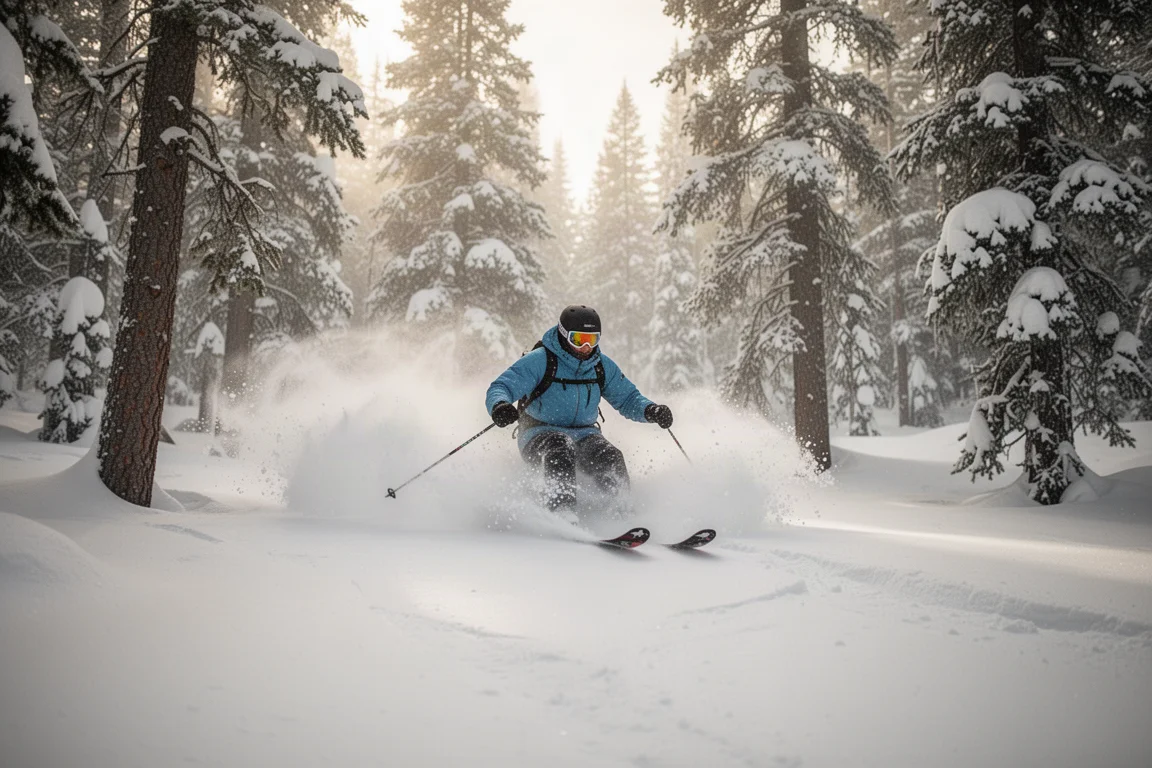
For those who want a more playful powder ski, a lighter model in the 180cm range with a similar waist width might be a better fit. The Super 7 is a capable ski, but it demands a certain level of strength and skill to get the most out of it.
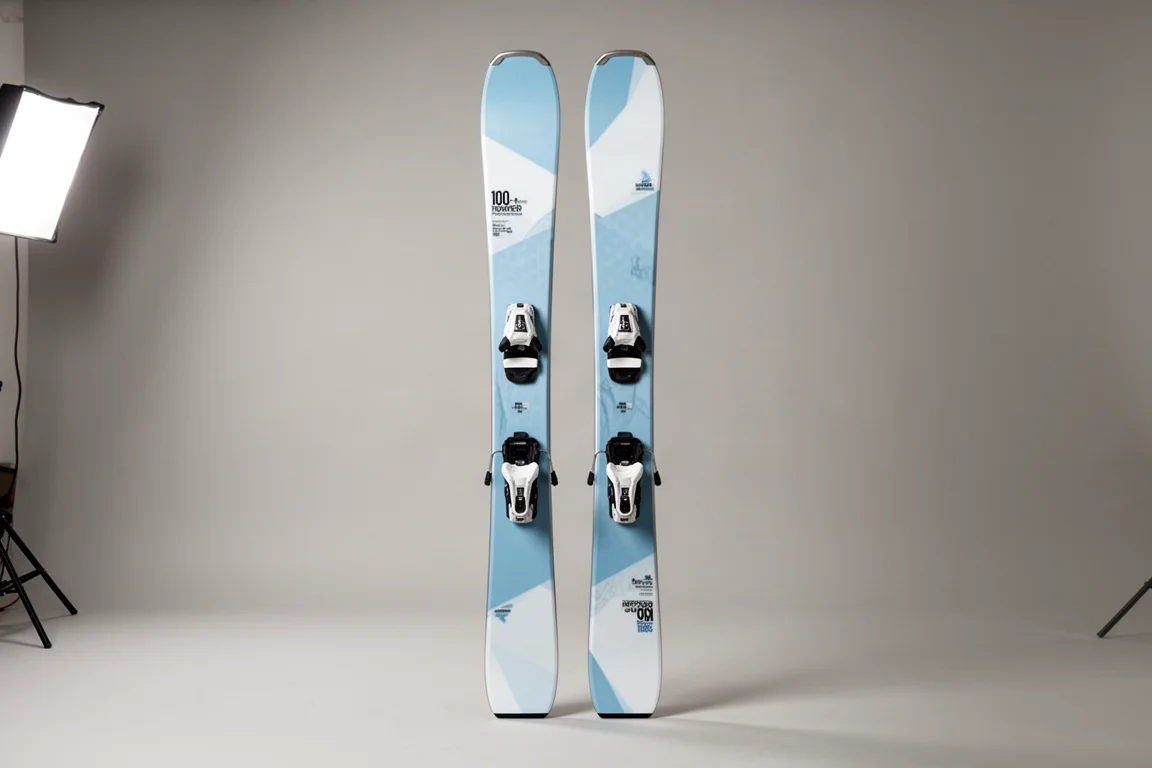
Salomon QST 106
The Salomon QST 106 is a 106mm-waist ski that provides a strong powder platform while remaining versatile enough for mixed conditions. It is lighter than some powder skis and offers good float without feeling cumbersome. For skiers who want a dedicated powder ski that can still handle variable terrain, the QST 106 is a premium choice. It pairs well with a narrower carving ski for a two-ski quiver.
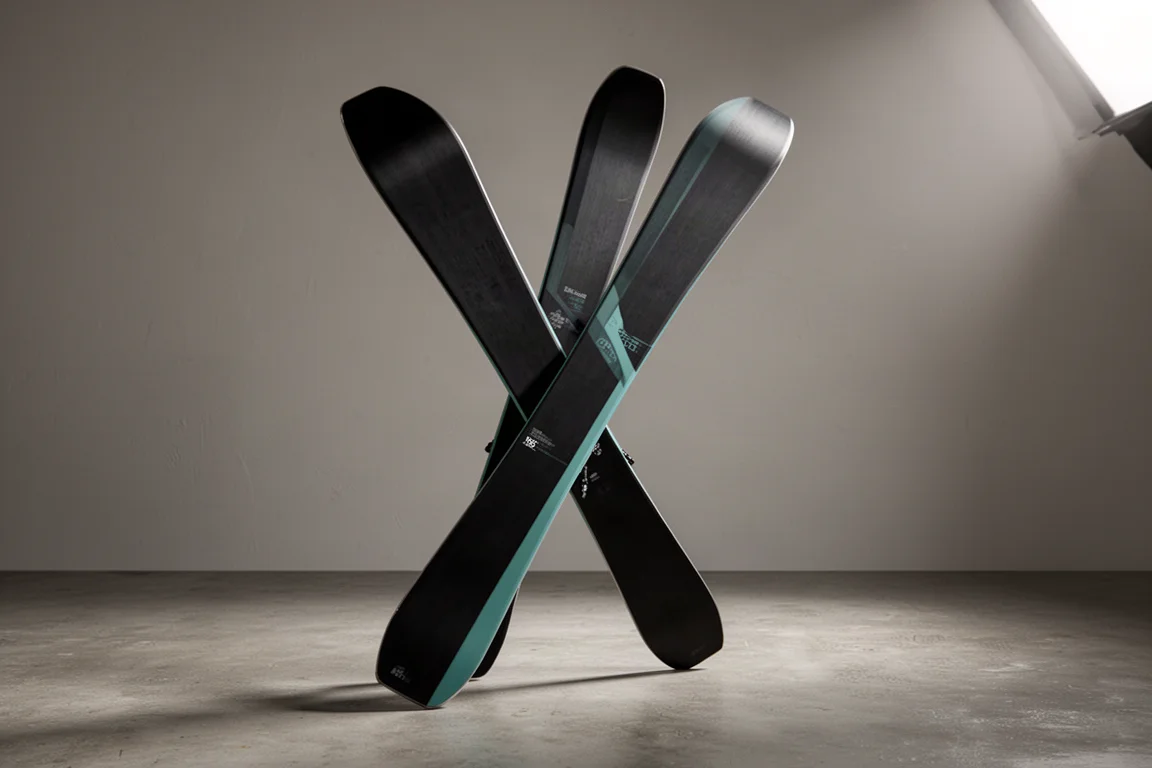
Volkl Race Tiger
The Volkl Race Tiger is a classic slalom race ski with a tight turn radius and a durable glossy top sheet. It is best suited to technical short-radius turns and offers excellent edge grip. However, it cannot go very fast, and its narrow niche means it is not a versatile ski. Resale value is low, often only $100 to $200, so it is worth keeping if you already own a pair. For skiers who love slalom turns, it remains a fun and capable ski.
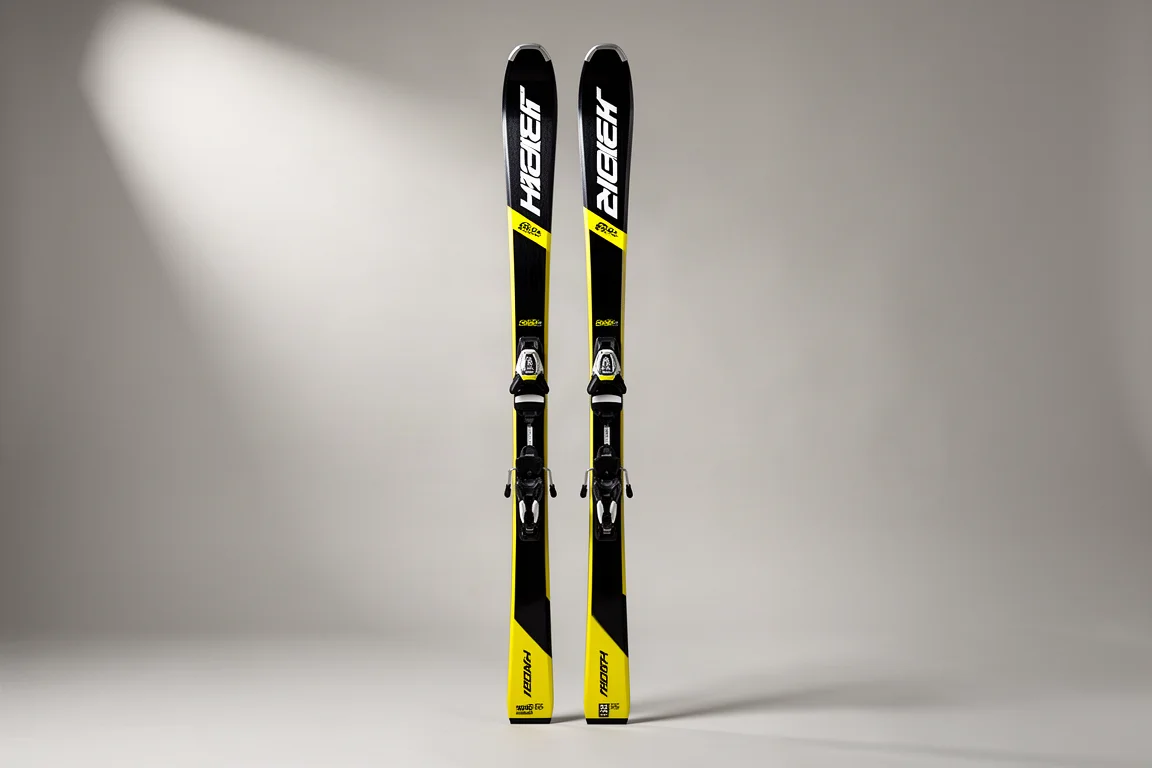
Stockli Storm Rider
The Stockli Storm Rider is a high-end all-mountain ski that attempts to cover both carving and powder. It is well-built and capable in a variety of conditions, but it can become redundant once you add more specialized skis to your quiver. It is expensive, and its jack-of-all-trades nature means it may not excel in any single area. If you want a single premium ski for mixed conditions, the Storm Rider is worth a look, but be realistic about how it fits with other skis you own.
Buying Advice for Used Skis and Ski Swaps
Ski swaps and used gear can be a great way to build a quiver without spending a fortune. Arrive early for the best deals, and consider volunteering if possible for early access. When inspecting a used ski, check the top sheet for delamination, the edges for rust and cracks, and the base for deep scratches. Rust does not always mean the ski is ruined, but it can indicate poor storage. Look for edge bends or “baconing” and core shots near the edge, which can be more serious.
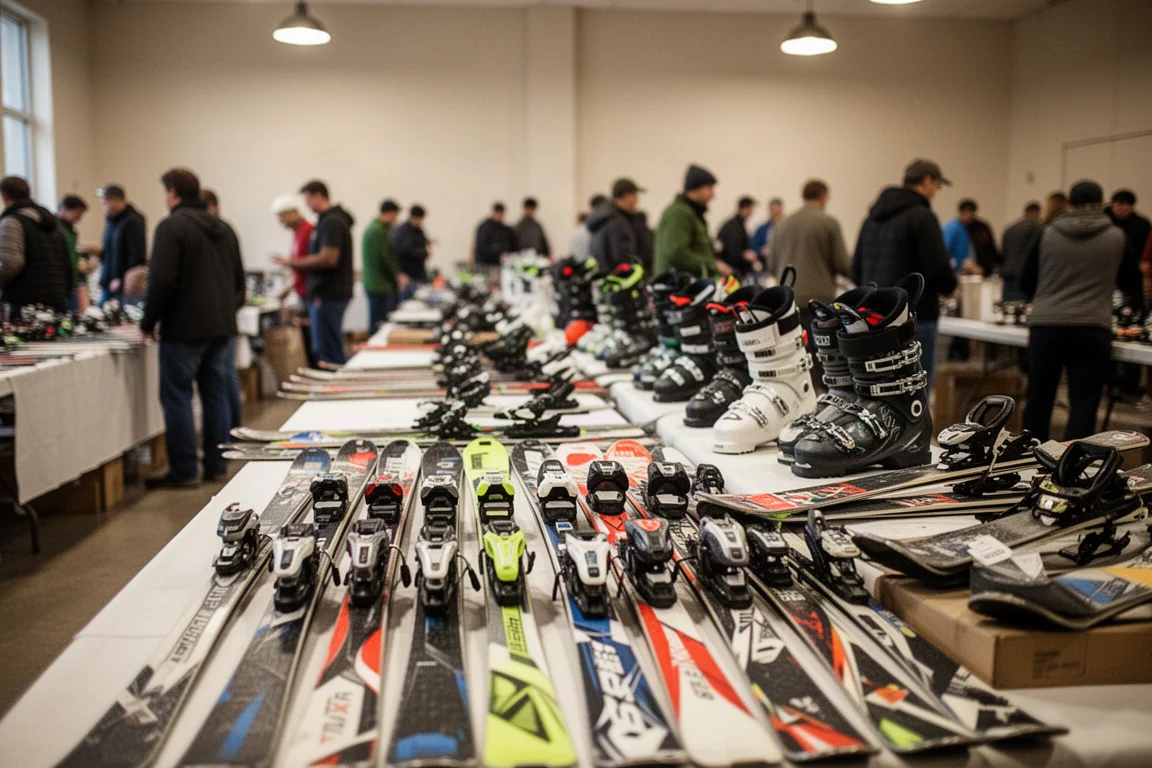
A ski that has been stored properly will have minimal rust and a clean base. If you find a ski with a few scratches but solid edges, it can still be a great value. The key is to know what you are buying and to avoid overpaying for a ski that is too damaged.
Be strategic about your quiver. Rather than trying to find one ski that does everything, consider a two-ski or three-ski setup: a carving ski around 80-90mm underfoot and a powder ski around 100-110mm. This covers most conditions and reduces the temptation to buy redundant skis. If you are on a budget, start with a versatile all-mountain ski and add a powder ski when you can.
Conclusion
A well-chosen ski quiver can make every day on the mountain more enjoyable. The 12 skis in this guide each serve a purpose, from the budget-friendly Atomic Access to the premium Stockli Storm Rider. Whether you are carving groomers, lapping the park, or hunting powder, there is a ski here that fits the bill. Use the buying advice to find good deals on used gear, and be decisive about what role each ski will play in your quiver.
Further reading
Related Reviews

Ski Gear
2023 Blizzard Hustle vs Rustler: Six Freeride Skis Compared
Blizzard's 2023 Hustle collection rebuilds the Rustler shape with a lighter core and no metal. Here is how all six skis differ, and which one suits your riding.

Ski Gear
2023 Skis of the Year: Atomic Maverick 88 TI, Salomon QST 106, and Look SPX 12 Pro
Three standout ski picks for all-mountain carving, powder days, and reliable binding performance, with practical buying notes for 2023 models.

Ski Gear
2025 Nordica Enforcer 104 Review: A Directional Charger Replaces the 104 Free
The 2025 Nordica Enforcer 104 drops the Free name and the twin-tip personality, gaining weight, stiffness and composure in rough snow. Here is what changed and who it suits.