Ski Gear
Ski Helmet Types Explained: Single-Impact, Multi-Impact, and Race Helmets
A practical guide to the three main ski helmet categories, what MIPS adds, when hard ear pieces matter, and which type suits the way you ski.
Introduction
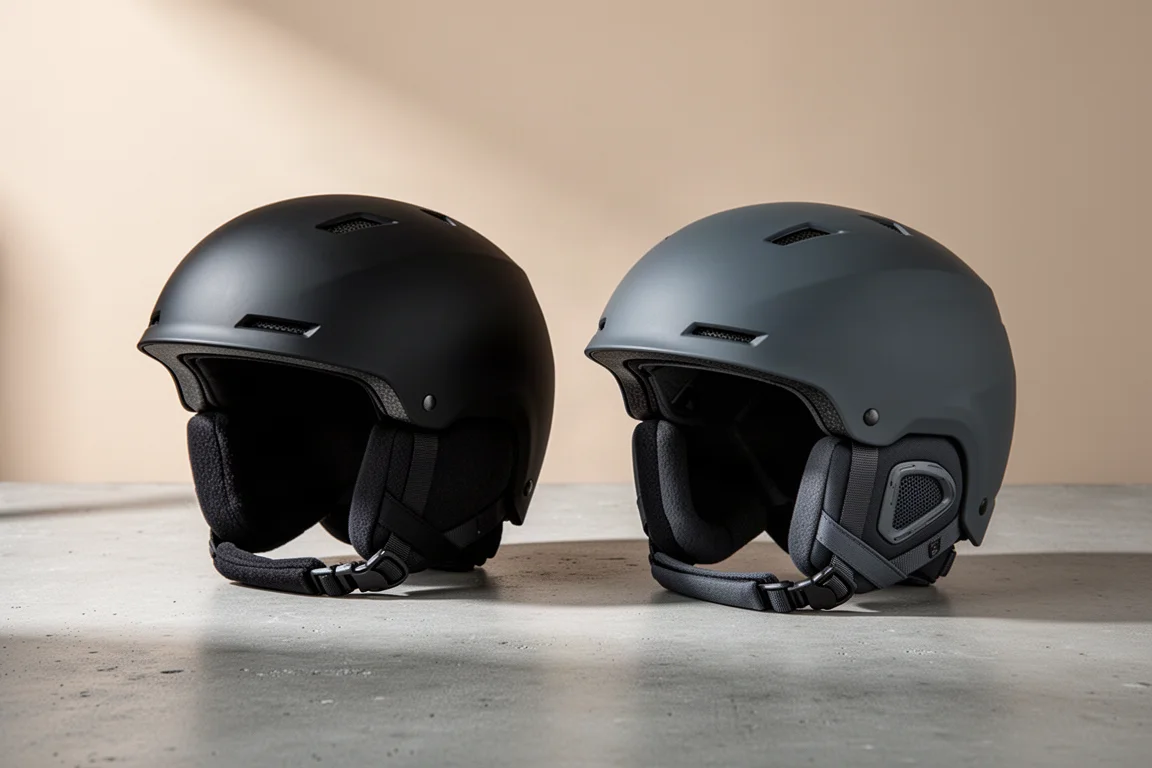
Helmet shopping gets confusing fast. Two helmets can look nearly identical on the rack while being built for completely different kinds of use, and the price gap is not always explained. The three categories that matter most are single-impact helmets with MIPS, multi-impact helmets with MIPS, and multi-impact MIPS race helmets with hard ear pieces. Each one answers a different question about how often you ski, how fast you go, and what your helmet is likely to come into contact with over a season. Sorting out those three categories makes the decision much simpler, and it also shows where your money actually goes.
How Ski Helmet Types Differ: Single-Impact, Multi-Impact, and Race
MIPS shows up in all three categories, and it is the one feature worth checking on every helmet. It is a rotational protection system built into the liner that allows a degree of movement inside the shell during an impact, which helps reduce the rotational forces linked to concussions and other head injuries.
Single-impact helmets are the entry point. They are built to protect you through one significant impact, and after that they should be retired. If you ski a few days a year, that is a reasonable compromise, and it is often the right call for children who will outgrow a helmet long before it wears out.
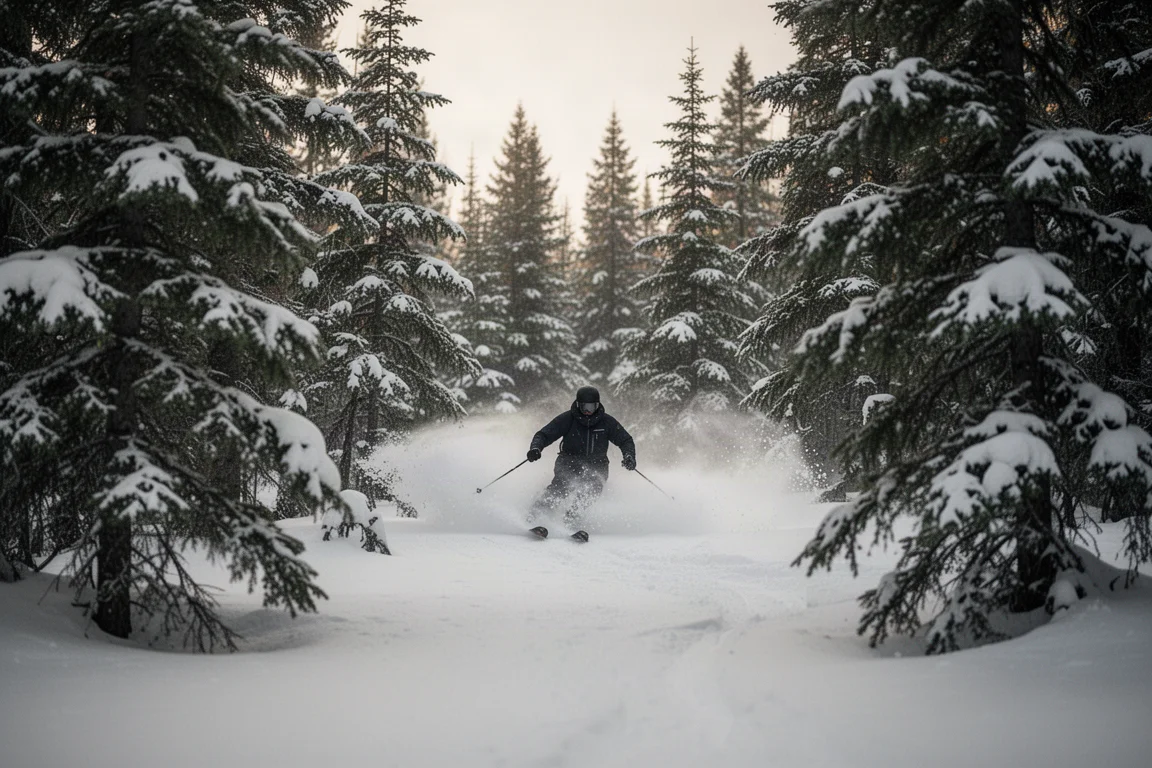
Multi-impact helmets add a foam layer that recovers after smaller hits. When a helmet like this takes a light knock, the foam compresses and then breathes back toward its original shape rather than staying permanently flattened. That matters more than it sounds. A branch clipping your head in the trees, a knock in a crowded lift line, or a helmet bouncing around in a gear bag no longer means the helmet is compromised. Multi-impact helmets usually cost more, and for adults who ski regularly the durability is easy to justify.
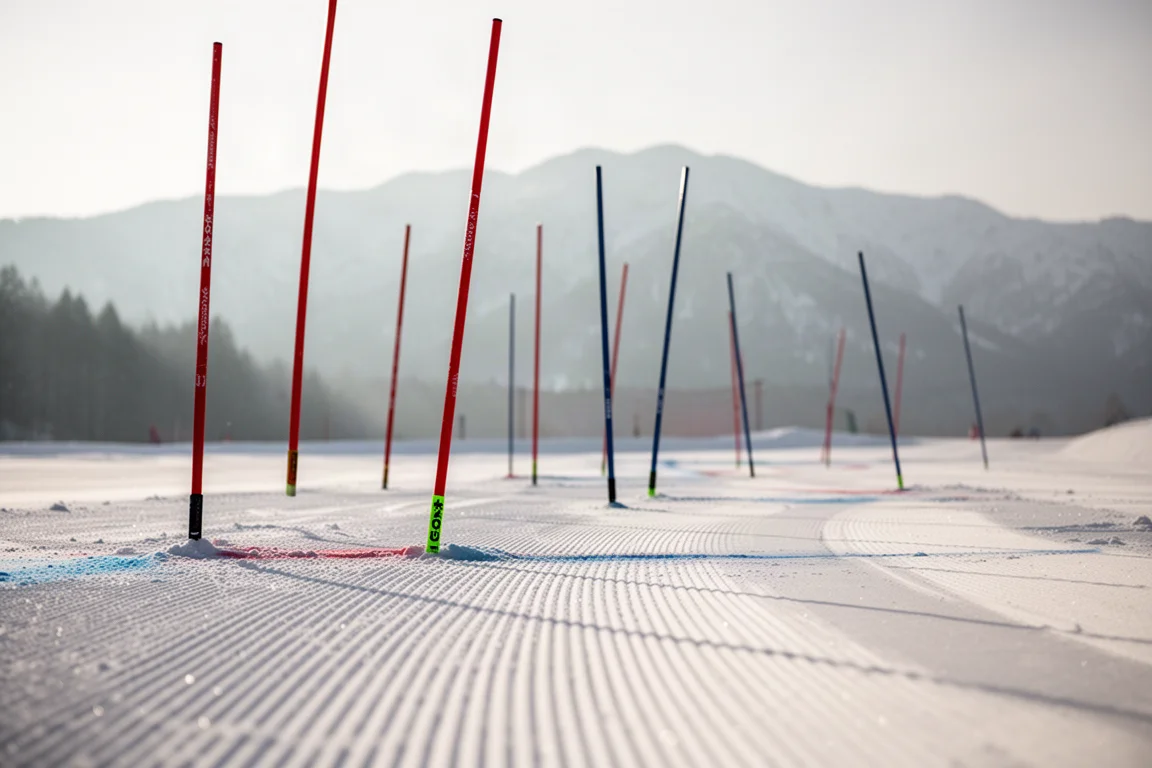
Race helmets combine multi-impact construction and MIPS with hard ear pieces. Competition regulations only permit soft ear helmets for slalom; GS, Super G, and downhill all require the hard-shell ear design. The stated reason is that race gates can catch or hook on soft ear padding, pulling it out of position and leaving the ear or face exposed to a gate strike.
There is also a practical airflow argument that lines up with how the two designs feel at speed. In a low tuck, wind can work its way under a soft ear flap and start to lift the helmet off the head. Hard ear pieces close that gap and create a much more sealed fit, which keeps the helmet in place and avoids the drag of a lifted shell acting like an air brake. It is also why race helmets feel noticeably quieter and warmer than soft ear designs.
Best All-Around: POC Multi-Impact MIPS Helmet
For most adults, this is the category to buy. A multi-impact MIPS helmet handles the small, constant abuse of a normal season without forcing an early replacement, and it keeps full rotational protection in the liner. It is the design that makes sense if you spend your days in the trees, if you ski with kids and end up doing a lot of inside clears, or if your helmet simply lives in a bag between trips.
The trade-off is cost. Multi-impact construction is more expensive than a basic single-impact helmet, and it is worth being clear about what that money buys. It buys resilience against minor impacts, not extra protection in a major crash. In a serious impact, a multi-impact helmet still needs to be replaced.
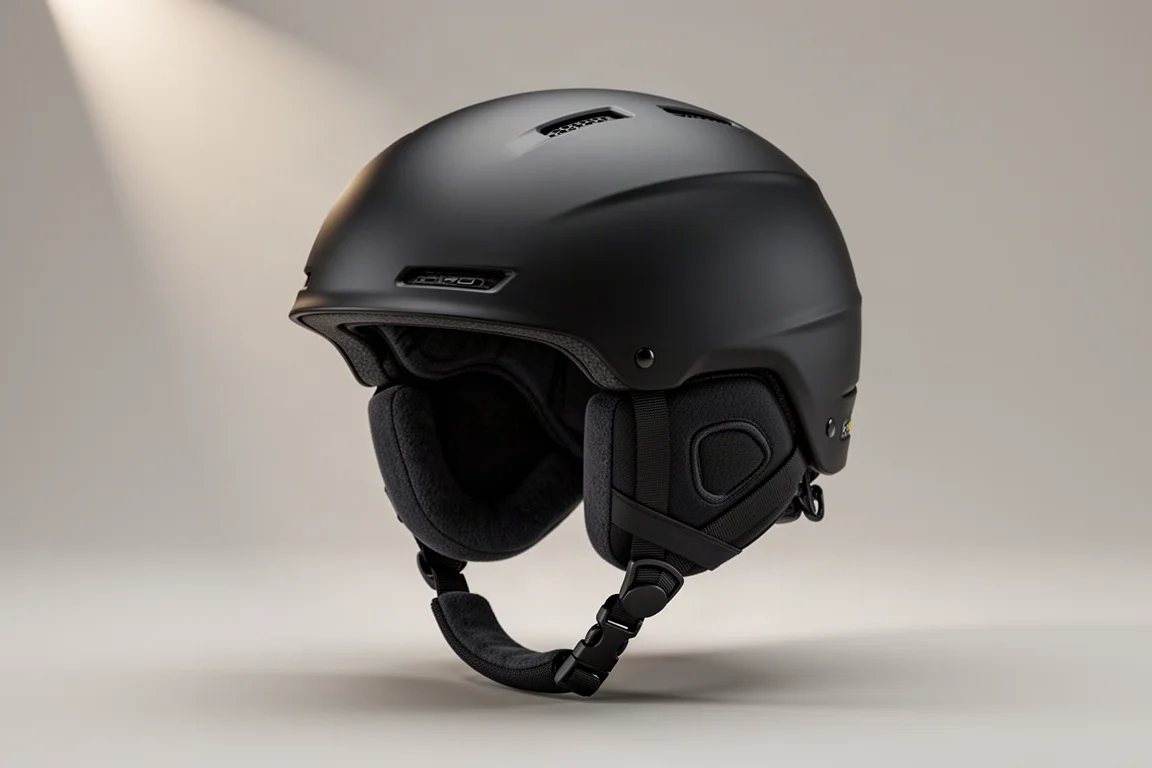
Best for Racers: POC Hard-Ear Multi-Impact MIPS Race Helmet
Racers and anyone who spends real time in a low tuck should be looking at a hard ear race helmet. It pairs the same multi-impact foam and MIPS liner with rigid ear shells, which is the combination the rules ask for once you move beyond slalom.
The rigid ear shells keep the helmet stable when airflow builds under the sides, which is exactly the situation that makes a soft ear helmet feel like it is lifting. They also cut drag and keep the shell quieter and warmer on cold days, a genuine benefit on long, exposed chair rides.
The catch is that this design is not for everyone. Hard ear pieces block more sound, which some skiers find uncomfortable on a casual resort day, and the helmet carries a premium price for features that only matter at speed. If you are not racing and not skiing fast, a soft ear multi-impact helmet gives you the same rotational protection without the compromises.
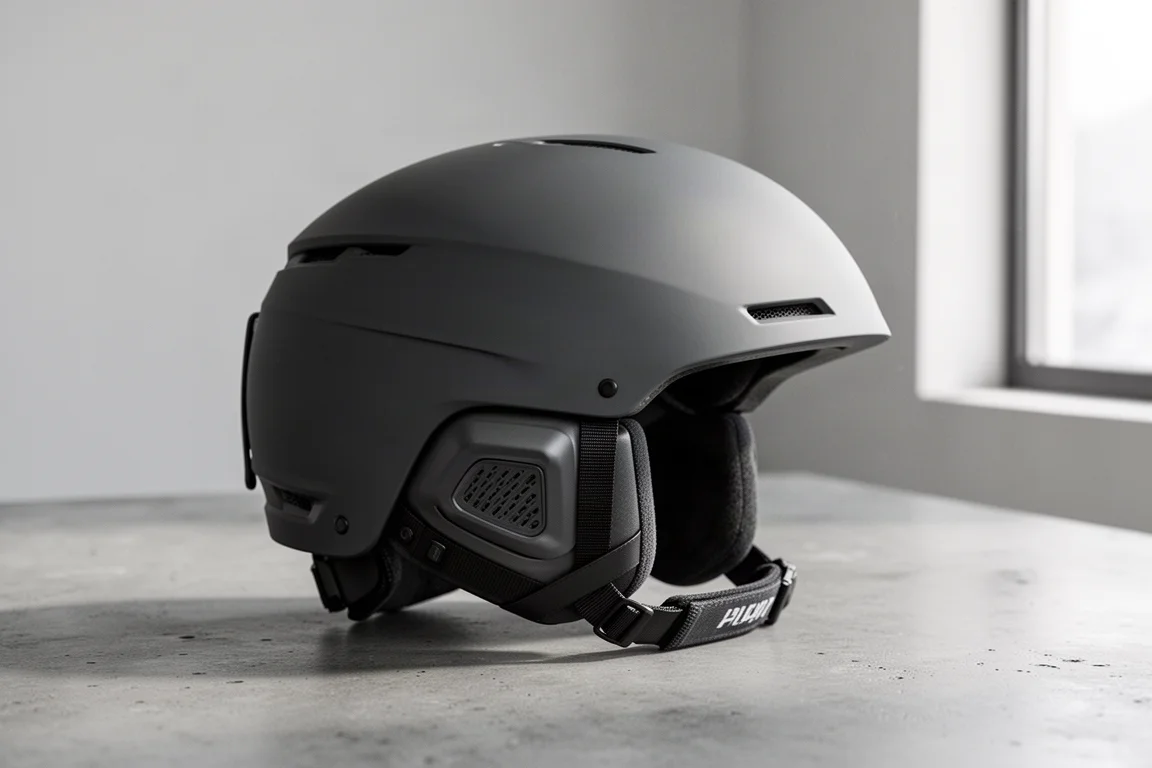
What Single-Impact MIPS Helmets Are For
A single-impact MIPS helmet is a genuinely good option for two groups. The first is children and toddlers, who outgrow helmets quickly and rarely need the durability of a multi-impact shell. The second is adults who ski a couple of days a season and want a safe, straightforward helmet at a lower price.
The one rule that matters here is diligence. If a single-impact helmet takes a large impact, it should be thrown out and replaced, no matter how intact the shell looks from the outside.
Warmth, Noise, and Wind: What Hard Ear Pieces Change
Ear design shapes the whole feel of a helmet, well beyond safety regulation. Hard ear pieces create a more enclosed fit, which keeps the helmet warmer and noticeably quieter on the mountain. Soft ear designs breathe better and let in more sound, which many recreational skiers prefer for talking on a lift, but they also allow more airflow around the ears.
That airflow is the detail worth remembering. Soft ear flaps feel fine at moderate speeds and start to become noticeable in a tuck, when wind finds the gap and pushes upward against the shell. If you ski fast, the sealed fit of hard ear pieces is not only about drag, it is about keeping the helmet where it belongs.
Helmet Care: When to Retire a Helmet
Replacement rules differ by category, and following them is the simplest way to stay safe. A single-impact helmet should be retired after one significant impact. A multi-impact helmet can absorb the small stuff, but a large impact still means it is done. Check the foam and the shell for cracks or compression after any hard hit, and if you are unsure, replace it.
Buying Advice Before You Choose
Start with how you actually ski, not with the price tag. Occasional skiers and children are well served by a single-impact MIPS helmet. Adults and advanced skiers who want a helmet that survives branches, lift-line knocks, and bag travel should step up to a multi-impact MIPS model. Racers and fast skiers in a low tuck should choose a hard ear race helmet.
Fit matters as much as category. A helmet that sits correctly and tightens down properly will protect you better than a more expensive helmet that shifts on your head. Look for MIPS in every case, confirm the ear design suits your speed and your climate, and treat the multi-impact upgrade as insurance against the small incidents that would otherwise end a helmet’s life early.
Conclusion
The three categories are easier to separate than the marketing suggests. Single-impact MIPS helmets cover occasional skiers and kids. Multi-impact MIPS helmets are the practical default for adults and advanced skiers who want a helmet that survives the minor abuse of a season. Hard ear multi-impact race helmets exist for speed, where gate contact and airflow make a sealed, stable fit genuinely useful. Match the helmet to how you ski and you get the protection you need without paying for features that never come into play.
Further reading
Related Reviews

Ski Gear
2023 Blizzard Hustle vs Rustler: Six Freeride Skis Compared
Blizzard's 2023 Hustle collection rebuilds the Rustler shape with a lighter core and no metal. Here is how all six skis differ, and which one suits your riding.

Ski Gear
2023 Skis of the Year: Atomic Maverick 88 TI, Salomon QST 106, and Look SPX 12 Pro
Three standout ski picks for all-mountain carving, powder days, and reliable binding performance, with practical buying notes for 2023 models.

Ski Gear
2025 Nordica Enforcer 104 Review: A Directional Charger Replaces the 104 Free
The 2025 Nordica Enforcer 104 drops the Free name and the twin-tip personality, gaining weight, stiffness and composure in rough snow. Here is what changed and who it suits.