Ski Gear
12 Ski Gear Upgrades That Actually Changed Our Skiing
From properly fitting boots and Zipfit liners to a reliable roof rack and Booster Straps, these are the gear changes that made the biggest difference on and off the hill.
Introduction
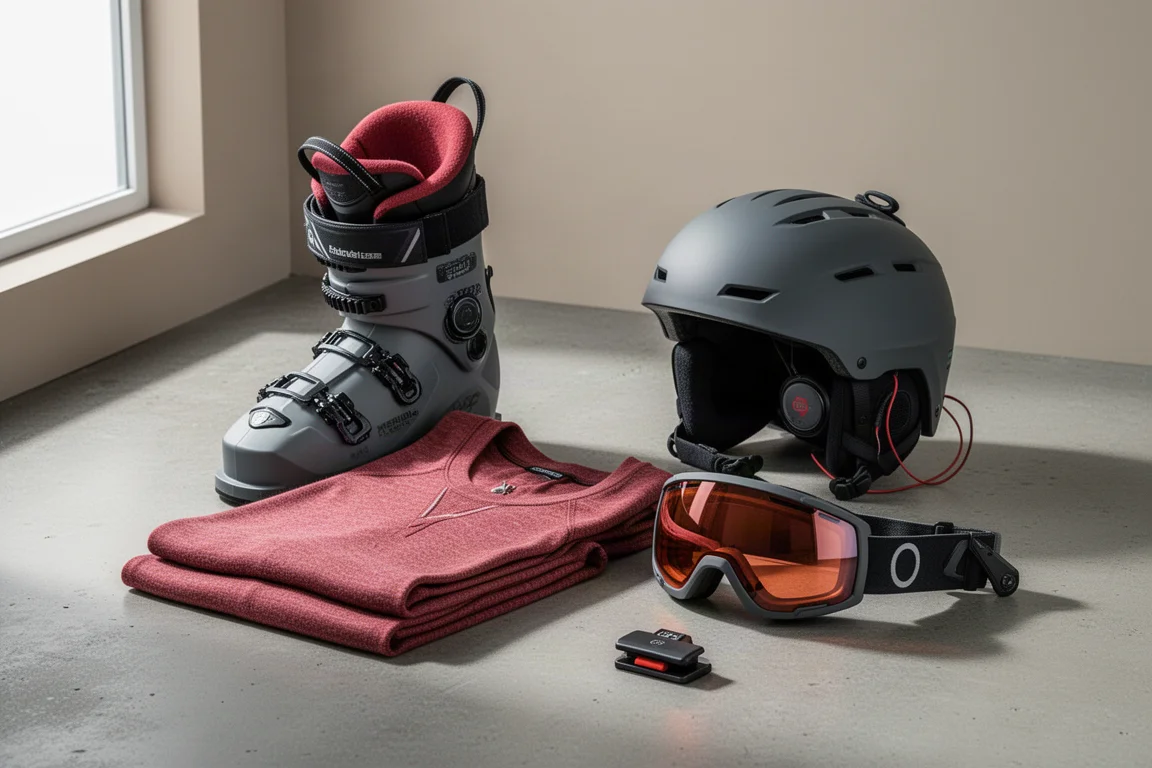
Some gear upgrades are incremental. Others genuinely change how you ski, how comfortable you are, and how much you look forward to a day on the hill. This list covers the twelve changes that made the biggest difference over the past couple of years, including several things that seemed silly, overpriced, or unnecessary until they were actually tried.
A quick note on how this list is ordered: it is not a strict ranking, though the top two items are arguably the most important. Unsurprisingly, both are about your feet.
Why the Right Ski Boots Matter Most
Nothing has a bigger impact on skiing than a properly fitting boot in the right size and the right flex. A large number of skiers are in boots that are too big, often because they were bought in summer or fall when their feet had not been in ski boots for months. A size chart will not get you there. You need to try boots on, ideally with someone who will spend 45 minutes to an hour getting the fit right.
The difference is dramatic: more responsive turns, better control over upper-body habits, and a better match between flex and ability. It is the single change that has improved skiing more than anything else, and it is why boots travel to every destination even when skis stay home.
Aftermarket Liners and Footbeds: Zipfit Changed Everything
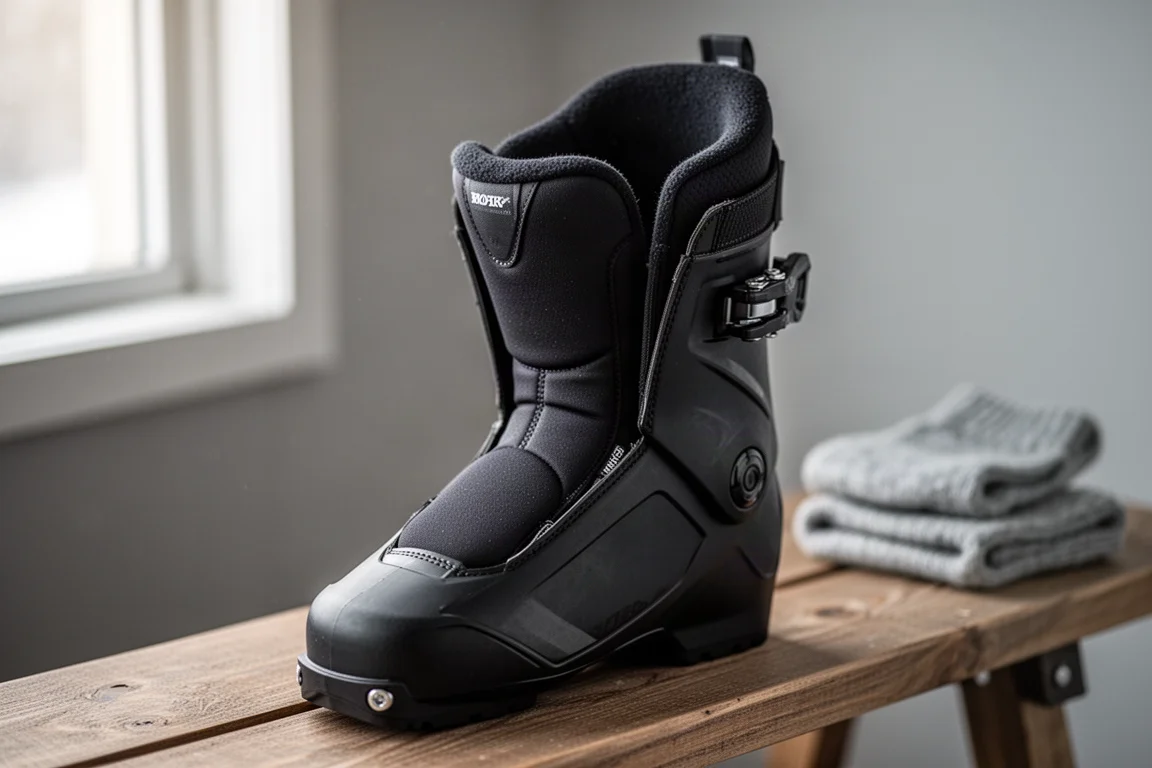
Once the boot shell is right, the inside is where the next big gain lives. Aftermarket liners and proper footbeds address the pain points that OEM setups leave behind. For many skiers, alternatives like Intuition liners or quality insoles make a real difference, but the Zipfit Freeride liners stand out as the most transformative item on this list.
They are expensive, especially if you are used to buying boots on sale in the summer, and the initial skepticism was real. But the neoprene in the toe box eliminated long-standing side-to-side pain, particularly in the trees, and the comfort level simply has not been matched. They have now moved across multiple test shells. Note that buying them used online is a gamble and not something to rely on.
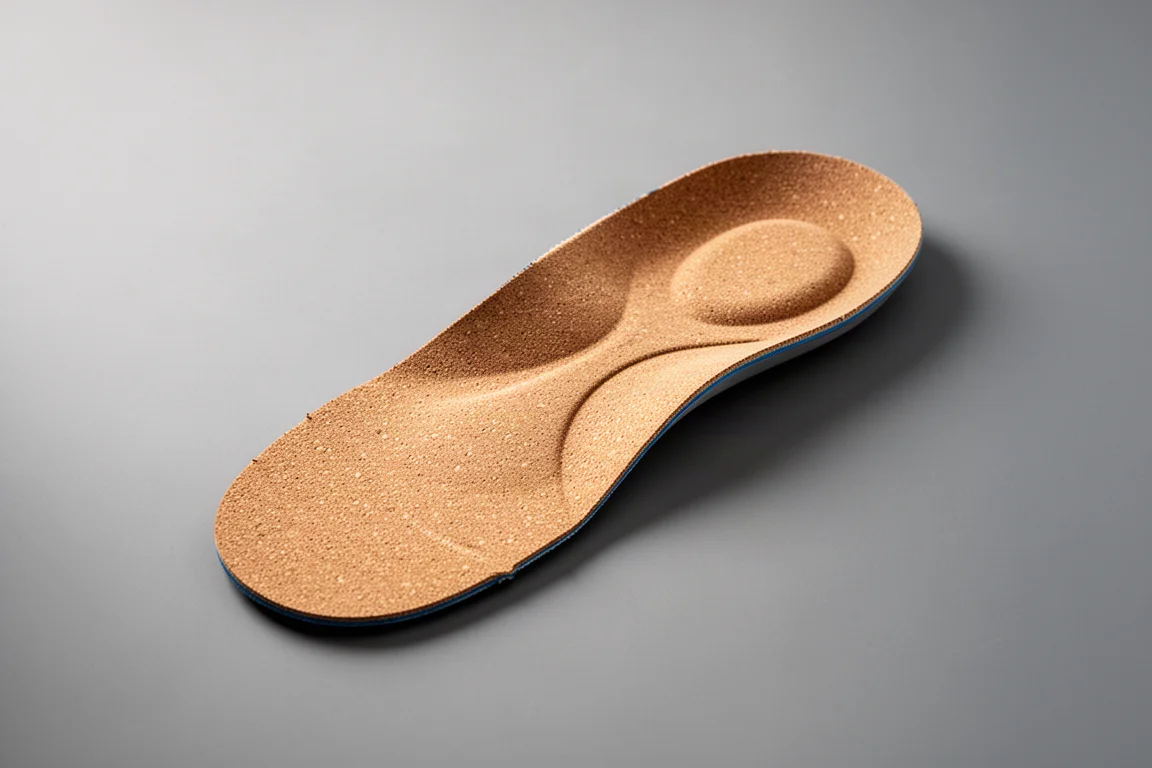
If you would rather start smaller, the Zipfit footbed proved to be a favorite after testing this year. Proper footbeds are one of the best value-to-impact upgrades available, and this one has been the best of the bunch so far.
Proper Powder Skis: Stop Fighting the Snow
Skiing everything on one mid-width ski builds skills, but it also creates a bottleneck. A single 90 mm ski used for both groomer days and deep days works, but it makes you work far harder than you should in powder, and it limits how aggressively you can ski off-trail.
A designated powder ski opens up that choke point. You get a better platform, better balance in deep snow, and you are less prone to injury. If you live somewhere that gets consistent powder, this is a genuine game-changer rather than a luxury.
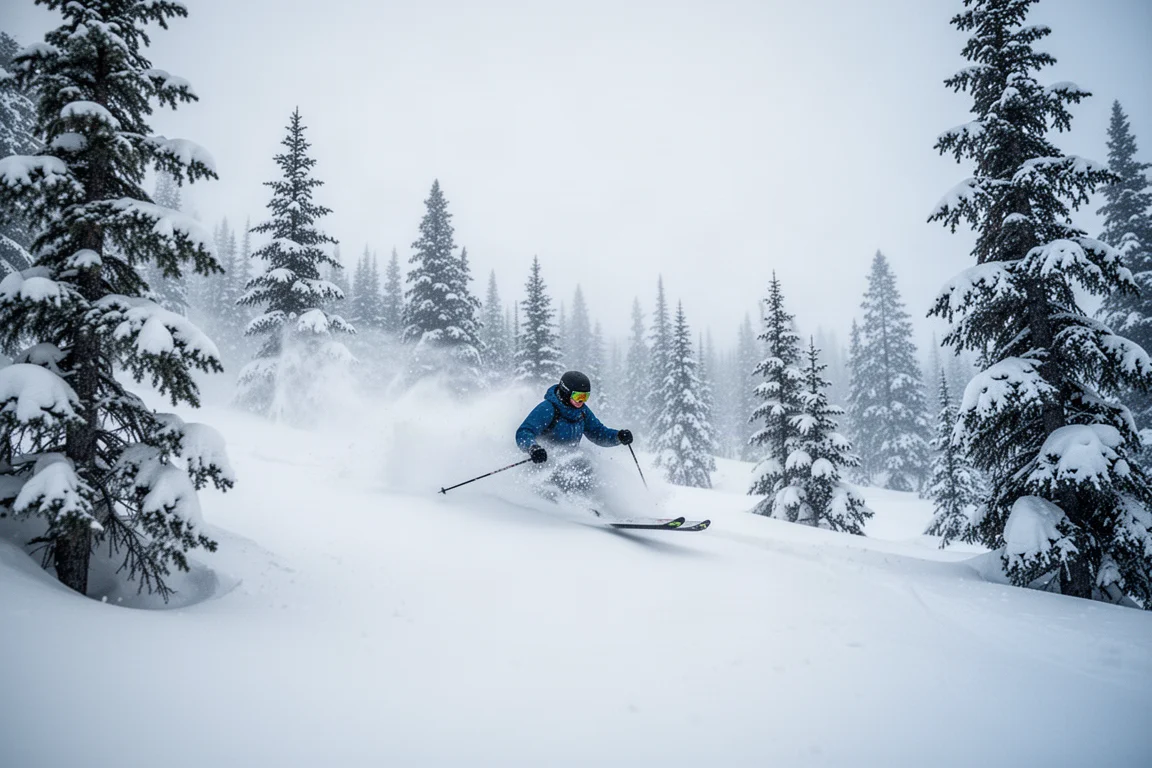
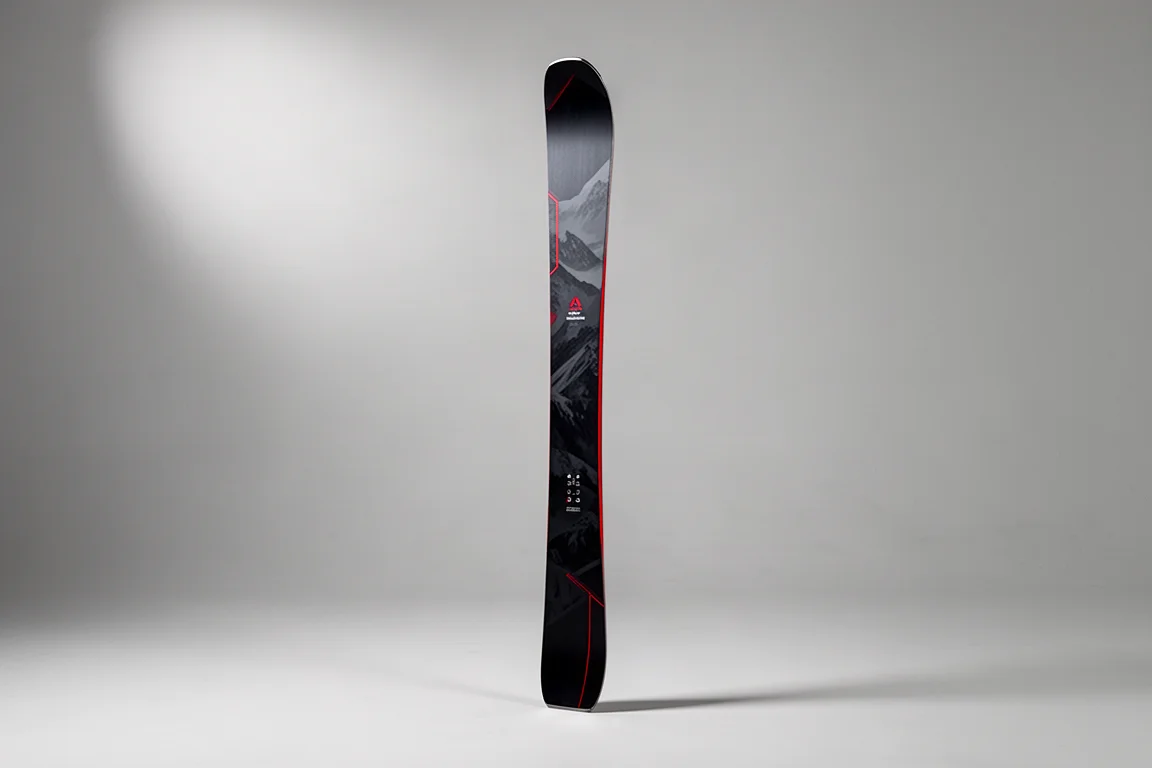
The Atomic Vantage 90, bought used at a ski swap for a few hundred dollars, is the ski that made everything work in the meantime. At 176 cm and 90 mm underfoot, it handled groomers and powder days alike, but there is a clear ceiling on what it can do in deep snow once your skills catch up.
One Good Shell Beats Three Okay Jackets
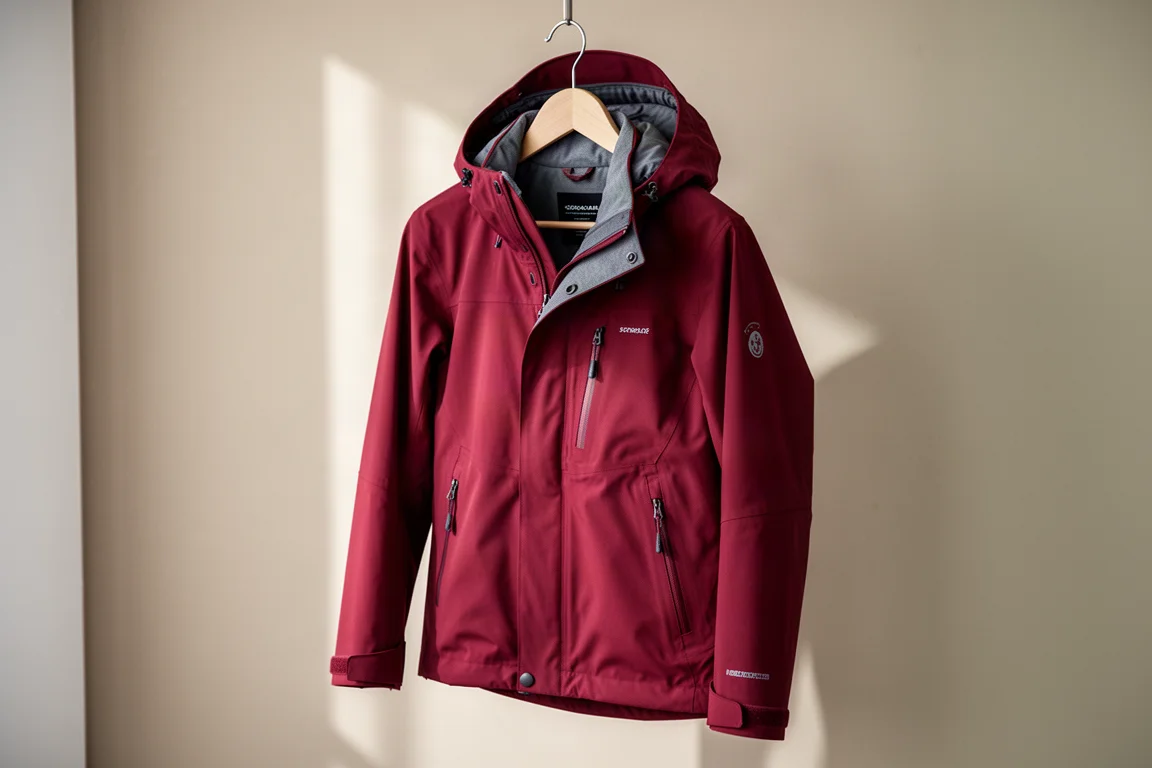
A single high-quality shell is worth more than several mediocre jackets. It keeps you dry, dries overnight, packs down to one item instead of three, and a proper cut keeps your body out of the elements. The same logic applies to snow pants, though to a lesser extent since the jacket takes the brunt of the weather.
The first good shell was bought used online, and shopping deals can get you close to those used prices anyway. The Mammut Haldigrat in red became the one-jacket travel solution: dry by morning, comfortable all day, and simple to pack.
A Proper Vehicle With Good Snow Tires
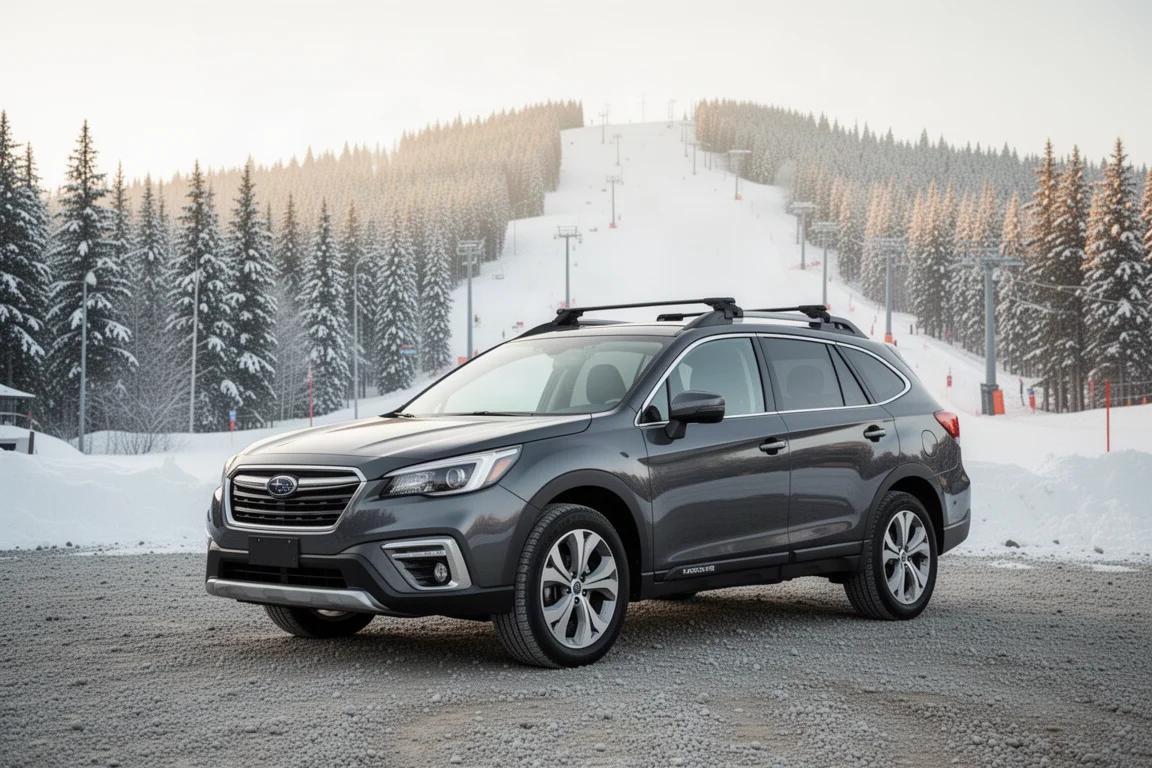
Most days, any car can make it up the hill. Big storms are the exception, and that is exactly when it matters. The first priority is not the vehicle itself but good snow tires: when you are coming downhill, grip and tread make the most difference.
Beyond that, ground clearance matters more than drivetrain bravado. A vehicle with enough clearance to back out of a snowy parking spot without getting stuck, plus a trunk you can get ready out of without snow falling on you, turns out to be a genuine quality-of-life upgrade rather than a vanity purchase.
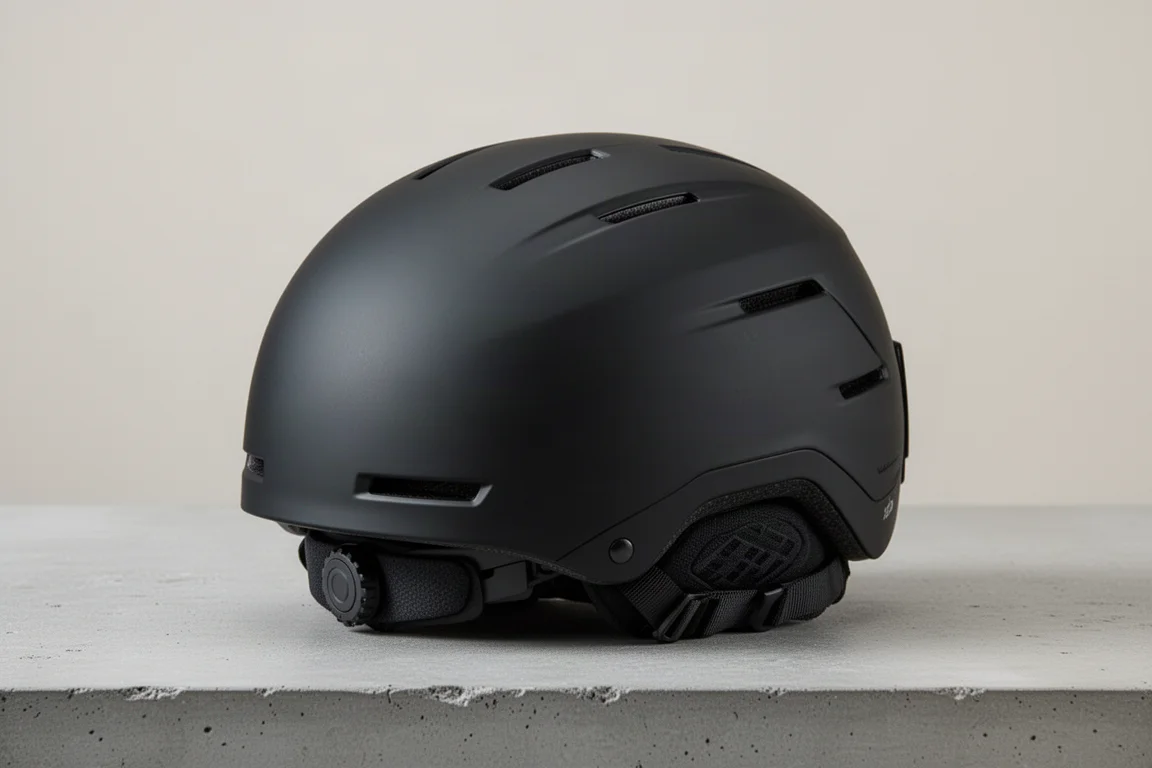
A Helmet With Built-In Headphones: The Skeptic’s Conversion
This is the item that would never have been bought at full retail, and yet it may be the most pleasant surprise on the list. Wired earbuds under a helmet pull, yank, get tangled in gear, and prevent a proper seal. A helmet with an integrated audio system solves all of it, adds call capability, and makes solo reps on a slow day dramatically better.
POC Obex
The Obex itself is a staple helmet that goes on sale reasonably often, which softens the investment. It is a well-rounded choice if you want the shell without committing to the full audio ecosystem.
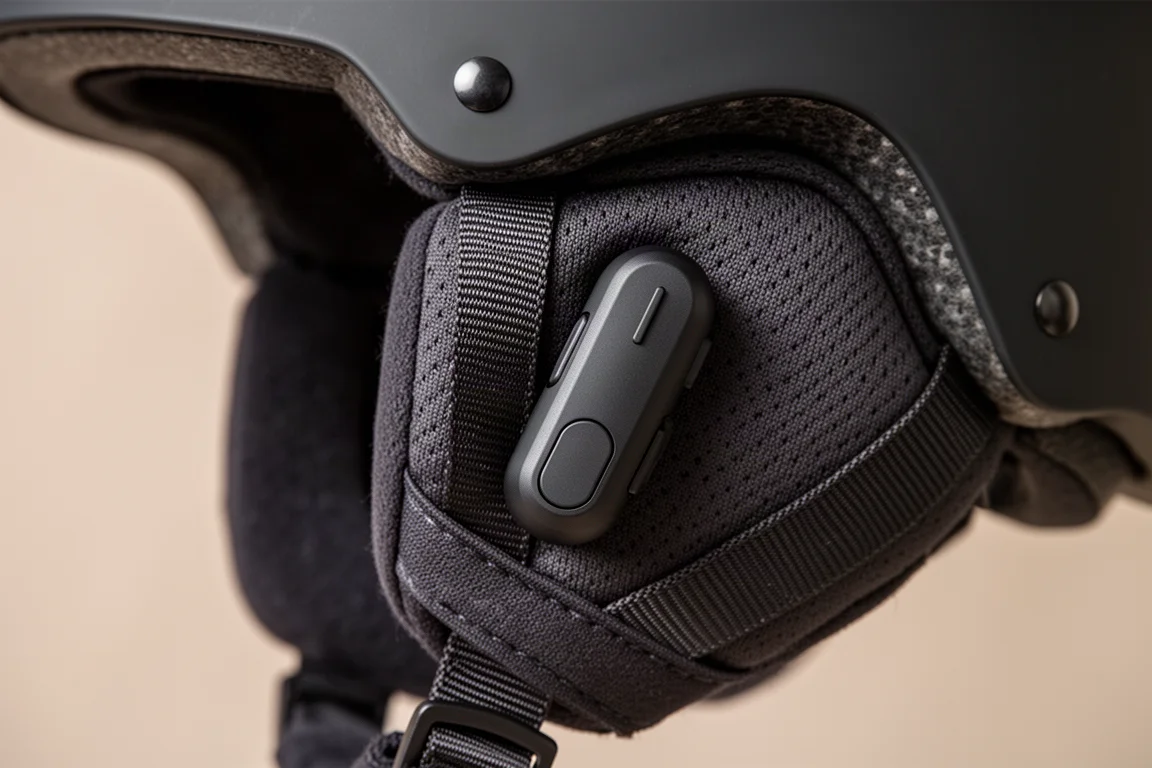
POC Obex Connect
The Connect audio piece is the expensive part, pushing the full setup toward $600 at retail, with the piece itself around $330. The key design detail: the piece slides out, so if the helmet is damaged you can move the Connect into the next helmet. Downsides exist and the price is hard to justify on paper, but once you have used it, going back is difficult.
Goggles: The Right Lens for Flat Light
Better goggles earn their place for a specific reason: flat light. On narrow trails in flat conditions, the disconnect between what your brain expects and what your feet feel can produce genuine dizziness. A good lens restores the contrast and depth perception you need to read the pitch of the hill.
The practical approach is owning two pairs: one with a low-light lens, one with a bright-day lens. A soft pink lens with a hint of reflection works well for stormy days in case the sun appears midday. A goggle that fits properly and keeps ice and snow out of the frame contributes directly to comfort and confidence.
Good Base Layers: The Small Fix With a Big Payoff
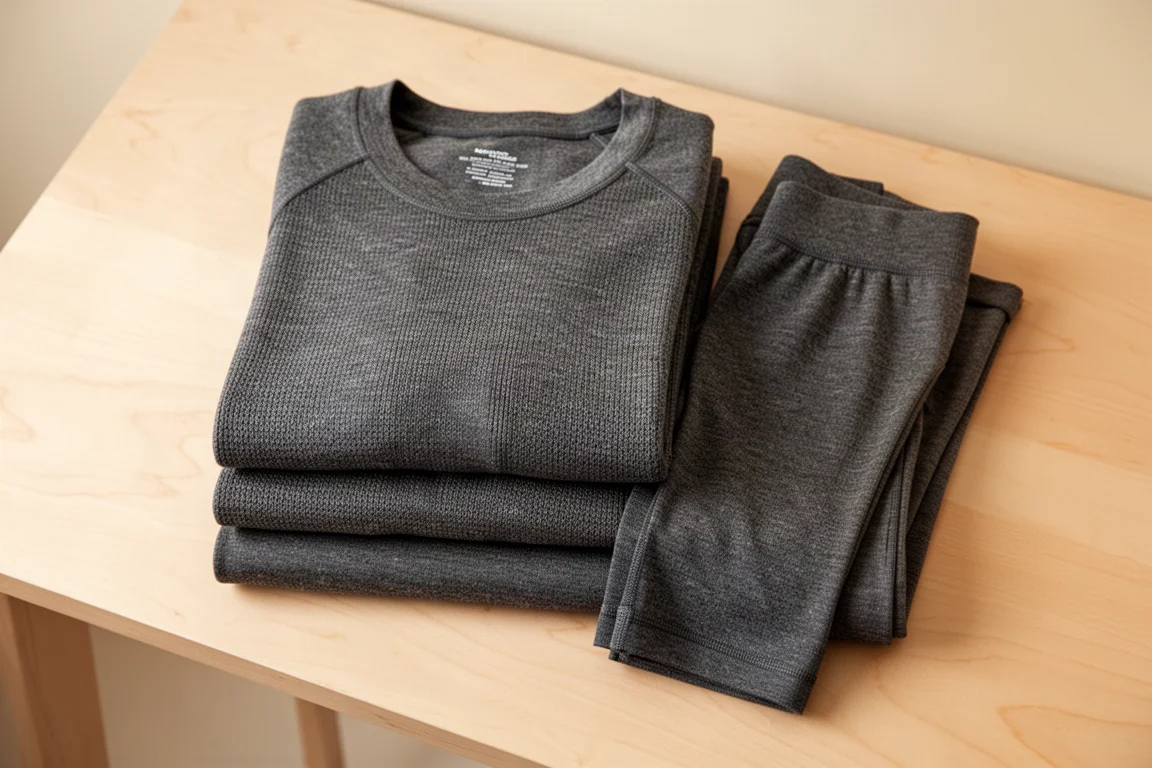
Cheap or ill-fitting base layers that ride up every two or three runs are a small annoyance that compounds into a bad day. Properly fitting base layers, paired with snow pants that actually fit, remove the constant adjustment entirely.
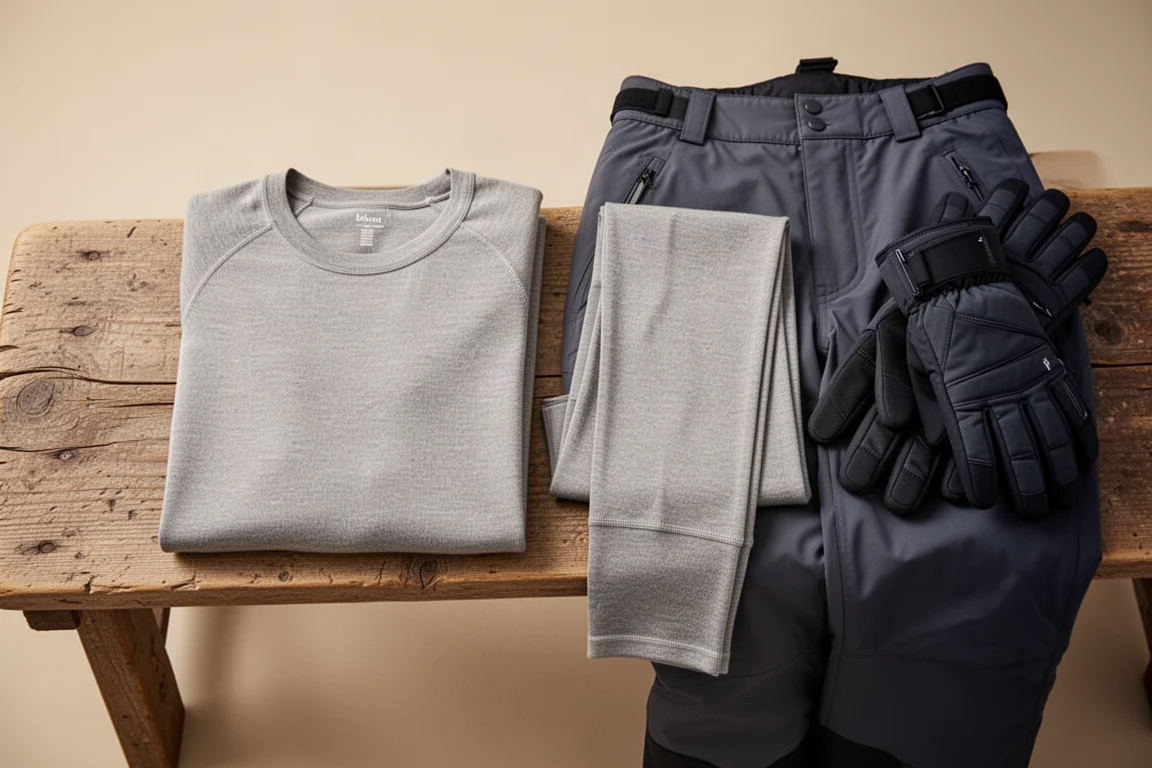
The Ibex Woolies line has been the clear favorite, especially the three-quarter bottoms. They stay up, they are warm and dry, and merino feels far better against the skin than slick synthetic polyester. For skiers with proportions that make most base layers slide down, finding ones that do not is a genuinely hard win.
A Proper Ski Rack: Reclaim Your Days
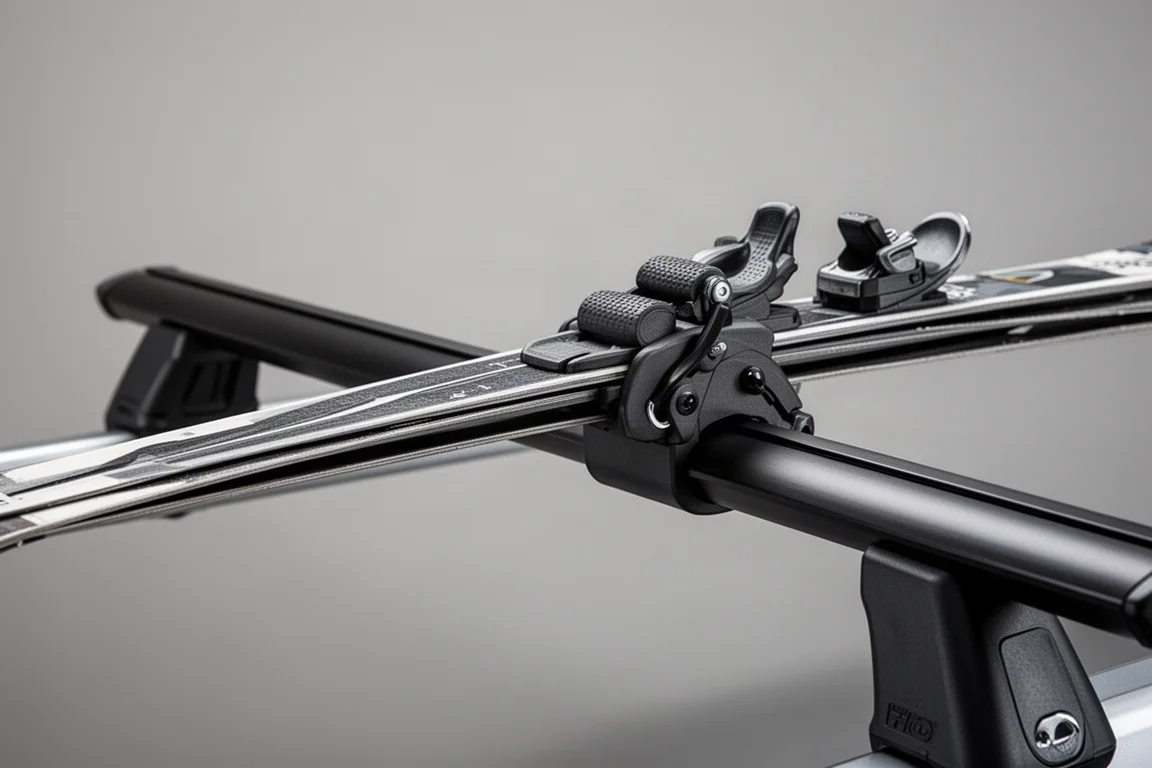
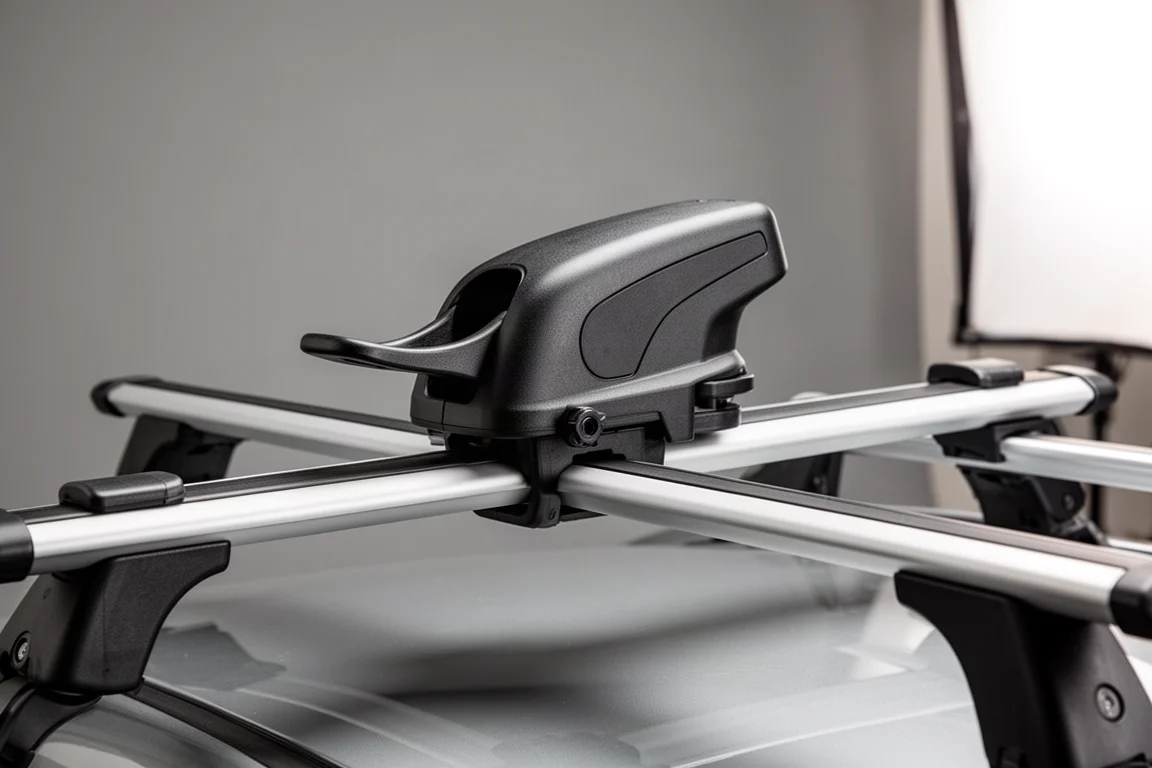
Keeping skis inside the car works, but it costs you your upholstery, your car’s dryness, and your sanity when you need to reload car seats after a ski day. A locking roof rack that goes on and off quickly saves real time and keeps the cabin clean.
The Kuat Grip is a solid option that has done dependable duty, while the Yakima FatCat 6 Evo is the current test unit. Either way, the day-to-day convenience is hard to overstate: pick the kids up from school after a ski day without unloading the back.
Booster Straps: Best Value Per Dollar
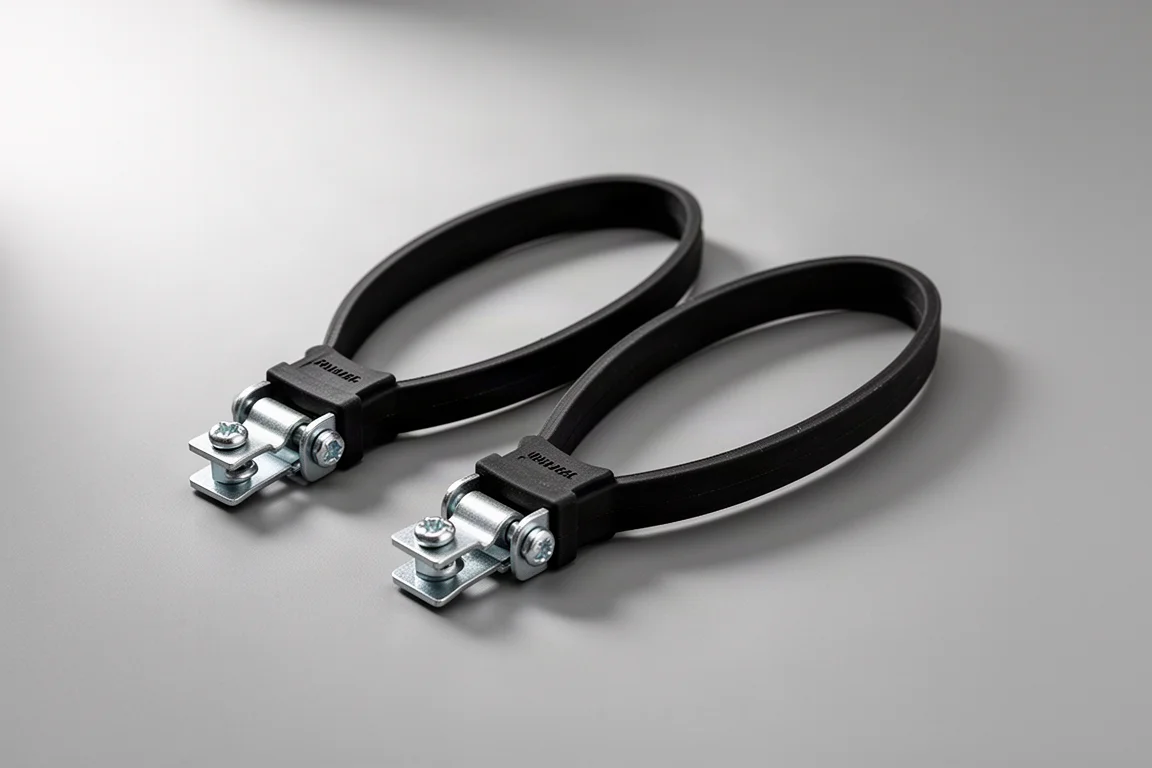
Booster Straps sound trivial until you use them. The flex becomes smooth, even, and gradual compared to stock power straps, and that predictability shows up directly in how the boot skis. They are a pain to install, but the payoff is immediate.
OEM straps have improved from the old Velcro days, so check what your boot already has. But for anyone without a strong stock strap, this is probably the best improvement available per dollar on this entire list.
Demo Bindings and Mounting Point: The Underrated Experiment
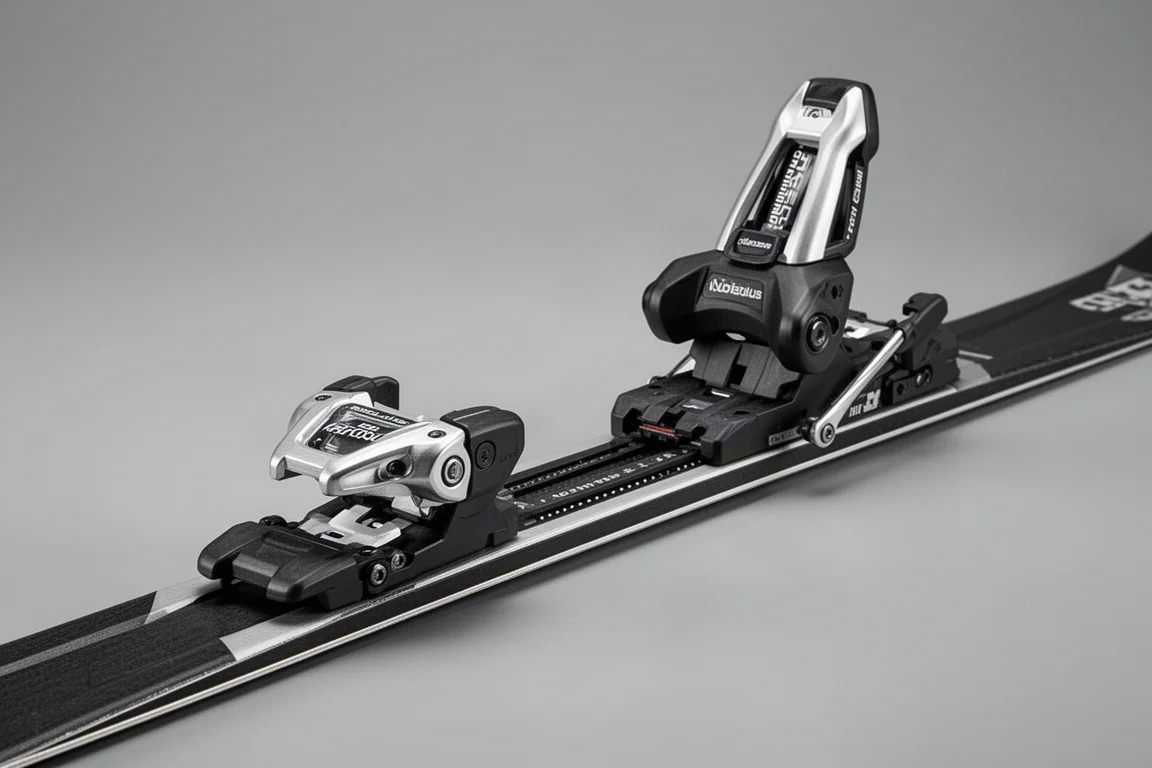
Demo bindings let you test mounting point on any ski, and that flexibility fixes more complaints than you might expect. Plenty of skis that felt wrong turned out fine once the mounting point moved; others were simply the wrong ski, and the demo setup revealed that too. As the industry pushes toward freestyle and freeride skis, finding the sweet spot by moving the mount back on a non-carving ski has become increasingly important.
There are practical bonuses: with attention to toe height, you can share skis with friends so they can test setups, and when it is time to sell a pair, demo bindings mean you are not locked into one boot.
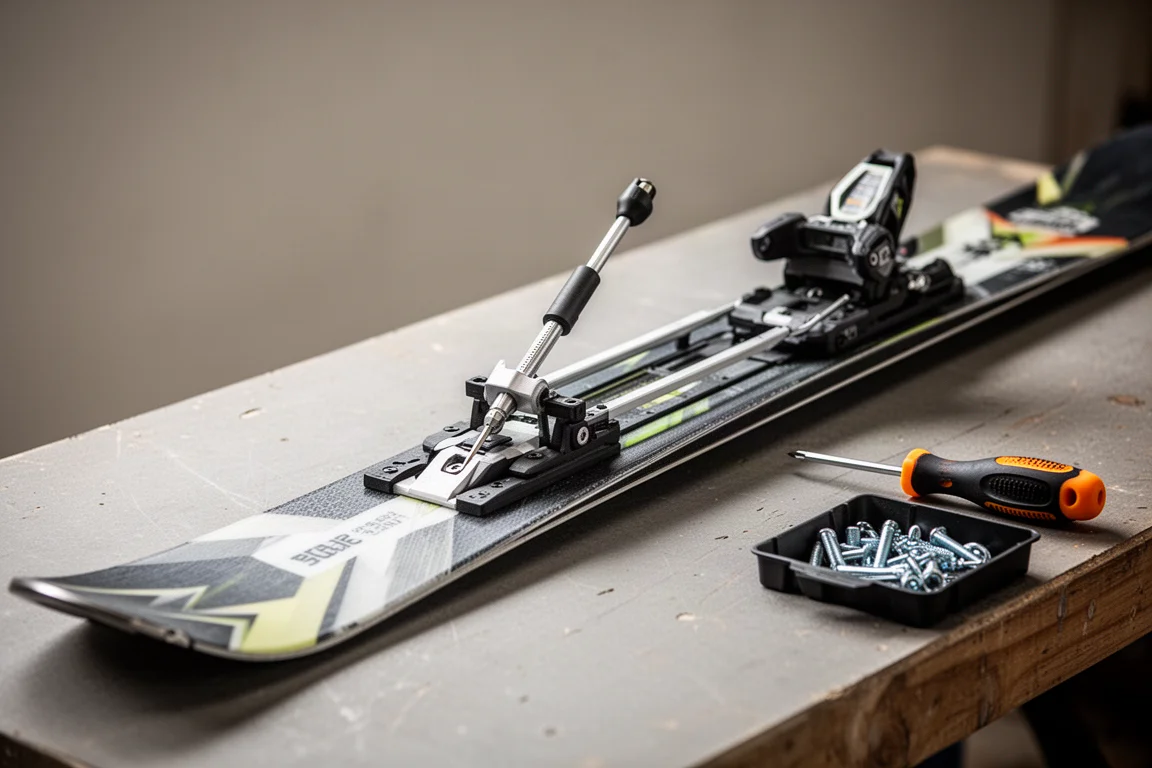
The Tyrolia Attack is the demo binding in use, though other options exist. Even outside of testing duties, it is hard to imagine going back to fixed mounts.
Conclusion
The pattern across this list is clear: the biggest wins came from fit and foundations, boots, liners, footbeds, and base layers, followed by gear that removes friction from the day, shells, racks, and bindings that adapt instead of locking you in. Not every item is necessary, and a few are genuinely expensive, but each one earned its place by making skiing more comfortable, safer, or simply more fun. Start with your boots and work outward from there.
Further reading
Related Reviews

Ski Gear
2023 Blizzard Hustle vs Rustler: Six Freeride Skis Compared
Blizzard's 2023 Hustle collection rebuilds the Rustler shape with a lighter core and no metal. Here is how all six skis differ, and which one suits your riding.

Ski Gear
2023 Skis of the Year: Atomic Maverick 88 TI, Salomon QST 106, and Look SPX 12 Pro
Three standout ski picks for all-mountain carving, powder days, and reliable binding performance, with practical buying notes for 2023 models.

Ski Gear
2025 Nordica Enforcer 104 Review: A Directional Charger Replaces the 104 Free
The 2025 Nordica Enforcer 104 drops the Free name and the twin-tip personality, gaining weight, stiffness and composure in rough snow. Here is what changed and who it suits.