Ski Gear
Ski Gear Roundup: Boots and Skis Worth Building Around
A practical look at 130-flex boots, a cork and leather liner upgrade, and all-mountain skis that cover groomers, moguls, trees, and soft snow.
Introduction
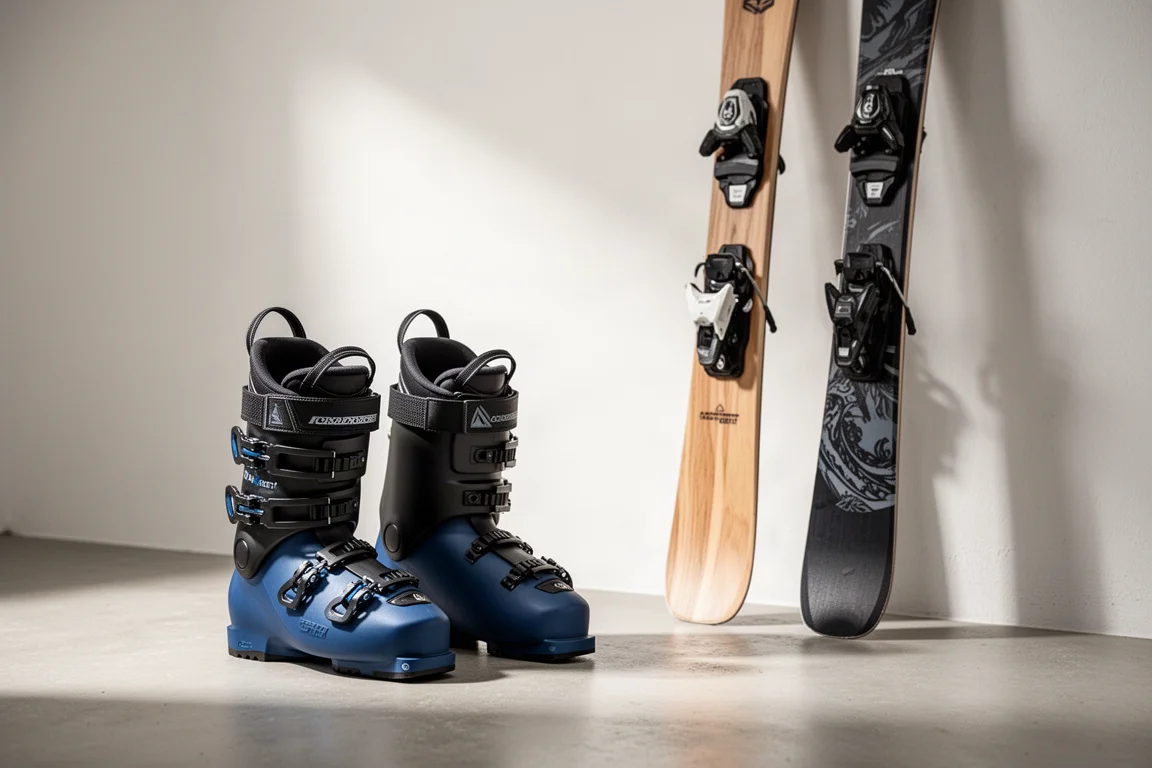
A boot that fits changes more about a ski day than any ski you can bolt to it. That is the logic behind this collection: a group of 130-flex boots, nearly all mid volume and nearly all in a 27.5, matched with skis that each do one job extremely well. Firm groomers, moguls, tight glades, and soft snow are all covered, but not by any single pair.
There is a second theme here too. If your forefoot is wide or your instep is high, fit problems tend to show up first in the boot, and the fixes are usually small: a bump-out in the forefoot, a thinner liner, a different closure system. Skis are more forgiving. Boots are where the patience pays off.
How These Picks Were Chosen
Three criteria shaped this list.
Fit out of the box. Every boot here worked with minimal shell modification, which matters if you would rather spend your season skiing than standing in a shop.
A clear specialty. Each ski earns its place by doing something exceptionally well, whether that is holding an edge on firm snow, absorbing a mogul line, or staying loose and drifty in fresh snow.
Long-term value. Gear that can be refreshed, moved between boots, or bought a model year later for less money is worth more than a flashy one-season pick.
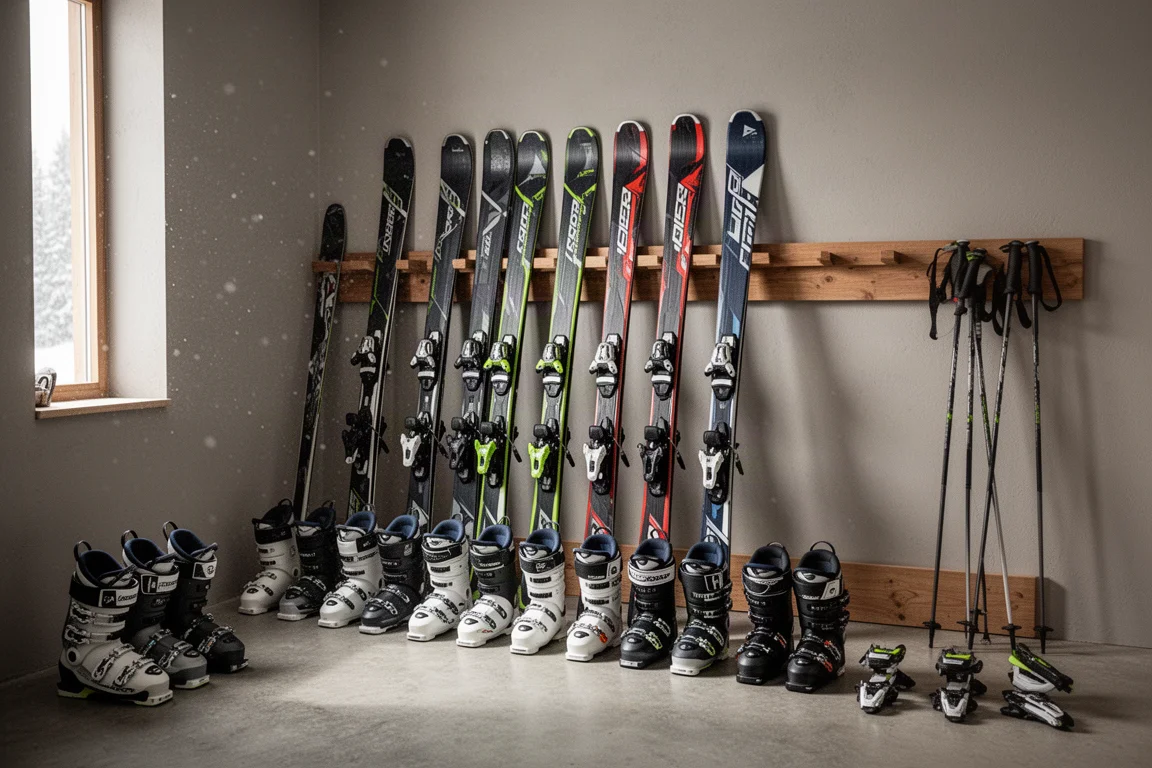
Boots and skis that share a fit philosophy tend to get skied more. When a boot disappears on your foot, you stop thinking about the boot and start thinking about the line, which is the whole point.
Best All-Mountain Boot: K2 Mindbender 130 Pro
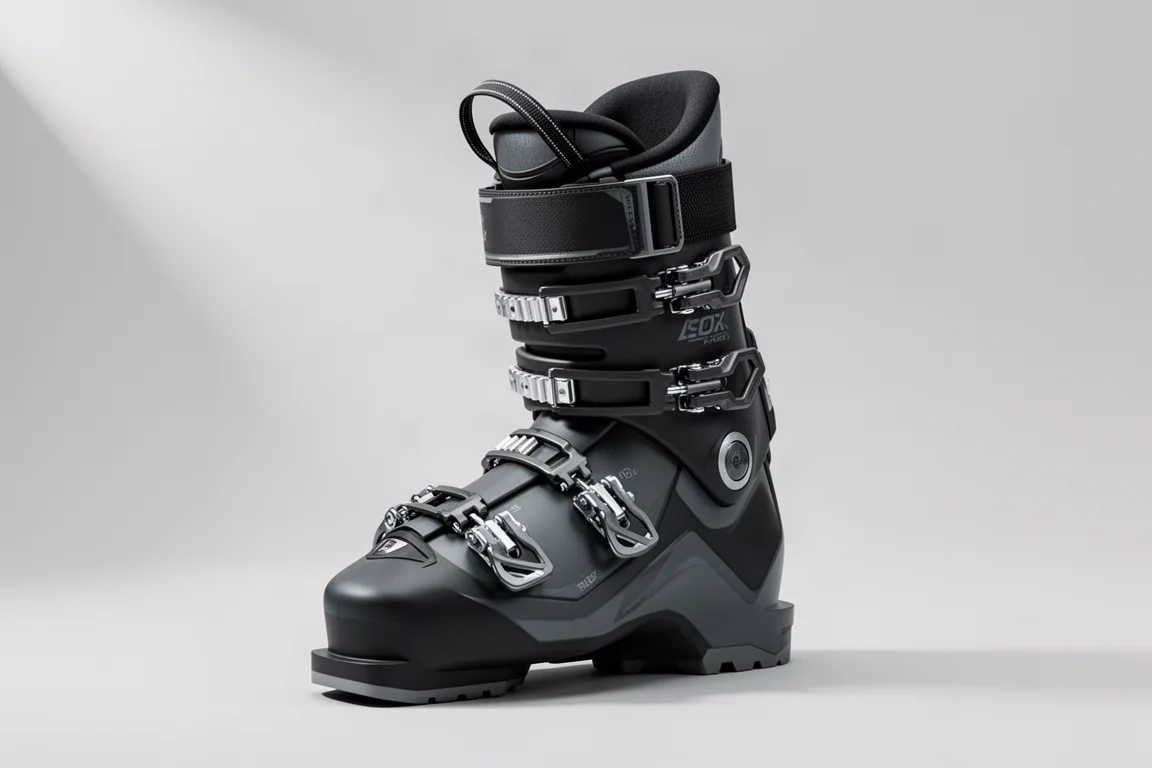
The Mindbender 130 Pro is a 100 mm last boot, and this pair measures 101 mm in a 27.5. That puts it in mid volume territory, but everything else about it sits closer to a race boot. The plastic is thick, the lower shell wrap climbs high and overlaps generously, and there is a lot of material in contact with the foot. The liner runs thin, with lower volume foam.
The result is a boot that carves with unusual authority and stays composed in bumps and trees. Heft does not translate into clumsiness here. It is the boot to reach for on race days or any day when maximum downhill performance is the goal, and it fit out of the box with only minor work.
Best Low-Volume Boot: Dalbello Shadow 130
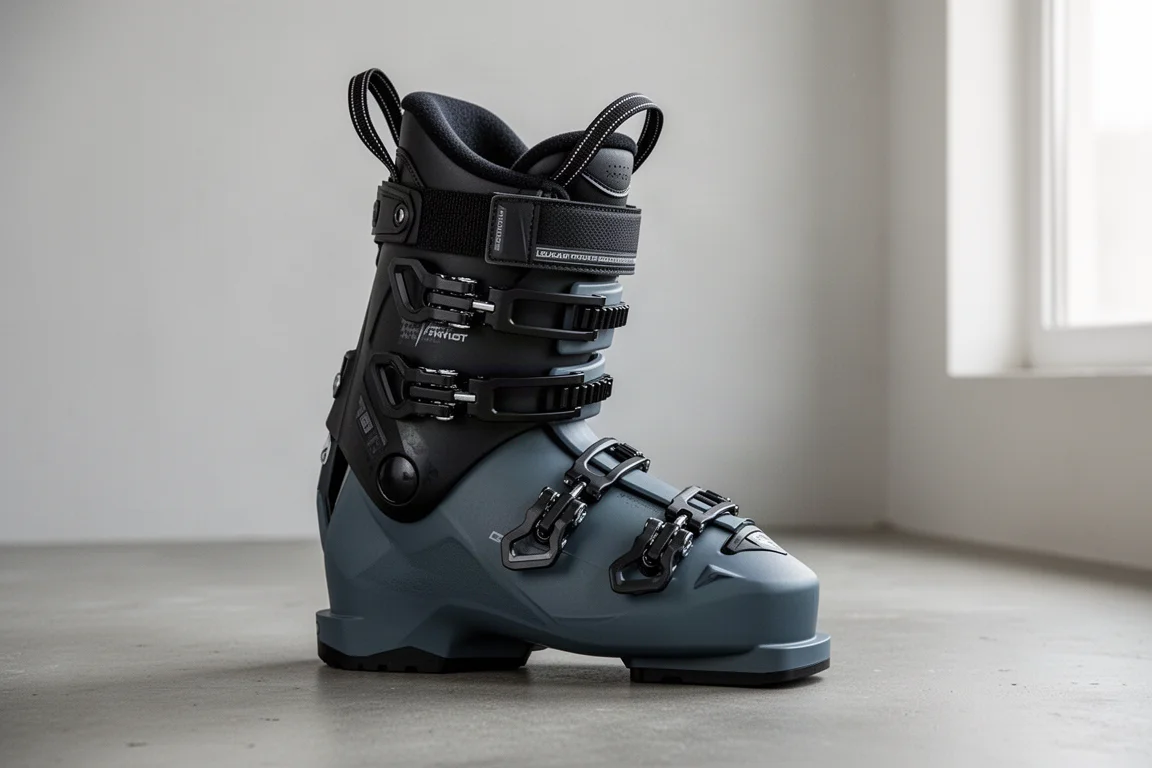
For narrower feet, the Shadow 130 offers a low volume fit that is easier to live with than its flex number suggests. The liner is more flexible and forgiving than the dense race liner found in stiffer mid volume boots, which makes the performance feel accessible rather than punishing. A suspension blade with a dual pivot system lets you tap into more of the boot’s capability without pushing hard against the cuff.
It fit well out of the box, needed only a bump-out at the forefoot, and remains a carryover model, which says something about how well the formula works.
Best Liner Upgrade: ZipFit Workhorse
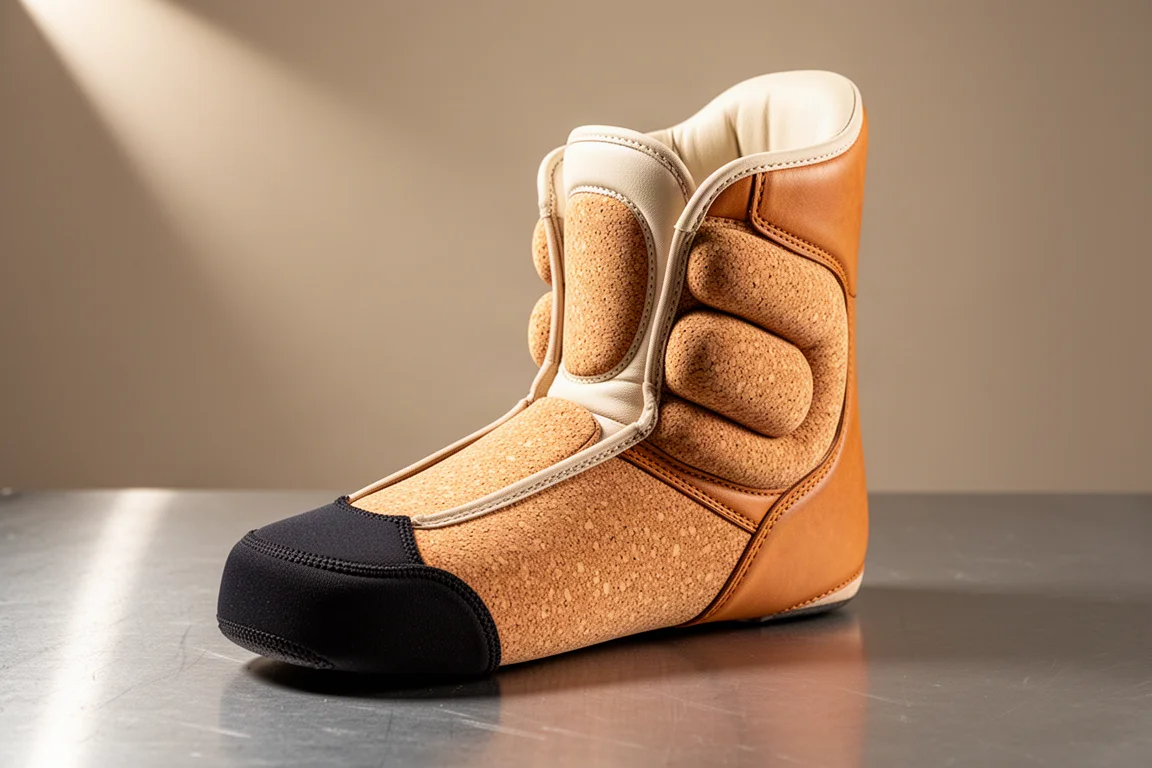
A packed-out liner is not a reason to buy new boots. The Workhorse is a replacement liner built around cork and leather, with a neoprene toe box that adds room exactly where a forefoot needs it.
The construction is clever in use. Leather on the outside grips the shell, the leather-lined interior panels grip your sock, and the cork bladders mold to the ankle and heel pocket, so the foot stops sliding. The heat-molding process is refreshingly plain: warm the liner, put it back in the shell, put your foot in, and walk around.
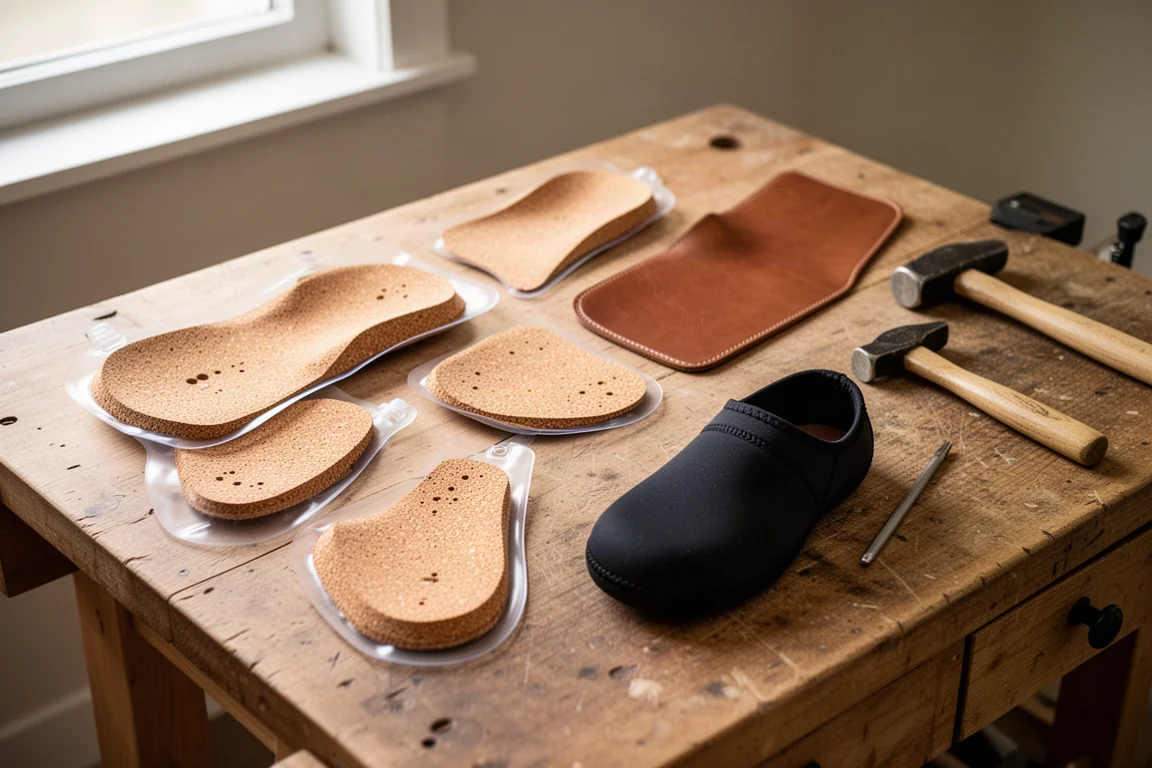
Two things to plan for. The liner can feel tight and sticky until it settles, and threading it into a BOA shell takes more care than a buckled one. The economics are straightforward: roughly $600 for the liner against closer to $900 for a new boot, and the liner is expected to outlast the shell, so it can move into your next pair.
Best Frontside Carver: Head Supershape e-Rally
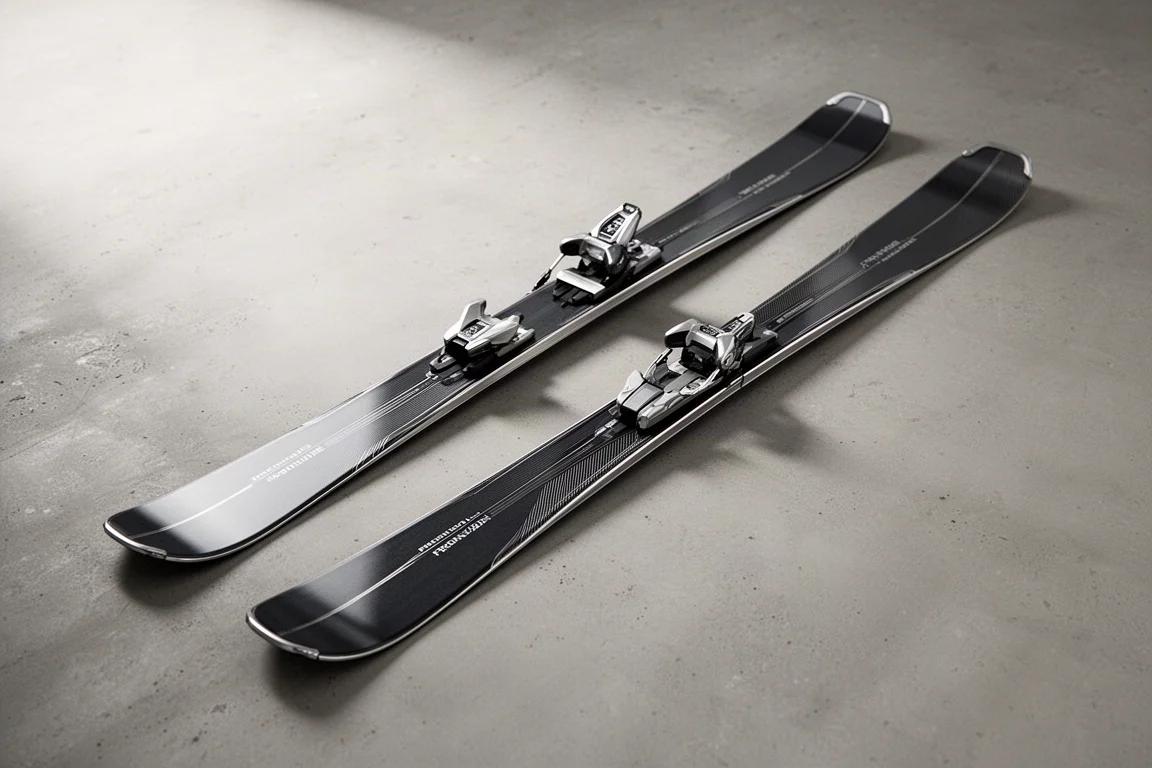
At 78 mm underfoot, the Supershape e-Rally is built for groomers. Two sheets of metal and an energy management circuit give it a smooth, planted feel that holds up at speed, and it turns with more range than its stated radius suggests. A 177 cm length keeps it nimble on shorter, tighter courses.
The Protector PR 13 binding is worth calling out. Its blockier heel piece adds weight, and that weight shows up as smoothness and power alongside the safety function it was designed for. The current version adds carbon underfoot and a 184 cm length for skiers who want a longer platform.
Best Smooth Cruiser: Stöckli Montero AR
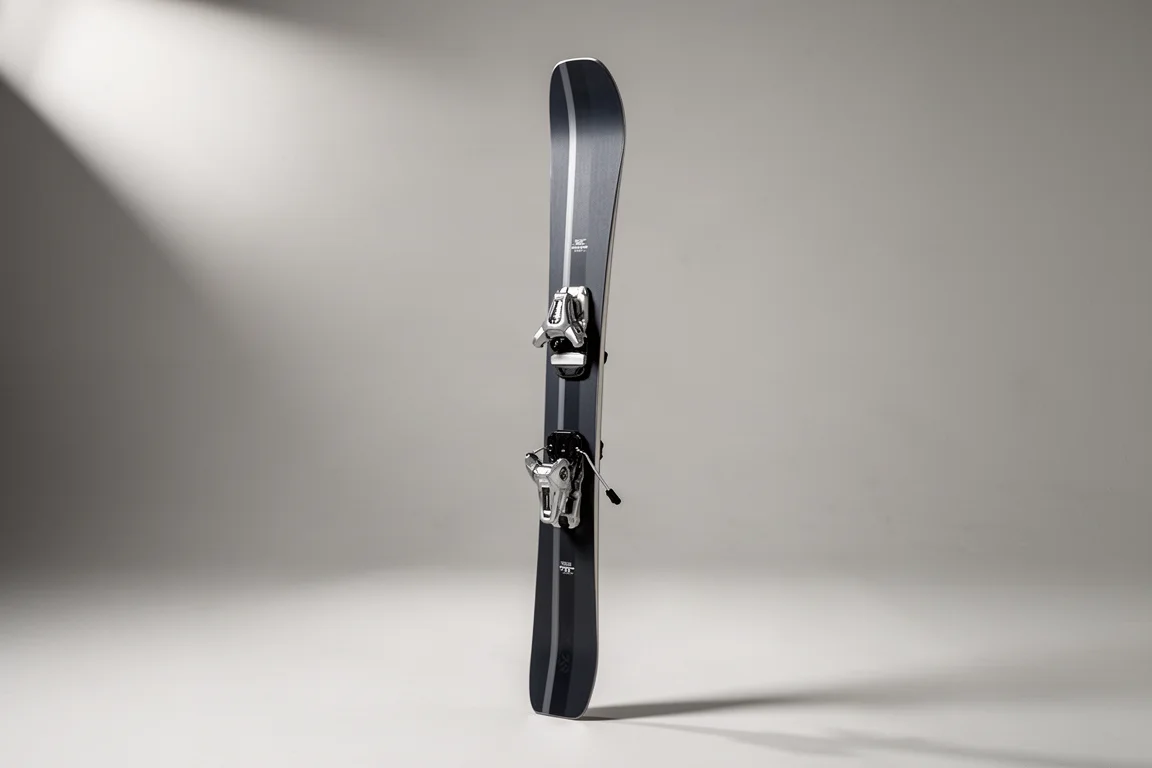
The Montero AR is the definition of a ski that makes speed feel ordinary. It is quiet, smooth, and remarkably composed, and it has a way of carrying you faster than you expect without any drama. Among a rack of twelve skis, it is one of two that would be hardest to give up.
The trade-offs are real and worth knowing. It is on the heavy side, it does not enjoy bumps, trees, or other technical zones where quick turns are required, and it does not love fresh, soft snow. There is a lot of camber and thick sidewalls here, and you feel them when you ask the ski to do something it was not designed for. The newer version moved the mount point forward a centimeter and added slits at the tips and tails for more articulation.
Best Mogul and Tree Ski: Atomic Bent 90
The Bent 90 is light, extremely flexible, and completely agile. In a 184, it is a superb mogul and glade ski, and it is the pair to grab for a bump competition or a day spent hunting lines through tight trees. It is also a great value, and the model has carried over with only graphic changes, so the previous season’s version is a smart buy.
Be honest about the limits. A heavier, more aggressive skier looking for stiff, metal-laminate groomer performance will be disappointed. That is not what this ski is for, and the skier it is aimed at generally does not need it.
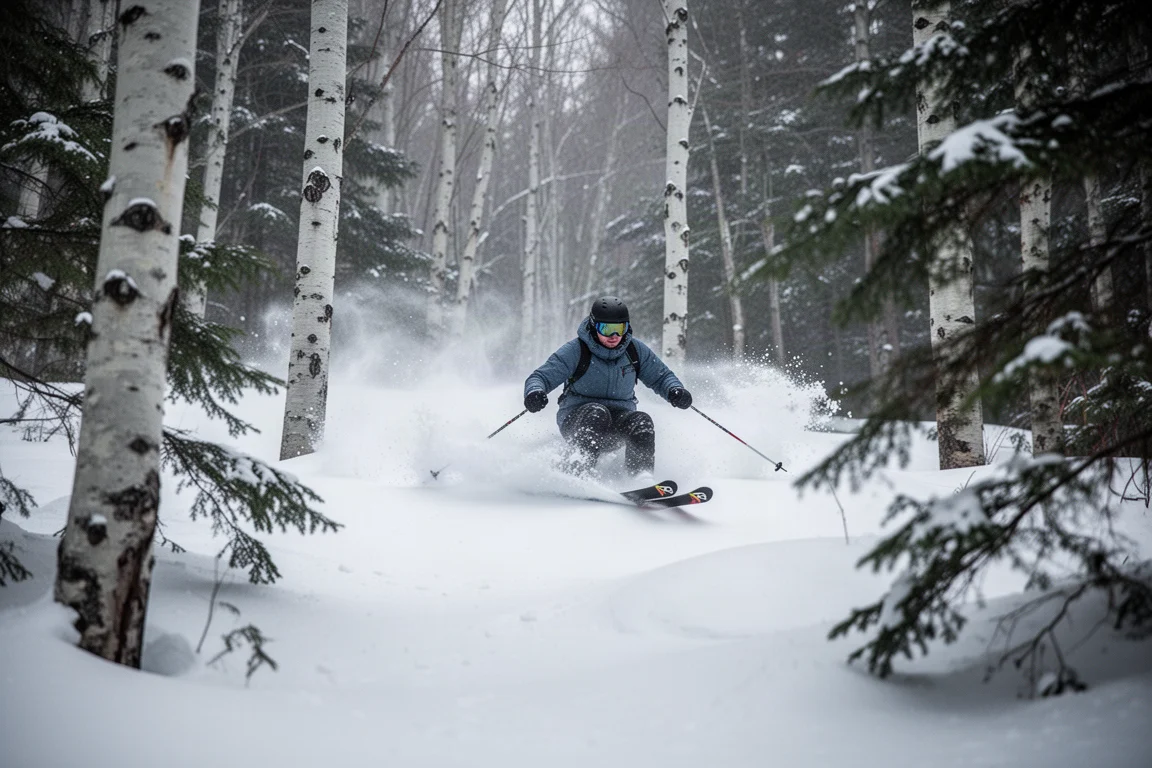
Flexible skis reward a light touch. In bumps and trees, the Bent 90 lets you pick a line late and adjust it mid-turn, which is exactly what tight terrain asks for.
Best Daily Driver: Atomic Bent 100
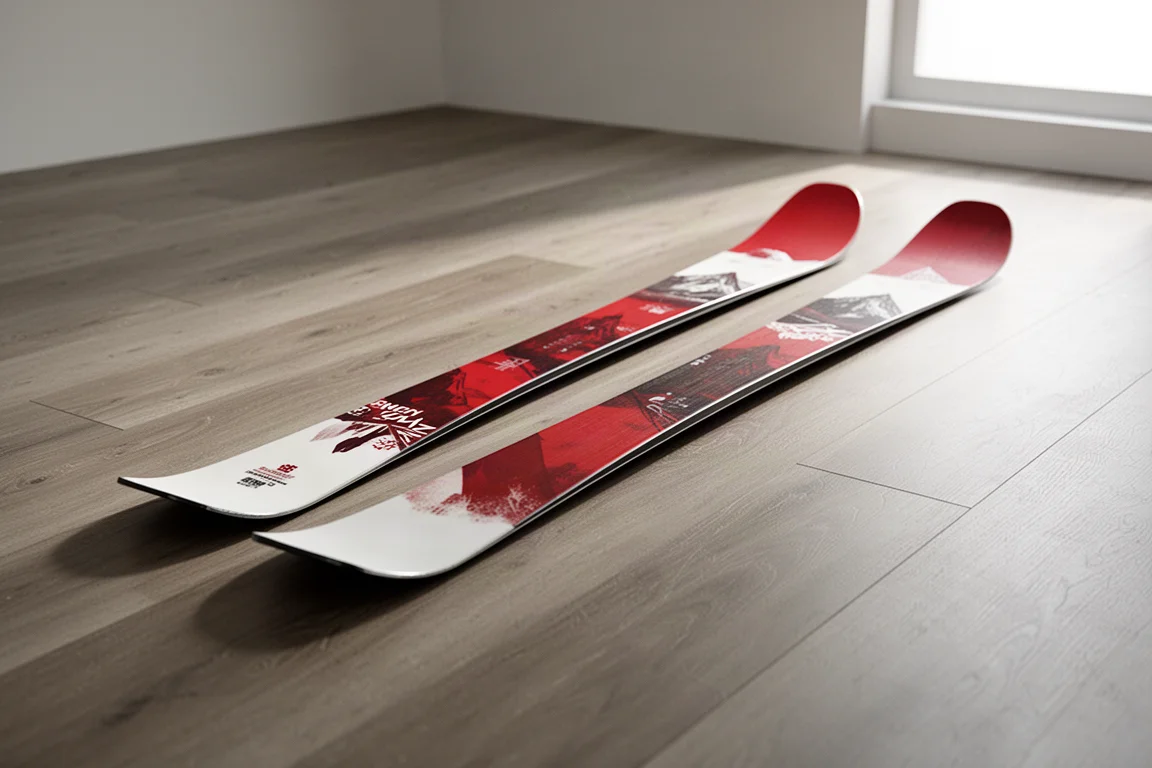
The latest Bent 100 is a more substantial ski than earlier versions. There is more wood in the core, a slightly different Horizon Tech construction, and more tail rocker. The result is a quieter, smoother, more stable ride with a clear uptick in on-trail performance, and it keeps the playfulness that made the name popular.
The 186 cm length here skis longer than the old 188, which is a useful detail if you are choosing between sizes. Tip and tail shape plus Horizon Tech give it decent flotation for a 100 mm waist. It is an easy ski to grab when you do not know what the day will bring, whether that is a family lap or a solo exploration mission.
View more details for Atomic Bent 100
Best Freeride Blend: Armada Declivity X 102
The Declivity X 102 is new for 2025 and shifts the model toward a freeride mindset. It uses an articulated titanal band with a shorter metal laminate, and it replaces the older 102’s wood core character with something more playful and creative. In a 188 with a multi-norm Strive 16 binding, it is a strong match for soft snow and variable terrain.
What surprises is how well it still carves. The on-trail energy of the previous version has given way to a more relaxed, creative feel, but it remains rewarding when you tip it over, even if it will not out-power a fully directional metal-laminate freeride ski.
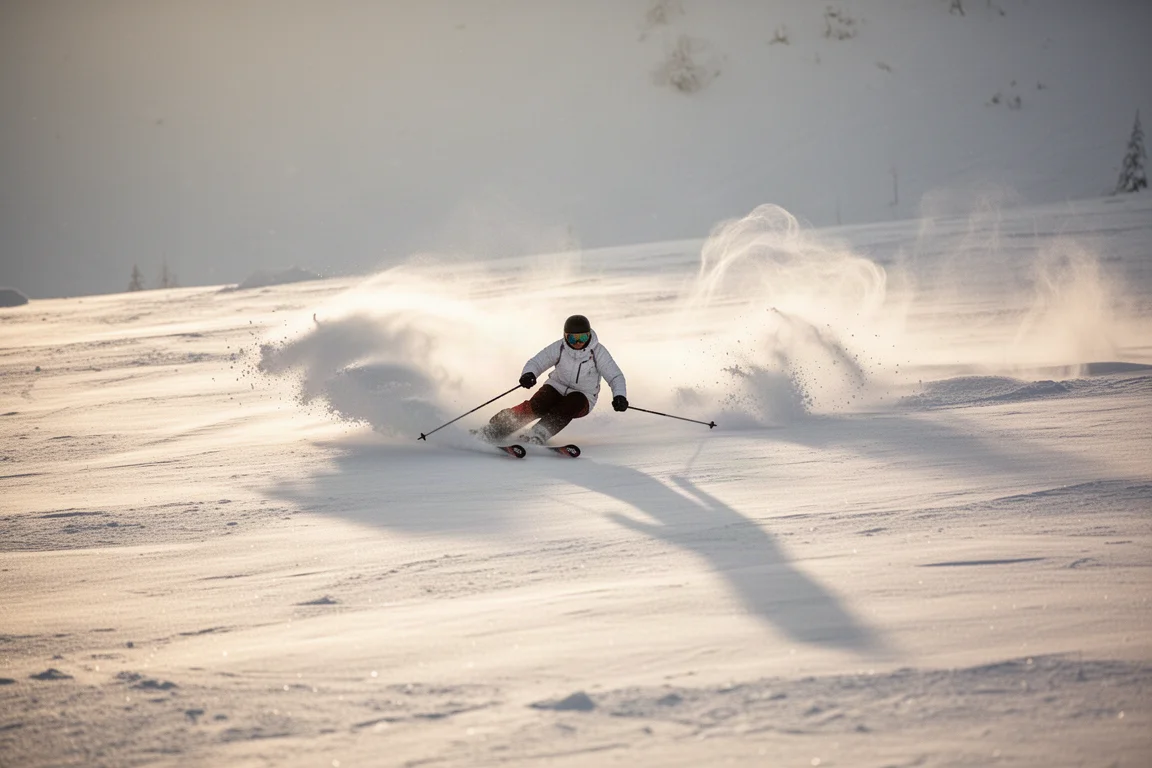
Pairing a ski like this with a dedicated carver is a common and sensible two-ski plan. The carver handles firm days and the 102 handles everything softer, which covers most of a season without compromise.
Buying Advice
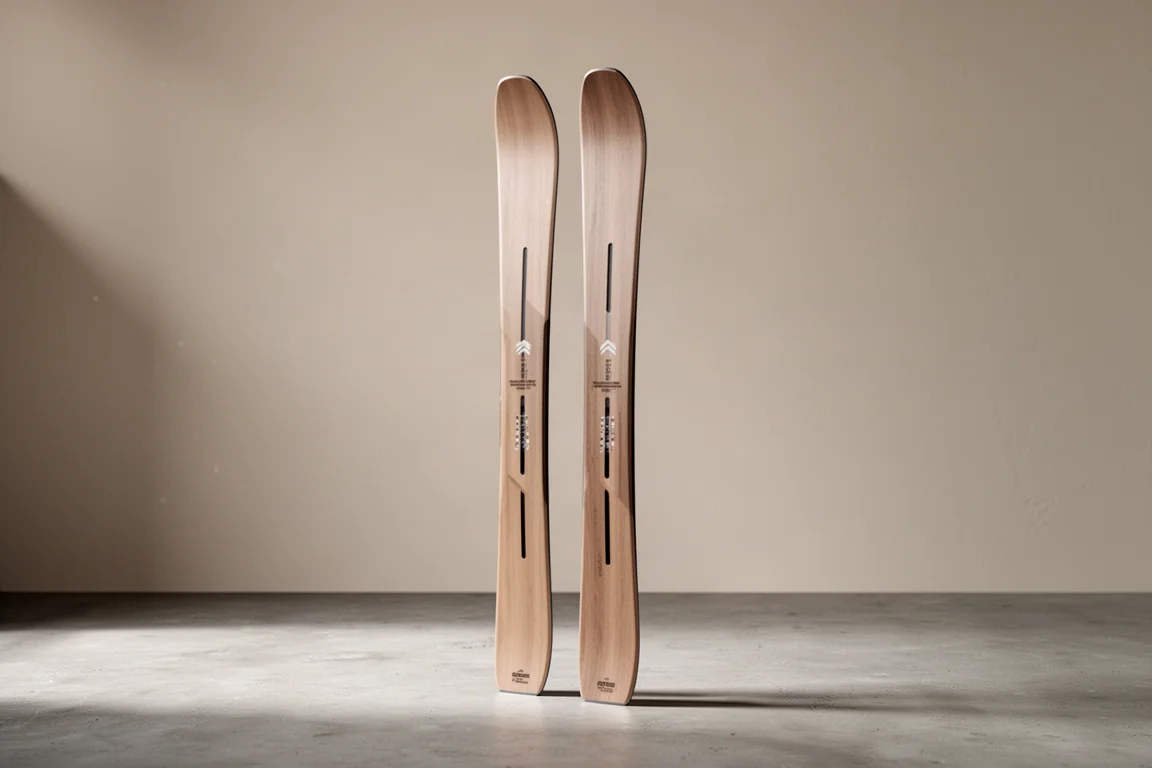
Start with the boot. It is the piece of gear that decides whether the rest of your setup works, and small fit problems are easier and cheaper to solve there than anywhere else. A replacement liner is a legitimate alternative to new boots when a shell still fits well.
For skis, resist the urge to buy one pair that does everything. A frontside carver in the high 70s underfoot plus a versatile all-mountain ski around 100 mm covers firm groomers, bumps, trees, and most soft snow days in a place like Vermont. If you add a third ski, make it a specialist, not another generalist.
Also consider timing. Models that carry over with graphic-only changes are often available at a meaningful discount the following season, and that is real money for the same performance.
Conclusion
This collection works because each piece has a job. The boots deliver 130-flex performance with fit that does not require heroics, the liner upgrade extends the life of a shell you already like, and the skis split cleanly between firm-snow carving and soft-snow play. Build around fit first, choose skis for the terrain you actually ski, and you end up with a setup that gets used rather than admired.
Further reading
Related Reviews

Ski Gear
2023 Blizzard Hustle vs Rustler: Six Freeride Skis Compared
Blizzard's 2023 Hustle collection rebuilds the Rustler shape with a lighter core and no metal. Here is how all six skis differ, and which one suits your riding.

Ski Gear
2023 Skis of the Year: Atomic Maverick 88 TI, Salomon QST 106, and Look SPX 12 Pro
Three standout ski picks for all-mountain carving, powder days, and reliable binding performance, with practical buying notes for 2023 models.

Ski Gear
2025 Nordica Enforcer 104 Review: A Directional Charger Replaces the 104 Free
The 2025 Nordica Enforcer 104 drops the Free name and the twin-tip personality, gaining weight, stiffness and composure in rough snow. Here is what changed and who it suits.