Ski Gear
Ski Gear Quiver 2026: 14 Pieces Worth Knowing Before the Season
A practical walkthrough of the socks, layers, shells, skis, bindings, safety tools, and boot-care gear that add up to a complete ski setup.
Introduction
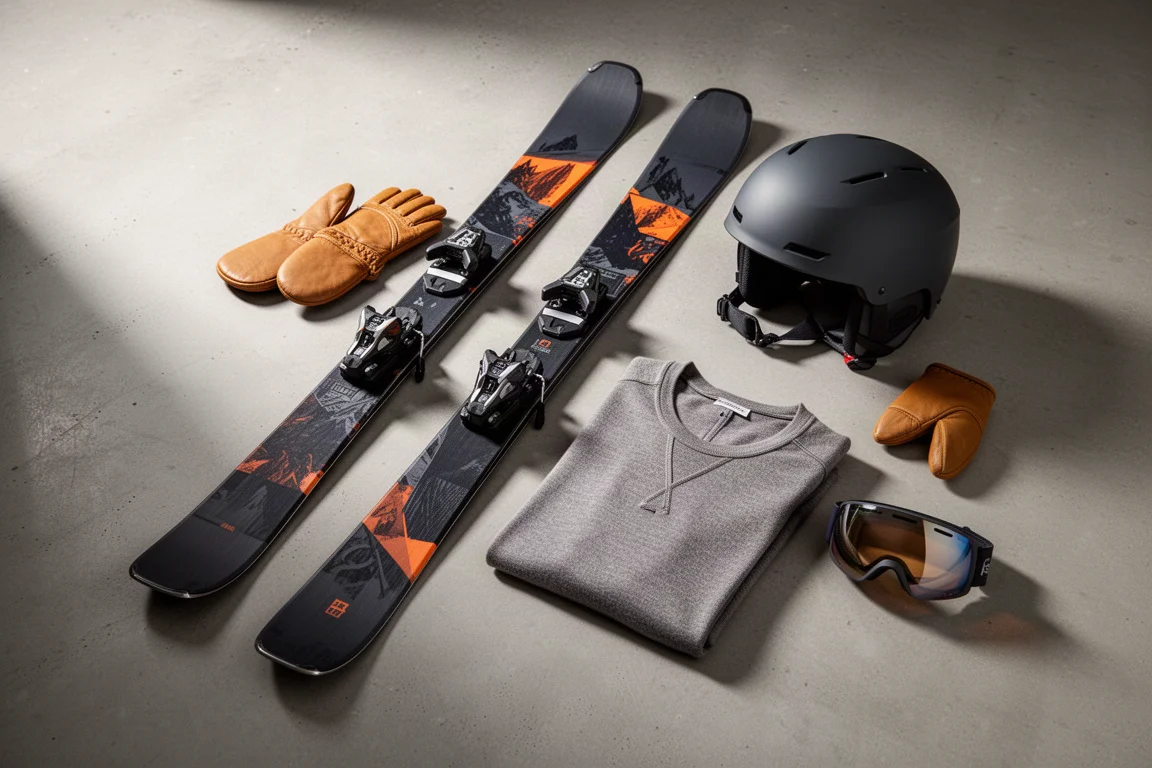
A ski setup is never one purchase. It is a stack of small decisions that only reveal themselves once you are standing in a lift line in wet snow at minus ten, or skinning uphill with a pack that sits wrong.
The pieces that matter most are rarely the flashiest ones. A sock that leaves your foot enough room, a base layer that dries overnight, a shell that keeps its zippers working, a binding you trust on the downhill: these are the details that decide whether a season feels smooth or constantly frustrating.
This guide walks through a complete setup, from the layer against your skin to the tool that dries your liners while you sleep. Each entry covers what the product actually does, where it earns its place in a kit, and what is worth weighing before you commit.
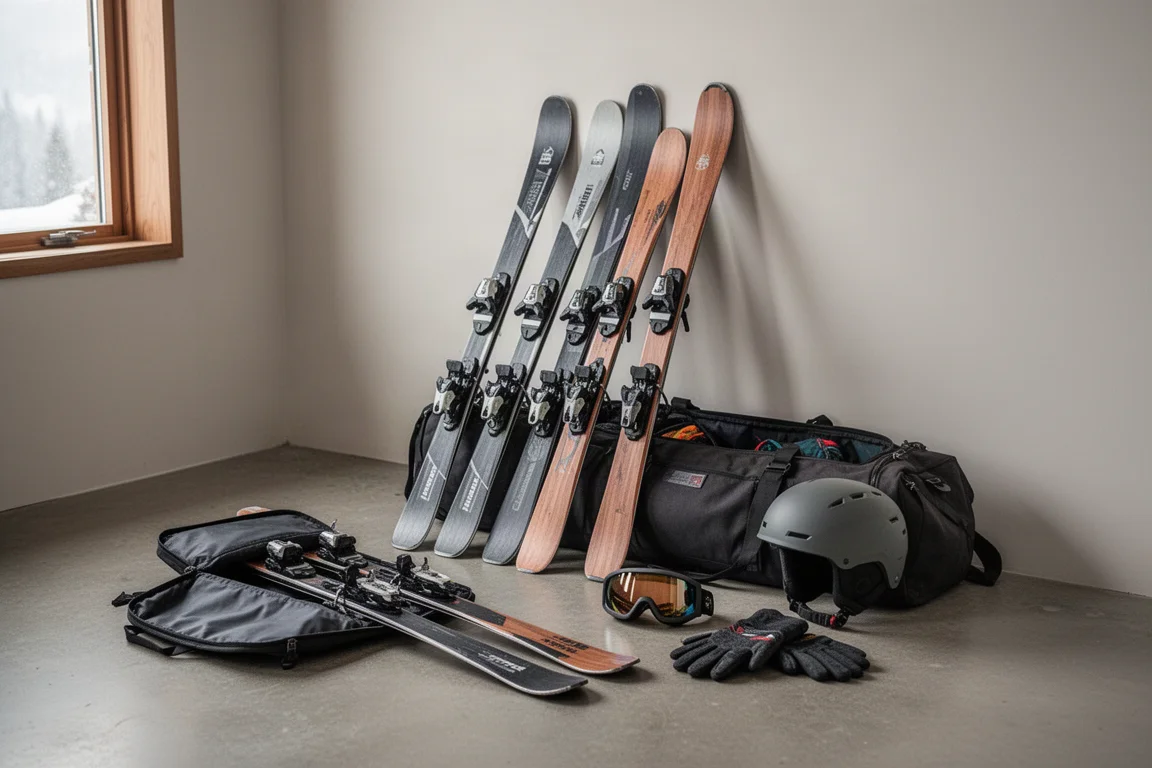
If you are building a kit from scratch, read the sections in order and prioritise the pieces you will use every single day. If you already own most of it, jump straight to the categories where your current gear is letting you down.
Ski Socks: Smartwool Merino Over-the-Calf
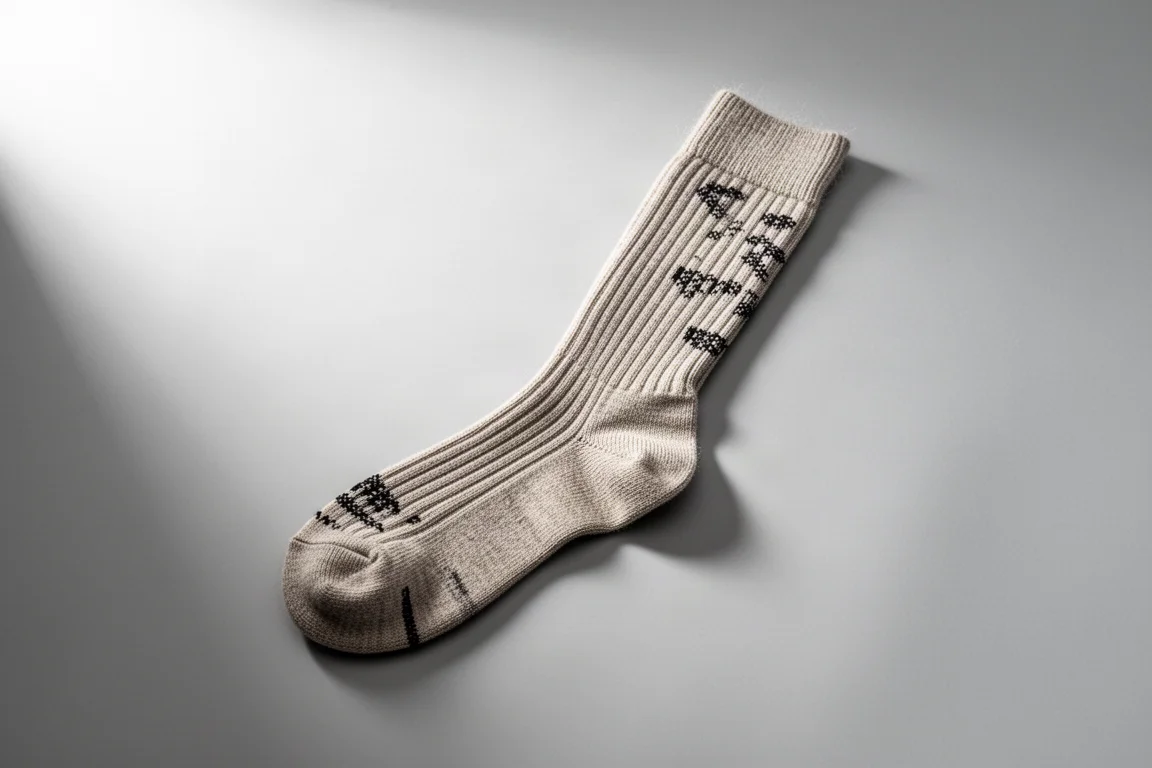
Smartwool’s merino over-the-calf sock is the lightest version in the line, with a print finish running up the calf. Merino regulates temperature and moves moisture, which is why it remains the default material for ski socks that have to work across a full day of temperature swings.
Thickness is one of the most underrated fit variables in skiing. A thinner sock inside a snug boot leaves more room for your foot and creates fewer pressure points, which generally means better circulation and warmer feet. If you currently run a thick sock and deal with cold or aching feet, going thinner is often the simplest fix available.
The over-the-calf height keeps the sock above the liner and away from shin pressure, and the merino construction resists odour across consecutive days on the hill.
Base Layers: NF Merino Riding Shirt
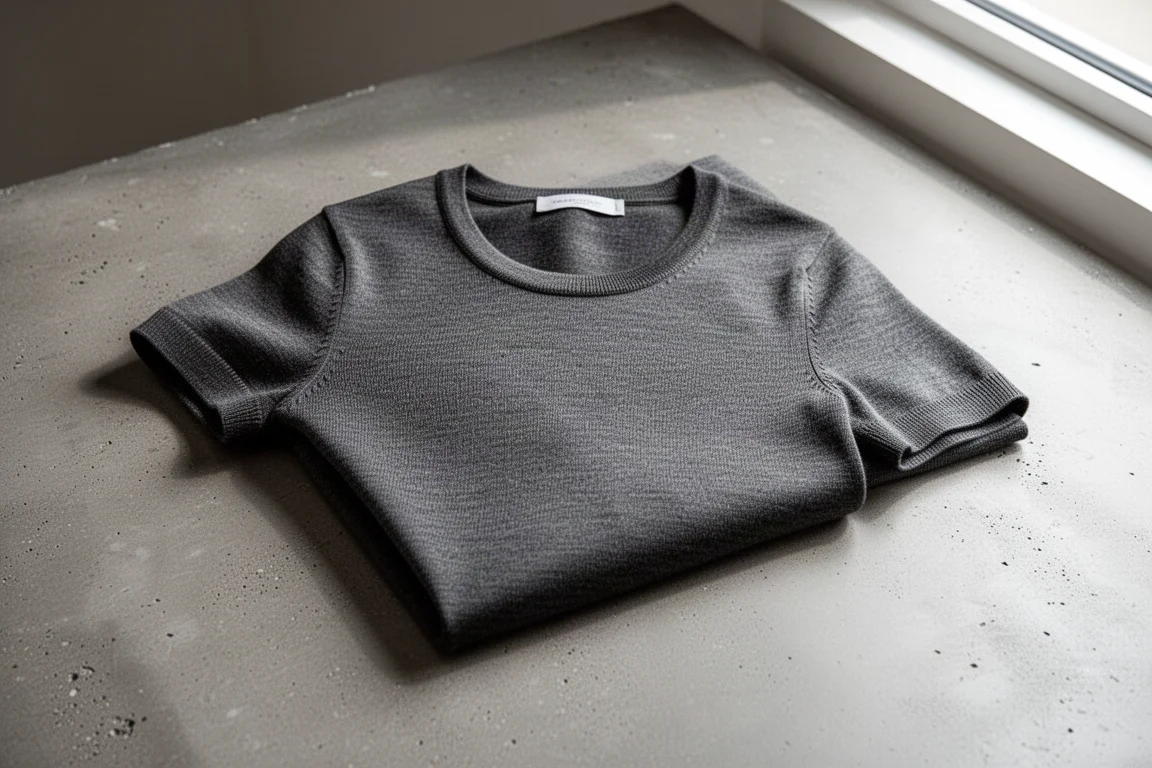
NF is a mountain bike company based in Vancouver, and its merino riding shirt does double duty as a ski base layer. Merino is the whole argument here: it wicks sweat, holds warmth when damp, and resists the stale smell that builds up in synthetic layers over a long season.
Durability matters as much as warmth in a base layer, because it sits against your skin every day and goes through the wash constantly. A merino shirt that survives regular tumble drying without developing holes is quietly doing exactly what you paid for.
For wet coastal conditions, where layering is the difference between comfortable and miserable, a base layer that stays warm when damp is worth more than one that is marginally lighter.
Mid Layers: Patagonia Nano Puff
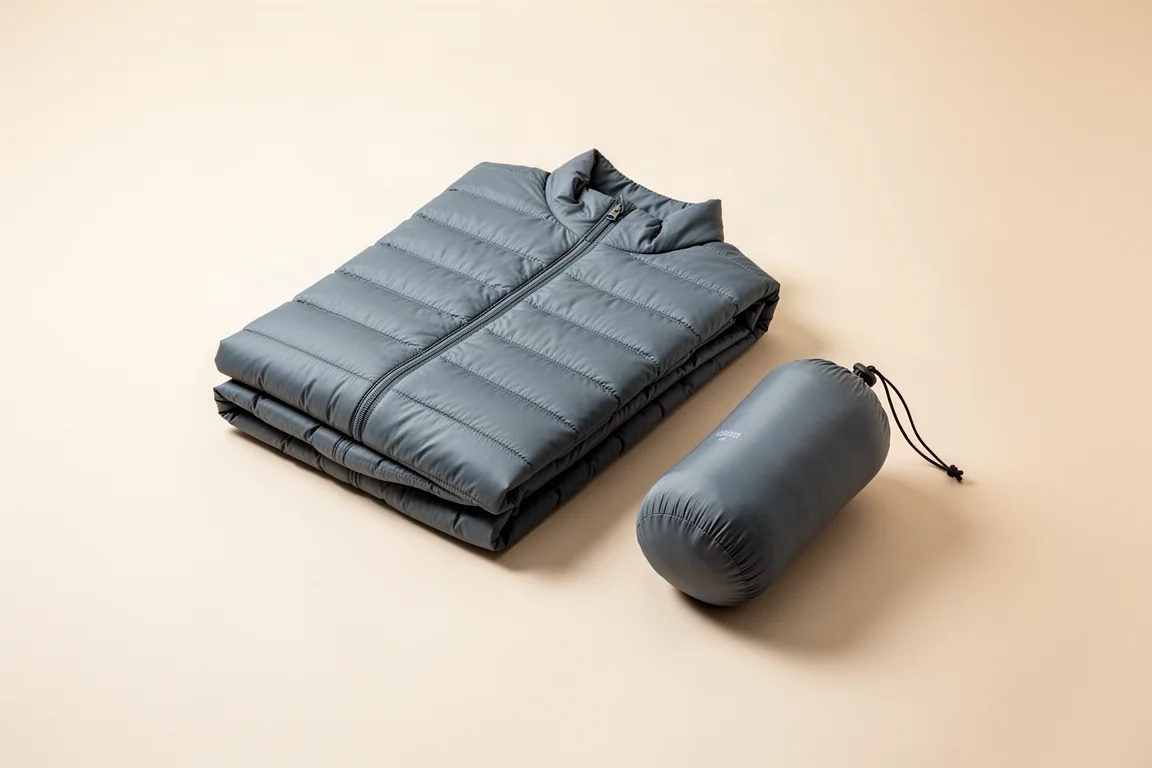
The Nano Puff is a synthetic insulation jacket that works as a mid layer under a shell and as a standalone jacket everywhere else. Its value in a ski kit is range: light enough to layer, warm enough to matter, and clean enough to wear into town afterwards.
Construction quality is the main argument for it. Technical apparel tends to fail at seams, zippers and face fabric long before the insulation gives out, so a jacket that holds up as a daily driver across multiple seasons costs less per year than a cheaper puffer that needs replacing.
It also solves a small but real annoyance: it has no hood to bunch up under a shell collar, which keeps the neck area flat and comfortable when you zip everything up.
Shell Kit: Helly Hansen Elevation Infinity 3.0
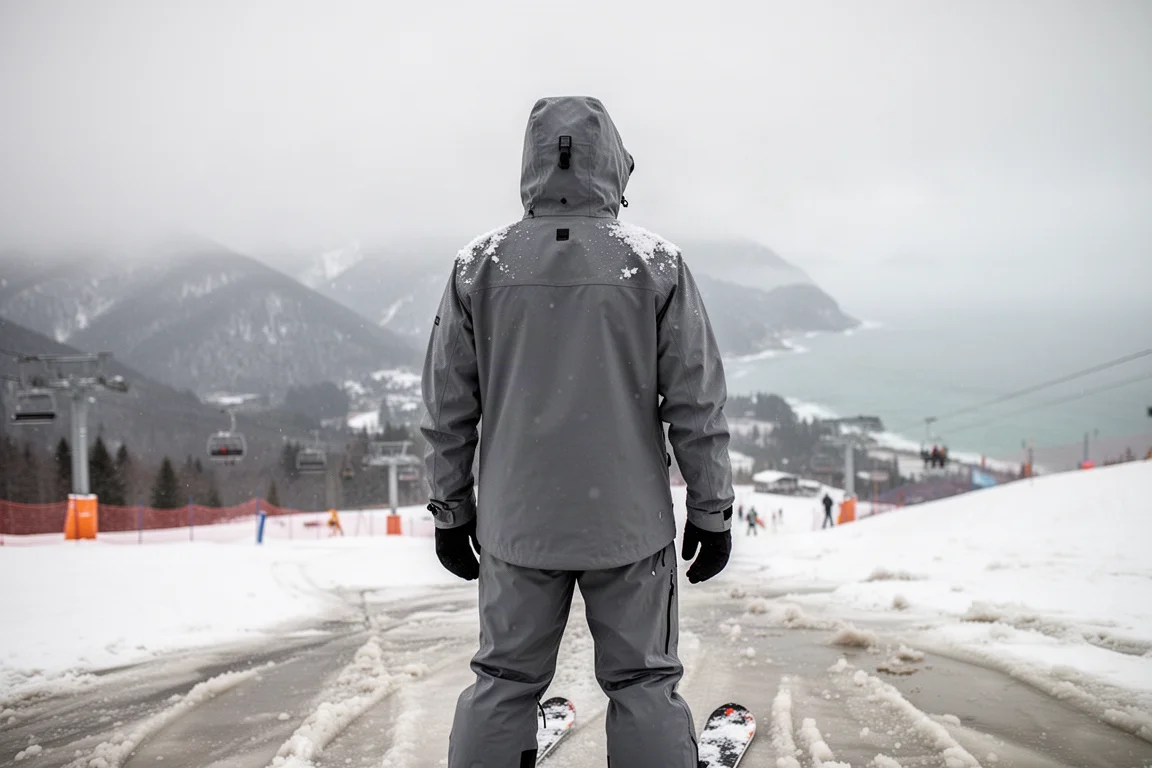
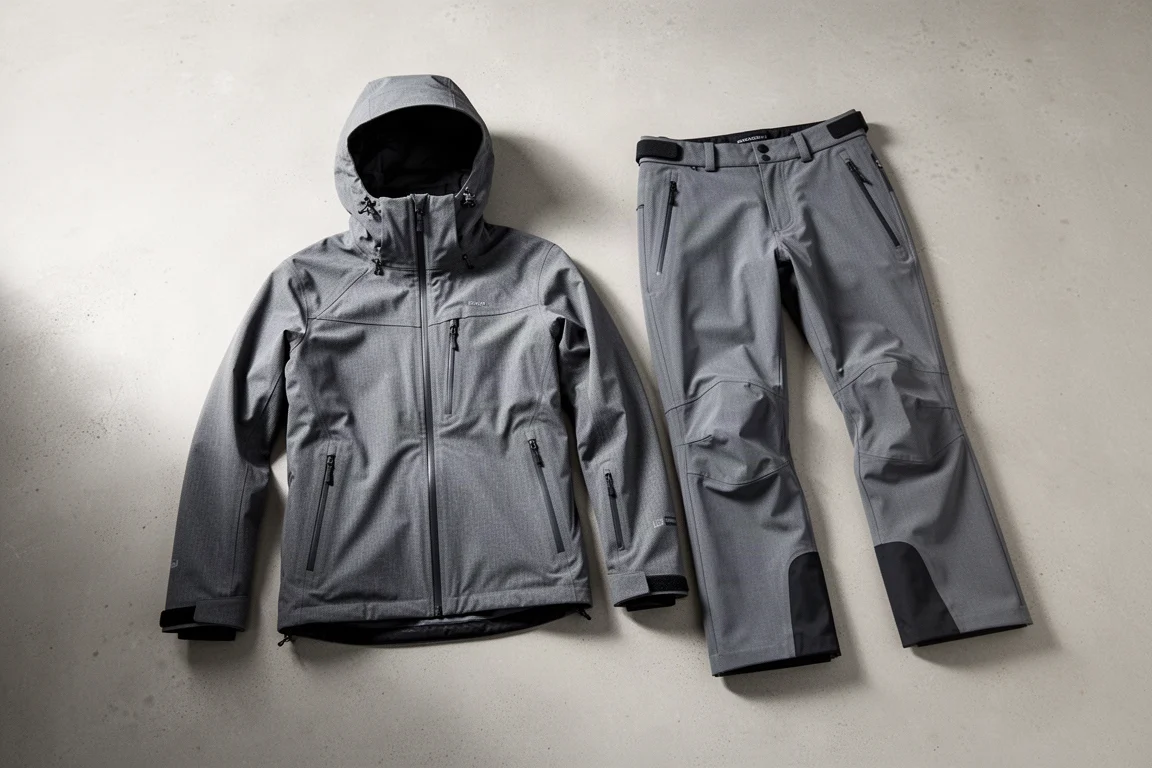
The Elevation Infinity 3.0 is a jacket and shell pant kit in a matte grey finish, built for resort days and mixed conditions. It is a two piece shell setup, so the insulation decisions stay with you and the outer layer handles wind, wet snow and the abrasion that comes with a full season of lift riding.
Zippers are the component most likely to fail first on any shell, and this kit’s zippers hold up well. The cuffs are the area that shows stress earliest, which is typical of shells that get pulled on and off repeatedly with gloves in hand.
The shell pants are the piece to watch over time. Under heavy use, the seat and the main zipper are where wear tends to appear, and a broken zipper is the most common reason a pant gets retired early.
The value argument for this kit is straightforward. The materials that actually keep you dry are more similar across the market than the price gaps suggest, and past a certain point you are paying for a logo rather than measurably better performance. If you want a shell that handles wet coastal snow without flagship pricing, this sits in a sensible spot.
Gloves: Hestra Fall Line Mitts
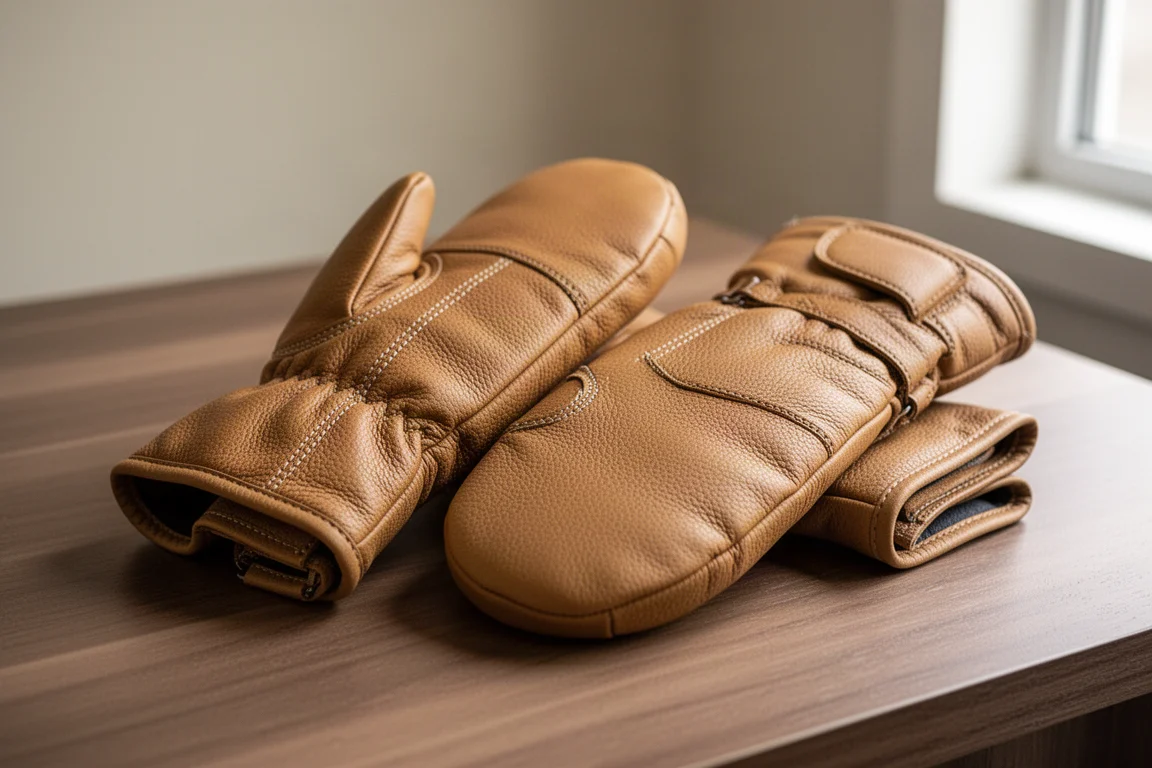
The Fall Line is a leather mitten, and leather remains the most reliable material for warm, dry hands in wet snow. Mittens keep fingers together, which is simply warmer than separating them, and a well made leather mitt still gives you enough dexterity to work a zipper or grip an axe.
Maintenance is the trade-off. Leather needs a treatment roughly every seven to ten wet days of skiing, and the mitts need somewhere to dry overnight. Do that and they stay soft and waterproof rather than stiffening up.
For anyone skiing in a wet climate, that routine is a small price for hands that stay comfortable through a full day of storm laps.
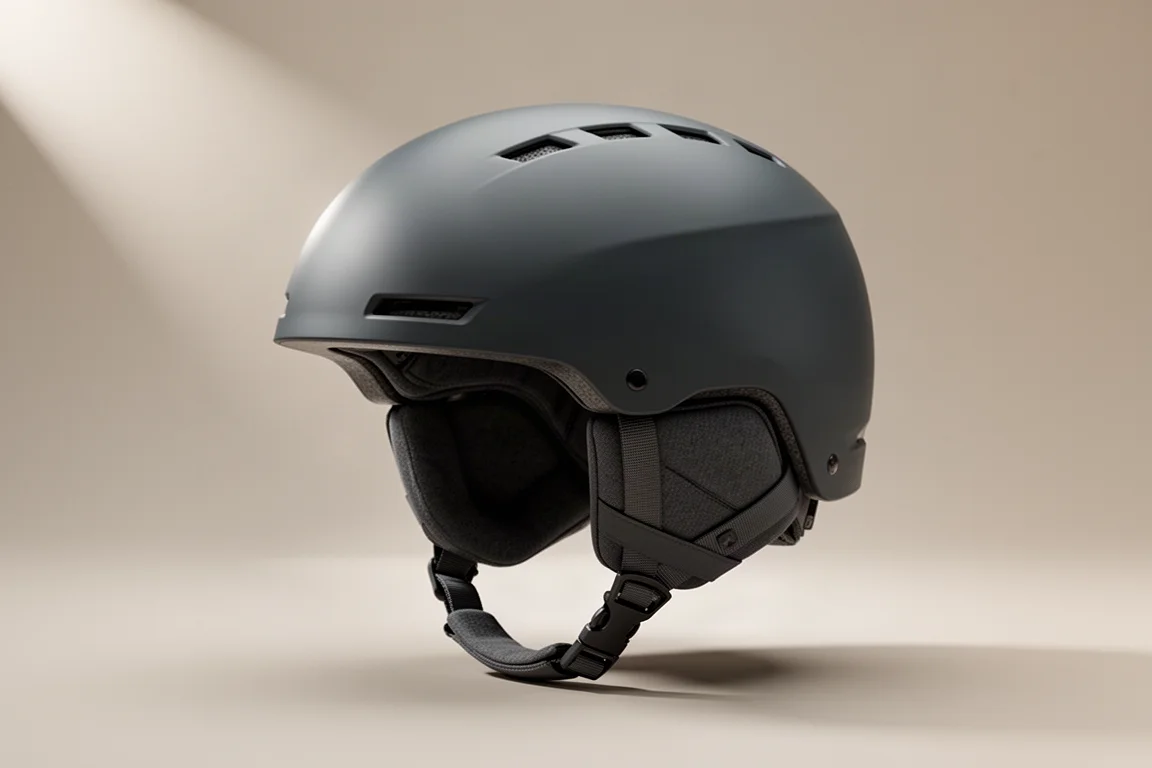
Helmet: Smith Vantage MIPS
The Vantage is a rounded, adjustable vent helmet that has been a long running staple for good reason. The venting is the standout feature: you can open airflow on a warm spring lap and close it down for cold mornings without changing anything else about your setup.
The ear flaps come out, which suits riders who run a thin beanie or a neck gaiter instead, and the overall fit is comfortable for long days. The one practical note is mounting: the contoured shape makes camera mounts slightly fussier to position than on a flatter shell.
Helmets are consumables in the long run. After significant impacts, replacing the shell is the responsible call rather than continuing to trust foam that has already done its job once.
Goggles: Zeal Lookout
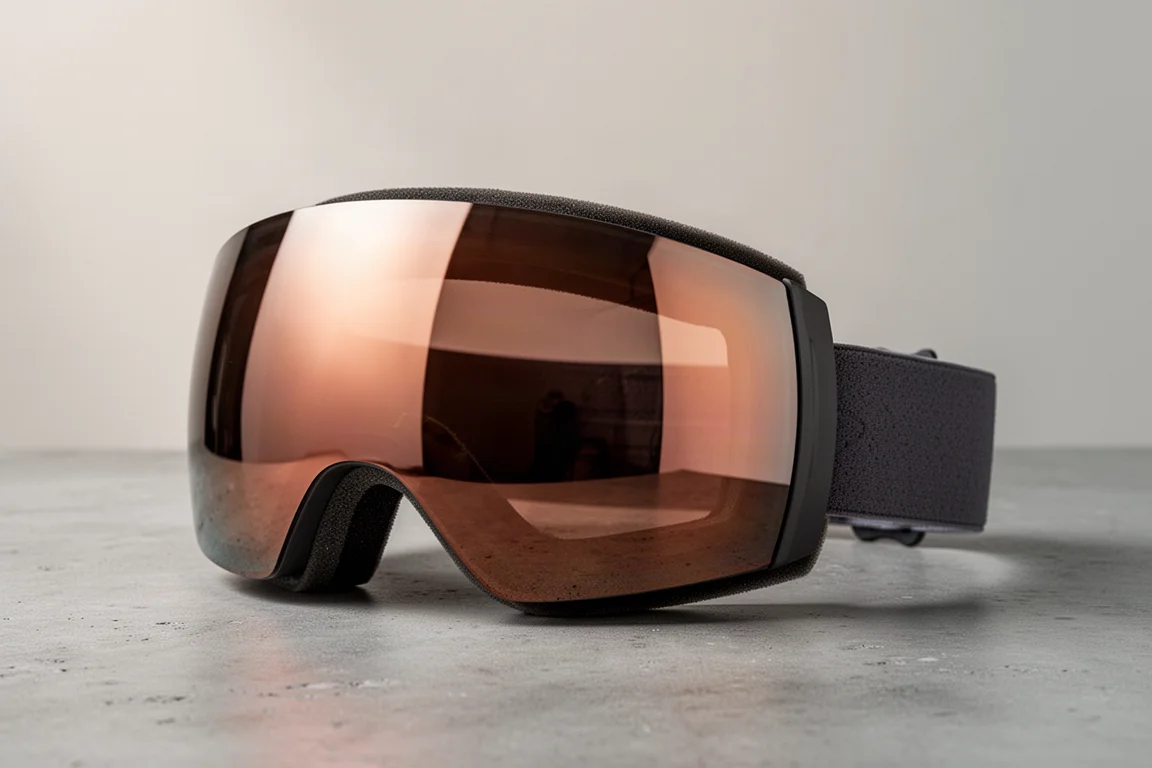
Zeal builds its goggles in Colorado and uses the same lens technology found in premium sunglasses, which is the core of its pitch. The Lookout is available in both polarized and non-polarized lens versions, and polarized goggle lenses remain relatively rare in the category.
Polarization is genuinely useful on snow, where glare off a bright surface is constant. Some skiers prefer a non-polarized lens because it can change how terrain reads, so having both options in the same frame family is a meaningful choice rather than a marketing line.
Fit is the other half of the story. The Lookout sits well on a wider range of face shapes than some of the brand’s other frames, which matters more than any spec sheet when you are wearing it for six hours.
All-Mountain Skis: Nordica Enforcer 99
At 99mm underfoot, the Enforcer 99 is the definition of an all-mountain ski. It holds an edge on groomed terrain, skis mixed and softer snow with ease, and does not feel like a compromise in either direction, which is why it works as a daily driver for a huge range of riders.
On the east coast, where carving and off-piste days alternate constantly, it covers both without forcing a second pair of skis into the car. On the west coast, it works as a true one-ski option for riders who do not want to lean fully into powder or freeride shapes.
One setup note applies across the Enforcer line: the factory tune on the tail is fairly aggressive, and the ski can feel grabby at first. A light detune of the tail smooths that out and lets the ski release predictably at the end of a turn.
For riders who want one ski that handles the majority of days, this is the width to start with.
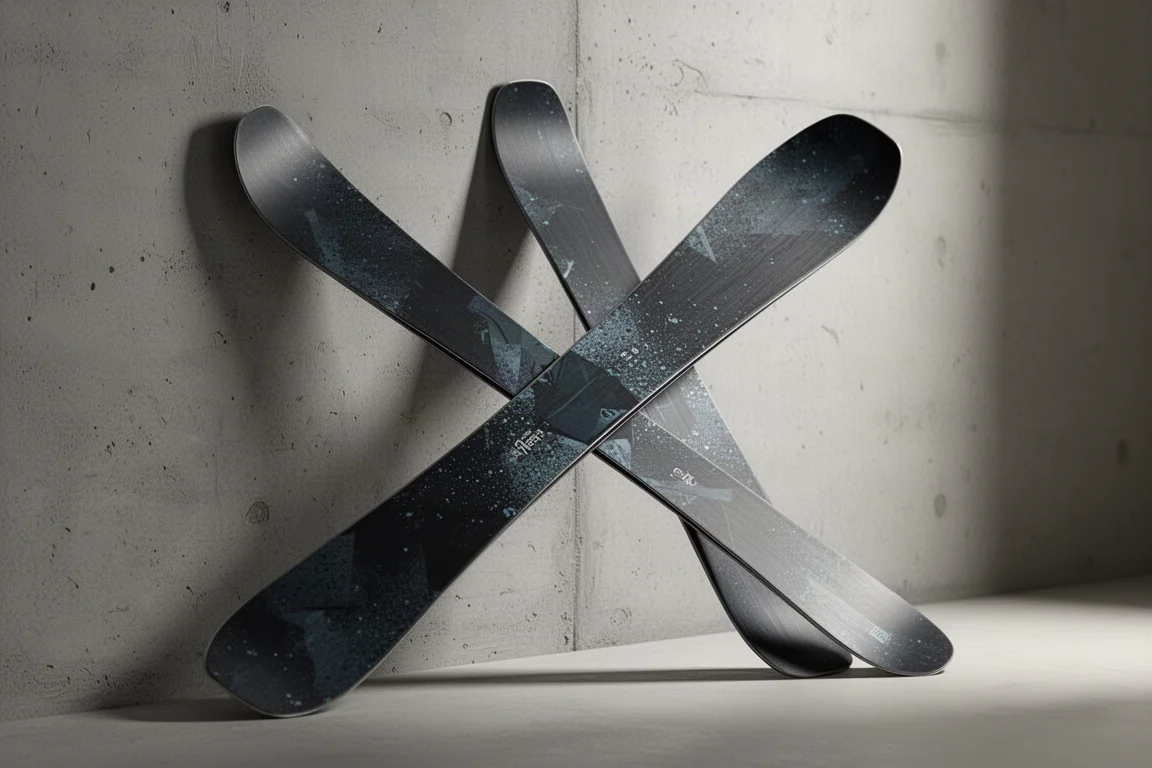
Powder And Touring Skis: Nordica Unleashed 114
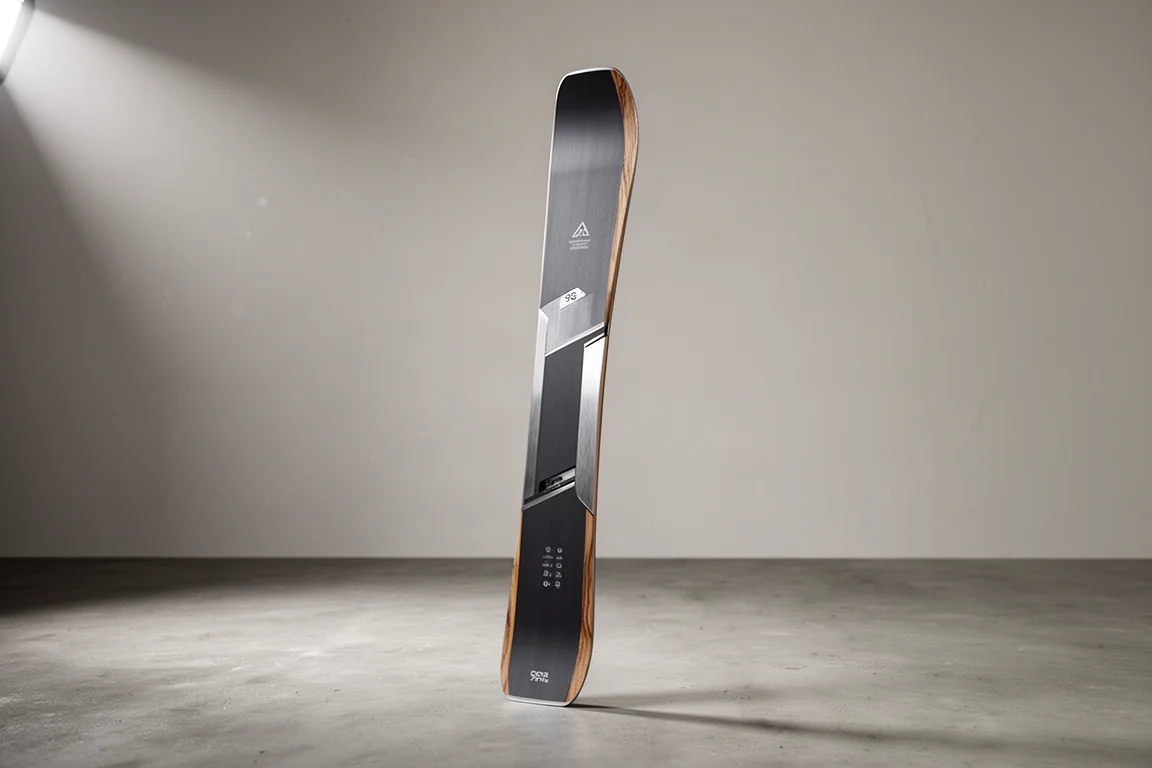
The Unleashed line is built lighter than the Enforcer, with more flex and a more playful feel, and the 114 is the widest of the group. Despite the width, it is actually lighter than the 108 in the same family, which is part of why it works as both a powder ski and a touring option.
Flotation is the obvious benefit at 114mm underfoot, but the surprise is how well it holds an edge. It carves far better on groomed terrain than the width suggests, and it can be smeared and pivoted when you want to ride more loosely.
If you spend more days off-piste than on it, the Unleashed line is the more natural pick than the Enforcer. The 114 rewards a playful style while still carrying the stability and confidence the brand is known for.
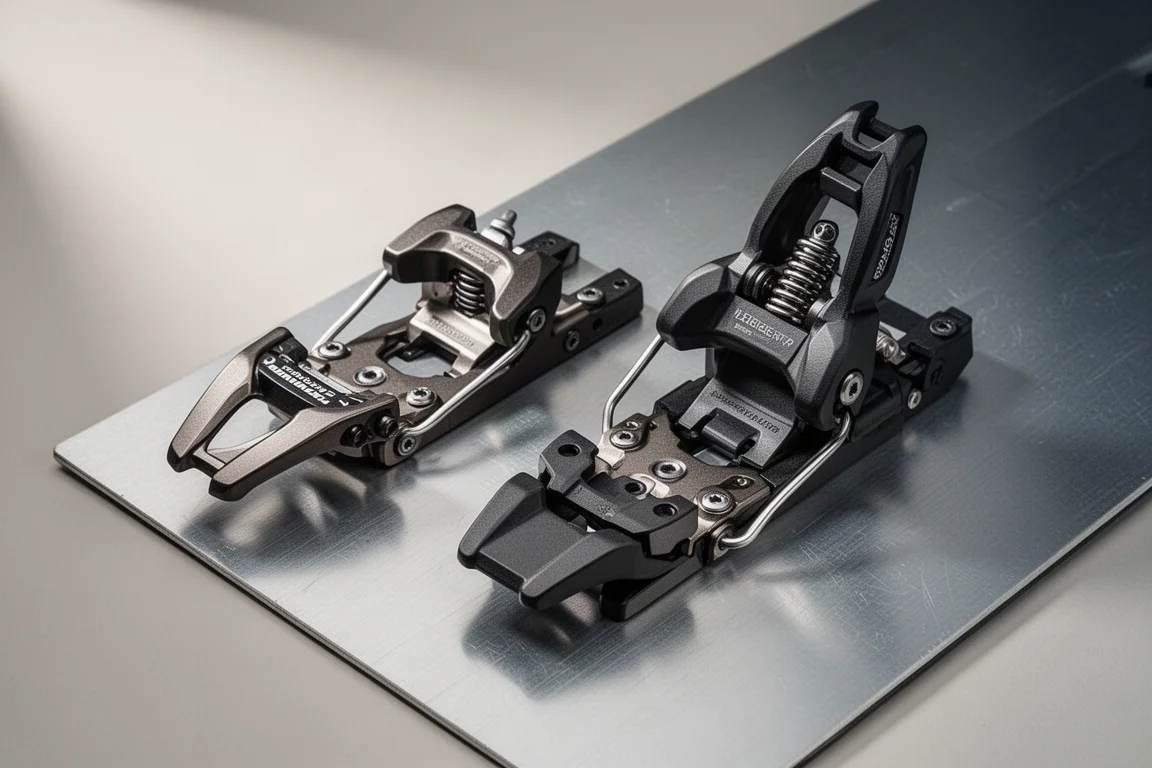
Bindings: Marker Duke PT 16
The Duke PT 16 is a hybrid binding designed to handle both resort charging and backcountry touring. Its defining feature is the removable toe piece: on the downhill you run a full alpine toe, and on the uphill the toe comes off and travels in your pocket.
That full toe piece is exactly why the binding feels so solid on descents. There is no compromise in power transfer or retention, and after multiple seasons there have been no mechanical issues, no freeze-ups, and no trouble stepping in.
The trade-offs are honest ones. It is heavy for a touring binding, the removable toe is an extra step in transitions, and the heel riser can be fiddly to flip up with a pole. For riders who want one setup that charges on the resort and still tours, those are acceptable costs.
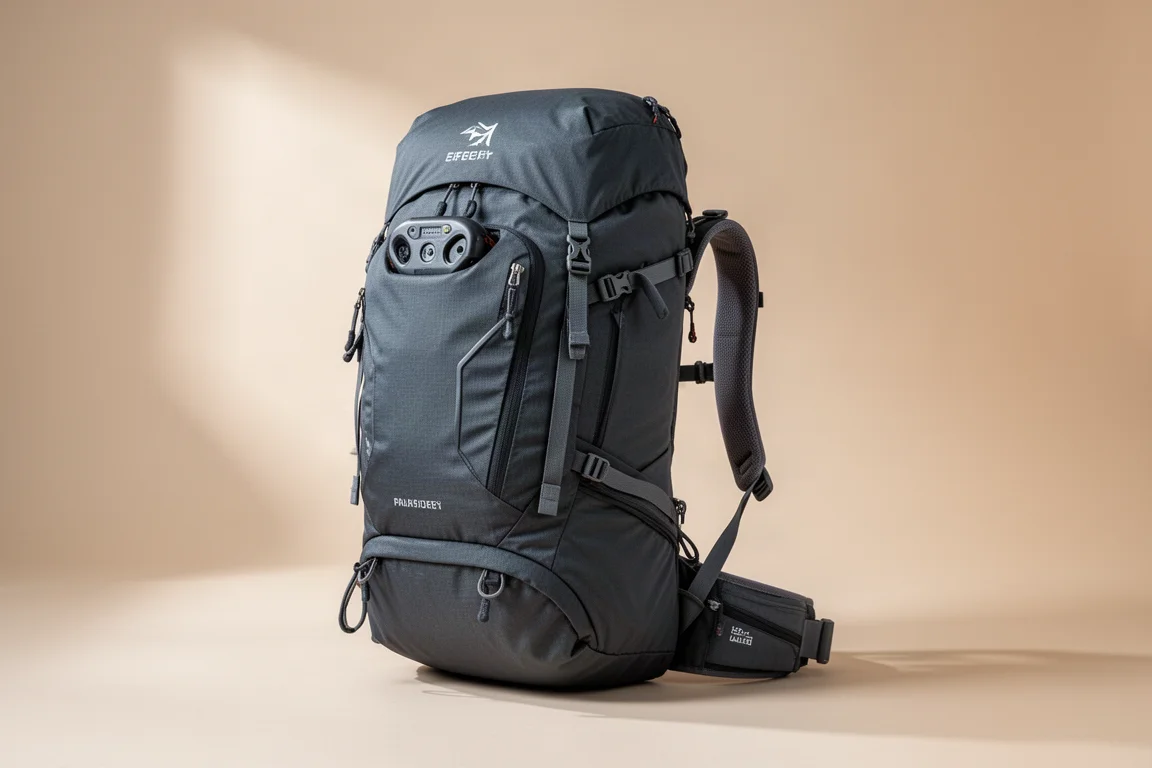
Backcountry Pack: BCA E2 Alpiner Airbag
The E2 Alpiner is a 35 litre touring pack with an electronic avalanche airbag system built in. The volume is well judged for day tours: enough for layers, water and safety gear without becoming a burden on the skin track.
Organisation is where it shines. There is a dedicated stash pocket that holds a water bottle within reach, a slot sized for a camera, and space for handheld radios, so the gear you actually use during a tour stays accessible instead of buried.
One quirk to know about: the zipper over the airbag compartment can work open when the pack is heavily loaded or during drops, letting the airbag start to escape. That zipper has to stay loose enough for the airbag to deploy, so it is a genuine design tension rather than a defect, but it is worth checking during the day.
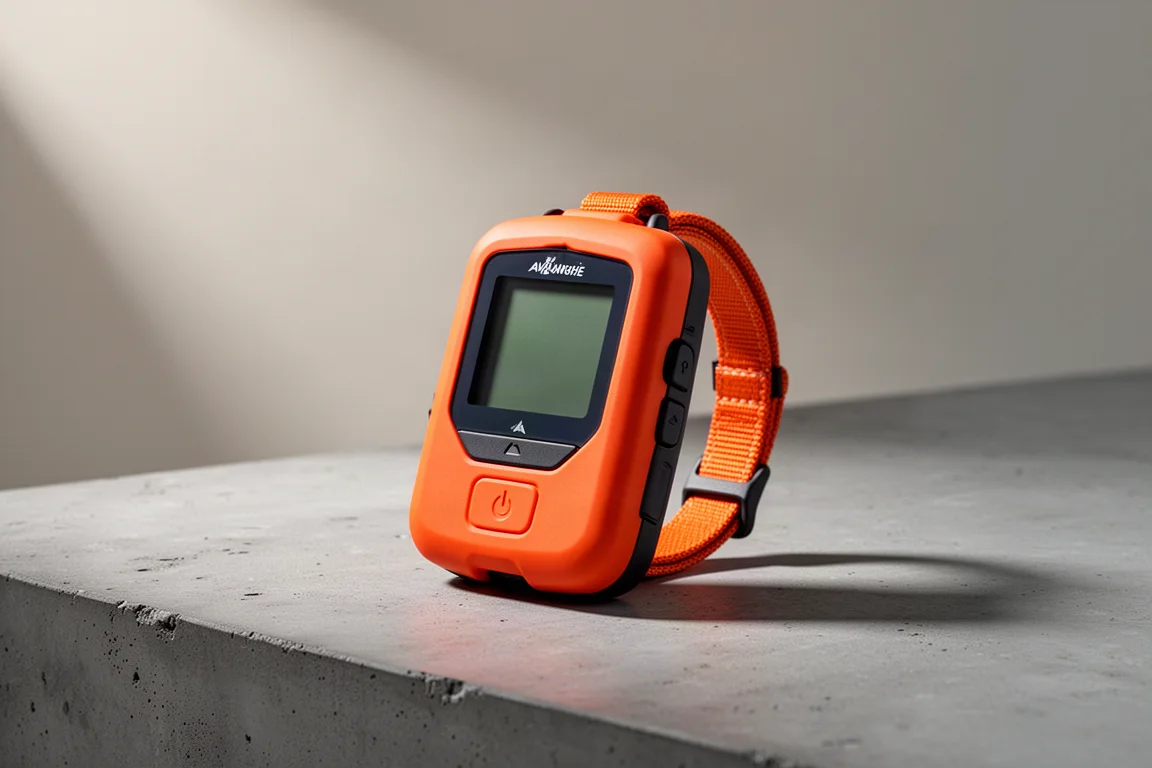
Avalanche Transceiver: Black Diamond Recon BT
A transceiver is the one piece of safety equipment you never want to use and never travel without. The Recon BT is a modern three-antenna style beacon built for straightforward searching, with a clear interface that stays readable when your hands are cold and your adrenaline is up.
The reason to choose a well established beacon over a bargain option is trust. You practise with it, you carry it every tour, and you need it to behave predictably in a scenario you cannot rehearse for real.
For riders stepping into bigger terrain, this is the category to spend on first, before any of the more exciting gear on this list.
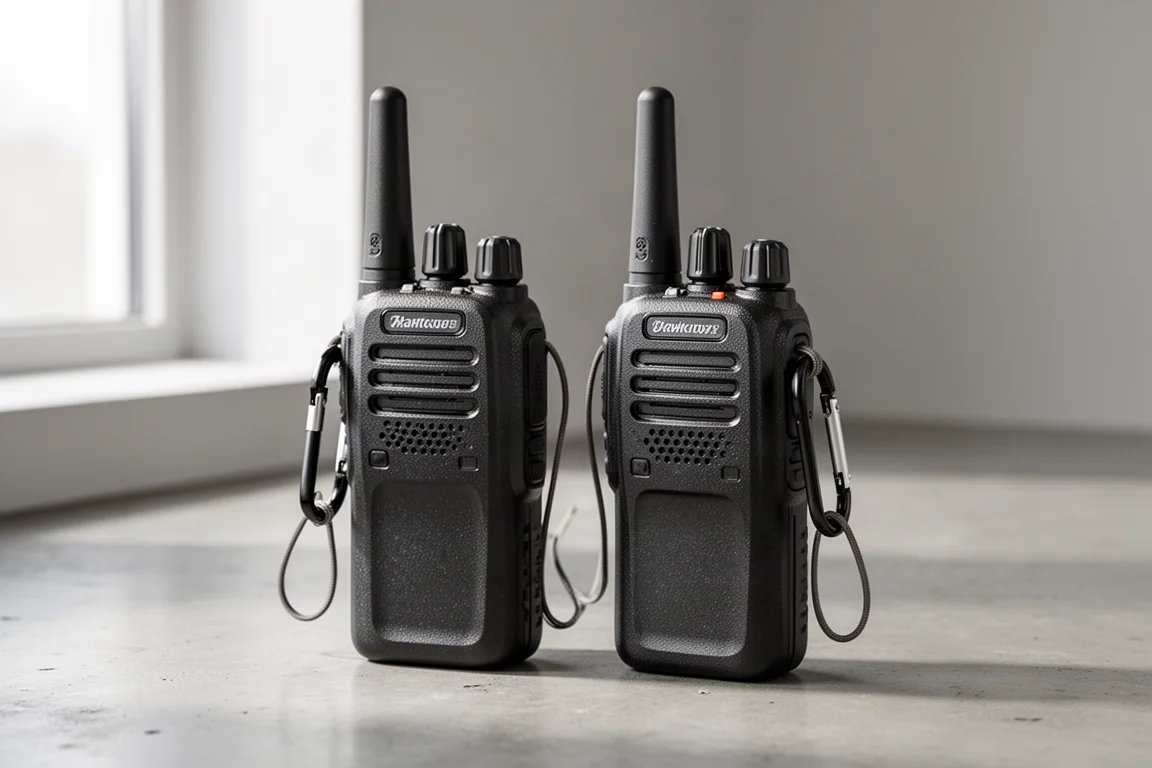
Backcountry Radios: Rocky Talkie Mountain
Radios are the simplest upgrade to backcountry safety and the most fun one. The Rocky Talkie Mountain is a rugged handheld built for cold, wet mountain use, with a sturdy housing that survives being clipped to a pack all season.
Connection quality between units is consistently strong, and rain has not caused issues. They are not designed to be submerged, so treat them like any other electronics in a storm, but they handle real mountain weather without complaint.
The practical benefit is communication without stopping. Partners can call a drop, confirm a line, or coordinate a regroup instantly, and on resort days with family they keep everyone together. The chatter between friends on a tour is a bonus.
Boot Care: DryGuy Portable Boot Dryers
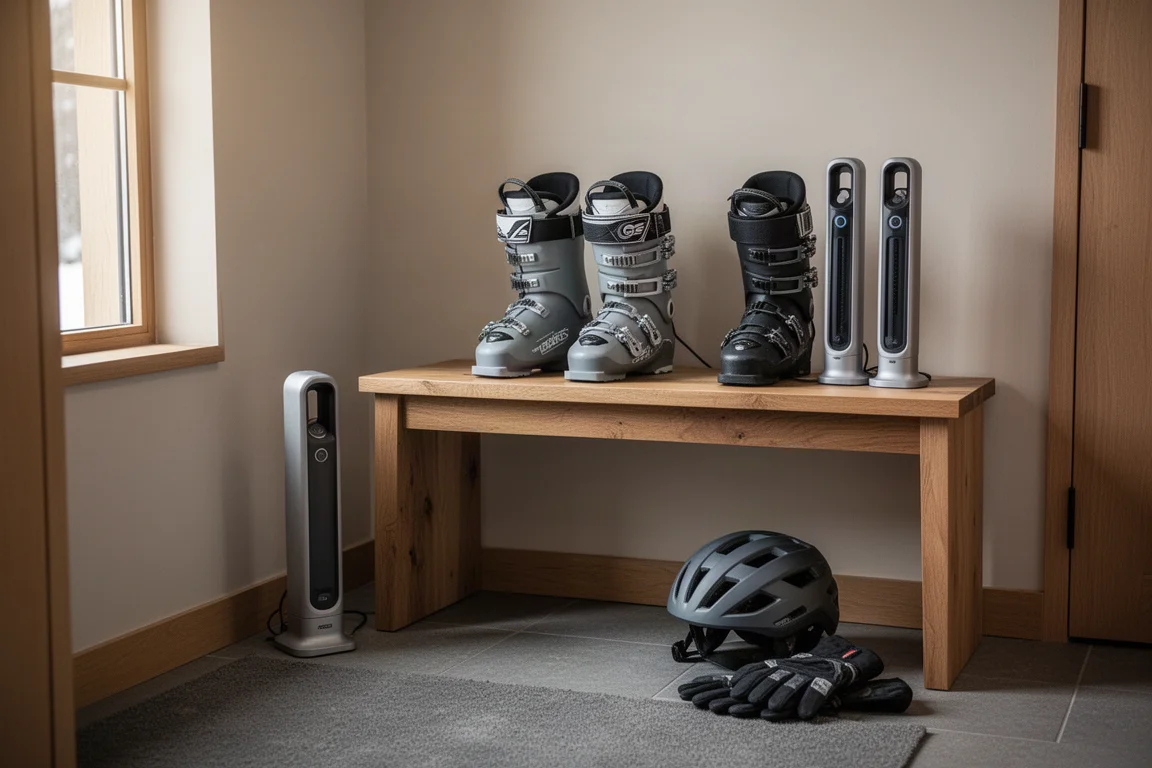
Nothing ruins a ski morning faster than pulling on a cold, damp liner. Portable boot dryers solve that, and they solve it cheaply enough that they belong in every skier’s bag.
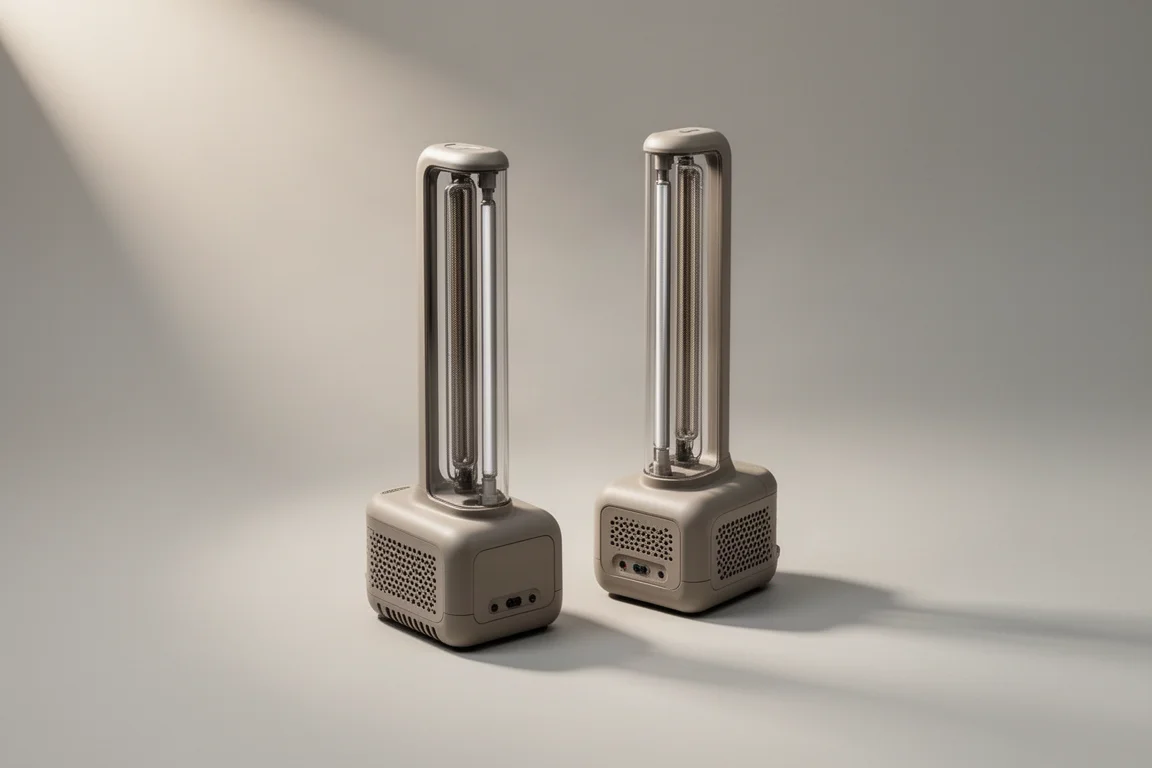
The routine is simple: when you get back from the hill, drop the dryers into your boots and leave them. By morning the liners are dry, which means warmer feet on the first run and a boot that is not slowly deteriorating from trapped moisture.
They are small enough to travel in luggage, so they work whether you are at home, in a hotel or living out of a truck. For a single skier this is the simplest version of the tool, and it is the one piece of gear on this list that pays off on literally every ski day.
The larger benefit is longevity. Boot liners that stay dry do not mold and do not pack out as quickly, which stretches the life of the most expensive piece of footwear you own.
If you have a family and multiple pairs of boots to dry each night, a larger multi-boot unit makes more sense, but for one person travelling light, this is the right size.
Buying Advice
If you are building a kit from nothing, sequence the spending by how often you will use each item. Socks, base layers and boot dryers are cheap, used every single day, and have an outsized effect on comfort. Safety equipment, including a transceiver, shovel and probe, comes next and should not be deferred if you plan to leave the resort boundary.
Skis and bindings are the largest single outlay and the hardest to get right without skiing them. Be honest about where you actually spend your time: a 99mm all-mountain ski covers the widest range of conditions for most riders, while a wider, lighter shape makes more sense if most of your days are off-piste or touring.
Shells sit in the middle. The materials that keep you dry are broadly comparable across price tiers, so it is reasonable to choose on fit, cuff design and zipper quality rather than on the badge on the chest. Boots deserve patience above everything else, because no amount of spending fixes a shell that does not match your foot.
Conclusion
A good ski kit is not the most expensive one. It is the one where every piece does a job you actually need, and nothing forces you to think about it once you are on the hill.
Start with the layers against your skin and the small tools that make daily life easier. Add safety equipment before you need it. Then take your time on the skis, bindings and boots, because those are the decisions worth getting right and the ones you will live with for several seasons.
Get the fundamentals sorted now, and the rest of the season takes care of itself.
Further reading
Related Reviews

Ski Gear
2023 Blizzard Hustle vs Rustler: Six Freeride Skis Compared
Blizzard's 2023 Hustle collection rebuilds the Rustler shape with a lighter core and no metal. Here is how all six skis differ, and which one suits your riding.

Ski Gear
2023 Skis of the Year: Atomic Maverick 88 TI, Salomon QST 106, and Look SPX 12 Pro
Three standout ski picks for all-mountain carving, powder days, and reliable binding performance, with practical buying notes for 2023 models.

Ski Gear
2025 Nordica Enforcer 104 Review: A Directional Charger Replaces the 104 Free
The 2025 Nordica Enforcer 104 drops the Free name and the twin-tip personality, gaining weight, stiffness and composure in rough snow. Here is what changed and who it suits.