Ski Gear
Ski Gear Head to Toe: A Complete Kit Guide for the Mountain
A head-to-toe ski kit built around ventilation, warmth management and gear that lasts, from helmet and goggles to mittens, boots and skis.
Introduction
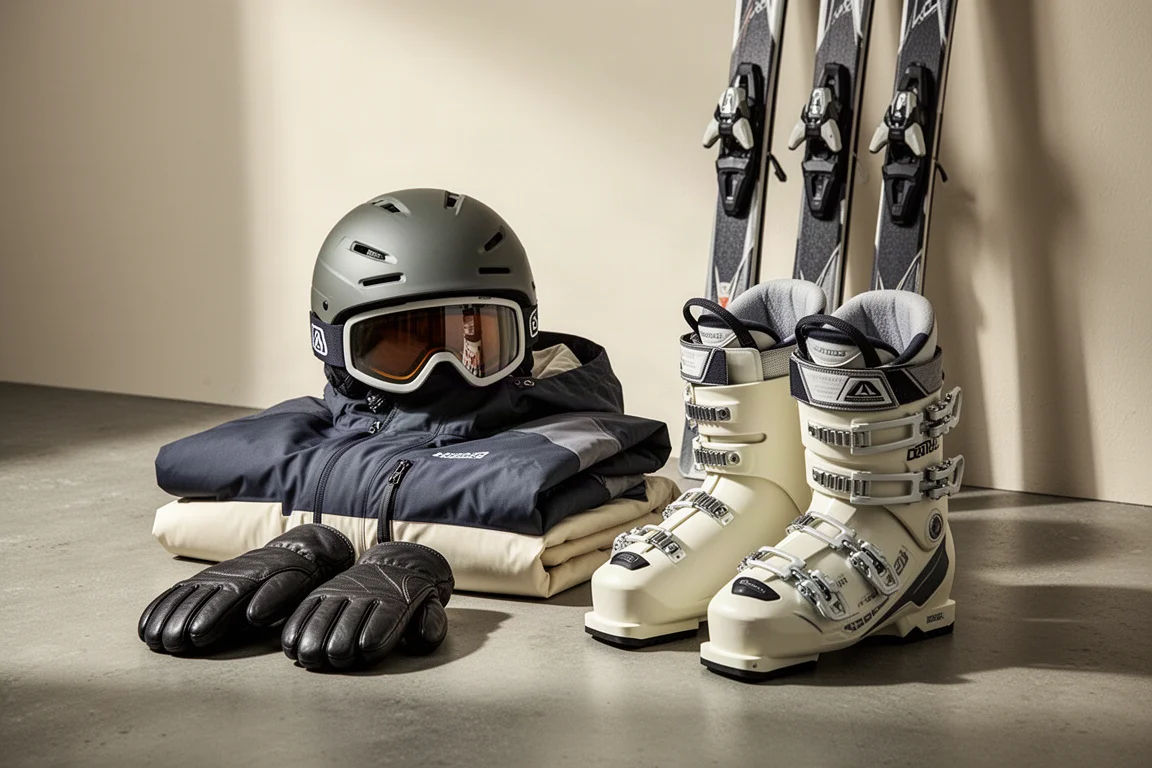
A complete ski kit is more than a jacket and a pair of skis. The pieces that decide whether a day on the mountain feels comfortable or miserable are the ones closest to the body: the helmet, the goggles, the layers against the skin, and the gear you reach for on every single run. This guide walks through a full head-to-toe setup, with a clear reason behind each piece.
The kit leans toward riders who run warm. Ventilation matters more than maximum insulation, thin neckwear beats bulky, and the layers are chosen so heat can be shed on the lift and rebuilt at the top. Almost everything here was bought in the summer, when last-season gear drops steeply in price, or picked up used.
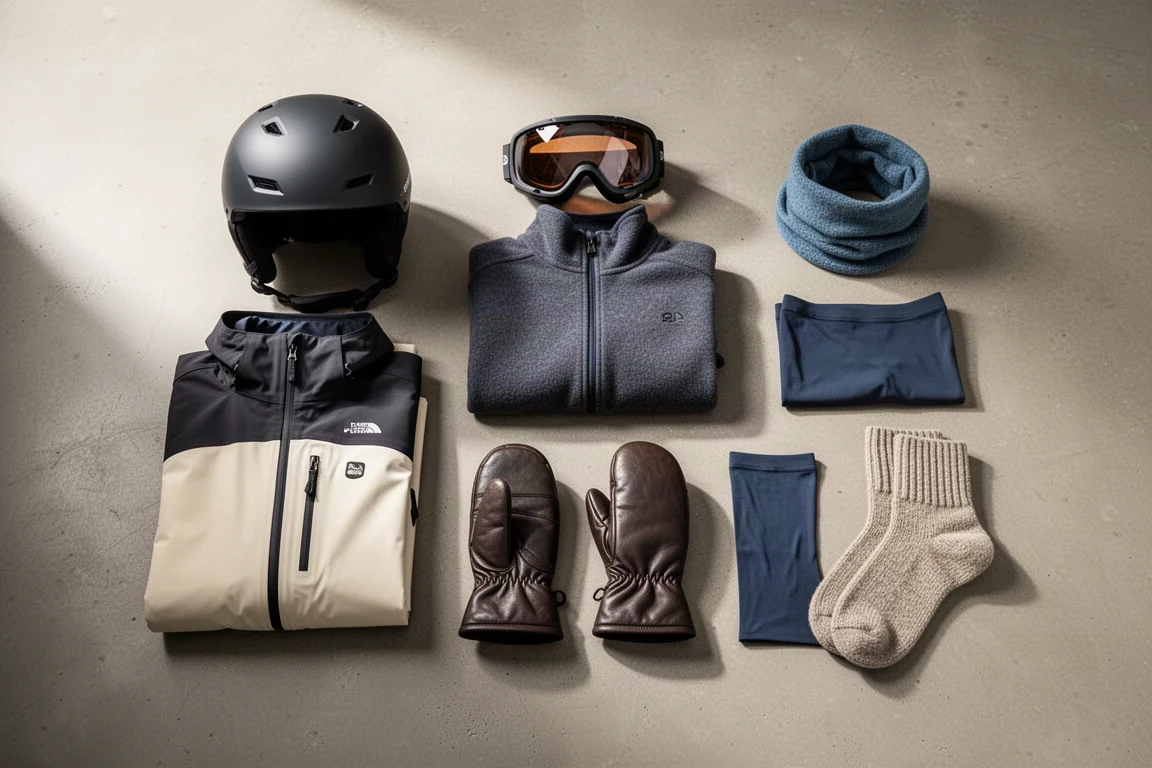
That approach keeps the total cost sensible without giving up protection where it counts. It also means the list is honest about trade-offs: some pieces are chosen for comfort on mild days, others for the coldest, windiest mornings of the season.
Helmet: POC Orca Cut
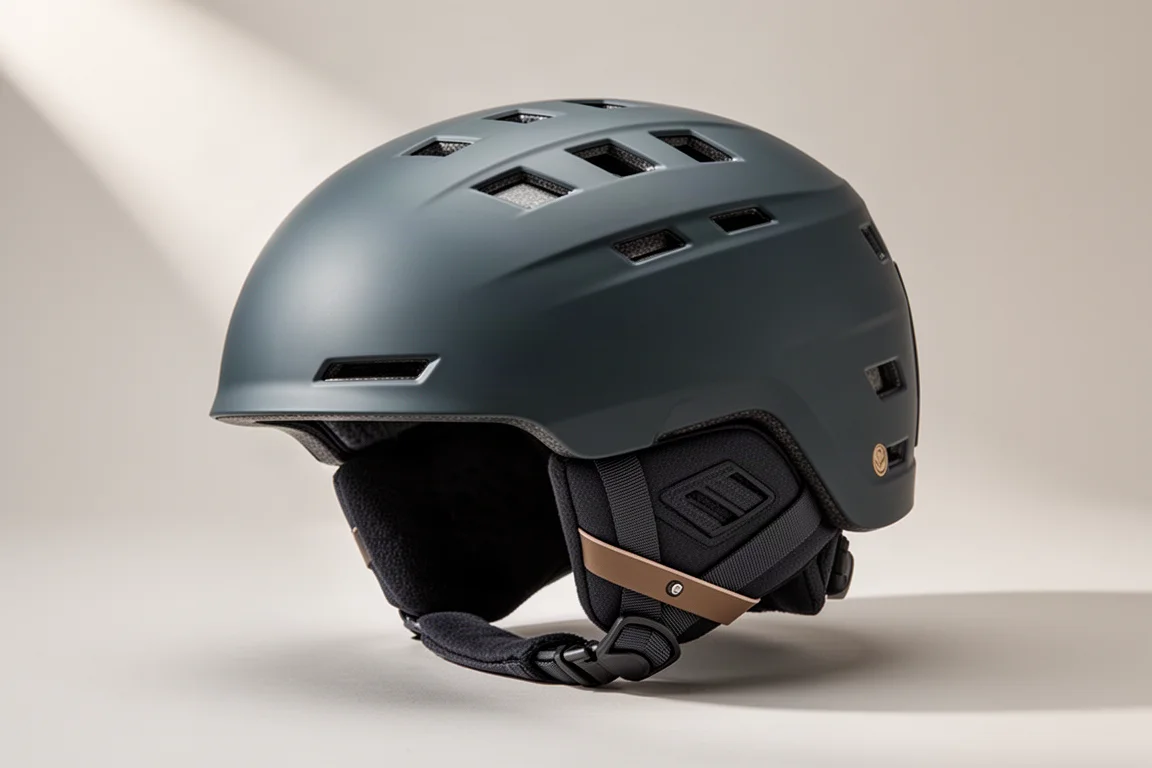
The helmet is the second most important purchase in a ski kit, right behind boots. The POC Orca Cut pairs two safety features: a multi-impact shell that is built to keep its integrity after a strike such as a branch, and MIPS, which is designed to manage rotational forces on the brain.
Ventilation is the other reason this helmet stands out. It moves a lot of air, which suits riders who overheat quickly, and a rubber band across the back holds goggles securely in place.
Availability is the catch. The Orca Cut has been discontinued, so finding one means watching summer sales and secondhand listings rather than walking into a shop mid-season.
Goggles: POC Retina XL
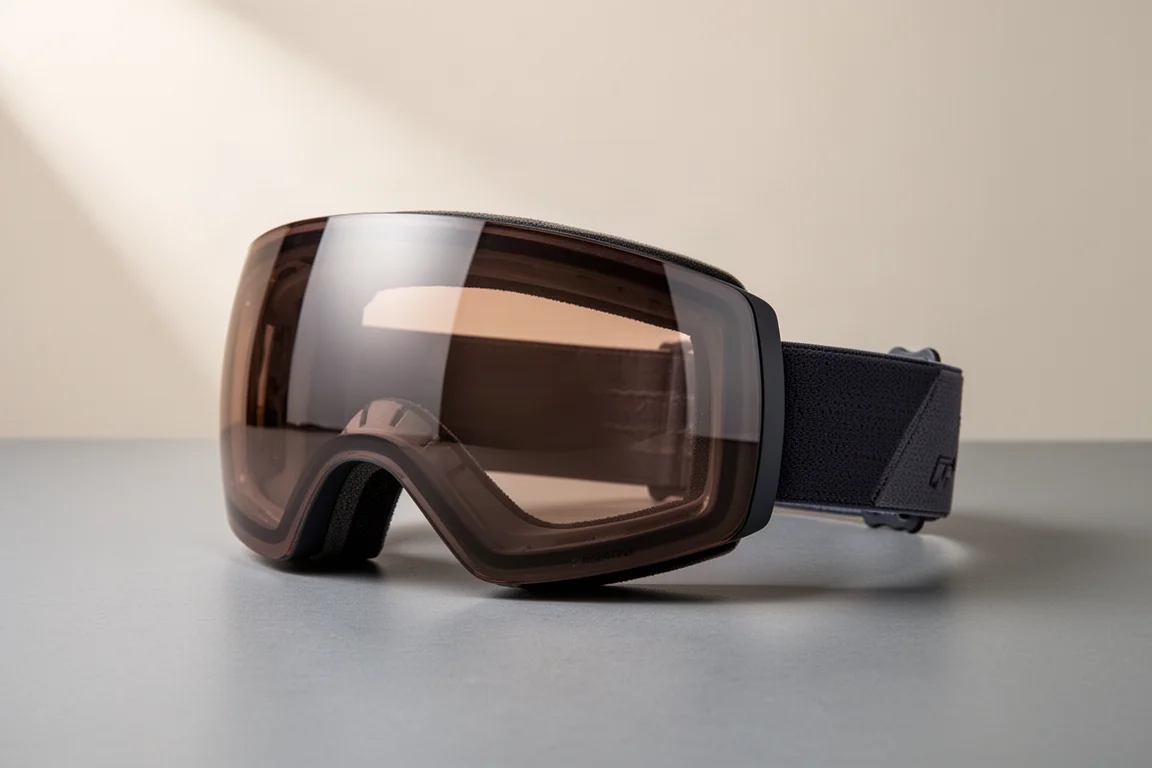
The POC Retina XL is a large-frame goggle built for a wide field of view and to close the gap between helmet and lens. It is designed mainly to block sun and wind rather than to lift contrast in flat light, which makes it a strong match for bright, sunny conditions where eye protection matters most. A second goggle in the same rotation uses a comp lens that adds red and blue tones to help with depth perception when the light goes flat.
Storage matters as much as the lens. Wiping goggles down and returning them to their bag after every day keeps the coating intact and the vision clear.
Midlayer: Patagonia Retro-X Fleece
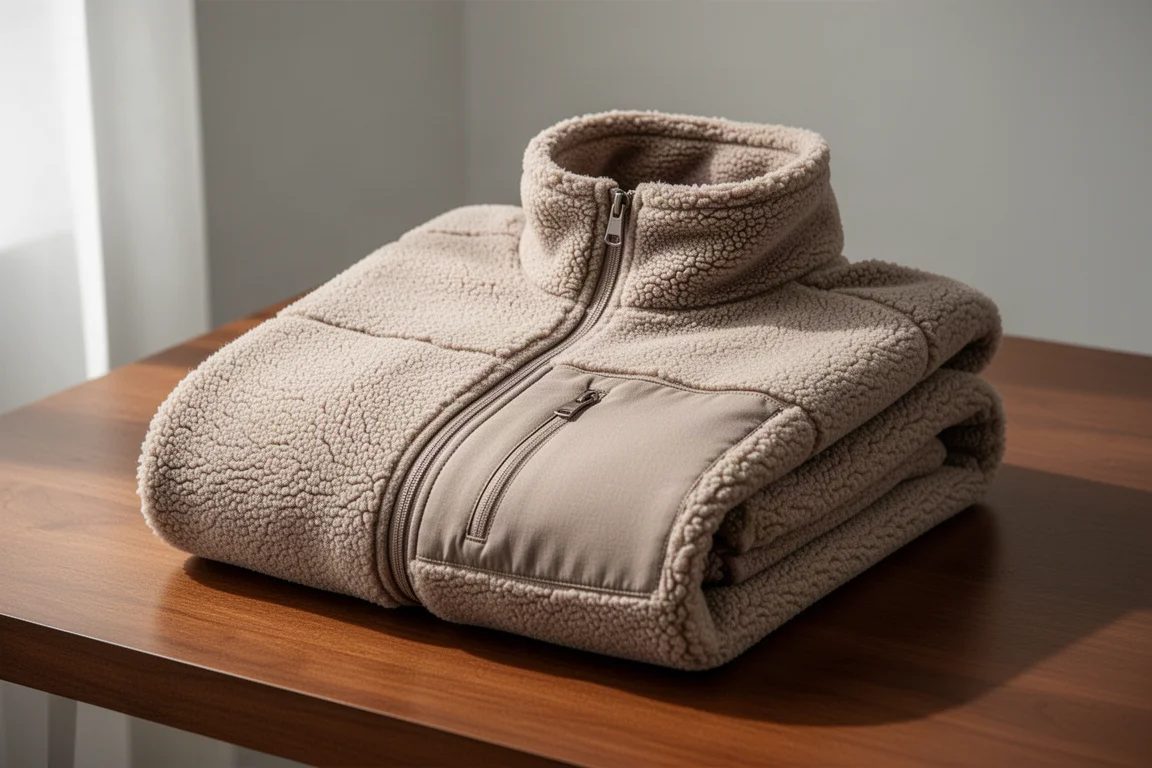
The Patagonia Retro-X fleece has one specific job: it is the layer worn in the car on the drive up and pulled on again at the end of the day. Keeping a warm, dry layer out of the ski bag means there is something clean and comfortable to change into once the shell is soaked.
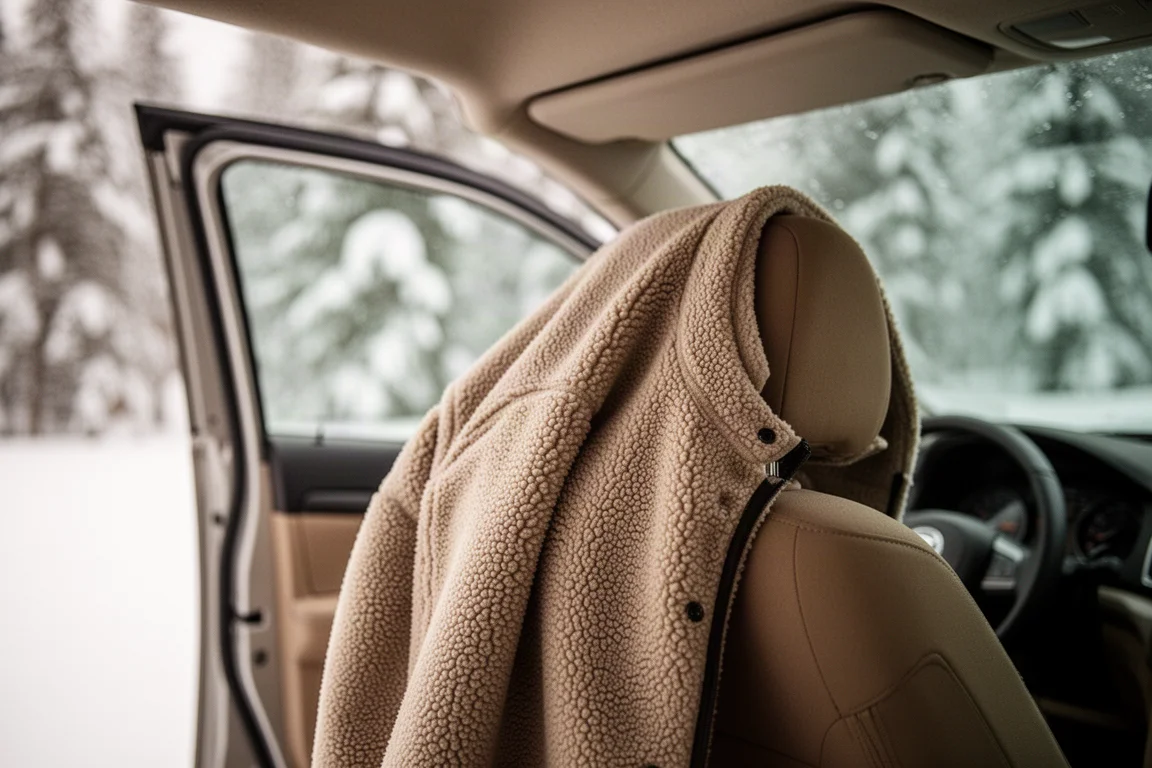
It also doubles as emergency insulation that can be worn under a shell on the coldest days. Picking one up through the brand’s used-gear program keeps the cost low, and the material holds up to repeated use.
Shell Jacket: Volcom GORE-TEX L Jacket
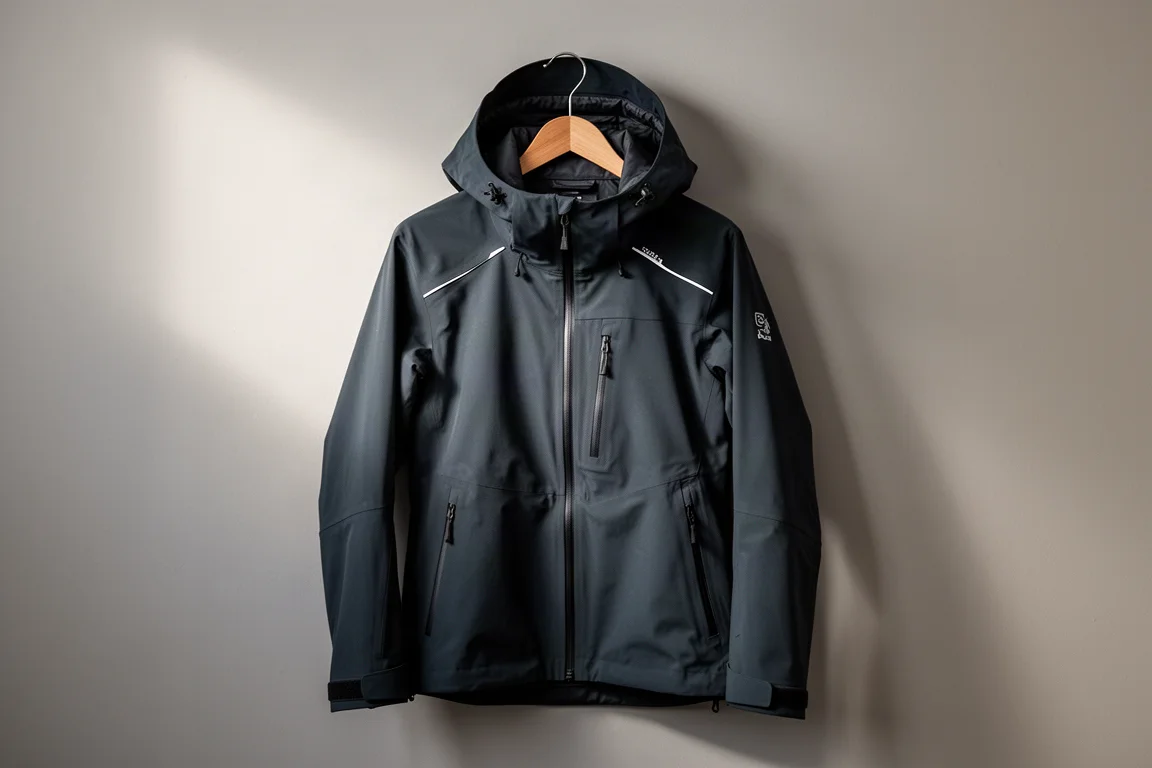
The Volcom GORE-TEX L jacket is the beefier shell, added for better water protection and a little more warmth than a light shell provides. It uses a GORE-TEX membrane and was bought in summer for around $190, only about $15 more than the lighter shell it complements.
The jacket has not been used on snow yet, so the judgement here is based on build and fit: it feels high quality, fits well, and was produced with ethical manufacturing in mind.
Gloves and Mittens: Rossignol Excalibur
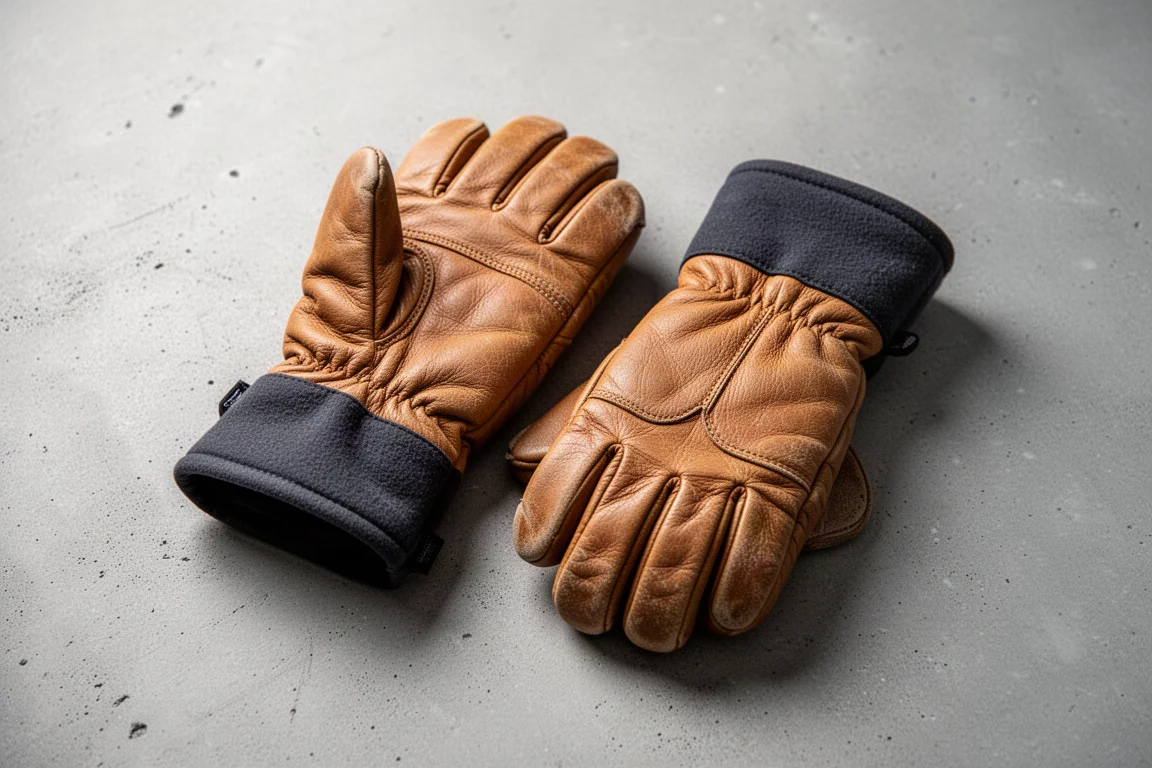
Mittens keep hands warmer than gloves, and leather holds up. The Rossignol Excalibur mittens date back to 2006 and are still going, with leather that has stayed in excellent shape through well over a decade of use. They were bought in summer for around $35 at the time. A second, newer pair of Rossignol race mittens was picked up used for roughly $30 and now shares the rotation.
Care is simple: leather responds well to being dried slowly and stored away from direct heat, and a pair treated this way can outlast several synthetic gloves.
Ski Boots: Atomic Hawx Prime Ultra
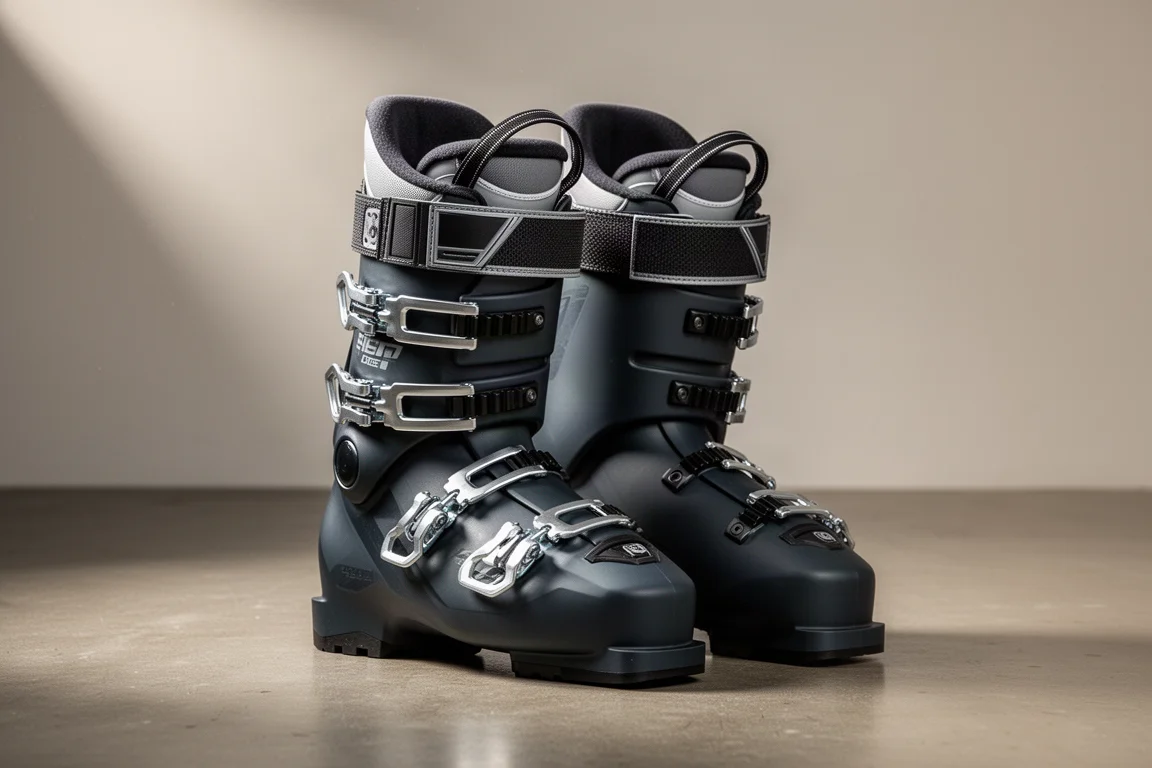
Boots are the most important piece of the kit, and the Atomic Hawx Prime Ultra is the newest addition. It is being worn around the house to break in ahead of the season, with the fit dialled in before a booster strap is added as an upgrade for extra response.
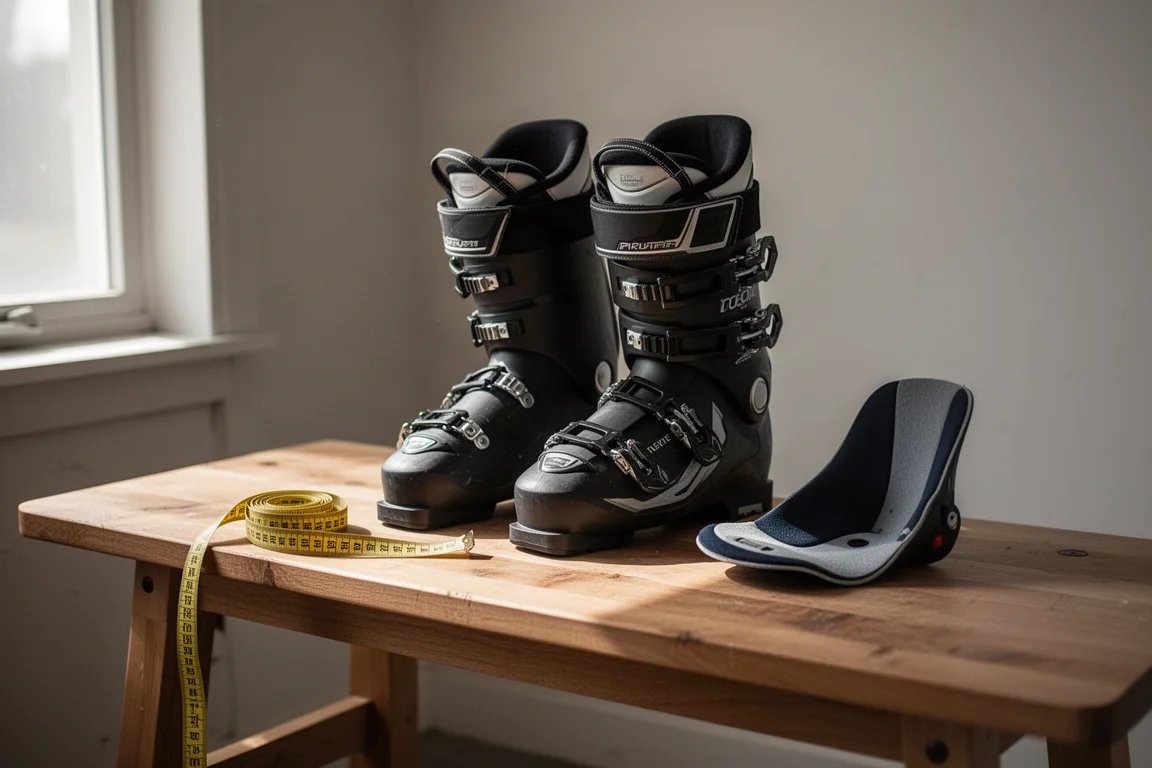
Fit is the priority with any boot: a shell that matches the shape of your foot matters more than a flex number on a spec sheet, and small changes such as a booster strap can sharpen the connection between leg and ski. The outgoing Lange LX 120 stays around as a backup after the footbed broke down and the flex softened, but the new pair is the one being set up for the season.
All-Mountain Skis: Atomic Maverick 88 TI
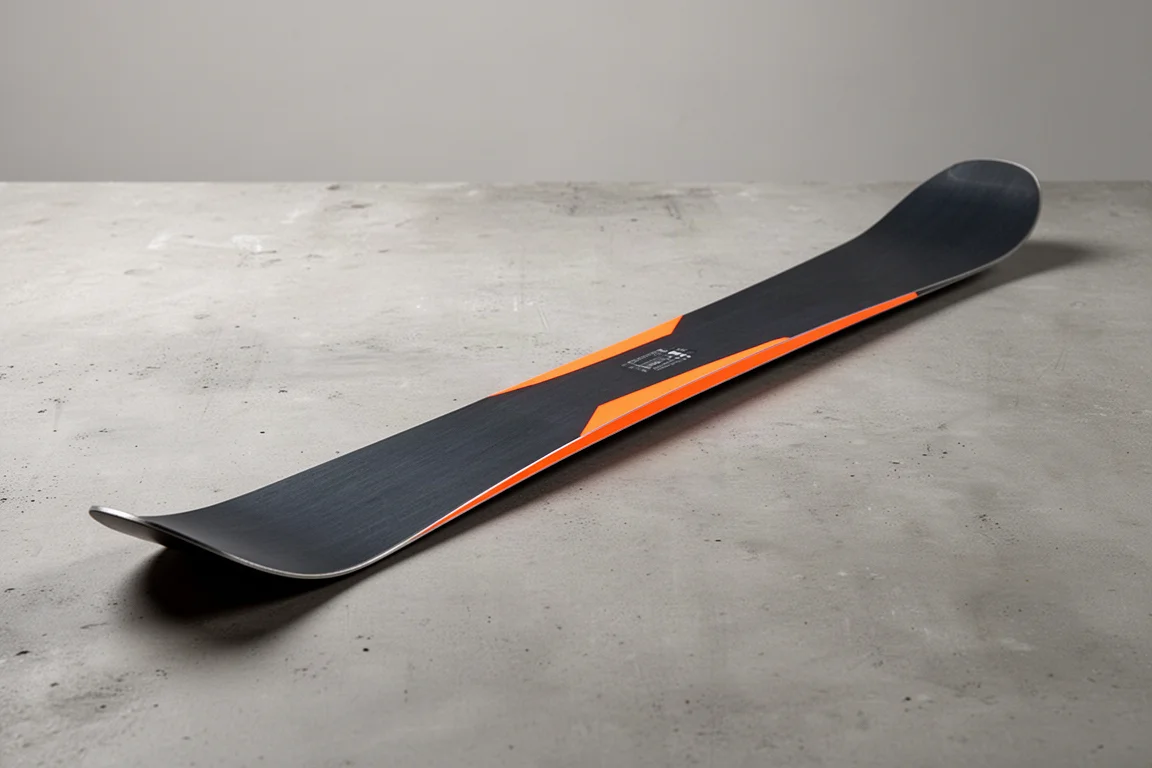
The Atomic Maverick 88 TI in a 176 length is the daily driver. It is lighter than the ski it replaces, with more shape in the tip and tail and more camber, which makes it pop in and out of turns and feel lively when loading up a short-radius carve.
There is almost no part of the mountain this ski cannot explore, and it is easy to hop off the trail into fresh snow. The trade-off is heavy, wet snow: a very light ski can get pushed around, and a heavier, crud-cutting model is the better tool on those days.
Powder Skis: Salomon QST 106
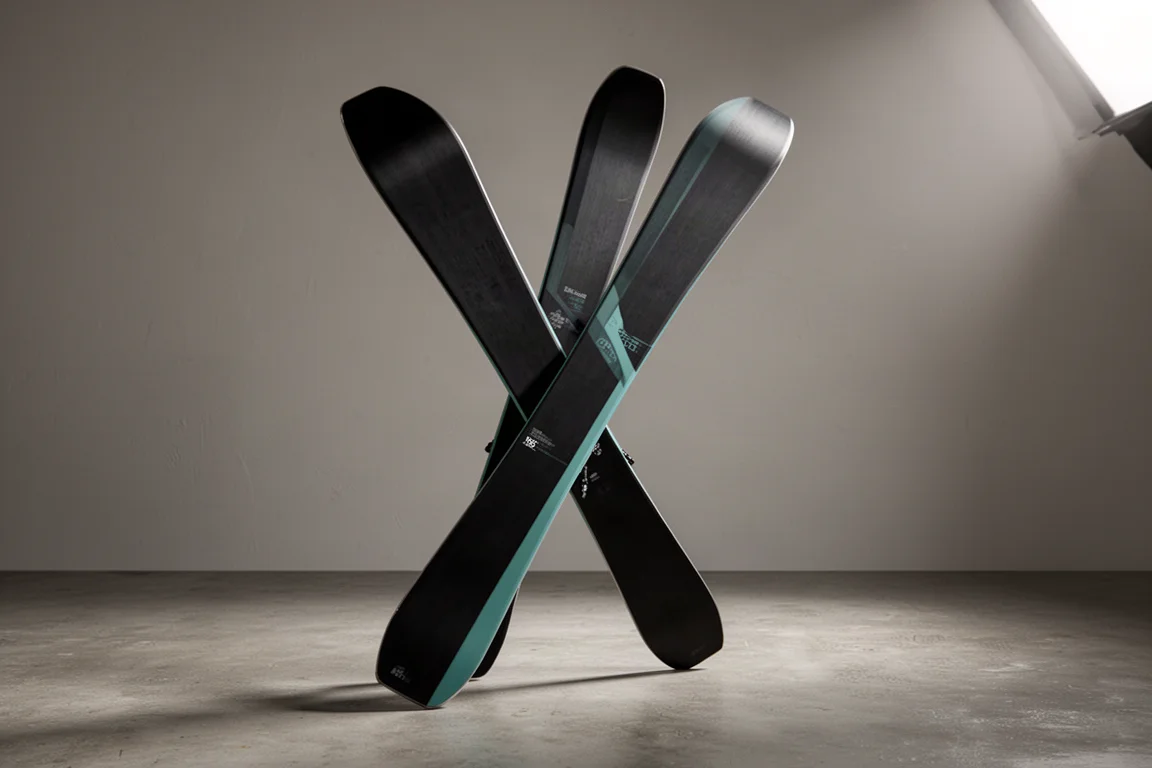
The Salomon QST 106 is a dedicated powder ski, bought on sale over the summer. Its shape has a second bulge that helps hold a turn in soft snow, and the goal is a ski that still carves on groomers while being far more powder-oriented than an all-mountain width.
The 98 version of the same line was tried previously and made a strong impression, though the 106 has not yet been ridden in powder. For anyone building a quiver, this is the piece that makes deep days noticeably more fun.
Other Pieces Worth Knowing About
Two further shells round out the rotation. The DC Haven jacket is a light shell bought in summer for around $180 with excellent range of motion, plenty of ventilation, a large hood and plenty of pockets, though it is neither the warmest nor the most waterproof option once the weather turns wet. The Eddie Bauer First Ascent jacket takes the opposite approach: a very warm, very puffy jacket that has stayed in service for more than a decade and is kept for the coldest days of the season.
Base layers are Patagonia Capilene tops and bottoms, bought used for no more than about $30 each and chosen for breathability, fast drying and a comfortable texture. Smartwool socks cover most days in a thin version, with thicker pairs for colder mornings. Neckwear is deliberately thin: a simple gaiter keeps wind, rain and snow off the face, and a thicker one is kept for the handful of brutally cold, windy days that often coincide with the best powder.
Patagonia shell snow pants have been repaired by the brand for the cost of shipping, even though they arrived as a hand-me-down rather than a new purchase. A pair of The North Face snow pants bought for around $100 fills the gap, paired with clip-on suspenders that cost under $20 and keep everything in place.
Poles come down to personal preference. Carbon Völkl Phantastick poles with large baskets cost around $100 and remain the everyday pair, while a set of Swix composite GS poles is kept for high-speed terrain. An older Atomic Vantage 90 in a 176 length, mounted with Look SPX 12 bindings, has moved into rock-ski duty for early-season conditions.
Overall Buying Advice
Timing matters as much as the spec sheet. Ski gear drops steeply in price once the season ends: a GORE-TEX shell for around $190 and a discontinued helmet at a deep discount are both summer finds. Used and resale channels are worth watching too, with fleece, base layers and even race mittens turning up for a fraction of retail.
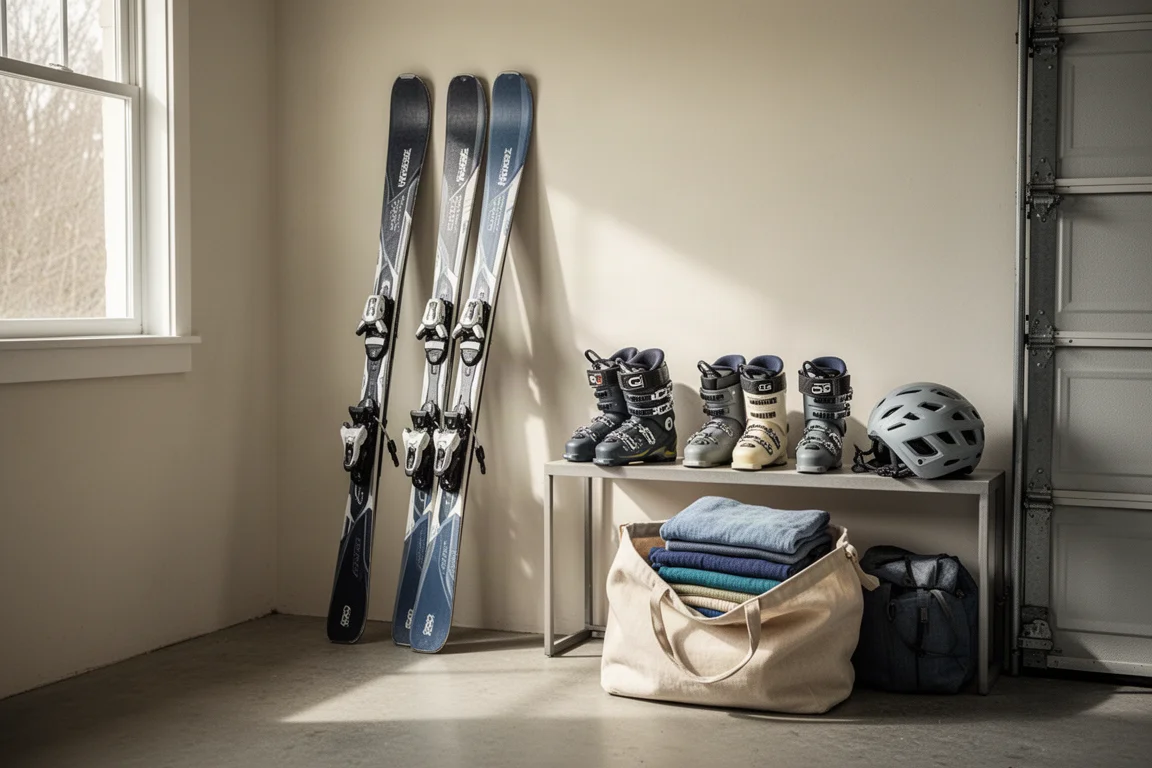
Spend first on protection and fit. Helmet and boots come before everything else, then goggles and gloves, then skis. For riders who run warm, ventilation and the ability to shed heat are worth more than maximum insulation, and one light all-mountain ski will cover most days unless the snow is heavy and wet.
Conclusion
A good ski kit is built from the head down, and every piece here earns its place for a reason: a well-ventilated helmet, goggles chosen for the light you actually ski in, layers that can be shed or added, mittens that last, boots that fit, and skis that match the snow. Buy in the off-season where you can, prioritise fit and protection, and the rest of the kit becomes much easier to get right.
Further reading
Related Reviews

Ski Gear
2023 Blizzard Hustle vs Rustler: Six Freeride Skis Compared
Blizzard's 2023 Hustle collection rebuilds the Rustler shape with a lighter core and no metal. Here is how all six skis differ, and which one suits your riding.

Ski Gear
2023 Skis of the Year: Atomic Maverick 88 TI, Salomon QST 106, and Look SPX 12 Pro
Three standout ski picks for all-mountain carving, powder days, and reliable binding performance, with practical buying notes for 2023 models.

Ski Gear
2025 Nordica Enforcer 104 Review: A Directional Charger Replaces the 104 Free
The 2025 Nordica Enforcer 104 drops the Free name and the twin-tip personality, gaining weight, stiffness and composure in rough snow. Here is what changed and who it suits.