Ski Gear
Ski Gear We're Excited to Test in 2026: Skis, Boots, Mitts and More
A season-preview look at the skis, boots, goggles, mitts and accessories on our 2026 test bench, from carving-focused planks to powder tools and merino layers.
Introduction
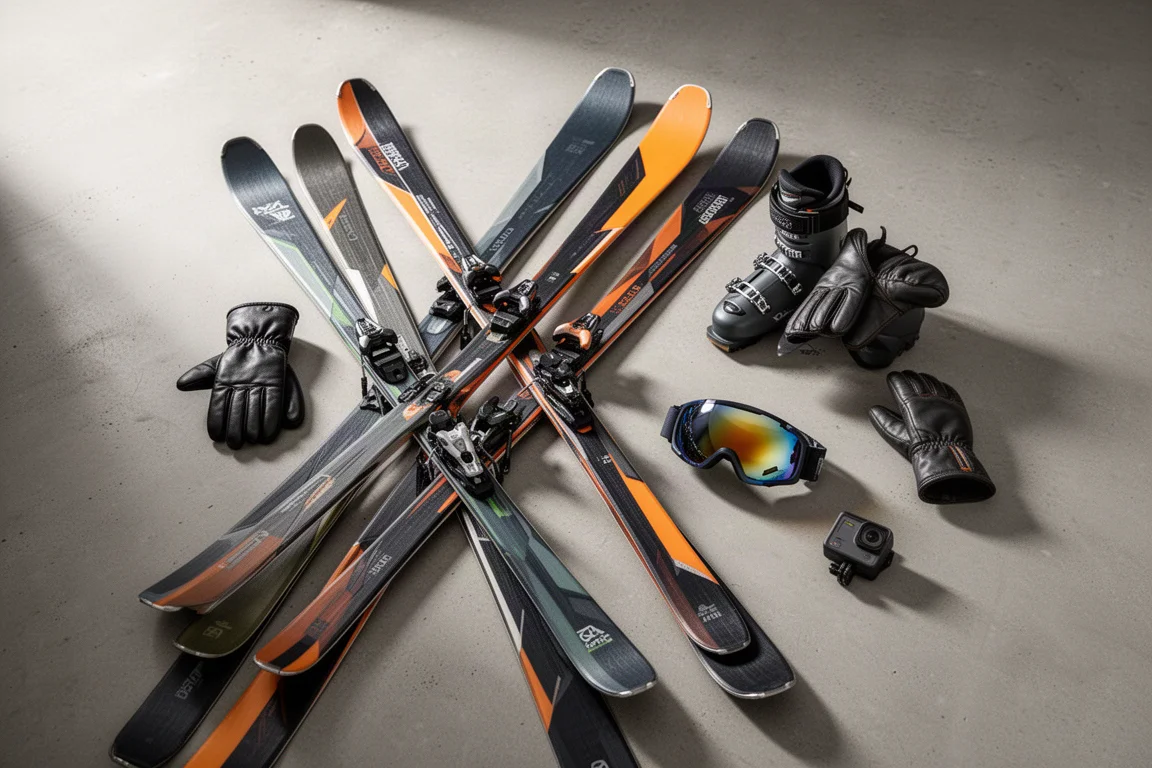
Every season starts with a bench full of gear and a list of questions. For 2026, that list includes a niche carbon carving ski, several hotly anticipated all-mountain and freeride planks, a carving-focused ski boot, goggle and helmet updates, and a handful of everyday items like merino layers and wireless mics. Some of these arrived from manufacturers, some were bought out of pocket, but all of them are going to earn their place through real time on snow. Here is what is in the queue and who each piece of gear might actually be for.
The Skis in the Test Queue
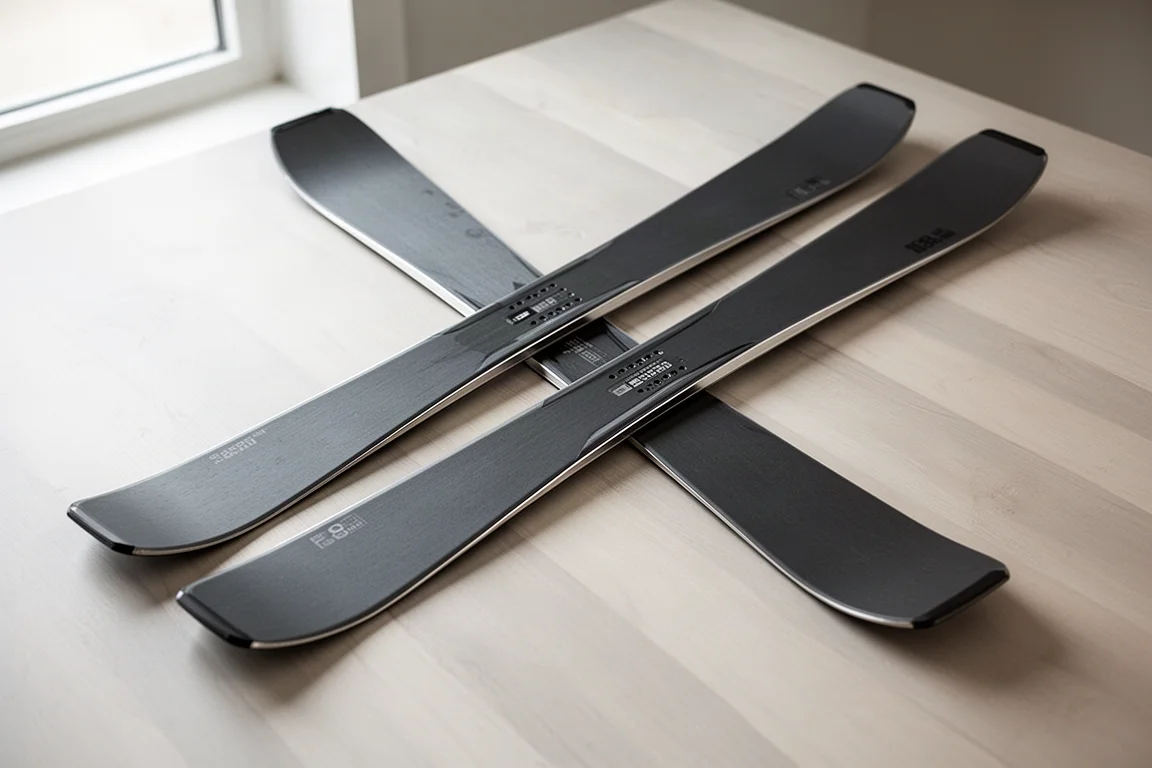
DPS Carbon Piste 179
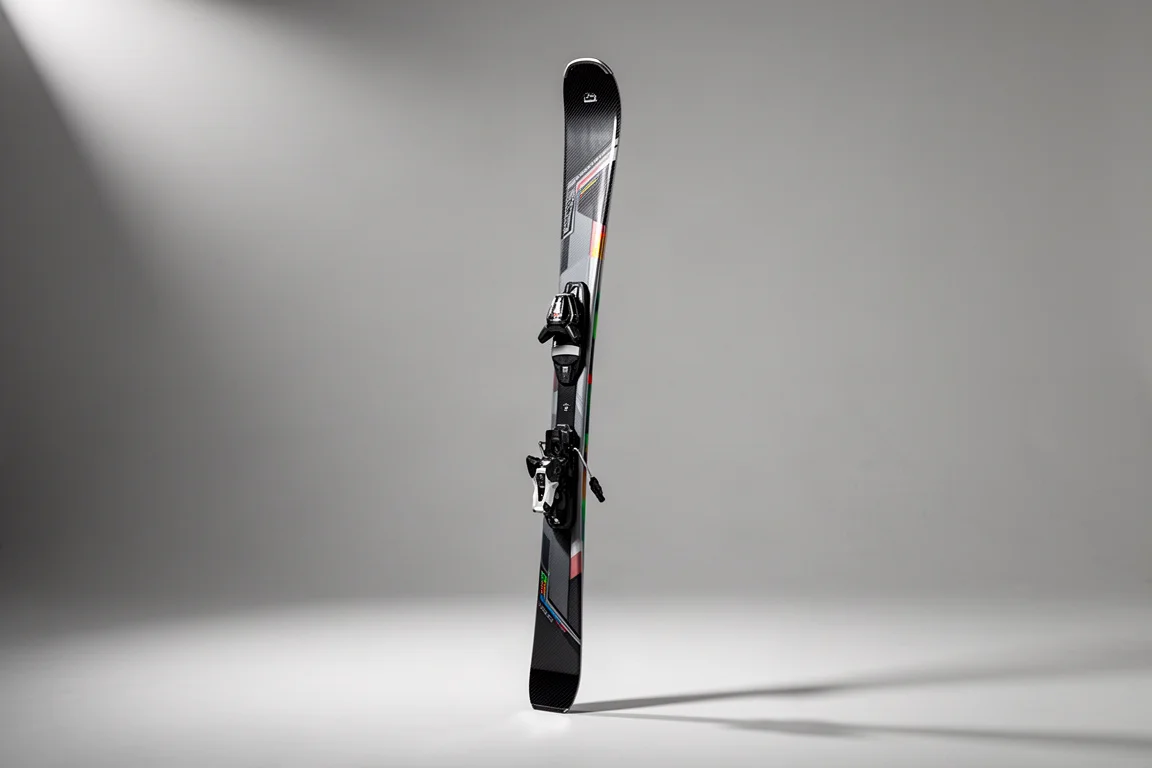
The DPS Carbon Piste 179 is a deliberately niche ski: a springy, carving-oriented tool for softer snow. The shorter size was covered previously, and the newly available larger size finally allows proper mileage, mounting-point experiments, and a better read on how the ski holds up over time. It is also the test platform for the DPS Phantom Glide treatment, which gets its own evaluation on these skis. This is not a quiver-killer, but for skiers chasing quick, springy carve turns in softer conditions, it is one of the more interesting skis of the year.
Volkl Revolt 101
Volkl’s Mantra line has long been the familiar face of the brand, but the Revolt 101 represents the brand’s freeride powder side. The test pair is a 182 cm length with Marker bindings, and on paper the shape looks promising: a very early, very aggressive tip splay that suggests a ski designed to surface and plane quickly. The 101 to 108 mm underfoot band is where a lot of freeride buyers are shopping, so it makes sense that Volkl is pushing here. Anyone who liked the Blaze 104 in light powder will want to see how the Revolt 101 compares.
Rossignol Arcade 94 and Arcade 88
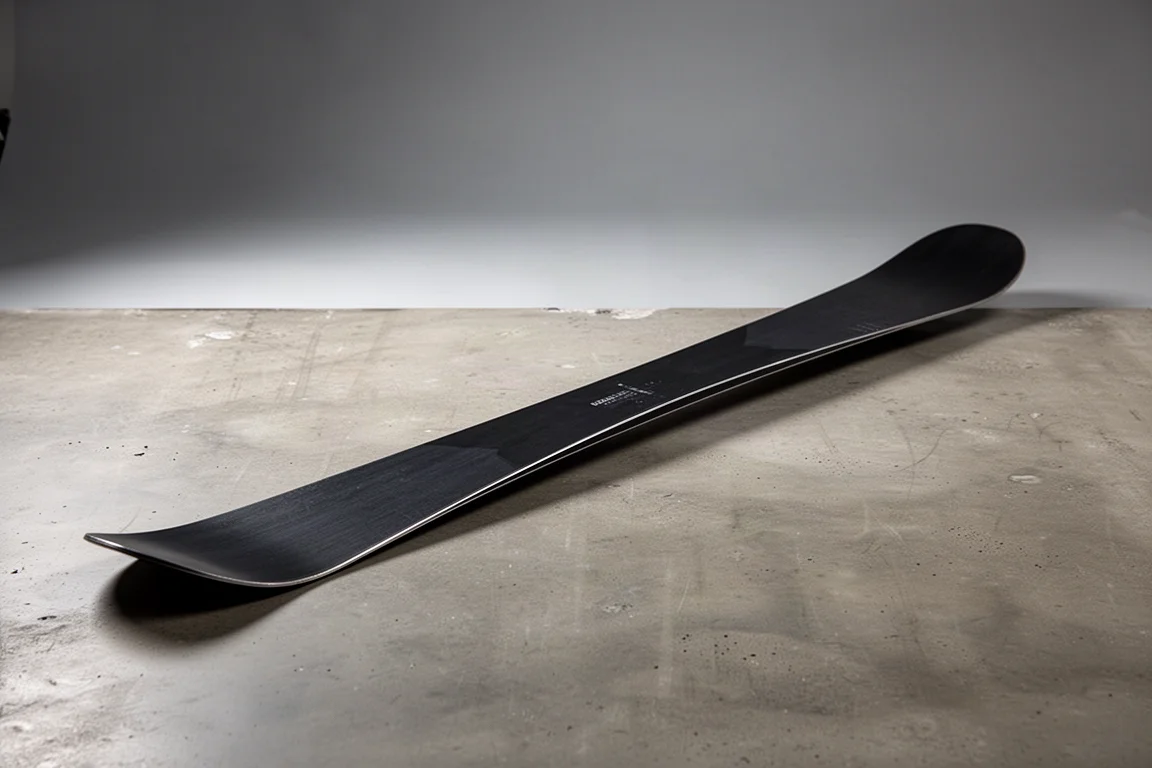
Rossignol has replaced the long-running Experience with the new Arcade line, and the turn radii are striking. In a 178 cm length, the Arcade 88 carries a 16 m radius while the Arcade 94 runs a 15 m radius, which is very aggressive for an all-mountain ski of this width and points to a much more carving-oriented character than the Experience. Rossignol’s flex and stability have historically been strong points, and these will show how the brand’s new platform builds on that. The yellow throwback top sheets are a nice touch of nostalgia for anyone who raced on older Rossignol skis.
For skiers who want an all-mountain ski that still behaves like a carver, the Arcade 94 is one of the more intriguing new options this season.
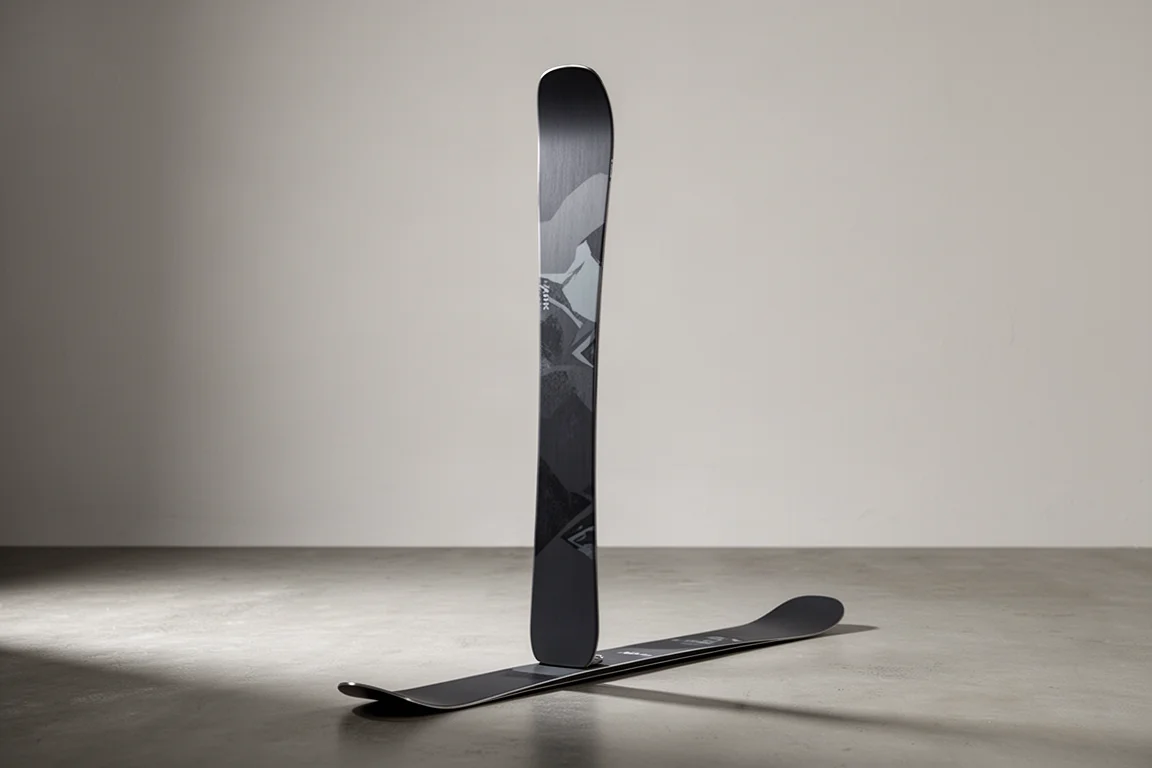
Elan Ripstick 88
The Ripstick 96 Green made a strong case that Elan’s asymmetrical shape turns harder than its paper radius suggests, and the Ripstick 88 applies that formula to a narrower width. In a 182 cm length it comes with a 16.8 m turn radius, and the asymmetry should make turn initiation even easier. On paper this looks like a great match for advanced skiers who want quick, effortless turn initiation and more time to focus on the rest of the turn. Specs never tell the whole story, but the family resemblance is promising.
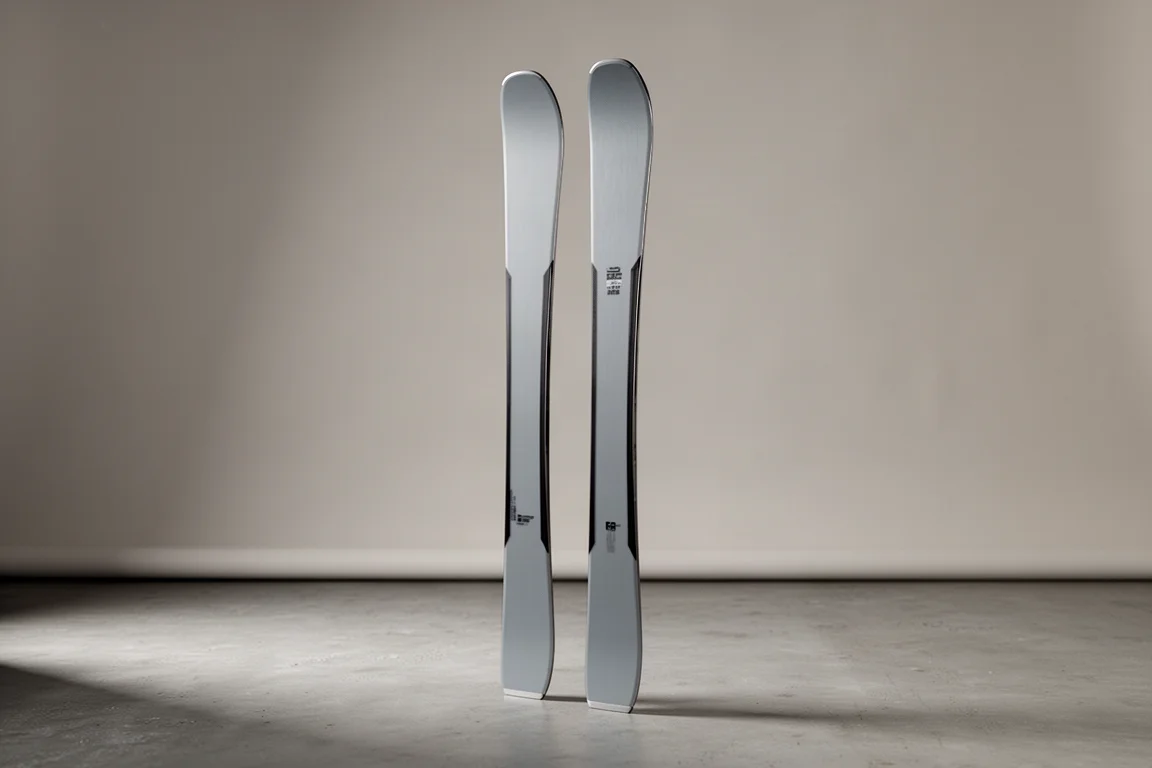
Salomon Q 1.0
The Salomon Q 1.0 is the oddball of the lineup: a 180 cm ski with a 15 m turn radius, a 106 mm waist, and a claimed 1,740 g weight, pitched as something between freestyle and powder. It has generated a lot of conversation, and the key questions are practical: is it a good powder ski, how does it handle trees and moguls, and is it really only for park skiers? Because it sits well outside the usual all-mountain comfort zone, it is exactly the kind of ski worth buying and testing rather than judging from marketing alone.
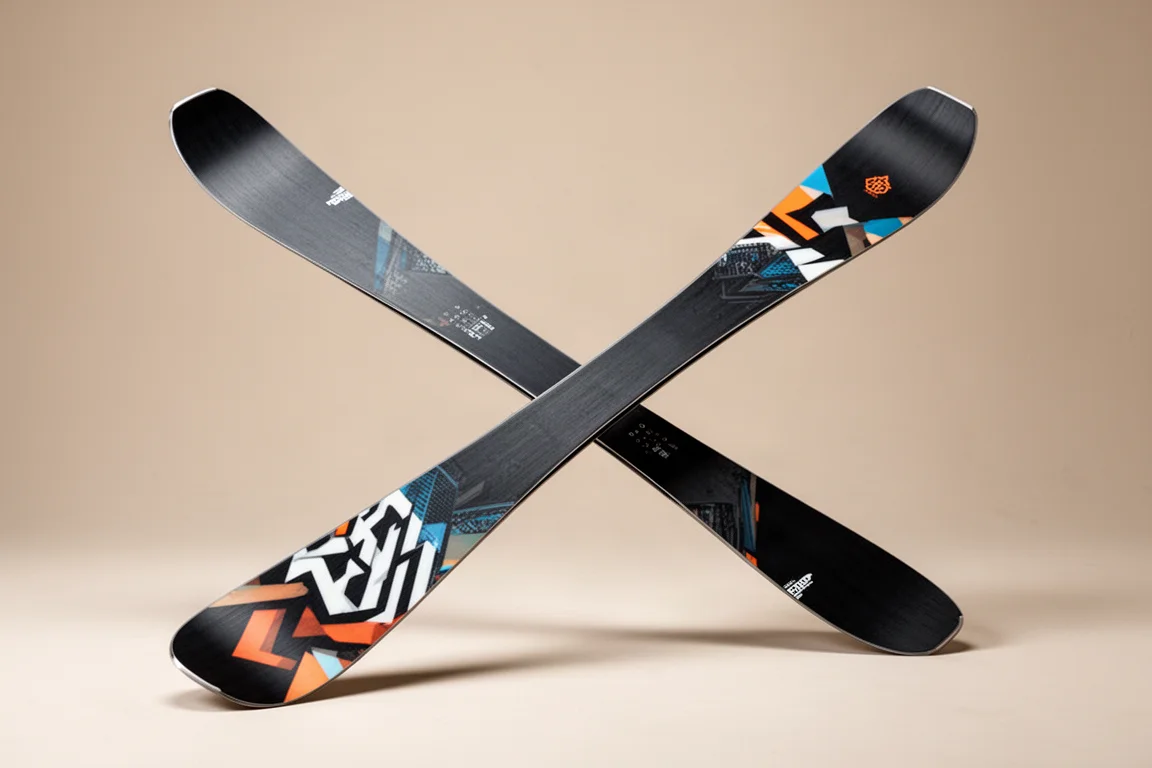
Atomic Maverick 96 CTI and Maverick 115 CTI
The Maverick line gets a two-point test this season: the 96 CTI in a 186 cm length with a 19 m radius, and the big Maverick 115 CTI for genuine powder days. The previous 88 CTI was a noticeable step away from the older Maverick design, shifting toward a freeride, freestyle-leaning feel, and the wider CTI models will show whether that new direction works better at bigger widths. The 115 CTI in particular will be compared directly against the Atomic Bent 120, a favorite at that end of the quiver. Skiers who loved the Maverick 95 Ti and 100 Ti will be watching these closely.
View more details for Atomic Maverick 115 CTI
Stockli Stormrider 88
The Stockli Stormrider 88 arrived fresh, and after a brief first impression on a rough condition day, the headline change is easy turn initiation. Stockli has refined rather than overhauled the platform, so returning Stormrider skiers should recognize the smooth, damp, premium feel, while new skiers coming from something like an Elan Ripstick get that same refinement without needing perfect timing to release the turn. The 184 cm length carries a 19.5 m radius on paper, though real on-snow numbers usually tell a different story. A decade ago the Stormrider 88 was one of the first skis to genuinely bridge the gap between carving skis and freeride skis, and this version looks like a thoughtful evolution of that idea.
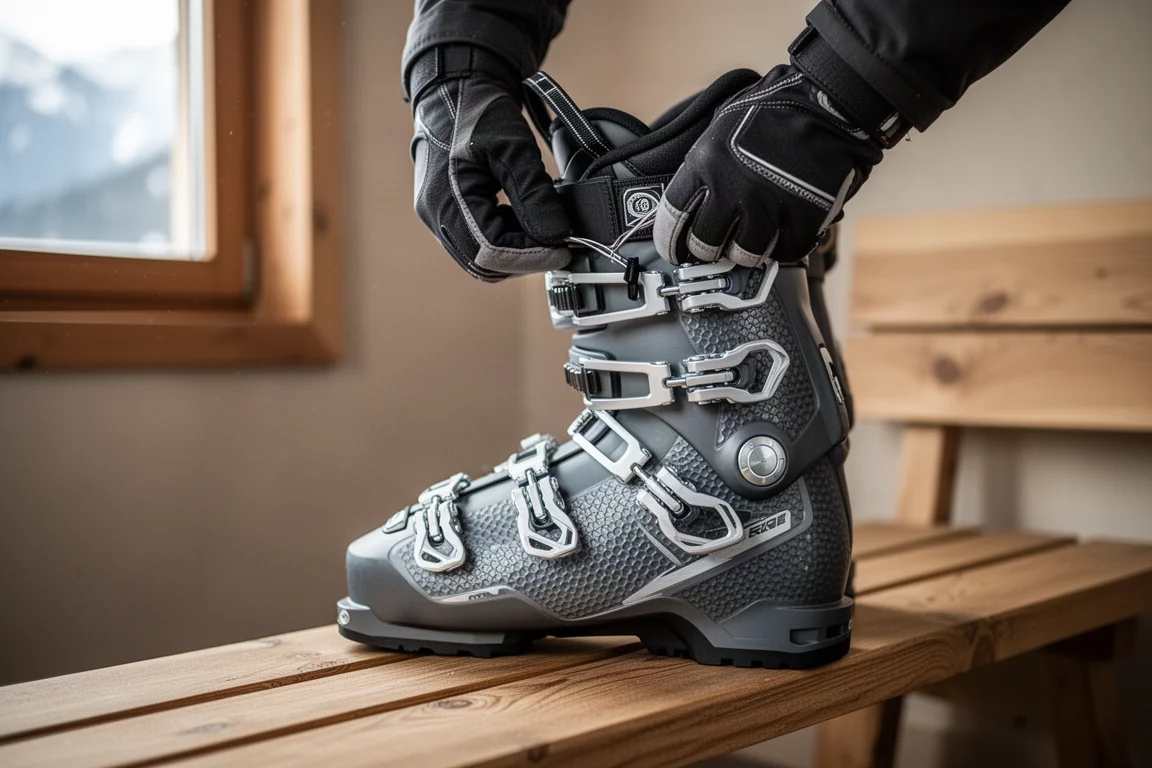
For skiers who want Stockli smoothness and performance with easier turn entry, this is one of the most confident releases of the season.
Boots, Protection and Soft Goods
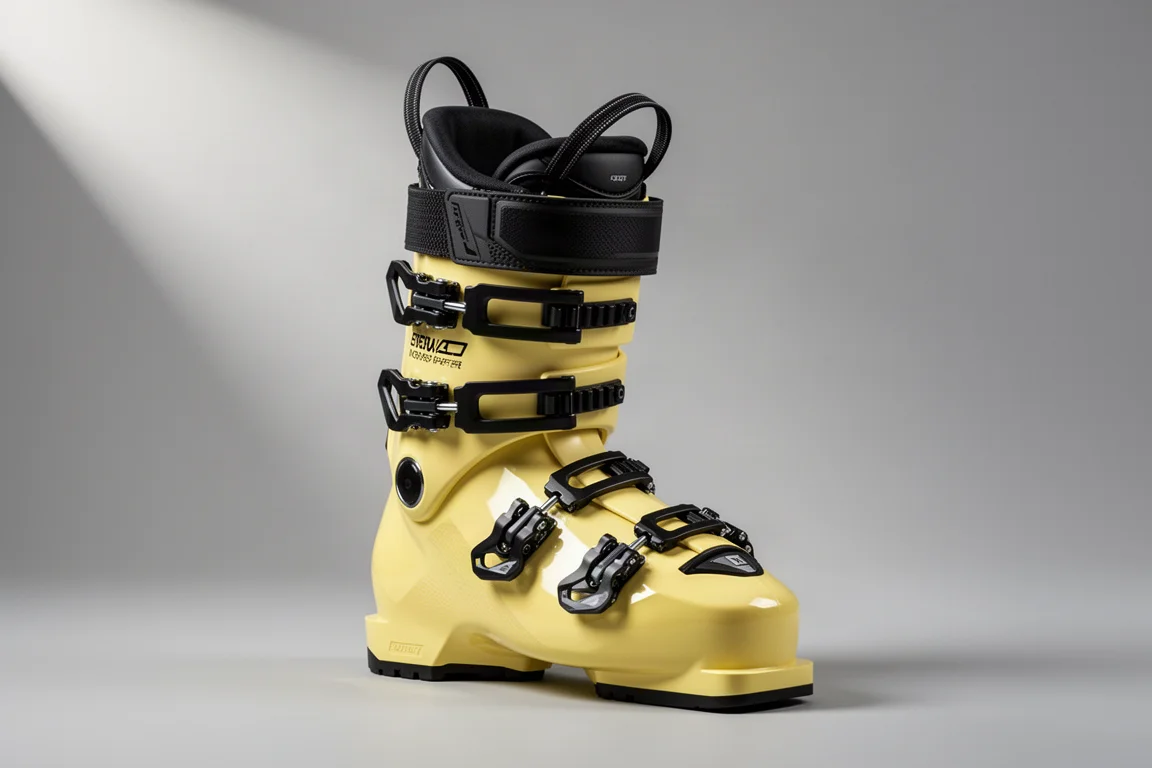
Atomic Remedy 130
The Atomic Remedy 130 is a carving-focused boot and the most interesting category shift in this queue. After years in all-mountain boots like the Atomic Hawx Prime, this is a reintroduction to aggressive carving boots without going all the way back to true race boots. Early impressions from wearing them around the house are positive: the fit is snug, a touch more than the Hawx Prime, and the top buckle is tight out of the box, but that should ease with break-in. For strong skiers who want race-boot performance with a more forgiving day-long fit, this is the one to watch.
Pairing the boot with Zipfit GFT liners is planned, which should give a full picture of the custom-liner route for anyone considering it.
Smith Squad with ChromaPop
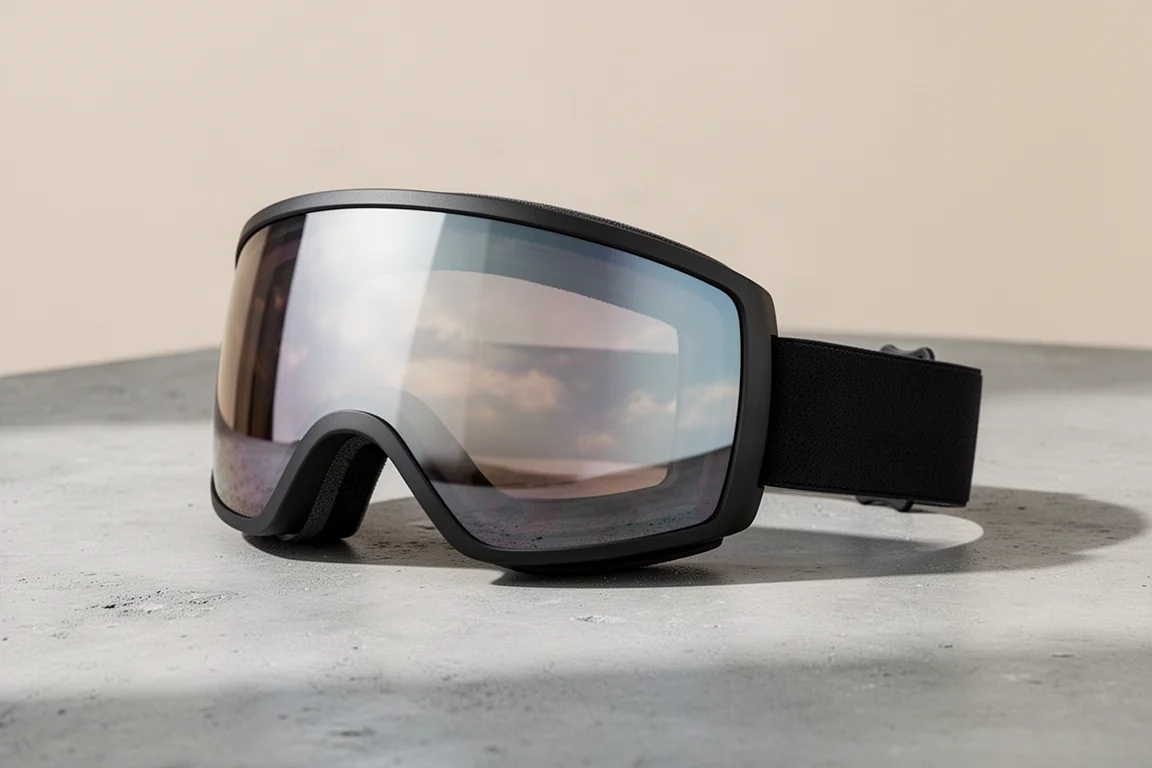
The Smith Squad with ChromaPop lenses has been one of the most requested goggles to test, and the brand carries decades of goodwill among skiers who have raved about ChromaPop lens quality. Testing the Squad alongside the Smith Vantage helmet, which includes MIPS, makes sense because goggle-helmet fit and goggle gap can only be fairly judged as a system. Skiers building or refreshing a goggle-and-helmet setup should look at these as a matched pair rather than separate purchases.
Level Darth Mitt and World Cup Mitt
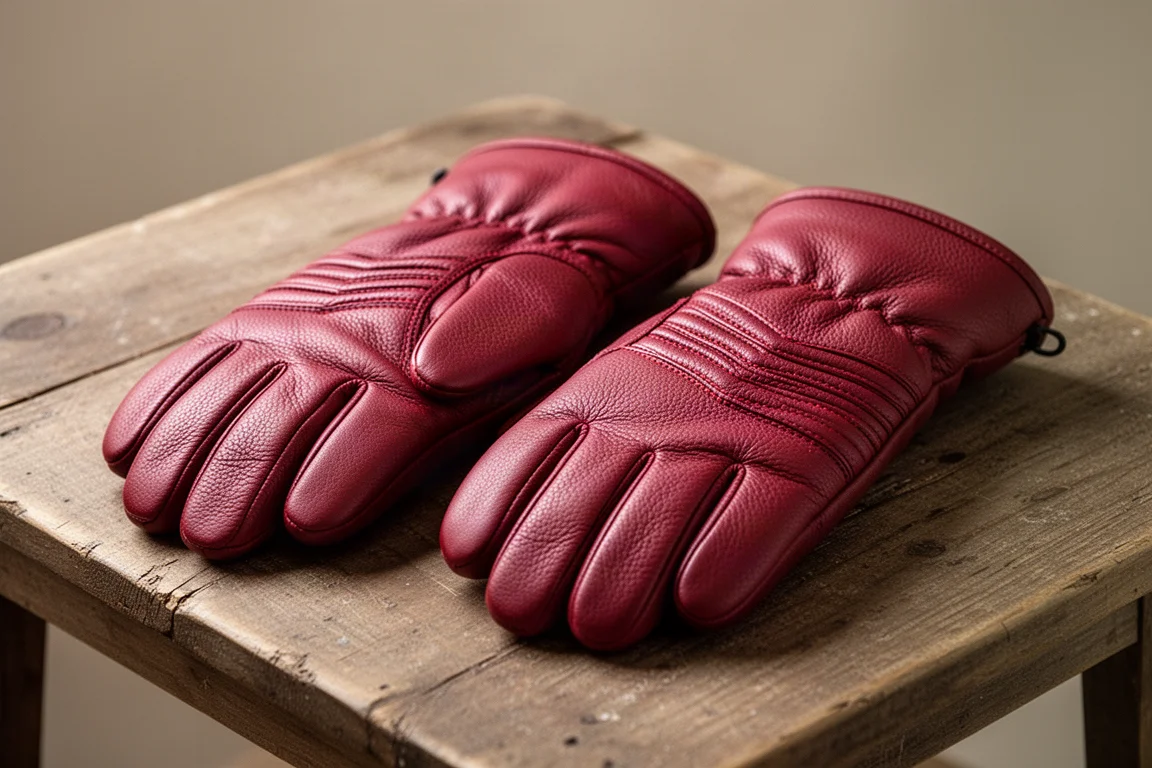
Level’s gloves return to the test bench after last year’s race mitts proved impressively tough. This season adds the Darth Mitt in red, a loftier, everyday-style mitt rather than a race mitt, plus a planned comparison against the World Cup Mitt and the current daily-driver Leki gloves. Early impressions from handling them are good: the leather feels premium, the stitching details on the back of the hand are neat, and they look warm. Anyone browsing for a standard warm mitt rather than a race-specific one will find this comparison useful.
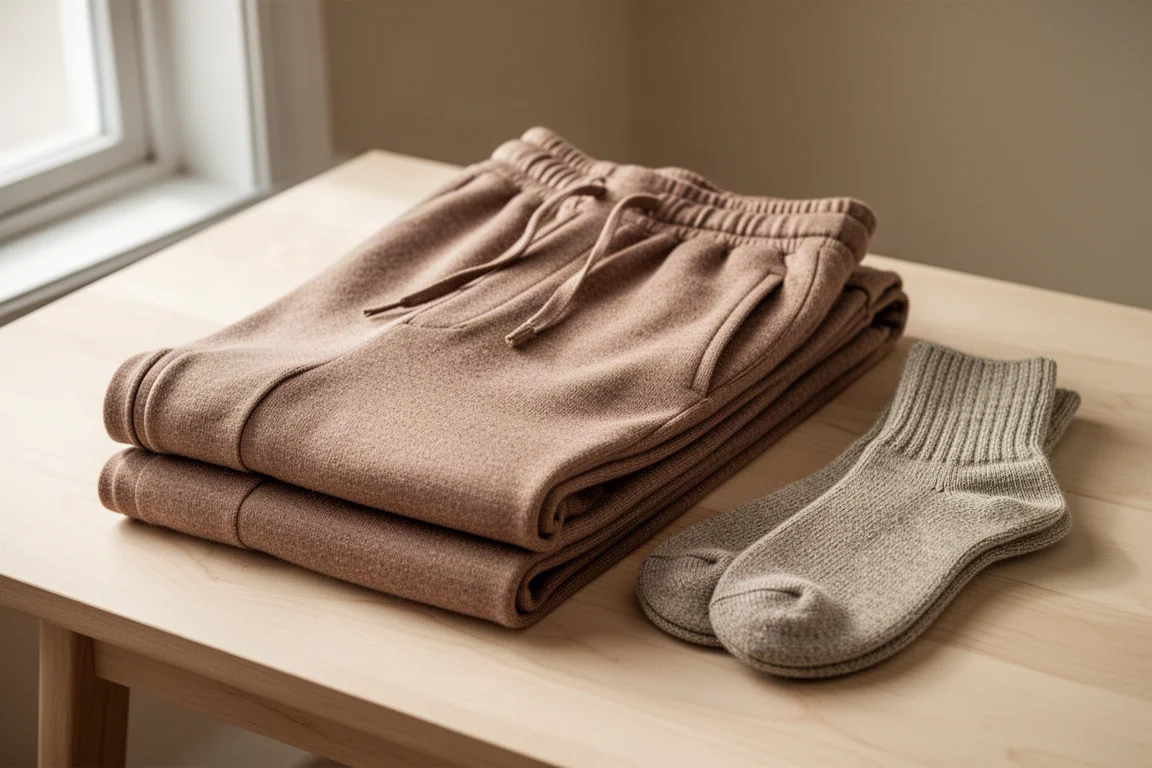
Ibex Nomad Jogger
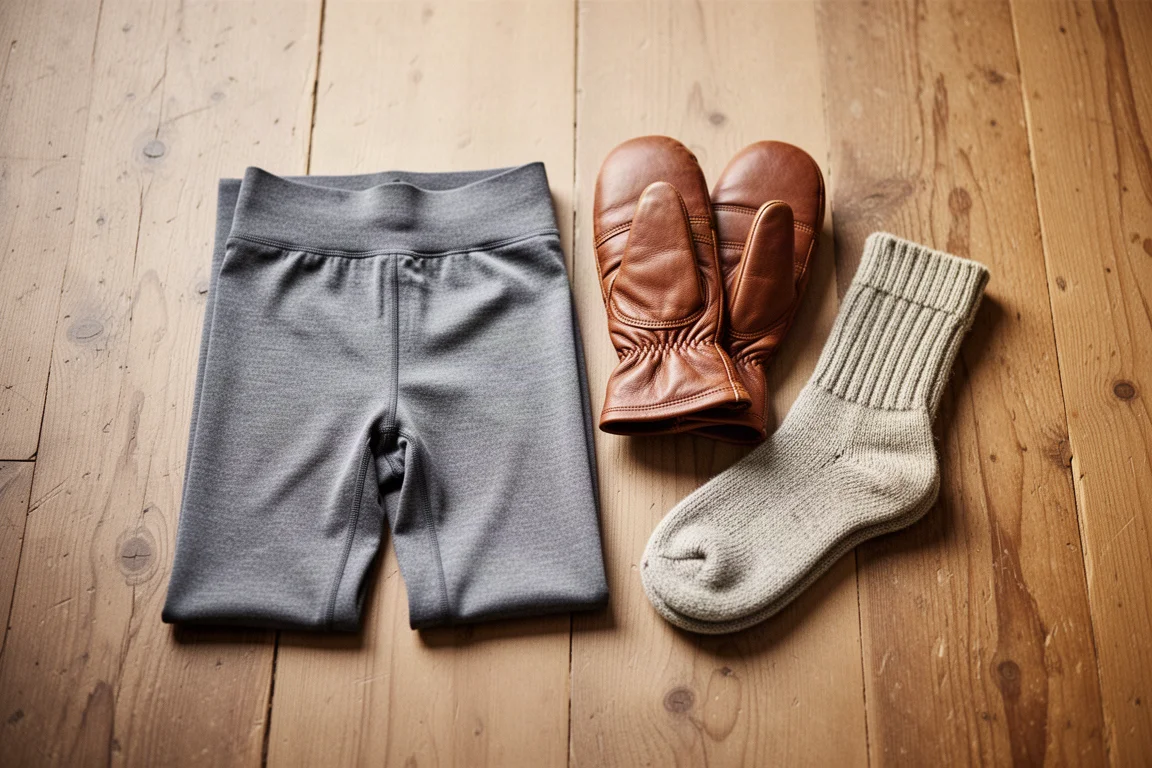
The Ibex Nomad Jogger is the standout soft good of the season so far. Ibex merino has been the softest wool apparel tested to date, comfortably ahead of other well-known merino brands for everyday wear. Whether that softness holds up through real ski days is the next question, but for anyone who lives in merino and wants soft, comfortable layers for travel and lodge days, the Nomad jogger is an easy early recommendation. It travels well, which makes it a natural pick for ski trips.
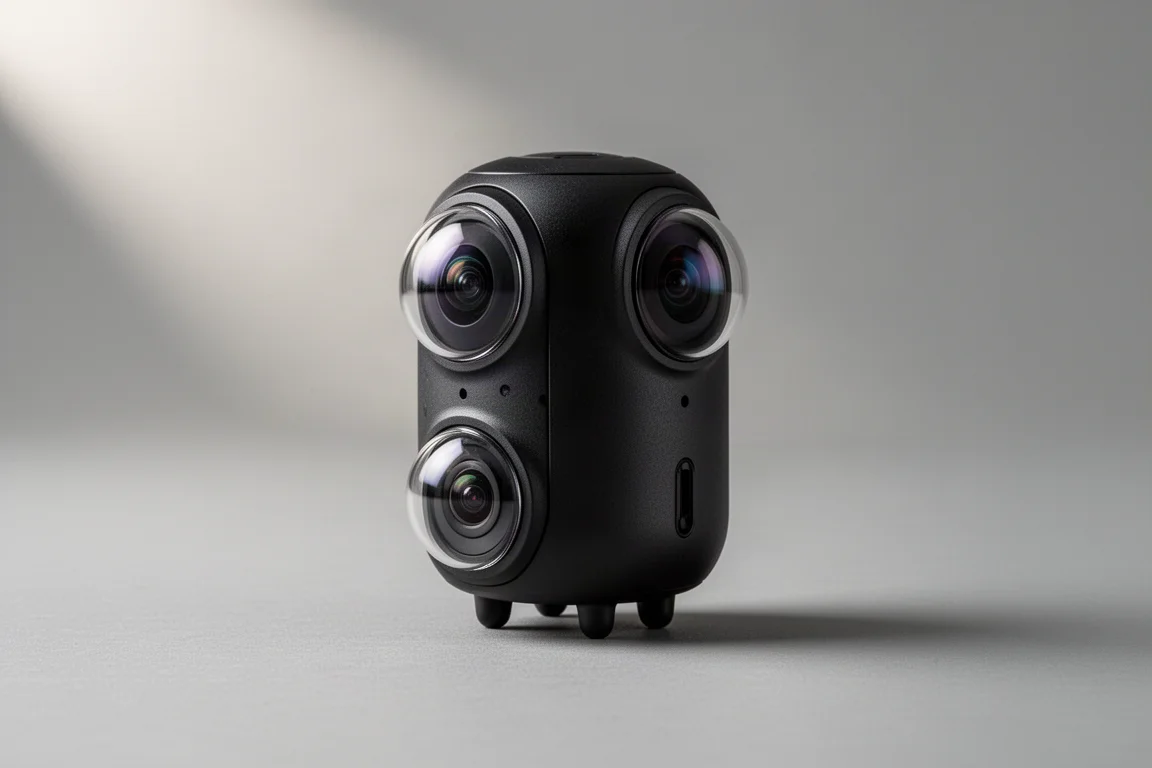
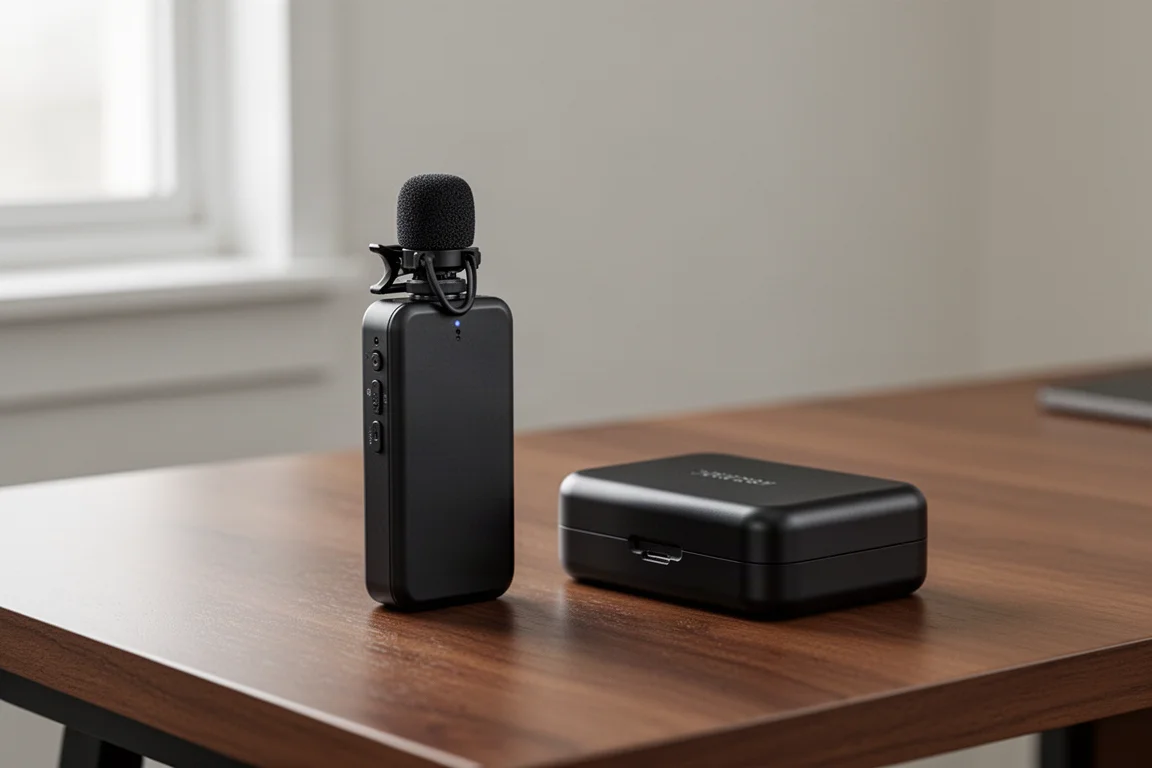
GoPro Max 2 and Rode Wireless Pro
On the capture side, the GoPro Max 2 upgrade is mainly about audio and flexibility: the previous Max could not connect to Bluetooth microphones, which made windy-slope audio a recurring problem. The Max 2 fixes that and also enables two-camera setups for extra shooting angles, including ski-mounted perspectives. The Rode Wireless Pro completes the system, bringing proper wireless audio to on-hill footage without trading back and forth on a single camera. For anyone filming ski days, both are worth budgeting for.
How to Read This Season’s Lineup
A few themes stand out across the queue. Widths in the 101 to 106 mm range are clearly where freeride interest is concentrated, with the Revolt 101, Q 1.0 and Maverick 115 all targeting that space from different angles. Carving DNA is reasserting itself in all-mountain skis through aggressive turn radii on the Arcade and Ripstick 88, while Stockli is refining its smooth all-rounder rather than reinventing it. In the soft goods category, the interesting comparisons are systems, not single items: boot plus liner, helmet plus goggles, mitt versus mitt. Waiting for full on-snow testing before calling winners is the honest approach, but the shape of the 2026 season looks strong for buyers in every one of these categories.
Conclusion
The 2026 queue spans from niche carbon carvers to big powder skis, a carving boot with race DNA, protective and soft good updates, and the filming kit that makes on-snow content possible. None of these verdicts are final until real miles are logged, but each product already has a clear audience: carvers should watch the DPS, Rossignol and Elan entries, freeride skiers should follow the Volkl, Salomon and Atomic wider models, and anyone upgrading boots, goggles, mitts or merino layers has fresh options worth tracking through the season.
Further reading
Related Reviews

Ski Gear
2023 Blizzard Hustle vs Rustler: Six Freeride Skis Compared
Blizzard's 2023 Hustle collection rebuilds the Rustler shape with a lighter core and no metal. Here is how all six skis differ, and which one suits your riding.

Ski Gear
2023 Skis of the Year: Atomic Maverick 88 TI, Salomon QST 106, and Look SPX 12 Pro
Three standout ski picks for all-mountain carving, powder days, and reliable binding performance, with practical buying notes for 2023 models.

Ski Gear
2025 Nordica Enforcer 104 Review: A Directional Charger Replaces the 104 Free
The 2025 Nordica Enforcer 104 drops the Free name and the twin-tip personality, gaining weight, stiffness and composure in rough snow. Here is what changed and who it suits.