Skiing
2026 Ski Gear Buyer's Guide: Best Skis, Boots, Liners and Apparel Worth Your Money
A practical, independent buyer's guide to 2026 skis, boots, liners, jackets and accessories, organized by category so you can shop by what you actually need.
Introduction
Buying ski gear is expensive, overwhelming, and easy to get wrong. Most guides are shaped by brand money, so this one is built around categories and honest trade-offs instead. The structure is simple: figure out what you actually need, then pick the ski, boot, or piece of apparel that does that one thing well.
Below you will find the standout updates going into 2026, the top picks in each category, and a buying framework that should save you from owning three pairs of skis when you needed one.
Daily Driver All-Mountain Skis (88 to 100 mm)
This is the busiest category going into 2026, with big changes across nearly every major brand. The Atomic Maverick lineup has been reshuffled: the 88 Ti, 95 Ti and 100 Ti are out, replaced by the 88 C Ti and 96 C Ti. This is not just a material swap. The new Mavericks are noticeably more freeride-oriented, easier to initiate and more forgiving, with the trade-off being less raw power in and out of turns. That change costs it some score, but it makes the platform approachable for a much wider range of skiers.
Other big news: the Head Kore lineup has been completely redone, Salomon collapsed the QST 92 and QST 98 into a new QST 94, QST 100 and QST 106, Völkl added the new Mantra 84 and is changing the Mantra 88 ski itself this year, and the Elan Ripstick 96 and 96 Black both changed last season.
The recommended picks here depend on where you are as a skier. For intermediate-to-advanced skiers who want easy turn initiation and versatility, the Elan Ripstick 96 Green Edition is an easy suggestion. Its asymmetrical shape sets you up for the turn, it handles off-trail and light powder, and it works especially well for lighter skiers. If it starts feeling too easy, the Salomon Stance 90 is the natural step up: similar diversity, more involvement in the turn, more energy out, though it is not the dampest and has shown some top sheet separation issues. Looking for affordability instead? The Atomic Bent 90 is usually around $400 in the off-season, carves decently well for a soft, non-metal ski, and works nicely mounted slightly back from the factory line.
The Atomic Maverick 88 C Ti fits well for skiers stepping up from the Stance or Bent who want more carving focus, better float, and easier initiation than the old 88 Ti. If you want the power of the previous generation instead, the Meier Wrangler keeps that spirit with a more off-trail tilt, custom top sheets and ethical, environmentally friendly construction. The Stöckli Storm Rider 88 is the other frequent recommendation: smooth in the signature Stöckli way but far more accessible and forgiving than the Montero line, and the 2026 version has even easier turn initiation. It is pricier, but the build quality holds up impressively over years.
For skiers who love a distinct, planted feel, the Völkl Mantra 88 (formerly the Kendo) is a phenomenal daily driver. The turn happens right underfoot, which lets you throw the ski on steeper pitches while still massaging out big open-radius turns, and nothing matched its dampness with that much turn diversity. The Mantra 84 is a more serious, fall-line-focused version, great for former racers, and both are best for experienced skiers. Niche but loved: the Kästle MX88 is a fast, spitty turner that gets pinged around on firm snow, and the Renoun Endurance 88 feels sublime on groomed corduroy but transmits everything on bumpy or poorly maintained snow.
Travel-skiers and people who want a safe bet on any given day should look at the Black Crows Justis, which blew away expectations across groomers and powder in France but lacks dampness for really firm snow, and the Blizzard Rustler 10, which is the closest thing to a perfect stat circle: decent carving, good powder and off-trail performance, decent dampness. It does not stand out in any one direction, so specialists should look elsewhere. For the power user, though, there is one clear top pick.
Best Carving Daily Driver: Stöckli Montero AR
For dedicated carving skiers who want the best daily-driver performance, the Stöckli Montero AR, updated in 2025, is hard to beat. Edge hold, dampness, snap and power through the turn are all exceptional, making it arguably the best carving experience available in this category. It is a specialized tool with limited diversity, it is expensive, and it demands dialed-in technique, so if your carving is not there yet, the Storm Rider 88 is the more forgiving Stöckli. For former racers and enthusiasts who love a precise, powerful turn, though, the value is absolutely there.
Short Radius Skis
Short radius skis let you make aggressive, fun turns without high speeds, which makes the category ideal for smaller hills and for skiers who want to slow things down. The big updates going into this year are the new DPS Carbon Piste Works 79, the 2025 introduction of the Black Crows Octo, and the updated Stöckli Montero AX.
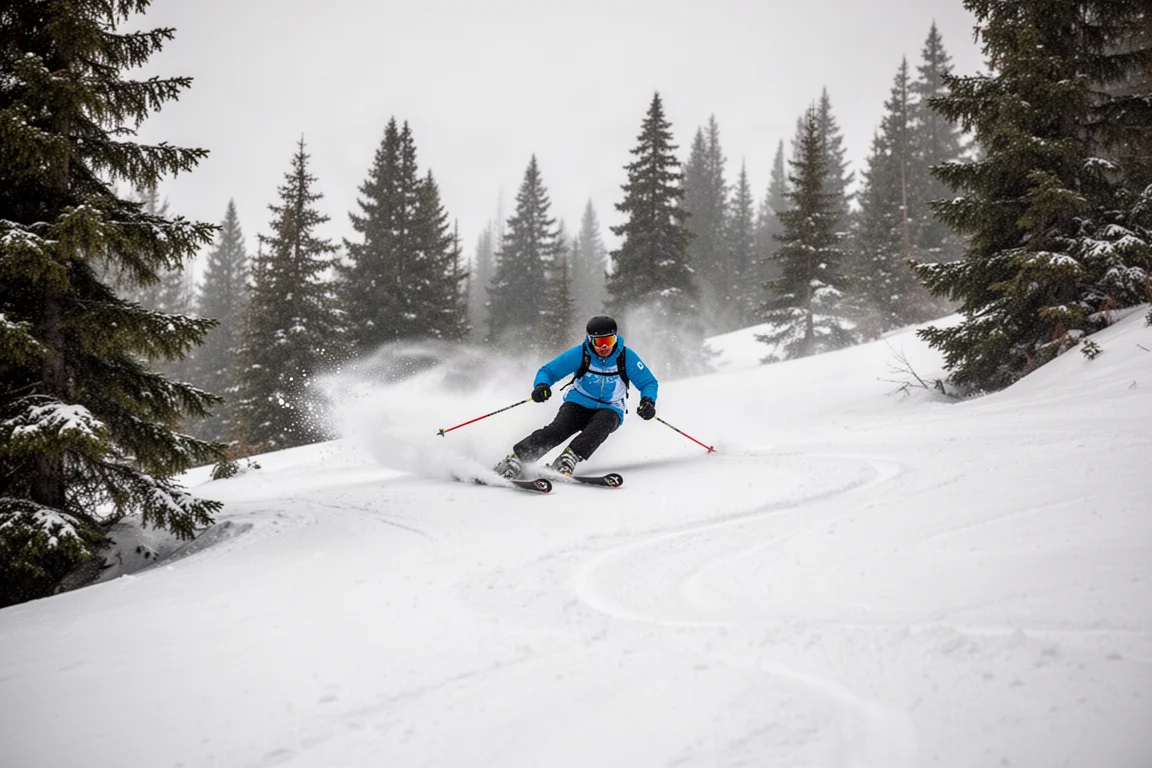
The Black Crows Octo was the ski of the year in this category: easy to initiate, stable underfoot, and versatile enough to double as a daily driver, though not as specialized as the others. If you are freestyle-oriented, the Black Crows Mirus Cor is the better choice, as the Octo drops the jib tail. For the most lively, springy energy in and out of turns, the DPS Carbon Piste Works 79 is extraordinary, but it gets chattered around on boilerplate, so keep it on good corduroy or soft snow. For signature Stöckli smoothness with short radius capability, the Montero AX handles chatter far better while keeping snappy turns across the hill.
Light Powder Skis
These skis handle light amounts of powder, roughly three to eight inches, without giving up too much elsewhere. Key updates: the improved 2025 Atomic Bent 100, the new DPS Kaizen 105, and the Atomic Maverick 105 C Ti.
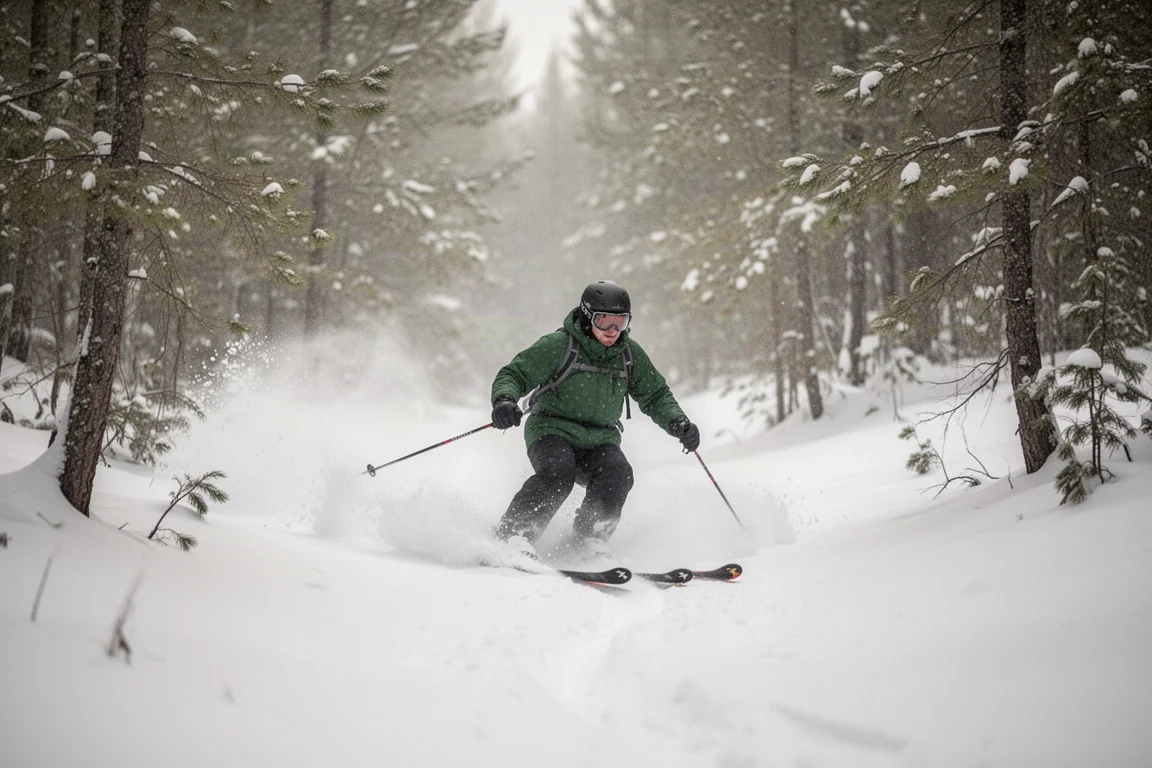
The standout is the Völkl Blaze 104. It is so lightweight and easy to move around, and the tip gives you a distinct warning sensation when snow starts getting deeper than the ski wants, which is genuinely useful off-trail. The Atomic Bent 100 is the friendly entry point into powder, easy in the trees with its more centered mount, and much better than pre-2025 versions. The Kästle ZX100 is another big standout: extremely light, with beautiful tips and a design that makes far more sense than the MX88. The Fischer Ranger 102 suits burlier skiers who plow through turns. The DPS Kaizen 105 carves phenomenally and is one of the most comfortable off-trail skis around, a great pick if you have knee or hip issues, but like all DPS skis it gets thrown around on firm snow. The Maverick 105 C Ti sits between light and full powder, more damp and more fall-line oriented than the Bent 100.
Powder Skis
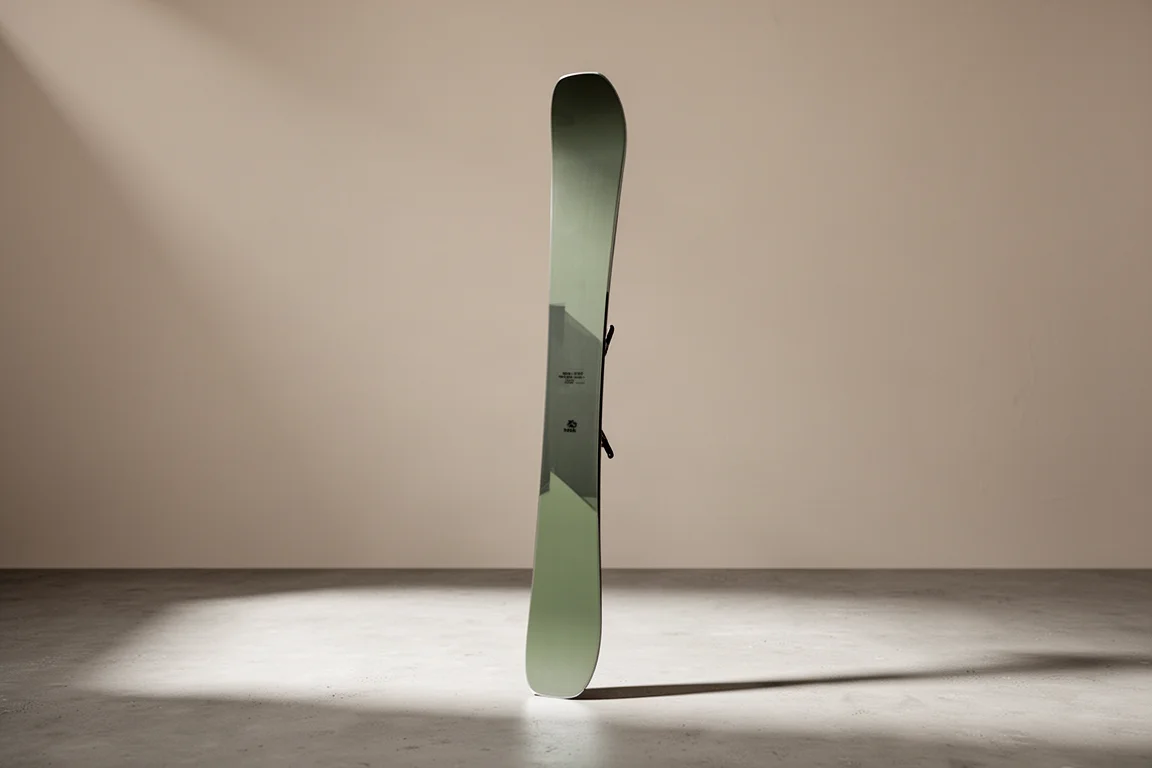
For resort powder, the standouts of last season were the DPS Kaizen 112, the Atomic Bent 120 and the Salomon QST 106. If you are dipping your toes into powder skiing, the Atomic Backland 102 is forgiving and easy to maneuver, and the Head Kore 105 offered good range, though that line is being updated.
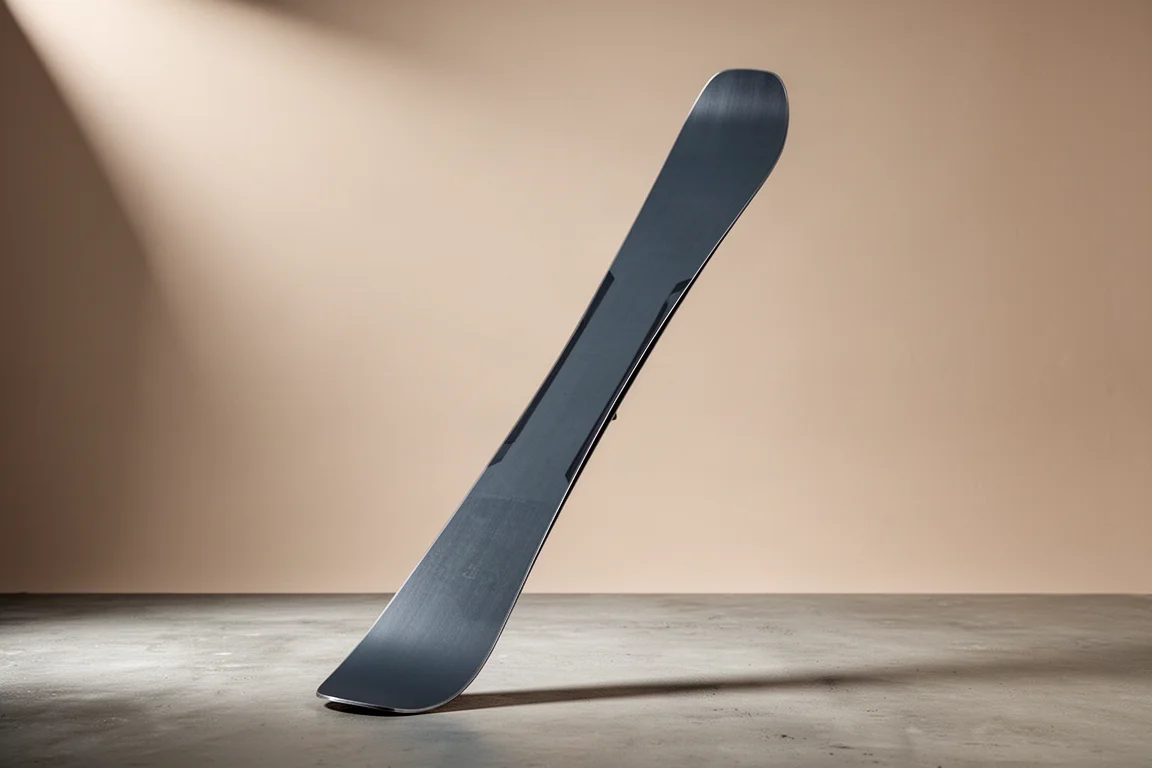
The Atomic Bent 110 is the bang-for-buck pick, with plenty of deals available, great maneuverability in the bramble, and easy ride on your legs. The Bent 120 handles heavier, thicker snow even better. The Salomon QST 106 delivers a snowboard-like powder feel, though the tips can wander and it locks you into turns a bit more. The Salomon QST Blank floats more but is a lot of ski, and it took a real toll on hips and knees. The Rossignol Sender 110 Free is excellent for big open lines but harder to thread through tracked-out brush. The Renoun Citadel 107 is easy to negotiate and smooth, without the tip-clashing of the QST 106. For aggressive lines, the Black Crows Atris is a phenomenal choice, and the Black Crows Anima is a beefy, stable option for big lines. But the DPS Kaizen 112 is the best powder ski tested: carbon-smooth, easy to negotiate, and the only powder ski that left hips and knees feeling nothing after a full day. It is premium-priced and gets bucked around on firm snow, but for a dedicated powder ski it is exceptional.
Crud Cutters
Crud cutters are damp, powerful skis that cut through spring chop and bad snow. Two skis lead the category, neck and neck for different styles. The Völkl M7 Mantra, updated in 2025, is the personal favorite: more adjustability in turn shape, more versatility, and a turn that happens underfoot. The Nordica Enforcer 99, also updated in 2025, now gives much more energy in and out of the turns with more accessible initiation, ideal for skiers who finish turns on the tails and power through. If you like the turn underfoot, get the M7 Mantra; if you like finishing on the back end, get the Enforcer 99.
The K2 Mindbender 99 Ti also performs well here, but build quality and durability concerns are worth weighing before buying. The Stöckli Storm Rider 88 and 95 also handle bad snow well, sitting on the edge of this category.
How to Choose a Ski
Take a step back and be honest about what you need. If you ski 10 days a year, a travel ski like the Blizzard Rustler 10 or Black Crows Justis that does a lot of things reasonably well may be exactly right. If you ski 20 to 30 days, do not try to make one ski do everything, or you will end up with three pairs instead of two. Then write down the features you actually care about: dampness, easy turn initiation, powder float, quick edge-to-edge. Shop that list instead of shopping graphics, and let the ski be good at what it does.
Boots, Liners and Fit Advice
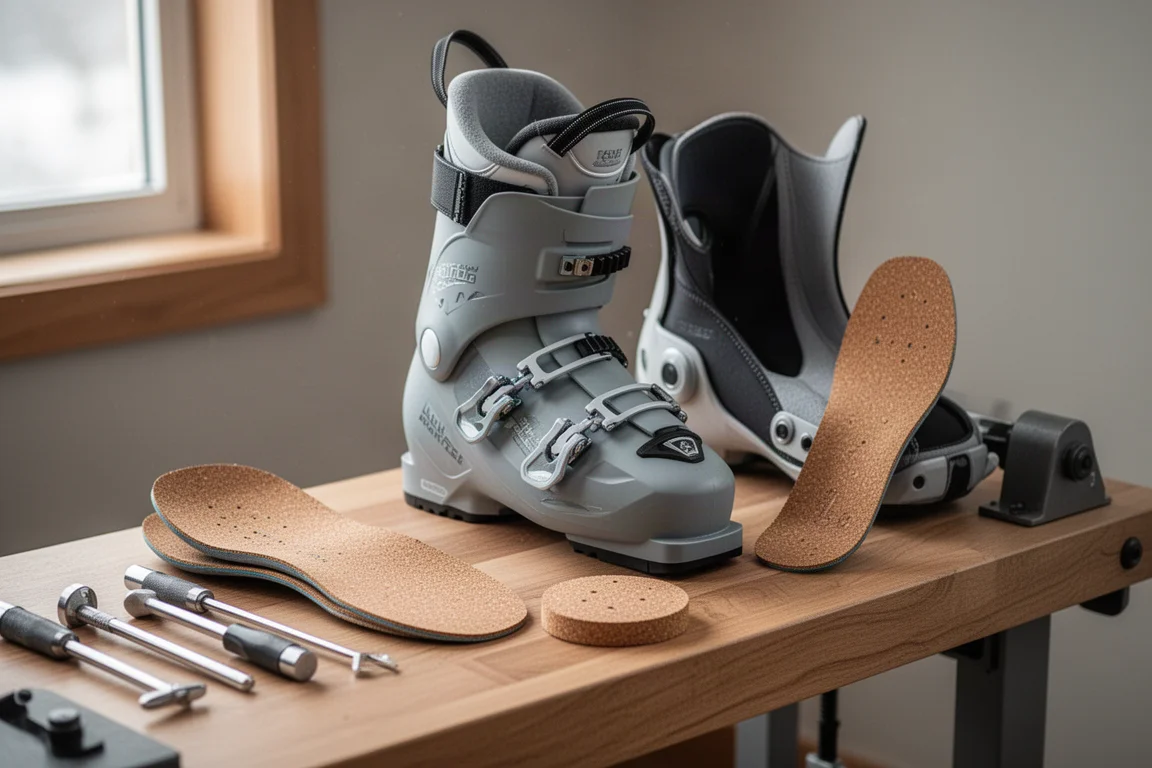
Boots are your most important piece of gear. Big updates this year include the new Atomic Remedy 130, a more aggressive, race-boot-leaning design; the freestyle-focused Armada AR1; a new Nordica Speedmachine; and a revised Tecnica Mach 1. But fit beats novelty every time. If your current boots fit and break in well, keep them. If not, see a proper boot fitter: a two-finger shell check behind the heel, correct flex, and remember that a warm shop feels different from a cold hill. Skip touring boots unless you actually tour, since the moving parts and different flex are real drawbacks for pure resort skiing, and do not assume BOA is automatically better. Try brands beyond your ski brand: Atomic, Lange, Tecnica, Salomon, Nordica, K2 and Fischer all make strong boots, and Fischer’s integrated ZipFit liner boots are a clever all-in-one value.
On liners, the ZipFit is the power-user pick. It delivers the best fit, eliminates the side-of-foot pain many skiers accept as normal, and holds up over 60 or more days, but it costs around $500, takes three to five days to break in, and adds time to getting into your boots. Intuition liners, around $225 to $250, are far easier out of the box, have a simple online fit process, home heat-molding kits, and improve stock liners meaningfully for skiers who do not hit 30-plus days. On a budget, a roughly $60 aftermarket footbed from Remind or Sole plus a roughly $60 Booster strap transforms a stock liner for about $120 total. The Booster strap is one of the cheapest, most effective boot upgrades available, and many shops install it free with purchase.
Whatever you buy, start wearing your boots now. Heat molding helps, but nothing packs out foam like wearing them around the house before day one.
Jackets, Layers and Accessories
For jackets, prioritize shells with good ventilation over insulated jackets, then layer with fleeces and base layers you can adjust. Arc’teryx makes the best material for breathability and moisture protection, but Mammut wins on cut, functionality and skier-friendly quality-of-life features like a pass holder on the arm, and the Mammut Haldigrat was never overwhelmed in testing at a fairer price. For bang for your buck, the Patagonia Storm Rider delivers a ton of jacket and a great repair program for noticeably less.
Base layers: Smartwool socks remain undefeated. Icebreaker leggings are exceptionally comfortable and breathable for warm days, CWX offers supportive knee-focused tights for long days, and Patagonia Capilene leggings are warm, affordable value. Ibex tops have been a surprising standout for warmth, softness and fit.
Goggles: POC wins on frame design and helmet fit, Zeal on ventilation, but Oakley Prizm lenses, including the Prizm Sapphire, outclass everything for contrast and color, which matters most on flat light and storm days. Helmets: pick a reputable brand with MIPS, add multi-impact construction if you are a heavy user or tree skier, and make sure it fits.
Gloves and mittens: Level wins on durability, Röjk/Rossignol-style premium fit feels the snuggest, and Hestra has long been warm and comfortable. But Leki mittens were the go-to: among the warmest tested, with excellent detail and a fully integrated trigger system that keeps your grip relaxed through turns. Poles: most skiers run theirs too long, so size down, test the grip, and consider carbon, which has become much more affordable. A pair of Völkl Fantastik poles around $75 to $90 off-season is solid value; avoid the cheapest $15 to $20 poles that break easily.
Conclusion
Modern ski gear is very good, and nearly every brand makes something worth owning. The trick is matching the tool to the job: the Stöckli Montero AR for carving purists, the Völkl Blaze 104 for light powder, the DPS Kaizen 112 for full powder days, the Black Crows Octo for short radius fun, the Maverick 88 C Ti for an approachable all-mountain step, and a ZipFit liner if you ski enough days to earn it. Write down your priorities, shop the category, and let the ski be good at what it does.
Further reading
Related Reviews
Skiing
2027 Ski Top Sheets: The Best-Looking Skis of the New Season
A fun, opinionated look at the 2027 ski lineup and the top sheets that stand out most, from the Nordica Enforcer 104 to the Rossignol Sender series.
Skiing
Armada Declivity 92 vs Peak 88: Two All-Mountain Skis, Two Very Different Characters
A staff-favorite carving machine and an approachable Bode Miller signature ski, compared for different levels of skier.
Skiing
Atomic 100mm Ski Line Compared: Maverick 100 TI, Bent 100, and Backland 100
Atomic's three 100mm skis share a similar outline, so the real choice comes down to construction, weight, and terrain. Here is how the Maverick 100 TI, Bent 100, and Backland 100 differ.