Skiing
Atomic 100mm Ski Line Compared: Maverick 100 TI, Bent 100, and Backland 100
Atomic's three 100mm skis share a similar outline, so the real choice comes down to construction, weight, and terrain. Here is how the Maverick 100 TI, Bent 100, and Backland 100 differ.
Introduction
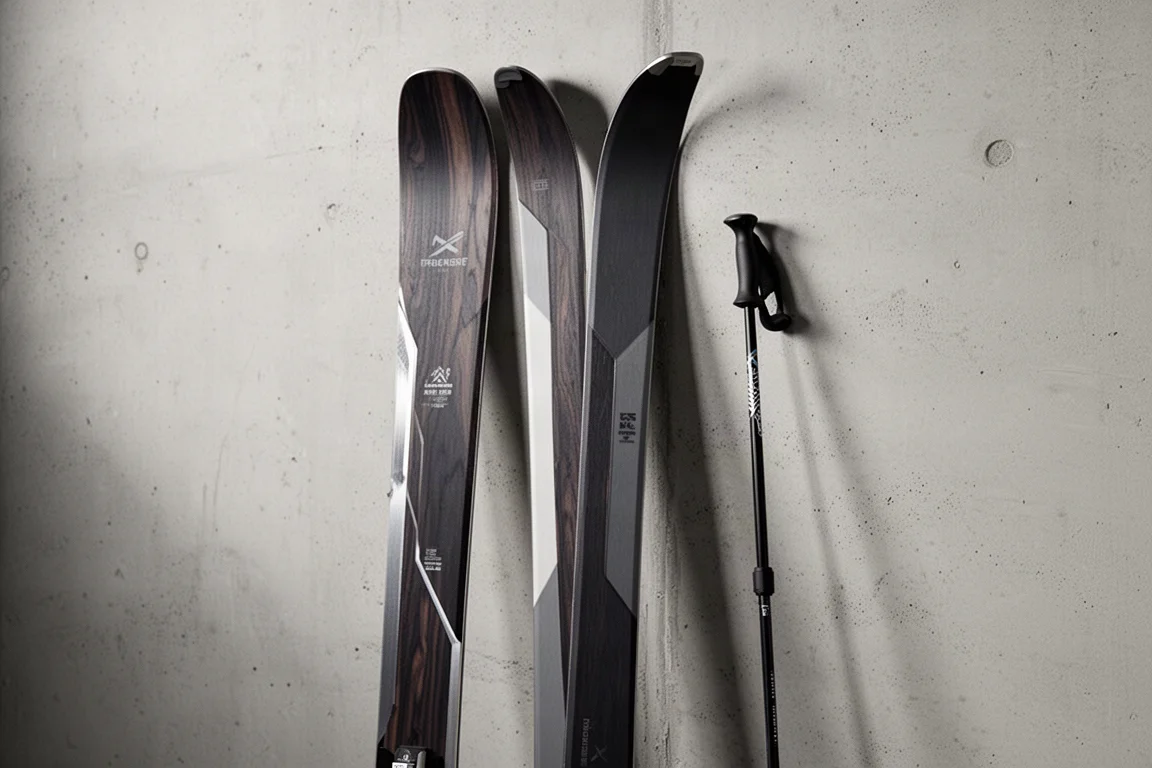
Atomic builds three skis that measure 100mm underfoot, and all three share relatively similar shapes. Because the outlines are so close, the differences come down to construction, weight, and intended use rather than footprint. The Maverick 100 TI is the widest model in the Maverick line and the most soft-snow oriented of that family. The Bent 100 adds a twin tip. The Backland 100 sheds a meaningful amount of weight.
This comparison walks through what each ski does well, where the trade-offs sit, and how to decide between them.
What Atomic’s Three 100mm Skis Have in Common
All three sit at 100mm underfoot and share relatively similar shapes, so choosing between them is less about the footprint and more about how each ski is built and where it is meant to be used. Atomic positions the Maverick line as its directional all-mountain category, and the wider models in that line carry progressively more tip rocker.
Camber underfoot is part of what gives a ski like this its responsive, rewarding feel, and it is worth paying attention to across the whole width range. The construction choices layered on top of that base shape, such as metal thickness, tip design, and overall weight, are what actually separate the three models.
Atomic Maverick 100 TI
The Maverick 100 TI is the widest ski in the Maverick line and the most soft-snow oriented. Atomic builds it with a poplar wood core and two sheets of metal, but that metal is thinner than what appears in a race ski or in some all-mountain skis that use metal. The result is a 180cm length that comes in around 1,800g, which is light for a ski that long and that wide with metal in the construction. Thinner metal keeps most of the performance benefits while avoiding the fatigue that very heavy skis can create over a long day.
Horizon Tech in the tips is borrowed from Atomic’s more freeride-oriented skis, and it gives the forebody of the ski more adaptability. That helps whether you are hitting a pocket of soft snow or an unexpectedly firm mogul, and it contributes to a more user-friendly, versatile feel across different snow conditions.
The shape is directional, with a good amount of tip rocker that grows slightly as you move up the line. Tip rocker runs longer than tail rocker, although there is a substantial amount of tail rocker as well, and camber underfoot keeps the ski responsive.
On snow, the Maverick 100 TI sits in the middle of the market for this width. There are stronger, more powerful skis with vibration damping, and there are lighter, more playful, more agile skis. What this one offers is the combination: good edge grip, good vibration damping, and good stability from the construction, plus more rocker and less weight than most skis in the category when you take it off trail. Early taper in the tail makes it less catchy, so it comes around quickly and efficiently in tight chutes and tight tree lines without demanding too much effort. It is rounded enough that strong skiers with race backgrounds can push it hard, while still feeling flickable and playful.
Compared with the narrower 95 TI and 88 TI, you do give up a little edge quickness and carving performance, though the 100 TI remains good on firm snow. It replaced Atomic’s Vantage skis.
Atomic Bent 100
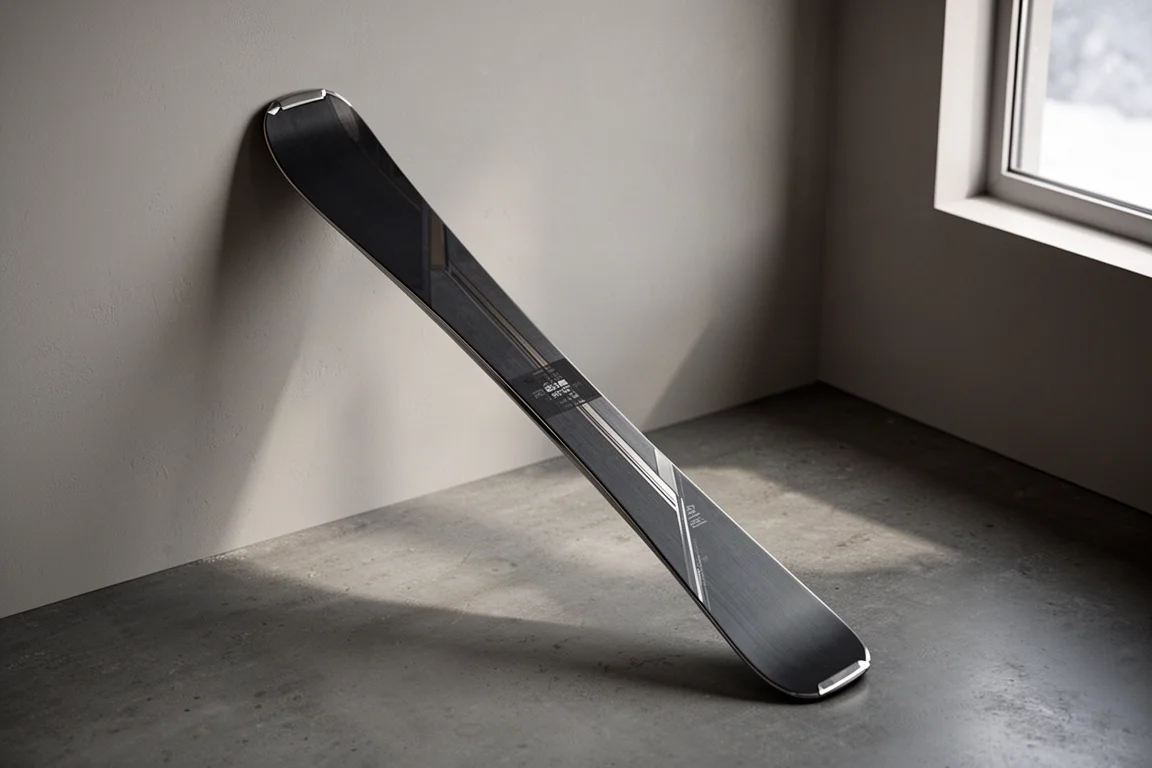
The Bent 100 is the twin tip of the group. It measures 100mm underfoot and shares a relatively similar shape with the other two models, so the difference is mainly in the tail design and the overall intent. It is also a ski you could tour on, though it is not built with the same weight focus as the Backland 100.
If a twin tip is what you are after, whether for switch skiing, a more playful feel, or simply a shape you are used to, the Bent 100 is the reason to pick this model over the Maverick 100 TI.
View more details for Atomic Bent 100
Atomic Backland 100
The Backland 100 is the touring-oriented option. It also measures 100mm underfoot, and it sheds quite a bit of weight compared to the Maverick 100 TI and the Bent 100. That weight difference is where it shines for skiers whose priority is moving uphill rather than driving a heavier platform on the descent.
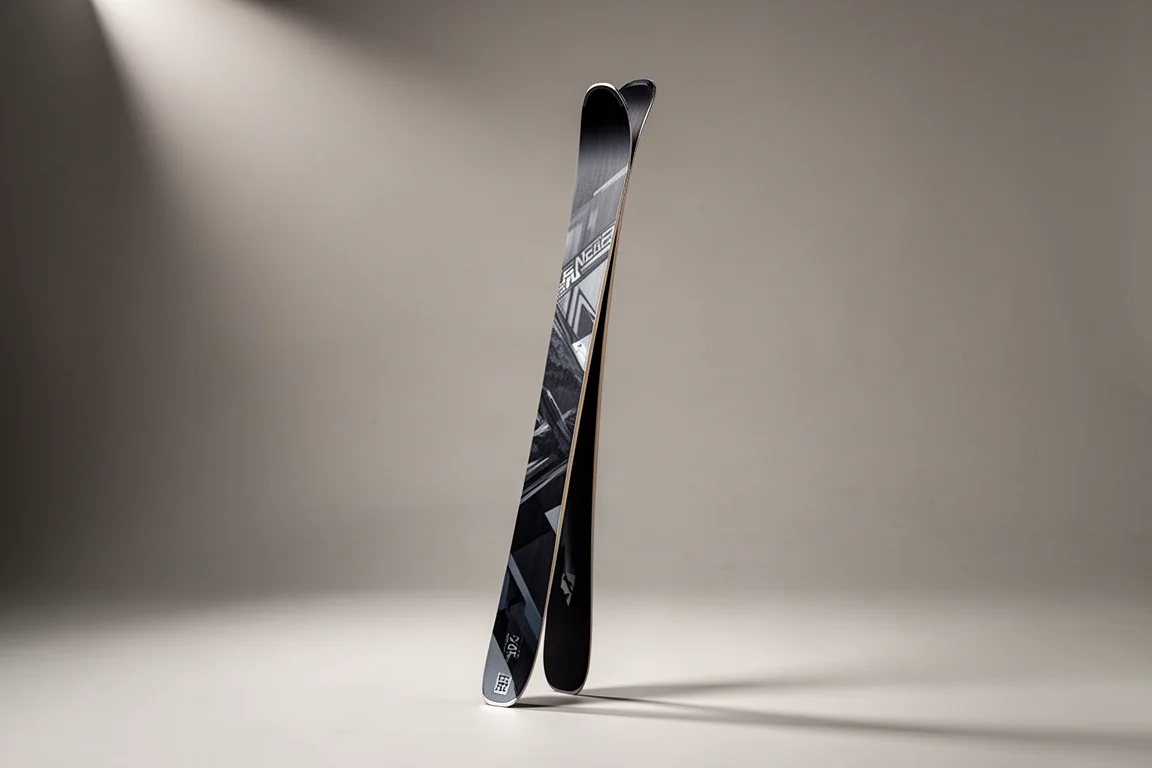
How the Three Skis Compare on Snow
Because all three share similar shapes, the practical differences come down to weight, tail design, and how much power and damping each one delivers.
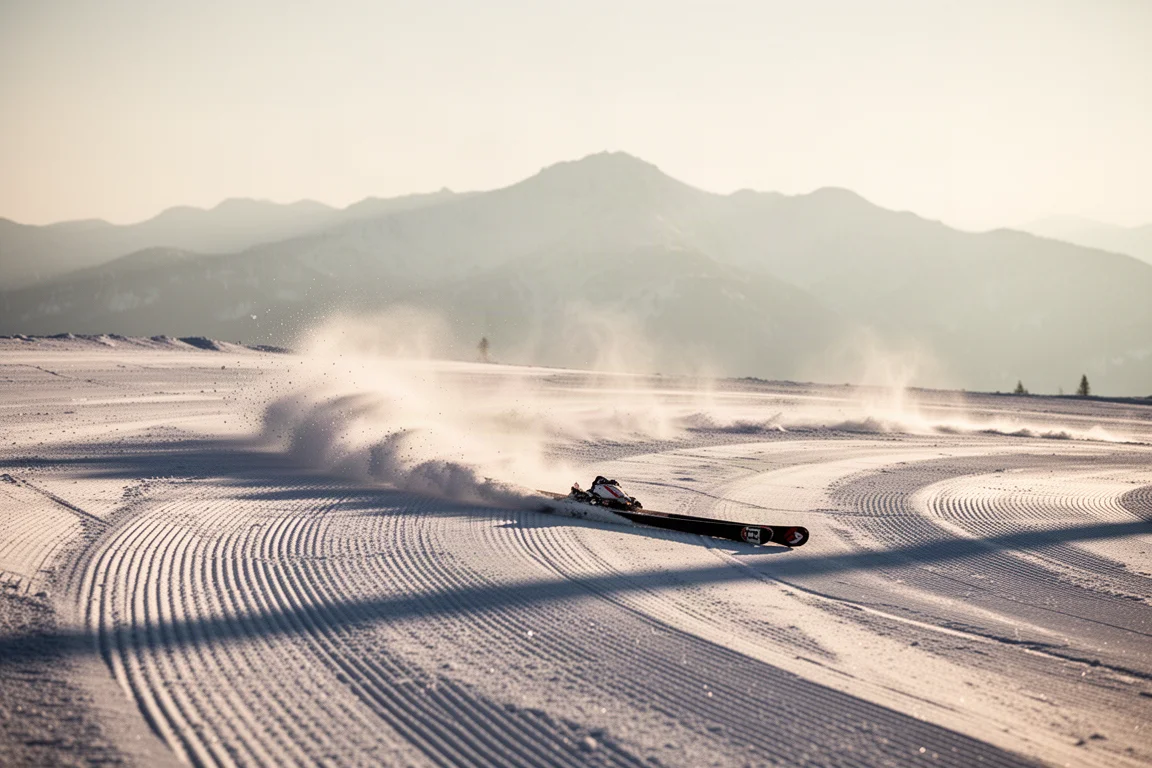
The Maverick 100 TI is the most aggressive of the three, with good edge grip, good vibration damping, and good stability. The Bent 100 trades some of that focus for a twin tip. The Backland 100 is the lightest of the group and the most oriented toward touring. It is worth noting that Atomic also makes narrower Maverick models, the 95 TI and 88 TI, which carve more quickly than the 100 TI for riders who spend most of their time on firm snow.
Who Each Ski Suits Best
If you are a pretty aggressive skier who demands power and vibration damping, skis fast, likes high edge angles, and wants to drive the ski, the Maverick 100 TI is the one. If you are more of a touring skier, the Backland 100 is where the weight savings pay off. If you want a twin tip, that points to the Bent 100. All three sit at 100mm underfoot, so the decision comes down to skiing style and terrain rather than the waist width.
Buying Advice for Atomic’s 100mm Line
Each of the three skis is aimed at a different rider, so the safest approach is to start with how you actually ski rather than with the number on the waist. Riders who spend most of their time on firm groomers and want quick edge-to-edge transitions may prefer the narrower Maverick 95 TI or 88 TI over any of the 100mm models. Those who want a wider platform for soft snow and off-trail terrain, whether they ski in the West or simply prefer a wider ski on the East, will get more from the 100 TI.
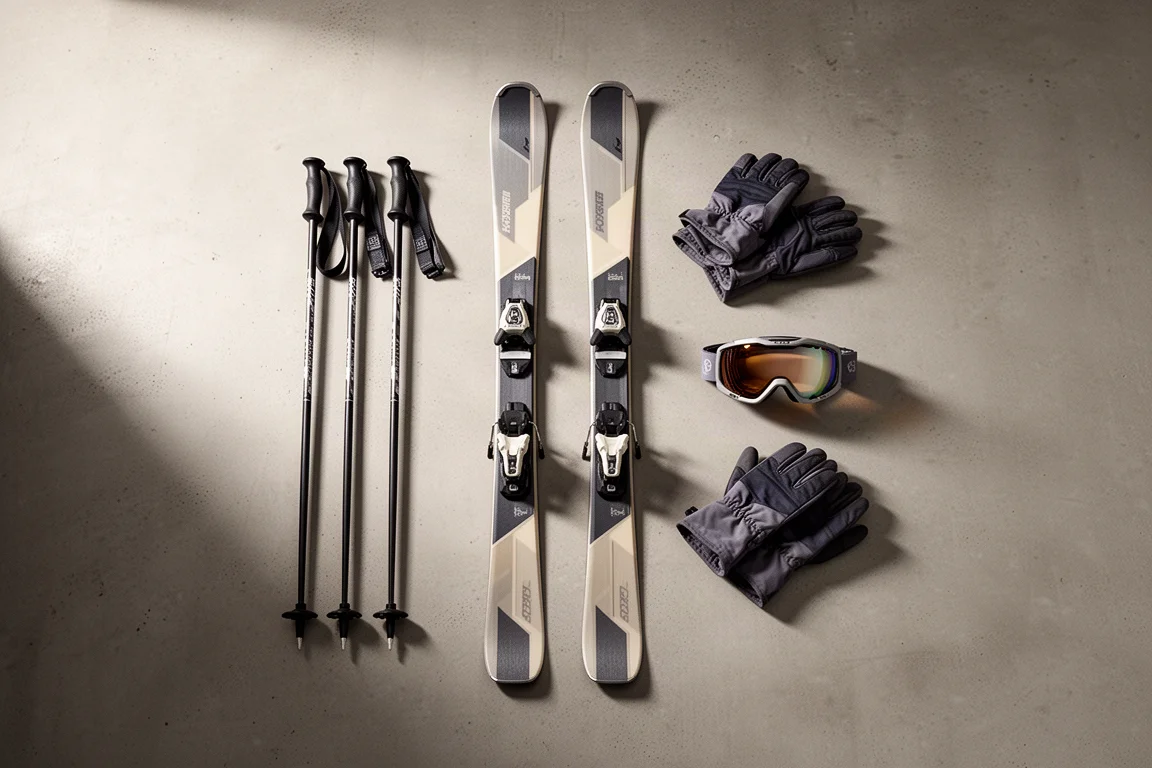
Skiers who split time between the resort and the skin track should weigh the Backland 100’s lower weight against the Maverick’s stronger on-snow performance. Anyone who wants a twin tip should look at the Bent 100 first. Whichever model fits, all three share the same general shape family, so the choice is about matching construction and weight to how you ride.
Conclusion
Atomic’s three 100mm skis look similar on paper but are built for different riders. The Maverick 100 TI is the aggressive all-mountain option, with metal in the construction, a directional shape, and enough rocker to stay versatile off trail. The Bent 100 brings a twin tip. The Backland 100 trims weight for touring. Match the model to how and where you ski, and the shared shape family means the outline itself is not the deciding factor.
Further reading
Related Reviews
Skiing
2027 Ski Top Sheets: The Best-Looking Skis of the New Season
A fun, opinionated look at the 2027 ski lineup and the top sheets that stand out most, from the Nordica Enforcer 104 to the Rossignol Sender series.
Skiing
Armada Declivity 92 vs Peak 88: Two All-Mountain Skis, Two Very Different Characters
A staff-favorite carving machine and an approachable Bode Miller signature ski, compared for different levels of skier.
Skiing
Best 100mm Twin Tip Freeride Skis: 18 Skis From Most Approachable to Most Demanding
Eighteen 100mm freeride twin tip skis compared, from playful park-friendly picks to stiff, directional big-mountain chargers.