Ski Gear
Ski Boot Roundup 2026: Five Performance Boots and Who They Fit
Five 120 and 130 flex ski boots compared on shell fit, flex character, hardware quality, and value, plus notes on when a touring or BOA upgrade is worth paying for.
Introduction
Ski boot shopping has become a strange experience. Fitting rooms in September were busy enough that some shops quoted an hour-long wait for a boot fitter, and the sales pressure around custom footbeds, heat molding, and walk-mode shells can be relentless even for a skier who arrives knowing the exact size, width, and flex they want. Trying boots on also takes patience, because a shell that feels fine on the first step often reveals its real character after five or ten minutes of standing and flexing.
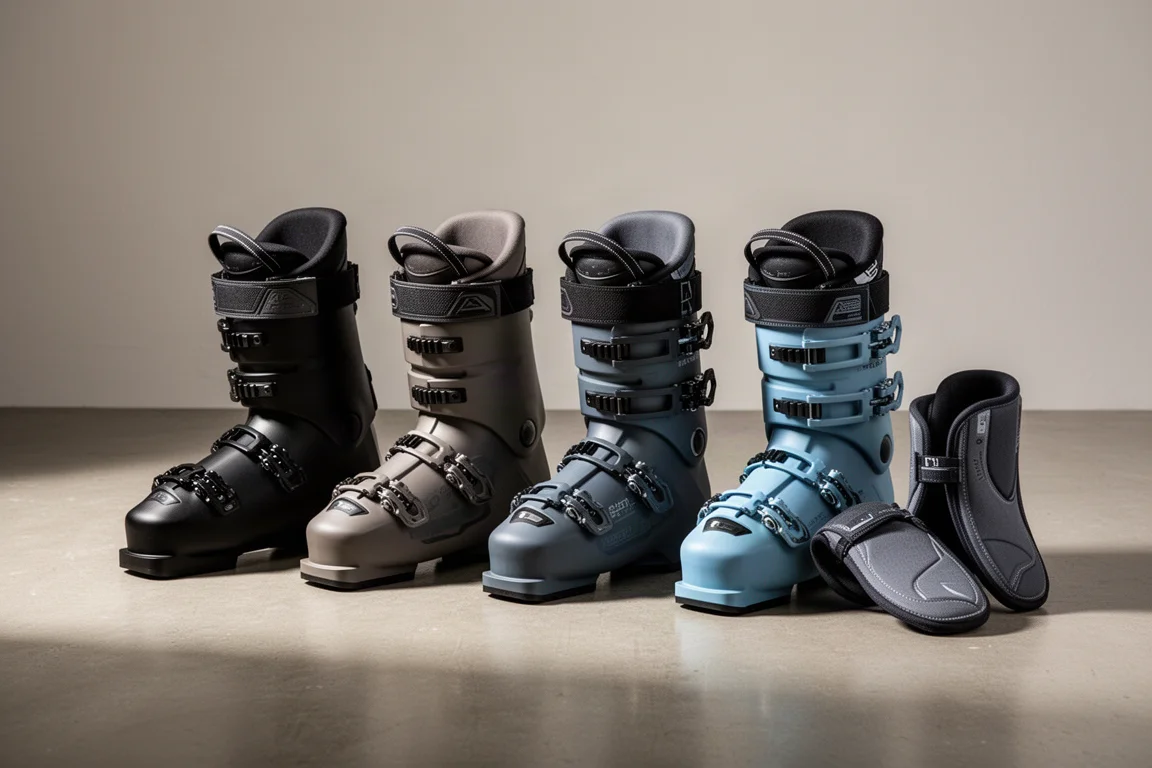
That is the context for this roundup. Five high-performance boots were tried on back to back in the same size and flex range, with attention to shell fit, flex character, buckle hardware, and liner quality. The results work best as a shortlist rather than a verdict, because fit is personal: a shell that feels roomy to one skier will rub on another. The goal is simply to narrow the field before a fitting appointment.
What to Look For in a 120-Flex Ski Boot
A flex rating is a starting point, not a ranking. A 120 flex sits in the middle of the performance range, supportive enough for aggressive skiing and forgiving enough to stay comfortable in very cold temperatures when plastic stiffens up. The number on the box says less about how a boot will feel than three shape details: the width of the shell at the forefoot, the depth of the instep over the top of the foot, and the shape of the ankle pocket.
Hardware and liners are the other half of the story. Buckles should close with a clean, even pull, and the shell plastic should feel dense rather than hollow. A liner that slides on easily is a good sign, but the real test is what happens under a full forward flex, when pressure moves to the ankle and the top of the foot.
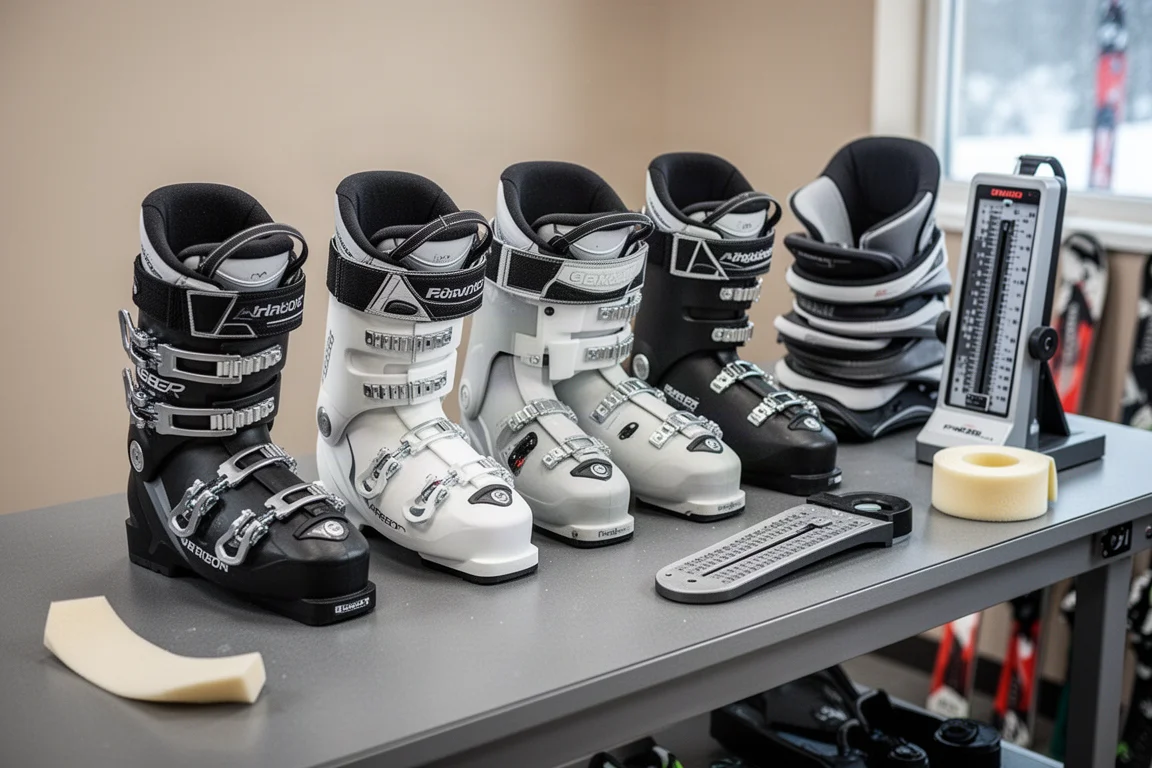
Two upgrades come up constantly in shops: a walk mode and a BOA dial closure. Both add cost, and neither fixes a shell that does not match the shape of your foot. A third option, a booster strap, is a low-cost addition that many skiers overlook. It replaces the stock power strap with an elastic one and produces a smoother flex with a quicker return between turns, which makes the transition from one turn into the next feel more connected.
Tecnica Mach1 HV 120: Premium Build, Demanding Fit
Tecnica has a reputation for build quality, and the Mach1 HV 120 backs it up. The buckles feel substantial, the plastic has the dense, solid feel that holds up over many seasons, and the flex pattern is smooth and progressive from the first bit of forward pressure. Nothing about the construction gives cause for concern.
The shell shape is a different matter. On the foot, the boot pressed hard on the ankles, both at rest with the shin off the front of the cuff and under a full forward flex. The flex also tracked diagonally, pushing outward rather than straight ahead, which moved the knee out of line. That is a fit characteristic rather than a defect, and skiers whose stance already leans slightly outward may not notice it at all. For a more neutral or narrow foot, it is worth checking carefully before committing.
Atomic Hawx Prime XTD 130: Touring Capability You May Not Need
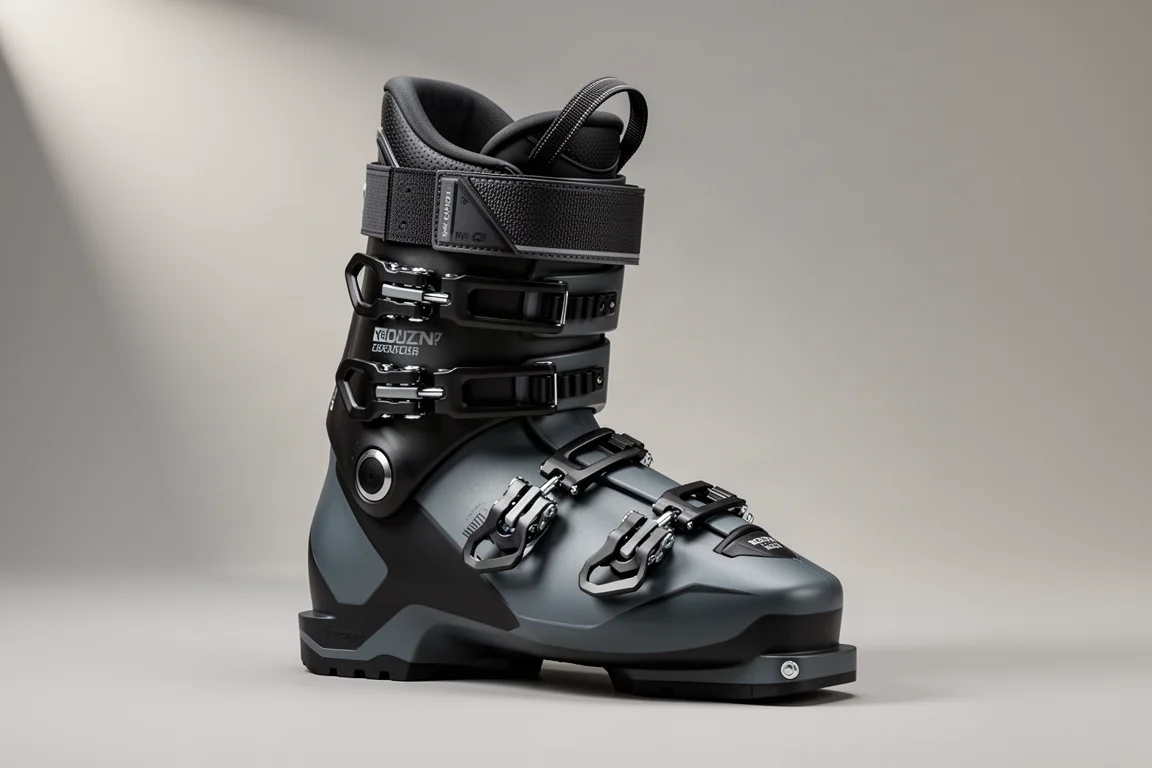
The XTD 130 is the touring version of the Hawx Prime line, and it was the only version available to try in a 130 flex. The build is genuinely good, with a comfortable liner and a clean, supportive flex. The question is whether the extra hardware earns its price.
It does not always. The standard Hawx Prime runs about $800, the touring version about $900, and adding a BOA dial pushes it to roughly $950. What that extra roughly $100 buys is a walk mode, and a walk mode matters for skiers who spend real time standing or walking in their boots. Photographers working on the side of a slope, skiers at resorts with long holiday lift lines, and anyone who walks through a village in their boots will feel the benefit immediately.
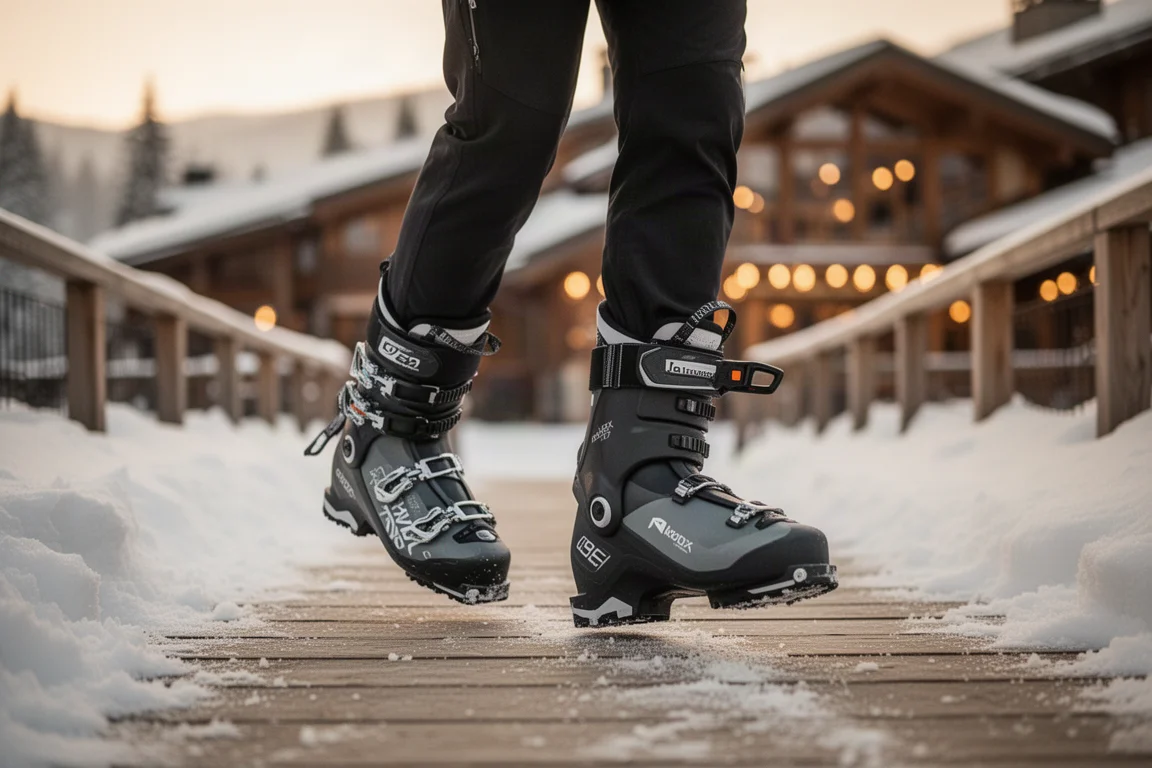
For most skiers, though, a walk mode is an unnecessary upgrade, and it adds a mechanical component that can fail. If the goal is a good all-mountain boot rather than a touring setup, the standard Hawx Prime is the smarter buy.
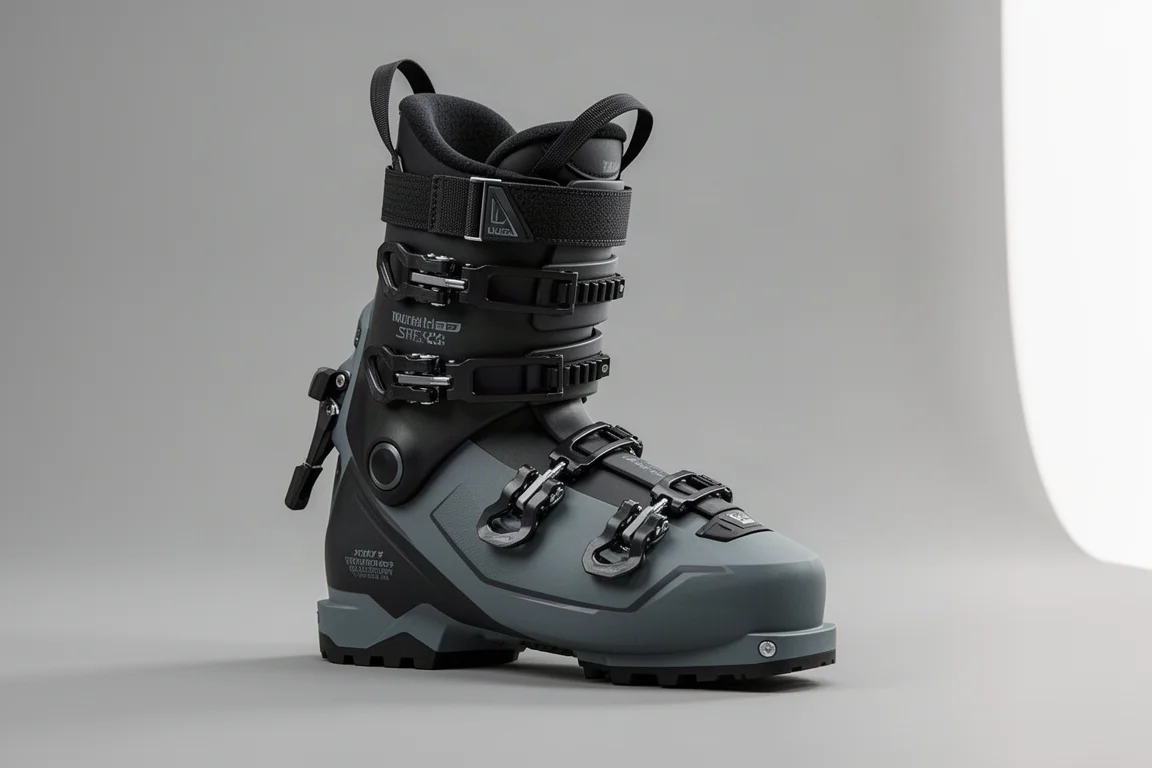
Nordica Cruise 120: Smooth Flex, Ankle Pressure
The Cruise 120 has one of the smoothest flexes in this group. The plastic quality is high, the liner slides on easily and feels plush, and the forward flex is gradual and easy to read. Under a full flex, however, the shell pinched the ankles from both sides, hard enough to be genuinely uncomfortable, and the boot felt slightly softer than other 120 flex models in the same range.
This is a boot that rewards a proper try-on. If the ankle pocket lines up with your anatomy, the smooth flex is a real asset for long days on the hill. If it does not, the pinching shows up quickly, so plan to spend at least ten minutes in the shell before deciding.
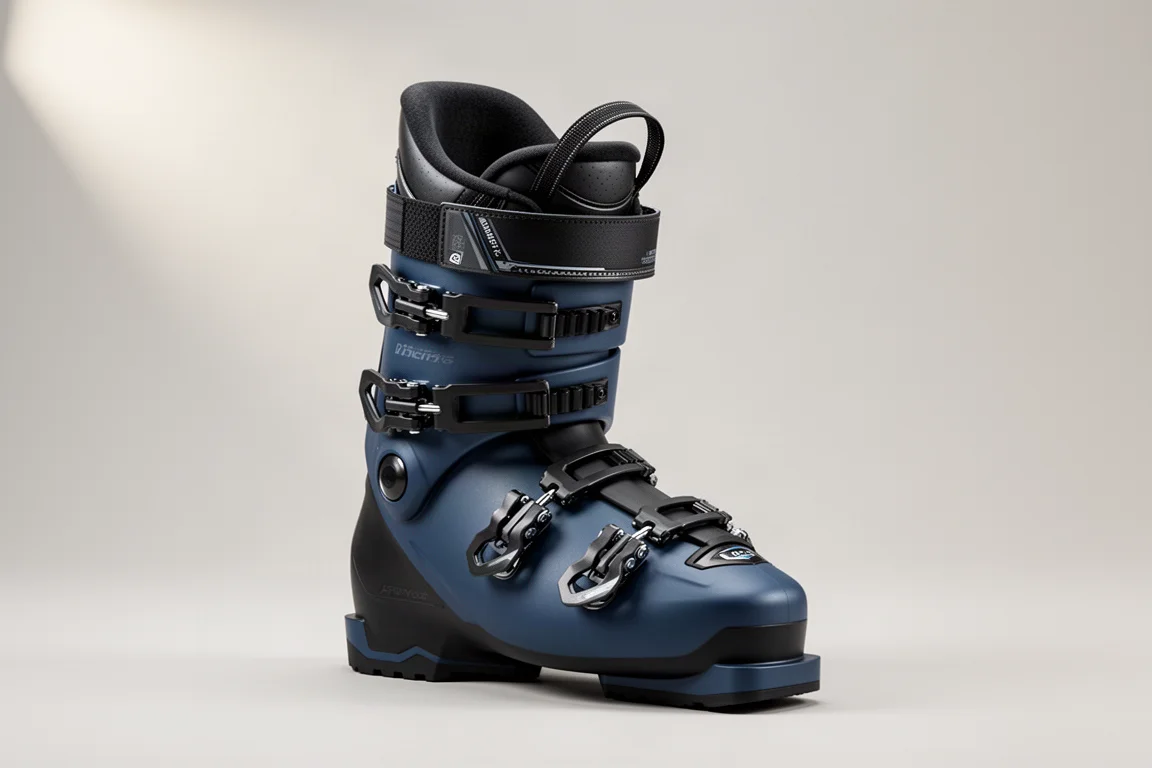
Salomon S/Pro MV 120: Excellent Hardware, Shallow Foot Box
Salomon’s S/Pro MV 120 was tried in two versions, one with a BOA dial and one with conventional buckles, and both shared the same trait. The materials feel like the best in this group, and the buckles are the nicest of the bunch: the levers close smoothly, the ladder holds firmly, and every closure clicks into place with a precise, reassuring feel.
The foot box, however, is shallow. Buckling down produced pressure that felt like something pressing down and stabbing into the top of the foot, and switching from a BOA dial to conventional buckles did not change it. That points to shell depth rather than closure type. Skiers with low-volume or flat feet may find the fit perfect, since a shallow instep means the top of the boot does not have to push the foot down to hold it in place. Skiers with high arches will likely feel every millimetre of that pressure.
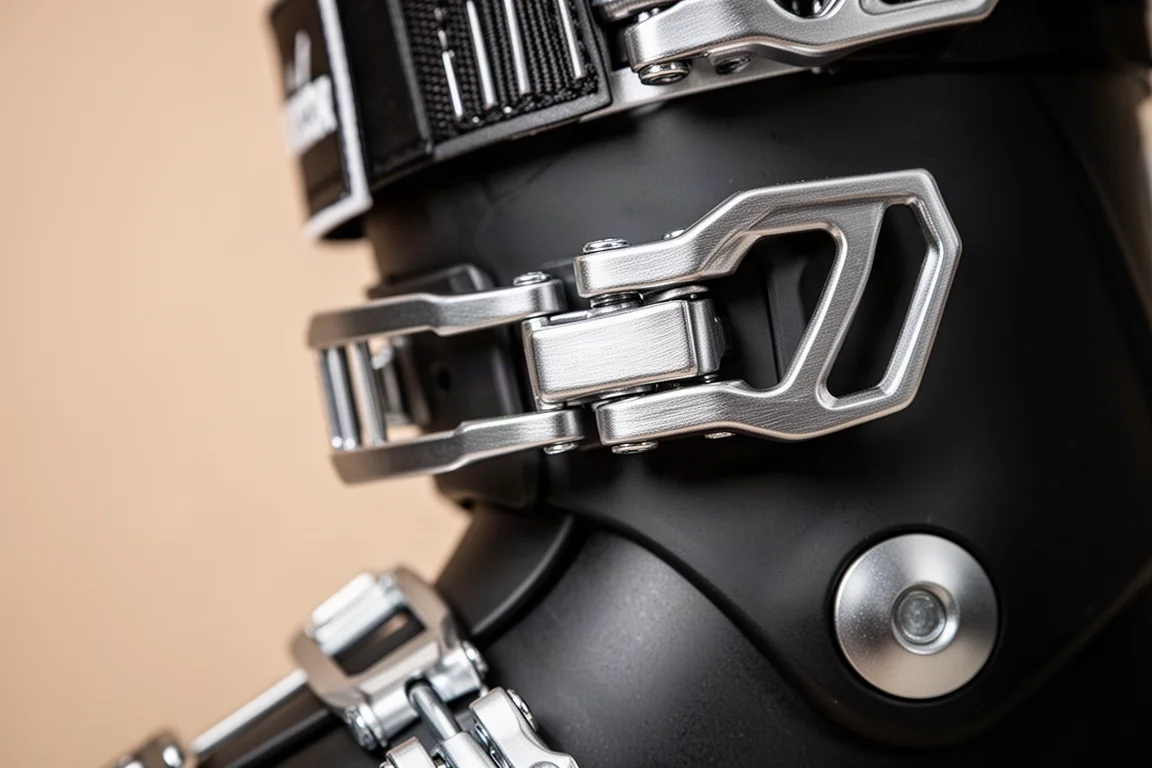
For anyone drawn to the hardware, the boot is still worth trying. Be prepared to walk away if the instep does not match, because the pressure sits directly on top of the foot and is noticeable from the very first buckle.
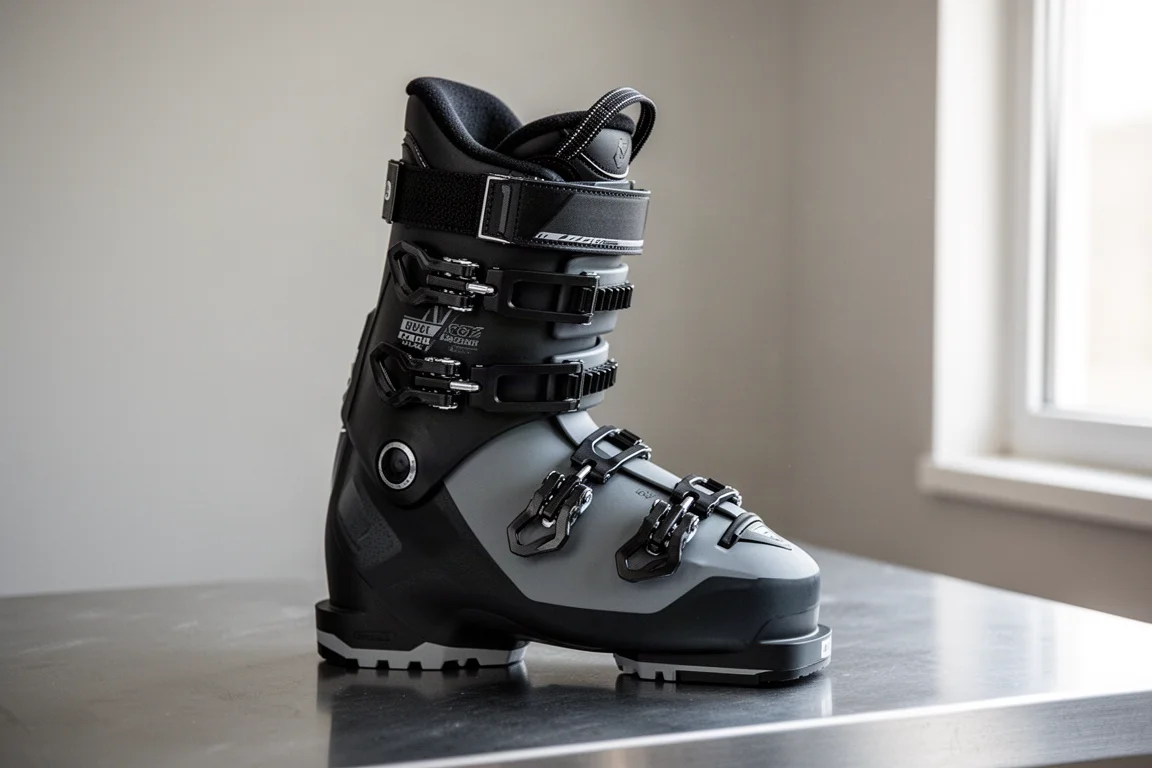
Atomic Hawx Prime 120: The Boot That Made the Cut
The Hawx Prime 120 is the boot that ended up on the shortlist to buy. The flex felt right: supportive under pressure, comfortable rather than punishing, and well suited to cold days when a stiffer shell turns harsh. The only quibble was that the fit relies on the spoiler to line the shin up with the tongue, a small detail worth confirming over a longer session.
It also replaced a boot that had reached the end of its life. After roughly 220 days across about three seasons, the liner had begun to separate from the footbed and the plastic had become brittle, twisting slightly under flex. Replacing a boot early is a practical habit, because buying in the off season is far cheaper than paying peak mid-winter prices after a shell fails in February.
Pricing strategy matters here too. The Hawx Prime retails around $700, but a previous-season model was available for about $490, and price matching plus an additional 5 percent reduction and store credit brought it to about $312 before tax. The shell is the same as the current model, which makes last season’s version the better value for anyone who does not need the newest graphics. Wearing new boots around the house for a week or two before the first ski day helps them mold to the foot, and the pair can still be returned as long as it has not been skied, so indoor wear is a low-risk way to confirm the fit.
Buying Advice: Matching Flex, Width, and Budget
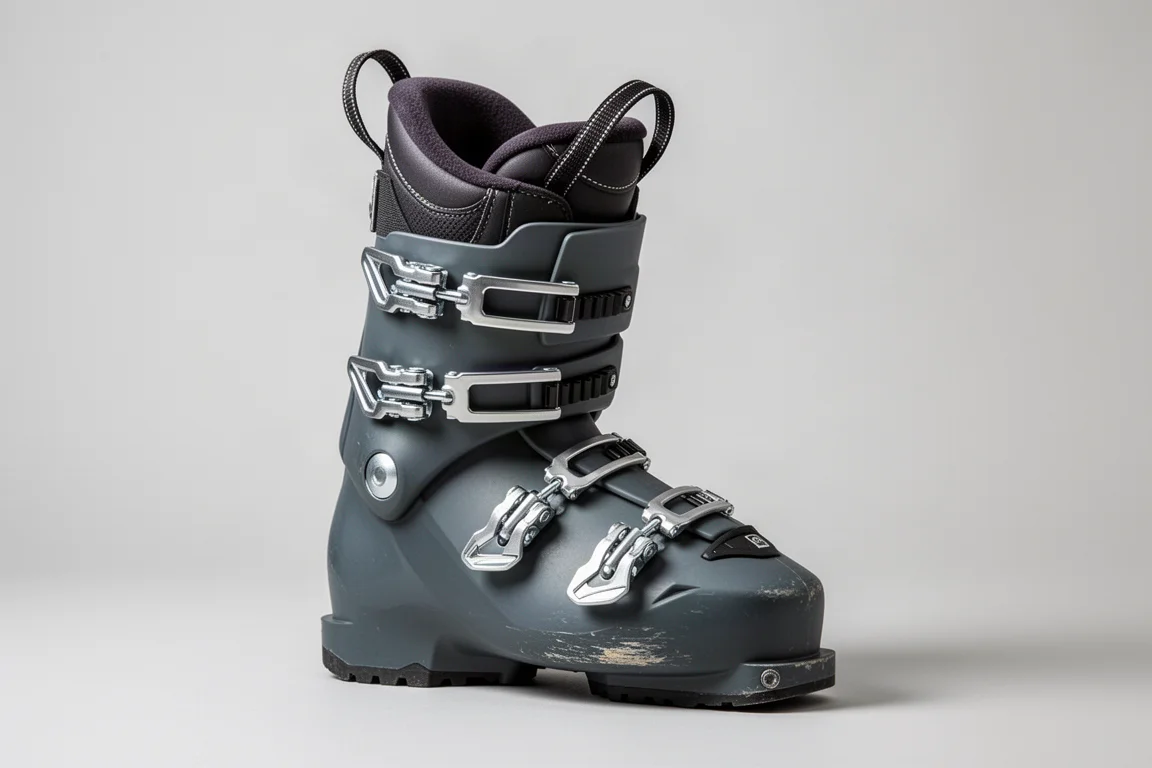
Fit comes before flex, price, and features. The most common mistake is choosing a boot by its flex number or its brand reputation and then trying to correct the fit with aftermarket work. If a shell pinches the ankle or presses on the instep in the shop, that is useful information rather than a problem to be solved later.
The upgrade ladder deserves scrutiny. A walk mode adds roughly $100, and a BOA dial adds more on top of that. Both are genuinely useful for specific skiers, but for most people skiing lift-served terrain, the standard version of the same boot is the better purchase. Boot work and custom footbeds follow a similar logic: valuable for some feet, unnecessary for others, and worth buying when a shop explains why rather than simply pushing the sale.
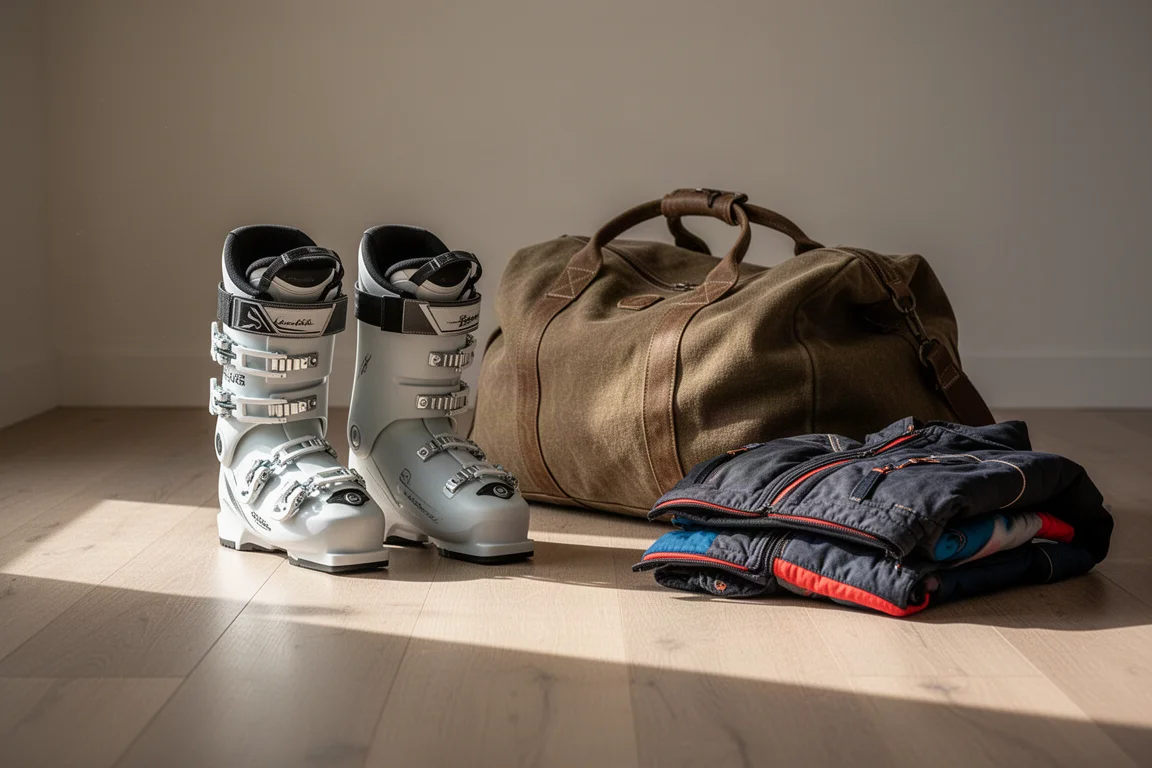
A booster strap is the one accessory worth considering regardless of the boot, since it smooths the flex and helps the boot return to a neutral position faster between turns. It costs far less than a shell upgrade and it improves any boot in the lineup.
Timing and price matter as much as the model. Previous-season boots are often the same shell with different graphics, and meaningful discounts are common. Buying before an old pair fails avoids peak mid-winter pricing, and a bit of patience with price matching can cut the cost further. Whatever you choose, spend real time in the shell before you commit.
Conclusion
Five boots, five different answers. The Tecnica Mach1 HV 120 brings excellent build quality and a smooth flex, but the shell tracks outward and pressures the ankles on a neutral foot. The Atomic Hawx Prime XTD 130 is a well-made touring boot that most lift-served skiers do not need. The Nordica Cruise 120 offers one of the smoothest flexes in the group with an ankle pocket that pinches. The Salomon S/Pro MV 120 has the best hardware here and a shallow foot box that will suit low-volume feet. And the Atomic Hawx Prime 120 is the one that fit well enough to buy, especially at a previous-season price.
The takeaway is simple: narrow the list online, then spend real time in the shells you are considering. Ten minutes of standing and flexing in a shop tells you far more than any spec sheet.
Further reading
Related Reviews

Ski Gear
2023 Blizzard Hustle vs Rustler: Six Freeride Skis Compared
Blizzard's 2023 Hustle collection rebuilds the Rustler shape with a lighter core and no metal. Here is how all six skis differ, and which one suits your riding.

Ski Gear
2023 Skis of the Year: Atomic Maverick 88 TI, Salomon QST 106, and Look SPX 12 Pro
Three standout ski picks for all-mountain carving, powder days, and reliable binding performance, with practical buying notes for 2023 models.

Ski Gear
2025 Nordica Enforcer 104 Review: A Directional Charger Replaces the 104 Free
The 2025 Nordica Enforcer 104 drops the Free name and the twin-tip personality, gaining weight, stiffness and composure in rough snow. Here is what changed and who it suits.