Running Shoes
Skechers Running Lineup Breakdown: Ride 11, Max Road 6, Razor 4 and Speed Beast
Four Skechers running shoes explained: two daily trainers, a fast-day shoe with 100% TPU foam, and a new high-end racer for 2:15 to 2:45 marathoners.
Introduction
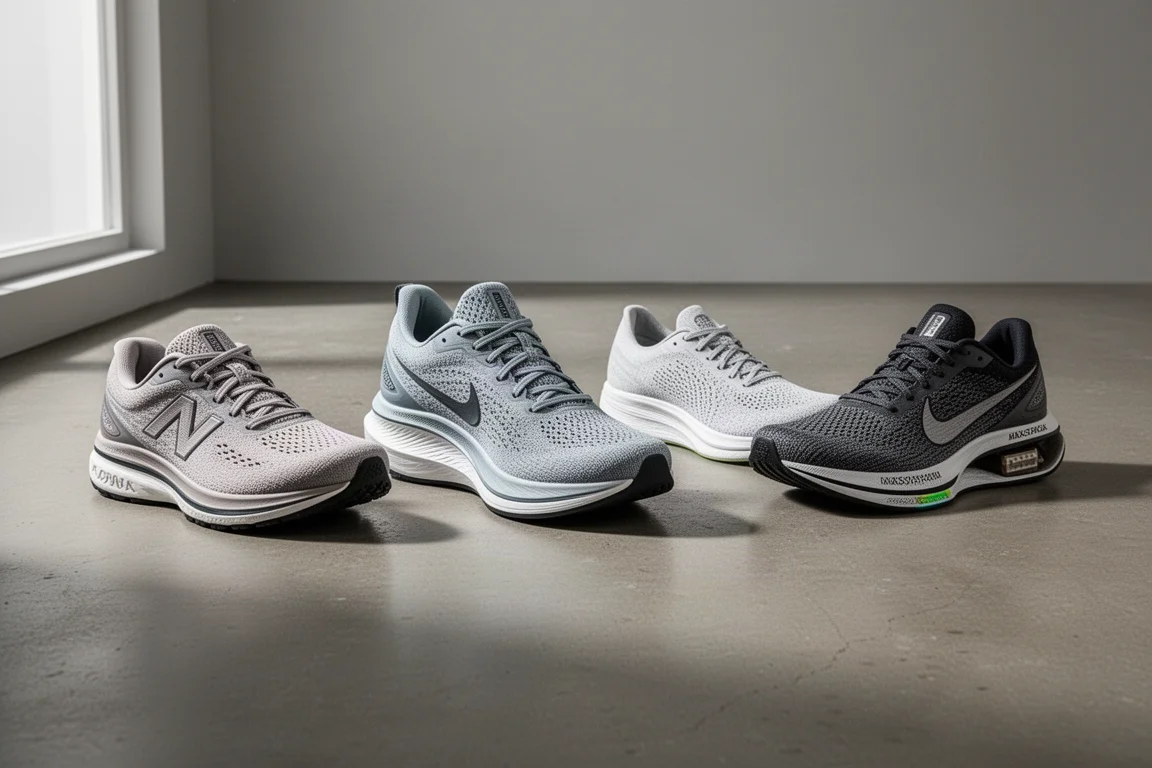
Skechers has quietly built one of the more interesting running shoe lineups in the market, and much of that comes down to its supercritical foam work. This breakdown covers four models that map cleanly to four jobs: a plush daily trainer, a max-cushion recovery shoe, a fast-day trainer, and a new high-end racer.
The Foam Technology Behind the Lineup
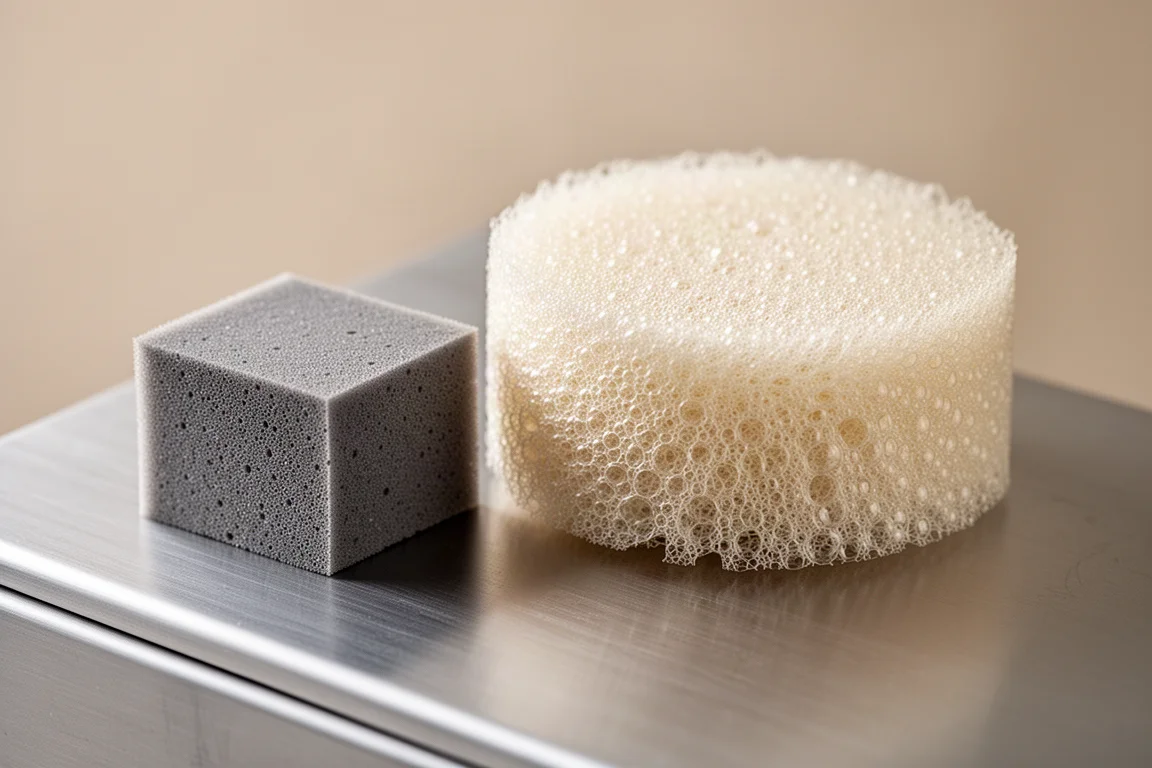
Most shoes in the running line use supercritical foam, a process that takes a base material, injects it with nitrogen and carbon dioxide, and expands it into a foam with a far better cell structure than basic EVA. The practical result is more bounce, better resiliency, and improved durability without giving up the soft feel.
Skechers uses two versions of this. The first is an EVA-based supercritical foam used in the daily trainers. The second, new to the lineup, is a TPU-based supercritical foam that offers higher resiliency and slightly lighter weight, which is why it shows up in the speed-focused models.
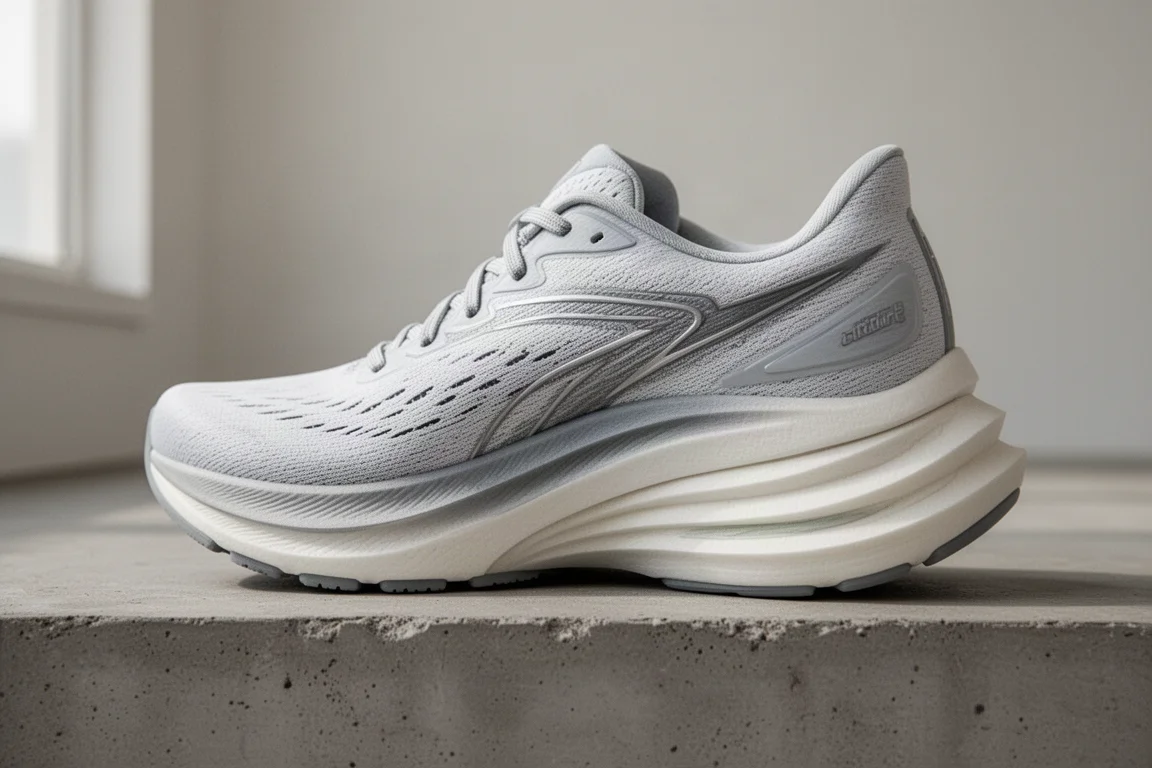
Daily Trainer: Skechers Ride 11
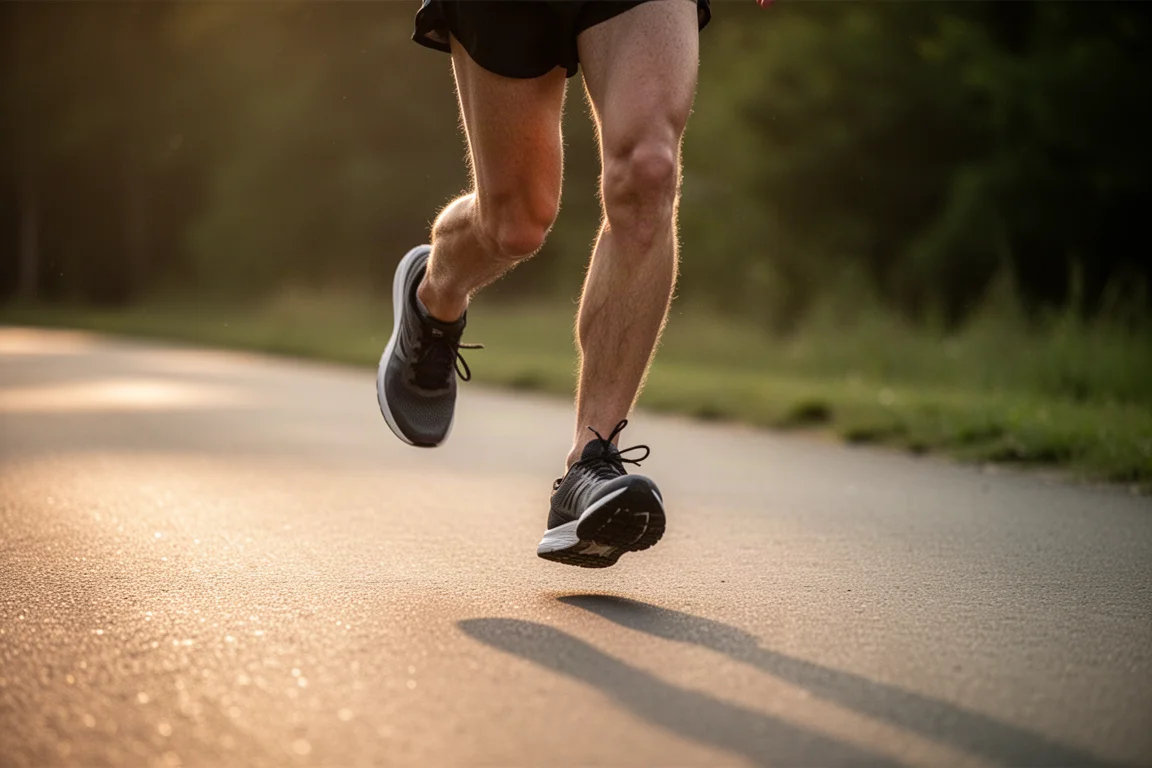
The Ride 11 is built around a rim-and-core midsole: a softer, plush supercritical foam core with a firmer carrier around the outside, roughly 10 degrees of firmness difference between the two. The idea is a soft landing without a wobbly or sloppy ride, so the foot stays contained through the stride.
Skechers also focused on step-in comfort, upgrading the collar foam, tongue foam, and adding a TPU-based supercritical foamed sock liner for a more luxurious feel right out of the box. A carbon-infused H plate in the front acts like a small suspension system, adding snap at toe-off so the soft foam does not feel slushy when you push out of the shoe.
The Ride 11 launches at $120.
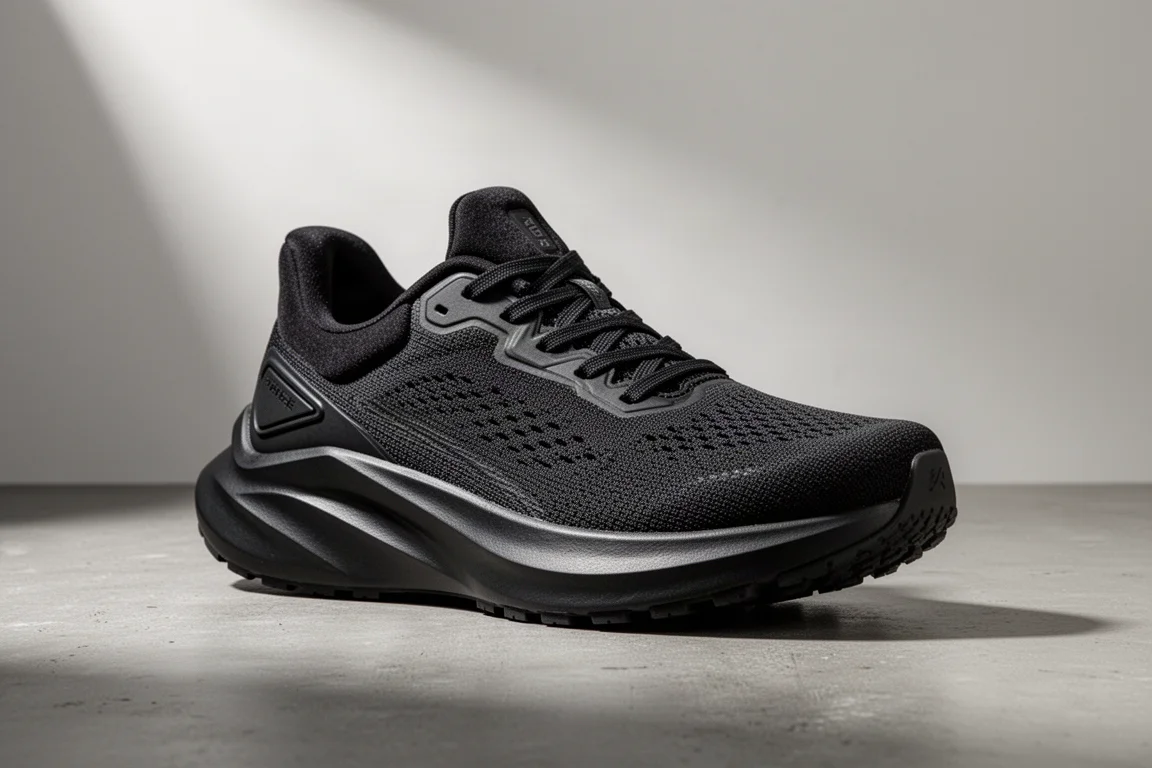
Max Cushion: Skechers Max Road 6
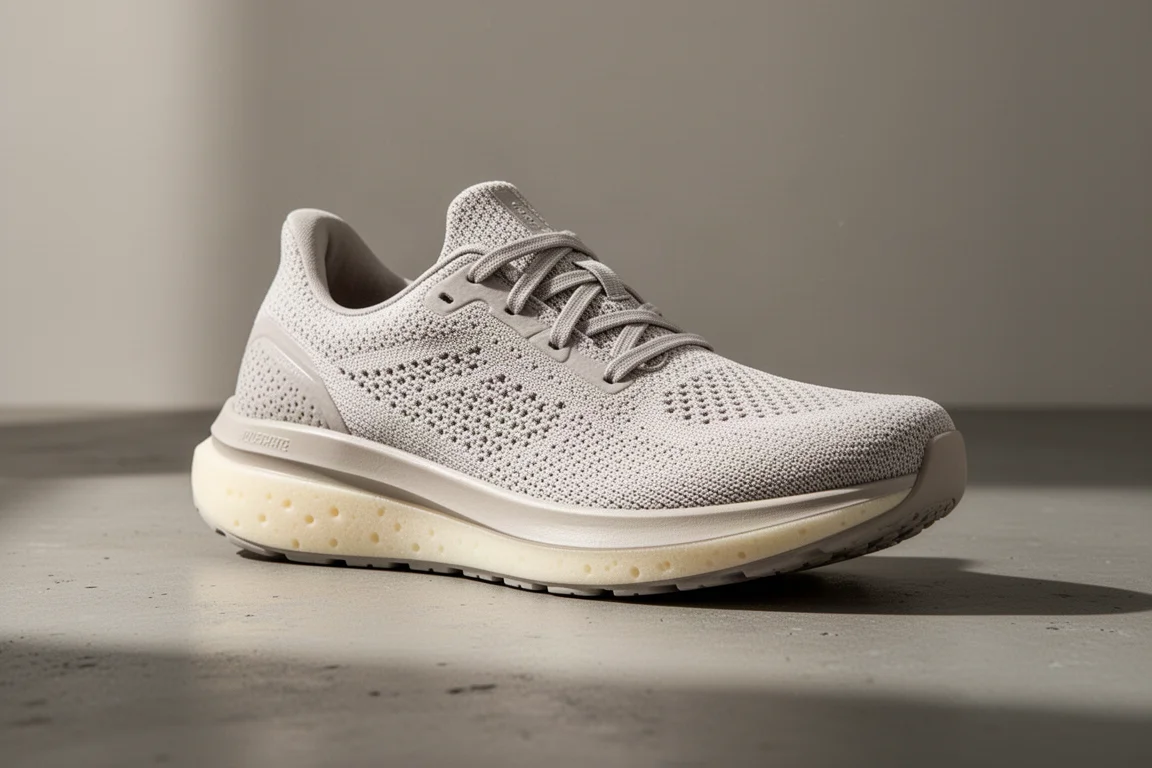
The Max Road 6 moves up four millimeters in stack height compared to the Ride, and in a reversal of the old hierarchy, its stack now exceeds what the Max Road line used to offer. The ride is notably spongy, with an aggressive rocker feel designed to roll you forward through the stride.
This is the shoe for the days after a hard interval or fartlek session, when you want something that treats your legs kindly over anywhere from two to ten miles. It is aimed squarely at the max-cushion competition from other brands, and it launches at $140.
Fast-Day Trainer: Skechers Razor 4
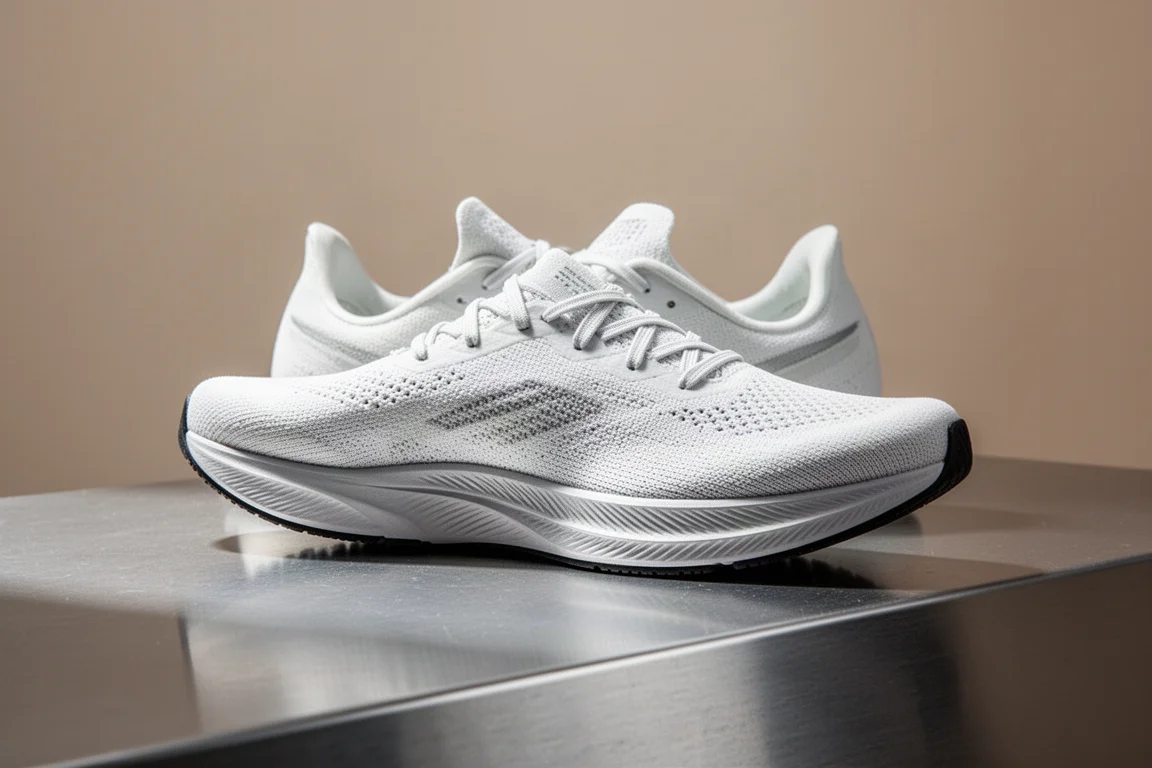
The Razor 4 is the first shoe in the line with a 100% TPU-based supercritical midsole. The TPU is sourced from the automotive industry, the same kind of material used in car bumpers, chosen for its rebound and reflex back. Compared to the EVA-based foams, it delivers more responsiveness, better compression-set resistance so the foam does not pack out quickly, and a lighter shoe overall.
Stack heights match the previous Razor X Speed model, as Skechers merged the Razor 3 and the X Speed into one shoe for fast-day training. The upper uses a soft poly mono blend, dyed with a nearly waterless water-based dyeing process that saves water and keeps the textile soft around the foot. It is available now at $130.
Racing Shoe: Skechers Speed Beast
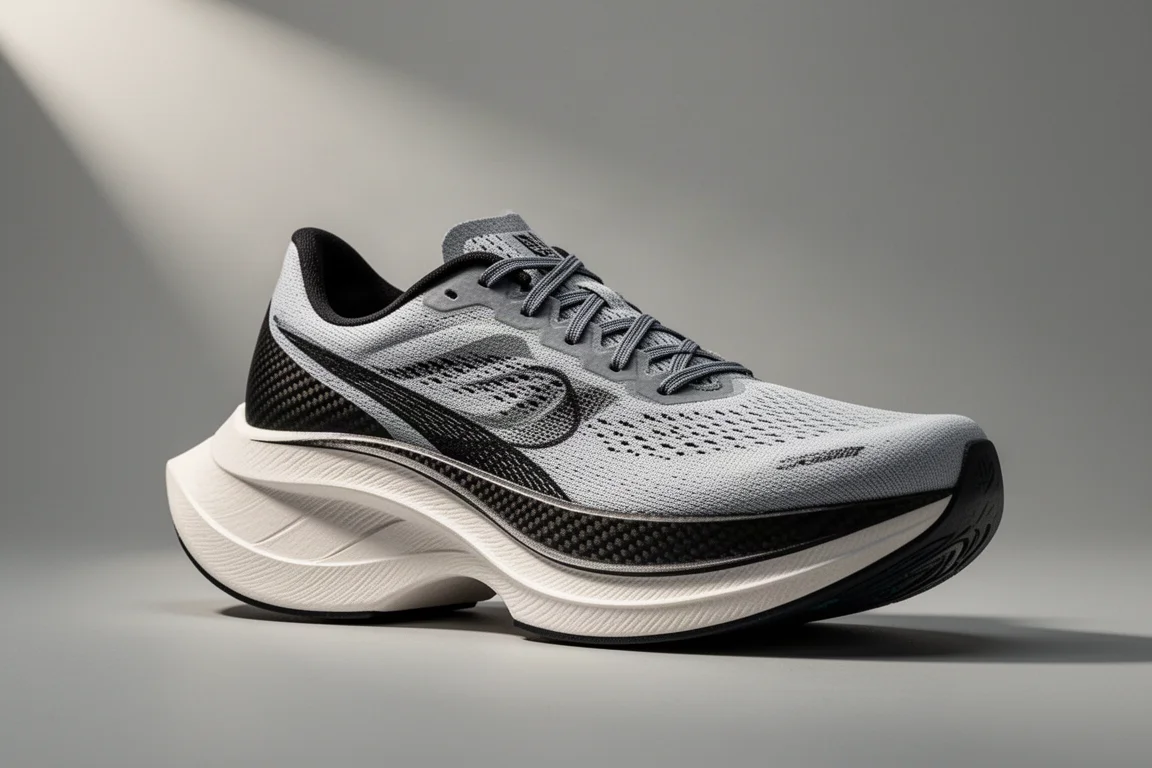
The Speed Beast is the new high-end racing shoe, positioned for marathoners in roughly the 2:15 to 2:45 range. Rather than chasing the same formula as other super shoes, Skechers emphasizes durability in the outsole, more width in the forefoot and heel, and stability from a carbon-infused winged H plate with an impressive rigidity-to-weight ratio and a very snappy, resilient feel.
The pitch is simple: in the later miles of a marathon, when form starts to break down, the maximum stack height and generous foam should help hold that form together. It still meets World Athletics certification despite the tall stack. Availability begins in February, with pricing expected between $200 and $250, though the final number has not been locked in.
Which One Should You Buy?
Pick the Ride 11 if you want one shoe for the majority of your miles, with a plush feel that stays controlled. Pick the Max Road 6 if recovery and maximum cushioning matter most. The Razor 4 is the choice for tempo runs and fast days, thanks to its lighter, more responsive TPU midsole. The Speed Beast is for competitive marathoners who want a stable, durable, max-stack racer. One tip from the lineup: when comparing foams across brands, it is worth asking what percentage of the claimed material is actually in the midsole, since blending gets harder as the base material gets more complex.
Conclusion
Skechers now covers the full training spectrum with a coherent foam story: comfortable, durable supercritical EVA for daily miles, high-resiliency TPU for speed, and a carbon-plated racer with more stability and outsole durability than most of the super shoe field. Whichever pace you run, there is a clear pick for the job.
Further reading
Related Reviews

Running Shoes
Best Road-to-Trail Running Shoes: Three Versatile Options for Mixed Terrain
A practical guide to three road-to-trail running shoes that handle both pavement and mild trails, with clear strengths and trade-offs for different runner types.

Running Shoes
Best Running Shoes for Achilles Tendonitis: Three Options Explained
Three running shoes with different heel drops and support features designed to help reduce Achilles tendon pain during walking and running.

Running Shoes
Best Running Shoes for Women: Five Top Choices Ranked
A ranked guide to five women's running shoes, from versatile daily trainers to high-performance racing options, with real strengths and trade-offs for each.