Running Shoes
Skechers Razor 4 vs Razor XS2: Two Racing Shoes, Two Distinct Rides
On paper the Skechers Razor 4 and Razor XS2 look nearly identical, but differences in foam, plates, and uppers split them into two very different feels on the road.
Introduction
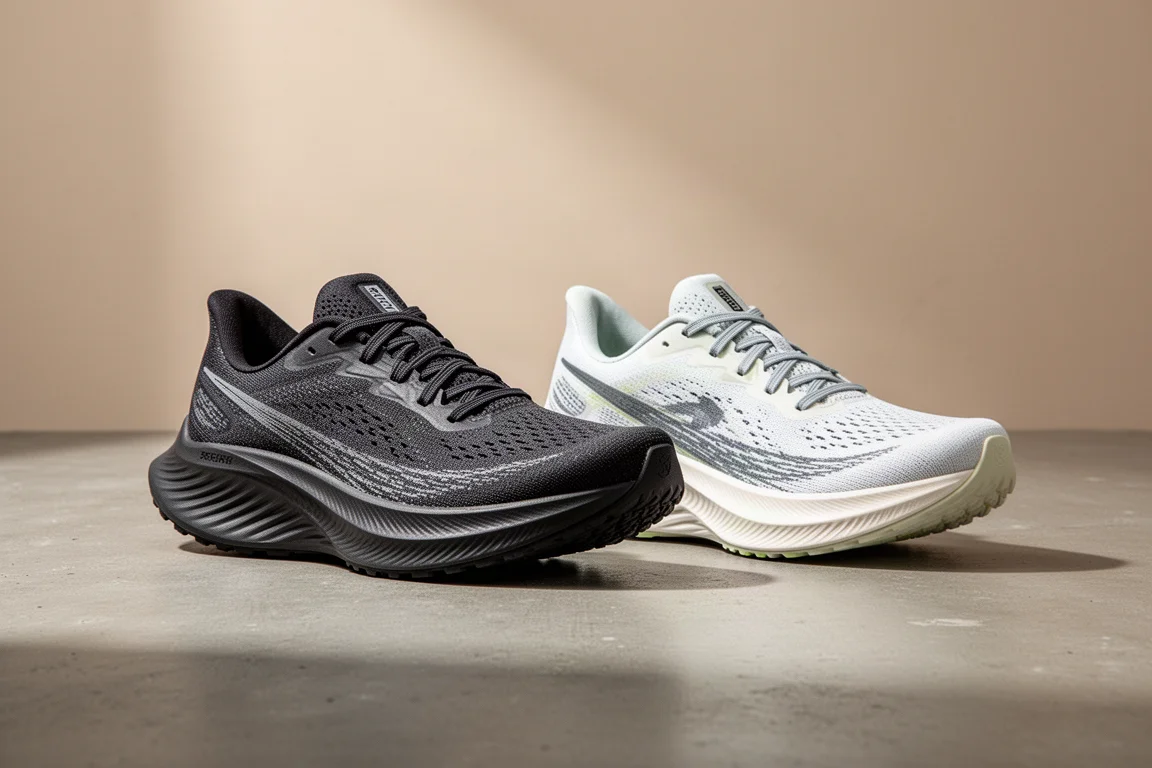
Skechers has released two racing shoes in the past year that look almost interchangeable on a spec sheet: the Razor 4 and the Razor XS2. Both share the same geometry, plate construction at a glance, and rocker silhouette, yet they deliver noticeably different rides underfoot. If you are torn between them, the differences come down to foam, plate feel, and upper thickness. This comparison breaks down where they match and where they split, so you can pick the one that fits how you actually run.
Specs: Nearly Identical on Paper
Both shoes use a 30mm heel and 26mm forefoot stack, giving each a 4mm drop. Both feature plates in the forefoot as well. The Razor XS2 uses an H plate built from two plates that come together, while the Razor 4 uses a full forefoot plate. Even the rocker geometry matches: both shoes show the same toe spring and forefoot rocker in their silhouette.
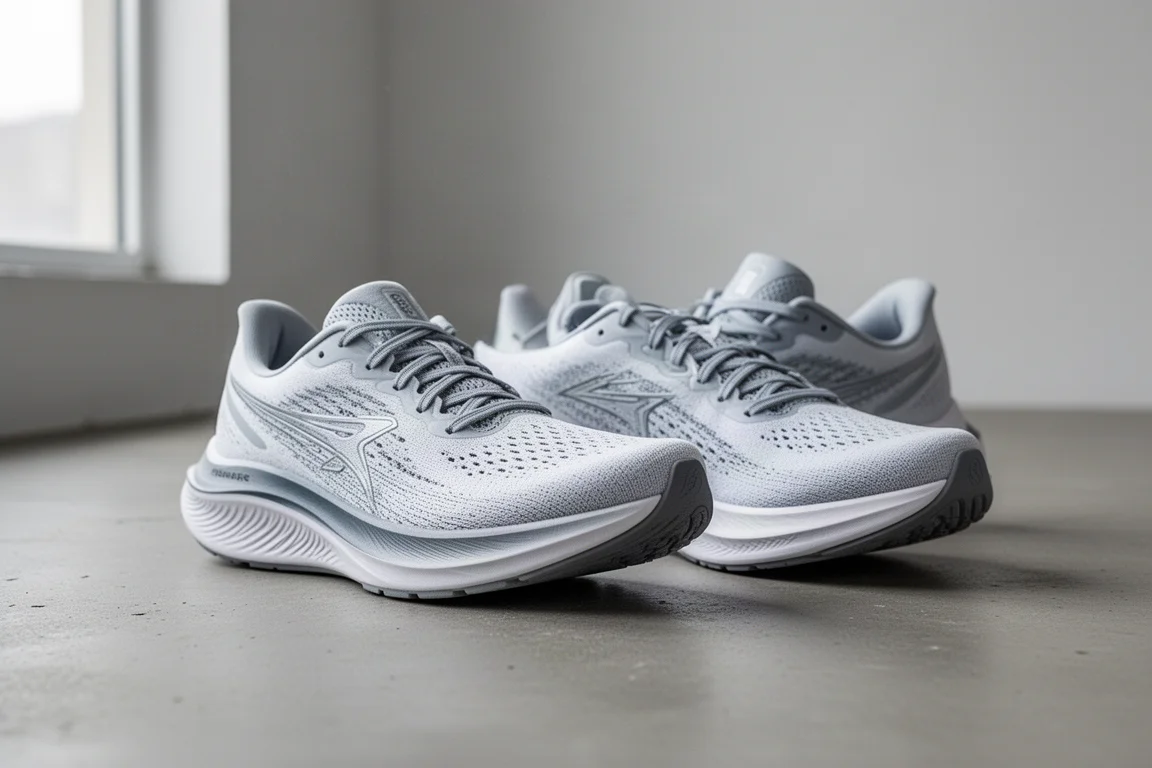
Given how closely the fundamentals align, the deciding factors live in the materials and how they translate to feel on the road rather than in the numbers.
The Ride: Firmness and Flexibility
The biggest difference is the foam compound. The Razor XS2 stays with regular Hyper Burst, while the Razor 4 introduces Hyper Burst Pro, which brings a little more cushion and softness underfoot. Neither shoe is remarkably soft, and both lean firm overall, but the Razor 4’s Hyper Burst Pro adds a touch more compliance on impact.

Plate feel differs too. The forefoot plate in the Razor 4 has a bit more flexibility than the H plate in the Razor XS2. In practice, the XS2 rewards runners who want a slightly firmer ride with a snappier, more structured feel, while the Razor 4 offers marginally more cushioning and a more flexible forefoot. If either of those describes your preference, that is your shoe.
Fit and Upper: Where Weight Diverges
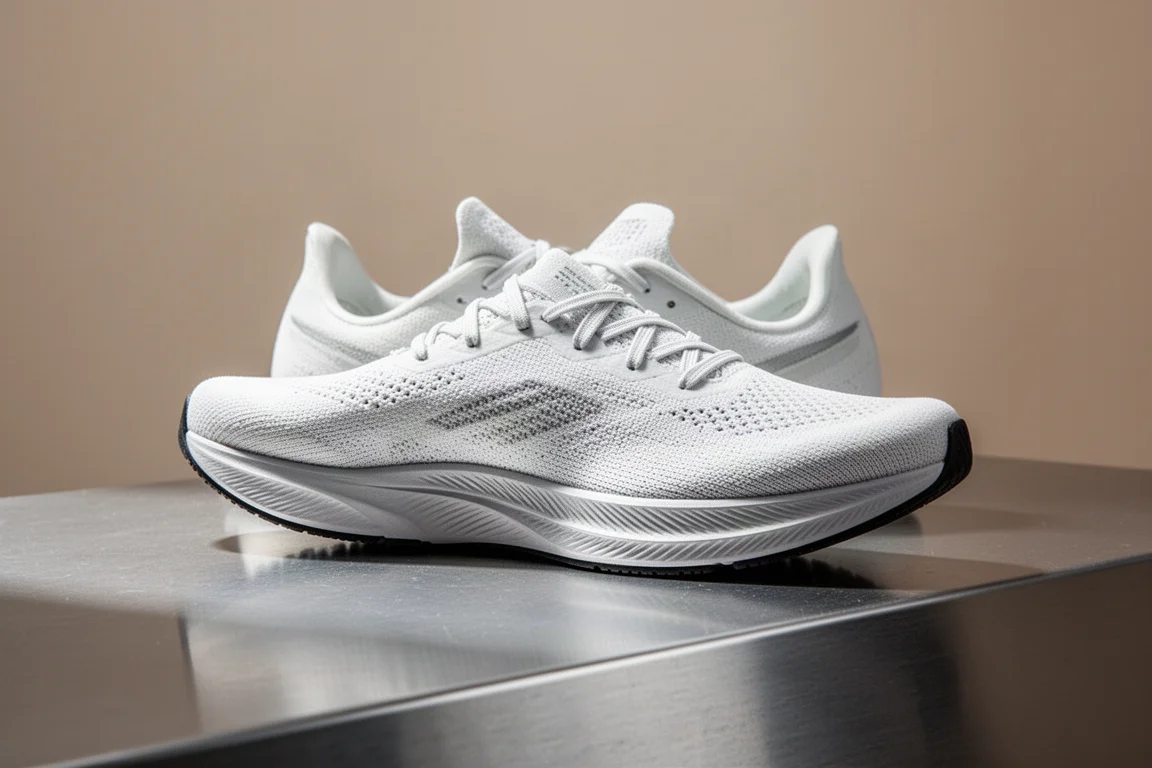
The upper is the other meaningful split. The Razor 4’s upper feels a little thicker, and that material shows up on the scale: the Razor 4 weighs about 0.3 ounces more than the XS2. The XS2, in contrast, carries a lighter, less excess-driven upper. For runners counting every gram on race day, that difference matters more than it might appear on paper.
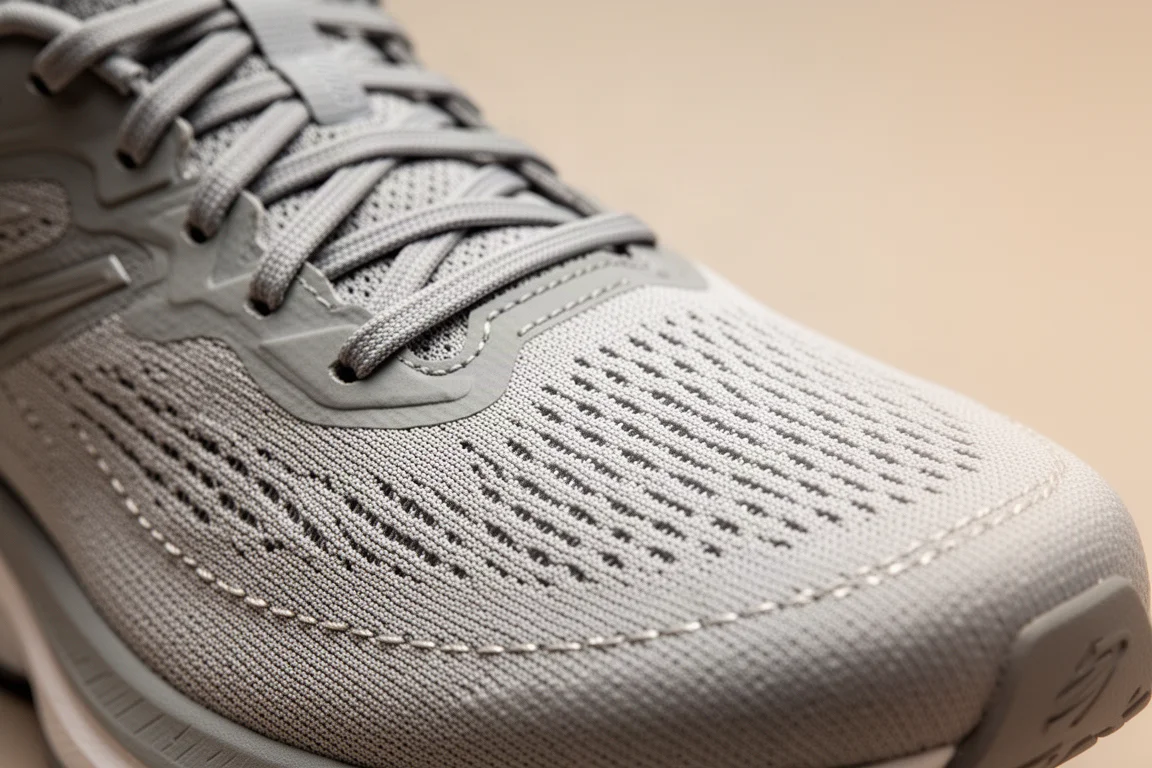
The added thickness in the Razor 4 upper may also translate to a slightly more settled, contained feel at pace, while the XS2 keeps things leaner and more stripped-back.
Choosing Between Them
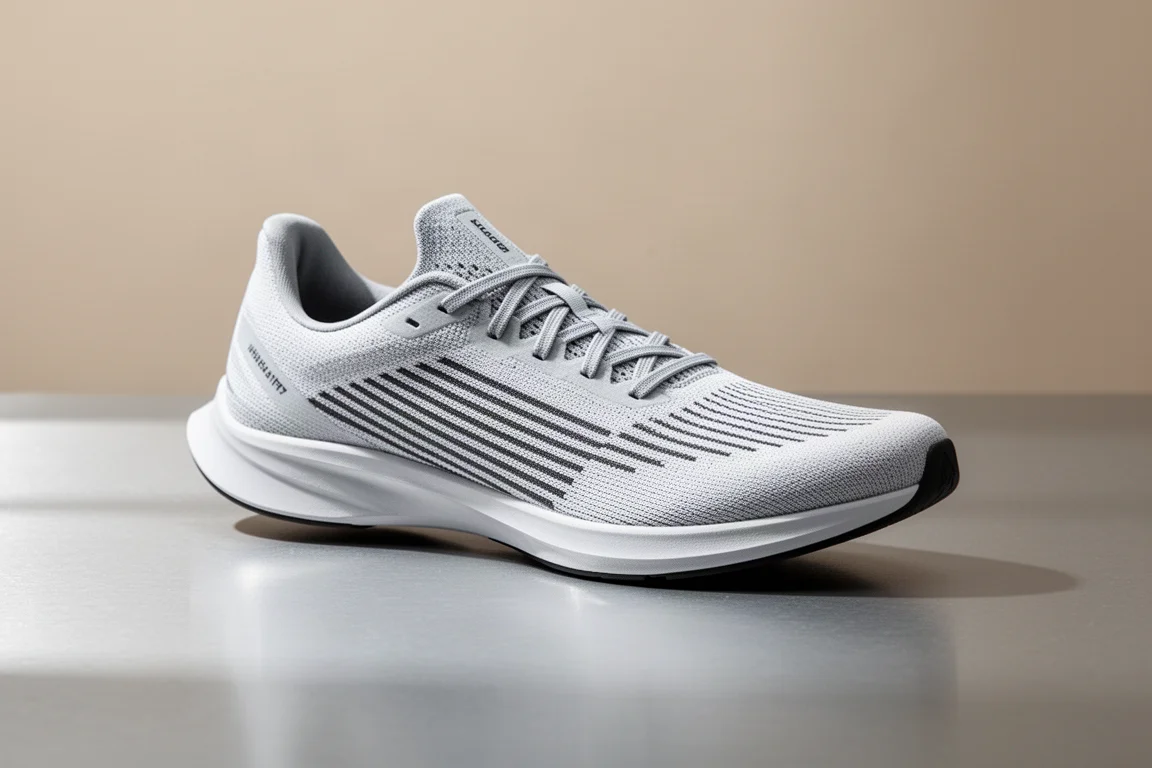
Despite the similarities, the decision is straightforward once you know what you want from a racing shoe. If you prefer a slightly firmer ride with a more structured plate feel and a lighter build, the Razor XS2 fits that brief. If you want a touch more cushion, a more flexible forefoot, and do not mind the small weight penalty from the thicker upper, the Razor 4 is the better match.
The best move is to try both in person if you can. The on-foot feel of the foam and plate, rather than any spec, will settle the comparison quickly.
Conclusion
The Skechers Razor 4 and Razor XS2 are near-twins on paper: same stack, same drop, same rocker shape. The Razor 4 introduces Hyper Burst Pro for a touch more softness and a more flexible forefoot, at the cost of a slightly heavier, thicker upper. The Razor XS2 keeps regular Hyper Burst and the H plate for a firmer, leaner ride. Pick by feel: firm and light, or a bit more cushioned and flexible.
Further reading
Related Reviews

Running Shoes
Best Road-to-Trail Running Shoes: Three Versatile Options for Mixed Terrain
A practical guide to three road-to-trail running shoes that handle both pavement and mild trails, with clear strengths and trade-offs for different runner types.

Running Shoes
Best Running Shoes for Achilles Tendonitis: Three Options Explained
Three running shoes with different heel drops and support features designed to help reduce Achilles tendon pain during walking and running.

Running Shoes
Best Running Shoes for Women: Five Top Choices Ranked
A ranked guide to five women's running shoes, from versatile daily trainers to high-performance racing options, with real strengths and trade-offs for each.