Running Shoes
Skechers Razor 4 vs Hoka Mach 5: Two Performance Trainers, Two Different Personalities
A closer look at two lightweight performance trainers, covering fit, ride character, and which paces each one handles best.
Introduction
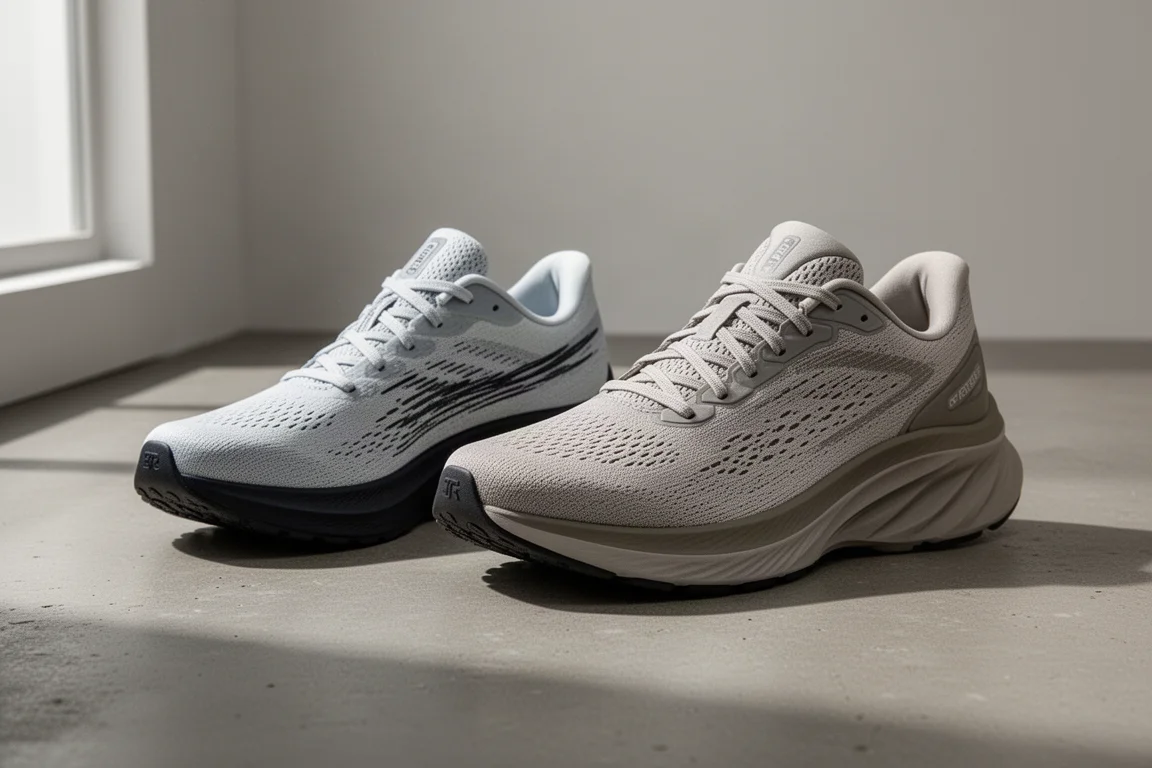
The Skechers Razor 4 and the Hoka Mach 5 both sit in the performance trainer category: light on the foot, responsive when pushed, and versatile enough to cover more than one type of run. But they get there in different ways, and the differences show up clearly once you start comparing them side by side.
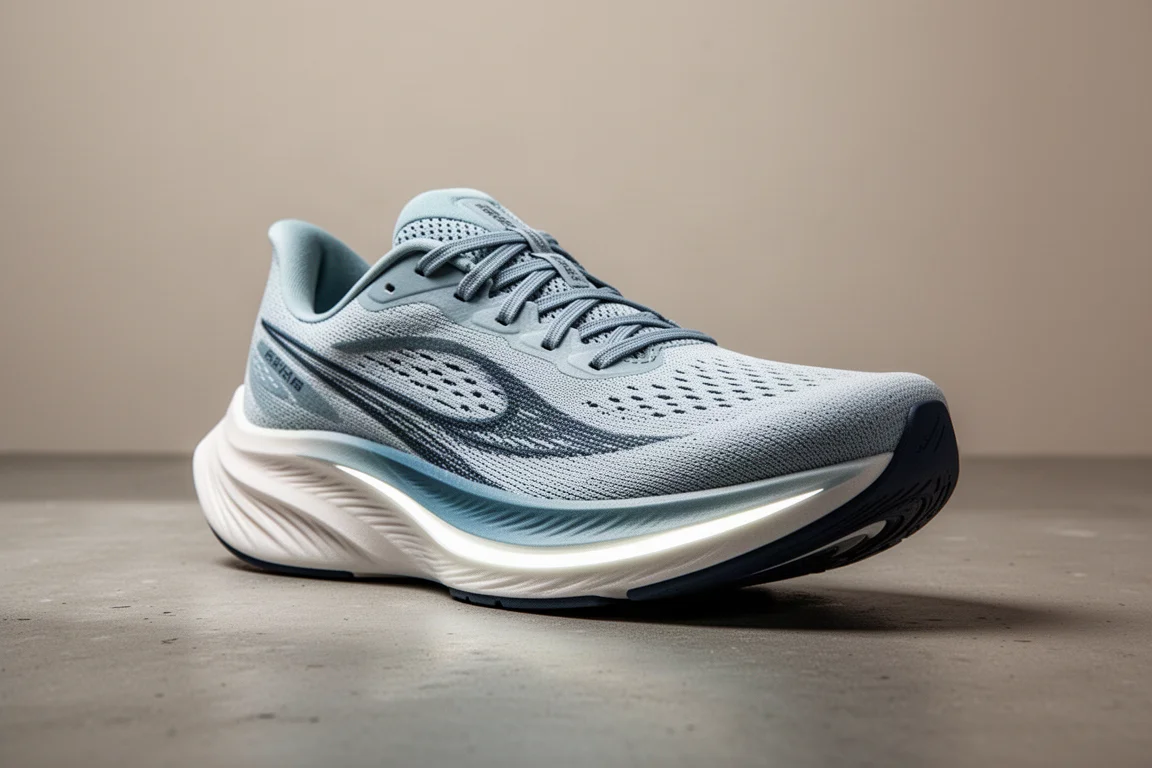
The Razor 4 is the more technically updated shoe of the pair. It debuts a new Hyperburst Pro midsole, a TPU-based foam, along with a carbon-infused forefoot plate that functions like a small H-plate up front. Stack comes in at 30 mm in the heel and 26 mm in the forefoot for a 4 mm drop, and weight is 7.5 oz in a men’s size 9.
The Mach 5 lists at 8.2 oz with a 5 mm drop. Hoka does not publish the exact heel and forefoot stack heights, so this comparison leans more on how each shoe actually feels than on raw geometry numbers.
Fit and Upper Feel
Held next to each other, both shoes run a little wide in the forefoot and streamline well through the midfoot. On foot, the Hoka fits a bit more snug when you lace it down through the heel and midfoot. Its forefoot is pretty accommodating, and the engineered mesh feels light with not too much stretch, locking down well. The heel counter is slightly more rigid in the Mach 5 than in the Razor 4.
The Razor 4’s upper has a bit more stretch to it, which is worth knowing if you plan to take it onto loose surfaces. The tongue is thin and locks down well. Both shoes have a slight heel counter, and both keep a lightweight, performance-oriented feel overall.
Ride Character
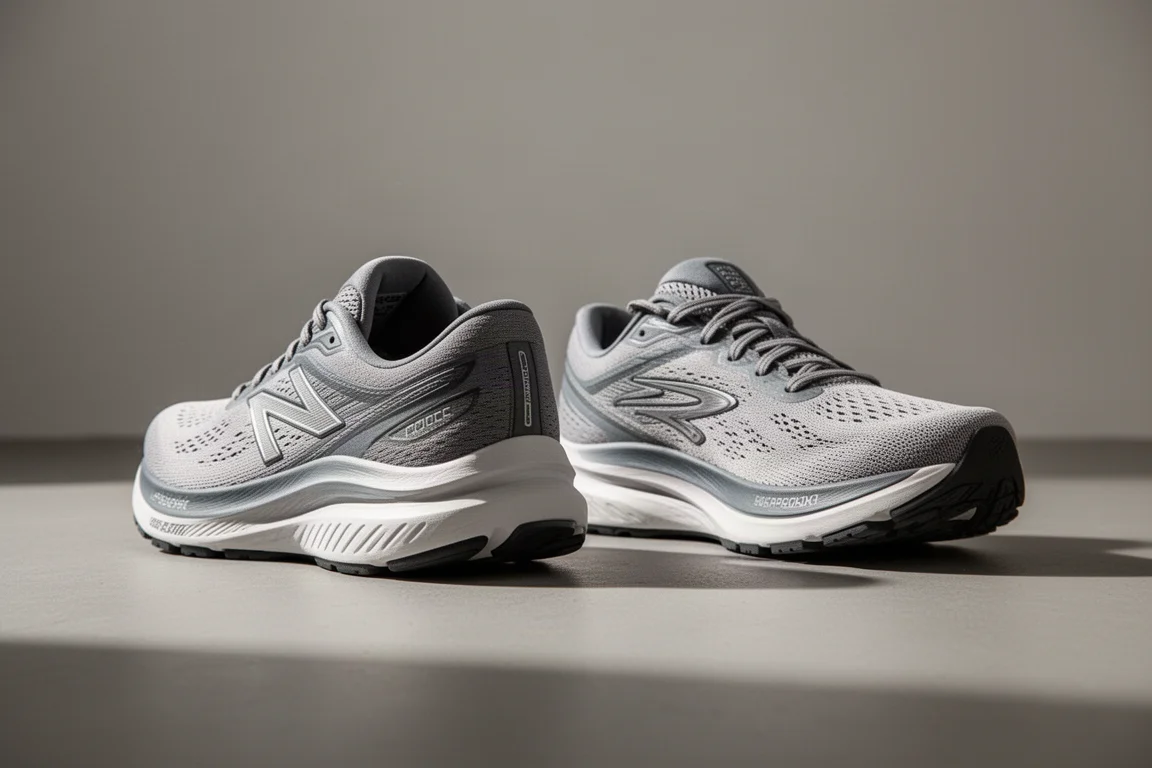
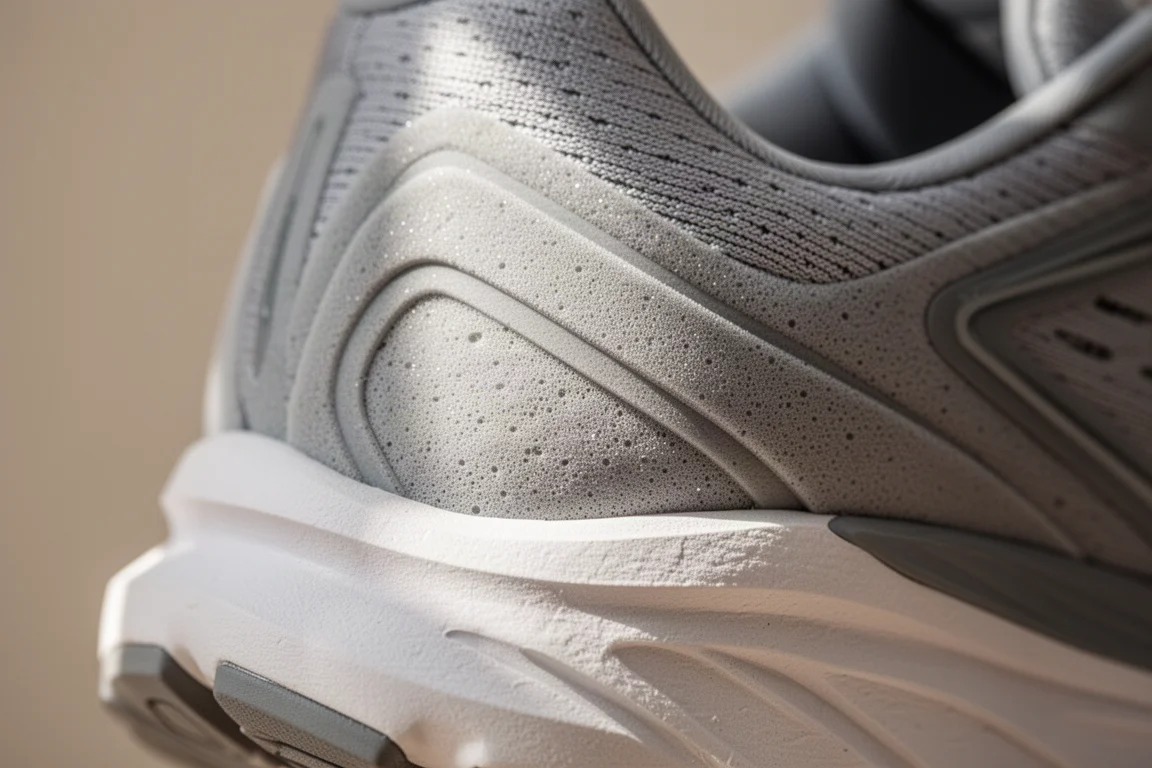
The new Hyperburst Pro midsole in the Razor 4 is still an infused TPU foam with some bounce and give, but it runs a little firmer than you might expect. Combined with the carbon-infused forefoot plate, there is a noticeable pop off the front of the shoe, though at slower paces you do not really notice the plate as much.
That changes how the Razor 4 slots into a rotation. It used to read as a pure performance trainer or plated flat, but it now behaves more like a genuine performance trainer you can take out for workouts. At daily efforts it feels like a lightweight trainer, but once you start turning it over, it comes alive. The forefoot responds well under load and gives a lot of bounce off the front.
The Mach 5 feels softer on foot. There is no plate here, but Hoka brings its familiar stiff rocker design, with a little flexibility from flex grooves. The ProFly foam stiffens as you move into the forefoot, though not as sharply as a plate would. Traction and lockdown confidence are where the Mach 5 has an edge: the non-stretch upper feels more secure, which matters on dirt, grass, or steep turns.
Which Paces Each Shoe Handles Best
The Razor 4’s sweet spot runs from roughly 5K pace up through half marathon and even marathon-pace work. It handles hard strides and fast road efforts comfortably, making it a solid choice for long tempo runs, lactate threshold sessions, and intervals. If you want a shoe that turns over well at speed, this is the livelier option of the two.

The Mach 5 leans toward long runs, time on feet, and daily training efforts, with long tempo runs in the mix too. Its fastest range sits closer to 10K pace and up to full marathon and beyond, which makes it the steadier companion for the bulk of a training week.
Buying Advice
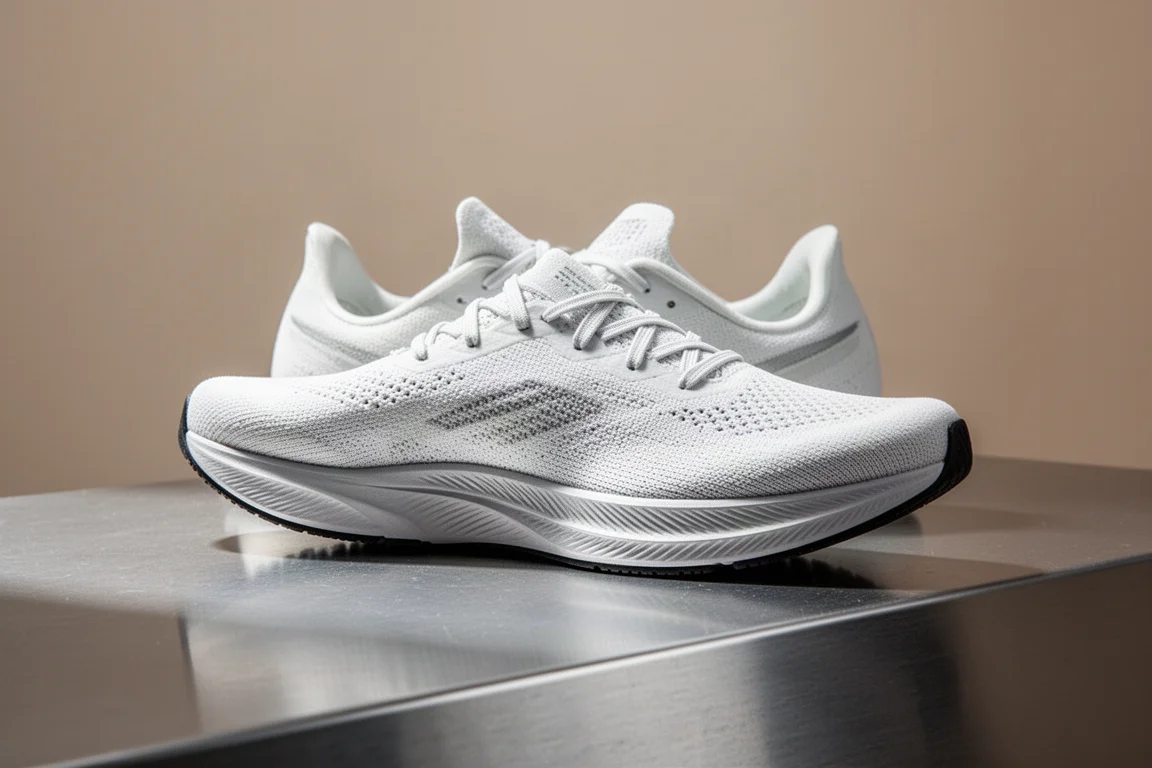
Both shoes are light, versatile performance trainers, so the decision comes down to what you want from them. If your priority is a shoe that responds when you load the forefoot and covers everything from 5K pace to marathon work, the Razor 4 is the sharper tool. If you want a slightly softer ride with more confident lockdown for long runs and daily mileage, the Mach 5 is the safer bet.
One caveat with the Razor 4: the stretchy upper means you may not fully trust it on dirt, grass, or cross-country style workouts with steep turns. On predictable, hard-packed footing it should be fine, but trail-adjacent sessions favor the Mach 5’s more secure fit.

Conclusion
The Skechers Razor 4 and Hoka Mach 5 prove that the performance trainer category has room for more than one recipe. The Razor 4 brings new Hyperburst Pro foam, a carbon-infused forefoot plate, and a lighter listed weight, rewarding runners who push the pace. The Mach 5 counters with a softer feel, firmer lockdown, and the steady rocker ride Hoka is known for. Match the shoe to your paces and surfaces, and either one can earn a spot in a training rotation.
Further reading
Related Reviews

Running Shoes
Best Road-to-Trail Running Shoes: Three Versatile Options for Mixed Terrain
A practical guide to three road-to-trail running shoes that handle both pavement and mild trails, with clear strengths and trade-offs for different runner types.

Running Shoes
Best Running Shoes for Achilles Tendonitis: Three Options Explained
Three running shoes with different heel drops and support features designed to help reduce Achilles tendon pain during walking and running.

Running Shoes
Best Running Shoes for Women: Five Top Choices Ranked
A ranked guide to five women's running shoes, from versatile daily trainers to high-performance racing options, with real strengths and trade-offs for each.