Running Shoes
Skechers Go Run Max Road 6 Review: A Heavier, More Durable Max-Cushion Trainer
The Go Run Max Road 6 is a complete redesign with new Hyperburst Ice foam and a much more durable build. More cushion and toughness, but noticeably more weight.
Introduction
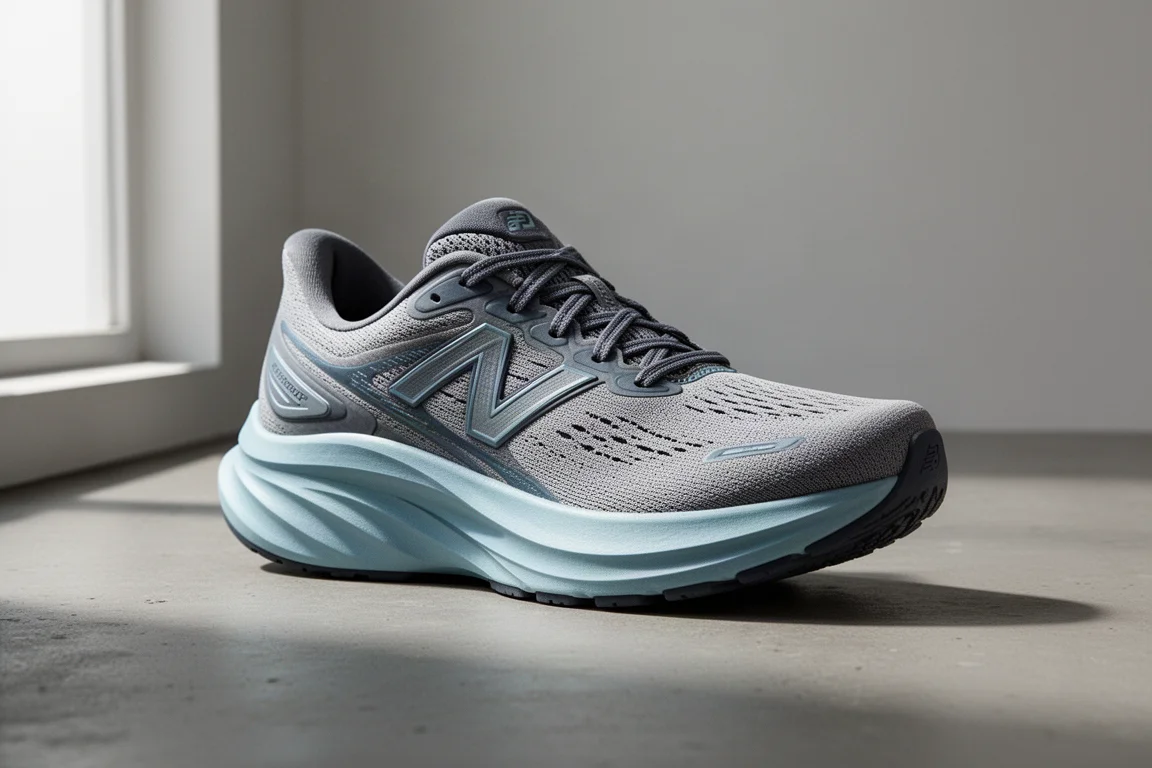
The Skechers Go Run Max Road 6 is the brand’s ultra-cushioned daily training shoe, and this generation is essentially a new shoe from top to bottom. Previous versions were surprisingly light for a high-stack trainer; this one is not. The weight is noticeable the moment you put it on, but in exchange you get a much tougher, more durable build and a calmer, more cushioned ride. Here is how it all shakes out.
Specs at a Glance
- Weight: 11 oz in a men’s size 9, 9.2 oz in a women’s size 8
- Stack: 40 mm heel, 34 mm forefoot
- Drop: 6 mm
- New Hyperburst Ice midsole foam, new upper, new outsole rubber with generous coverage
The 6 mm drop and Skechers’ M Strike geometry are clearly felt underfoot. Landing immediately pulls toward the forefoot, a sensation that recalls earlier Go Run models with their distinct forefoot bump. You never feel the road itself, but that midfoot-to-forefoot transition bump is unmistakable.
What Changed in the Max Road 6
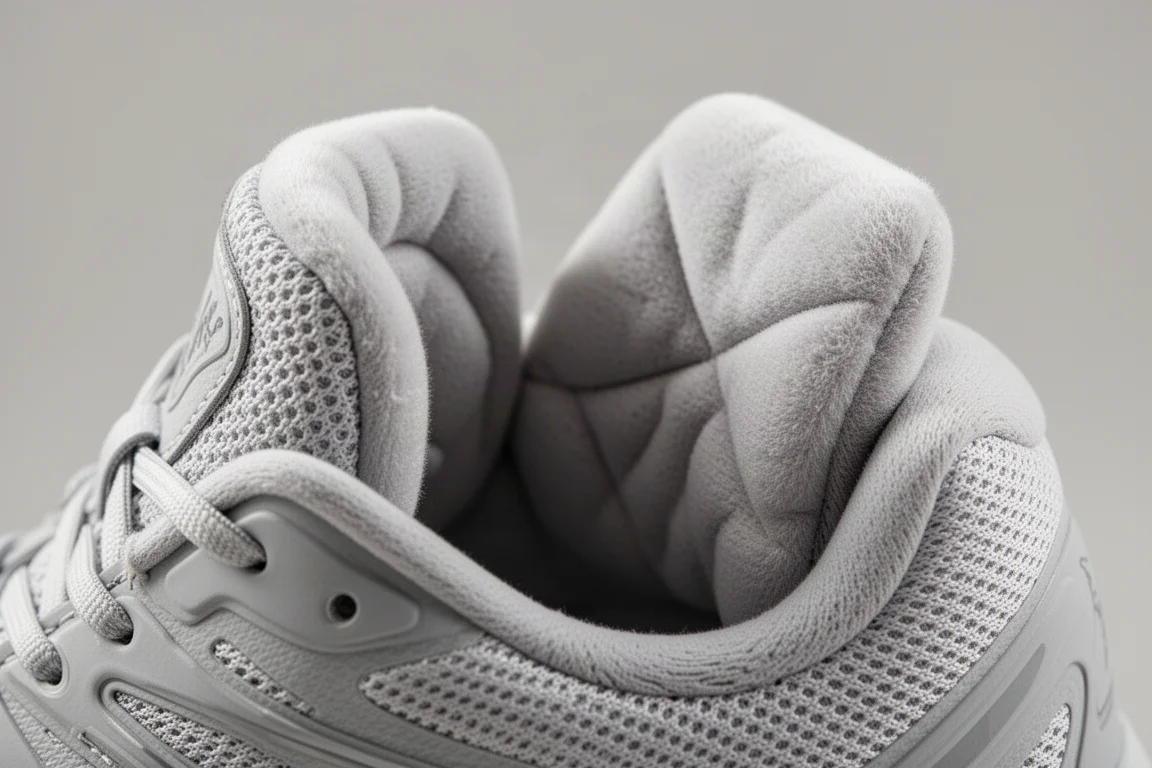
This is a wholesale redesign. Hyperburst Ice is new to the midsole, the upper is completely reworked with a much thicker construction than before, and the outsole rubber is new and far more durable than older versions. The old Max Road was a lighter high-stack trainer; this one trades that lightness for substance.
Ride and Midsole Feel
Out of the box, Hyperburst Ice feels oddly firm, and that impression holds until the shoe breaks in. After roughly 20 miles, the foam softens into a genuinely highly cushioned ride that also works for walking. It is not a super bouncy ride, but once broken in it is noticeably softer and starts to bounce a bit more.
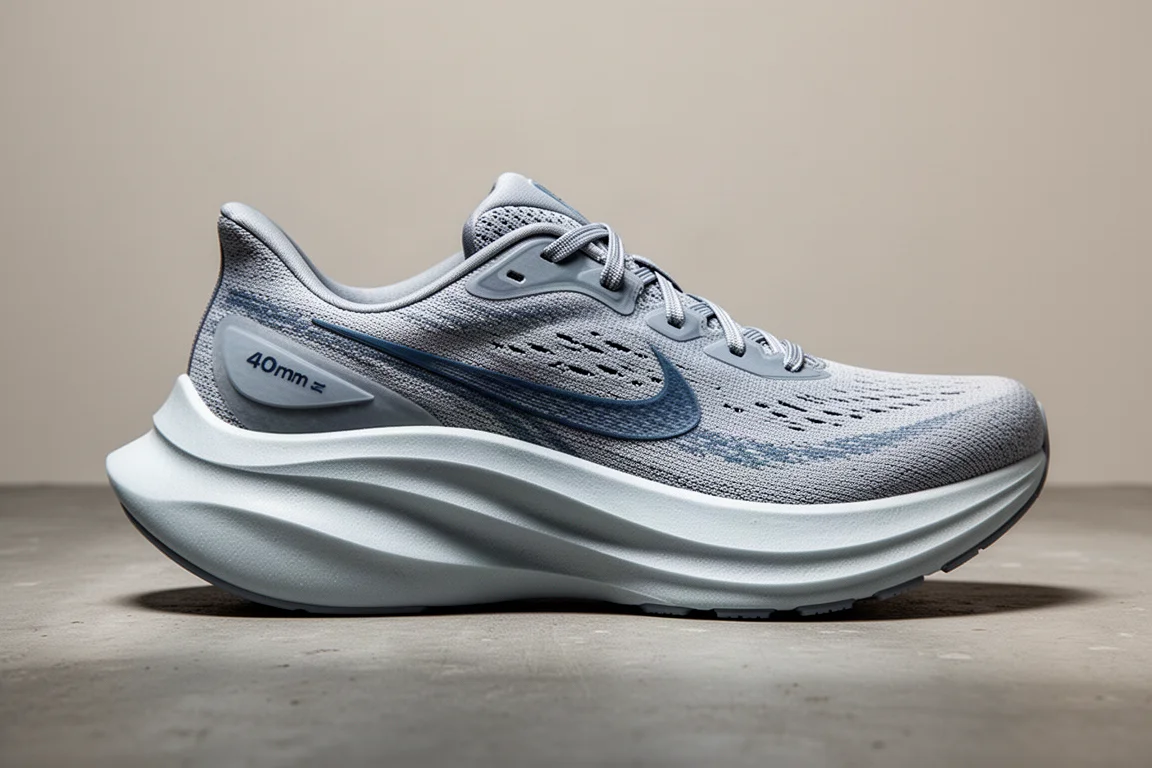
The ride is very rockered with very little flexibility. There is still an H plate up front that adds some forefoot stiffness, which feels unnecessary, but it is there. The high stack sits well off the ground, though sidewalls through the midfoot keep it from feeling unstable. It is far more manageable than the Go Run Ride 11, which proved difficult to run in at all.
Fit and the Arch Fit Insole
The thicker upper fits slightly snug in the forefoot, normal through the midfoot, and pretty wide in the heel. After break-in the forefoot relaxes to a fairly normal fit with a little extra room in the heel, and no lace locking is needed to keep the foot secure.
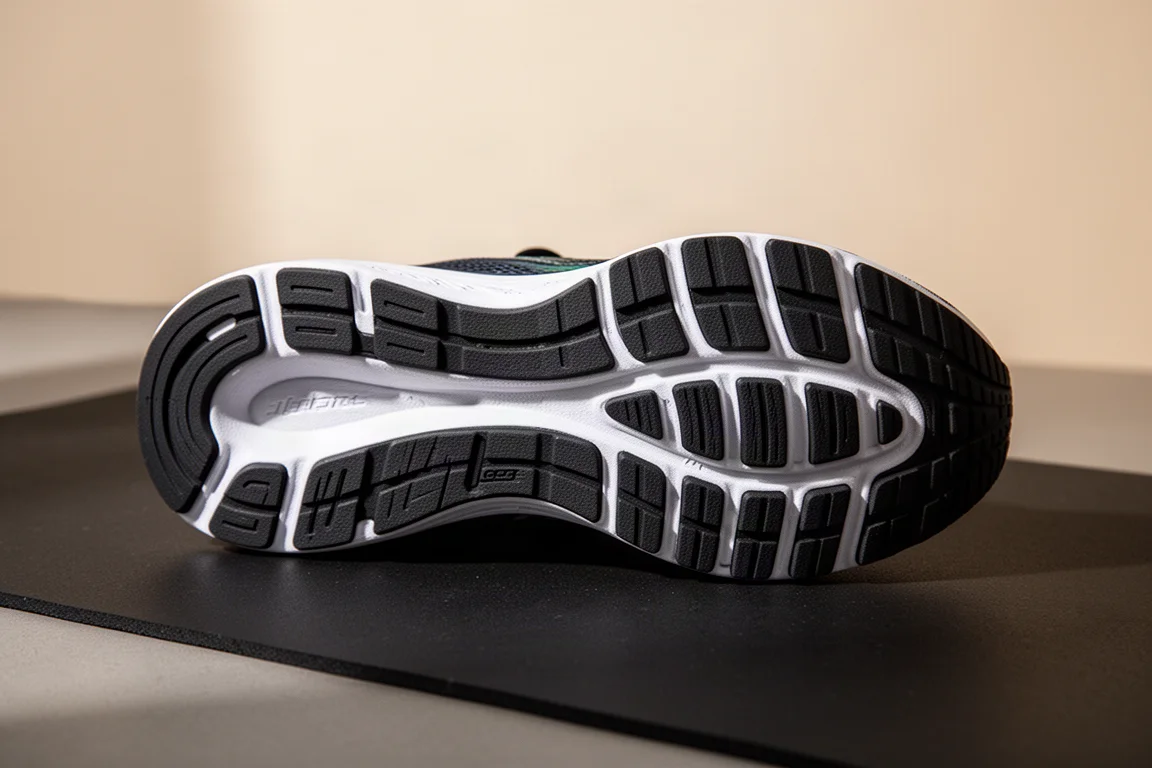
The bigger fit consideration is the Arch Fit insole. It pushes noticeably into the posterior midfoot and the back portion of the arch, which caused some discomfort during break-in before compressing with more miles. If you have a slightly more posterior arch, this shaping may actually work well for you. If your arch sits differently, expect a break-in period or consider swapping the insole.
Durability and Who It Suits
Durability is the standout improvement. Skechers models have historically been difficult to keep alive, and the new outsole rubber with its ample coverage addresses that directly. This is a tank of a shoe: it will handle lots of easy miles and run through pretty much any road environment. What it will not do is go fast.
If you were unimpressed with durability in previous versions, want more of a rockered ride and that M Strike feeling, and need a dependable easy-day trainer, the Max Road 6 deserves a look.
Conclusion
The Go Run Max Road 6 is a very different shoe from its predecessors: heavier, much more durable, and more cushioned once broken in. Expect a break-in period of around 20 miles, be aware of the Arch Fit insole’s posterior arch pressure, and go in expecting a tank rather than a speedster. For high-volume easy miles on any road surface, it is a compelling option.
Product link
View more details for Skechers Go Run Max Road 6
This product is mentioned in the review. Check the specifications, options, and compatibility before buying.
View more details for Skechers Go Run Max Road 6Further reading
Related Reviews

Running Shoes
Best Road-to-Trail Running Shoes: Three Versatile Options for Mixed Terrain
A practical guide to three road-to-trail running shoes that handle both pavement and mild trails, with clear strengths and trade-offs for different runner types.

Running Shoes
Best Running Shoes for Achilles Tendonitis: Three Options Explained
Three running shoes with different heel drops and support features designed to help reduce Achilles tendon pain during walking and running.

Running Shoes
Best Running Shoes for Women: Five Top Choices Ranked
A ranked guide to five women's running shoes, from versatile daily trainers to high-performance racing options, with real strengths and trade-offs for each.