Running Shoes
Skechers Go Run Alpha Tempo Review: A Hybrid Speed Trainer With Real Potential
Skechers' carbon-infused tempo trainer brings elite-tier geometry and huge rubber coverage, but weight, price, and a firm forefoot hold it back from greatness.
Introduction
Skechers is one of the originals in the high-tech running foam game. The brand pioneered supercritical foam construction long before it became an industry standard, holding a patent on its specific method of gas-infused foaming. Despite that pedigree, Skechers remains a brand many runners overlook, which is exactly why the Go Run Alpha Tempo is worth a closer look.
Positioned as a hybrid racing and training shoe, it was initially developed under the name Speed Beast before launching as the Alpha Tempo. The pitch: high-performance cushioning, quick turnover, and an aggressive rocker designed to promote efficiency at race pace. After a 12-mile test run at faster aerobic paces, here is how it actually stacks up.
First Impressions and Specs
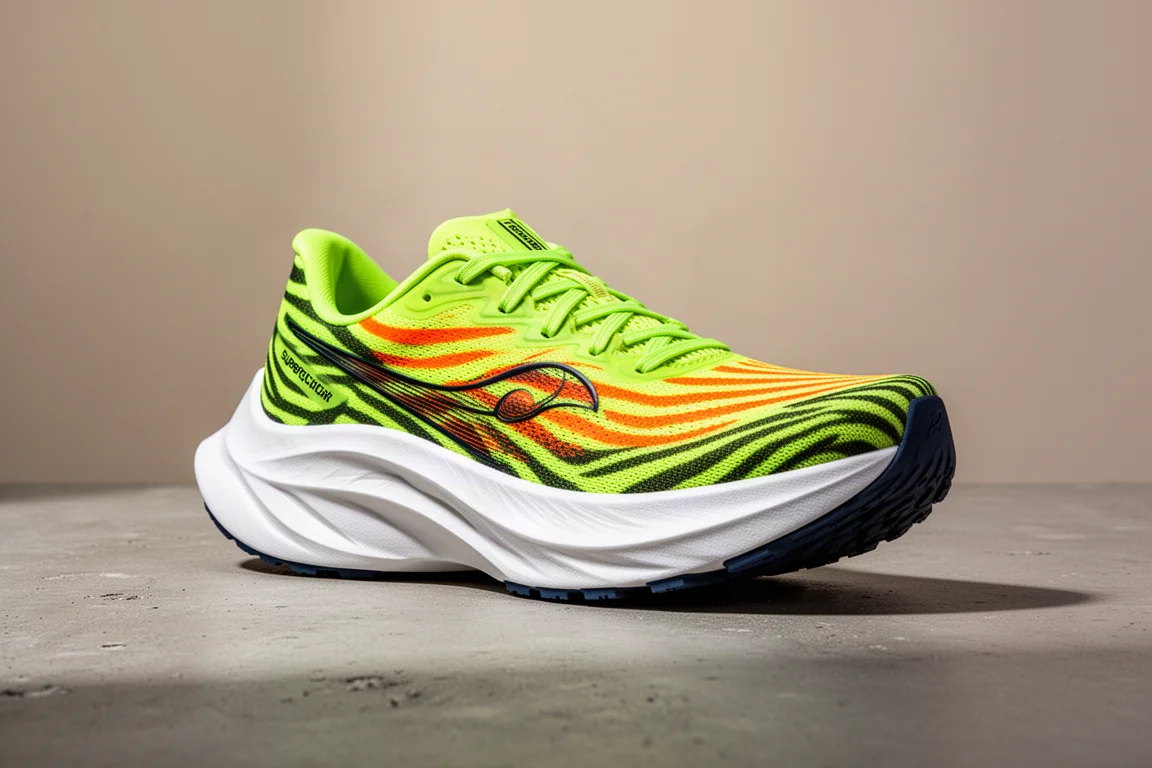
The Alpha Tempo makes a statement visually. The test colorway pairs neon green with neon orange in a bold, zebra-like pattern, and the build quality feels sharp straight out of the box. The upper is a lightweight engineered mesh with a lace pass-through, a non-gusseted tongue, and light reinforcement around the heel. It is not heavily padded, which fits the shoe’s speed intentions.
Underfoot, the spec sheet is substantial:
- Hyper Burst Pro midsole: a supercritical TPU foam injected with gas during manufacturing, designed for a softer feel with higher resiliency while staying lightweight
- Carbon-infused Forefoot (4FT) plate: a partial plate that starts after the midfoot and extends nearly to the tip of the forefoot
- Hyper Arc rocker: a strongly curved platform with generous curve at the heel, which rolls heel strikers through the stride nicely
- Arch Fit insole: a removable TPE insole with a distinctive arch bump in the middle
- Goodyear rubber outsole: extensive, aggressive tread coverage
Stack height is 40 mm in the heel and 36 mm in the forefoot, an 4 mm drop that closely matches shoes like the New Balance SC Trainer V4 generation of speed trainers.
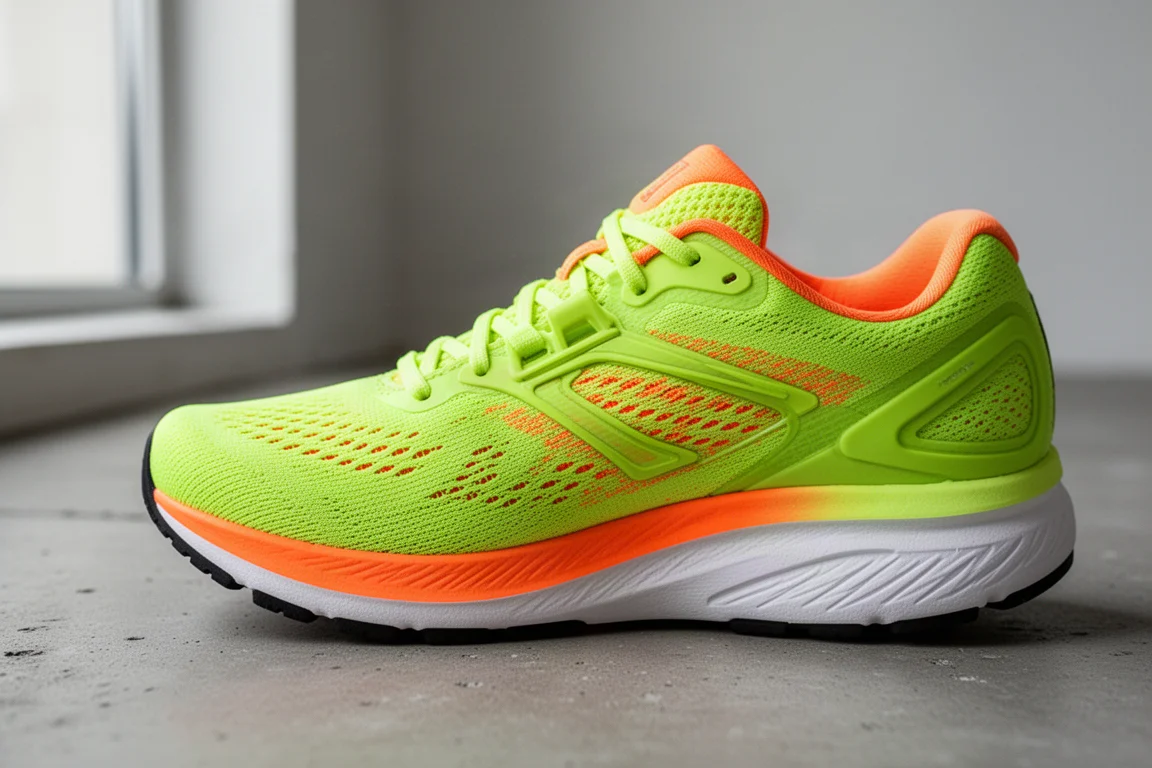
One quirk worth flagging: the Arch Fit bump is genuinely noticeable on step-in, particularly in the center of the foot. Some runners will not get along with it. The good news is that it disappears once you start running, and swapping in a flatter aftermarket insole removes it entirely if it bothers you.
Weight and Price
On the scale, the right shoe came in at roughly 282 g with the left nearly identical. That is significantly heavier than dedicated racers like the Nike Vaporfly at around 200 g, and heavier than the Saucony Endorphin Speed 3 and 4 at 220 to 240 g.
For context, the two closest competitors weighed in the same session:
- New Balance SC Trainer V2: about 290 g, nearly identical to the Skechers
- Adidas Boston 12: about 266 g, the lightest of the trio
The TPU foam is the likely culprit. TPU compounds such as Adidas Boost and Saucony’s PWRRUN+ tend to run heavier than PEBA-based foams, which gives the Alpha Tempo a slightly bottom-heavy feel despite its lightweight upper.
Pricing is the sticking point. At $185, the Alpha Tempo costs more than both the SC Trainer V2 and the Boston 12, and more than most speed-oriented trainers in this segment. That price demands performance that outshines the competition, and on first run it does not quite get there.
How It Rides
After a 12-mile aerobic run averaging around 7:04 per mile, with mid-run cruising at 7:00 flat and a progression down to 6:30 on the final downhill-assisted mile, the character of this shoe became clear.
The foam rides firmer than expected. Rather than the soft, bouncy feel some TPU-based shoes deliver once broken in, the Hyper Burst Pro feels like a brand-new Boston 12: rigid and stiff out of the box, with a stable, planted sensation and a modest bit of pop in the forefoot. The geometry is superb, sitting comfortably alongside the best rocker designs in the category, but the ride is defined more by the plate than the polymer.
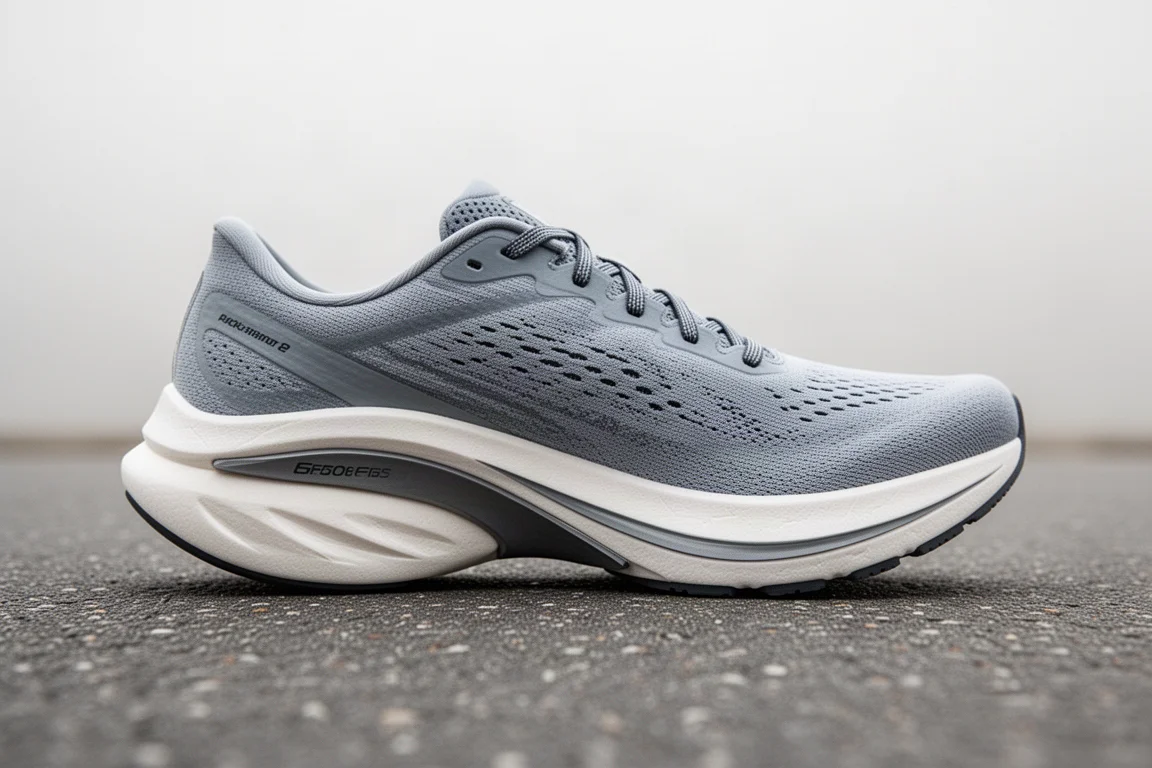
That partial carbon-infused plate is the double-edged sword. It reinforces the rocker beautifully and creates an authoritative roll-through, but the forefoot feels notably rigid at push-off, almost like a firm bar under the front of the foot. The heel, meanwhile, is softer than the forefoot, giving a pleasant, protective landing with good impact absorption before the roll.
The upper fit is genuinely excellent. The shoe hugs the foot snugly without pinching, holds it firmly in place, and the rearfoot is executed better than the floppy upper on the Boston 12, despite the similar material. The heel is slightly narrow, the midfoot is decently wide, and the forefoot is snug.
One real complaint: the toe box. It is tight, structured, and unforgiving, closer to the narrow Saucony Endorphin Speed 3 fit than the roomier SC Trainer V2 or Boston 12. Toes were noticeably compressed. A more flexible and slightly wider toe box would improve the fit considerably.
Outsole and Durability Potential
The Goodyear rubber outsole is arguably the best feature of this shoe. Coverage is enormous, with aggressive tread that borders on trail-shoe levels of grip. During a walk test on dry pavement, the traction was immediately perceptible.
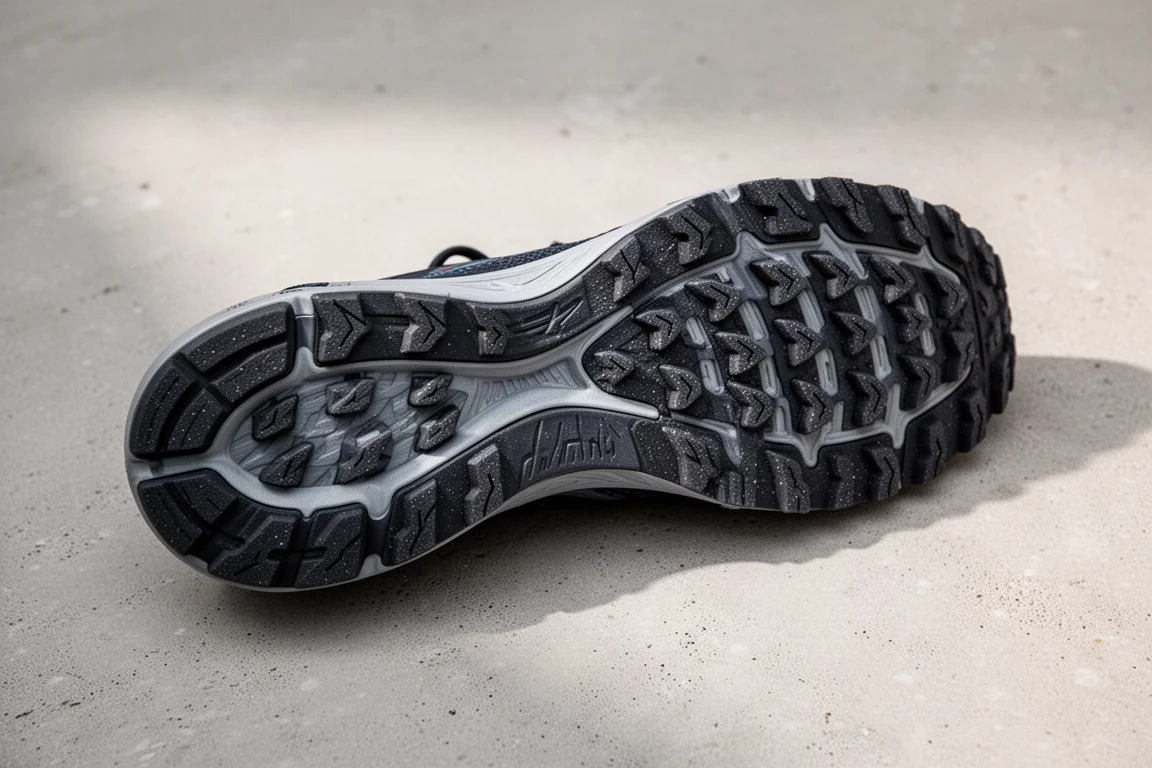
If Skechers keeps this positioned as a training shoe, the rubber should stay exactly as is. It suggests strong performance across varied terrain and in wet weather, and the long-lasting nature of TPU foam points toward excellent durability. Comparable TPU midsoles have delivered 350 to 700 miles in other shoes while still feeling intact.
If Skechers wanted to push this toward true racing duty instead, the rubber would need to be thinned and lightened significantly, and some foam shaved away, following the more strategic, lighter outsole approach seen on premium racers.
Things to Consider Before Buying
- Weight: at roughly 282 g, this is a trainer, not a racer, whatever the marketing copy says
- Firm forefoot: the carbon-infused plate plus firm TPU foam create a rigid push-off that may not suit everyone
- Price: $185 undercuts nothing; it costs more than the Boston 12 and SC Trainer V2 while not clearly outperforming either
- Toe box: tight and structured, a poor fit for wide-footed runners
- Arch Fit bump: noticeable on step-in for some, though it fades once running
Buying Advice
This shoe is best at the faster end of the pace spectrum. It shines around marathon-pace effort and quicker, where the firm platform and rocker geometry reward committed tempo running. For easy miles and warm-up paces, the SC Trainer V2 is simply more pleasant.
Think of the Alpha Tempo as a durable, wet-weather-capable speed trainer for longer miles with pace, in the same spirit as the Boston 12. Legs felt protected and fresh after 90 minutes of running, with no harsh ground feel or joint pounding thanks to the tall stack.

If Skechers wants this shoe to compete in its next generation, the formula is clear: price it at or below $160, soften the foam slightly, reconsider the plate material, and widen the toe box. The bones of a great shoe are all here. Right now, it is good rather than great, and it does not clearly beat the Boston 12 for long-distance speed or the SC Trainer V2 for relaxed cushioning at any single thing.
Conclusion
The Skechers Go Run Alpha Tempo delivers elite-tier rocker geometry, outstanding rubber coverage, a superbly comfortable upper, and likely excellent durability. Firm forefoot feel, a heavier TPU midsole, a tight toe box, and a premium price keep it from topping its class. If it matches your pace profile, a durable tempo trainer for marathon-pace work, it is a legitimate option, but buyers comparing it directly against the Boston 12 or SC Trainer V2 should weigh the $185 price carefully.
Product link
View more details for Skechers Go Run Alpha Tempo
This product is mentioned in the review. Check the specifications, options, and compatibility before buying.
View more details for Skechers Go Run Alpha TempoFurther reading
Related Reviews

Running Shoes
Best Road-to-Trail Running Shoes: Three Versatile Options for Mixed Terrain
A practical guide to three road-to-trail running shoes that handle both pavement and mild trails, with clear strengths and trade-offs for different runner types.

Running Shoes
Best Running Shoes for Achilles Tendonitis: Three Options Explained
Three running shoes with different heel drops and support features designed to help reduce Achilles tendon pain during walking and running.

Running Shoes
Best Running Shoes for Women: Five Top Choices Ranked
A ranked guide to five women's running shoes, from versatile daily trainers to high-performance racing options, with real strengths and trade-offs for each.