Running Shoes
Skechers Arrow Razor Review: The Razor Returns With a New Foam and a New Attitude
The Skechers Running Razor Arrow Razor brings Hyper Burst Pro to a 36 mm stack at just 198 g, and it may be one of the best values in running this year.
Introduction
Skechers made a genuine splash years ago with the Razor 3, a shoe that earned real affection in the running community under the Skechers Performance sub-brand. Now the Razor is back with a new foam, a new flag, and a very different fit. The Skechers Running Razor Arrow Razor is not a re-release; it is a significant upgrade, and it arrives at a price that is hard to ignore.
This review breaks down what the Arrow Razor offers, then compares it against three alternatives: the Skechers Arrow Spark, the Puma Velocity Nitro 4, and the ASICS MegaBlast.
The Return of the Razor
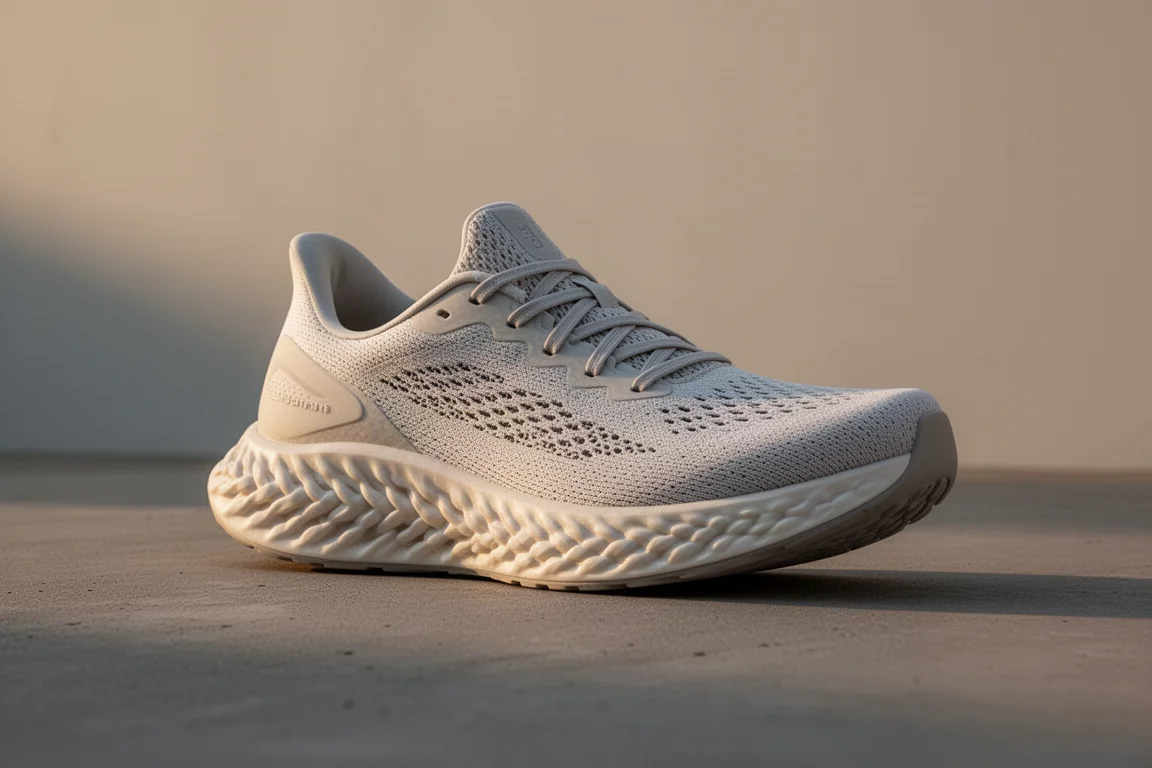
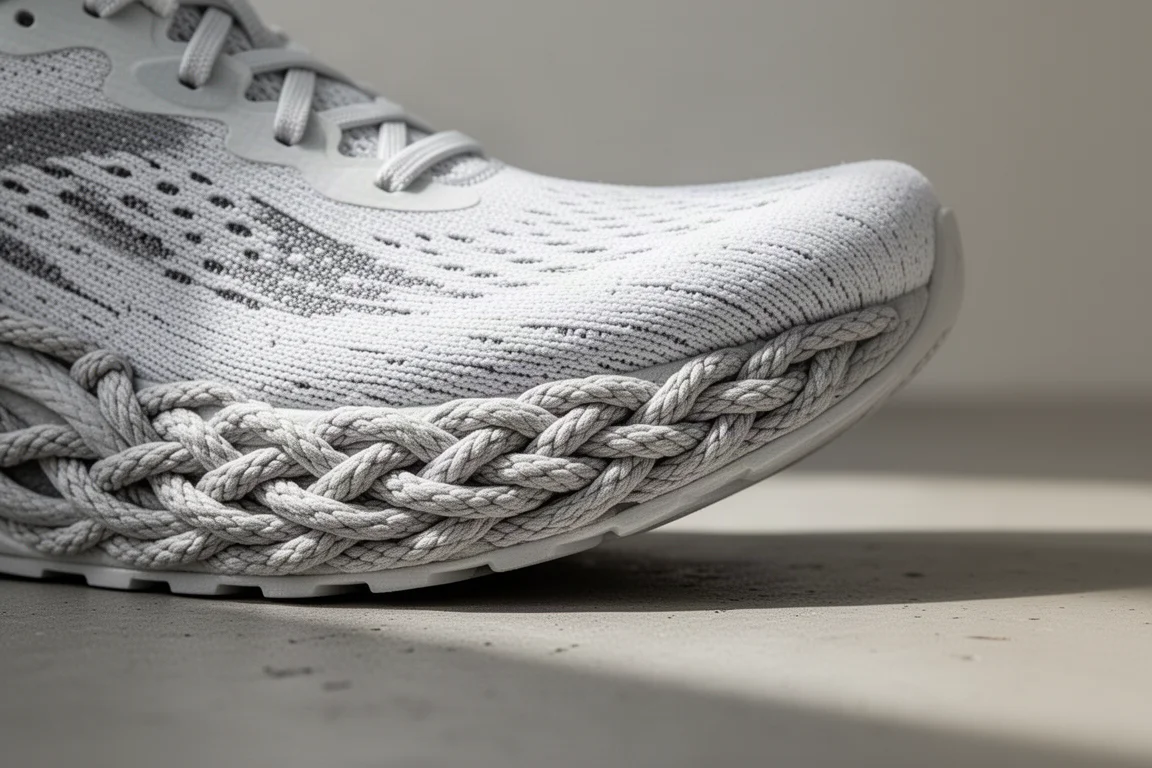
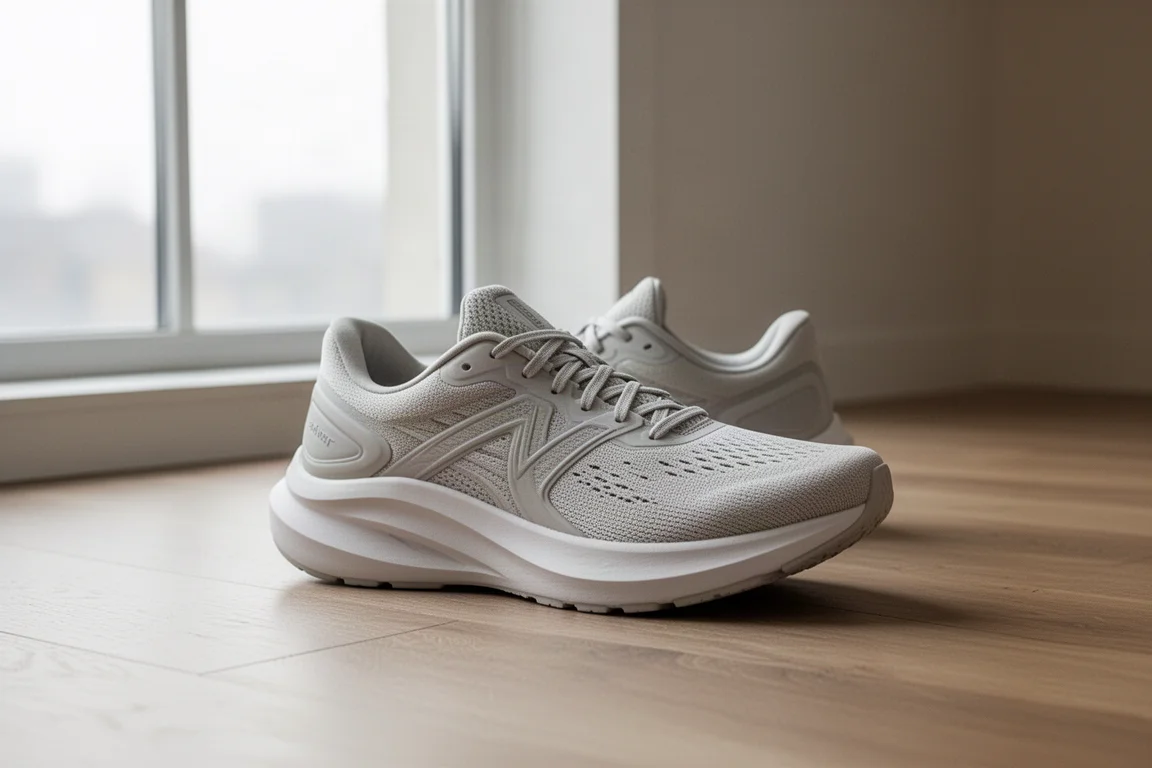
The Arrow Razor starts with serious numbers: a 36 mm stack height at the heel, 32 mm in the forefoot, and a 4 mm drop. The midsole uses Hyper Burst Pro, which is made from aliphatic TPU. The unusual part is the finish: the entire midsole foam looks wrapped in some sort of braided jacket, almost like the sheath around a climbing rope, and it extends across the outsole too. It is a distinctive look that few other shoes share.
Weight is where this shoe quietly wins its class. Skechers kept it extremely light for the category, with a measured weight of just 7 oz, or 198 g. Combined with the $140 retail price, the value proposition is hard to argue with.
Design and Build
Beyond the foam, the Arrow Razor uses a nylon H wing in the forefoot rather than a full carbon plate. It is a minimal structure: two thin strips running along the edges of the foot pads, connected by a cross member. Because it is nylon rather than carbon fiber, it is very flexible, which suggests it is there to stabilize the foam and keep it from getting too squishy, not to add spring.
The geometry leans toward midfoot strikers. There is a very early rocker, meaning the shoe begins curling upward well before the toe, plus an aggressive toe spring with a lot of taper through the forefoot. That said, even forefoot strikers report plenty of usable foam under the front of the shoe, one of the benefits of TPU.
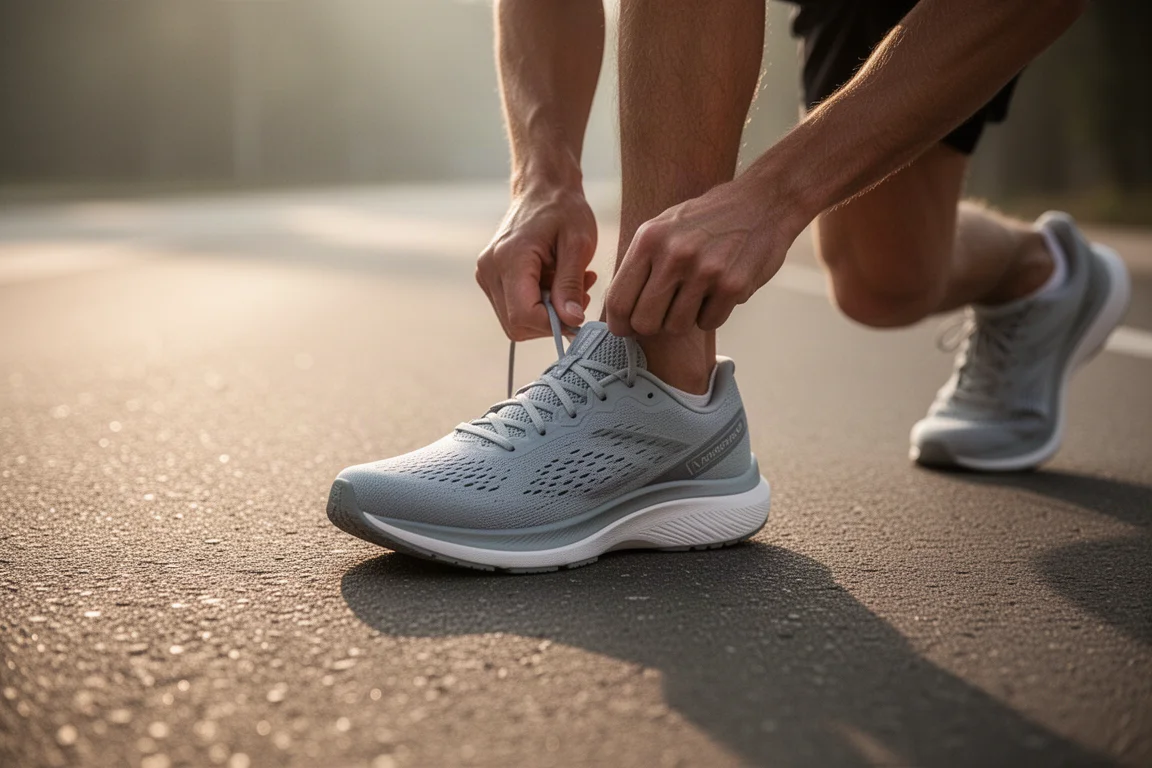
Protection comes from co-branded Goodyear rubber, a long-standing feature of Skechers performance running shoes. There is generous coverage in the forefoot and two skids protecting each side of the heel, with some exposed foam and cutouts in the middle. Up top, a thin engineered mesh feels strong and breathable, the tongue is thin with light padding, and the heel collar keeps padding restrained.
Fit and Feel on the Road
Going with your regular running shoe size should work well here. Compared to the old Razor 3 and Razor 3 Plus, the fit is a little more snug and less voluminous in the forefoot and toe box. For a shoe meant to run faster, that correction feels like a genuine improvement rather than a compromise.
On the road, the Arrow Razor proves remarkably versatile. It has handled long runs with up-tempo miles, fartlek sessions with threshold efforts, and everything in between. The foam feels more like daily training TPU than race-day TPU: firmer than you might expect in a racing shoe, but with a nice sense of cushion that absorbs shock without feeling mushy. After compression, it gives a reasonable pushback, though it is not the most explosive foam available.
One reassuring detail: the nylon H wing is essentially unnoticeable underfoot. If you want a fast, versatile shoe with effectively no plate feel, that should not rule it out.
Skechers Arrow Spark: Hard to Recommend Over the Razor
The Arrow Spark occupies a confusing spot in the lineup. It targets the same speedy workout role as the Arrow Razor but uses Hyper Burst Ice, a foam that feels like the older nitro foams of years past, getting more responsive the faster you run. It is a good shoe, but it carries a very retro feel for 2026.
It is also several ounces heavier, weighing over 9 oz in a US men’s size 9, and costs $135, only $5 less than the Arrow Razor. With a 6 mm drop instead of 4 mm and a different toe spring, it may be the slightly more heel-striker-friendly option of the two, but the lineup does not really justify carrying two tempo shoes. For almost anyone considering the Spark, the Arrow Razor is the better pick.

Puma Velocity Nitro 4: The Everyday Alternative
The Puma Velocity Nitro 4 takes a very different approach with nominally similar foam chemistry. It runs a 10 mm drop with lots of heel cup padding, following something closer to a Pegasus or Ghost formula. The TPU here is noticeably denser, possibly the densest formulation around, yet it still delivers a fun and peppy ride with genuine pace versatility.
The choice between it and the Arrow Razor is not about which shoe is better, but which shoe you need. If you want a daily training everyday shoe, the Velocity Nitro 4 fits that brief, and it also costs $140. For faster jobs or longer runs, the Arrow Razor is the stronger pick.
ASICS MegaBlast: More Cushion, More Money
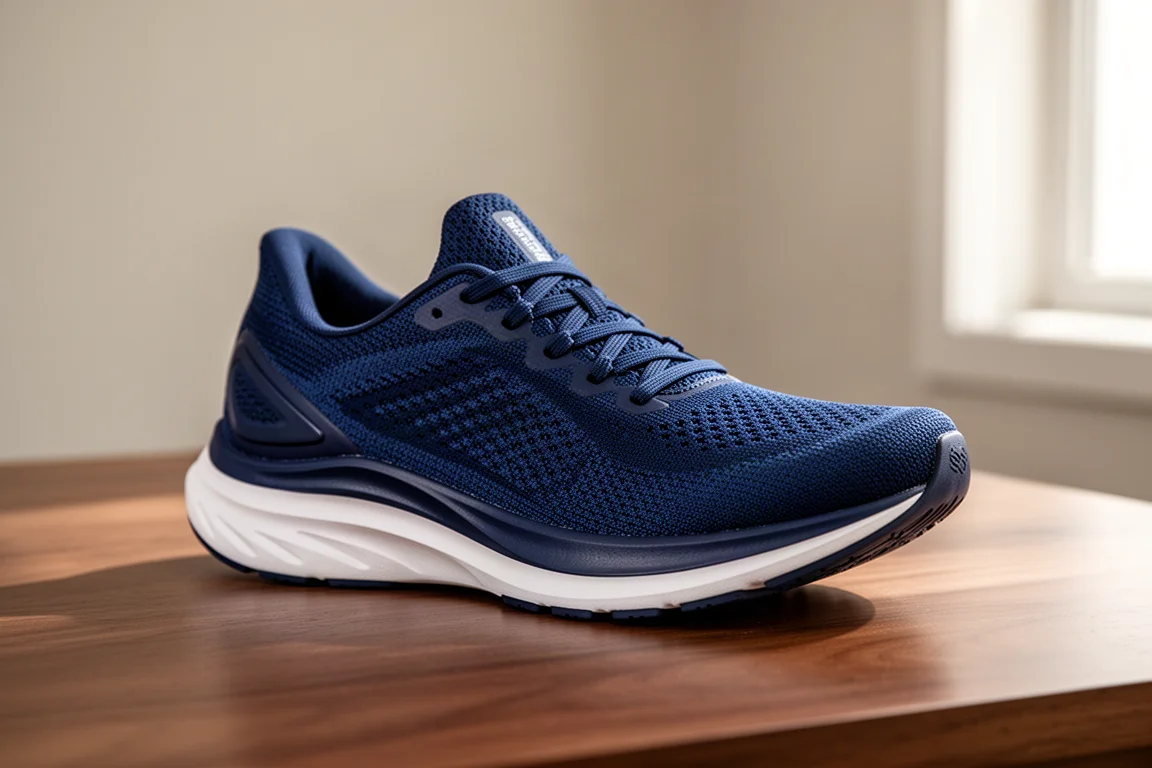
The ASICS MegaBlast was one of the favorite shoes of 2025 and remains one of the most exciting examples of aliphatic TPU done well. The TPU caliber here is arguably nicer than what is in the Arrow Razor, with better cushioning, more of it in the forefoot, and a more controlled compression and decompression at speed. The Arrow Razor can feel slightly bouncy by comparison, not in a bad way, just less refined.
The trade-offs are weight and price. The MegaBlast weighs 222 g against the Arrow Razor’s 198 g, and at $225 it is significantly more expensive, a price many would call too high for what it delivers. Where each shoe shines differs too: the Arrow Razor excels at threshold pace, VO2 max efforts, and 5K race pace, while the MegaBlast is more at home at slightly more relaxed paces, on long runs, or as a marathon racing option.
Buying Advice
At $140, the Arrow Razor is a phenomenally good price for what you get, and it may be one of the best values in running this year. It is a fun, fast tempo shoe that works for speedy long runs and a wide range of workouts, and it makes a compelling choice for runners who want a racing-capable shoe without heavy carbon plating.
If even $140 is too much, Skechers still sells the prior-generation Go Run Razor 5, though its ride is not personally verified here. Otherwise, match the shoe to the job: everyday mileage points to the Velocity Nitro 4, long run and marathon duty points to the MegaBlast despite its price, and nearly every Spark shopper should pivot to the Arrow Razor.
Conclusion
The Razor is back, and it returned as something better than nostalgia. The Skechers Running Razor Arrow Razor combines a versatile aliphatic TPU midsole, an aggressive yet usable geometry, and a 198 g weight into a package that costs far less than most of its competition. For tempo days, fast long runs, and everything in between, it is one of the most complete packages in running right now.
Further reading
Related Reviews

Running Shoes
Best Road-to-Trail Running Shoes: Three Versatile Options for Mixed Terrain
A practical guide to three road-to-trail running shoes that handle both pavement and mild trails, with clear strengths and trade-offs for different runner types.

Running Shoes
Best Running Shoes for Achilles Tendonitis: Three Options Explained
Three running shoes with different heel drops and support features designed to help reduce Achilles tendon pain during walking and running.

Running Shoes
Best Running Shoes for Women: Five Top Choices Ranked
A ranked guide to five women's running shoes, from versatile daily trainers to high-performance racing options, with real strengths and trade-offs for each.