Running Shoes
Skechers Aero Tempo First Run Review: A Firm, Fast Surprise
Skechers' new Aero Tempo speed trainer combines dual Hyper Burst foam, a carbon-infused plate, and a Goodyear outsole at $160. Here's how it performed over 15 miles.
Introduction
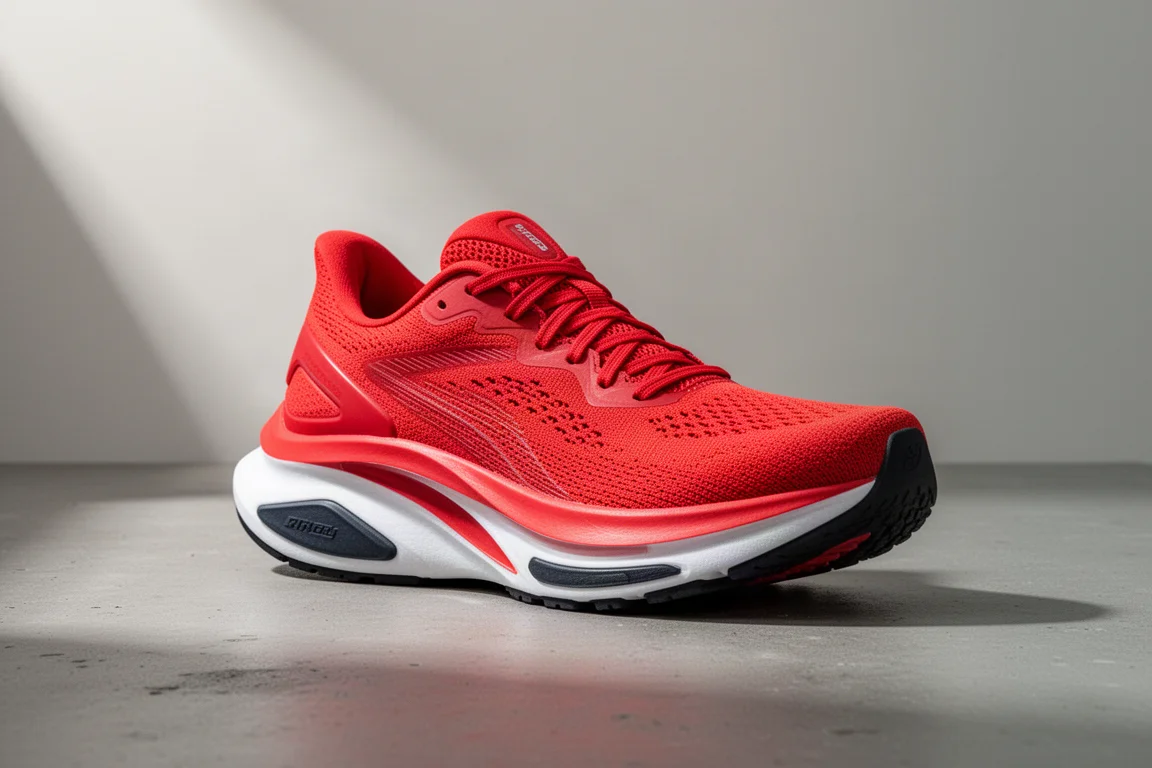
Skechers has been quietly building a credible performance running lineup for a few years now, and the Aero Tempo is its latest attempt to push further into the speed training category. Arriving at $160 with a bold red colorway, dual Hyper Burst foam, a carbon-infused plate, and a Goodyear outsole, it is one of the more intriguing releases of the season. The big question: can it actually compete with the established speed trainers, or is the Skechers name still a barrier? After a 15-mile first run that included marathon-pace repeats, here is what we found.
First Impressions and Specs
Out of the box, the Aero Tempo makes a statement. The tagline is “comfort that performs,” and the packaging lays out the tech clearly: a TPU-based Hyper Burst Pro foam in the front, standard Hyper Burst in the back, a small carbon-infused plate, and a Goodyear rubber outsole. The plate is partial rather than full-length, similar in spirit to the short plastic piece found in the Adidas Evo SL.
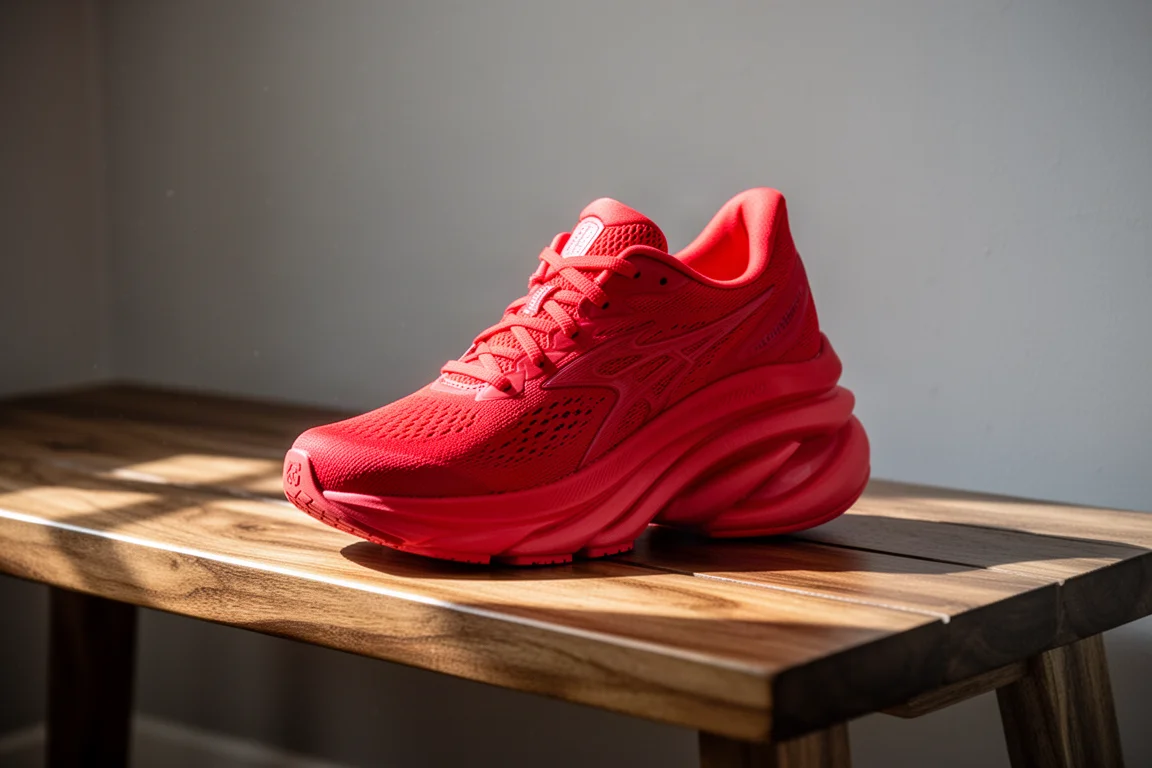
On the scale, it comes in at 262 g, with excellent quality control: 264 g on the right shoe and 262 g on the left. Stack height measures 38 mm in the heel, putting it right in line with the Evo SL, which is the most natural benchmark for this category. Compared with the Saucony Endorphin Speed 3 at 272 g, it is decently lightweight for the amount of foam on offer, and it sits well above true race shoes, which typically land around 220 to 235 g.
Design and Tech Highlights
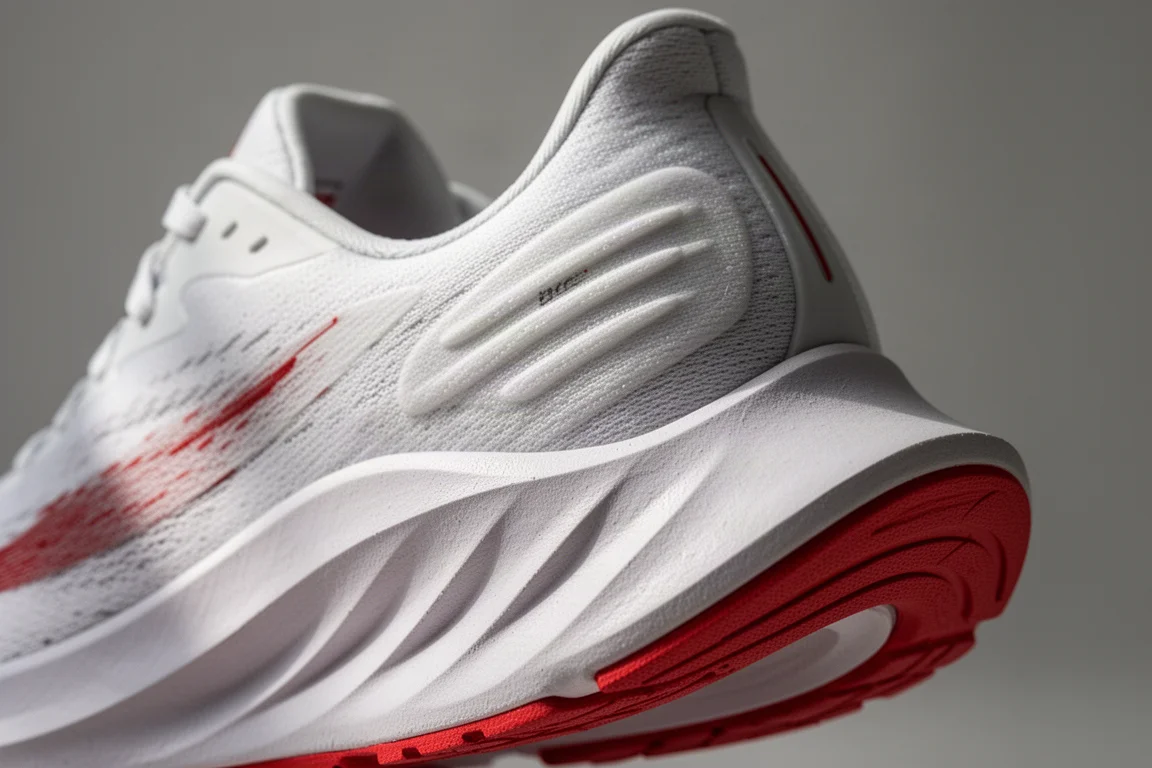
The geometry is the star of the show. The Aero Tempo features one of the most aggressive heel bevels and rockers we have seen on a trainer, with a split forefoot and a disconnected heel that give off clear Nike Alphafly vibes. The dual-foam setup is designed so the firmer Hyper Burst in the rear adds a first line of stability, while the smoother, bouncier Hyper Burst Pro sits up front.
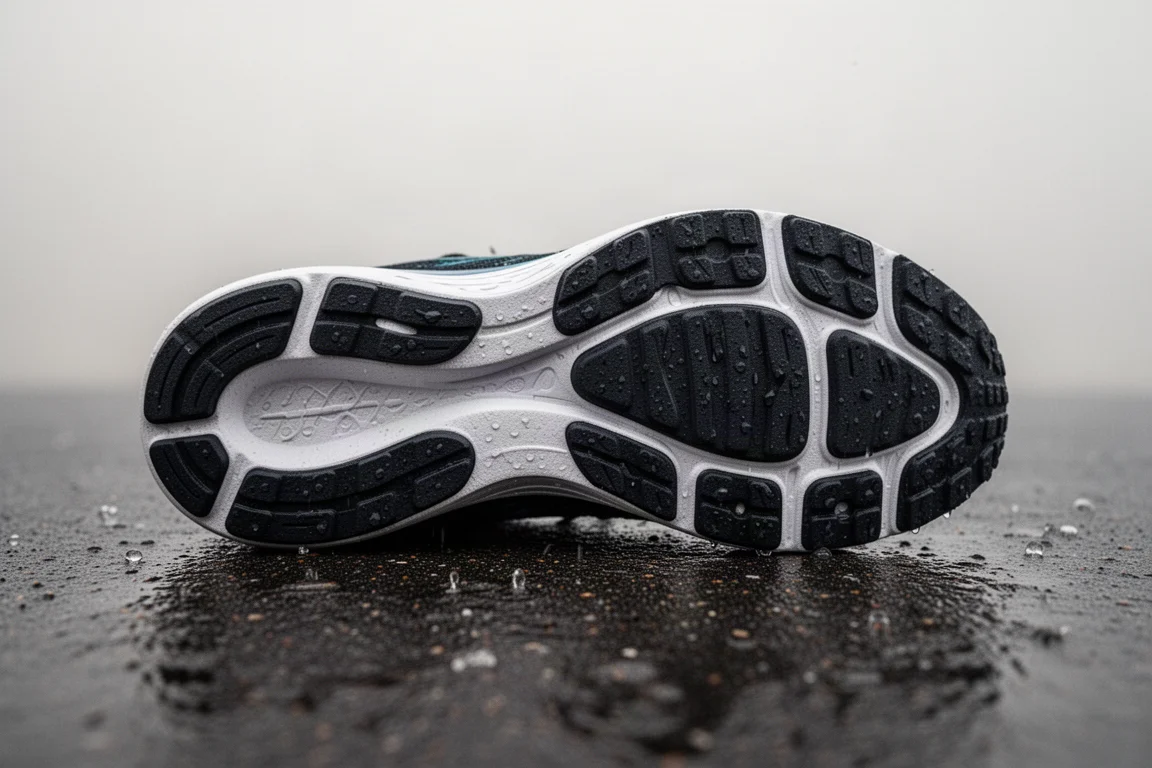
The Goodyear partnership is not new; Skechers has been working with the tire brand for years, and the grip has historically been solid. The outsole uses a robust layout with a large rubber chunk under the midfoot, the opposite of the cutout approach many race shoe brands take. For runners who drive a lot of power through the shoe, that design choice matters.
Fit and Comfort: The Weak Point
This is where the Aero Tempo stumbles, and it stumbles hard. The toe box is extremely low volume and narrow, with a plasticky, net-like upper that has no give at all. It fits like a racing shoe from Puma or Nike: tight in the front, yet strangely loose in the heel. That combination, a squeezed forefoot paired with heel slip, is exactly what you do not want.
During the run, the tight fit left a blister on the outside of the right foot. If you have wide feet, this shoe is not going to work. The Evo SL has a more forgiving upper, and even the Boston 13 fits better. Comfort scores a 3 out of 10.
How It Runs at Speed
The first two miles were rough. The foam felt far firmer than the “comfort” marketing suggested, and at easy paces it simply did not feel good. But once the pace picked up, the story changed completely. At marathon pace and faster, this shoe comes alive. The bounce through the forefoot is impressive, the toe-off from the aggressive rocker is quick and satisfying, and the shoe rewards hard pushing rather than soft cruising.

This is a high-torque shoe rather than a high-horsepower one. It takes muscle and intent to unlock it, but when you stomp on the forefoot, the response is genuinely race-shoe-like in character. Mile repeats, 400s, and 800s all felt natural, and the shoe never bottomed out or felt mushy under load. The firm, robust character is closer to the ASICS Superblast or a firmer Boston 12 than to any soft, puffy daily trainer. Speed capability earns a 9 out of 10.
Durability, Grip, and Value
Grip was excellent on damp roads with no slipping at any point in the run. The substantial midfoot rubber should also resist the wear pattern that plagues lighter race shoes, which often cut out material in exactly the spot where heavier foot strike happens.
At $160, the value proposition is strong given the performance ceiling. There is visible foam creasing after the first run, so expect a break-in period similar to the Boston 12, which may soften the ride slightly. The upper issues, however, are unlikely to resolve with mileage.
Buying Advice
The Aero Tempo is a legitimate speed shoe, not a tempo shoe in the casual sense of the word. It is faster than most super trainers and holds its own against much more expensive options. If you want a firmer alternative to the Boston 12, or you enjoy the feel of the Brooks Hyperion Max 2, this is an easy recommendation. It could also work as a half marathon racing shoe for runners who do not want to spend $200 or more. If you are looking for a fun, comfortable shoe that can occasionally go fast, look elsewhere: the Evo SL or a true comfort cruiser like the Mizuno Neo Vista 2 will serve you better.
Conclusion
Skechers has delivered a genuine performance weapon with the Aero Tempo. The midsole and geometry are excellent, the speed capability is exceptional for a trainer at this price, and the grip is dependable. The narrow, plasticky upper and firm ride hold it back from universal appeal, which is why it earns an A minus rather than full marks. For runners who want to push the pace and do not mind a tight, race-oriented fit, this is one of the best speed training shoes available right now.
Product link
View more details for Skechers Aero Tempo
This product is mentioned in the review. Check the specifications, options, and compatibility before buying.
View more details for Skechers Aero TempoFurther reading
Related Reviews

Running Shoes
Best Road-to-Trail Running Shoes: Three Versatile Options for Mixed Terrain
A practical guide to three road-to-trail running shoes that handle both pavement and mild trails, with clear strengths and trade-offs for different runner types.

Running Shoes
Best Running Shoes for Achilles Tendonitis: Three Options Explained
Three running shoes with different heel drops and support features designed to help reduce Achilles tendon pain during walking and running.

Running Shoes
Best Running Shoes for Women: Five Top Choices Ranked
A ranked guide to five women's running shoes, from versatile daily trainers to high-performance racing options, with real strengths and trade-offs for each.