Running Shoes
Skechers Aero Spark First Run Review: A Firm, No-Nonsense Workhorse Speed Shoe
A heavier-than-expected but sturdy low-to-the-ground speed trainer with a Hyperburst Ice midsole, partial carbon plate, and impressive value for its category.
Introduction
The Skechers Aero Spark arrives in a category that has quietly fallen out of fashion: the lightweight, low-to-the-ground speed training shoe. While most of the market’s attention has shifted toward bulkier, more cushioned speed trainers with race-day foams and elaborate geometry, there is still a real place for a shoe that puts you closer to the ground and lets your foot do the work.
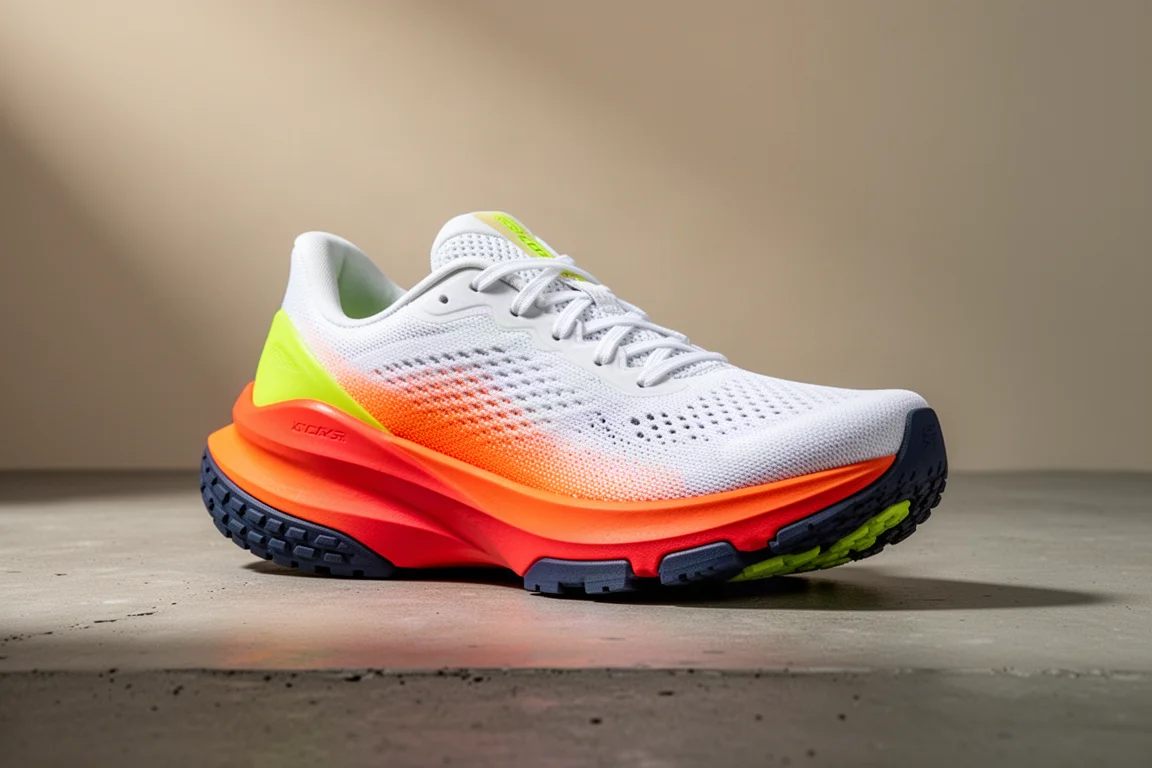
This is not a flashy max-cushion trainer, and it does not pretend to be. It is a traditional, firm-riding workhorse speed shoe with a partial carbon plate, a Hyperburst Ice midsole, and a full Goodyear outsole. After a first run of about six miles with strides and faster pace work, the verdict is that it is extremely solid rather than spectacular, which is exactly what this type of shoe should be. It earns a solid B to B+ as a first impression: sturdy, pleasant, and refreshingly free of gimmicks, but heavier than the category name implies.
Who This Shoe Is For
The Aero Spark is built for shorter daily efforts: strides, faster-paced runs, and shorter burners in the three to six mile range. It is a shoe for runners who want a more natural, connected feel and who occasionally want to vary the stress on their body within a rotation. A lower-to-the-ground shoe works different muscles than a high-stack trainer, and that variety is one of the underappreciated reasons to own something like this.
It is also a strong fit for runners who dislike overly soft, squishy foams. The midsole here is tuned firmer than many competing speed shoes, and it activates well at faster paces. If you miss older workhorse trainers in the vein of earlier Pegasus models or the Rebel V3 era, this shoe speaks your language. It is not a max cushion shoe and does not even feel like a standard daily trainer; it feels streamlined and closer to the ground, with about 20 mm of stack in the forefoot keeping things connected.
One honest caveat: this is not a tempo weapon. The brand’s own Aero Tempo covers that role with far more pop. If you want aggressive bounce and bite, that is the shoe to buy. The Aero Spark is more traditional, more durable-feeling, and considerably cheaper.
Specs: Heavier Than the Category Suggests
Here is where the Aero Spark earns its biggest demerit. For a shoe positioned as a lightweight speed trainer, the measured weight of roughly 310 grams in the tested size is a lot. For context, a Saucony Endorphin Speed 5 comes in around 257 grams, the Adidas Boston 13 around 275 grams, and even the heavily cushioned Magnify 3 at 40 mm of stack measures lighter. This shoe also sits above the Hoka Clifton in weight, which is a tough place for a low-stack speed shoe to be.

The weight likely comes from a denser midsole compound and generous rubber coverage rather than any single heavy component. The upper is comfortable but does not feel especially light or streamlined either. Skechers’ other releases this year have also run heavy and ridden well, so weight alone is not disqualifying, but it is the clearest area for improvement in the next iteration.
Fit is true to size, with good length in the toe box in a standard size. The width is not wide, but runners with standard feet should be fine. The heel collar offers good padding and a secure, locked-down feel. Notably, the infamous arch fit bump that bothered runners in earlier Skechers models has been largely cleaned up: there is little to no visible bump in the midfoot, though on foot it is the most noticeable of the recent Skechers releases.
Stack and Geometry
The heel stack measures around 36 to 37 mm, a few millimetres higher than the Boston 13 and very similar to the Endorphin Speed 5. The forefoot measures right around 30 mm at a four-foot measurement, closely matching the Boston 13’s geometry with perhaps a millimetre or two of difference.
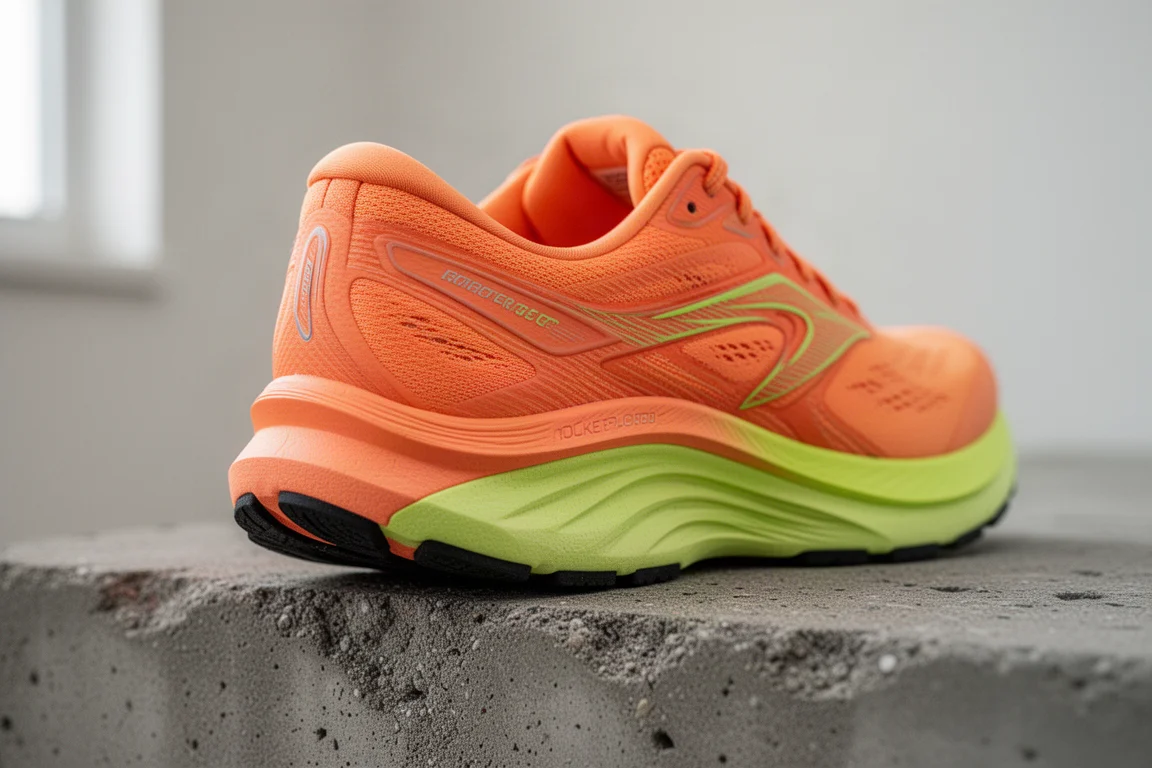
What distinguishes this from the Endorphin Speed is the foam character. Where the Saucony leans softer, the Aero Spark promises a firmer, more robust, more durable ride. The rocker is excellent and immediately noticeable, very similar to the Aero Tempo and Aero Burst. Combined with the midsole compound, that rocker is a big part of why Skechers’ recent shoes have consistently worked: when those two ingredients are done right, you get a good shoe.
Ride and On-Run Impressions
On the run, the Aero Spark is firmly on the firm side, with good ground feel and flexibility. Bounce is decent rather than wow-level, and the forefoot has a pleasant snap without the dramatic pop of a carbon-plated tempo shoe. The standout quality is how sturdy the platform feels: nothing bottoms out, nothing squishes away, and the ride stays predictable at pace.
The heel cushioning is underrated. The shoe encourages a forefoot landing, but it also rewards flatter, midfoot-to-heel landings with a genuinely good bounce response. It is a no-frills, traditional, let-you-do-the-work kind of ride, and that is the point.
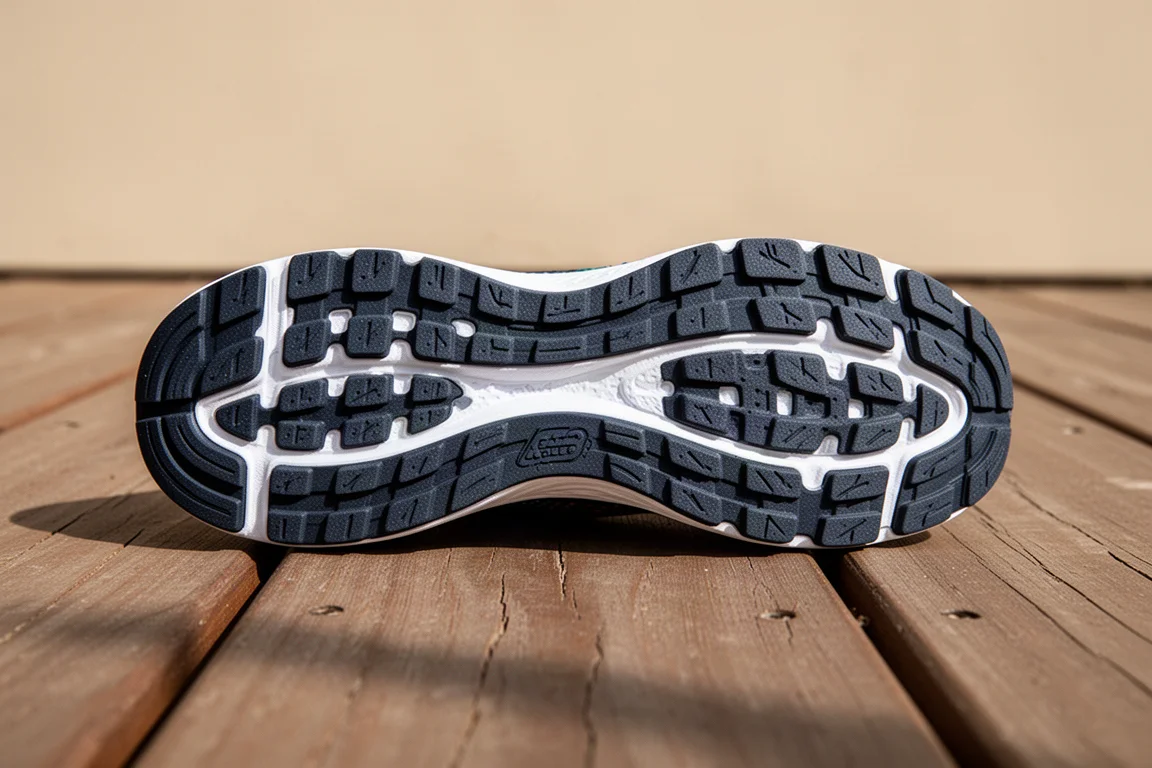
Grip is excellent. The full Goodyear rubber has real teeth and inspires confidence on the road. Durability is another strong signal: with the firm foam, generous rubber, and solid upper construction, this has the feel of a shoe that will go 300 to 350 miles rather than fading at 100 like some softer competitors. Stability sits in a sensible middle ground: not an unstable soft mess, but not a rigid lockdown shoe either. The intent is to let your foot do the work, and the shoe cooperates.
Over six miles, the shoe stood up well, which is where many low-stack lightweight shoes fall apart. The expectation is that it will hold up even better over 10 to 12 mile efforts, and it may get a touch peppier as it breaks in.
Things to Consider Before Buying
The weight is the main trade-off, and it is worth sitting with before buying. If you expect a 220-gram featherweight racer in the Rebel mold, you will be surprised in the wrong way. This rides closer to a Pegasus 39-style workhorse than a true lightweight speed shoe, and at 310 grams it gives up meaningful ground to the Endorphin Speed 5 and Boston 13 on the scale.
The payoff comes in price and durability. MSRP sits around $120 to $130, and with discount codes it has been seen under $100, making it cheaper than essentially every competitor in its category. Combined with the firm foam and robust construction, the value proposition is real.
Also consider the role it plays. This is a strength builder: a shoe that makes you feel connected to the ground, doing the work, and getting stronger. It is not the fastest shoe possible, and if your priority is chasing paces in workouts, a carbon-plated option or the Aero Tempo will serve you better. Two or three runs a month in something like this, though, is a genuinely useful way to vary training stress.
Buying Advice
For most runners, this shoe makes sense for runs up to six to eight miles, days with strides, and any session where you want a more grounded, traditional feel. It is the antidote to the Neo Vista and Aero Burst school of big, soft, rockered trainers, and it fills a rotation niche that fewer and fewer brands are bothering to fill.

If you are choosing between this and its direct rivals: it trades blows with the Rebel V5 and wins on durability, fit, and firmness, it sits near the Boston 13 in geometry with a bit more aggression in the forefoot, and it undercuts the whole category on price. If you simply want crazy bounce, buy the Aero Tempo instead. If you want a dependable, firm, no-nonsense speed shoe at a value price, this is an easy recommendation.
Conclusion
The Skechers Aero Spark is not the most exciting shoe on the market, and it does not ride quite the way its radioactive colorway and sparky name suggest. What it offers instead is a very solid, sturdy, traditional speed trainer with excellent grip, a great rocker, good heel cushioning, and a construction that should hold up over real mileage. It is the least flashy of Skechers’ recent releases, but there is literally nothing wrong with it, and sometimes that is the highest compliment a running shoe can earn. For runners seeking a workhorse speed shoe at a value price, this belongs on the shortlist.
Product link
View more details for Skechers Aero Spark
This product is mentioned in the review. Check the specifications, options, and compatibility before buying.
View more details for Skechers Aero SparkFurther reading
Related Reviews

Running Shoes
Best Road-to-Trail Running Shoes: Three Versatile Options for Mixed Terrain
A practical guide to three road-to-trail running shoes that handle both pavement and mild trails, with clear strengths and trade-offs for different runner types.

Running Shoes
Best Running Shoes for Achilles Tendonitis: Three Options Explained
Three running shoes with different heel drops and support features designed to help reduce Achilles tendon pain during walking and running.

Running Shoes
Best Running Shoes for Women: Five Top Choices Ranked
A ranked guide to five women's running shoes, from versatile daily trainers to high-performance racing options, with real strengths and trade-offs for each.