Running Shoes
Skechers Aero Series 2025: Tempo, Burst, and Spark Compared
Skechers rebuilt its performance running line around the new Aero series. Here is how the Aero Tempo, Aero Burst, and Aero Spark differ, and which runner each one suits.
Introduction
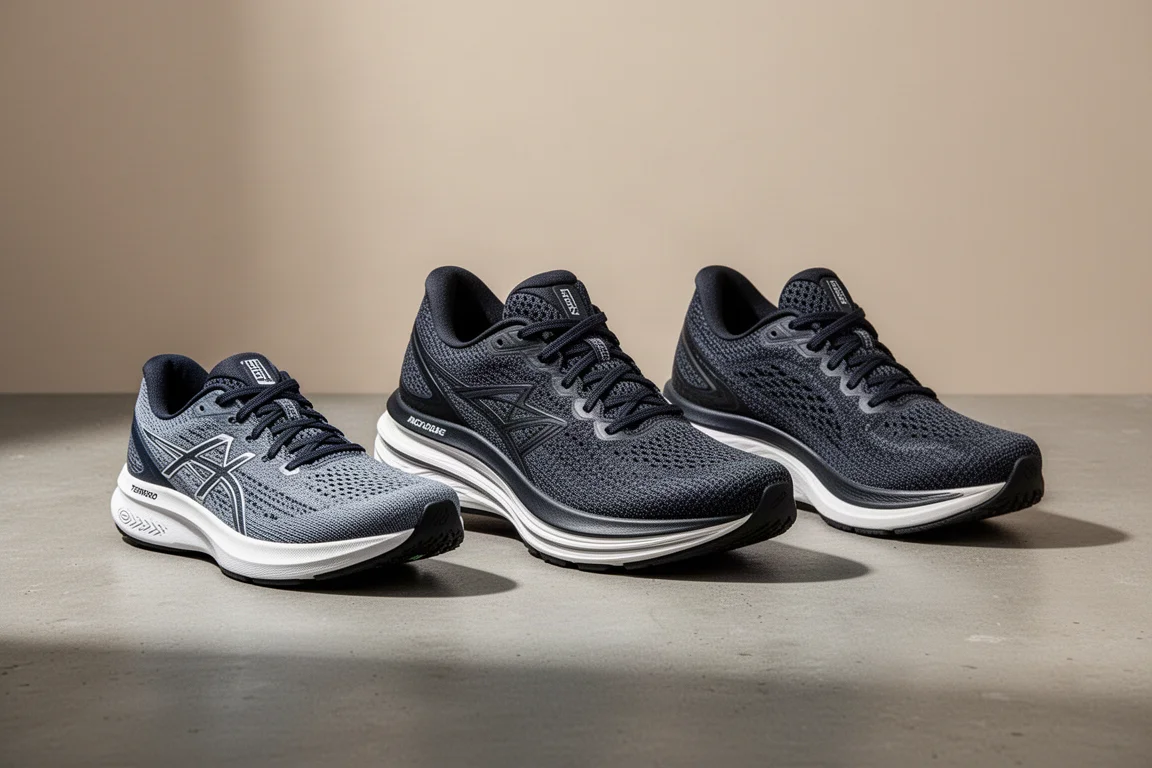
After a quiet stretch, Skechers is reorganizing its performance running line around an all-new Aero series for 2025. The design language borrows from aerodynamic shapes in industries like automotive and aviation, and it sets the tone for everything the brand is moving forward with. The three launch models cover distinct roles: a fast tempo shoe, a max-stack easy-day trainer, and a more traditional daily trainer. All three use supercritical Hyper Burst foam, a compound Skechers pioneered before most of the market, and all three keep the brand’s proprietary Goodyear rubber outsole. Here is how the lineup breaks down.
Skechers Aero Tempo: The Versatile Fast Shoe
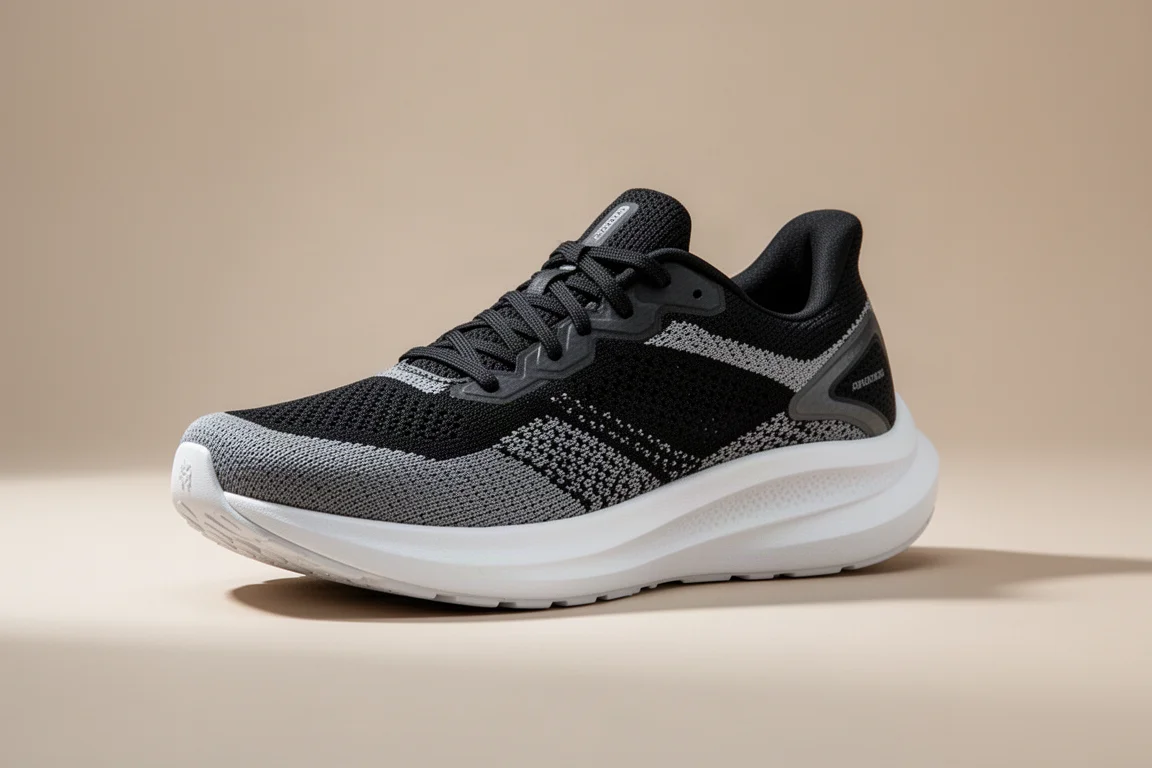
The Aero Tempo is the uptempo option in the new series. It carries 38mm of stack in the heel and 34mm in the forefoot, built on a single-density supercritical Hyper Burst midsole with Goodyear rubber underneath. The upper is a TPU woven construction that feels light, breathes well, and secures the foot nicely.
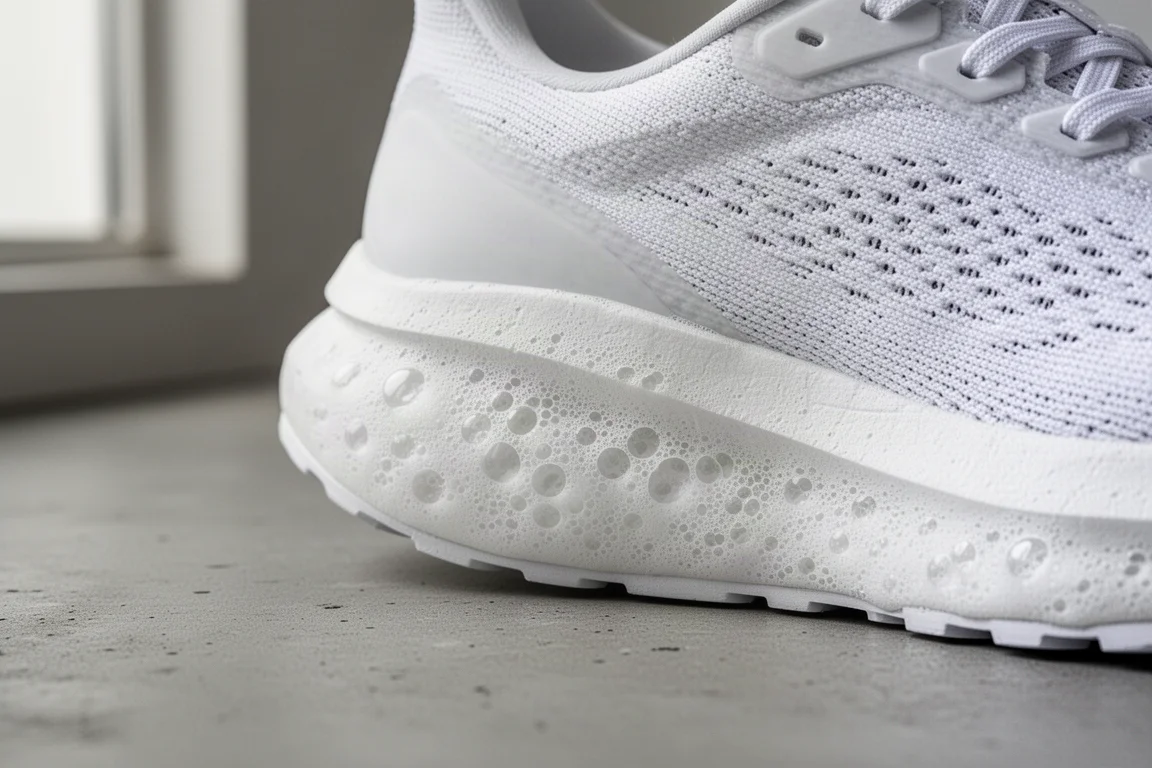
Weight comes in at roughly 8.5 oz on the men’s side and about 7 oz for women. The Tempo is priced at $160 with a release window around early April. It is clearly aimed at runners who want one shoe for faster workouts and uptempo days rather than slow recovery miles.
Skechers Aero Burst: Max Stack for Long Slow Miles
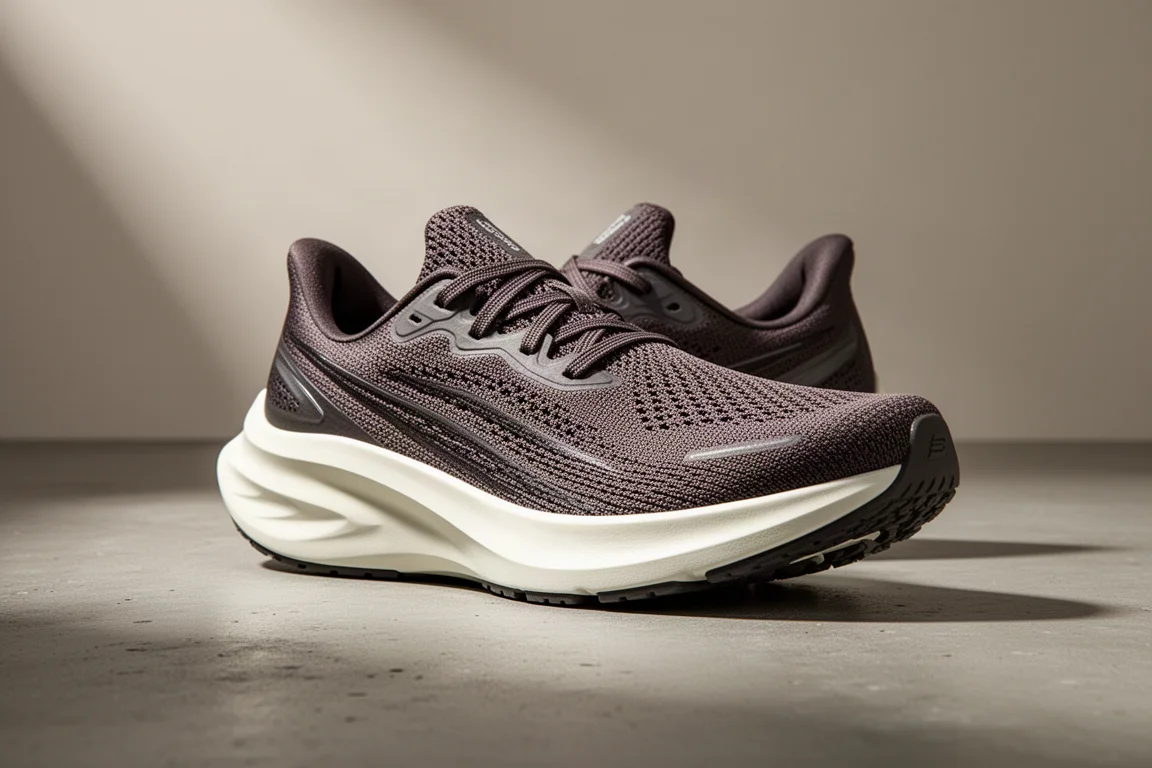
The Aero Burst is the max-stack model, built for long slow miles and everyday easy running where you want your legs to feel great the day after. It has 42mm of heel stack and 36mm in the forefoot, a 6mm drop, and Goodyear rubber placed strategically across the outsole rather than in a full grid. Horizontal flex grooves throughout the shoe help create a smooth transition.

Inside the midsole sits a carbon-infused H plate, a structure Skechers has used in past models, here shoring up torsional rigidity and adding a bit of pop at toe-off. The insole is an updated Arch Fit design: Skechers kept the geometry on top but sculpted out the underside with zonal engineering so the arch support feels more natural for a wider range of runners, addressing complaints that the old version could dig in on longer runs. Weight is right around 11 oz in men’s, a little heavier, but that fits the recovery-day role. Price: $140.
Skechers Aero Spark: The Traditional Daily Trainer
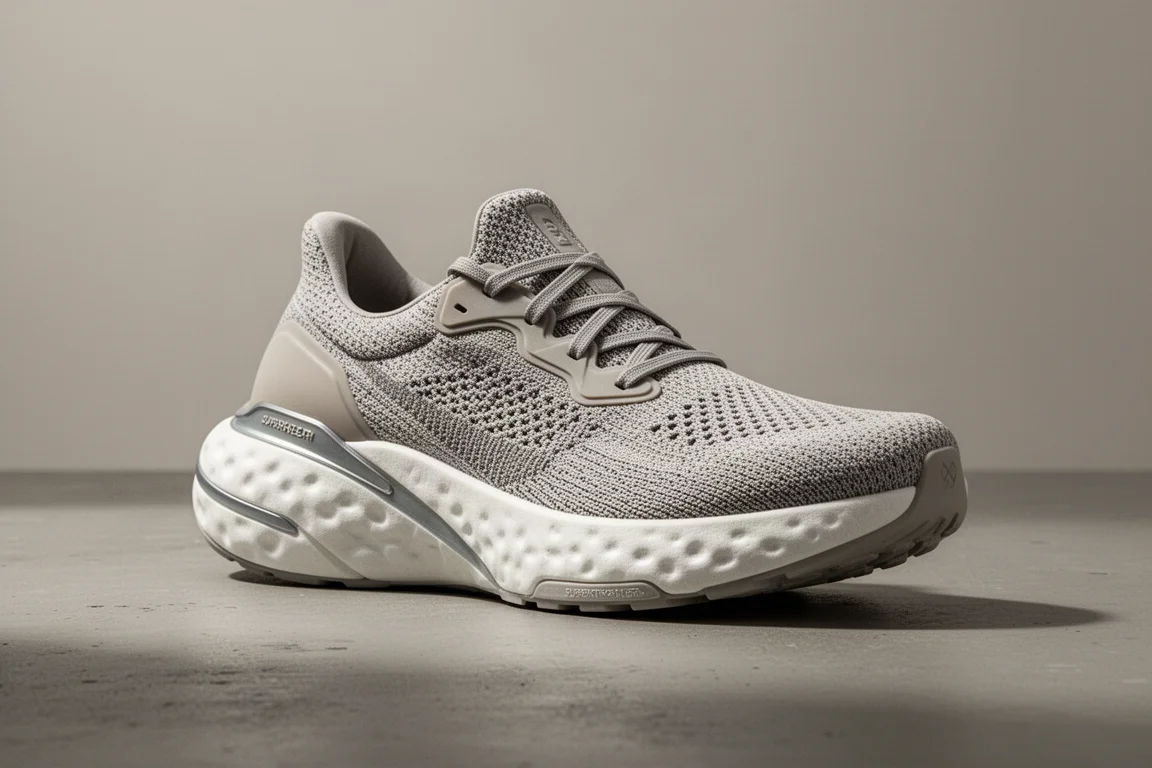
The Aero Spark is the most conventionally stacked shoe of the three, with 36mm in the heel and 30mm in the forefoot. Its midsole is a supercritical Hyper Burst ICE compound that uses EVA internally, where the Tempo’s Blend combines EVA and TPU, so the foams are subtly different across the lineup. An H plate also appears in the forefoot of the Spark.
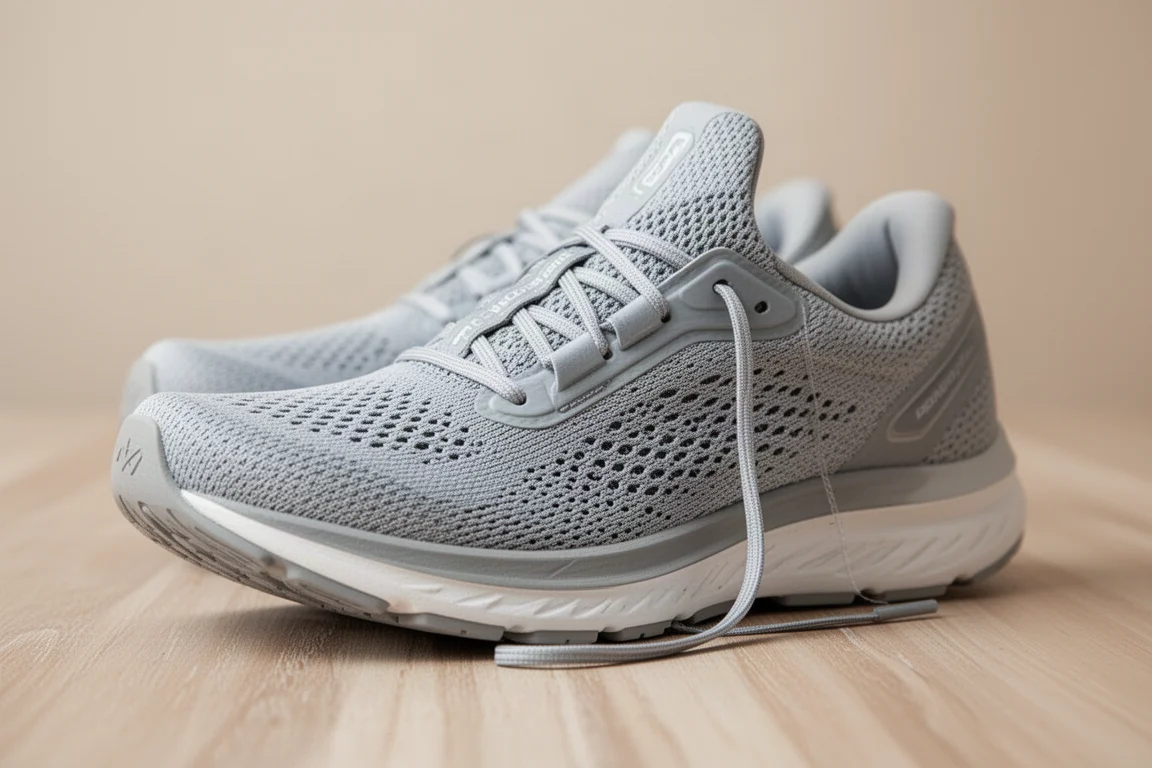
The upper is a more breathable engineered mesh with a medial gusset that keeps the tongue in place. Weight sits around 9.7 oz in men’s, squarely in normal daily trainer territory. This is the option for runners who want one versatile shoe for the bulk of their weekly mileage.
What Happened to Go Run, Ride, and Max Road?
A notable shift: the older naming lines are gone. Models like the Ride and Max Road are discontinued, with the Razor 5 remaining available for now. Skechers is focusing entirely on the Aero series going forward, and whether the Go Run name survives on future releases remains to be seen. For runners who loved shoes like the Max Road 5 and 6, the Aero Burst is the closest spiritual successor in the new lineup.
Which Aero Shoe Should You Buy?
The Tempo is the pick if your priority is speed: lighter weight, a snug woven upper, and a lower stack for faster efforts. The Burst suits high-mileage runners who want maximum cushioning and a smoother ride on easy and recovery days, and it is also the cheapest of the three at $140. The Spark sits between them as a well-rounded daily trainer with a familiar stack height and a breathable upper.
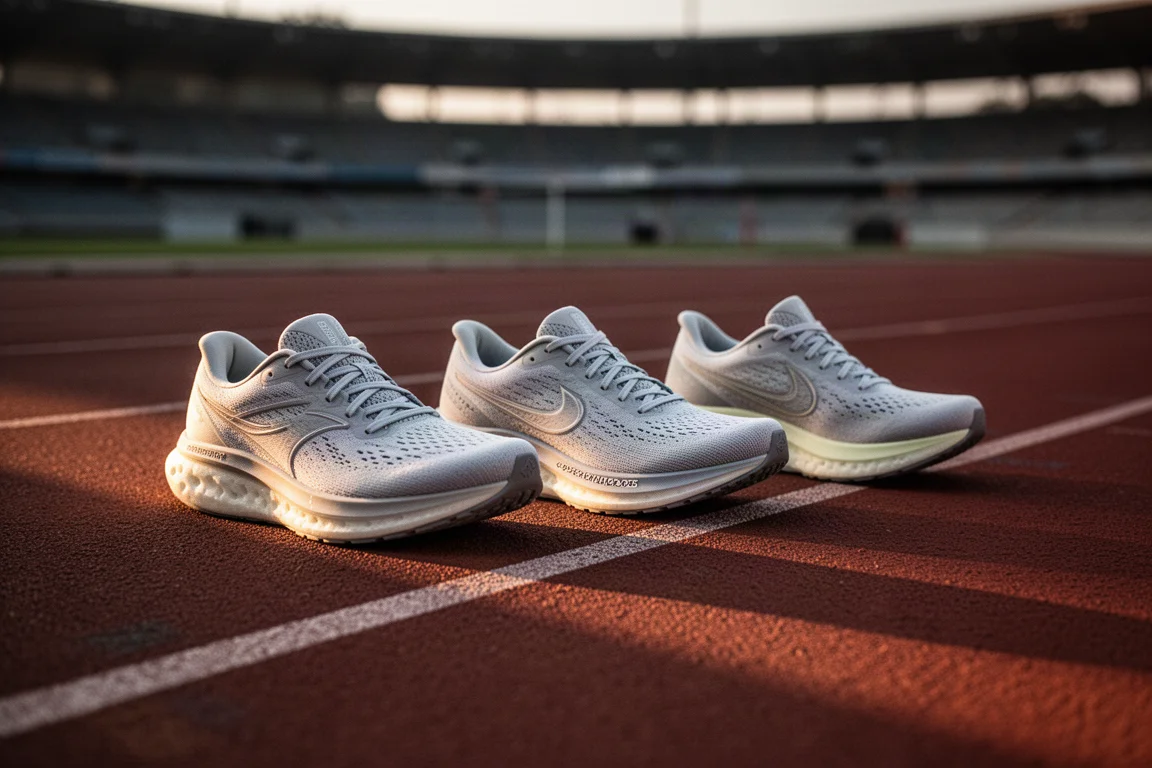
All three share the Aero design direction, supercritical Hyper Burst foam, and Goodyear rubber, so the choice mostly comes down to what kind of running fills your week. Nothing has been run-tested against the old favorites yet, but on paper this is a focused, coherent lineup.
Conclusion
Skechers’ new Aero series replaces the old performance naming with three clearly differentiated roles: fast (Tempo), max cushion (Burst), and everyday (Spark). The shared foam, outsole compound, and aerodynamic design give the family a consistent identity, and the $140 to $160 pricing keeps the series competitive. Runners loyal to the Max Road and Ride lines have every reason to give the Aero models a close look.
Further reading
Related Reviews

Running Shoes
Best Road-to-Trail Running Shoes: Three Versatile Options for Mixed Terrain
A practical guide to three road-to-trail running shoes that handle both pavement and mild trails, with clear strengths and trade-offs for different runner types.

Running Shoes
Best Running Shoes for Achilles Tendonitis: Three Options Explained
Three running shoes with different heel drops and support features designed to help reduce Achilles tendon pain during walking and running.

Running Shoes
Best Running Shoes for Women: Five Top Choices Ranked
A ranked guide to five women's running shoes, from versatile daily trainers to high-performance racing options, with real strengths and trade-offs for each.