Running Shoes
Skechers Aero Razor Review: A Lightweight Speed Trainer That Fills a Forgotten Niche
At $140 and 208 grams, the Aero Razor is a firm, low-stack speed shoe built for intervals and hill sprints, not easy daily miles. Here is who it works for.
Introduction
Skechers has been quietly serious about performance running for a while now. The brand was actually one of the pioneers of supercritical foam technology, the gas-infused midsole material that now underpins most modern fast shoes, and the Aero line is its statement that it is back in the performance space.
The Skechers Aero Razor is the newest entry, and it is aimed at a segment that has grown surprisingly thin: the affordable, low-stack, non-plated speed trainer. Priced at $140, it competes in that busy under-$150 fast daily trainer bracket where the Adidas Evo SL and Puma Velocity Nitro 4 live. But after testing it, the Razor is really something a bit different, and arguably in a category of its own.
First Impressions and Specs
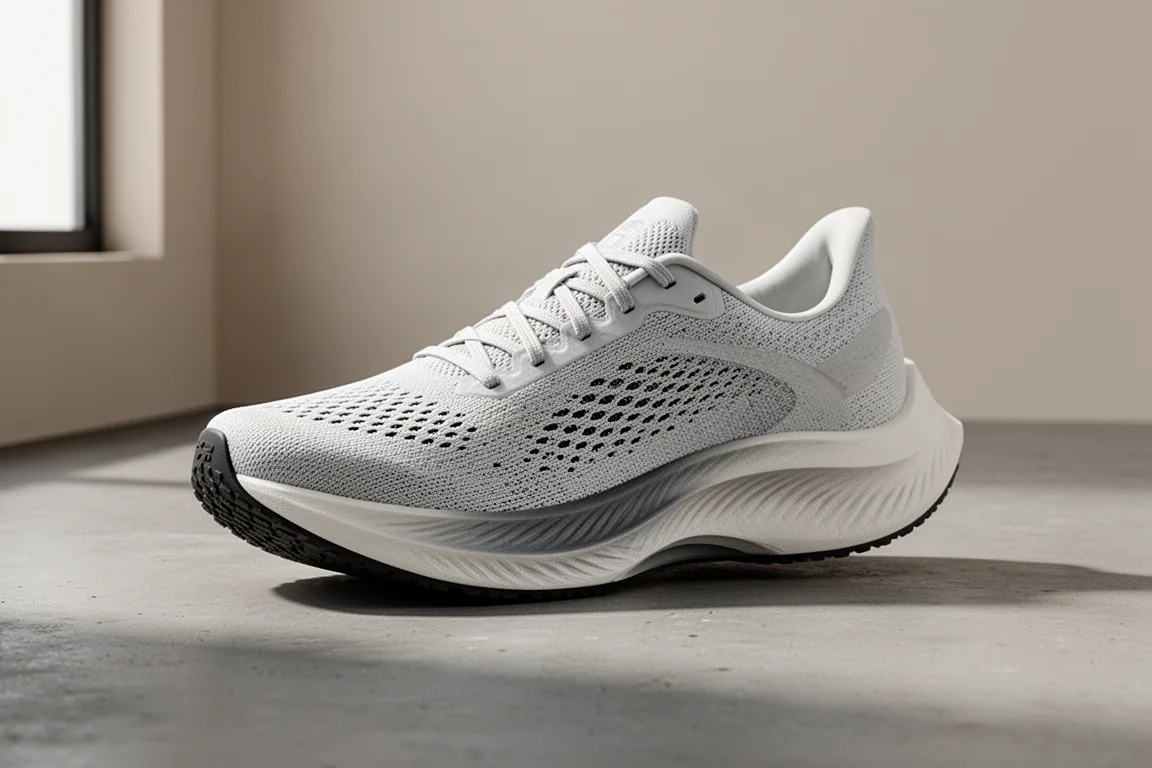
The first thing you notice out of the box is how small it feels in hand. This is not a max-cushion shoe. It is narrow, streamlined, and compact, noticeably smaller in hand than the Evo SL.
The measured specs back that up. On the scale, the Razor came in at 208 grams in a US 10.5, which is roughly 25 grams lighter than the Puma Velocity Nitro 4 and about 45 grams lighter than the Evo SL. Stack height measures about 36 mm at the heel, lower than the Evo SL’s 37 mm and far from the towering max-stack trainers dominating the market.
Underfoot, the midsole is Skechers’ aliphatic TPU Hyper Burst Pro, a supercritical foam that feels firmer to the touch than most everyday trainers. Add an H-wing plate, an aggressive rocker geometry, generous rubber coverage on the outsole, and a lightweight speed-oriented upper, and the whole package screams speed trainer rather than super trainer.
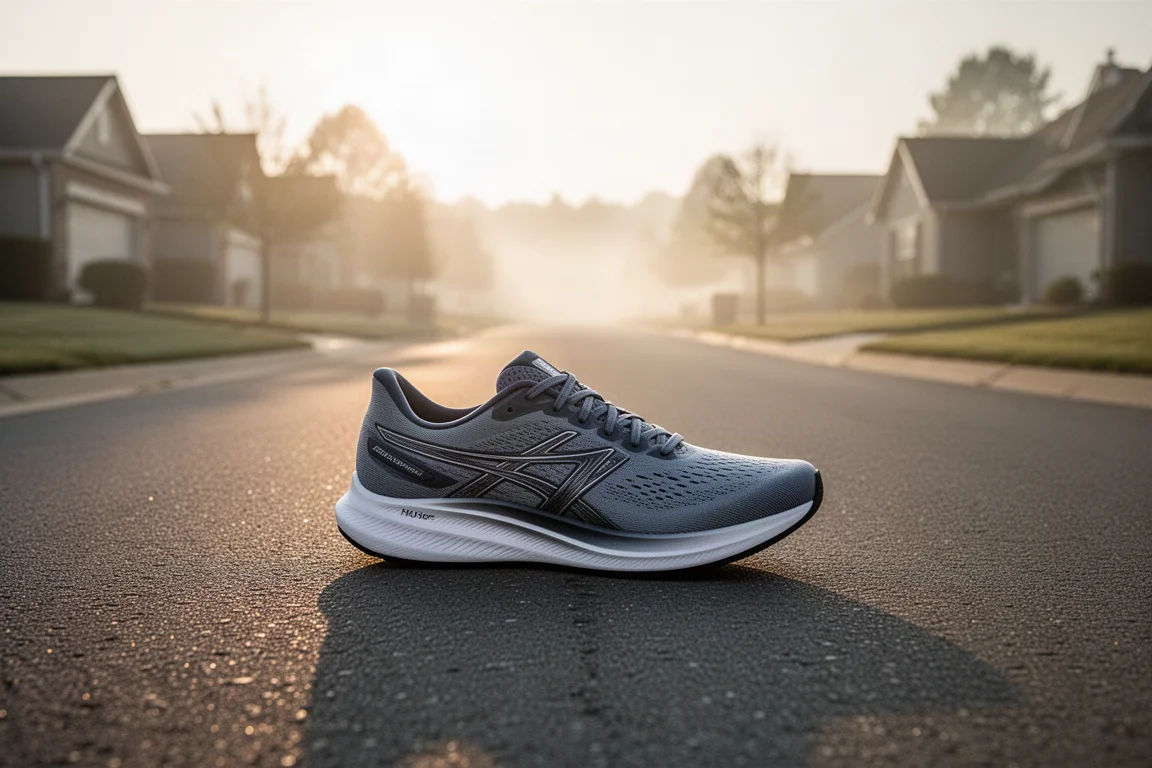
One early durability note worth flagging: the firmer foam plus that thick rubber outsole gives the impression of a shoe built to last 400 to 500 miles. That matters for value-oriented buyers who want real mileage from their purchase.
Fit and Upper
The fit is a genuine highlight. The upper is snug and performance-oriented but true to size, and it locks the foot in without any rubbing, hot spots, or sloppiness. Comfort here is the kind that comes from precision rather than padding: the shoe disappears on your foot because it fits so cleanly.
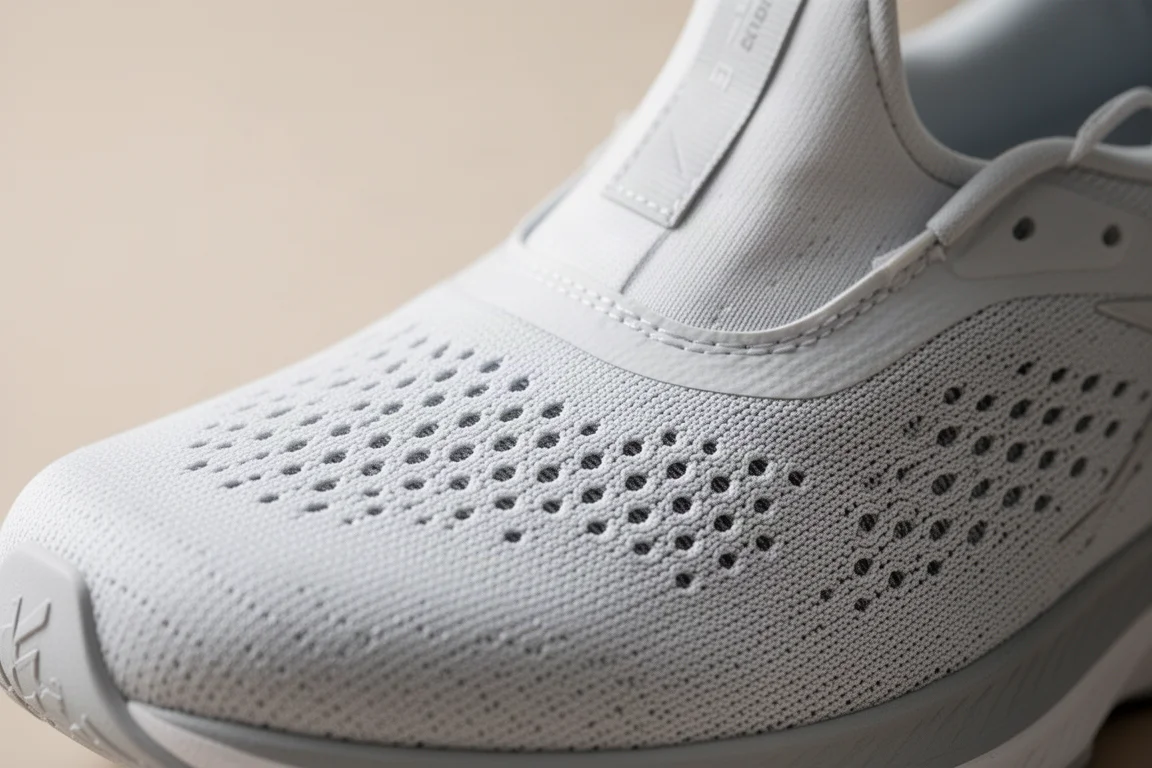
There are thoughtful details too. The toe box uses asymmetrical perforation, with the vent holes following the shape of the design on top while the side uses a simple circle. It is a small, nerdy touch, but it reflects the overall build quality. The shoe feels cohesive, with no glue mess or gaps, and the sawtooth-pattern racing laces keep the lockdown secure.
How It Runs: Firm, Fast, and Highly Rockered
This is a firm, low-stack, highly rockered shoe. On easy aerobic miles, it does not offer much softness, and the thin forefoot leaves you wishing for a little more foam under the ball of the foot when you are tired and plodding along at slower paces.

Pick up the pace, though, and it comes alive. Once you put real force into the stride, the Hyper Burst Pro delivers noticeable compression and bounce-back, with strong energy return in the forefoot. The aggressive rocker and narrow platform encourage a quick turnover and a cleaner stride, almost forcing you to run with strength and good form.
In interval sessions and hill sprints, the Razor performed beautifully. The low stack makes it easy to turn over at high-end speeds, and the firmer feel gives a connected, responsive ride that many runners will prefer over a stiff carbon plate for shorter faster work. Think of it as an even faster, more streamlined Evo SL: if the Evo SL is a zone 3 champion, the Razor is a zone 4 or zone 5 shoe.
How It Compares
Within its price bracket, the Razor has few true rivals. The Puma Velocity Nitro 4 is the closest, but the Velocity is really a streamlined daily trainer, while the Razor is more rockered, firmer, and faster. The New Balance Rebel v5 sits in the same general category but has drawn criticism for flat-feeling foam and poor durability.
Against the broader market, the comparison depends entirely on your preferences. If you love high-stack cushioned trainers, the Razor will feel stripped down and demanding. But if you want a lightweight, connected-to-the-ground speed shoe without a carbon plate, and you would rather buy it from a mainstream retailer than import niche alternatives, this may be the best option available at the price.
Who Should Buy the Aero Razor
The Razor is ideal for 5K specialists, high school and college athletes, and runners who do frequent short, fast interval sessions and want a forgiving non-carbon alternative. It also suits value-focused buyers who prioritize durability, ground feel, and lightweight simplicity over plush cushioning.
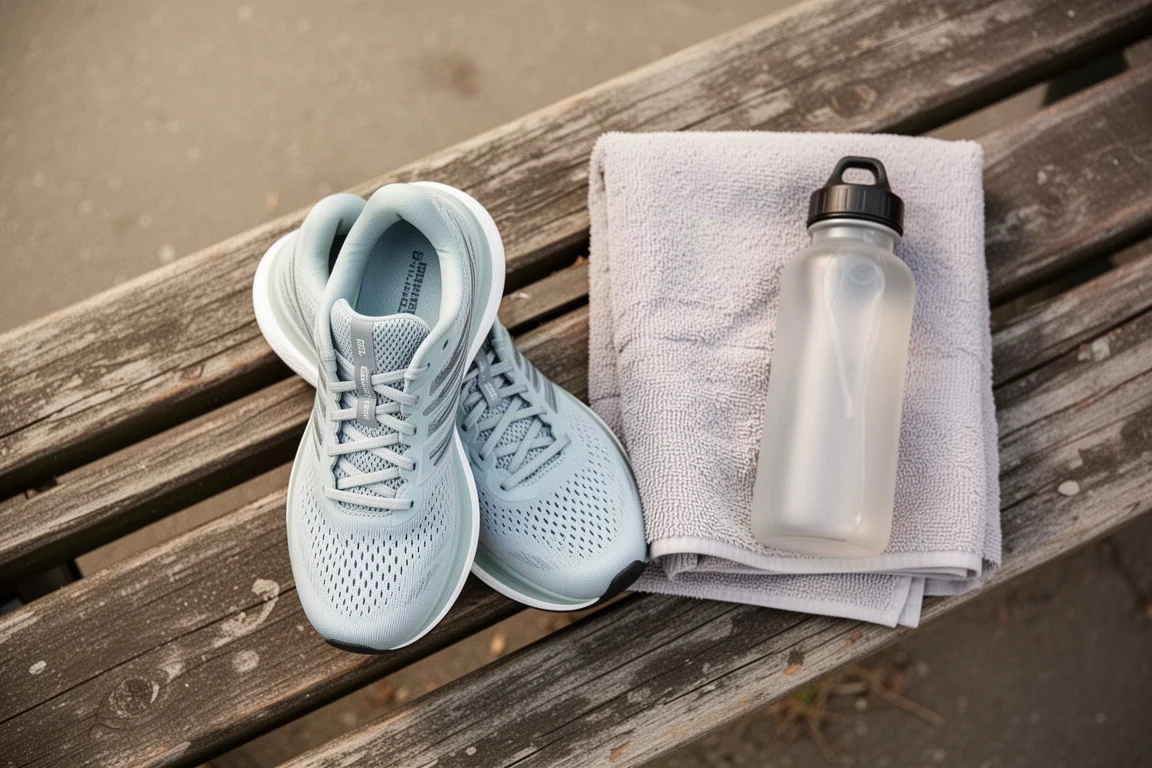
If you are a high-mileage marathoner who lives in max-cushion trainers, this is probably not your shoe. For the right buyer, though, it is an easy recommendation: a well-built, genuinely fast, niche product that does exactly what it sets out to do.
Conclusion
The Skechers Aero Razor is not a crowd-pleaser, and that is precisely its appeal. As a low-stack, affordable, non-plated speed shoe, it earns top marks. As an everyday trainer for big mileage, it is the wrong tool. Know which runner you are, and if you want a firm, featherweight shoe for intervals and hill work, the Razor is one of the best choices on the market at $140.
Product link
View more details for Skechers Aero Razor
This product is mentioned in the review. Check the specifications, options, and compatibility before buying.
View more details for Skechers Aero RazorFurther reading
Related Reviews

Running Shoes
Best Road-to-Trail Running Shoes: Three Versatile Options for Mixed Terrain
A practical guide to three road-to-trail running shoes that handle both pavement and mild trails, with clear strengths and trade-offs for different runner types.

Running Shoes
Best Running Shoes for Achilles Tendonitis: Three Options Explained
Three running shoes with different heel drops and support features designed to help reduce Achilles tendon pain during walking and running.

Running Shoes
Best Running Shoes for Women: Five Top Choices Ranked
A ranked guide to five women's running shoes, from versatile daily trainers to high-performance racing options, with real strengths and trade-offs for each.