Bike Technology
Six Unusual Bike Technologies Worth Knowing
Freewheel cranks, sealed gearboxes, self-inflating tires, and more: six niche cycling technologies with real use cases and honest trade-offs.
Introduction
Some of cycling’s most interesting advances never make the headlines. A few of them sit quietly in specialist catalogues, used by racers, bike packers, and riders who simply want less maintenance. Six technologies stand out this year: a crank that shifts gears while you coast, a sealed gearbox from former Porsche engineers, belt drives, a hub system that adjusts tire pressure on the move, an orthopedic crank for riders with limited knee motion, and an eccentric bottom bracket that solves a classic conversion problem. Each one challenges a basic assumption about how a bike should work.
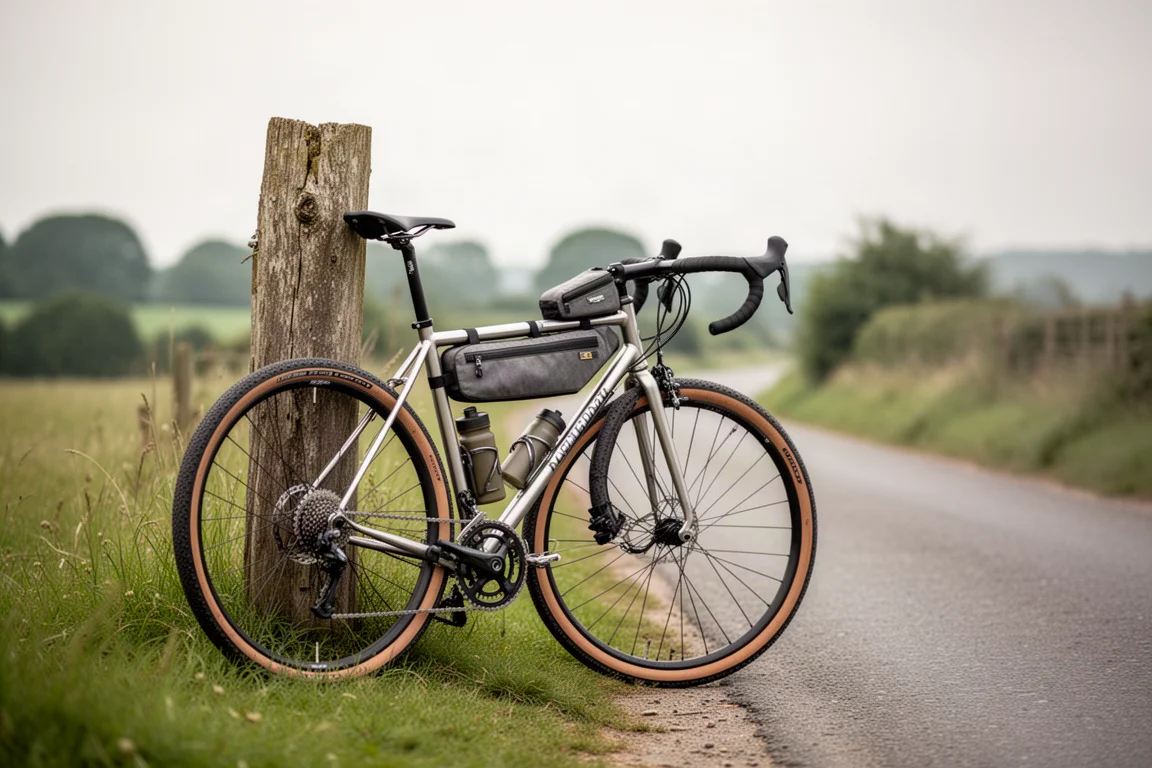
None of these products is right for every rider, and a few come with serious trade-offs around cost, compatibility, and complexity. The following sections explain what each system does, where it earns its place, and what to check before you commit.
HXR Easy Shift: Shifting Without Pedaling
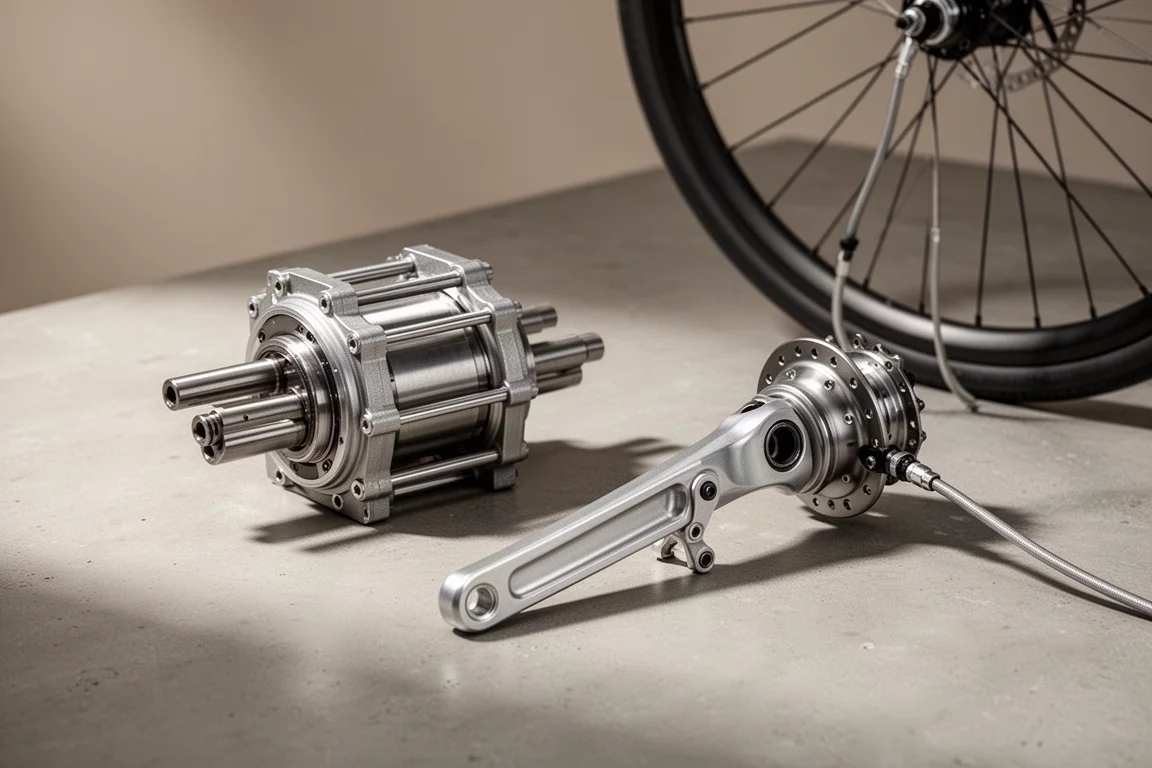
Most bikes only shift while you are pedaling, because the chain needs to move across the cassette to change gear. The HXR Easy Shift, a mountain bike crank made in Germany and designed in France, removes that requirement. Released in 2016, it moves the freewheel from the rear hub to the crankset at the front. The rear hub is fixed like a track bike, so the chain keeps moving around the cassette whenever the rear wheel is spinning. Click a shift button while coasting and the bike actually shifts.
The system was built for enduro and downhill riding, and it also appears on trials bikes. Picture a rock garden or a tight corner where putting down a pedal would ground out. With the Easy Shift you can click into a harder gear for the exit without turning the cranks. Coming down a descent and spotting a sudden steep climb? You can drop five gears while still freewheeling, so you start pedaling in the right gear. In a race, that kind of flexibility can be a real edge.
Freewheeling cranks are not a new idea. Trials riders have used them for years because of their sturdy construction, and Shimano offered a front freewheel system back in the 1980s. Other makers have built versions too, so the concept has a solid history even if it has stayed niche. For most riders it is unnecessary. For a rider who attacks rough terrain at speed, it can remove a constant source of compromise.
Pinion Gearbox: A Sealed Drivetrain
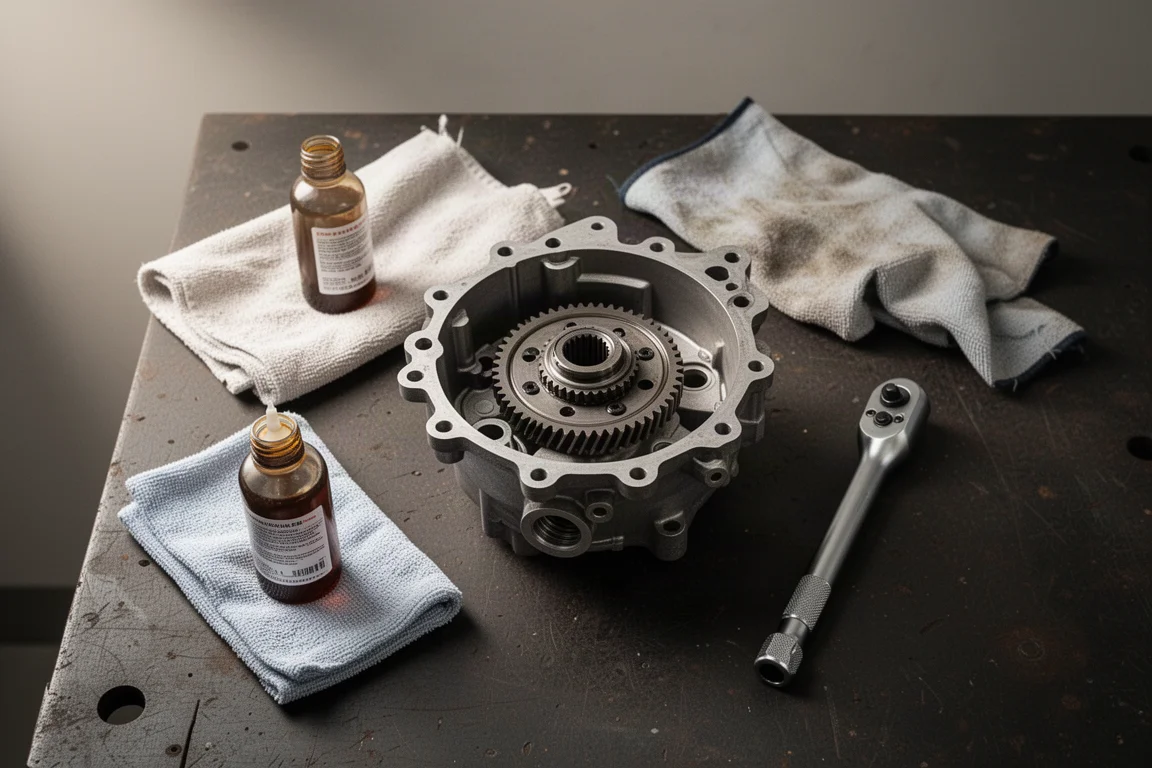
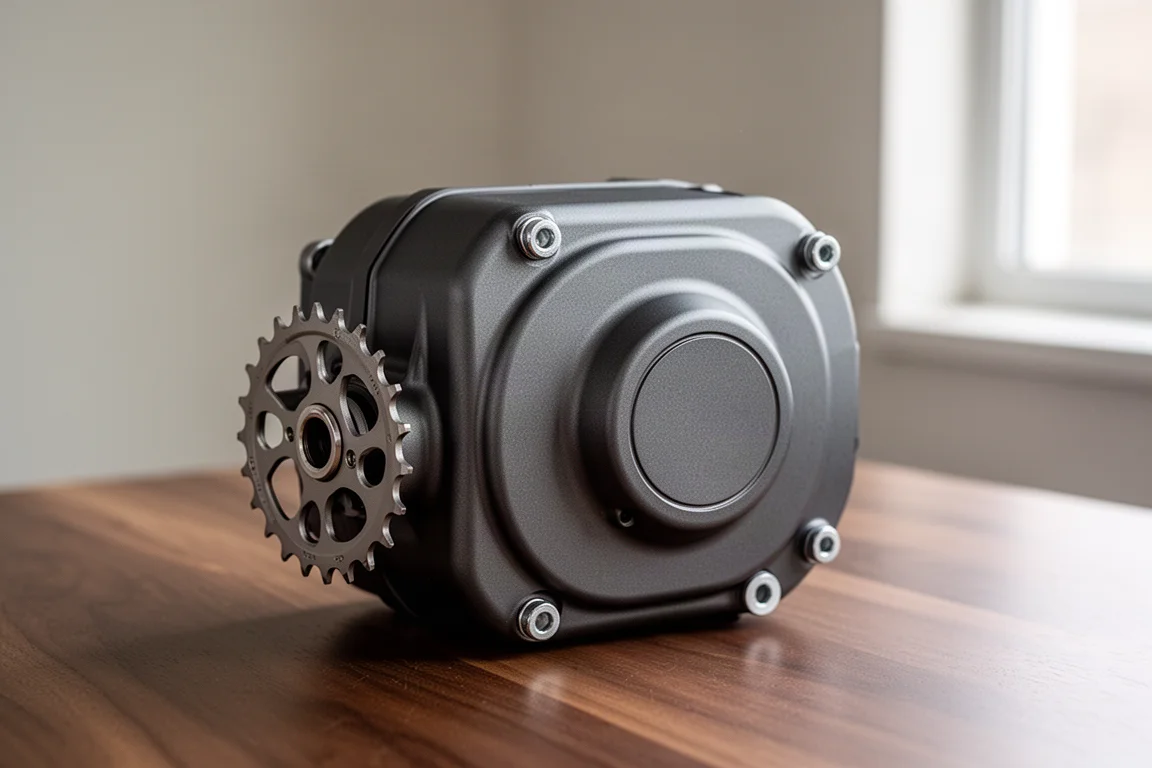
Pinion is a German company founded by former Porsche engineers, and its gearbox is exactly what the name suggests: a box of gears. The entire drivetrain is sealed inside a unit mounted at the bottom bracket and bathed in oil. Think of it as a car gearbox for a bike. Inside, two parallel shafts carry multiple sets of intermeshing gears, and most units use a multiplier layout. A 12-speed box, for example, might pair a four-speed subunit with a three-speed subunit. When you shift, internal clutches lock specific gear pairings onto the shaft to change the ratio.
Because shifting happens inside the box, the chain or belt never moves sideways. It runs in one straight line between a single front cog and a single rear cog, which means less to go wrong. The system is fully sealed against dirt, water, and weather, and the recommended maintenance is an oil change every 10,000 kilometers. Gear range is the other headline figure. The Pinion P Line is an 18-speed box with a 636 percent range, compared with figures in the 500 to 520 percent range for typical Shimano and SRAM drivetrains.
The centralized weight is another draw. The gearbox keeps mass low and balanced near the middle of the bike, improves ground clearance, and removes the dangling rear derailleur entirely. You can also shift while stationary, which is genuinely useful if you get stopped on a steep climb and need to pull away. The trade-offs are significant. Pinion systems are expensive, with complete builds costing thousands of pounds, and every one is a premium product. You need a frame designed for the gearbox, the unit is heavier than a derailleur setup, and efficiency is slightly lower than a clean, well-lubed chain. If something does fail, the unit has to go back to Pinion.
Historically, Pinion gearboxes were paired with grip-shift style levers on flat bars. The newer electronic version, Pinion Smart Shift, changes that. It can be paired with road-style levers such as the TRP Highwire, which opens up drop-bar bikes. Pairing Shimano levers may also be possible, though it is an unofficial solution and can require some tinkering. Gearbox bikes are frequently combined with belt drives for an extremely low-maintenance setup, which makes them an appealing answer for riders who would rather not work on their bikes at all.
Belt Drives: The Chain Alternative
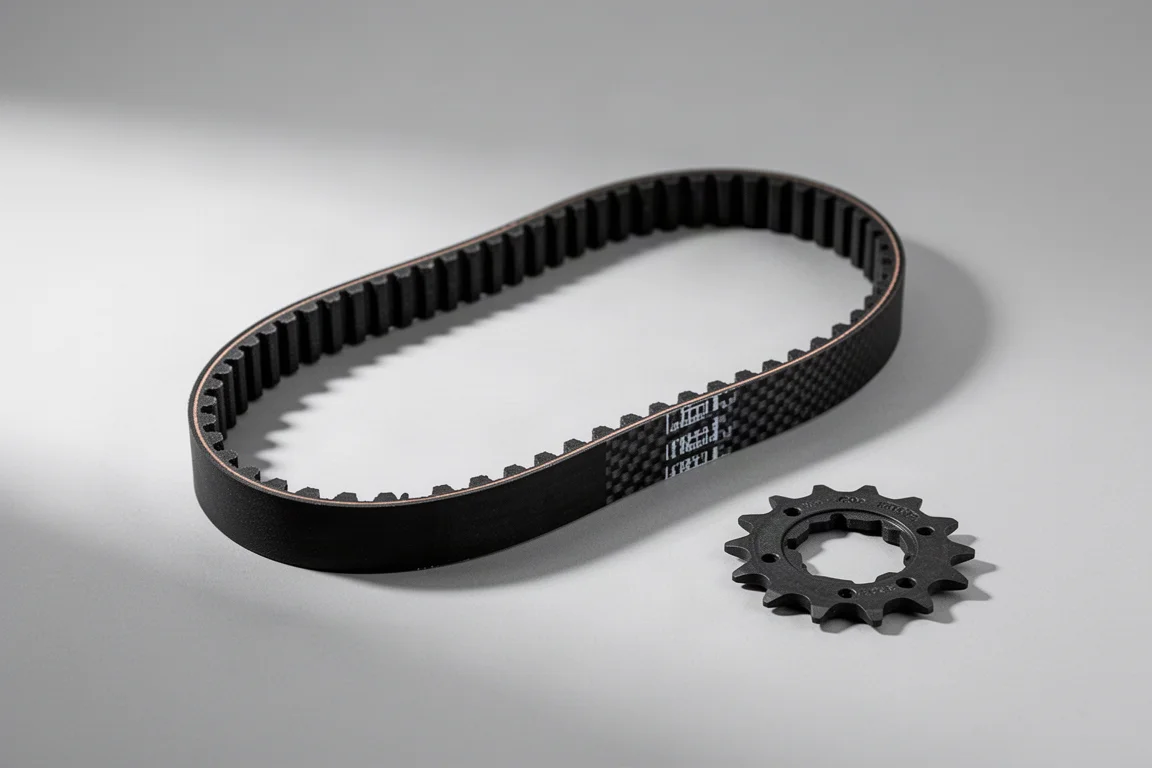
A bicycle belt drive replaces the metal chain with a continuous loop of toothed rubber, usually reinforced with high-strength carbon fibers. Instead of chainrings and cassette sprockets shaped for a chain, belt bikes use specially designed sprockets that mesh with the belt. Belts are usually paired with internal hub gears, single-speed setups, or gearboxes, because they do not like being shifted sideways the way a chain is.
The benefits are hard to argue with. Belt drives are very low maintenance and typically last three to four times as long as a chain, which can mean around 20,000 miles. There is no oil, no degreaser, and no chain tattoo on your calf. Most of the time you can hose the drivetrain off and ride, unless you are in an extremely dry and dusty place, where some riders add a silicone-based lube. Belts are quiet, they do not rust, and rain, snow, road salt, and grit cause them little trouble. They also look clean and modern.
The downsides explain why they have not gone mainstream. The upfront cost is higher, because the belt itself plus everything required to run it adds up. The frame has to be belt-compatible, meaning it needs a split in the rear triangle to install a one-piece belt. One company does offer a split belt, and the patents around that technology limit competing options. You cannot use a traditional derailleur, so gearing has to be internal: a Rohloff or Shimano Alfine hub, or a Pinion gearbox. Those are not cheap either, with some hub options reaching upward of £1,000. And if a belt fails, you cannot simply join it with a link like a chain. You either walk or carry a spare. Spares need careful handling: bending, twisting, or crimping the internal carbon cords can cause premature failure, so manufacturers recommend keeping them in the original packaging rather than stuffing them loose into a bag.
Efficiency is the final consideration. Belt drives are less efficient than a chain at lower power outputs, with the gap evening out around 200 watts, and most hub gear systems add their own small efficiency loss. That is why racers have not adopted them widely. For commuters, bike packers, and tourers, though, the trade-off makes a lot of sense. Less mess, less thinking, and a drivetrain you can fit and forget.
Grava Tire Pressure System
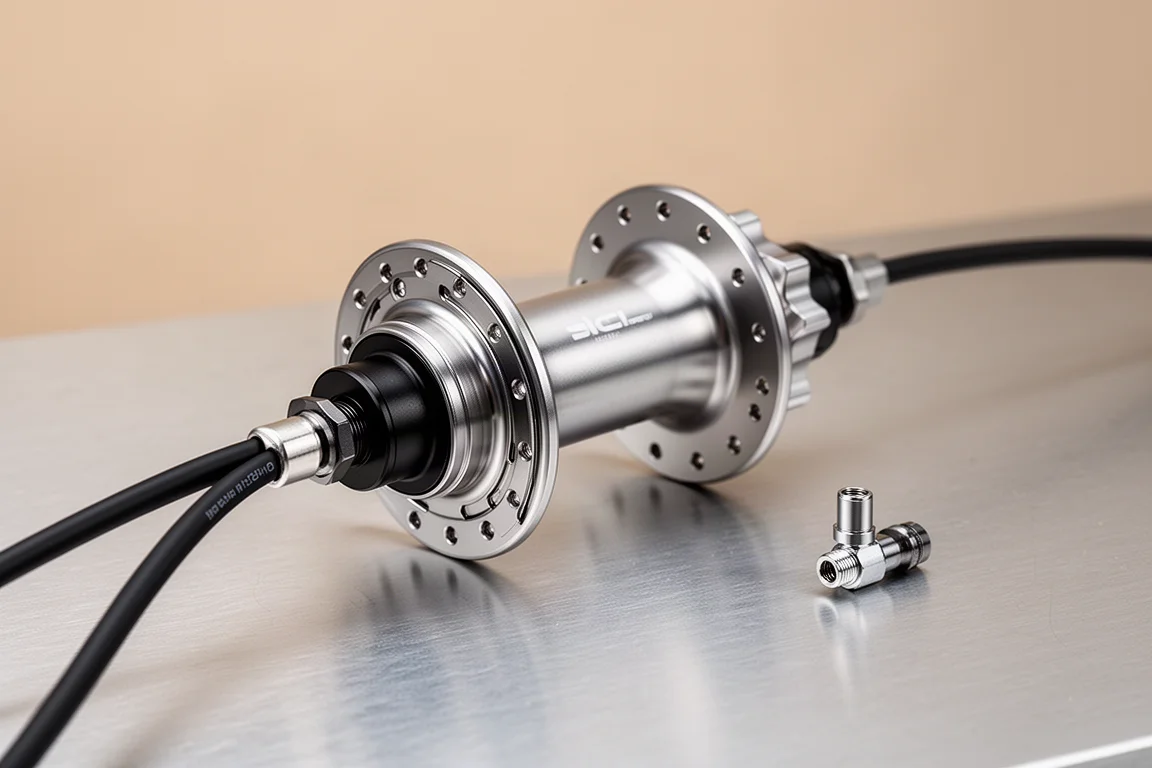
The Grava adaptable tire pressure system is a wheel hub setup that lets a cyclist change tire pressure while riding, without stopping. It fits discreetly on most bikes. The system includes front and rear hubs, hoses running from each hub to the rim, a valve adapter that screws onto a regular presta valve with the core removed, cockpit controls for manual commands, and a wireless connection to a bike computer if you have one.
To increase pressure, an actuator-driven clutch mechanism inside the hub connects a cam shaft to the axle. That stops the cam shaft from spinning, and as the wheel rotates it drives a tiny pump whose pistons move up and down. Pressurized air runs up a hose connected to one of the spokes and fills the tire. Reducing pressure is just as controlled: a valve inside the hub expels air quickly, and pressure sensors monitor the tire continuously so the system closes the valve at the level you want.

The hubs contain electronics and have to be charged. Grava claims up to 40 active riding hours per charge, though that depends heavily on terrain and how often you adjust pressure. The system gained attention at the 2024 Gravel World Championships, where Mariana Vos used it while taking the win. She was able to run lower pressure on rough sections for efficiency and higher pressure for a paved sprint finish. More interestingly, she punctured three kilometers from the line. Tubeless gravel tires carry liquid sealant, but sealant can take time to solidify, and by then enough air can escape that a rider has to stop. With the Grava hubs working to regulate pressure, the system may have helped keep her rolling while the sealant did its job. There is no way to prove the puncture would not have sealed anyway, or that the higher pressure was decisive in the sprint, but for high-stakes racing the peace of mind is understandable.
The company behind the system has since declared bankruptcy, with sales falling short, and it has been a difficult period for the bike industry. A spokesperson confirmed that several industry parties had shown interest in taking over the assets and restarting the company. Whatever happens next, the technology is compelling, and self-inflating tires are unlikely to disappear for good.
Hypath Swing Crank
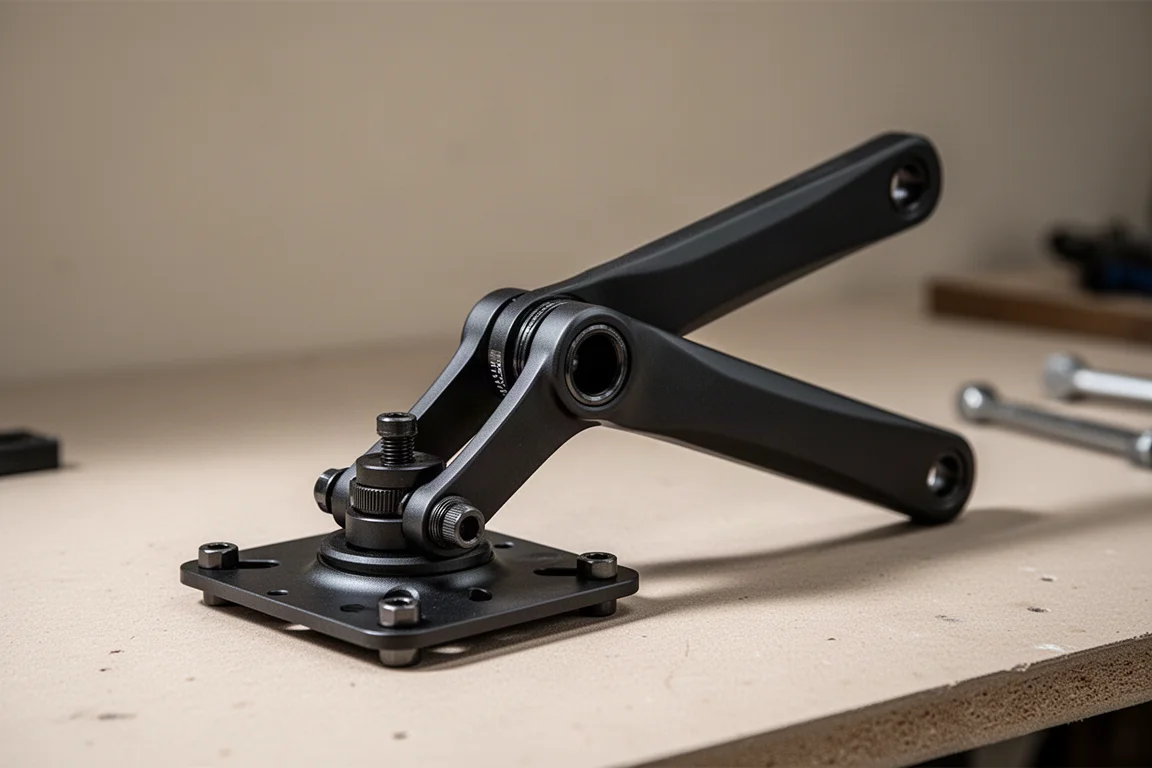
The Swing Crank, made by Hypath Engineering in the United Kingdom, is a specialist orthopedic adaptation for bicycles, designed for cyclists with limited range of motion in their knees. In the maker’s own words, use a swing crank when one of your knees does not bend as much as it should.
Historically, riders with very limited leg flexion would try very short cranks. Shorter cranks mean pedaling in a smaller circle, so the knee bends less, but the leg also never fully straightens at the bottom. That is inefficient and causes fatigue. The problem is worse when only one leg is affected, because a symmetrical shortening limits the healthy leg too.
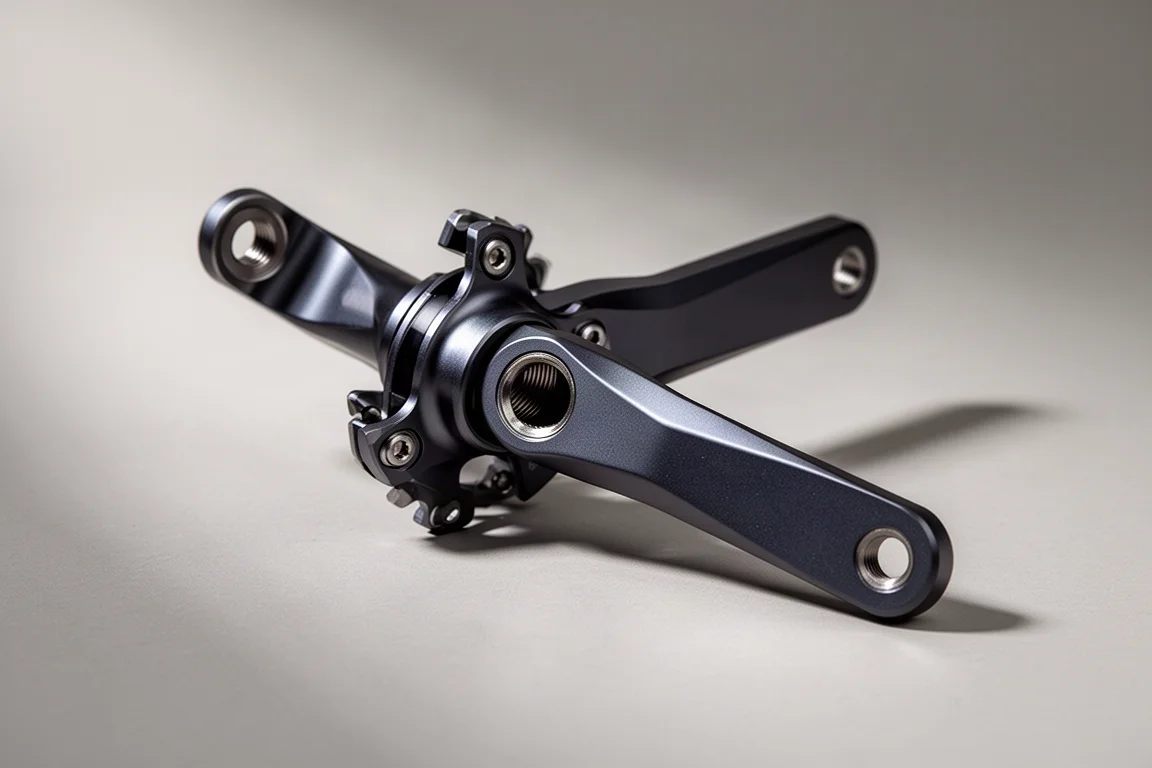
The Swing Crank uses a mechanical linkage to solve this. The pedal follows the same path at the bottom of the stroke, so the leg can fully extend, while a lower arc at the top reduces the amount of knee flexion required. The system has two main parts: a crank shortener, which is a base plate that bolts onto your existing crank and provides a new pivot point, and a swing arm, which pivots on the shortener. Multiple thread positions let you tune how much the swing arm changes your pedaling circle. It is simple in concept, but it can be genuinely life-changing.
One thing to know is that the system increases stance width, or Q factor. If you want to stay symmetrical, you need to increase the stance on the other side using methods such as pedal extenders, cleat position, or pedal washers. It is a niche product, but for a rider who cannot comfortably turn standard cranks, it may be the difference between riding and not riding.
Eccentric Bottom Bracket
Single-speed, belt-drive, and fixed-gear bikes are usually built on frames with horizontal dropouts, because sliding the rear wheel backward creates tension in the chain or belt. But what if you want to convert a bike with vertical dropouts, like a road, gravel, or commuter frame, into a single speed? Once the rear derailleur is gone, you need another way to tension the chain, and an eccentric bottom bracket is one of the neatest answers.
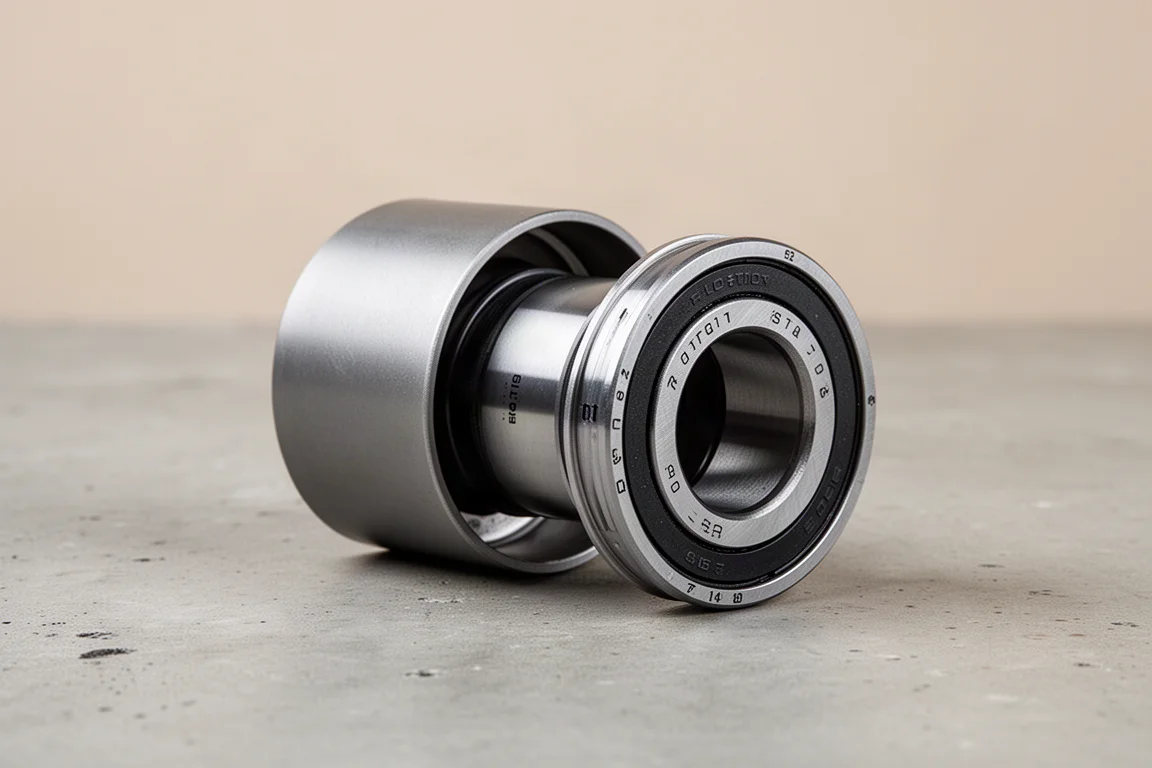
A bottom bracket is the bearing system that connects the pedals and cranks to the frame. An eccentric bottom bracket houses that assembly inside a larger, off-center cylinder. Rotating the outer shell moves the crank hole forward or backward in a small arc. Moving it forward pulls the chain tight; moving it backward creates slack. It is a simple, mechanical solution with no electronics and no fragile parts.
Historically, eccentric bottom brackets required frames with large, oversized bottom bracket shells. There are now external options that work with standard frames, which opens the door to more conversions. Compatibility varies, so research your frame carefully and consider asking a local bike shop before spending money on something that might not fit.
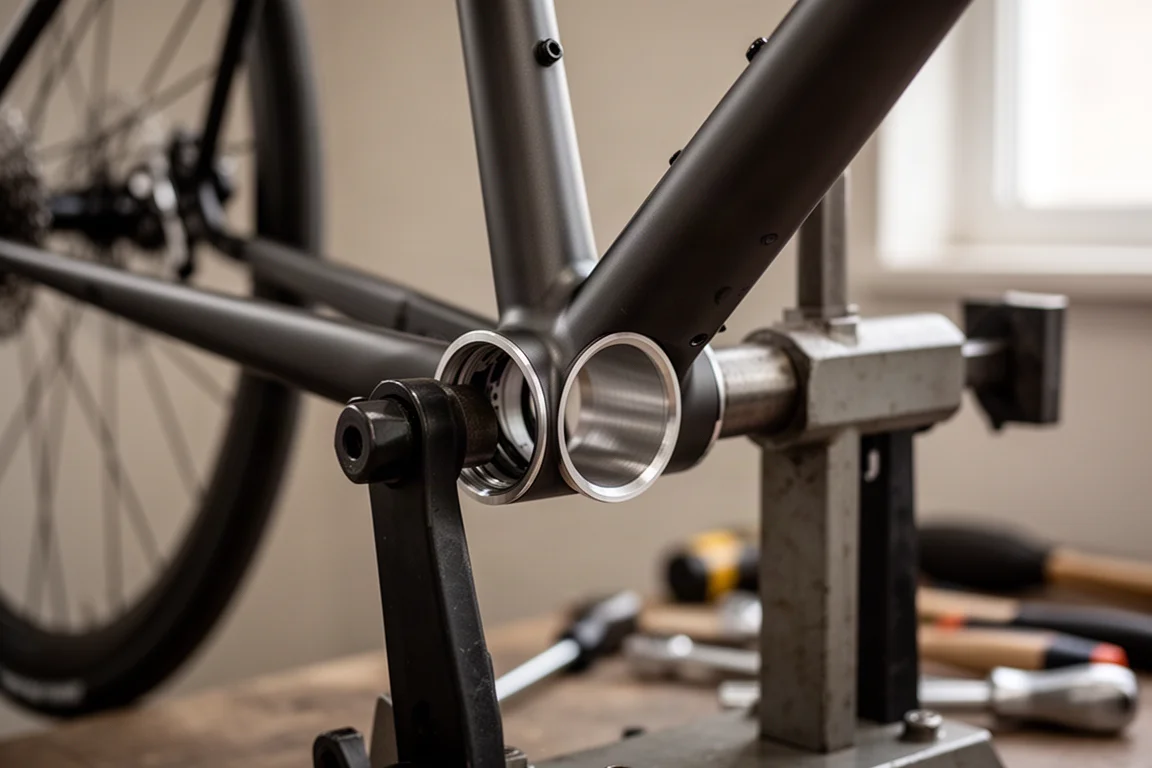
There is one honest caveat: if you are running a chain rather than a belt, a chain tensioner is cheaper and easier to live with. It is just not as elegant. For belt-drive conversions, where a tensioner is not an option, the eccentric bottom bracket is the clean way to get belt tension right and keep the bike rolling.
Conclusion
These six technologies cover very different problems, and none of them is a universal upgrade. The HXR Easy Shift makes sense for aggressive enduro and downhill riders who need gears while coasting. The Pinion gearbox rewards riders who want enormous range and minimal maintenance and are willing to pay for a compatible frame. Belt drives suit commuters, bike packers, and tourers who value cleanliness and longevity. The Grava system is exciting racing tech whose future availability is uncertain. The Swing Crank can help riders with limited knee motion keep riding comfortably. And the eccentric bottom bracket is a tidy solution for specific single-speed and belt-drive conversions.
The common thread is that the best upgrades remove a frustration: a missed shift, a seized drivetrain, an impossible climb, or a knee that will not bend enough. Start with the problem you actually have, check compatibility before you buy, and choose the technology that fits the way you ride.
Further reading
Related Reviews
Cycling Components
AliExpress Cycling Bargains 2026: Ten Parts Worth Buying and One to Avoid
A practical guide to low-cost cycling parts, from a Pass Quest chainring and ZTTO drivetrain kit to Ride Now TPU tubes, plus the items that disappointed and how to shop safely.
Mountain Bike Wheels
Berd PolyLight Spokes and a Custom Wheelset: Noble TR35 G2 Rims and Onyx Vesper Hubs Tested
A trail-tested look at Berd PolyLight fabric spokes alongside Noble Wheels TR35 G2 carbon rims and Onyx Racing Vesper hubs, including the weight saved and the trade-offs to weigh up.
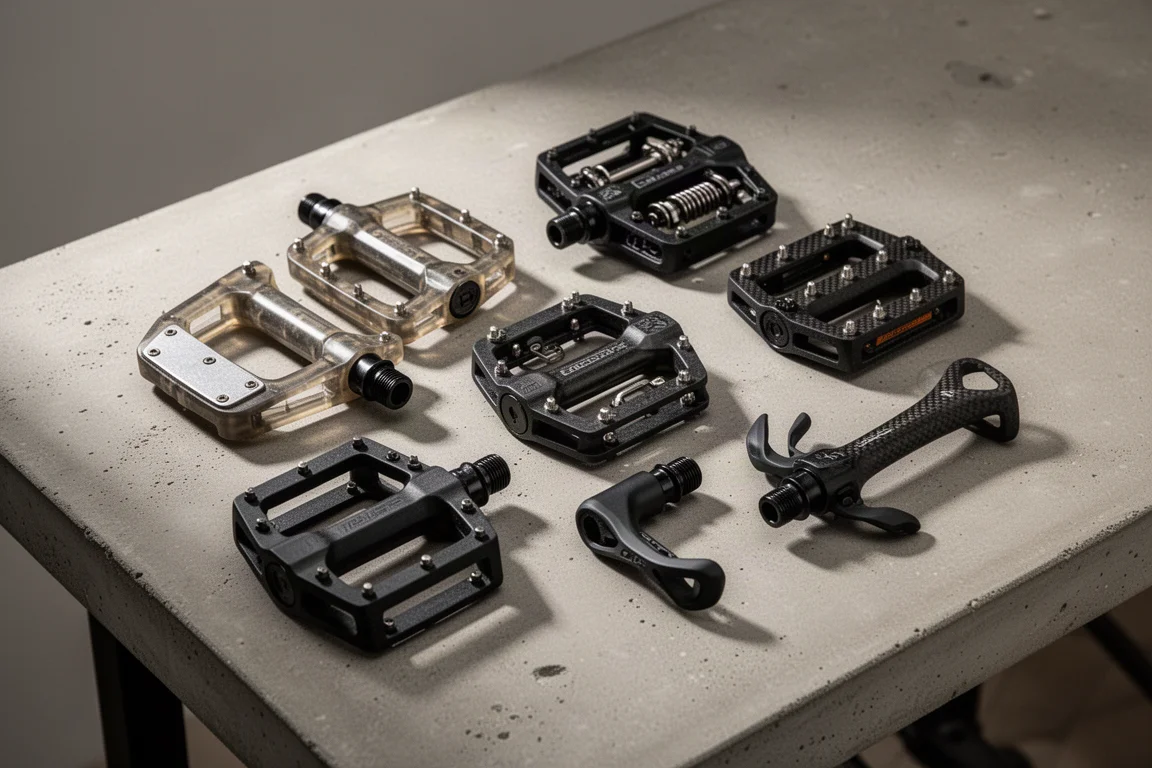
Cycling Pedals
Best Bike Pedals 2026: Road, Trail and Flat Pedal Systems Compared
A practical guide to the main road, off-road and flat pedal systems, covering the designs worth buying, the fit options that matter, and the ones to skip.