Camping Gear
Six Ultralight Camping Gear Pieces Worth Packing This Season
A practical look at six ultralight camping pieces, from an airy mesh layer and two lightweight tents to a titanium winter stove, with the trade-offs that matter before you buy.
Introduction
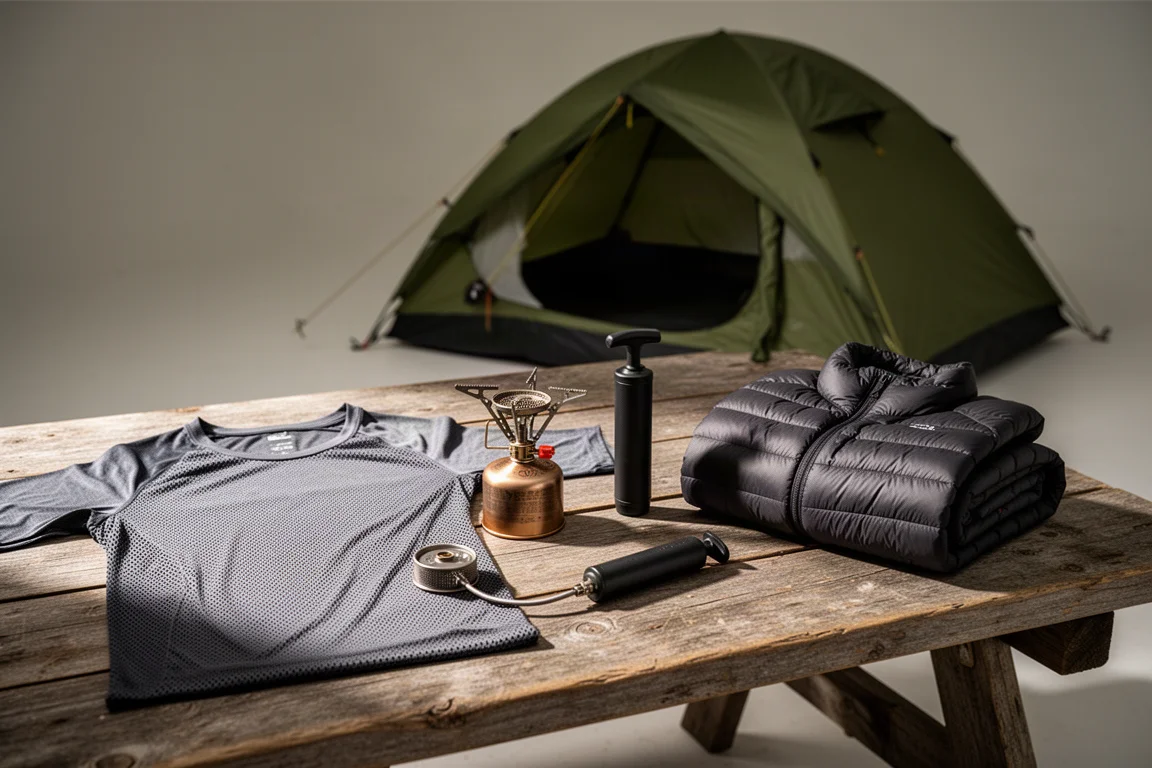
Some gear earns its place in a pack because it solves one specific problem, and each of the six pieces here does exactly that: a base layer that stays warm without trapping sweat, two lightweight two-person tents with very different priorities, a palm-sized pump that removes the worst chore of inflating a sleeping pad, a down sweater that packs down to the size of a softball, and a titanium remote canister stove built for cold-weather cooking.
How These Pieces Fit Together
Ultralight gear is usually judged on four things: how much it weighs, how small it packs, how it performs when conditions turn cold, and how pleasant it is to actually live with. A tent that saves a couple of hundred grams but leaves no room to sit up is a poor trade, and a stove that shaves weight but cannot run reliably in freezing temperatures is not much use in winter.
That is the lens used here. Every piece below is either a current product or one that has been shown ahead of its public launch, so final specifications can shift. Where a number comes down to a manufacturer figure, it is described as such.
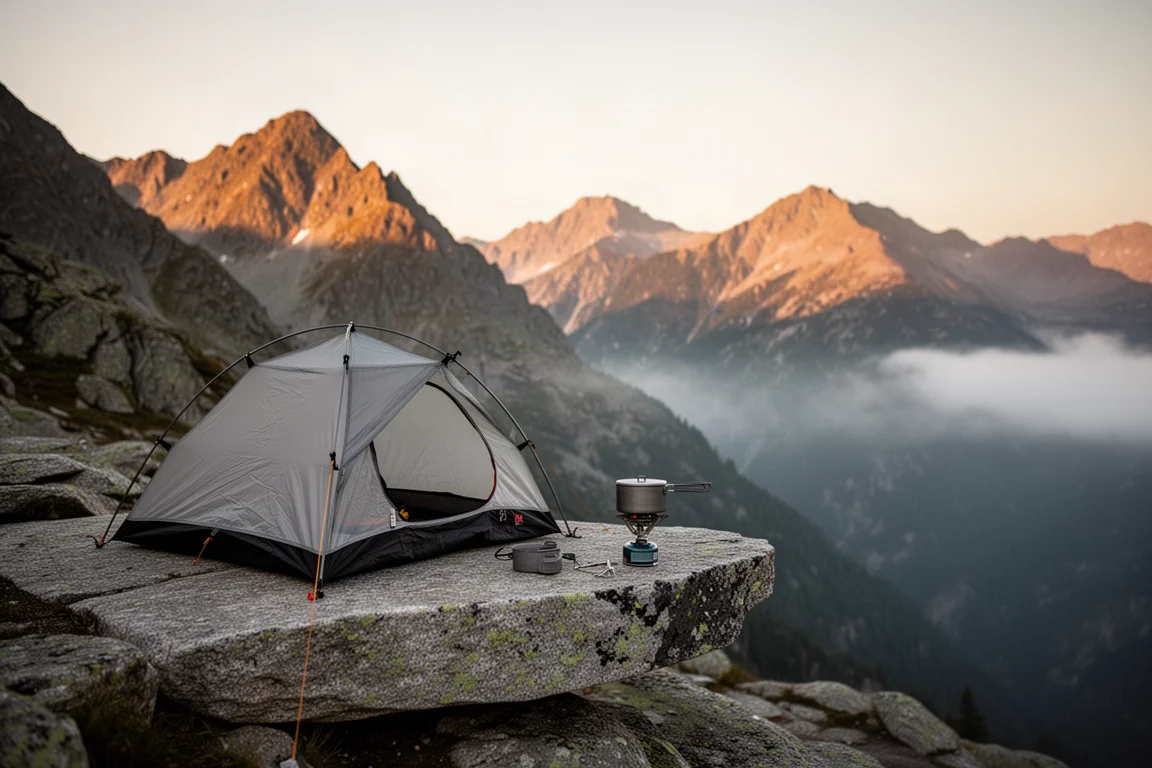
The thread running through all six is efficiency: warmth, shelter and cooking capability delivered with less bulk and less weight than the category norm. That makes them most interesting to backpackers who count grams but still want gear that works in genuinely cold conditions.
Mountain Hardwear Air Mesh Shirt: Airy Warmth That Works With a Wind Shell
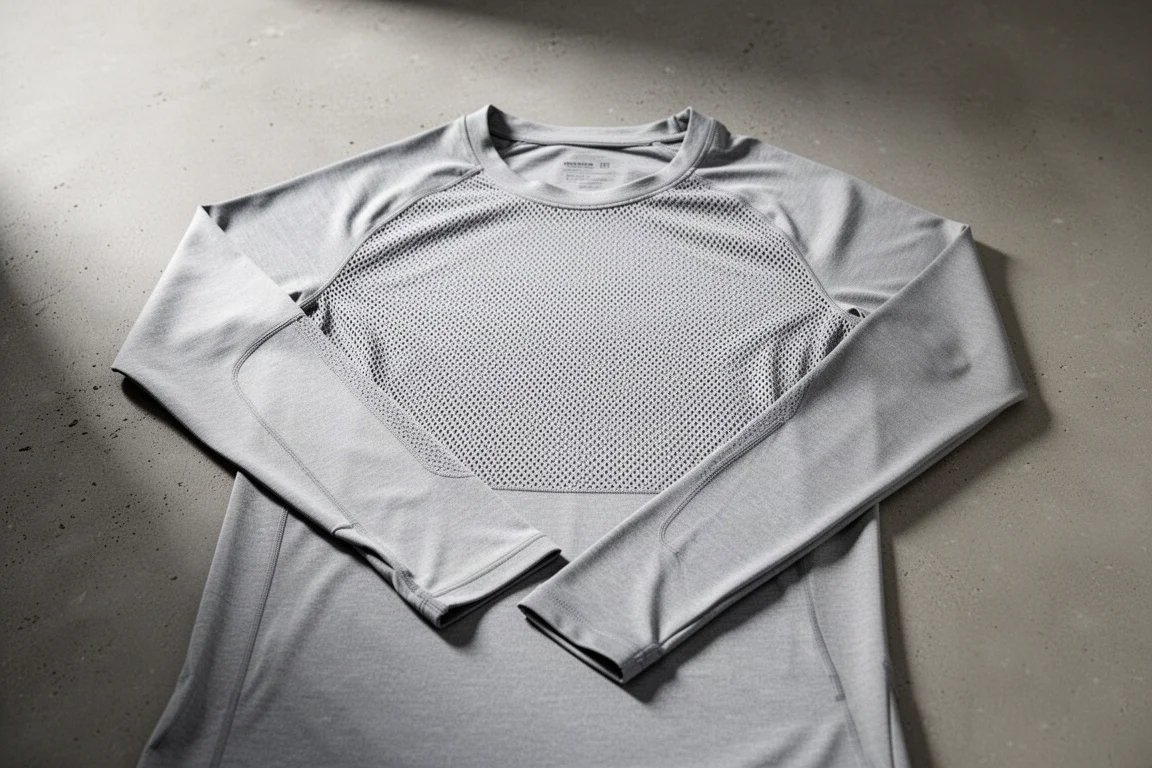
The Air Mesh Shirt sits in the overlap between a base layer and a mid layer, and it gets there with an unusual construction. The inside uses Teijin Octa fabric, a mesh structure threaded with fine fibers that give the shirt a lot of loft. The result is a garment that feels airy against the skin while still holding a meaningful amount of warm air.
Worn on its own, it breathes well. Any air moving through the shirt picks up moisture and carries it away, so you stay warm without sitting in your own sweat. Add a wind shell over the top and the same loft becomes a serious insulation layer, because the trapped air is no longer being flushed out.
That combination is what makes it versatile for three-season and shoulder-season trips. It is a layer you can start a climb in, keep on across a cold ridge, and still wear comfortably once you are moving hard.
MSR FreeLite 2: More Headroom and Floor Space at a Lower Weight
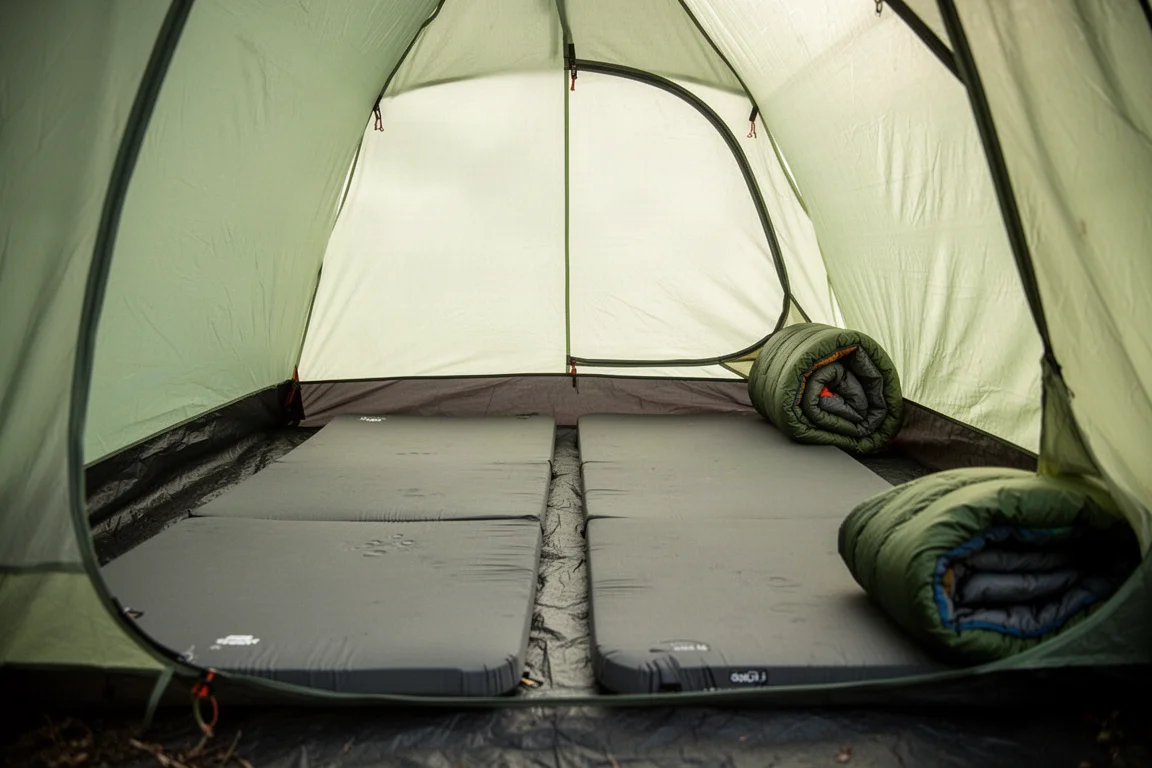
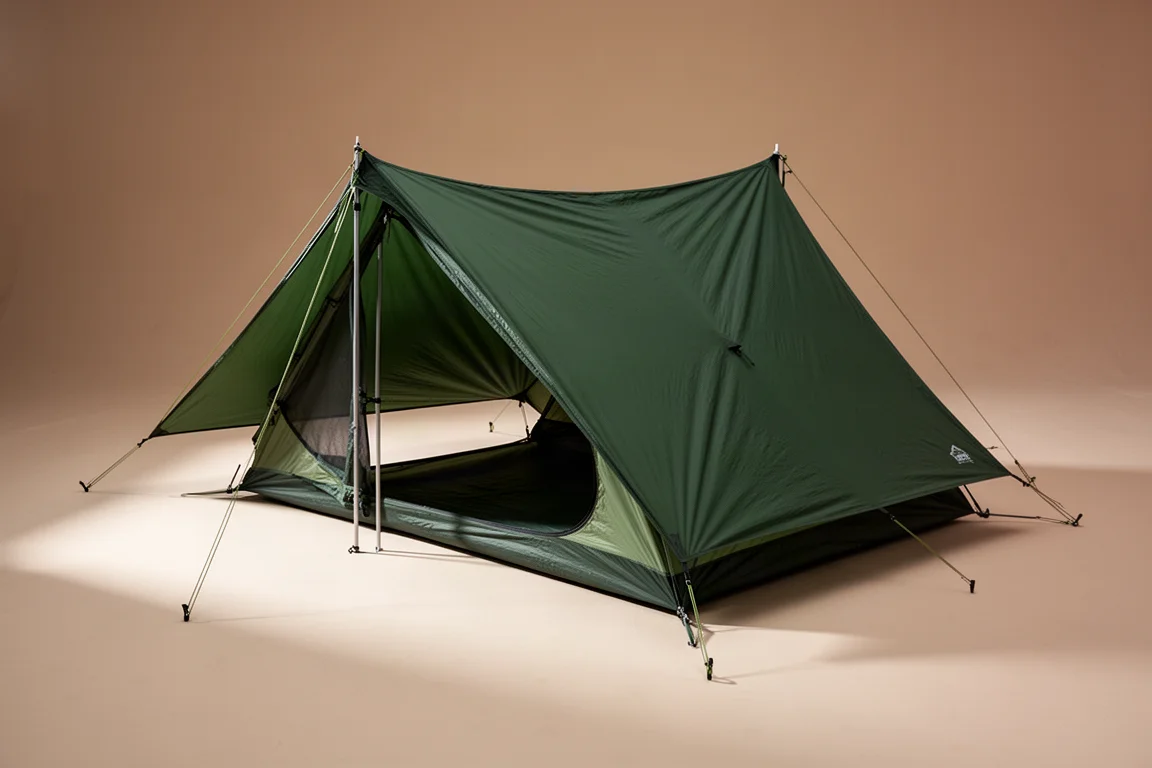
The FreeLite 2 is a semi-freestanding two-person tent that has been shown ahead of its public release. The headline change is the pole structure: the head end now has noticeably more room, so you can sit up inside without your head pressed against the fly. Earlier versions of this tent were held back by exactly that problem.
Floor space is the other upgrade. The FreeLite 2 is designed to fit two wide sleeping pads side by side, which is the difference between a tent that technically sleeps two and one that is comfortable for two. On solo trips, the extra interior volume makes it a genuinely roomy shelter.
Weight is where it gets interesting. The tent and poles come in at a claimed 900 grams, against roughly 1,100 grams for a comparable semi-freestanding two-person tent. More space and less weight in the same package is a rare combination.
Because it is semi-freestanding, setup still relies on staking out the foot end, so it is happiest on ground where you can get pegs in. In exchange you get a lighter and more compact package than a fully freestanding design.
Big Agnes Tiger Wall UL2: The Established Semi-Freestanding Tent
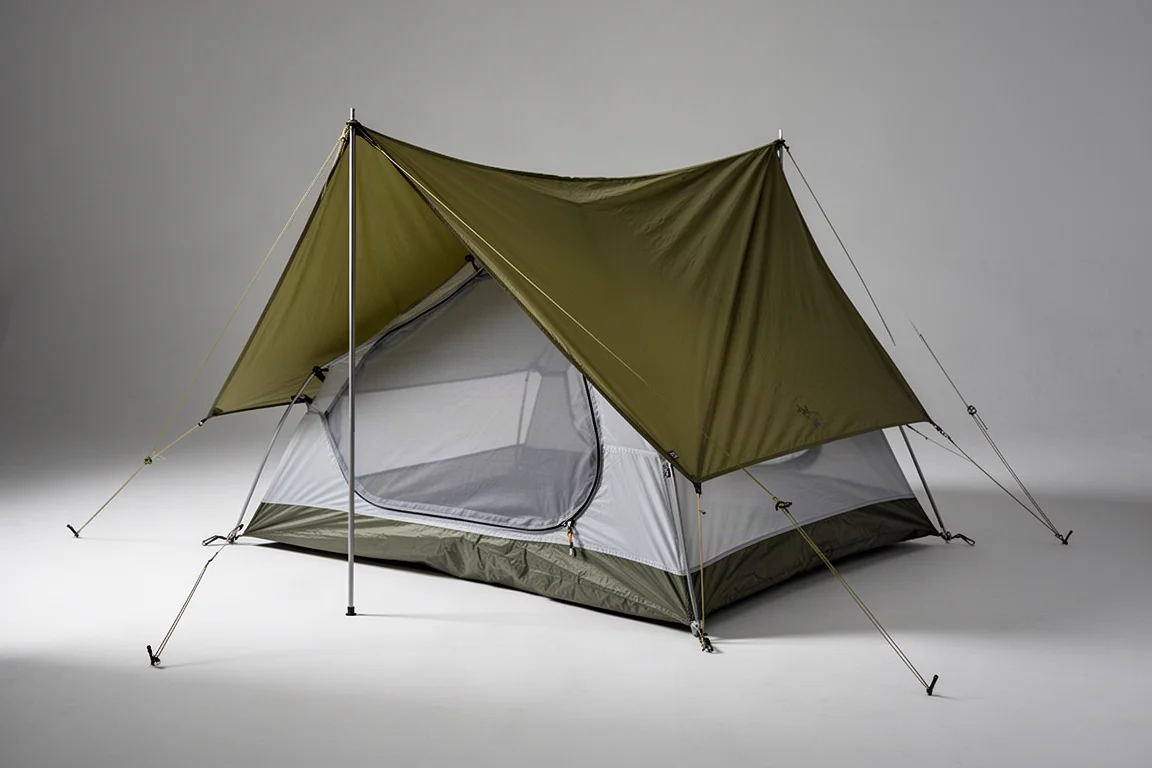
The Tiger Wall UL2 is the tent the FreeLite 2 invites comparison with, and it remains a strong semi-freestanding two-person design. Its poles and tent weigh in at about 1,100 grams.
The trade-off is interior volume. For two people the Tiger Wall UL2 can feel tight, and the natural move for couples is to step up to the three-person version rather than squeeze into the two. As a solo shelter it feels generous, and the weight is still reasonable for a tent with this much structure.
Flextail Tiny Pump X: Fast Pad Inflation and a Built-In Lantern
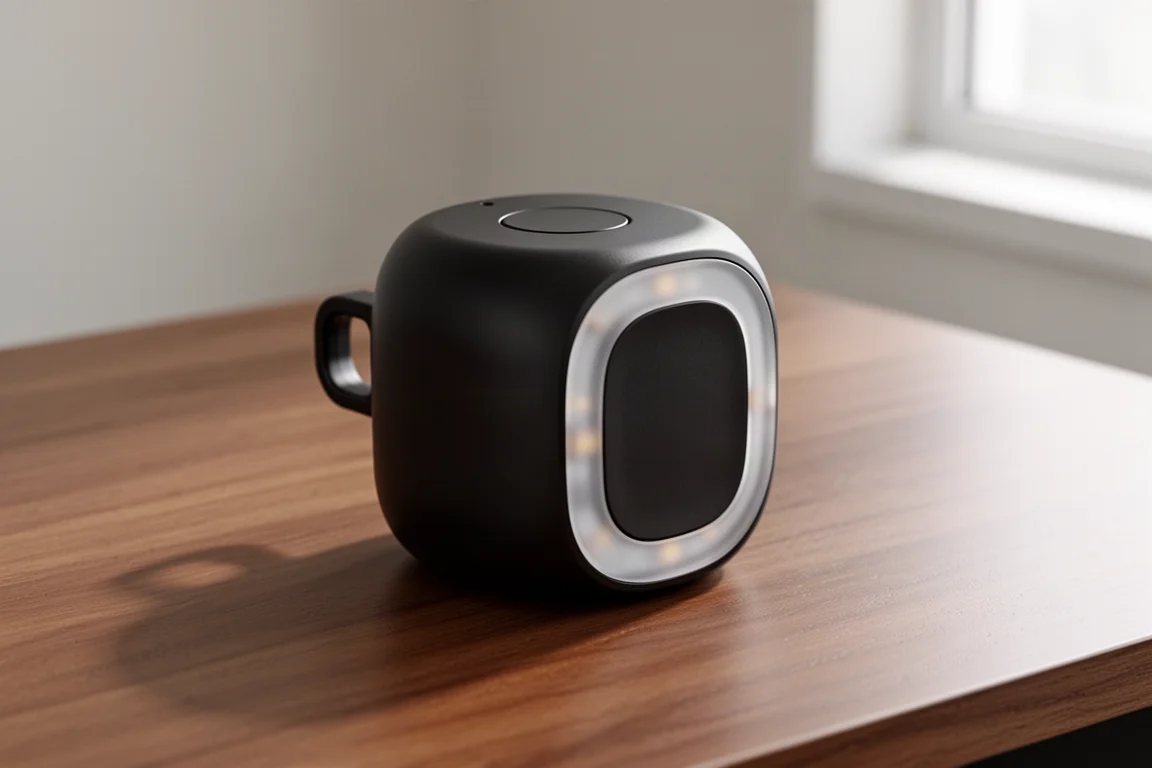
The Tiny Pump X is a small pump for inflating sleeping pads, and it is one of those items that is easy to dismiss until you actually use it. A single nozzle fits essentially any pad valve. Two presses of the button and it starts filling the pad, and it finishes quickly.
Two benefits follow. First, you can set it running and get on with pitching your shelter or sorting your kit. Second, and more importantly on cold trips, your breath never goes into the pad. Moisture from exhaled air is what degrades the insulation inside a sleeping pad over time, and the pump removes that entirely.
Weight is comparable to carrying an inflation bag, so the pump does not cost much in the pack. There is also a light built into the base that works as a bright lantern, which makes it worth hanging inside a tent in the evening.
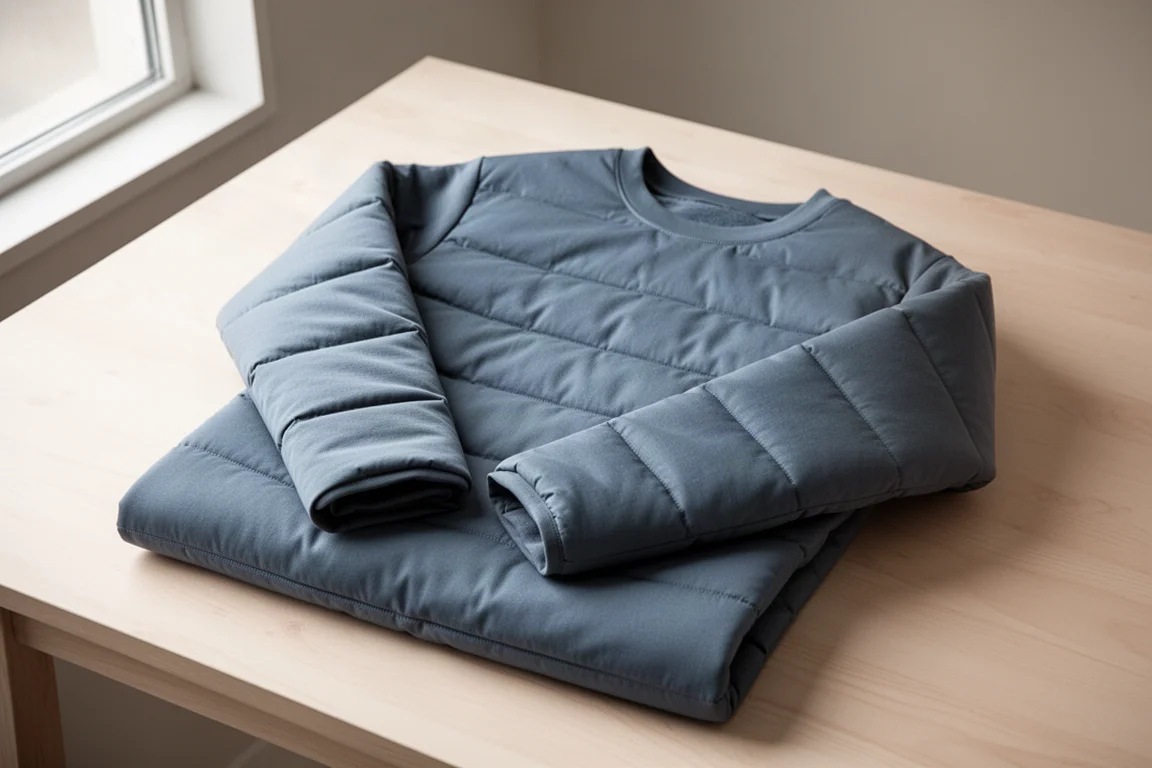
Patagonia Ultra Alpine Down Sweater: 150 Grams of Down Warmth
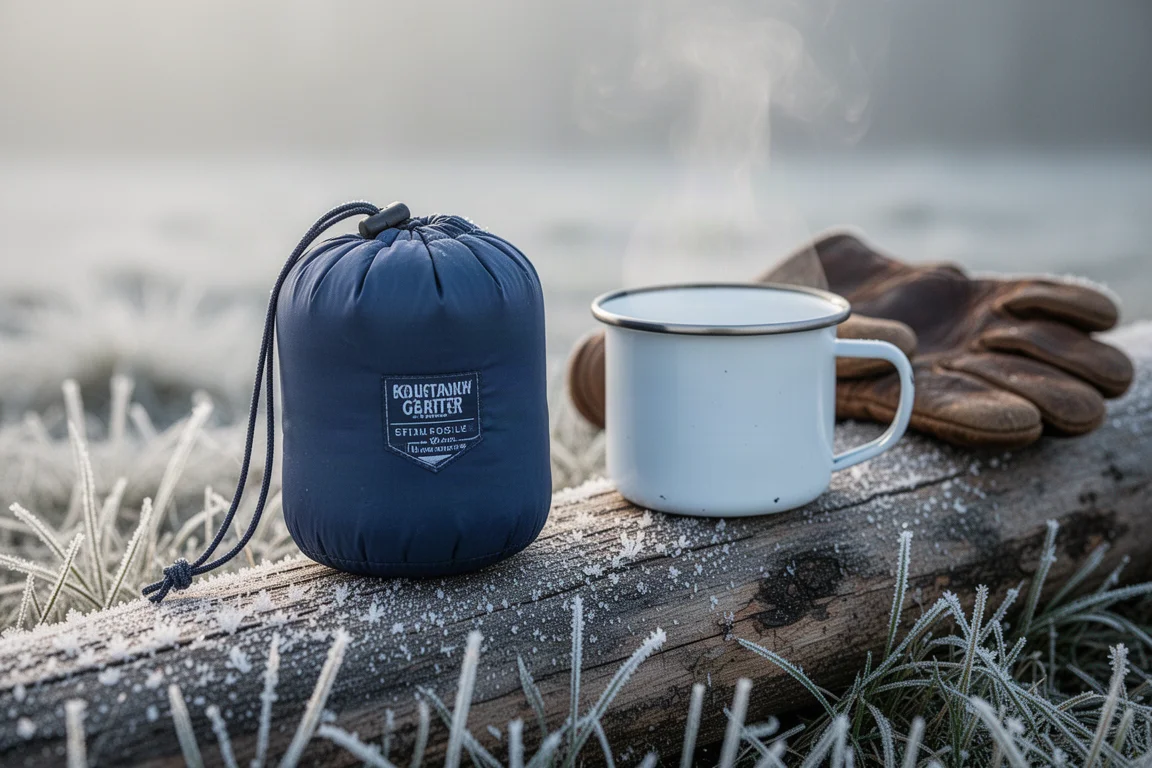
The Ultra Alpine Down Sweater is about as minimal as a down layer gets. It is a crew sweater with no zips at all, so there is nothing to snag, nothing to break, and no front opening letting warmth escape. It weighs 150 grams and compresses to roughly the size of a softball.
The construction explains the numbers. The shell is a 7-denier fabric, which is extremely light, and it is paired with a high fill-power down to reach that weight while still delivering real warmth. For its weight, this is a very warm layer.
The flip side of a 7-denier shell is durability. It is a delicate fabric, and around a fire or while handling firewood it benefits from a wind shell worn over the top for protection. Treated that way, it works as a highly packable insulation layer for cold camps.
It layers cleanly over an airy active insulation piece, which is how it is intended to be used: a breathable layer against the body, this sweater over the top, and a wind shell as the outer barrier once you stop moving.
Fire Maple Blade 2: A Titanium Remote Canister Stove
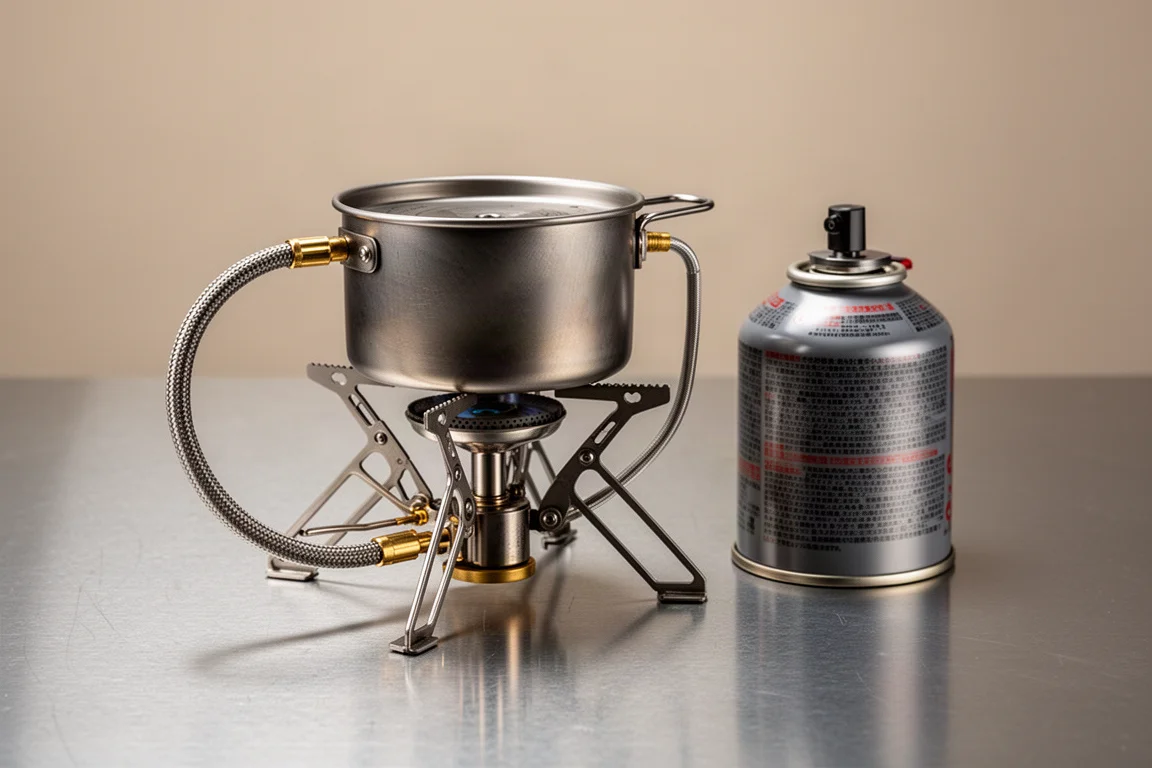
The Blade 2 is a remote canister stove built from titanium, and at 135 grams it is among the lightest of its type. Remote canister designs put the burner on a hose so the canister sits away from the flame, which matters in winter: you can invert the canister so liquid fuel feeds the stove instead of relying on pressure that collapses in the cold.
The Blade 2 handles that with a preheating tube. Liquid fuel passes through the tube, turns to gas, and arrives at the burner as a clean, steady flame. Many lightweight remote canister stoves skip this detail, and it is the difference between a stove that works in freezing conditions and one that struggles.
Pot support is generous too, with wide pot stays that hold large cookware steadily. That is unusual on a stove this light, and it makes the Blade 2 a realistic option for melting snow or cooking for two rather than for a single small pot.
Buying Advice: Matching Gear to the Trip
Which of these pieces is worth your money depends on what your trips actually look like.
If you camp in freezing conditions, the stove and the down sweater do the most work. A remote canister stove with a preheating tube keeps cooking reliable when temperatures drop, and a 150-gram down layer gives you serious warmth for very little packed volume, provided you protect the delicate shell.
If shelter is your priority, the choice between the two tents comes down to space and weight. The FreeLite 2 is the lighter option with more interior room and a more comfortable head end, while the Tiger Wall UL2 remains a proven design that suits solo use well.
For everything else, the small items earn their place quickly. A pump that inflates a pad without adding breath moisture and doubles as a tent lantern is easy to justify on any cold-weather trip, and an airy mesh layer that turns into real insulation under a wind shell covers a wide range of conditions with a single garment.
One general note: ultralight gear rewards care. Thin shell fabrics, titanium components and fine mesh all perform beautifully but do not tolerate abuse, so pack them thoughtfully and they will last.
Conclusion
These six pieces share a common approach: reduce weight and bulk without giving up function where it counts. A mesh layer that manages moisture and traps warmth, two lightweight tents with different priorities, a tiny pump that protects your sleeping pad, a down sweater that disappears into a pack, and a titanium stove that still works in the cold.
If you are upgrading one item at a time, start with the piece that solves your biggest annoyance. A pad that takes ten minutes of huffing to inflate, a stove that will not light below freezing, or a shelter you cannot sit up in are all problems these products are designed to remove.
Further reading
Related Reviews
Camping Gear
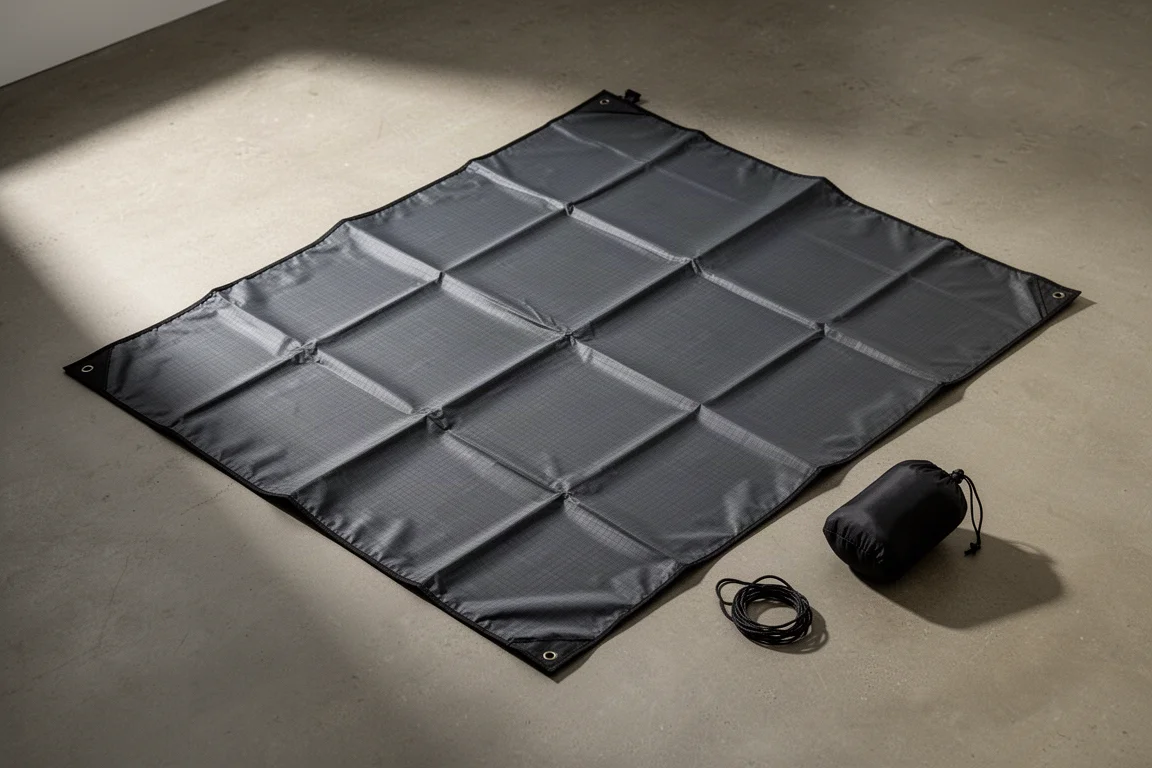
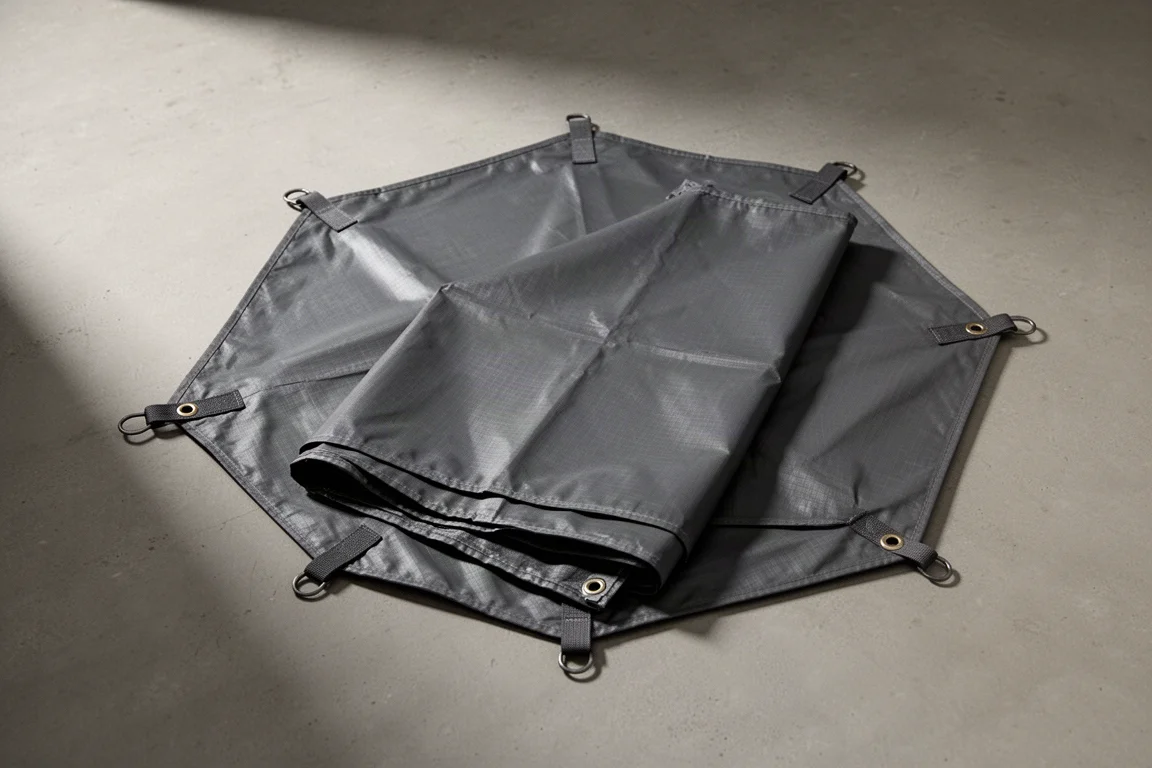
3FUL Ultralight Ground Sheet Review: A Two-Person Footprint Worth Packing
A 6.7 oz two-person ground sheet in ripstop silnylon, priced around $30. Here is what it protects, what it does not do, and who should pack it.
Camping Gear
Backcountry Light Dual-Function Tarp and Floor Review: A Footprint First
A dual-purpose tent floor and tarp that keeps falling rain off you, but cannot block wind. Here is where it works and where it does not.
Camping Gear
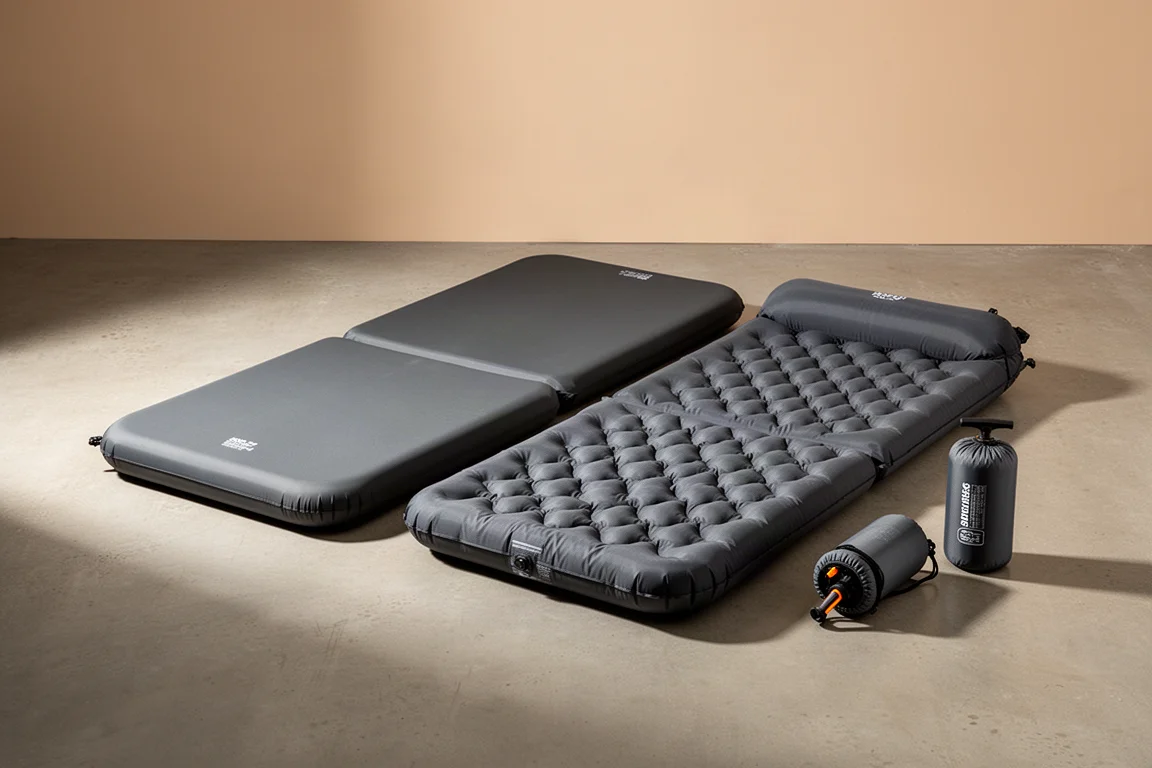
Best 2-Person Camping Mattresses for Couples: 10 Options Compared
A practical comparison of ten two-person camping mattresses, covering self-inflating pads, air pads and air mattresses for couples.