Outdoor Gear
Six Outdoor Gear Finds Worth a Closer Look
A hand axe, a 1,500-lumen flashlight, an extreme-cold boot, a deep winter quilt, a lay-flat hammock, and a pair of rugged radios, judged on real strengths and honest trade-offs.
Introduction
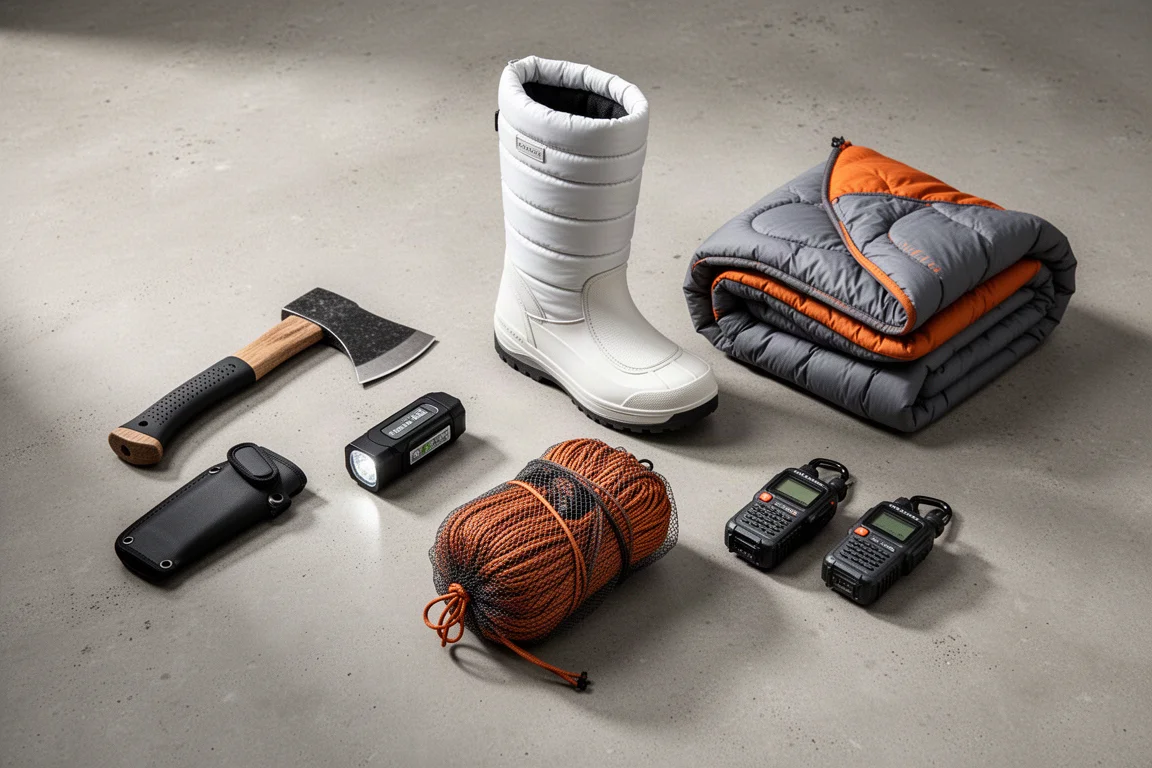
Some outdoor gear earns its place by doing one simple job well. Other pieces are more interesting than that. They solve a problem in an unusual way, or they pack so much capability into a small package that using them becomes a skill of its own.
The six products below sit at different points on that spectrum. A few are genuinely clever designs. A couple are more complicated than they need to be. One is built for conditions that most people will never camp in. Together they make a useful snapshot of where outdoor gear design is heading, and each entry includes the trade-offs worth knowing before you spend money.
How We Evaluated This Gear
For a roundup like this, the useful questions are practical ones. Does the design solve a real problem, or does it create a new one? Is the build quality worth the asking price? How much learning does the product demand before it becomes second nature in the field?
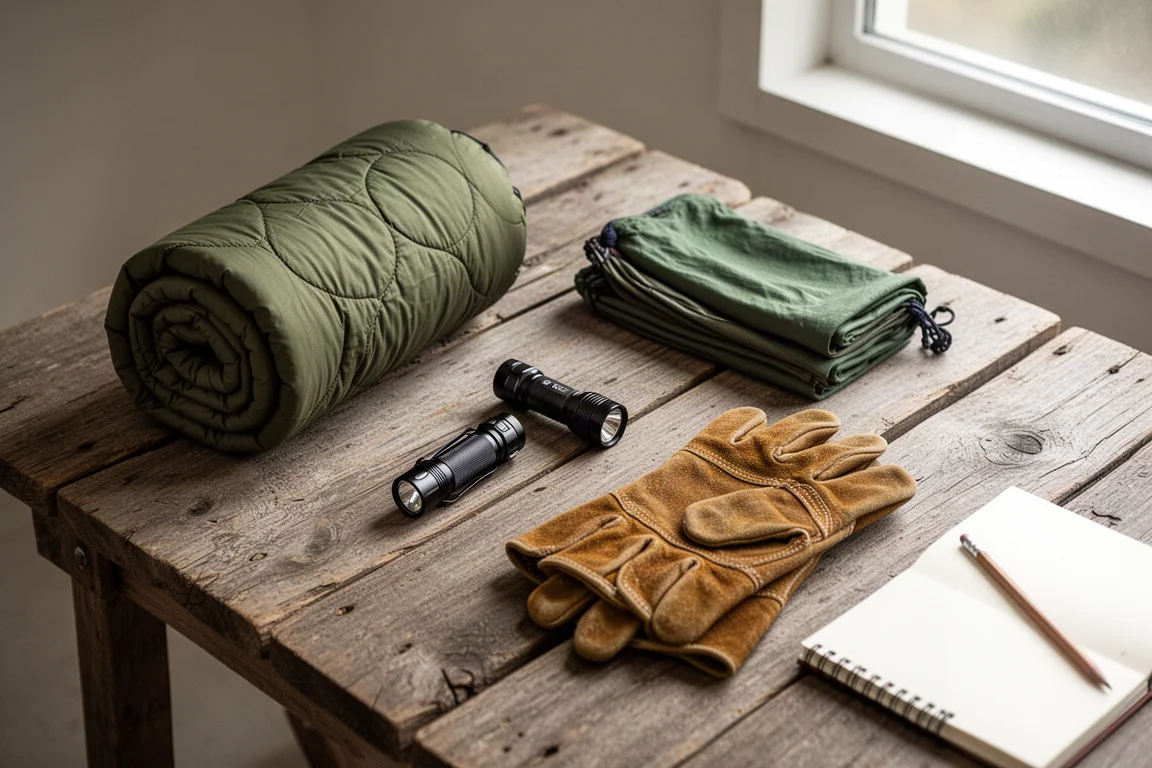
Price matters, but value matters more. A $50 light that is frustrating to operate is a worse purchase than a $110 radio that works every time you pick it up. Weight and packed size matter for anyone carrying gear on their back, and durability matters most for the items that take the hardest use. Each product below is judged on those terms, with the trade-offs stated plainly rather than smoothed over.
Axis Hand Axe: A Compact Hand Chopper
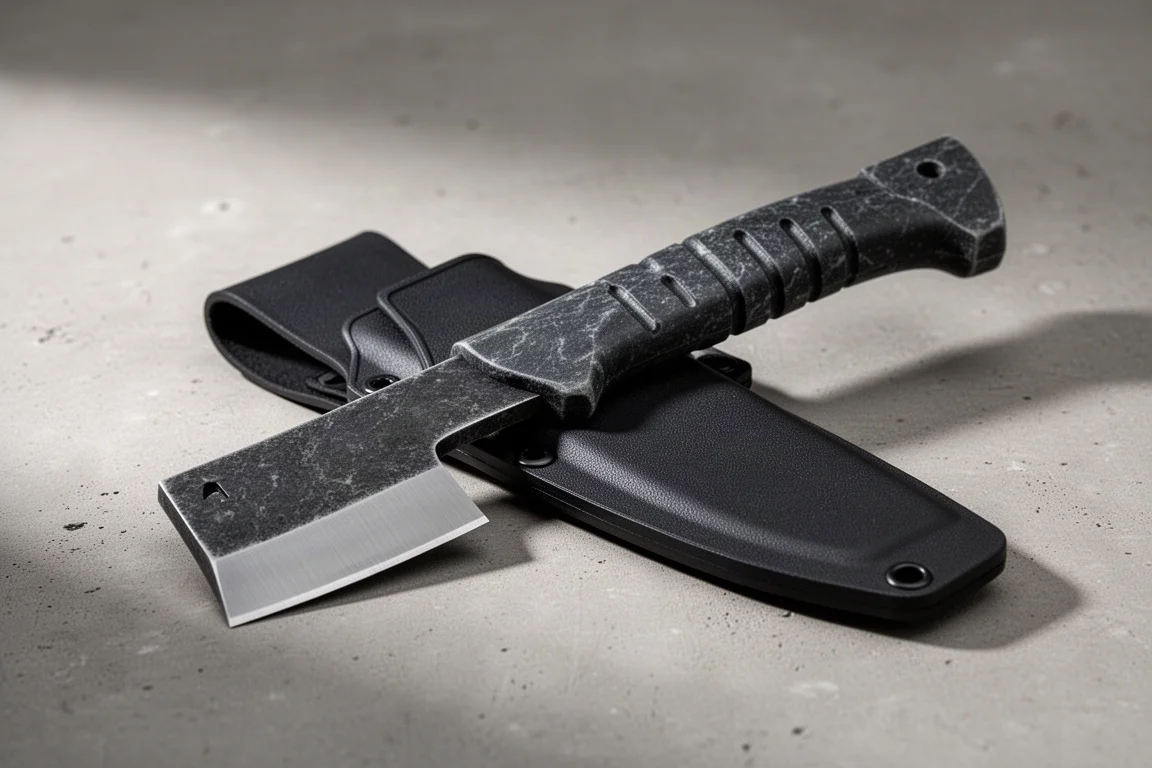
The Axis Hand Axe is one of the more unusual tools in this group. It is a 7-inch hand axe with a 5.3-inch blade, made from D2 steel at 3/8 of an inch thick, and it arrives with a hard-shell sheath that holds it securely. The idea is that you grip the tool directly in your hand and chop with it, rather than swinging a hatchet on a handle.
Handling is the whole story here. The tool offers a range of grip positions, which lets you choke up for finer cuts or hold it further back for more leverage. It is light and compact for what it is, and it can be lashed to a handle to work as a full axe, though that setup takes time and patience to assemble in the field.
The trade-offs are real. Chopping hard wood by hand is slow work, and the tool is not built for delicate tasks, so most people who carry it will still want a knife in their pocket. At $185, it is a specialist purchase rather than an everyday tool. For bushcrafters who enjoy building shelters and processing wood by hand, the versatility is the appeal. For everyone else, a folding saw or a small hatchet will cover the same jobs for less.
Wuben X4: 1,500 Lumens With a Complicated Interface
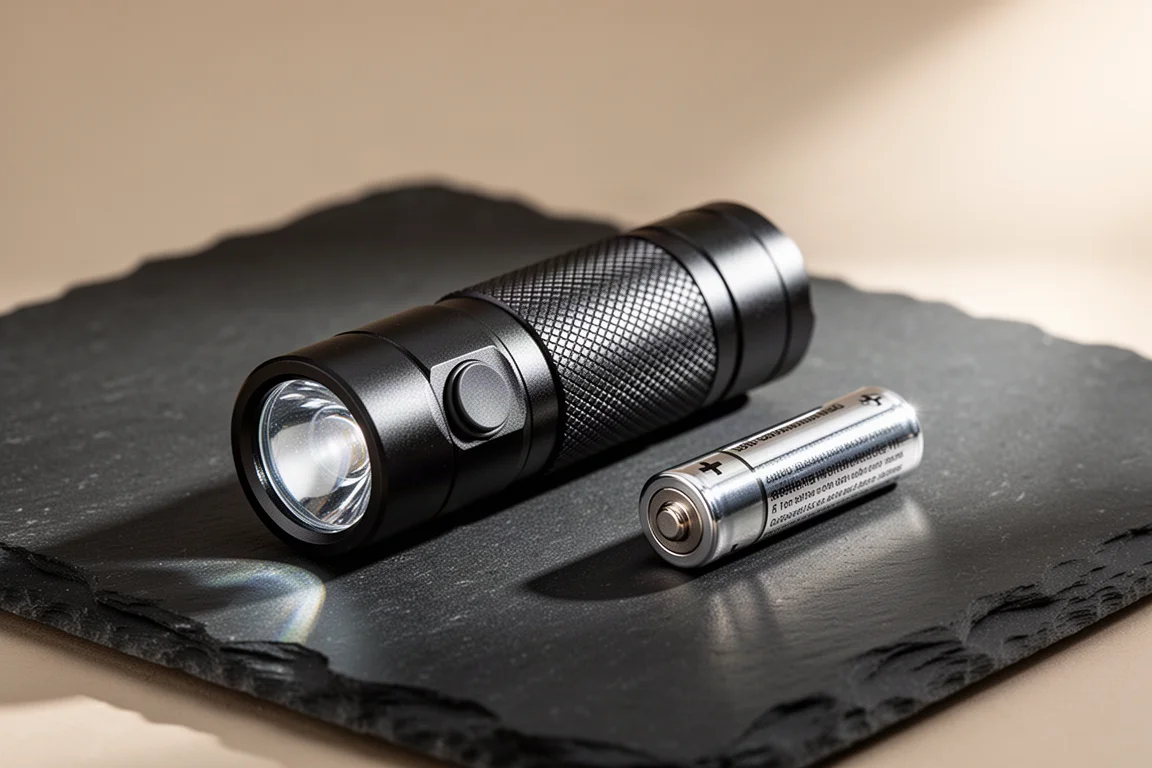
The Wuben X4 is a 1,500-lumen flashlight priced at $50, which is a reasonable figure for that much output. The hardware itself feels capable. The difficulty is everything wrapped around it.
A sliding switch selects between locked, side light, front light, and moonlight positions. Once the light is on, a main button powers it up and a side knob cycles through brightness levels. A small rear button works only in certain modes. The side panel adds a white light plus a set of colors, including red, blue, teal, and yellow.

Individually, none of those features is unreasonable. Together they create a light that is hard to operate by feel. The side knob dims in one orientation and brightens in the other, so the result depends on how you happen to be holding it. A locked switch position that requires counting clicks to exit is not something most people want to deal with in the dark.
If you want a light with a side panel and colored output, the X4 delivers a lot for $50. If you want a light that turns on and lights things up, the controls will likely be a frustration.
Alaska Gear Company Bunny Boot: Built for Deep Cold
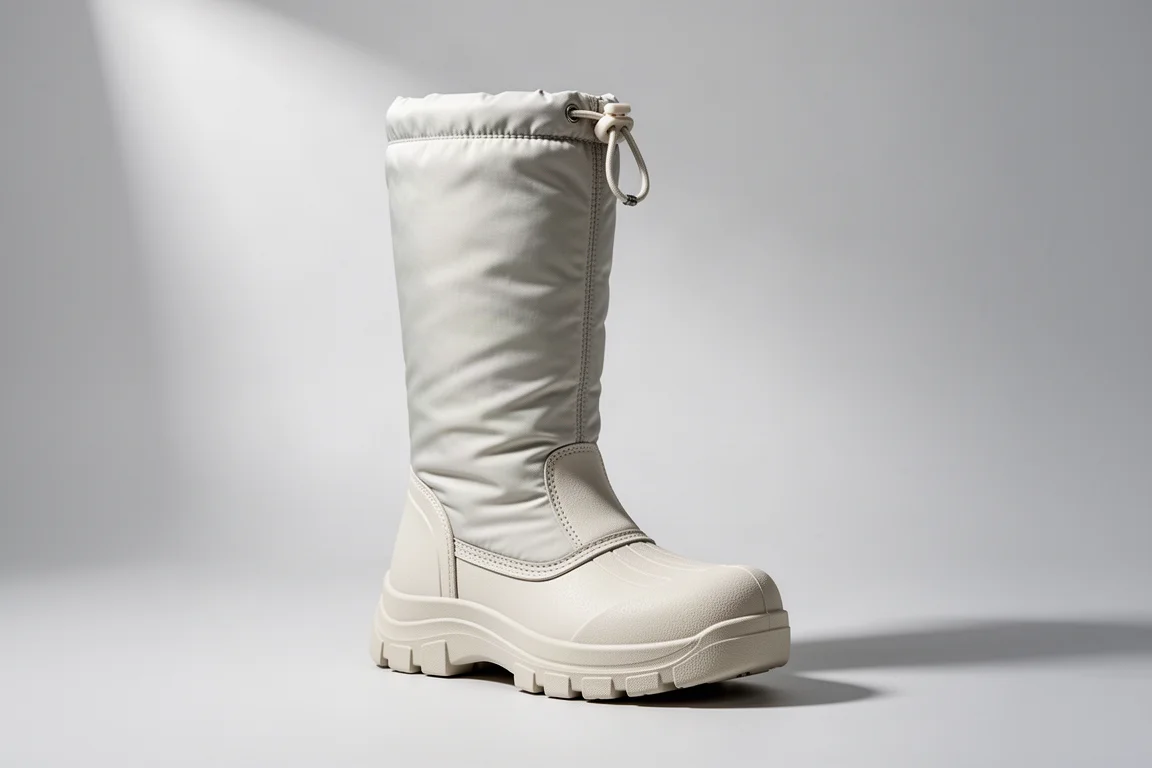
The Alaska Gear Company Bunny Boot is a fully waterproof insulated winter boot with a comfort rating down to -25°F, plus an insole aeration system to help manage moisture. It is a proven design that has been tested by the company in the conditions it was built for.
Wearing them is an experience. The boots stand about three inches taller than an ordinary winter boot and weigh roughly 7 pounds for the pair. They are bulky by design, which is a large part of why they are warm, and the company notes that feet will sweat inside them because the insulation is doing its job.
For anyone living or working in genuinely cold climates, this is the kind of footwear that makes deep winter bearable. For a weekend camper in a temperate region, it is far more boot than the job requires. At $290 on sale, down from $350, the price is lower than many people would expect for this level of insulation, which makes it a more accessible specialist purchase than it first appears.
Zenbivy -5°F: A Backcountry Bed for Deep Winter
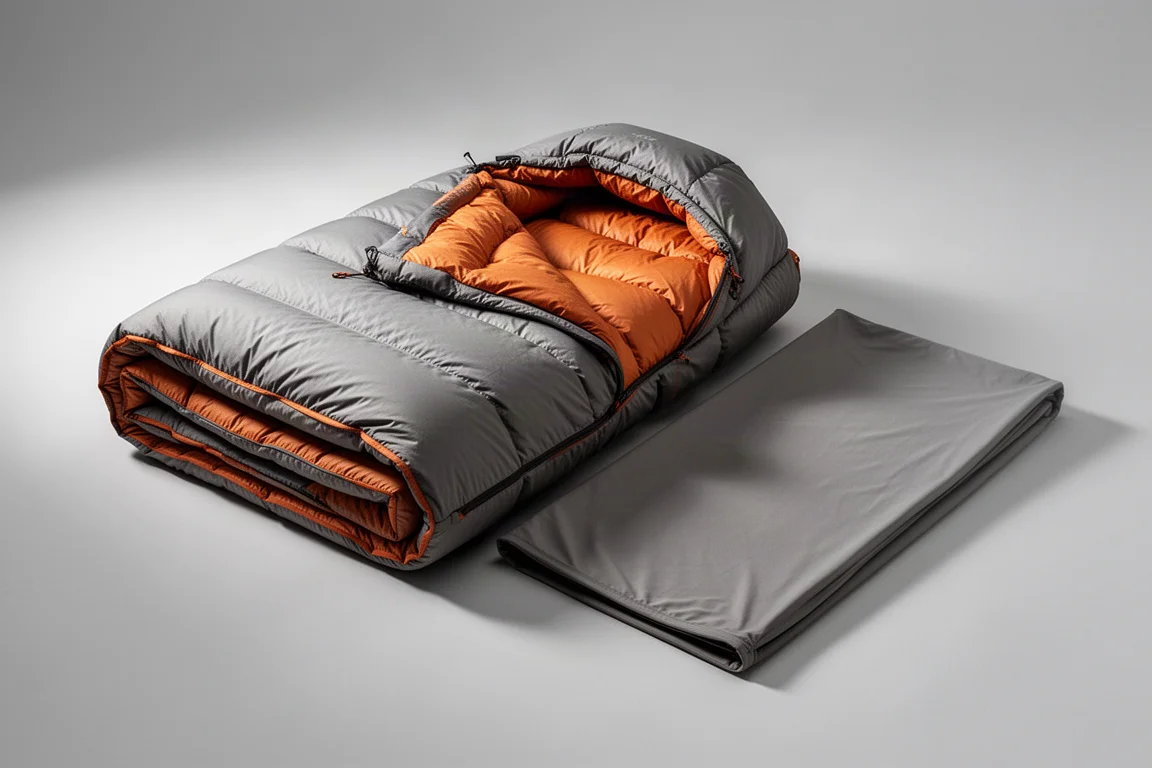
The Zenbivy -5°F is a two-part sleep system rather than a sleeping bag. A fitted sheet goes over an air mattress and fits most standard pads, and a quilt with 800 fill down rests on top of you. A fast foot box closes over your feet as soon as you slide in, and color-coded side clasps attach the quilt to the sheet so the two stay together.
The design solves the main complaint about sleeping bags: the claustrophobic, restricted feeling of being zipped into a tapered tube. Because the quilt attaches to the sheet instead of wrapping around you, it stays in place when you roll over, which means back, side, and stomach sleepers can all use it without drafts creeping underneath. A hood covers your head, and the whole setup feels closer to a bed at home than a bag on the ground.
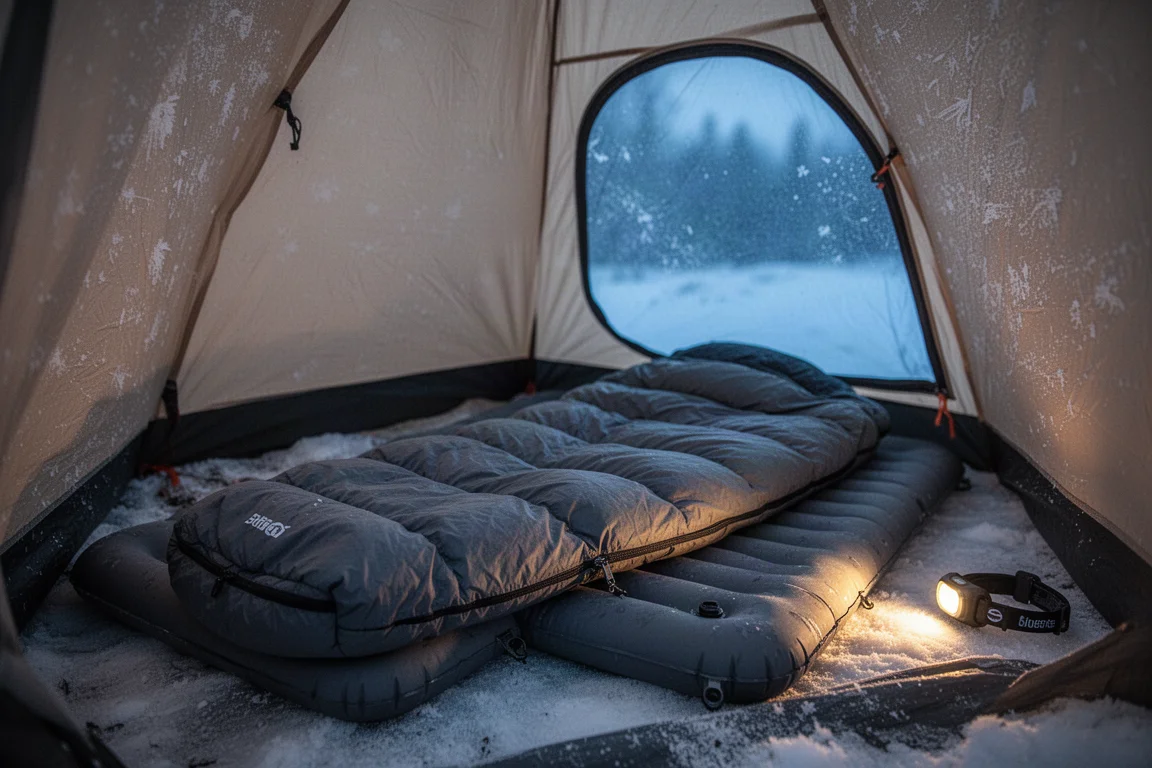
The trade-offs are worth naming. The side clasps are the part most likely to see wear over time, so they deserve some care when packing and unpacking. The system also costs more than a basic bag at $370, though for the amount of down and the temperature rating involved, that is a competitive figure in the deep winter category. For cold-weather camping where sleep quality matters most, it is a strong option.
Amok Hammock: A Lay-Flat Design That Sleeps Differently
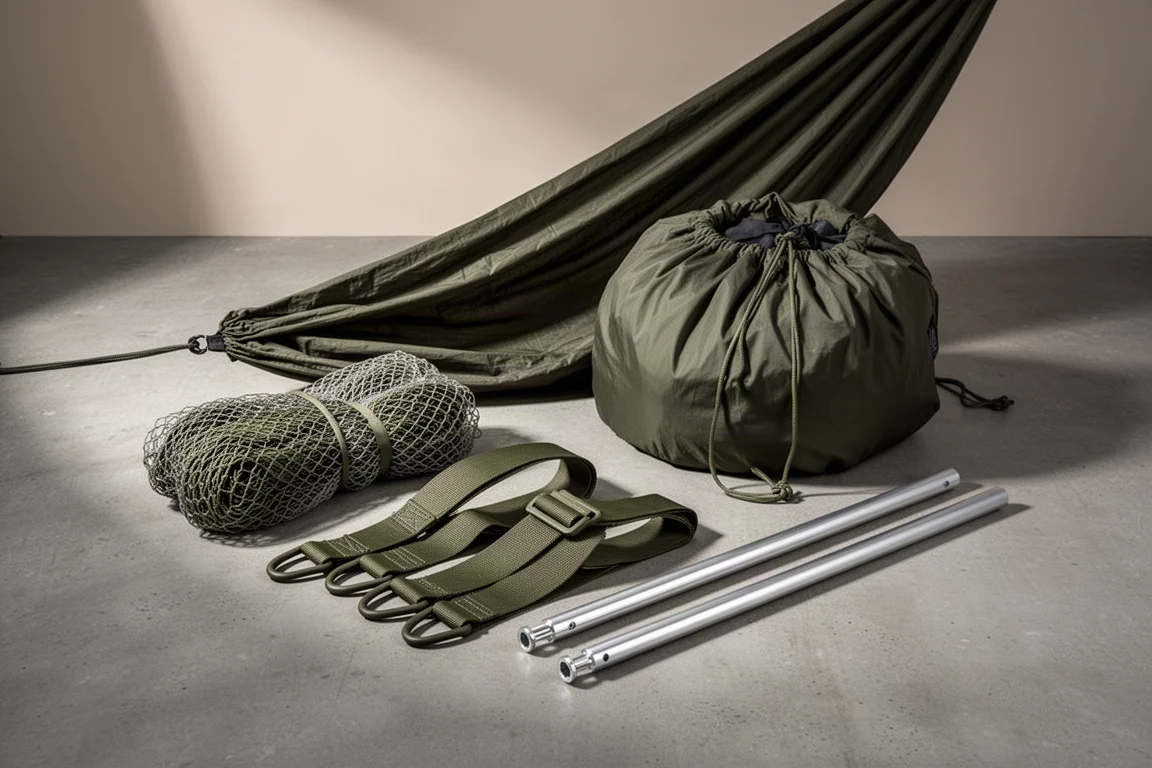
The Amok Hammock takes the standard hammock layout and turns it sideways. Instead of lying with your head and feet toward the trees, you lie perpendicular to the suspension, which produces a flatter sleeping position. The design is intended to make back, side, and stomach sleeping all possible.
Setup is faster than the design suggests, roughly three to five minutes for the hammock itself, and the interior is unusually well organized, with pockets for gear and a phone and a dedicated spot for a Nalgene bottle. The hammock converts into a chair mode, ships with a bug net, and is available in an extra-large version as well as an ultralight model. Optional poles add interior room, which helps anyone who feels closed in by a traditional hammock.
The main cost consideration is that the hammock is only part of the system. The hammock alone is $219, the matching sleeping pad with an R5 rating is $150 and sold separately, and the tarp is an additional purchase. You can use your own pad, which softens that total, and the slowest part of the setup is inflating a pad and threading it into the sleeve. Quality and design are the strengths here, and for anyone who camps in a hammock regularly, it is worth a close look.
Rocky Talkie: Rugged Radios for Group Trips
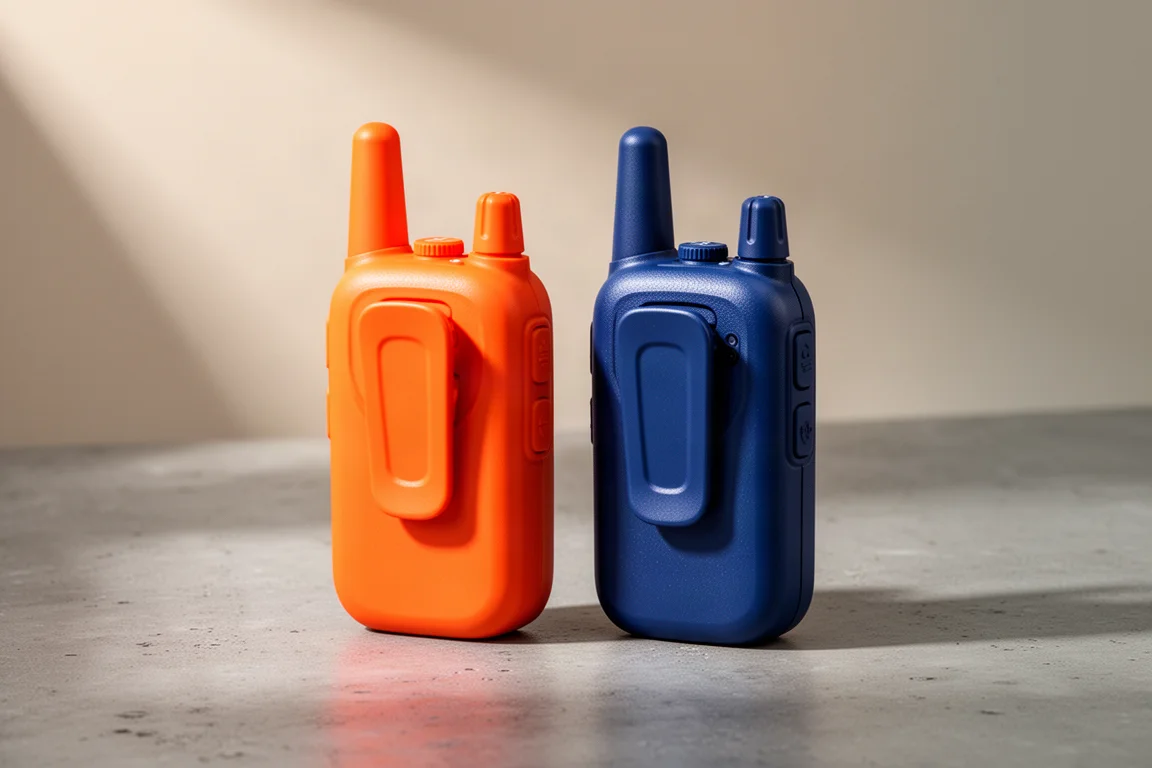
Rocky Talkie radios are built for the outdoors. Each unit comes with a carabiner for clipping to a sternum strap or shoulder strap and a secondary carabiner for a belt, so a dropped radio stays attached on a climb. Battery life runs three to five days per charge, and the operating temperature range spans roughly -25°F to 120°F, which covers essentially any trip a recreational user will take.
Range depends heavily on terrain. The line-of-sight figure is 35 miles, but in woods and mountains expect closer to a mile. In built-up areas with houses, fences, and trees in the way, audio holds up to roughly half a mile before breaking up, with 0.6 to 0.7 miles as the practical limit. Vehicle bodies also cut into performance, and stepping outside noticeably improves clarity.
At $110 per radio, the price is the main hesitation, since basic consumer walkie-talkies cost considerably less and offer comparable line-of-sight range. What you pay for here is durability, weather resistance, and simple operation that suits backcountry group trips. If your group splits up across camps or hikes at different paces, that reliability is the point.
Which One Fits Your Kit
For most people, the right purchase here depends entirely on where and how often you go out.
Cold-weather campers get the most value from the Zenbivy -5°F and the Alaska Gear Company Bunny Boot, both of which are built for temperatures that would end a three-season trip. The quilt is the more versatile of the two, since the sheet and quilt system works over most pads and sleeps well when paired with lighter insulation for milder conditions. The boot is a specialist item for genuinely cold places.
Hammock campers should look at the Amok Hammock, particularly if a flat sleeping position and interior space are priorities. Budget for the pad if you do not already own one that fits, and remember that the tarp is a separate purchase.
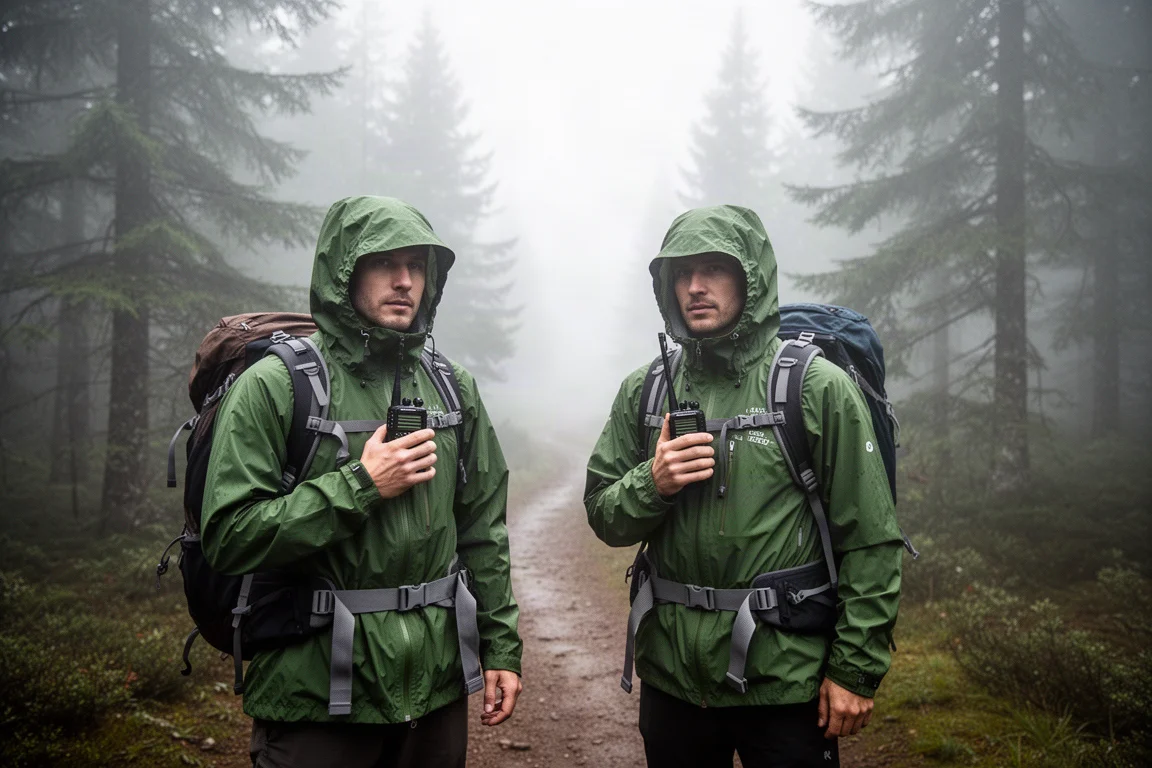
For group trips where communication matters, Rocky Talkie radios trade price for ruggedness and simple controls, which is a fair exchange if your trips take you away from cell coverage and split your group across distance.
The Axis Hand Axe and the Wuben X4 are the two most divisive picks. Both are well made, and both ask for more patience than most users will want to give. Buy the axe if hand tools and bushcraft are genuinely your hobby. Buy the flashlight if colored side lighting and 1,500 lumens matter more to you than a simple on switch.
Conclusion
Six products, six different answers to the question of what outdoor gear should do. The strongest entries in this group are the ones that solve a specific problem cleanly: a sleep system that removes the claustrophobia of a bag, a boot that handles deep cold, a hammock that sleeps flat, and radios that survive being dropped on a climb.
The hand axe and the flashlight are more interesting than they are practical, and that is worth knowing before you spend $185 or $50 on either. Neither is badly made. They simply ask for a level of engagement that most buyers will not sustain once the novelty wears off.
Match the product to the trip you actually take, and this list has something that fits.
Further reading
Related Reviews
Outdoor Gear
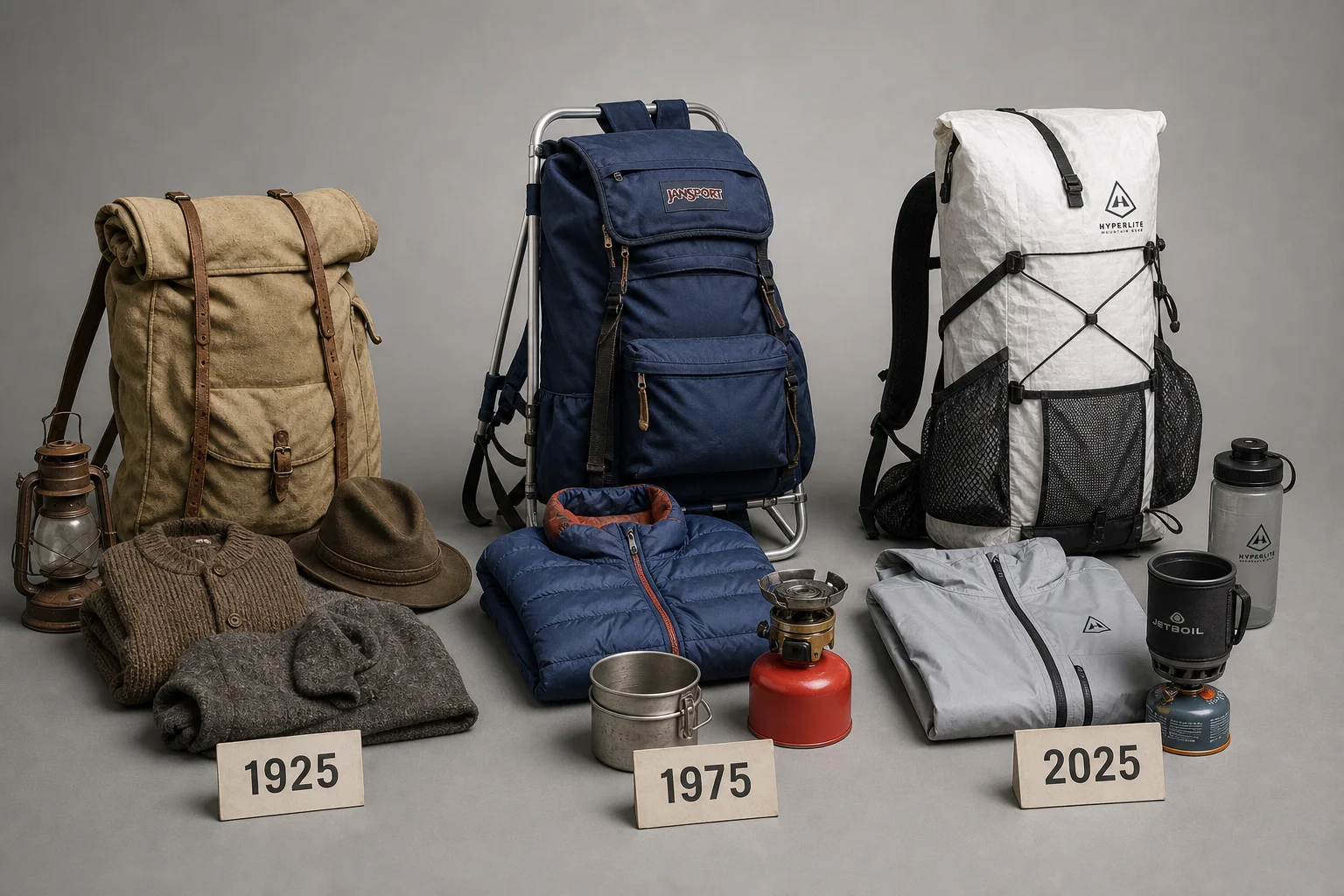
Backpacking Gear Evolution: 100 Years of Technology Compared
We tested backpacking gear from 1925, 1975, and 2025 across a three-day hike in Yosemite. Here's how technology has transformed comfort, weight, and the outdoor experience.
Outdoor Gear
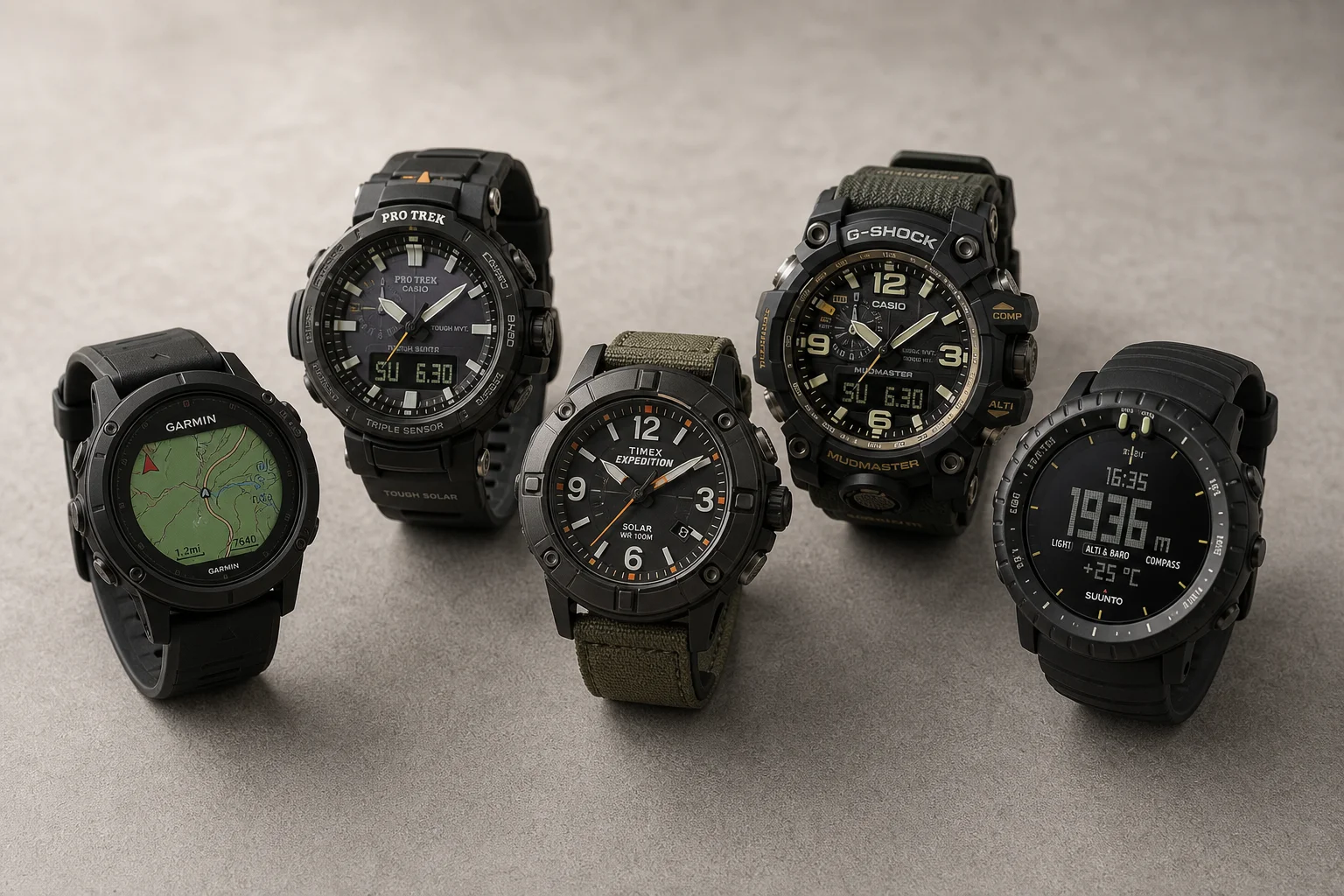
Best Affordable Hiking Watches: Five Rugged Options for Outdoor Adventures
Five durable hiking watches that balance ruggedness, functionality, and value for outdoor enthusiasts who need reliable GPS tracking and weather resistance.
Outdoor Gear
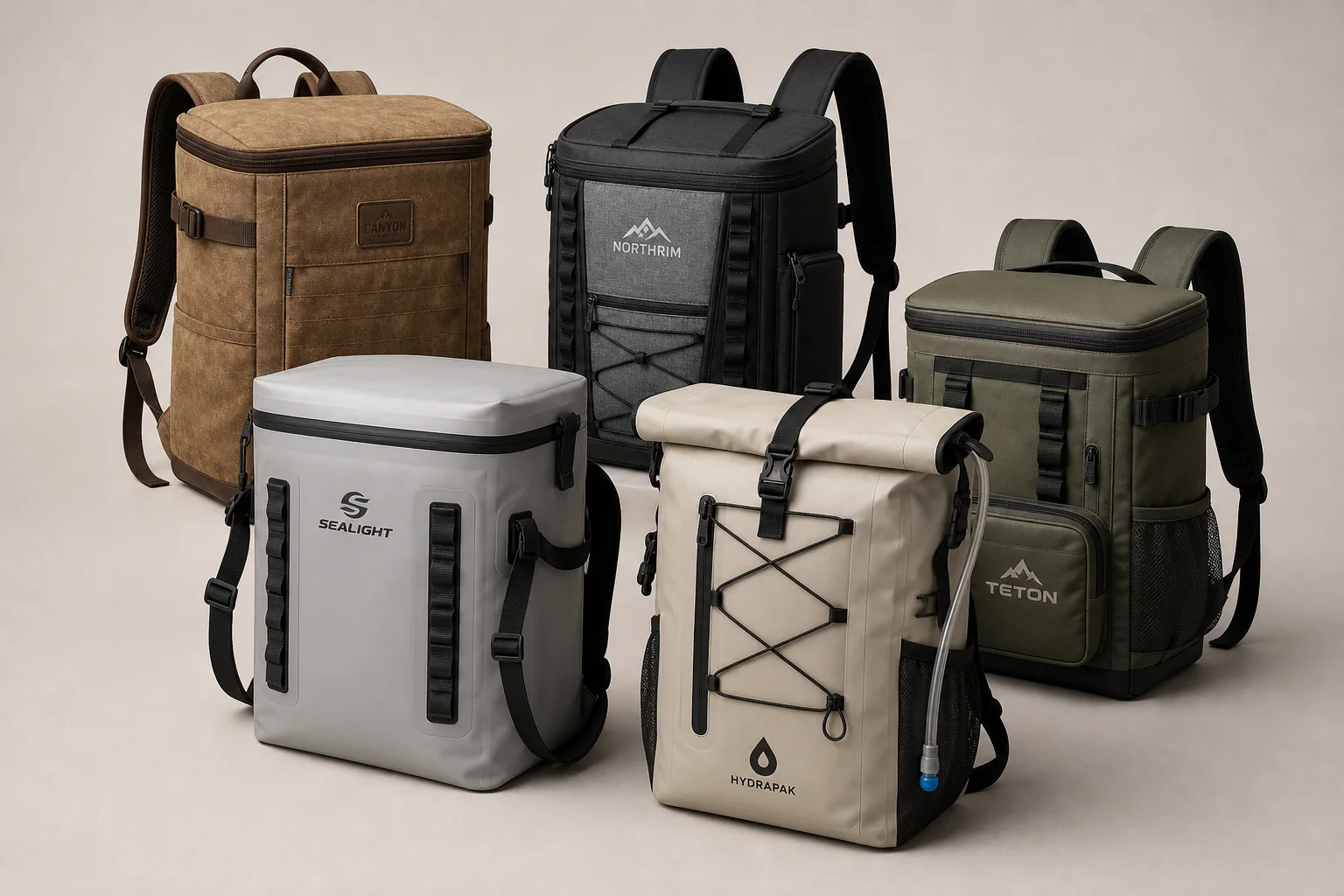
Best Backpack Coolers 2026: Five Practical Options for Outdoor Adventures
Five backpack coolers with distinct cooling capabilities, storage features, and design trade-offs to help you choose the right one for your outdoor needs.