Backpacking Packs
Six Moon Designs Minimalist v2 Review: A Vest Harness That Rewrites Carry Comfort
A 40-litre ultralight pack with a vest-style harness, a 2 lb 6.5 oz measured weight, and a $235 price. Here is how it carries at 25, 35, and 40 pounds, and who it actually suits.
Introduction
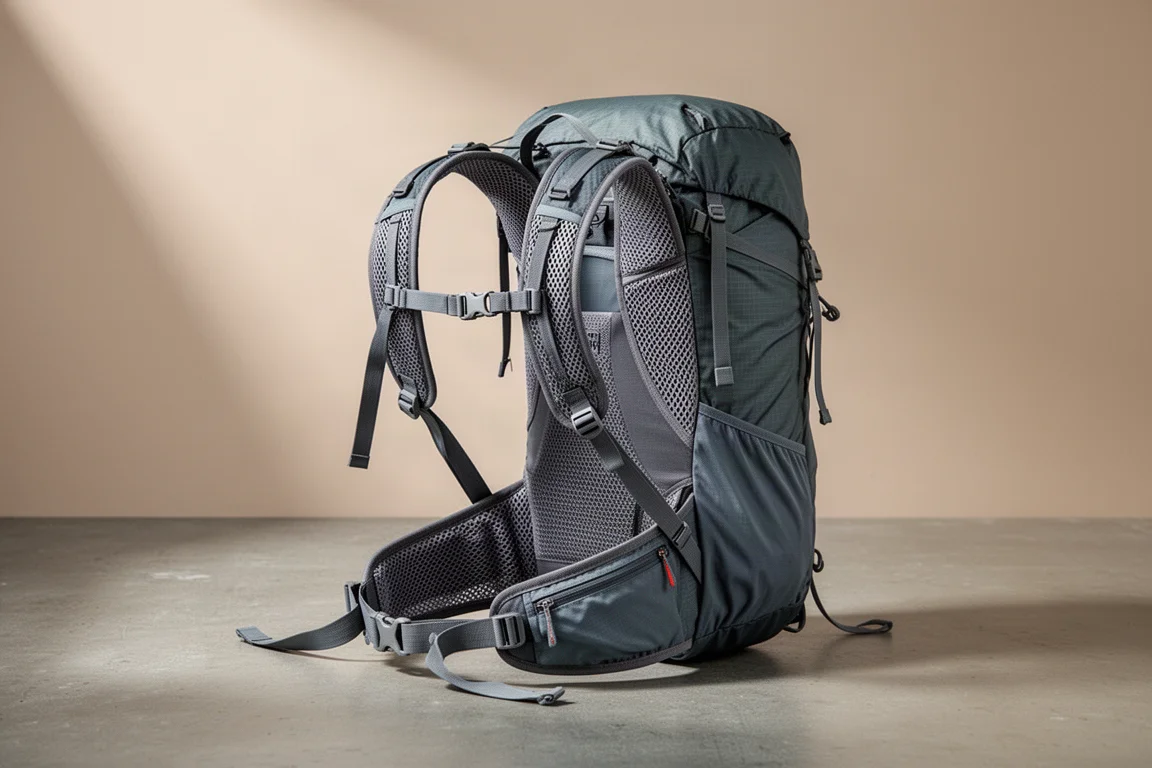
The Six Moon Designs Minimalist v2 is not a conventional backpack. Instead of the usual pair of padded shoulder straps, it uses a vest-style harness that wraps the upper torso, spreading load across the chest and core rather than concentrating it on the collarbones. The concept is unusual enough that plenty of backpackers form an opinion about it long before they ever put it on.
The numbers are modest on paper. There is a 40-litre main compartment that can be pushed to roughly 50 litres, a measured weight of 2 lb 6.5 oz, and a price of $235 US. Nothing about that spec sheet looks radical.

What makes the pack worth a closer look is how the harness changes the sensation of carrying a load, and how much of that benefit depends on whether your kit is genuinely light. Six Moon Designs suggests a base weight of no more than 12 lb, which tells you a great deal about the intended owner.
Who This Pack Is For
This is a pack for backpackers who have already trimmed their kit down and know their base weight. If your gear list lands at or under roughly 12 lb, the Minimalist v2 is positioned to reward that discipline with a carry feel that is genuinely different from a standard strap-and-hip-belt design.
It is also worth considering for hikers who dislike cranking a hip belt down hard. With a vest harness doing more of the stabilising work, the hip belt can stay noticeably looser while the shoulders remain unloaded. Riders of heavy loads, winter campers, and anyone packing group gear should look elsewhere, because the design has a defined ceiling.
Main Strengths: A Vest Harness That Changes How Weight Feels
The defining feature is the harness. With a typical pack, weight sits on the shoulders until you tension the hip belt, and the hip belt becomes the thing you adjust all day. Here, the load transfers through the vest into the core, and the sensation on the shoulders largely disappears. At around 25 lb of total weight, the shoulders felt essentially free of load, and the pack still transmitted weight to the hips the way a normal pack does, just without the need to over-tighten the belt.
The harness is adjustable enough to fit a very wide range of torso lengths, and it is not a permanent commitment. Six Moon Designs sells conventional shoulder straps that can be swapped in for anyone who does not get along with the vest layout. That flexibility matters, because the vest is the whole argument for the pack.
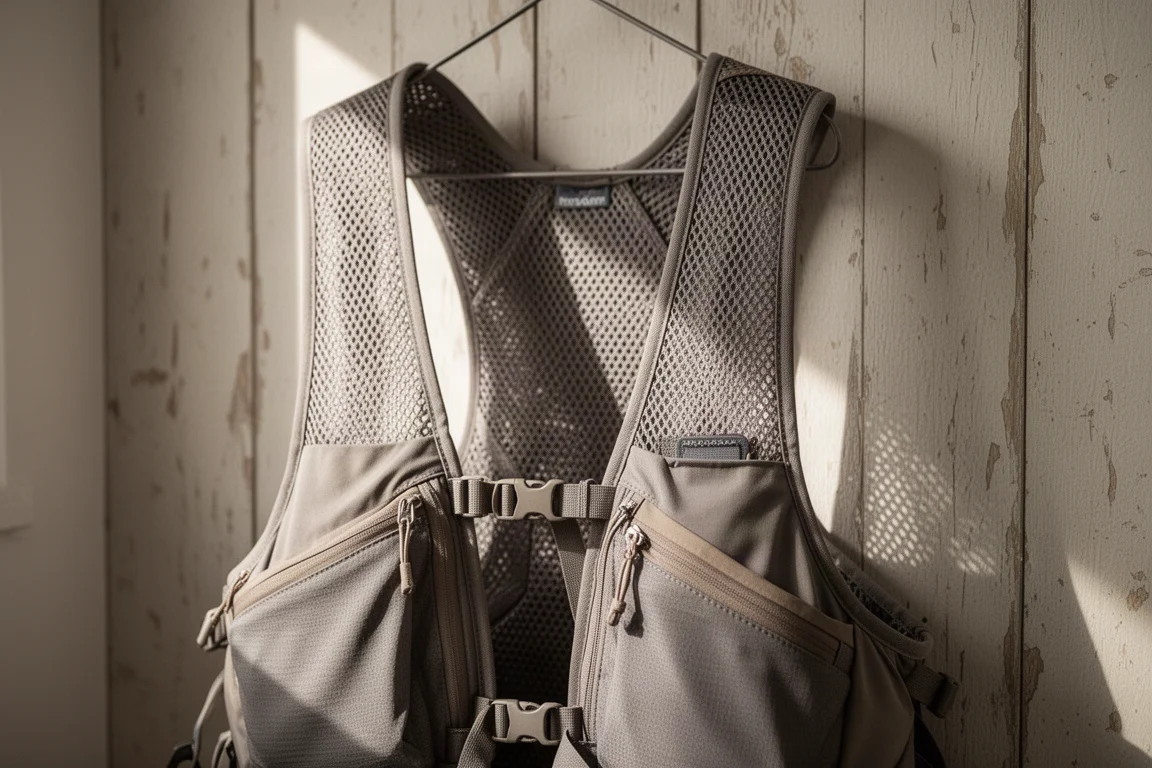
The hip belt uses four straps rather than the usual two. The extra straps are there to help the belt articulate and form to the shape of an individual’s hips. In practice, grabbing two straps to tension the belt was no harder than grabbing one, so the added complexity does not cost much in daily use.
Features and Capacity: More Than the Name Suggests
Despite the name, this is not a stripped-down pack. The 40-litre main compartment can be stretched to about 50 litres, and the external storage is generous. One large side pocket swallows bulky items such as a camp chair. A smaller pocket on the opposite side holds two one-litre bottles comfortably, and those bottles stay reachable while the pack is worn, which is not something every pack manages.
A large stash pocket across the middle carries a rain jacket, rain pants, a first aid kit, a hat, zip-off pant legs, and snacks within easy reach. There are tie-down straps for lashing items externally, and the top lid straps are unusually long, long enough to strap a bear canister onto the top of the pack. The result is a pack that sits somewhere between minimalist and fully featured, and arguably closer to the latter than the name implies.
Load Limits and Real-World Performance
Six Moon Designs rates the pack for comfort up to about 35 lb, and that figure holds up. At 25 lb the carry is excellent. Pushing the load to 35 lb introduces a little more weight on the shoulders, but not enough to call it uncomfortable.
At 40 lb the pack becomes uncomfortable, and the limits of the design show. That is true of most packs at that weight, but a traditional internal-frame pack carries 40 lb noticeably better. The practical read is straightforward: this pack performs beautifully inside its stated range and gives up ground quickly outside it.
Things to Consider Before Buying
The 40-litre volume is the first real constraint. For many backpackers that is a tight fit, and there are trips where 40 litres simply will not cover the load. Getting your kit small enough is the price of admission.
It is also a top-loading design with no bottom access, so retrieving anything at the base of the pack means unloading from the top first. That is typical of minimalist and ultralight packs, but it is worth knowing before you commit.
Pocket ergonomics deserve a mention too. The vest pockets and hip belt pockets are best suited to flat, small items. A water bottle in a vest pocket tends to press into the chest, and a camera lens in a hip belt pocket pushes into the hip, so both end up relocated. The pockets are useful, just not for anything bulky or rigid.
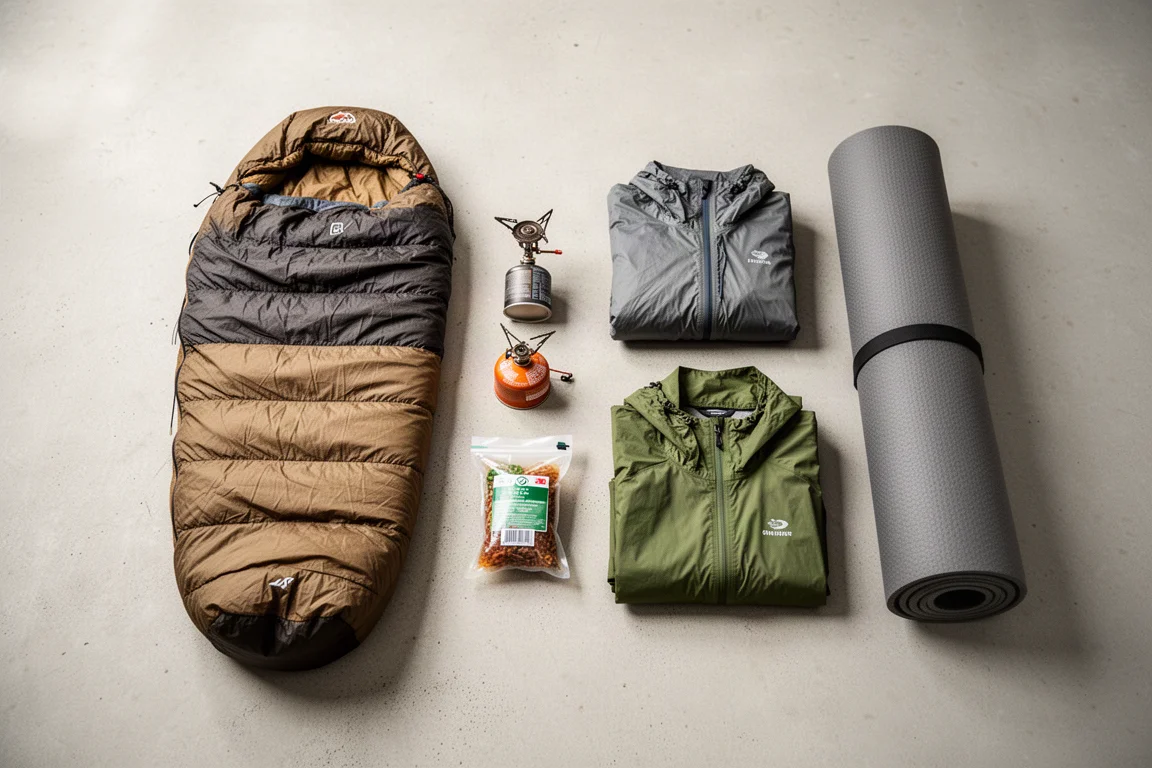
Finally, there is the look. The pack is available in two colourways, and neither is likely to win anyone over on aesthetics alone. If styling matters to you, that is a genuine consideration rather than a small one.
Breathability and Warm-Weather Use
Because the vest wraps the chest and upper back, airflow is different from a conventional pack. In testing up to roughly 60 degrees Fahrenheit, some sweat built up on the back and under the vest on the chest. The expectation is that warmer conditions would produce more of it.
That said, the sweat simply moves to a different area than it would with a standard harness. It is not obviously worse than a normal pack in the heat, just different in where it shows up.
Buying Advice
The value proposition here is unusually strong. At $235 US for a pack that weighs 2 lb 6.5 oz, carries a 25 to 35 lb load in real comfort, and offers this much external storage, the price is one of the most persuasive arguments in its favour.
Buy it if your base weight is already under roughly 12 lb, you want a carry that takes pressure off your shoulders, and you are willing to accept a 40-litre ceiling and a top-loading layout. If you regularly carry 40 lb, need more volume, or want a pack that looks as considered as it feels, a more traditional design will serve you better.

For the right hiker, the harness is not a gimmick. It is the reason the pack exists, and it is the reason the rest of the compromises are easy to live with.
Conclusion
The Six Moon Designs Minimalist v2 surprises on price, comfort, and features, and it does so with a harness system that most backpackers have never worn. It asks for a light, compact kit and a tolerance for top-loading access and plain styling in return. Meet those conditions and it is a compelling option at a very reasonable price. Miss them, and a conventional pack remains the safer choice.
Product link
View more details for Six Moon Designs Minimalist version 2
This product is mentioned in the review. Check the specifications, options, and compatibility before buying.
View more details for Six Moon Designs Minimalist version 2Further reading
Related Reviews
Backpacking Packs
Backpacking Pack Types Compared: Traditional, Ultralight, Frameless, and Hybrid
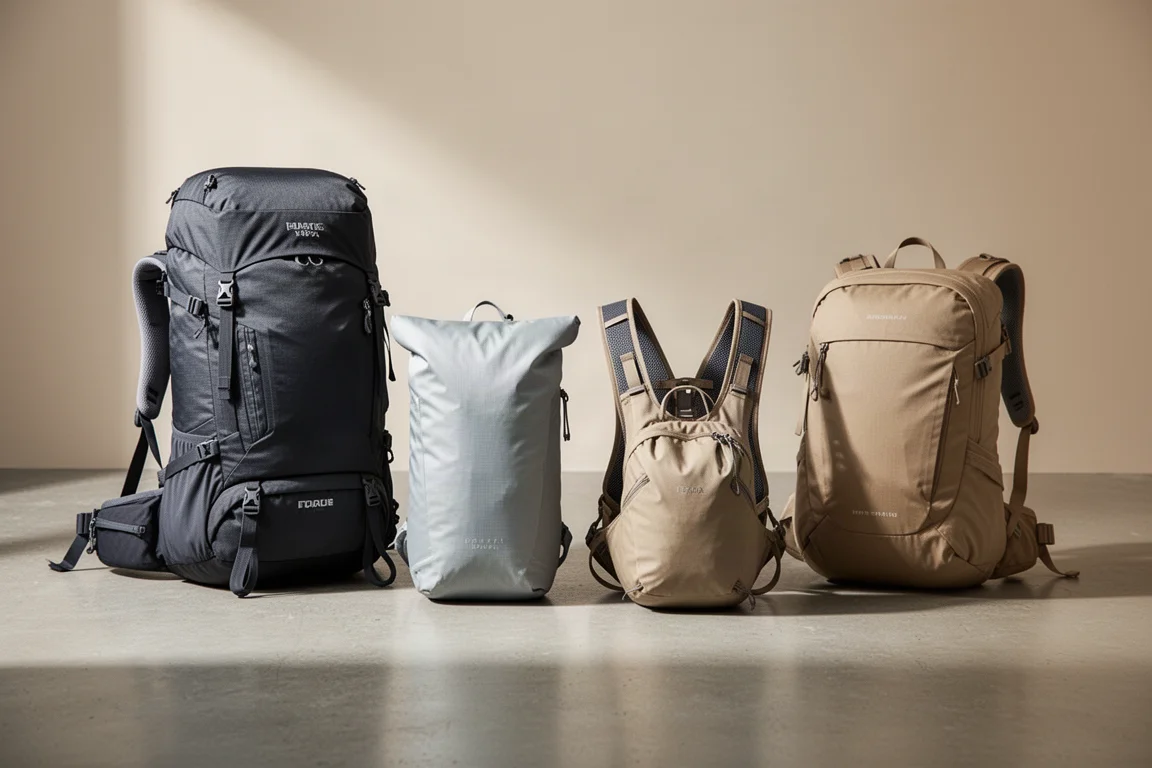
Four pack categories, four representative packs, and a practical way to decide which kind of backpacking pack matches the weight of your gear.
Backpacking Packs
Best Backpacking Packs 2026: Six Picks for Every Style of Trip
Six backpacking packs that earned their place by weight class and purpose, with the real strengths and trade-offs to weigh before you buy.
Backpacking Packs
Big Agnes Prospector 50 Review: A Hybrid Pack That Sits Between Two Worlds
A 50-liter backpacking pack that mixes ultralight features with traditional padding and panel access. Here is who it suits and where it falls short.