Camping Tents
Six Moon Designs Lunar Solo vs Zpacks Plex Solo: Two Ultralight Solo Tents Compared
A practical comparison of two single-wall trekking pole tents for solo backpackers, covering weight, price, interior space, materials, and door design.
Introduction
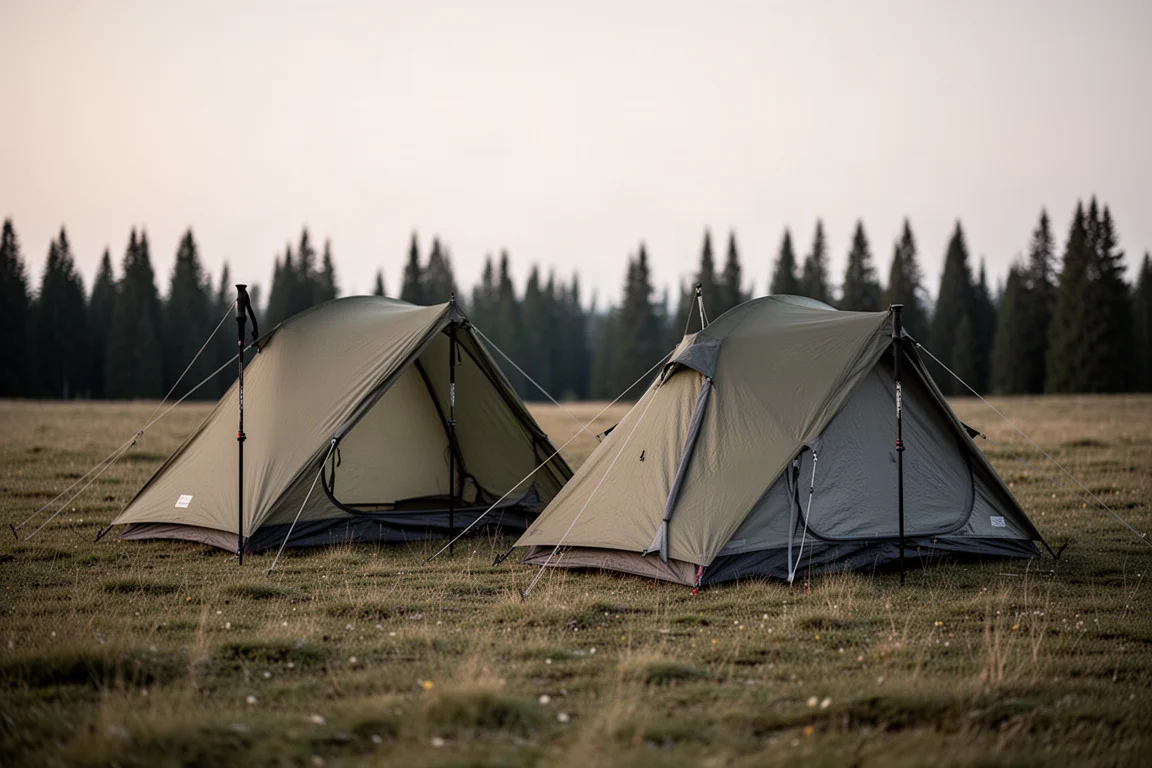
Choosing an ultralight shelter for solo backpacking often comes down to a trade between weight and cost, and these two tents sit at opposite ends of that trade. The Zpacks Plex Solo is one of the lightest one-person tents available, and the Six Moon Designs Lunar Solo delivers a very similar single-wall trekking pole design at roughly half the price while weighing about twice as much. Both are still remarkably light for what they are.
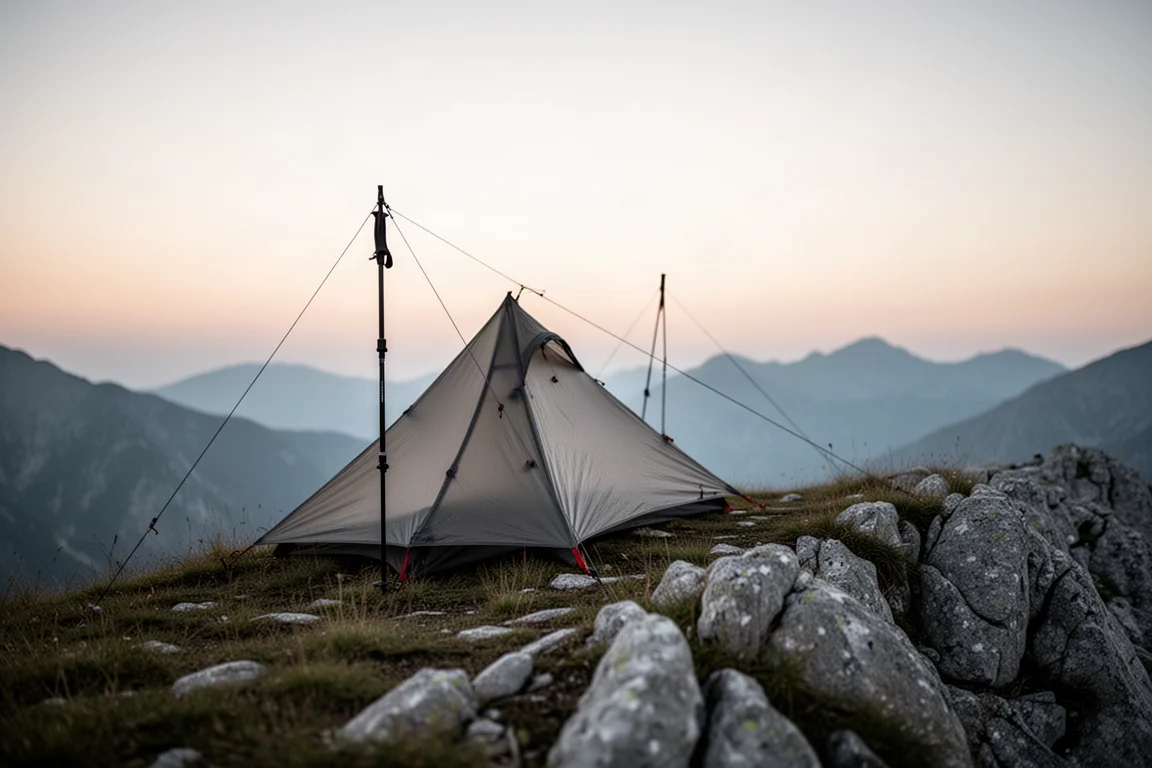
This comparison looks at where the two shelters overlap, where they genuinely diverge, and which one makes more sense depending on what you value most on trail.
Shared Design DNA
Both shelters are single-wall trekking pole tents built for one person. Each uses a single trekking pole as its main support, has a similar floor shape, and includes a mesh lining running along the bathtub floor. Both come from small cottage manufacturers rather than large mass-market brands, and both share the same interior length at 7 feet 6 inches.
Neither tent ships with stakes, so a set of six to eight stakes needs to be part of the plan for either one. That is worth factoring into the total cost, because it applies equally to both.
Six Moon Designs Lunar Solo
The Lunar Solo is the roomier of the two. It is 15 inches wider at the center and 20 inches wider at the head and feet than the Plex Solo, and that extra interior space is noticeable once you are actually inside it. Its single trekking pole is set to 49 inches, so it is technically shorter inside than the Plex Solo, yet it still feels considerably larger.
At $250 it is also the more affordable option by a wide margin, and it weighs 25 ounces on a home scale, which works out to about 1.5 pounds. It is built from 20D silicone coated polyester, a fabric that is nearly as stiff as Dyneema, costs much less, and packs down tighter.
Zpacks Plex Solo
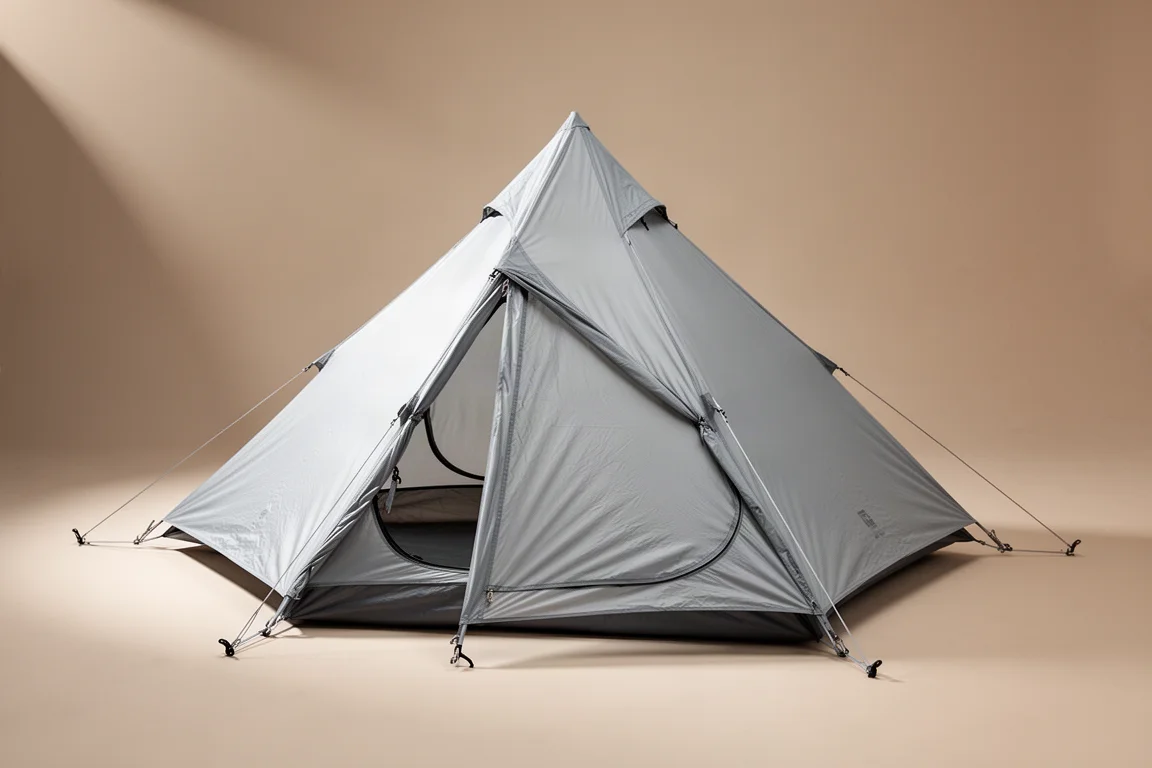
The Plex Solo is the lightest tent on the market at 13.7 ounces on a home scale, and it is made from 0.35 oz per square yard Dyneema composite fabric, among the lightest tent materials available today. That combination is essentially what the $600 price buys.
Its interior height comes from a trekking pole set to 52 inches, so it is taller inside than the Lunar Solo even though its footprint is narrower. It shares the same 7 foot 6 inch interior length, which means the difference between the two is mostly about width rather than length.
Weight, Price, and Packed Size
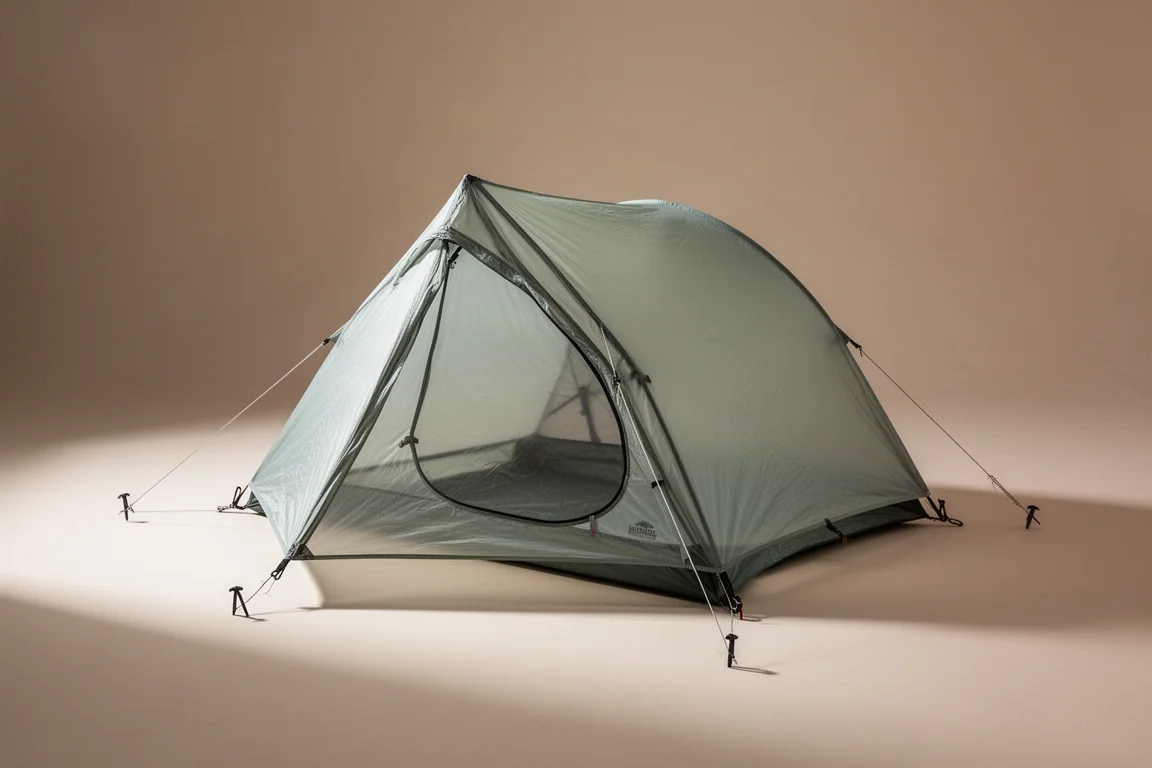
Weight and price are the clearest dividing lines here. The Plex Solo is 13.7 ounces and $600. The Lunar Solo is 25 ounces and $250. Doubling the packed weight buys a tent that costs less than half as much, and for a great many backpackers 1.5 pounds remains a genuinely light shelter.
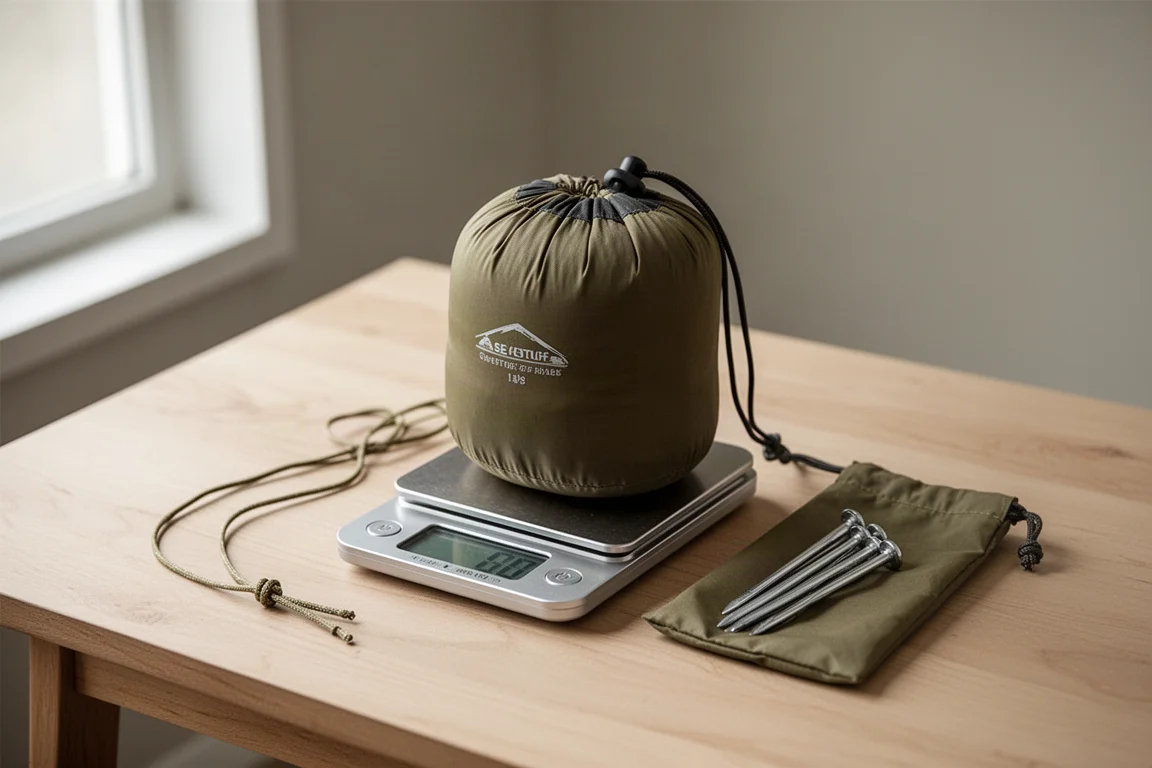
There are two extra costs worth knowing about on the Lunar Solo side. It does not come seam sealed, so you either seal it yourself or pay Six Moon Designs $35 to have them do it for you. Neither tent includes stakes in the box, so that purchase is separate either way.
Materials and Weather Protection
The Plex Solo’s Dyneema composite fabric is the lighter material and the main reason the tent can reach 13.7 ounces. The Lunar Solo’s 20D silicone coated polyester is close to Dyneema in stiffness, considerably less expensive, and packs up tighter, with the added weight as the trade-off.
Fabric choice also shapes how each shelter handles moisture. The Lunar Solo includes a small vent at the top of the canopy to help moisture escape and minimize condensation inside. The Plex Solo takes a different approach, relying on an overhanging canopy that keeps the sleeper dry even in light rain with the vestibule fully open. That overhang sits low, however, and it tends to be in the way when entering, exiting, or inflating a sleeping pad from outside the tent.
Doors, Vestibules, and Interior Details
Door design is one of the more practical differences between the two. The Plex Solo uses a full rainbow door that falls into the tent or onto the ground when fully open, and in practice it generally needs to be fully open before you can get in or out. The Lunar Solo uses a hanging half rainbow door, which limits entry to one side but keeps the door out of the way more often. It also includes a small hang cord that is genuinely useful for a headlamp at night. The Plex Solo has no ceiling attachment point at all.
Vestibule handling follows a similar pattern. The Plex Solo’s overlapping vestibule closure can be awkward to tighten from inside the tent, while the Lunar Solo uses a more traditional zipper plus a preset cord that raises or lowers the vestibule for extra airflow while staying dry in light rain. The Lunar Solo’s vestibule also opens fully, so getting in and out is unobstructed.
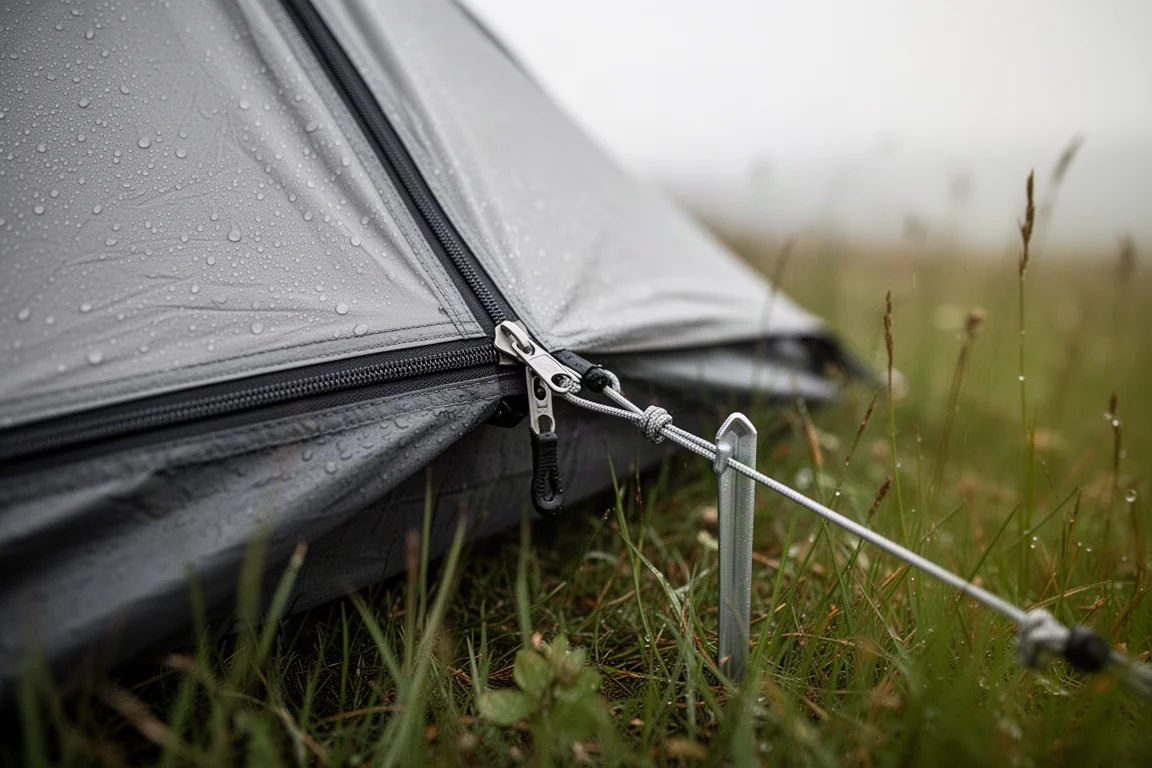
Bathtub floor depth is worth noting on both. The Plex Solo has an 8 inch bathtub floor that takes repeated practice to pitch to full depth, and the Lunar Solo has a 6 inch floor that is still difficult to pitch deeper than about 3 inches in practice. Stake counts run from six up to eight on the Lunar Solo and six up to ten on the Plex Solo, so the Plex Solo can be tied out more aggressively in exposed conditions.
Buying Advice
The decision comes down to which trade you would rather make. If the lowest possible pack weight matters most and budget is not the constraint, the Plex Solo at 13.7 ounces is the lighter shelter, and the Dyneema composite fabric is the reason it gets there. It is also the more generous shelter for staking out, with room for up to ten stakes.
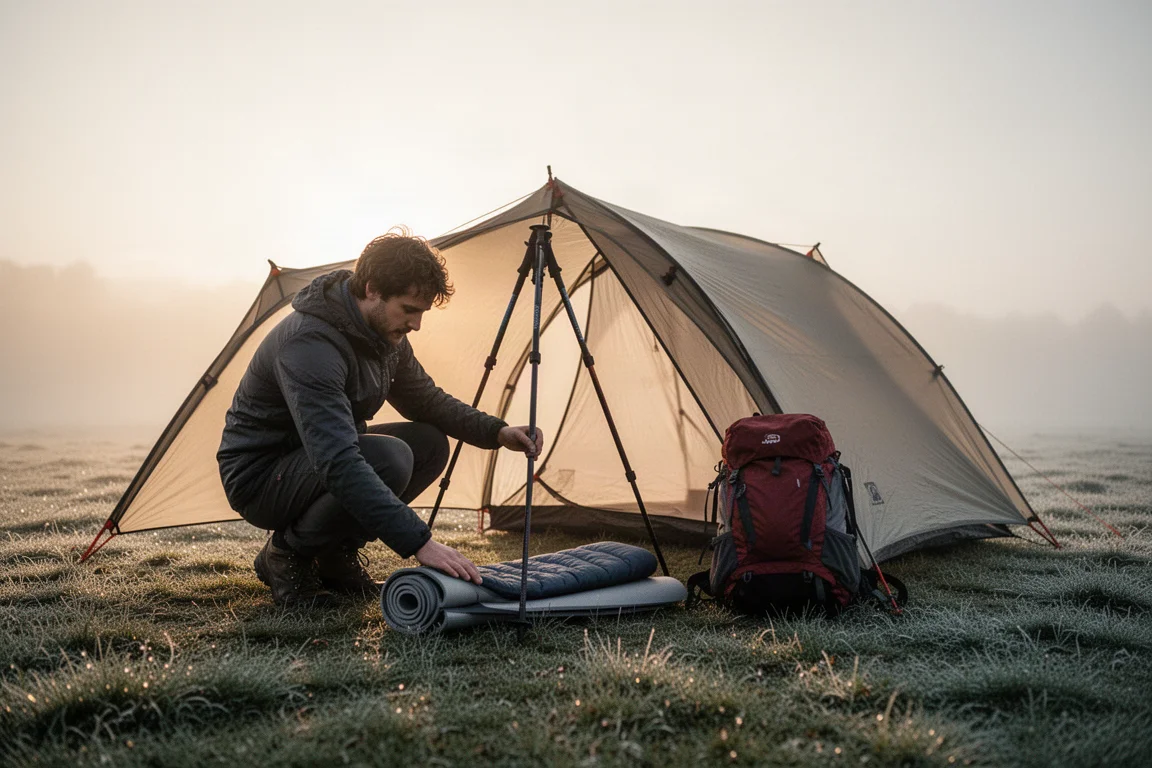
If interior space, day-to-day features, and price matter more, the Lunar Solo offers a wider interior, a hanging half rainbow door, a ceiling hang cord, and a top vent for $250, with the option to have Six Moon Designs seam seal it for $35. Either way, budget for stakes and confirm the seam sealing situation before you head out, since neither tent ships with stakes and the Lunar Solo is not sealed from the factory.
Conclusion
Both tents are credible ultralight solo shelters, and the choice between them is less about quality than about priorities. The Plex Solo is the weight leader at 13.7 ounces and $600, while the Lunar Solo is the value pick at 25 ounces and $250 with more usable room inside. For most buyers weighing price against a still very light 1.5 pound packed weight, the Lunar Solo is the easier recommendation. The Plex Solo remains the right choice for anyone chasing the absolute lowest weight and willing to pay for it.
Further reading
Related Reviews
Camping Tents
3F UL Gear Taiji Two-Person Tent Review: Field Waterproofing Results and Buying Advice
The Taiji pairs an attached fly with a removable inner, but sustained rain exposed untaped vent seams that need sealing before this shelter can be trusted.
Camping Tents
3FUL Gear Lanshan 2 Pro 4-Season Review: A Sub-$200 Single-Wall Trekking Pole Tent
An early look at the 3FUL Gear Lanshan 2 Pro 4-Season, covering its straightforward pitch, generous interior space, and the condensation and seam-sealing questions that come with any single-wall shelter.
Camping Tents
Alps Mountaineering Lynx 1-Person Tent Review: Big Value in a Small Budget Tent
A close look at the Alps Mountaineering Lynx 1-Person Tent, covering real interior dimensions, materials, setup time, ventilation limits, and who should buy it.