Running Shoes
Six Marathons in Six Days: One Runner's Shoe Test Across 6 Models
A runner completed six marathons in six consecutive days, each in a different shoe. Here is how the On Cloudstratus 2, Saucony Endorphin Pro 2 and Speed 2, Saucony Ride 14, Puma Velocity Nitro, and Adidas Adizero Adios Pro 2 held up.
Introduction
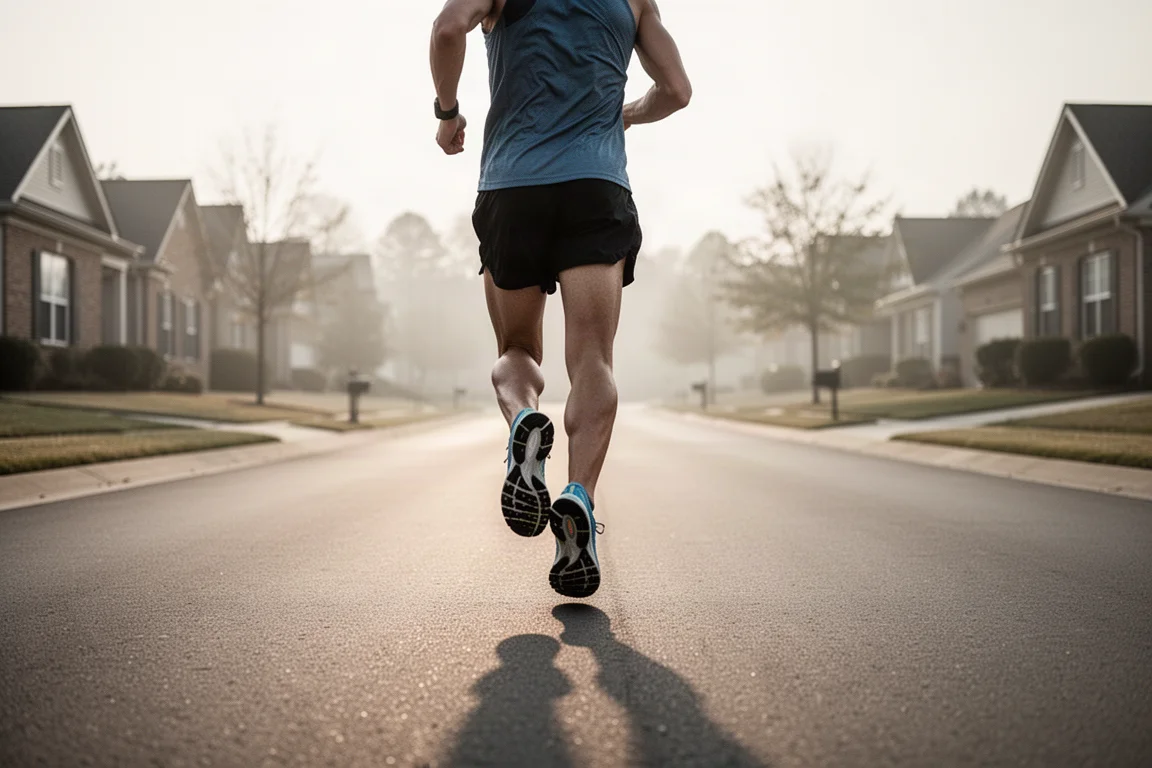
Running six marathons on six consecutive days, each in a different shoe, is not a normal way to test footwear. But it does answer a question most reviews cannot: how does a shoe feel on genuinely tired legs, deep into a long run, when your form starts to fray?
The six shoes tested were the On Cloudstratus 2, Saucony Endorphin Pro 2, Saucony Endorphin Speed 2, Saucony Ride 14, Puma Velocity Nitro, and Adidas Adizero Adios Pro 2. The marathons were run at a conservative four to four and a half hour pace, which makes this less a test of all-out racing and more a test of which shoe you could rely on when things might go wrong. That framing matters, because stability and comfort under fatigue turned out to matter far more than raw speed.
Evaluation Criteria
The test was judged on a handful of practical factors: cushioning and protection through the foot, stability when running form deteriorates, comfort over long distances with no rubbing or toe pressure, and how much help the shoe gave in the later miles. Rather than a strict ranking, the shoes naturally sorted into two groups: cushioned trainers and carbon-plated racers.
Day 1: On Cloudstratus 2
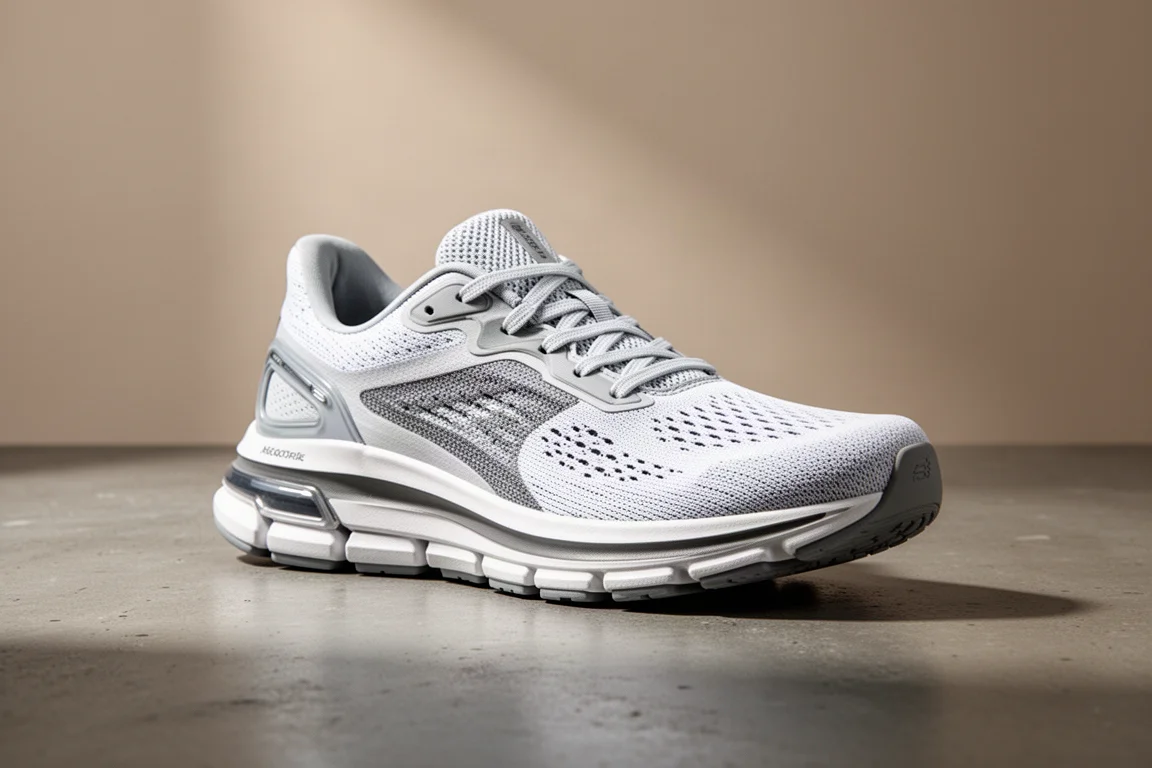
The Cloudstratus 2 is On’s max cushion shoe, pitched as a training partner to the brand’s faster marathon racers. On day one, with the freshest legs of the week, it worked exactly as intended: enough cushioning, enough firmness, and an easy rolling feel through the miles. It also handled mixed surfaces well, performing on both tarmac and riverside paths.
Towards the end of the marathon, some impact did come up through the foot as the ride turned firm, but there were no comfort problems at all. Nothing rubbed, no toe squashing, and stability was excellent. It got the week off to a very good start.
Day 2: Saucony Endorphin Pro 2
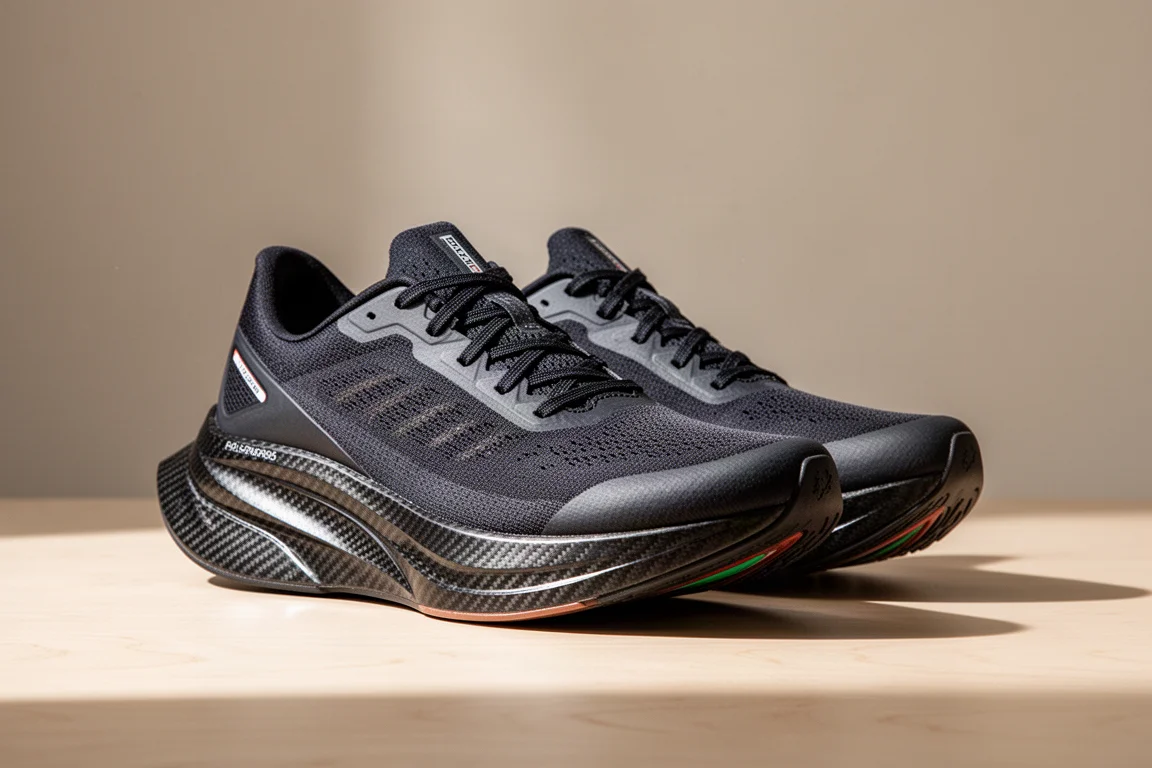
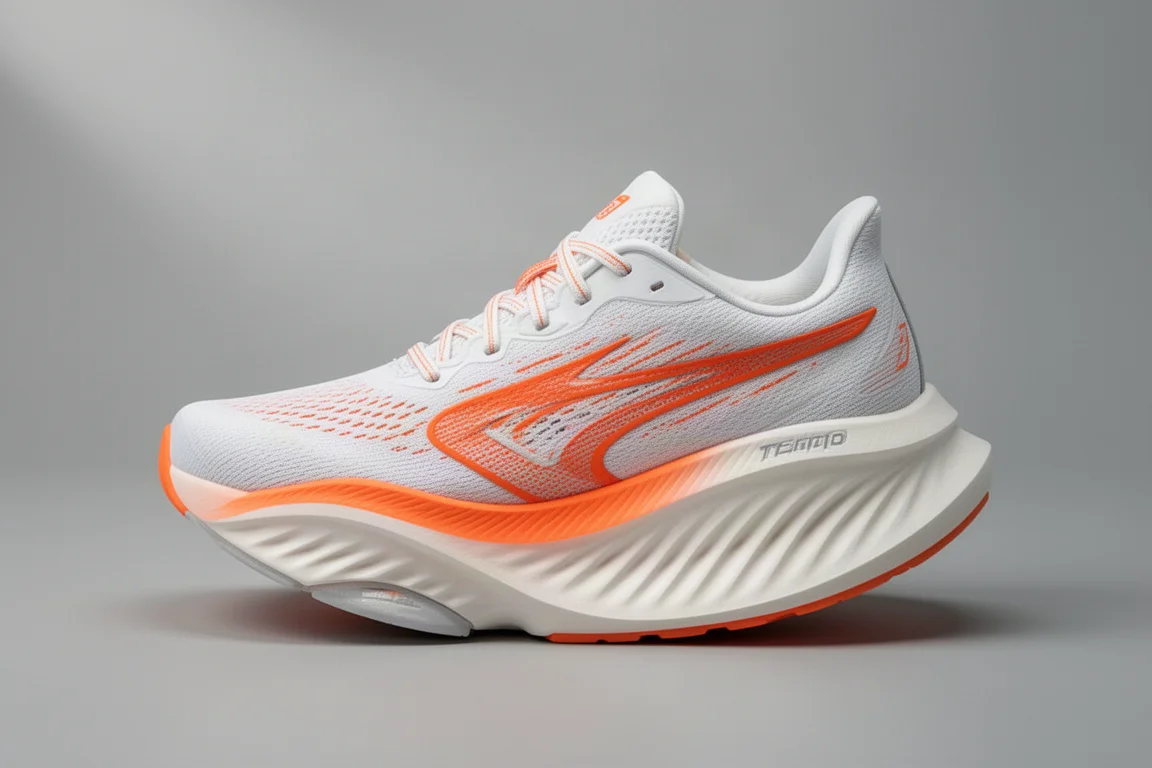
Day two brought the first carbon plate of the week, in the Endorphin Pro 2 with its PWRRUN PB foam. The difference underfoot compared to the Cloudstratus 2 was described as chalk and cheese: noticeably softer, far bouncier, and with a real sense of the shoe moving you forward in the early miles. On tired legs, that punch was very welcome.
The problem arrived late. While underfoot comfort stayed excellent with no foot fatigue, the shoe became too loose and unstable as form deteriorated. Tendons around the knees and lower legs started to complain, along with some hip issues. In a single fresh marathon that would likely never appear, but in this test the lack of stability was a genuine risk factor.
Day 3: Saucony Endorphin Speed 2
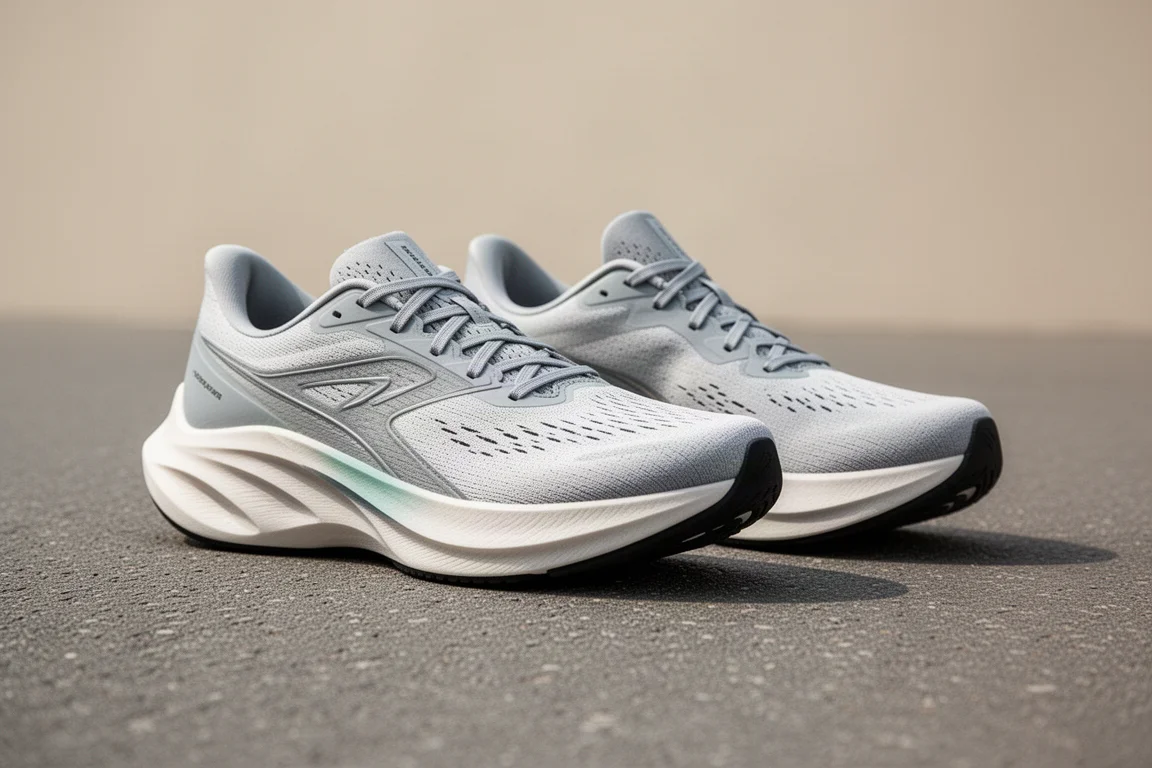
The Endorphin Speed 2 is essentially the same shoe as the Pro 2 but with a nylon plate, and it performed completely differently. There was still plenty of rebound from the foam, though not quite the same aggressive punch, but the crucial addition was stability. That extra security gave the confidence to settle into easy, steady miles, and the shoe simply ate up the run.
It was very comfortable with no foot fatigue, no toe pressure issues, and it coped well with the mix of road and off-road paths. By the end of day three, this was the shoe at the top of the class, and it went on to play a decisive role at the end of the week.
Day 4: Saucony Ride 14
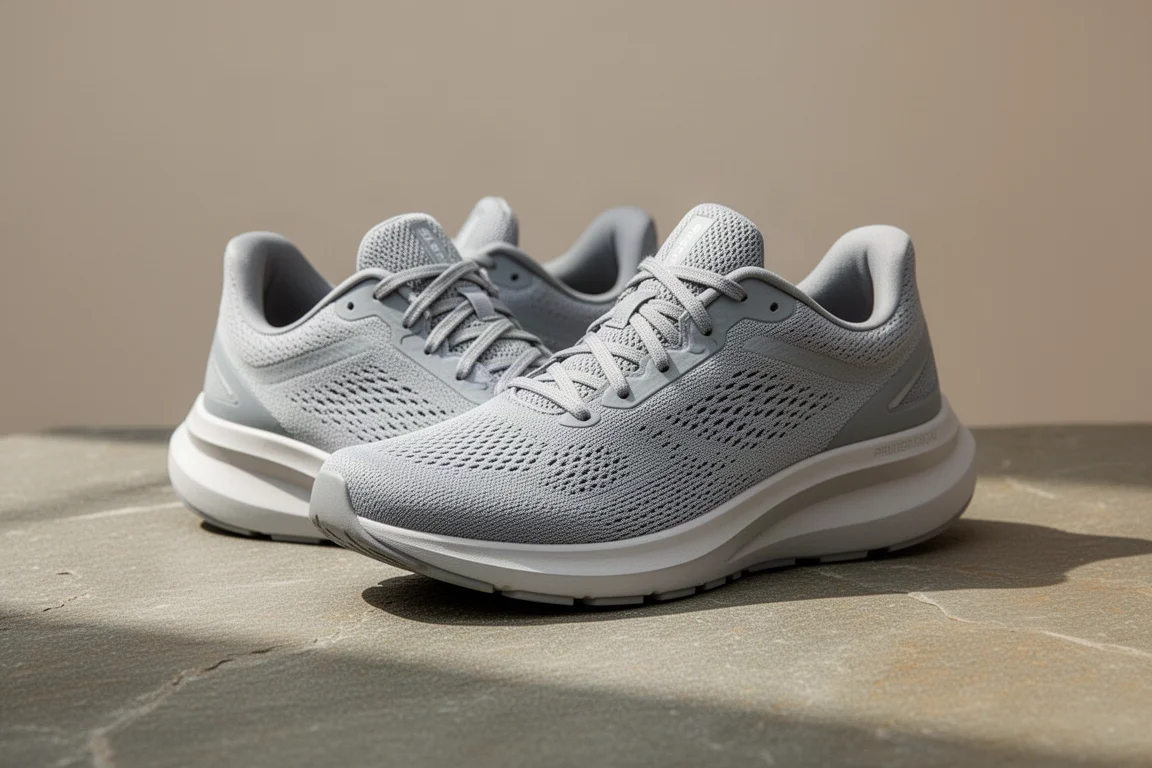
Day four called for a trusted favorite, and the Ride 14 is a well-loved daily plodder. Even so, it fell short of the better shoes of the week. It was simply too firm, with too much of the ground coming through, and there was no extra help for the legs when fatigue set in. Overall fatigue from the shoe itself was very present by the end.
To be fair to it, the upper was very comfortable, it felt great to put on in the morning, and it ran well enough. For an eight to ten mile easy run it remains a genuinely good shoe. In this marathon context, though, it landed in the same bracket as the Cloudstratus 2: solid, but not outstanding.
Day 5: Puma Velocity Nitro
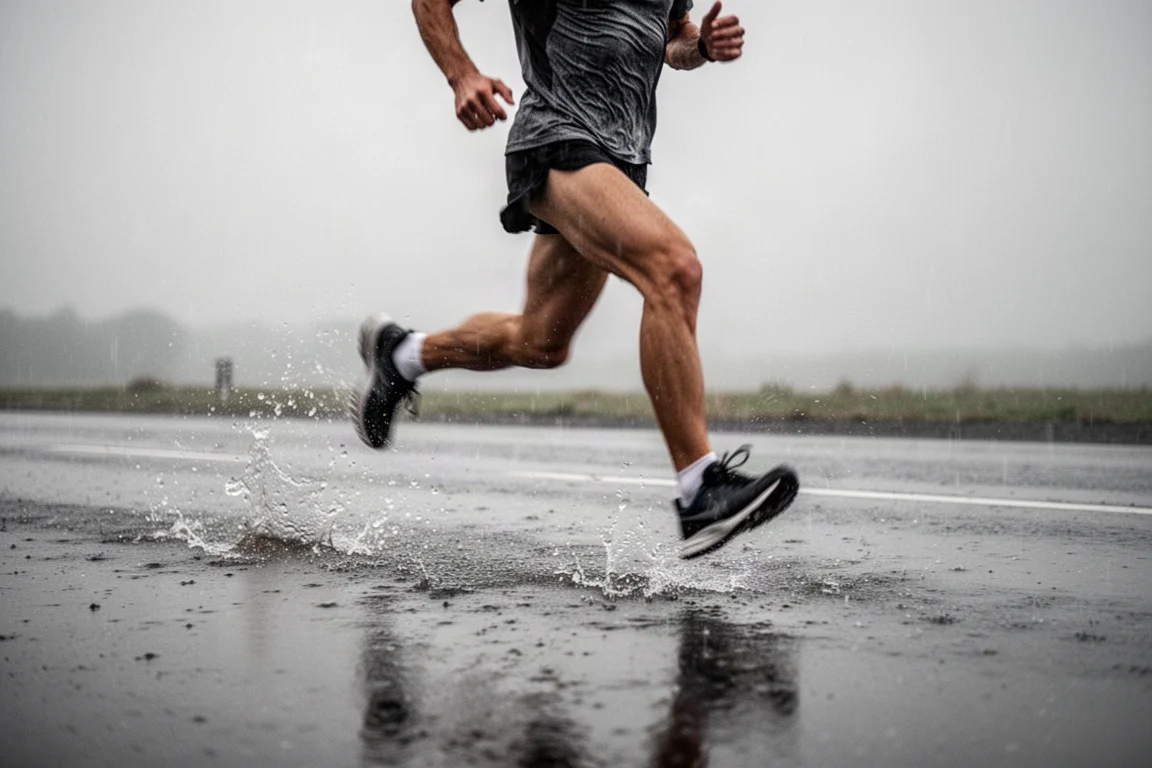
Day five was the rainy one, a torrential storm that left everything soaked, and the Velocity Nitro was the shoe on duty. It did a genuinely good job. The foam offered a bit more rebound in the early miles than the Ride 14 or Cloudstratus 2, and its solid outsole helped in the wet conditions. The downside of all that foam is that it held an enormous amount of water, still squelching six miles after the worst of the rain.
Like the Ride 14, it became a little too firm and unforgiving in the latter miles, with a slightly sinking feel where you would want extra bounce. It sits in the same firmness bracket as the other two cushioned trainers. Given how affordable it is, it remains a shoe many runners should keep in a rotation purely for knocking out easy miles and saving their better shoes.
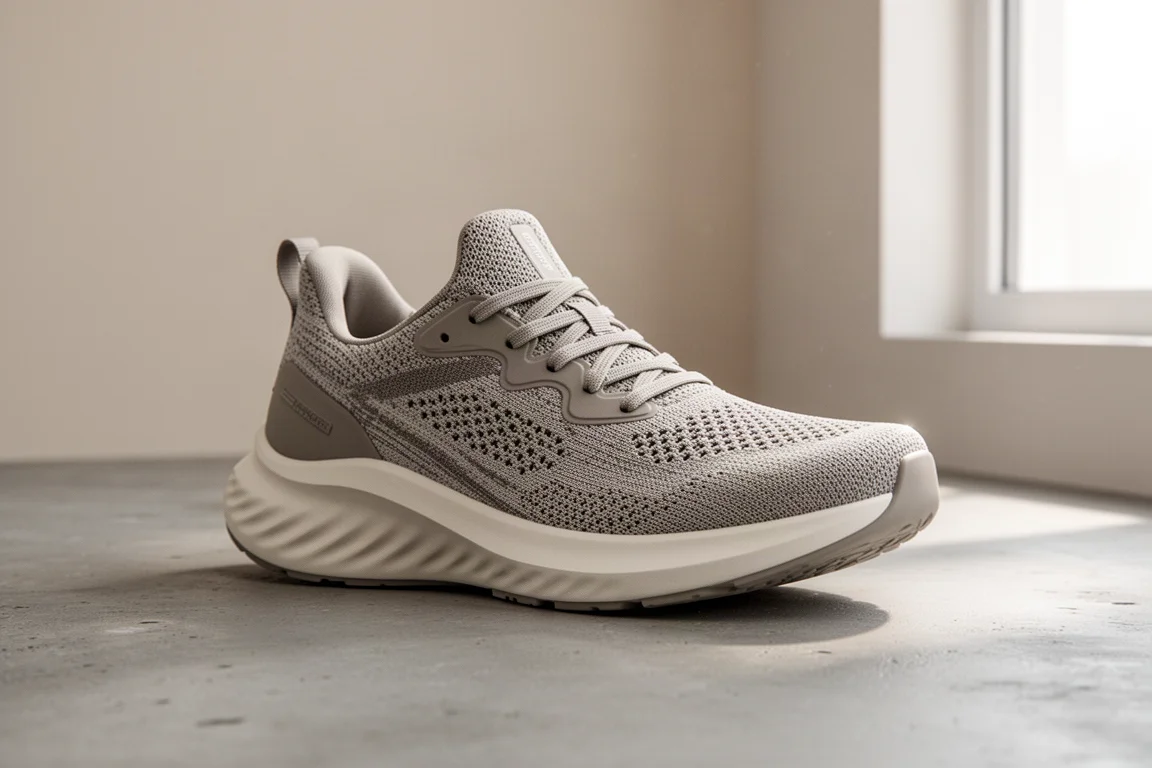
Day 6: Adidas Adizero Adios Pro 2
Putting a high-stack carbon racer on six days into the week was a gamble. On paper, with extremely tired legs and questionable form, it looked like an injury waiting to happen, and the first couple of miles required some careful running to settle into the shoe’s aggressive rocker.
Once moving, though, it delivered. The Adios Pro 2 gave back an enormous amount on that day, and a run expected to be one of the worst of the week turned into one of the best. Running with company at a slightly quicker pace became possible, and the whole marathon was completed in just over four hours with far less cost than expected. Stability held up surprisingly well even on wrecked legs. If your form tends to hold up late in a marathon, this shoe clearly has a lot to give.
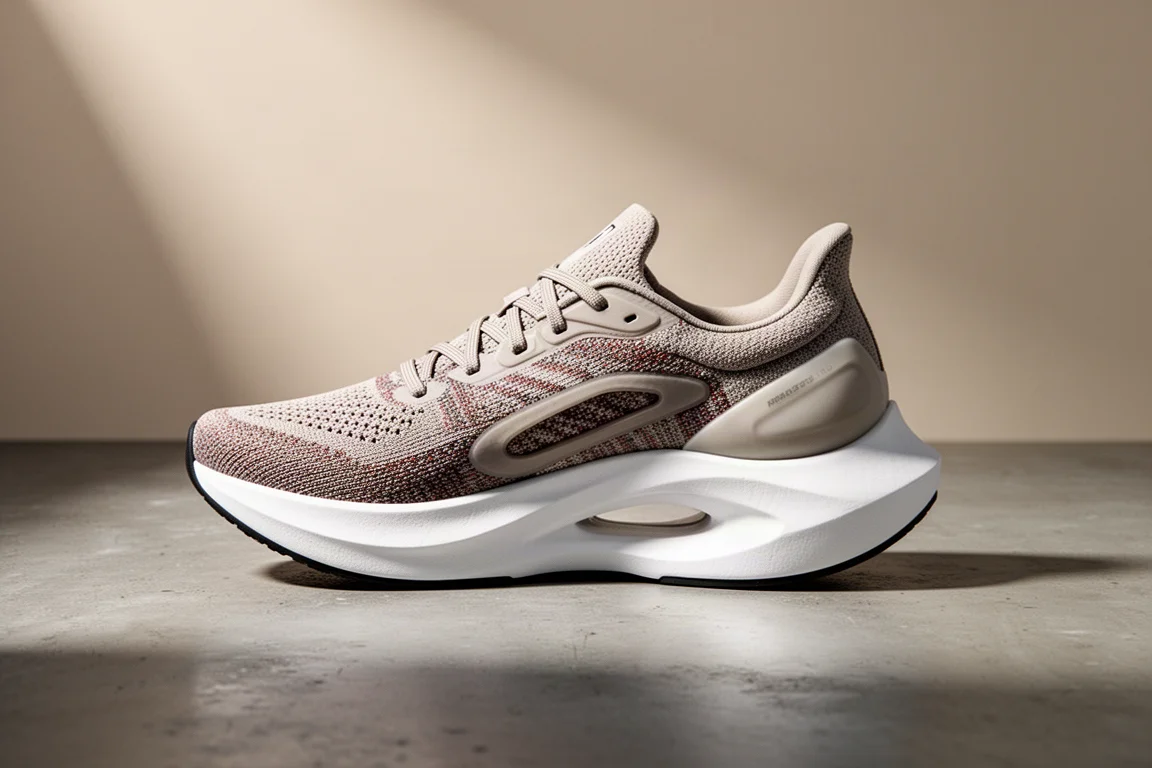
Overall Buying Advice
At the end of the week, the six shoes sorted cleanly into two groups. The Cloudstratus 2, Ride 14, and Velocity Nitro all run in a very similar way: decent cushioning, good comfort, but a touch too firm in the later miles with the ground coming through. They are dependable trainers, not marathon weapons.
The two carbon plates, the Endorphin Pro 2 and Adizero Adios Pro 2, deliver real bounce in the right place at the right time, but both carry a stability risk when form deteriorates. That leaves the Endorphin Speed 2 as the standout: a near-perfect balance of cushioning, propulsion, foot protection, and crucially stability, even on very tired legs.
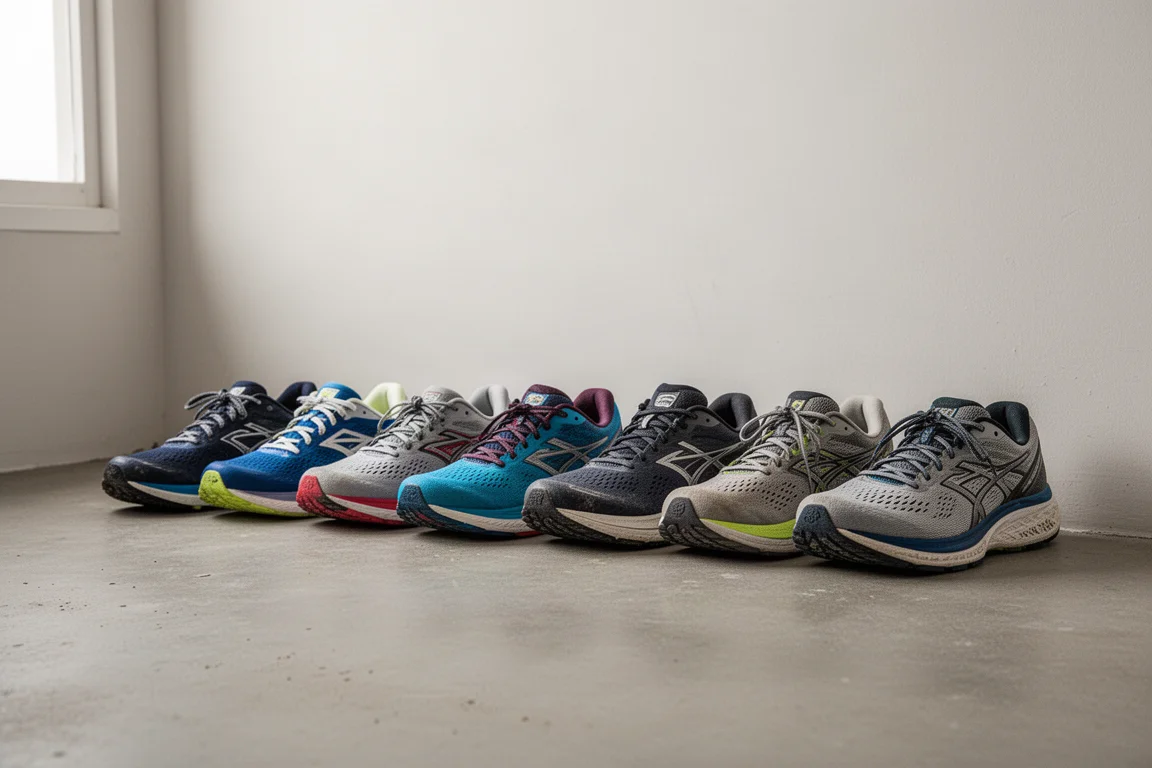
For anyone not sure whether race day will go brilliantly or badly, running somewhere in the three and a half to five hour range, the Speed 2 is the safest bet. It has enough performance that you could still run a strong time in it if the day goes well, while also doubling as a serious training shoe. If you would rather not spend the price of a top carbon racer for a marathon you are not targeting at your absolute limit, this is the shoe to lace up. For those on a tight budget, the Velocity Nitro is the obvious rotation filler.
Conclusion
Six marathons in six days produced a clear result: cushioned trainers get you round, carbon racers reward good form, and the Saucony Endorphin Speed 2 offers the most reliable blend of both worlds. Choose based on how your legs are likely to feel at mile 22, not just mile 2.
Further reading
Related Reviews

Running Shoes
Best Road-to-Trail Running Shoes: Three Versatile Options for Mixed Terrain
A practical guide to three road-to-trail running shoes that handle both pavement and mild trails, with clear strengths and trade-offs for different runner types.

Running Shoes
Best Running Shoes for Achilles Tendonitis: Three Options Explained
Three running shoes with different heel drops and support features designed to help reduce Achilles tendon pain during walking and running.

Running Shoes
Best Running Shoes for Women: Five Top Choices Ranked
A ranked guide to five women's running shoes, from versatile daily trainers to high-performance racing options, with real strengths and trade-offs for each.