Backpacking Tents
Six Backpacking Tents Tested in Extreme Wind: Which Ones Survived?
Six backpacking tents, from a $42 budget shelter to a $1,500 expedition model, pushed through controlled wind up to roughly 75 mph. Only two came through intact.
Introduction
Wind is the great equalizer in tent design. A shelter that feels solid on a calm weekend can turn into a straining, flapping mess the moment a front moves through, and the gap between a tent that survives and one that does not usually comes down to pole material, fabric strength, and how cleanly the shape sheds airflow.
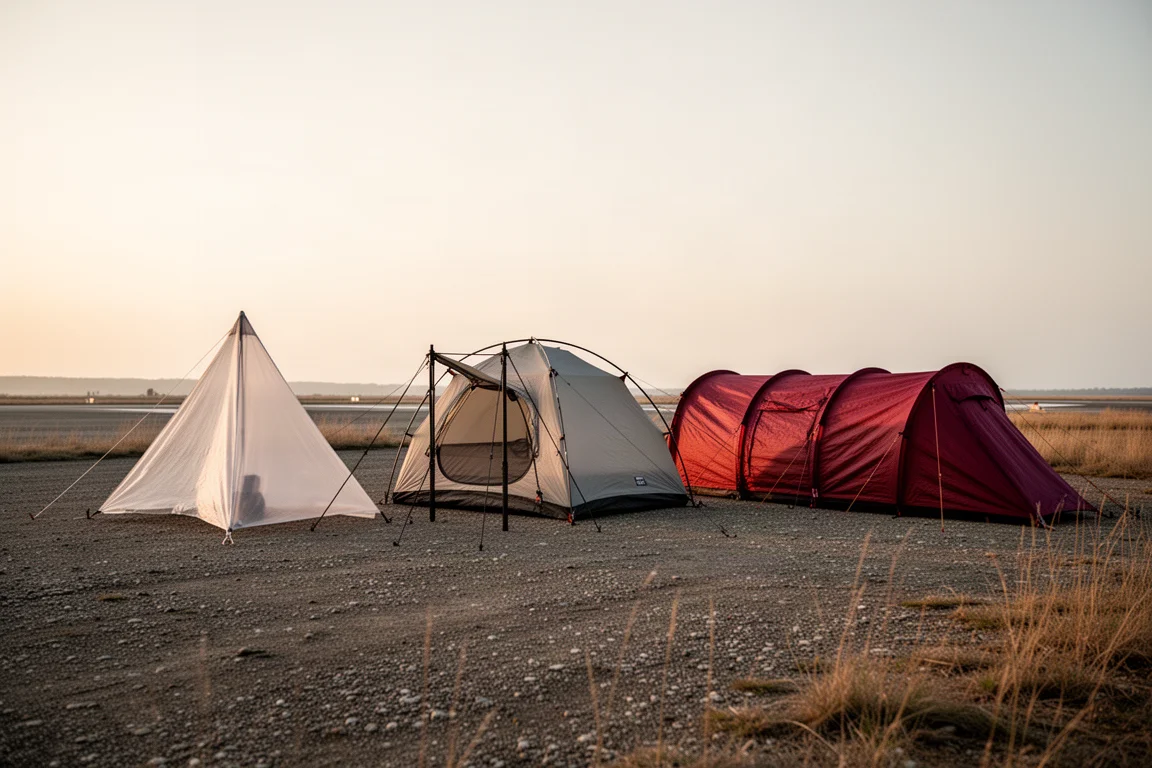
This roundup covers six tents pushed through controlled wind that ramped through roughly 30 mph, 50 mph, and full throttle at close to 75 mph. The lineup runs from a $42 budget shelter all the way to a $1,500 expedition tent, and only two of the six came through intact. Below is what each tent did, where it failed, and what that means if you are shopping for a shelter that has to hold up in exposed terrain.
How These Tents Were Tested
The wind came from the propeller wash of a light aircraft, which delivered consistent, controllable airflow and allowed clean incremental speed steps. Every tent was pitched, staked, and guyed out, then exposed to three stages: about 30 mph, about 50 mph, and full throttle, which measured close to 75 mph in open air.
Two caveats matter when reading the numbers. Tents standing in the airflow appear to create back pressure that pulls the wind meter reading down, so the figures recorded during a run are likely conservative rather than generous. And real wind is messier than a single figure: gusts, shifting angles, and turbulence stress a shelter in ways a steady number never captures.
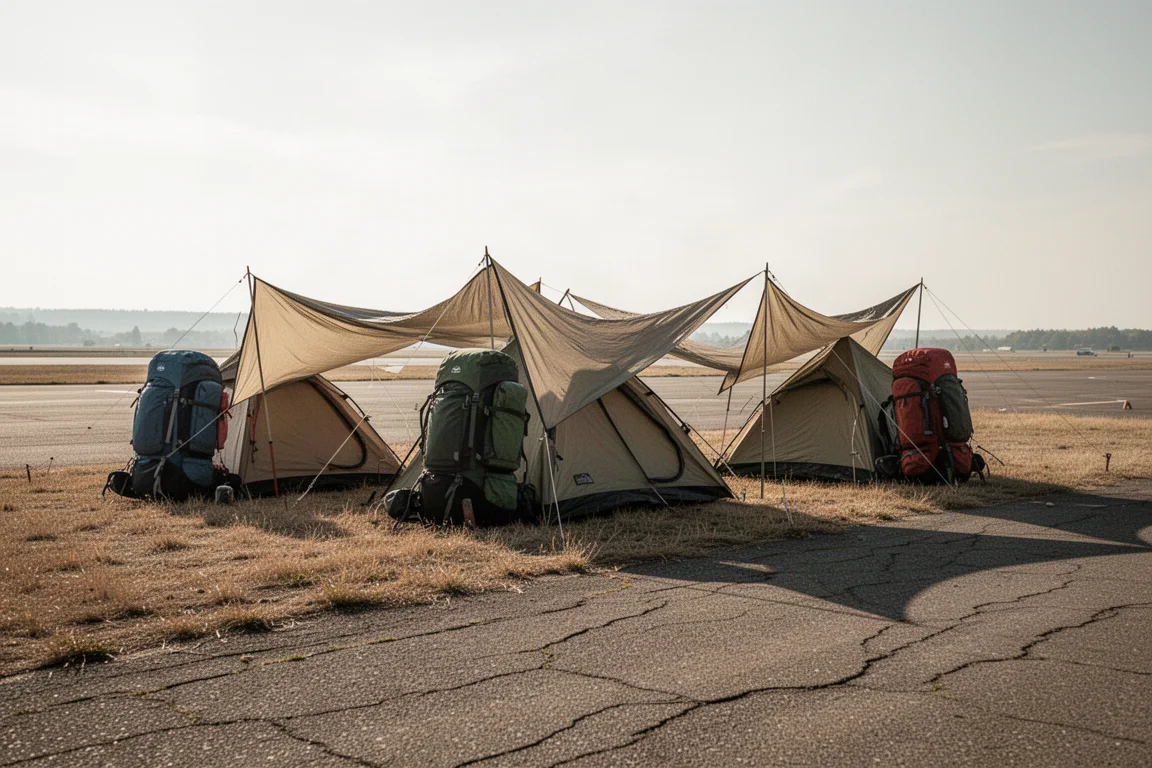
The point of the exercise was not to rank tents on paper but to see how each design behaves when it is pushed, because a shelter that bends and recovers is a very different proposition from one that shatters.
Nightcat One-Person Backpacking Tent: Budget Pick, First to Fail
The Nightcat one-person backpacking tent costs about $42, and it behaved exactly like a $42 tent in strong wind. With full guy lines deployed, the rain fly began lifting away at around 24 mph, well before the first target speed.
By roughly 40 to 50 mph the tent was already finished. When the wind reached full throttle, the shelter was lost entirely and the fiberglass pole snapped. Nobody expects a budget shelter to stand up to 75 mph airflow, and this one simply confirms where the practical ceiling sits for that construction.
Durston X-Dome Two-Person Tent: Nearly 60 mph on Carbon Poles
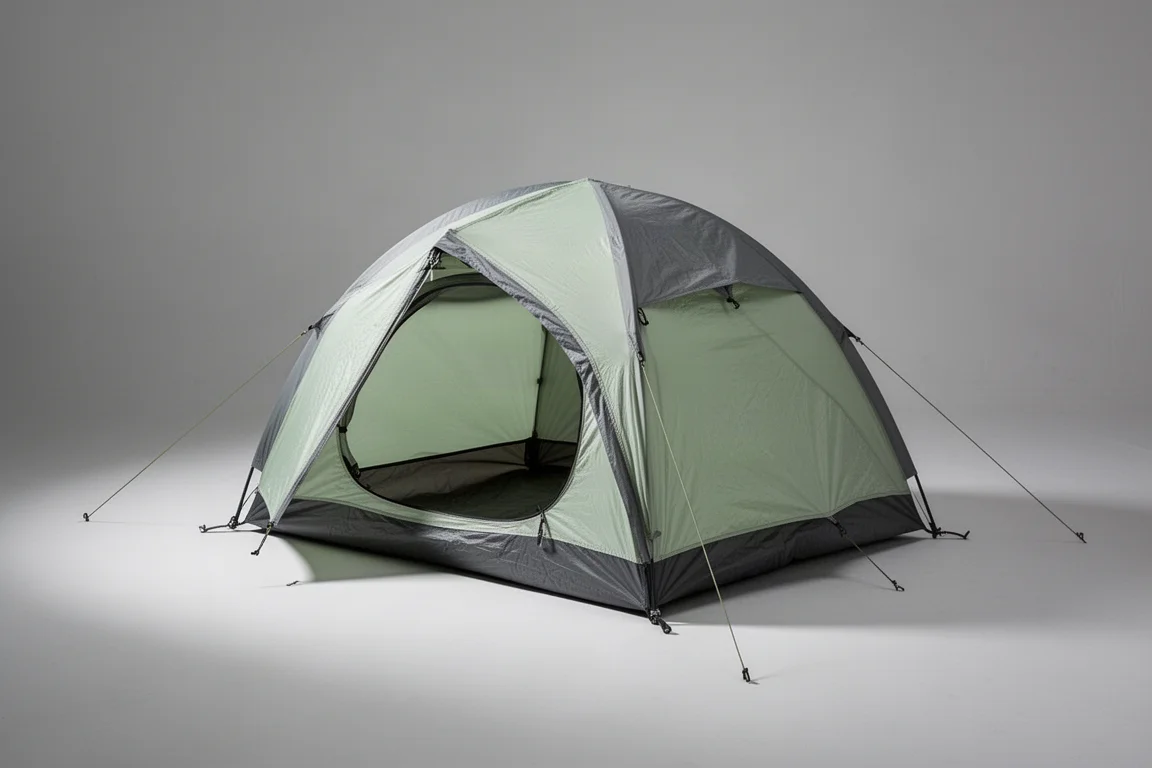
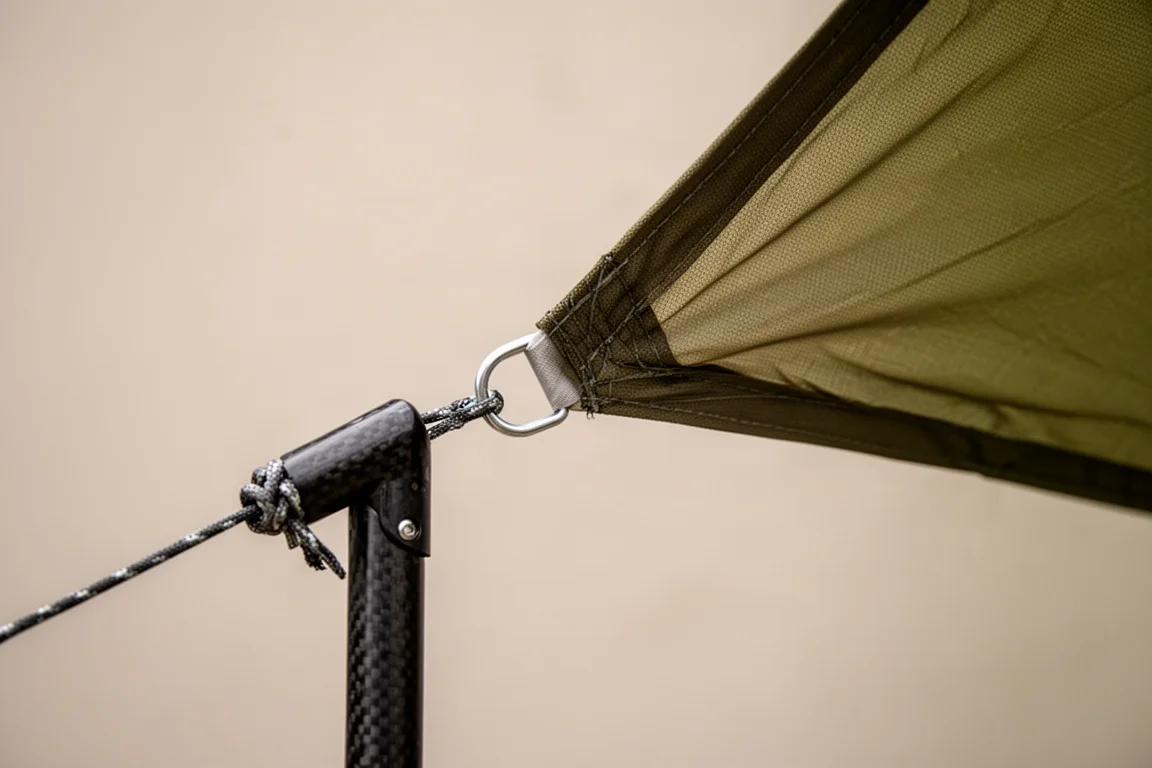
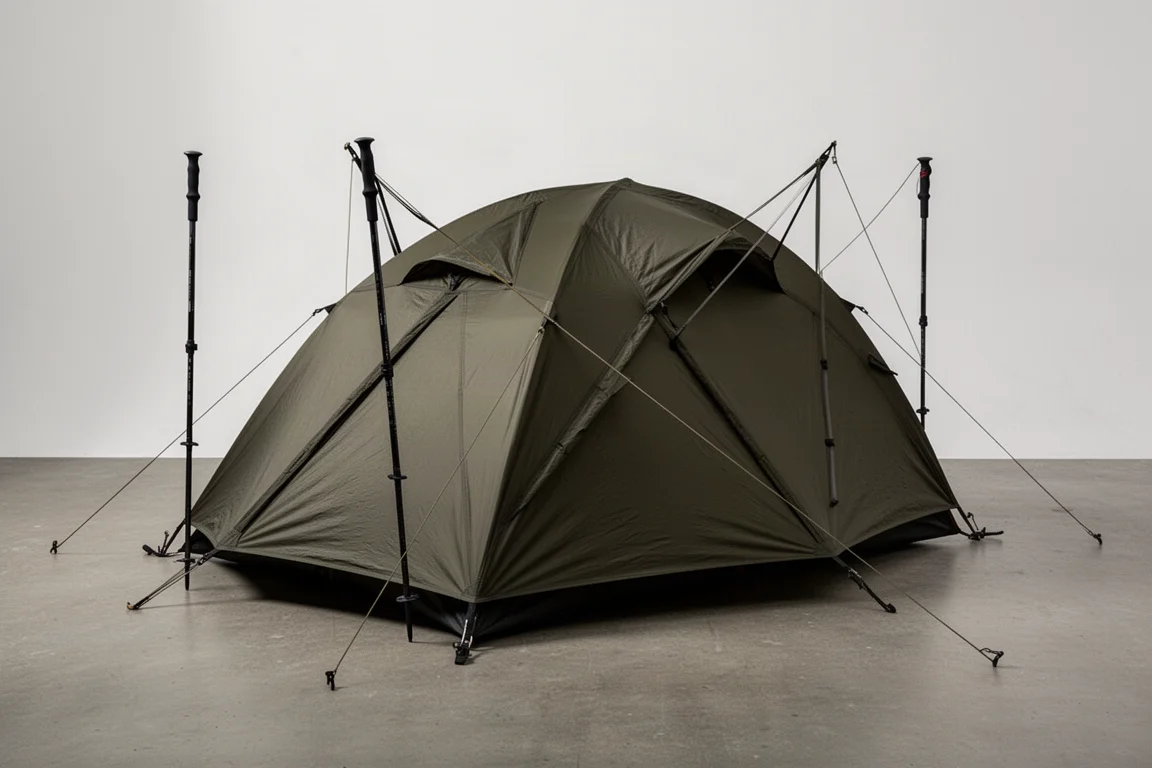
The Durston X-Dome two-person tent was chosen specifically because it uses carbon fiber poles, a material that has performed well in high-wind conditions. The design also accepts a trekking pole at each end to add stability when things turn serious, and both were deployed here alongside fully staked guy lines.
At 30 mph the tent was ripping and roaring, with the carbon poles visibly bending but holding. It survived to somewhere close to 60 mph before an inner aluminum sleeve snapped and the structure failed. The way the guy lines were attached may have contributed to that outcome, and it is worth remembering that roughly 60 mph of wind resistance is a genuinely strong result for a three-season tent.
For backpackers who want real wind resilience without expedition weight, this is one of the more convincing three-season options in the group.
Zpacks Plex Solo Light: The Lightest Tent in the Lineup
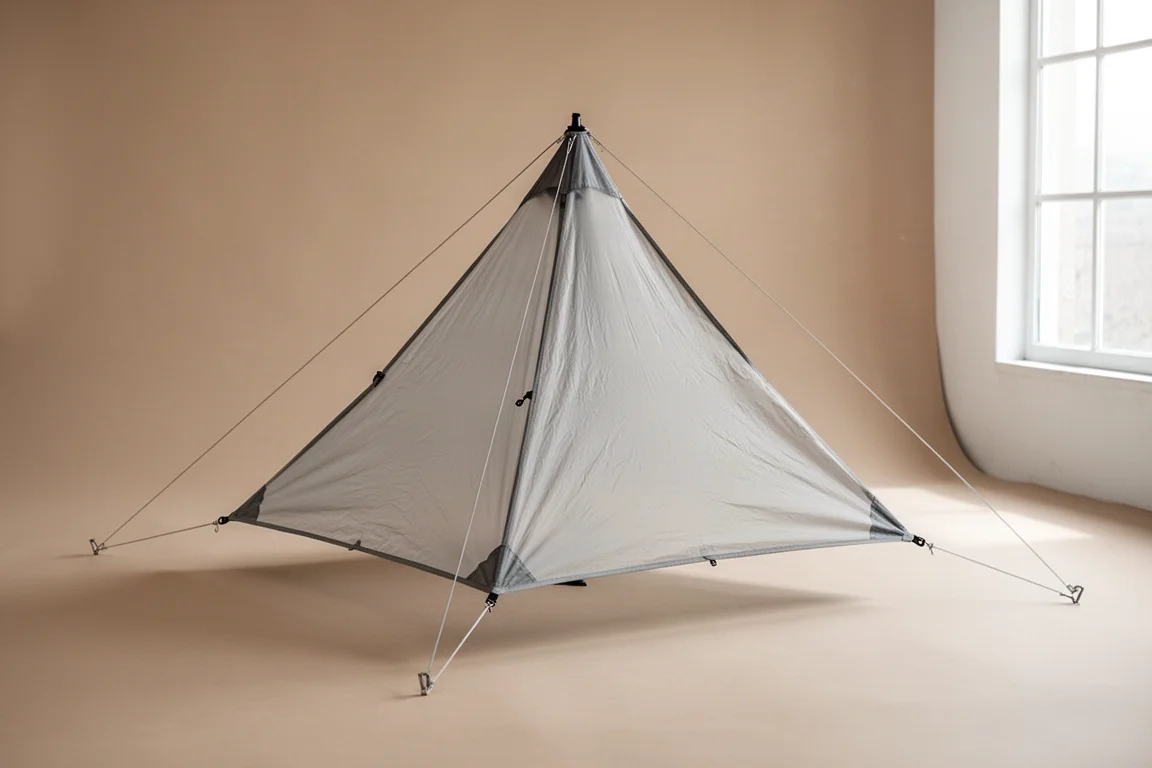
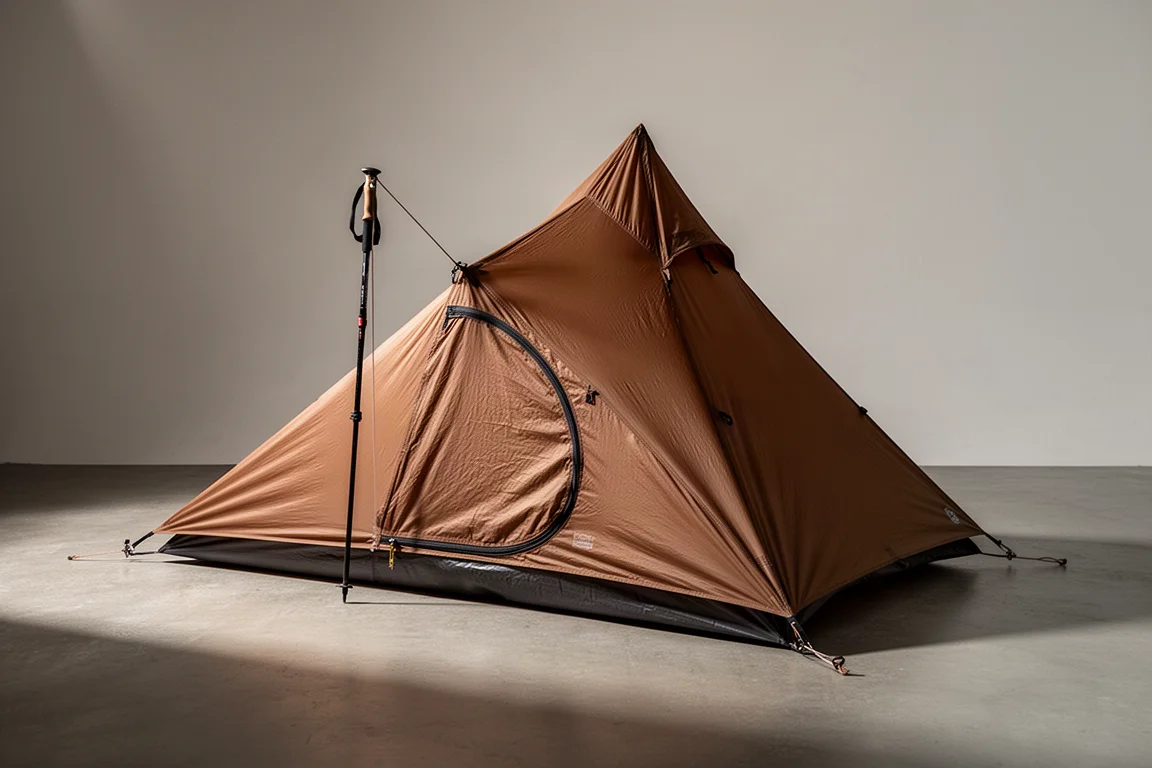
The Zpacks Plex Solo Light is a $600 one-person shelter that weighs just 11.7 oz, making it the lightest tent in this comparison. It is built from Dyneema composite fabric, which has a higher strength-to-weight ratio than steel, and it uses a simple pyramid shape that should shed wind efficiently.
The first stage looked shaky, with the shelter deforming noticeably, but it held on. It kept holding through 50 mph. At full throttle the trekking pole supporting the peak ripped through the top of the tent and the run ended there. The wind meter was reading close to 60 mph at that moment, a respectable outcome for a shelter this light.
Samaya Radical 1: The Most Expensive Tent, and It Survived
The Samaya Radical 1 is the most expensive tent here at $1,500, and it is one of the only ultralight shelters rated for expedition conditions. It weighs 1 lb 7 oz thanks to Dyneema composite fabric and carbon fiber poles, which makes it dramatically lighter than the other expedition-style tents in the group.
It went through the same three stages and did what the others could not: it stayed standing. Then came the more interesting question, whether a tent this expensive could survive without guy lines deployed, since plenty of campers pitch a shelter and never bother with them. It survived that run too.
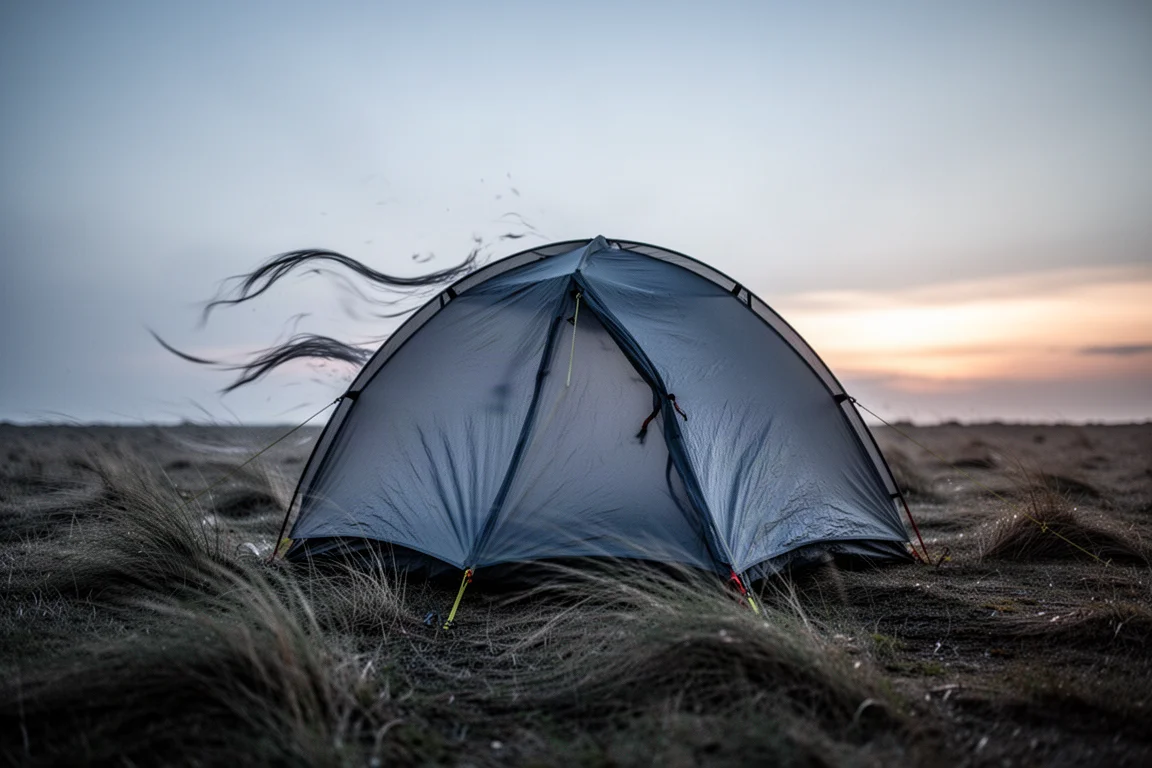
That result is the strongest argument in the group for paying a premium, though the price remains the obvious hurdle.
The North Face VE 25: Expedition Heritage, Unexpected Failure
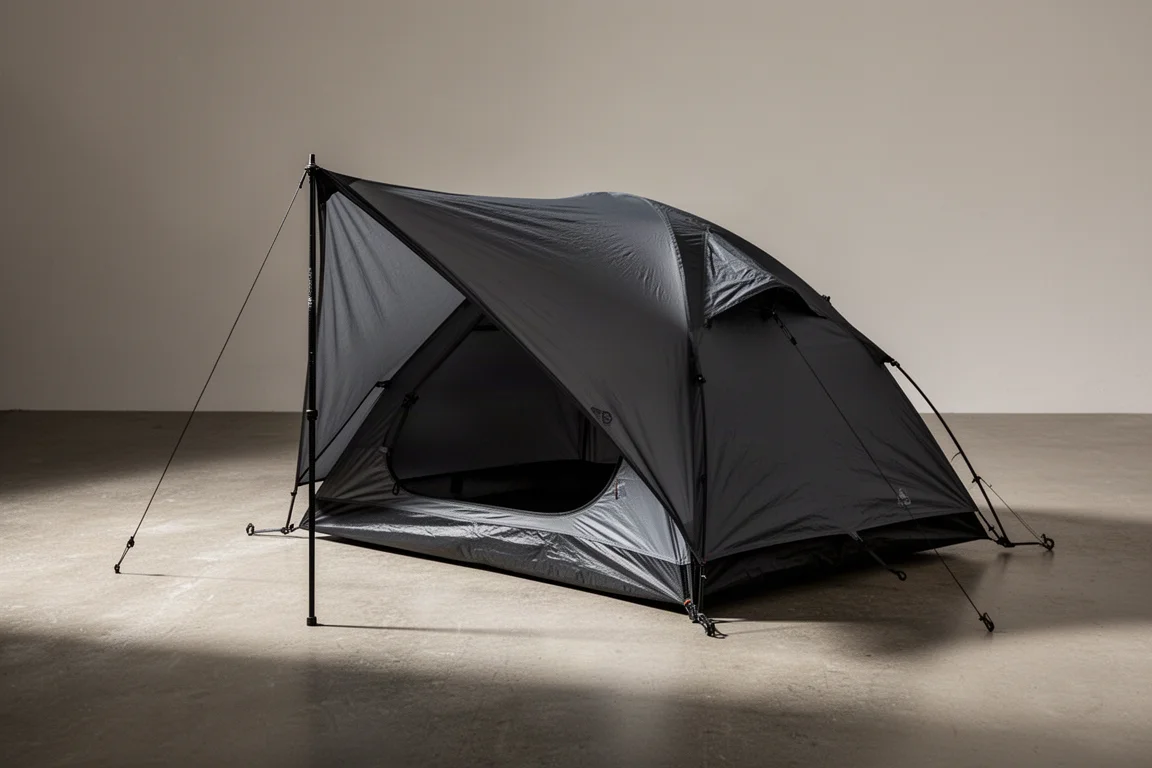
The North Face VE 25 is the classic expedition silhouette, the kind of shelter associated with high-altitude camps and serious cold-weather use. It is a heavy tent, around 10 lbs for a three-person backpacking model, and it is built to take a beating.
It handled 30 to 50 mph reasonably well, flexing and straining but staying upright. At full throttle it came apart. That was the most surprising result of the day, and it is a reminder that expedition pedigree and measured wind performance are not the same thing.
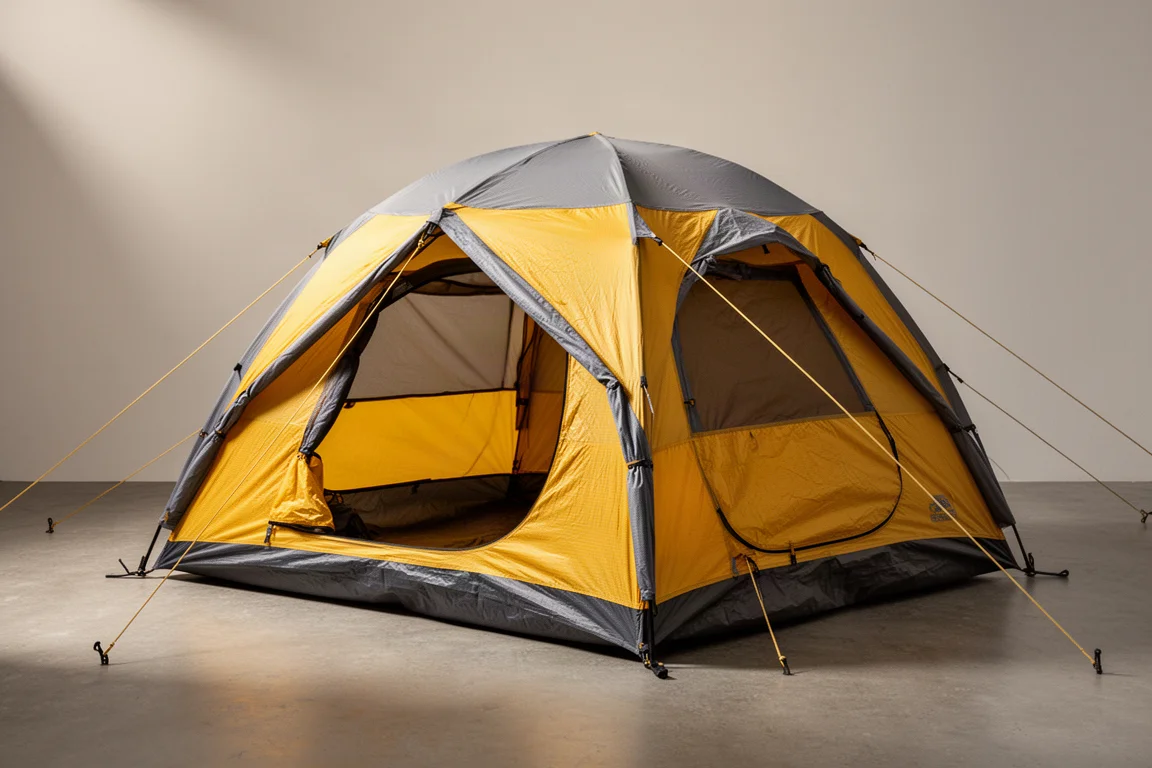
Hilleberg Nallo Two-Person Tent: Tunnel Design, One Weak Point
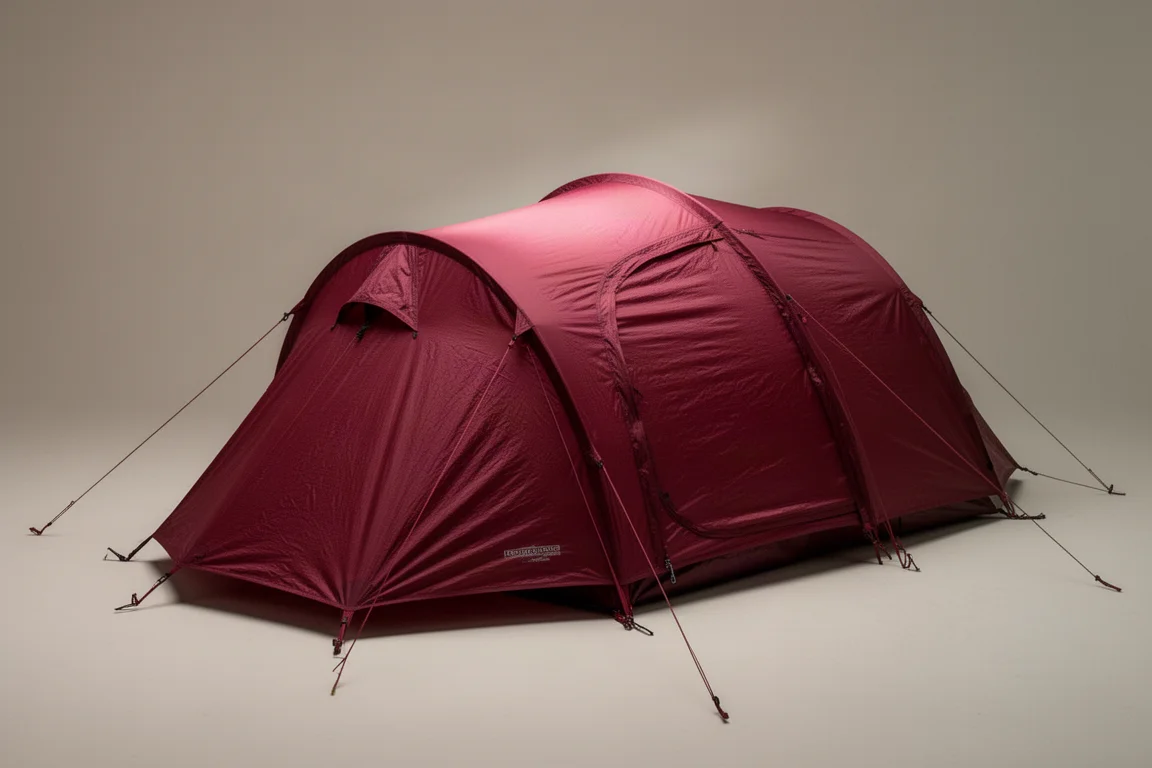
The Hilleberg Nallo two-person tent costs about $1,000 and uses a tunnel design, a shape that has historically performed best in high wind because it presents a low, aerodynamic profile. The one concern before testing was the small wind dam at the front, which looked like it would catch airflow.
It turned out to be the most composed shelter of the six. It was ripping and roaring at 30 mph and still going strong at 50 mph, and it survived full throttle. The failure was not structural: both door zippers worked themselves open, starting from the top. The smaller front door has a hook designed to loop through the zipper and keep it closed, but the upper ventilation zipper has no equivalent retainer.
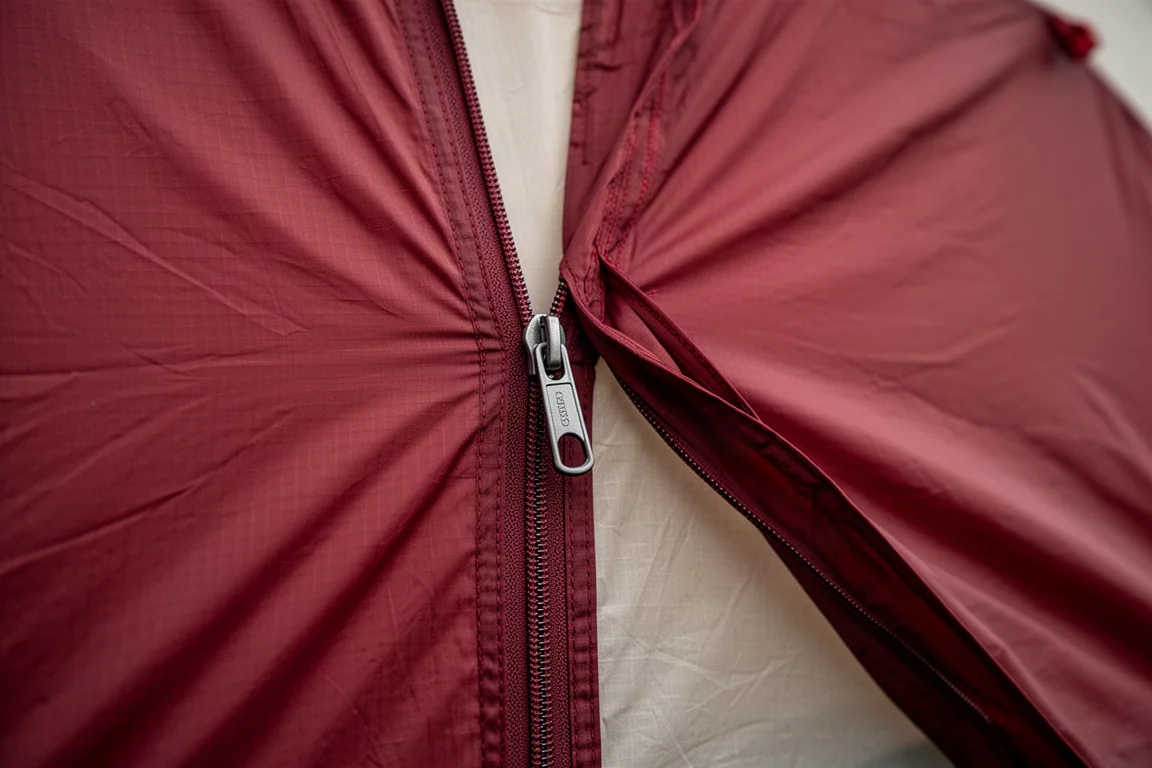
A simple zipper retainer at the top would likely close the only real gap in an otherwise bombproof shelter.
What the Results Mean for Buyers
Two of six tents survived, and both were the most expensive models in the lineup. That is a blunt result, but it is not an argument that only expensive tents make sense. The Nightcat failed early because it is a $42 shelter with fiberglass poles and a fly that lifts at 24 mph. For fair-weather camping in sheltered spots, that can still be an entirely reasonable purchase.
The more useful takeaway is about materials and shape. Fiberglass poles folded first. Carbon fiber poles bent and kept going. Dyneema composite fabric held together until a pole or a sleeve gave way, and tunnel and pyramid shapes shed wind more gracefully than a broad dome.
Deploying guy lines matters more than most people assume, and the Samaya result suggests some expedition shelters can hold their shape even when they are not fully guyed out. If you camp in exposed places, budget for pole material and fabric before you budget for floor area.
Conclusion
The test drew a clean line. Only two tents came through the full run intact, and both were premium expedition designs. Two lightweight shelters made it to roughly 60 mph before a pole or sleeve gave way, which is far more than most three-season camping will ever demand. The budget tent and the big expedition dome came apart earlier.
For most backpackers, a three-season tent with carbon poles and a properly staked pitch covers anything short of genuine storm conditions. Anyone heading into sustained high wind should be looking at the tunnel and expedition designs that proved themselves here, and treating guy lines as essential equipment rather than optional extras.
Further reading
Related Reviews
Backpacking Tents
3F UL Lanchan Pro 1 Review: A 1 lb 8 oz Single-Wall Trekking Pole Tent
A practical look at the 3F UL Lanchan Pro 1, a single-wall trekking pole shelter with a 1 lb 8 oz weight, 20D silnylon fabrics, and a roomy 90 x 31 x 49 inch interior.
Backpacking Tents
3F UL Taiji 2-Person Tent: A Convertible Backpacking Shelter Worth a Closer Look
A practical look at the 3F UL Taiji two-person tent, covering its materials, true two-person interior, fly-first pitching, and the seasonal inner swap that lets one shelter cover more of the year.
Backpacking Tents
3FUL Lanshan Twoerson Pro Review: A Light Trekking Pole Shelter That Struggled in Rain
A two-person trekking pole shelter with a 2026 redesign, pitched with sticks and put through a night of steady rain. Here is what worked, what did not, and what to check before buying.