Bike Reviews
Singular Peregrine Review: A Steel All-Rounder for Comfort-First Riders
A wide-tyre, lugged steel drop-bar bike built for long, easy days on country lanes and dry gravel tracks, with relaxed geometry and modern disc brakes.
Introduction
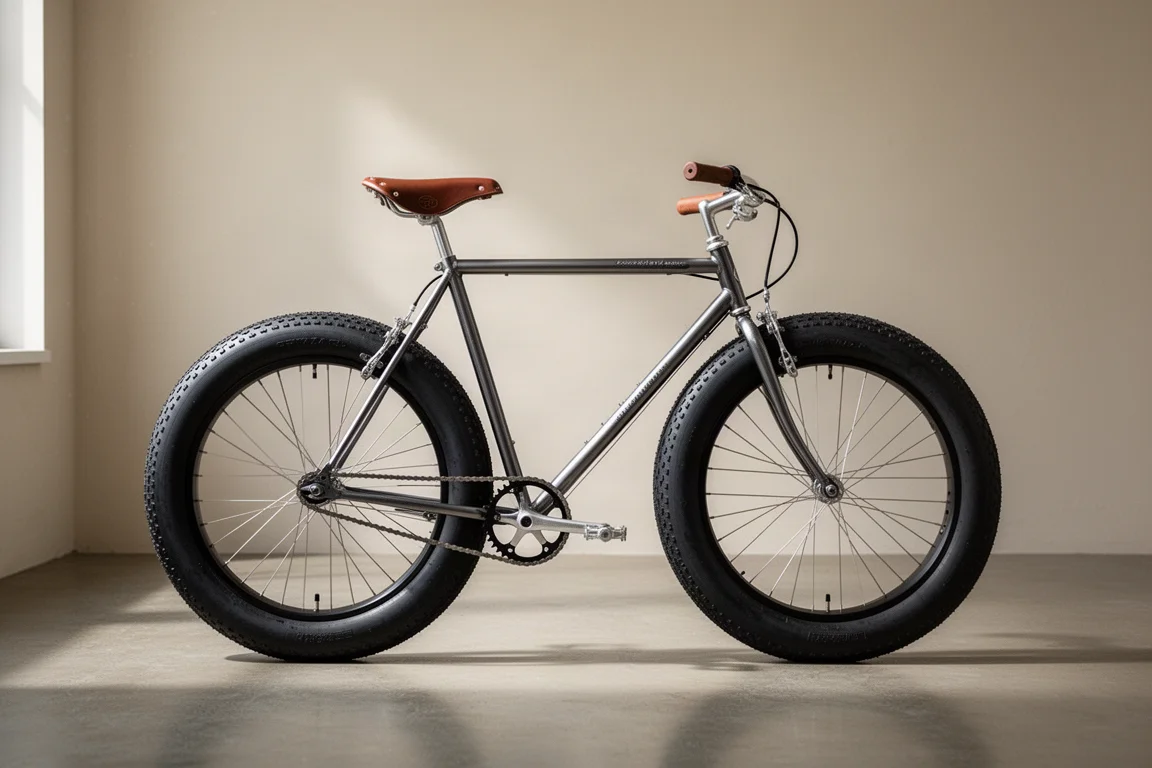
The Singular Peregrine is the sort of bike more riders could reasonably own, and it sits at the opposite end of the spectrum from a modern carbon fibre race machine. The recipe is deliberately old-fashioned: fat, wide tyres, a lugged steel frame and fork, relaxed geometry, low and easy gears, and a leather saddle chosen for comfort over weight.
Singular is a small British company, and the original Peregrine first appeared back in 2007, well ahead of its time as a versatile, fat-tyred drop-bar road bike. It looked backwards to the French randonneur bikes of the 1930s, with their balloon tyres, at a moment when the road market was marching steadily towards more stiffness, more performance, and more aerodynamics. This latest version keeps much of what made the original distinctive, but brings the platform up to date with greater tyre clearance, flat mount disc brakes, thru axles, and revised geometry, while retaining the look of a classic road bike.
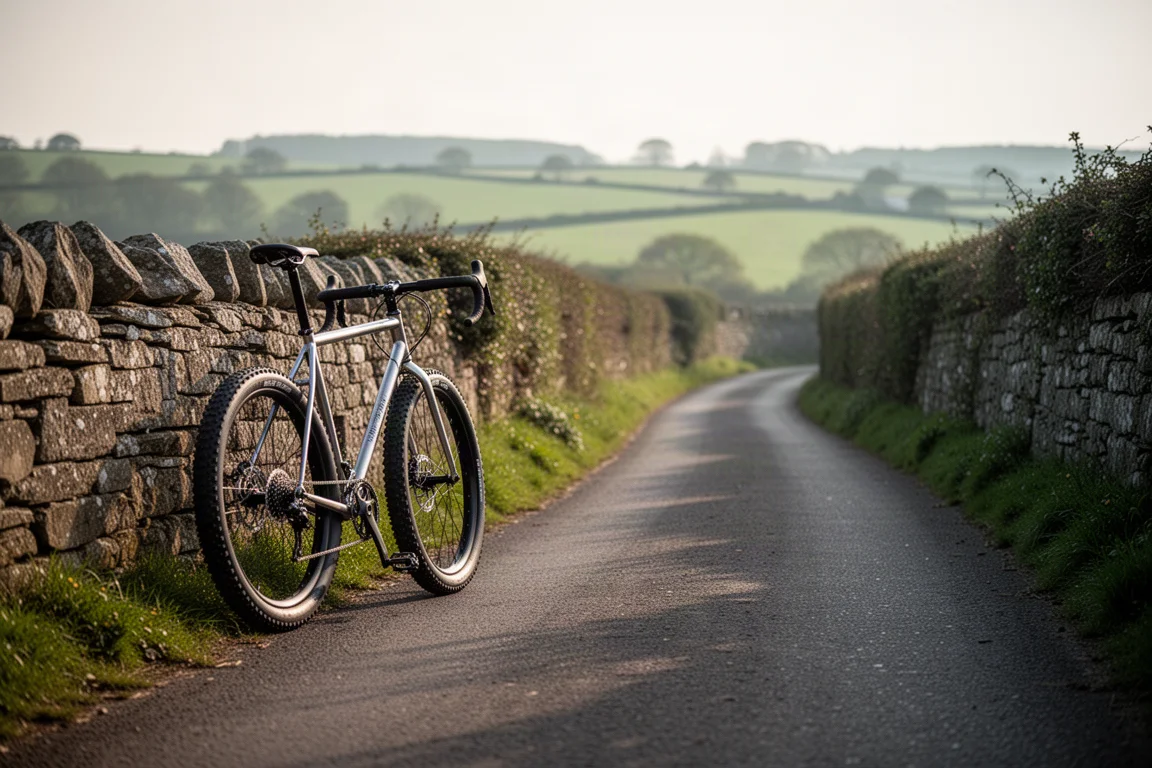
That combination of vintage proportions and modern fittings is the heart of the Peregrine. It is not a nostalgia exercise so much as a practical reinterpretation: the classic appearance remains, but the bike underneath is easier to live with than the 2007 original in everyday use.
Who This Bike Is For
This is a bike for riders who want maximum comfort and are happy to trade outright speed for it. Fat tyres run at low pressure, a leather saddle, and a steel frame and fork add up to something close to a magic carpet ride, and the relaxed geometry keeps the handling calm over long distances.
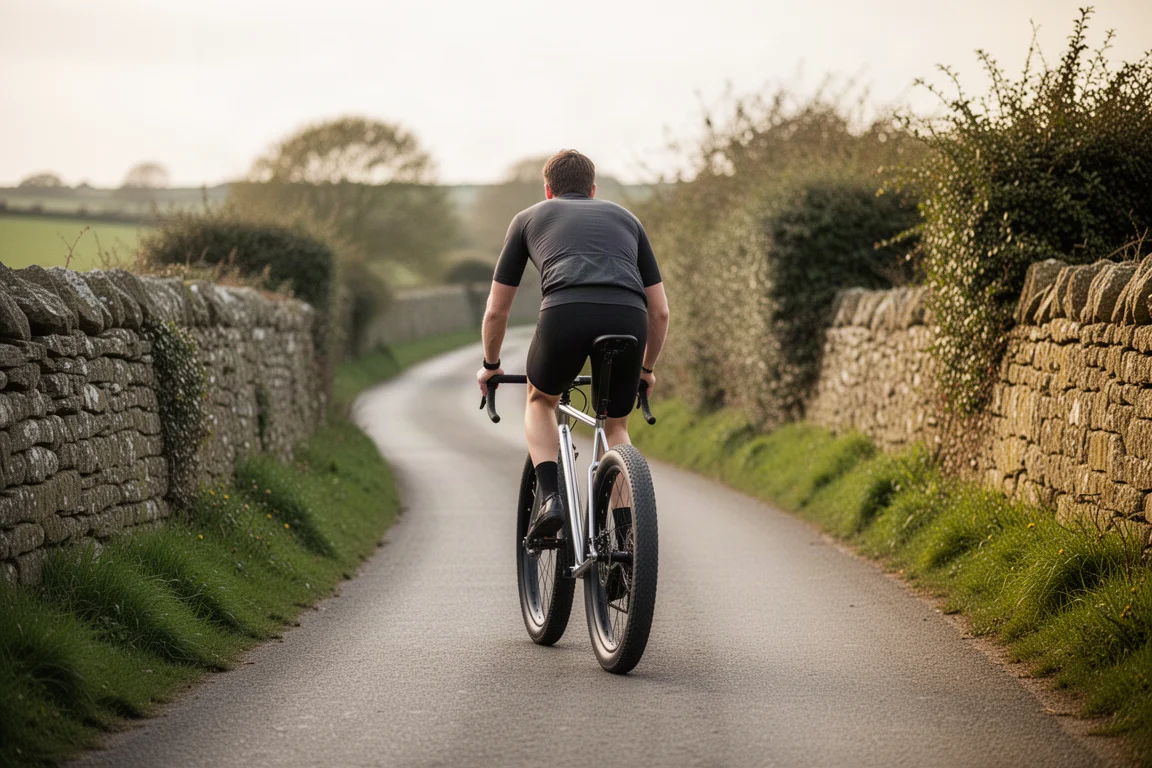
It suits riders who spend their time on country lanes, farm tracks, woodland trails, and mixed surfaces, and who measure a good ride in views, cafes, and hours in the saddle rather than in average speed or power numbers. It is also a natural choice for anyone put off by cookie-cutter carbon fibre race bikes and looking for something with more character.
It is less suited to riders chasing personal bests, sprinting for signs, or expecting a stiff, featherweight race platform.
Frame, Geometry, and Ride Quality
The frame is built from Columbus tubing with lugs at the head tube and seat cluster, paired with a matching steel fork that has a graceful curve to its blades and a box section crown. It is a handsome, traditional-looking machine, and the finish and proportions are a large part of the appeal.
The geometry is laid back, closer to a modern gravel bike than a road race bike. A head angle of around 71 degrees and a long trail give excellent straight-line stability. Cornering takes a little more muscle to initiate, but once the bike banks over it holds its line very well. A low bottom bracket lets the rider sit into the bike for a secure feeling, while the front end is comparatively low, with a short head tube that puts the bars lower than some riders will want.
On the road it feels light and fast, and it is easy to hold around 30 km/h on country lanes with similar effort to a carbon fibre race bike. Higher speeds demand noticeably more work, which is expected of a bike that was never designed to race. The frame is not especially stiff and not especially light, but there is enough rigidity that it never feels vague through corners, and it climbs briskly for what it is.
Tire Clearance and Versatility
Tyre clearance is generous. The frame and fork accept up to 700 x 55 mm or 27.5 x 65 mm tyres, so there is plenty of choice between fast slicks and more heavily treaded rubber for genuine off-road use. The wide tyres are the defining feature of the ride: when the tarmac runs out, the bike keeps going onto gravel tracks, dirt roads, farm tracks, byways, and woodland trails, and it copes with all of it well in dry conditions.
There are mounts for essentially everything, including racks and mudguards, which makes the Peregrine an easy bike to load up for a long day out. An eccentric bottom bracket in an oversized shell allows chain tension to be adjusted, which is useful for single-speed setups or when swapping between different wheel sizes.
The result is a bike with no real limit on where it can be ridden, as long as the surface stays reasonably dry. It handles the kind of roads most riders actually spend their time on.
Build Details and Components
The Peregrine is sold as a frameset, and complete builds are also offered, so owners can either transfer parts or spec the bike themselves. The example build here uses fat slick tyres, a leather saddle, and bar-end style shifting, and it shows how flexible the platform is.
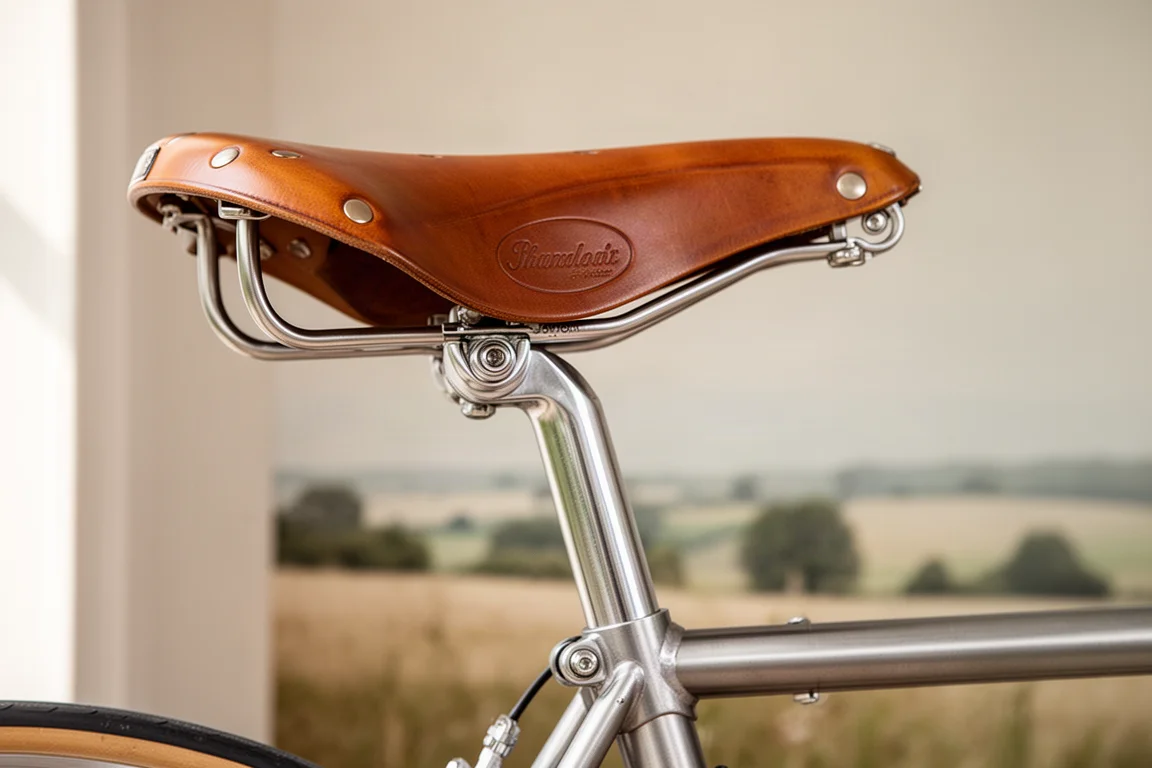
The tyres are the highlight of that particular build and do the most to shape the character of the bike. Component choices are personal, and the shifting setup in particular divides opinion, while the leather saddle is a long-standing favourite for all-day comfort and rewards the miles put into it. Because the frameset is the constant, the ride you end up with depends heavily on how you choose to build it.
Things to Consider Before Buying
The low front end is the main fit consideration. The short head tube and low stack may leave taller riders or those wanting a more upright position looking at a different stem or bar setup to get long-distance comfort where they want it.
It is worth being clear about what the Peregrine is not. It is not a race bike, and it is not quick at high speed compared with a dedicated performance machine. The frame is not exceptionally stiff or exceptionally light, and the off-road capability is at its best in dry conditions rather than in mud or wet, loose terrain.
Finally, because it is primarily a frameset, the final cost and character depend on the build. Budget for the parts that matter to you, and expect the tyres and contact points to do as much for the ride as the frame itself.
Buying Advice
The simplest way to approach the Peregrine is to decide what kind of riding you actually do. If it is country lanes at a conversational pace, mixed surfaces in dry weather, and long days with luggage, the platform makes a great deal of sense and will feel calm, stable, and comfortable from the first ride.
If you want a fast road bike for hard efforts, look elsewhere. This is a bike for wafting from village to cafe and back, taking in the views, and riding for the sheer pleasure of it. Buyers who value comfort, versatility, and a traditional appearance over outright performance will get the most from it.
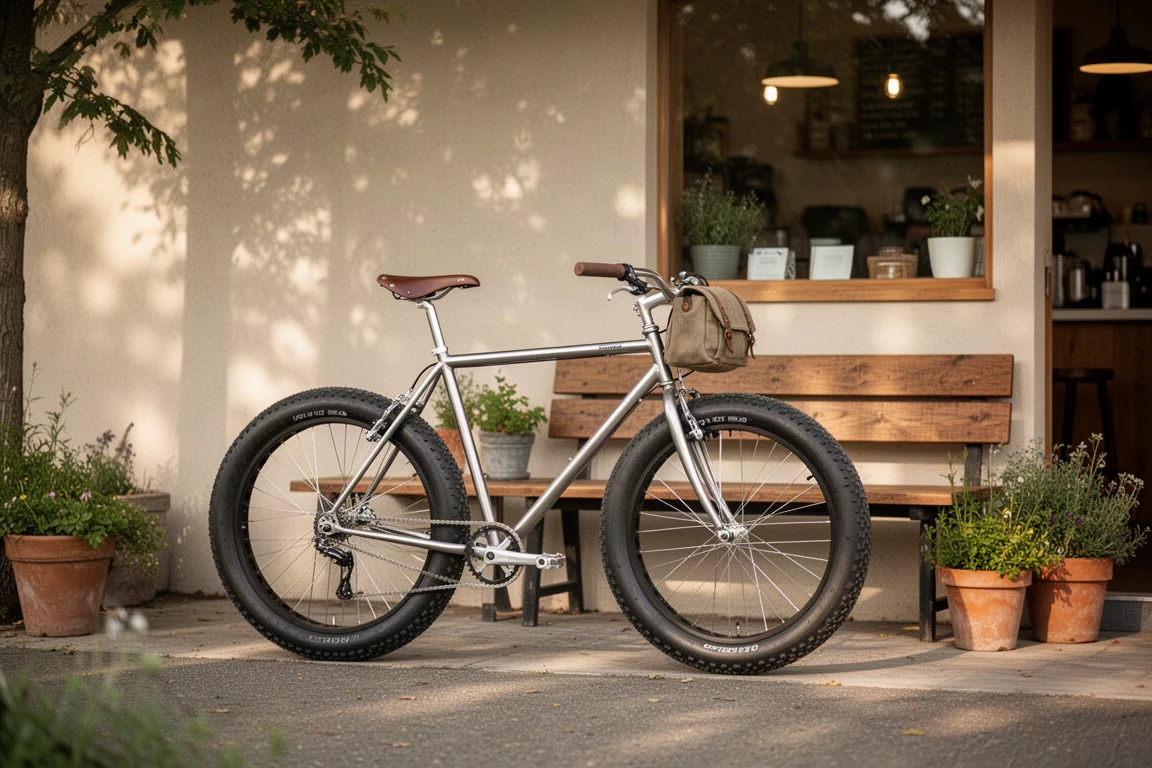
Build it for the riding you have in mind rather than for a specification sheet. Choose tyres to suit the surfaces you ride most, get the front end height right for your position, and pick contact points you can live with for hours. Set up that way, the Peregrine is a bike that can be ridden all day, every day, on road and gravel alike, with very little compromise.
Conclusion
The Singular Peregrine is a refreshing alternative to the carbon fibre mainstream. Its lugged steel frame, fat tyres, relaxed geometry, and wide clearances make it silky smooth and super relaxed to ride, happy on tarmac and dry gravel, and built to be comfortable over long distances. Riders who crave comfort, character, and versatility and who are not chasing average speed will find it a deeply satisfying bike to own.
Product link
View more details for Singular Peregrine
This product is mentioned in the review. Check the specifications, options, and compatibility before buying.
View more details for Singular PeregrineFurther reading
Related Reviews
Bike Reviews
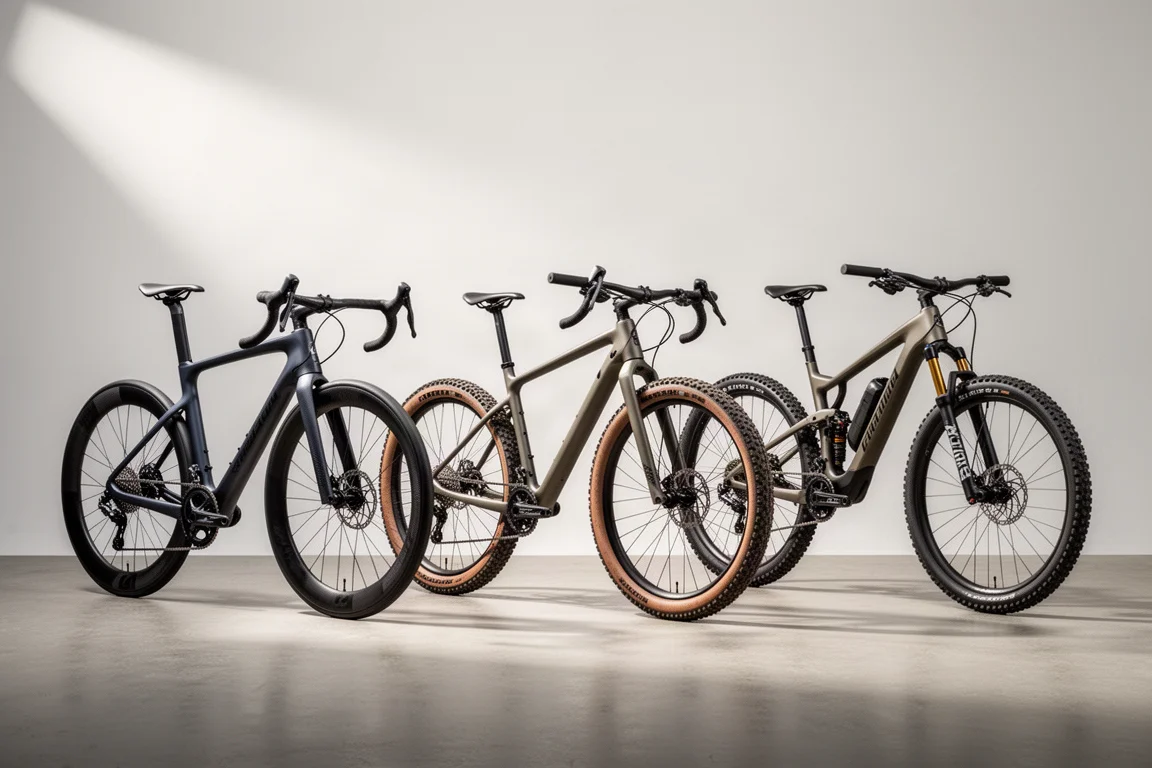
Best Bikes of 2021: Road, Gravel, and Mountain Bike Awards
The bikes that stood out in 2021 across road, gravel, and mountain categories, including the year's biggest disappointment and the bike that took the overall award twice.
Bike Reviews
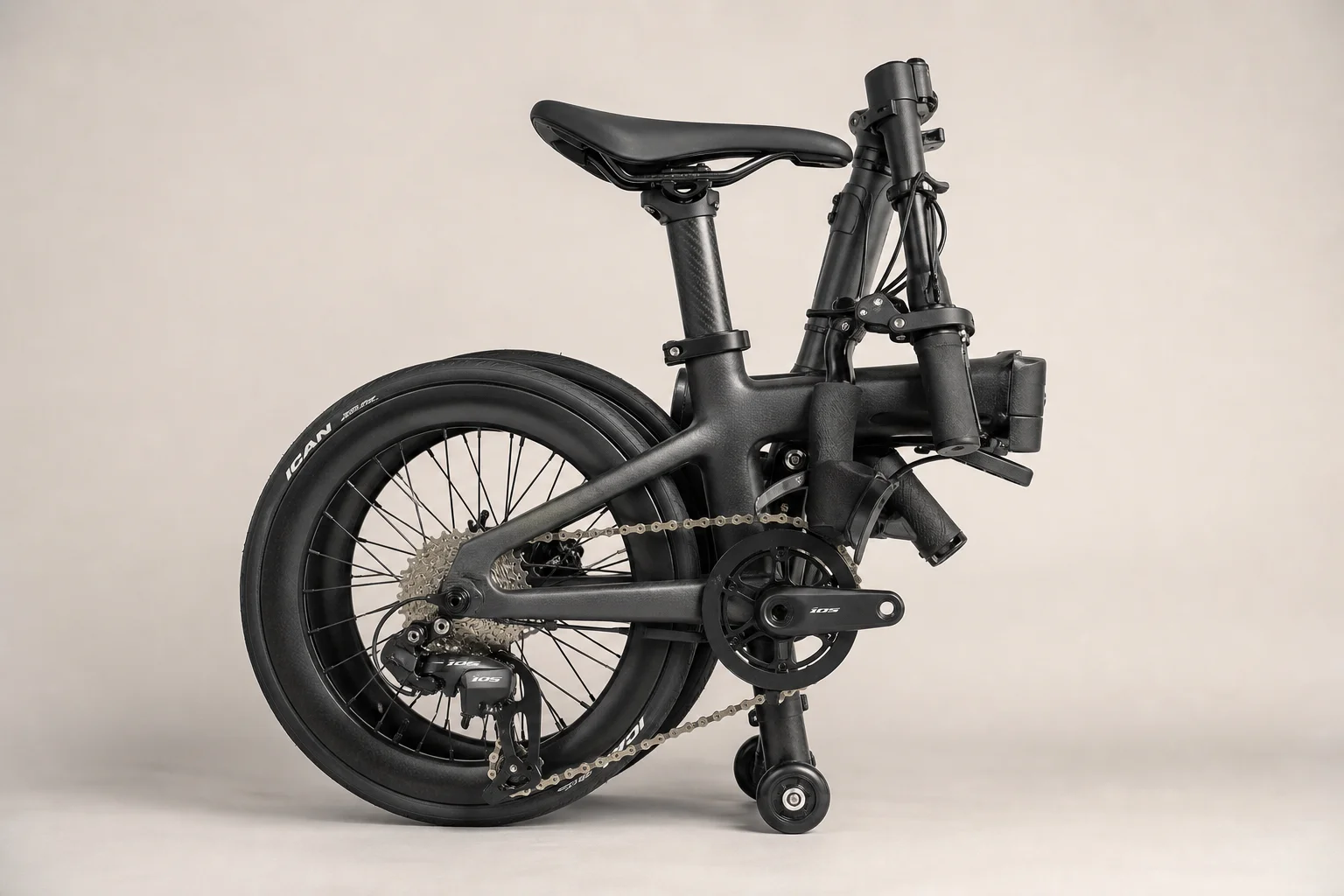
Java Neo3 Carbon Trifold Review: A Portable Bike That Weighs Less Than You'd Expect
The Java Neo3 Carbon Electronic Group Set Edition combines a trifold design with T800 carbon construction and electronic shifting. We tested its ride quality, portability, and real-world performance.
Bike Reviews
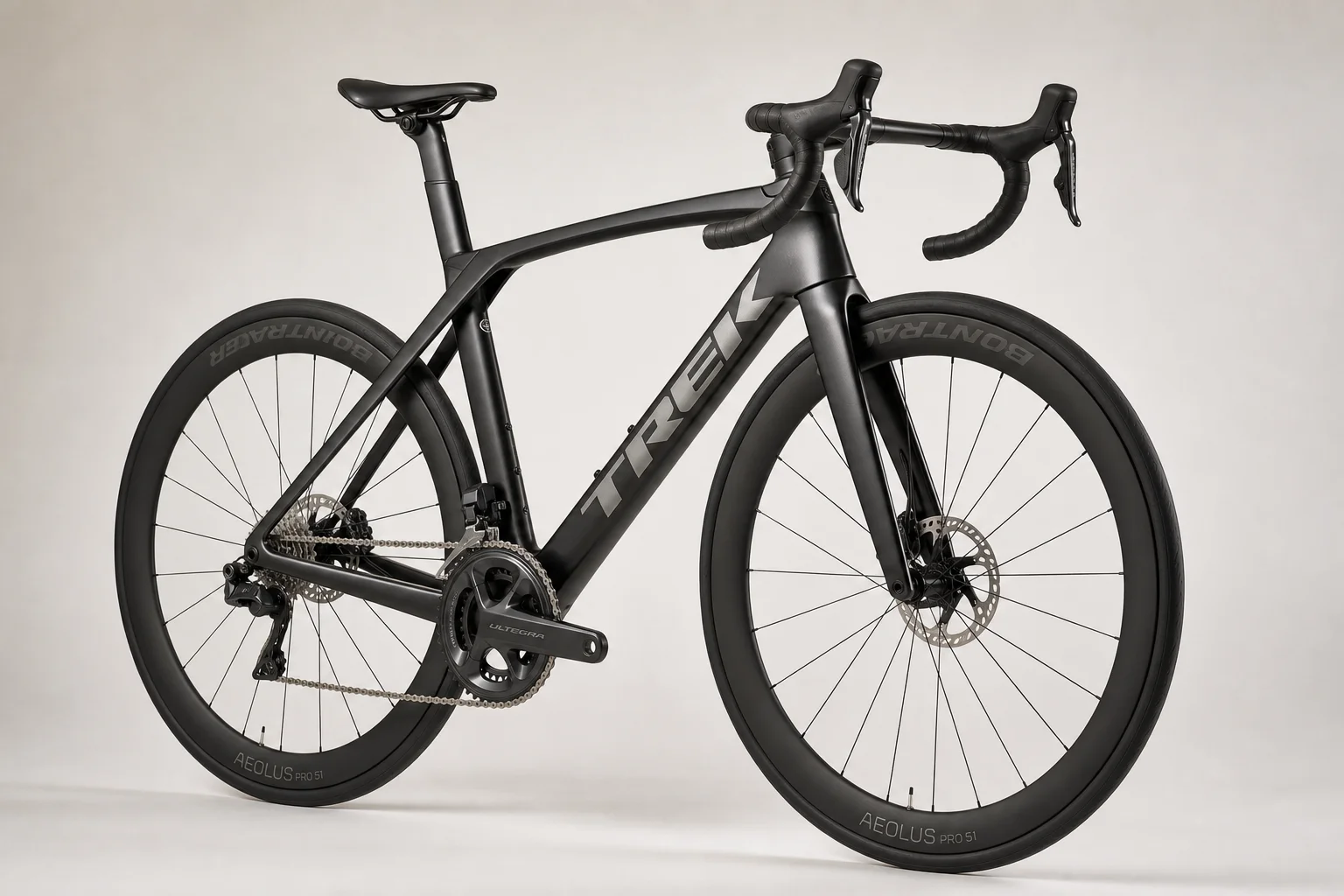
SAVA AeroX SLR8 Review: Premium Carbon Aero Bike at a Competitive Price
The SAVA AeroX SLR8 delivers lightweight carbon construction and Shimano Ultegra Di2 shifting at a fraction of what comparable aero race bikes cost. Strong performance and value, but assembly support and quality control need attention.