Tools
Simplified Voltage Testers vs Full Multimeters: Milwaukee, Klein MM450, and Klein MM400 Compared
A practical look at simplified voltage testers and full-featured multimeters, covering the Milwaukee auto tester, the Klein MM450, and the Klein MM400.
Introduction
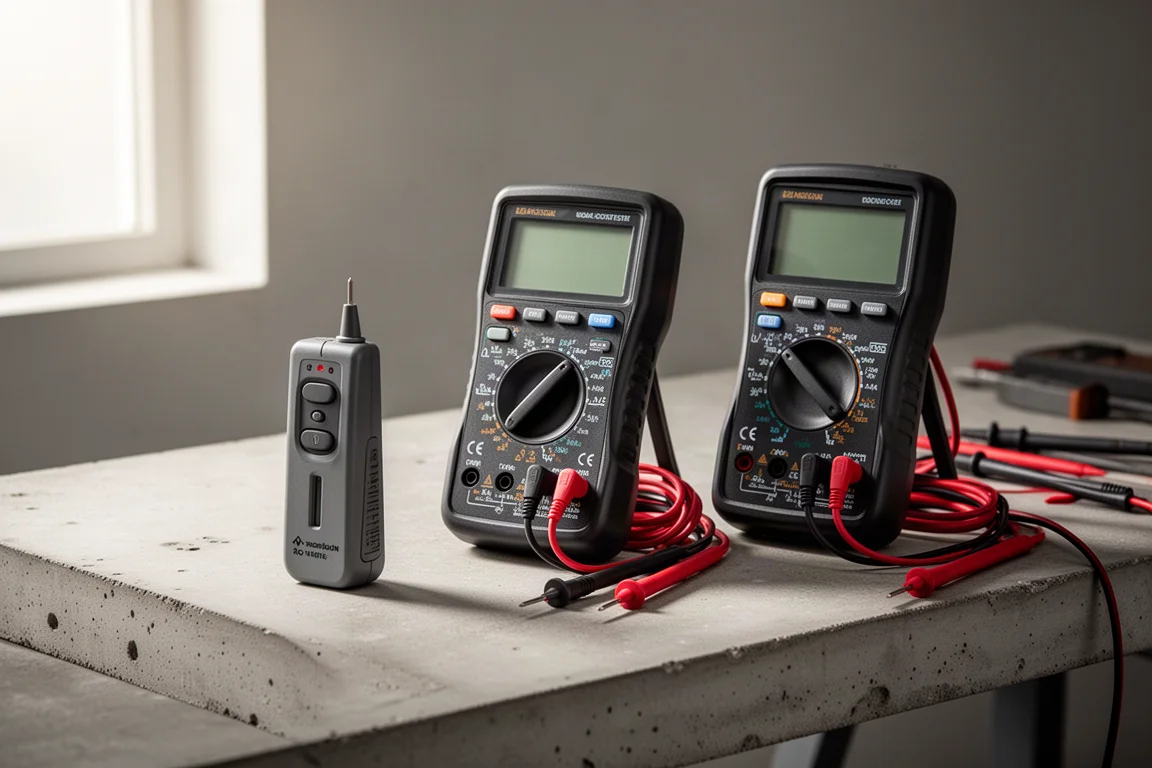
There is a whole category of electrical testing tools that sits far below the full multimeter: pocket-sized testers that do one thing, do it quickly, and ask almost nothing of the user. At the same time, modern meters like the Klein MM450 and MM400 deliver large readable displays, auto-ranging, and more complete measurements for not much more money. That raises a fair question: if a proper meter is so easy to get, why do the simplified testers keep selling?
The Case for Simplified Testers
Simplified testers are built around a single job: telling you whether voltage is present, and roughly how much. The basic designs are almost old-fashioned, relying on a light that pops on to confirm a circuit still has energy in it. Some cover narrow ranges, such as 5 to 50 volts, which works well for vehicle use, while others span roughly 80 to 250 volts for household work. A few have no battery at all and run off the circuit they are testing, indicating AC or DC with a handful of indicator choices.
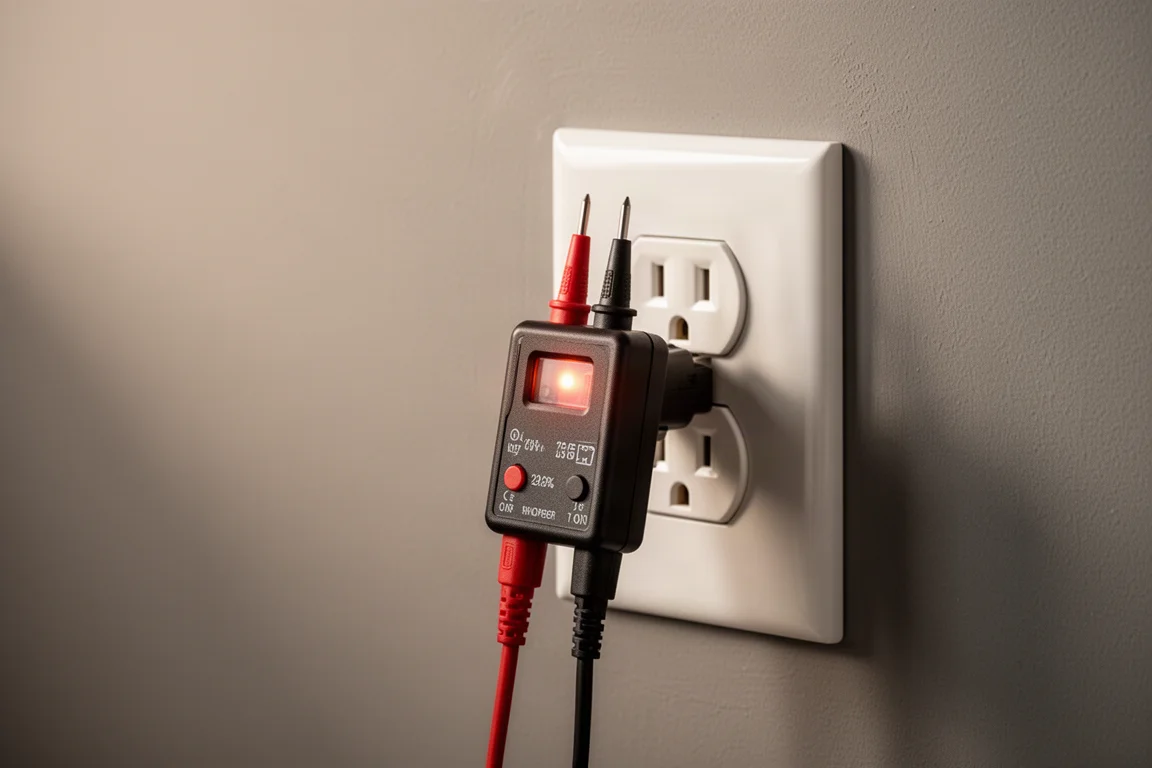
The appeal is obvious: no menus, no mode selection, and very little to get wrong. For someone who only wants to confirm an outlet is live before touching it, that simplicity is the whole point. The trade-off is equally clear. These testers tell you little else about what is happening in a circuit.
Milwaukee Multimeter: Auto Everything Simplicity
The Milwaukee multimeter is best described as “auto everything.” It focuses mainly on AC and DC volts, with a couple of extra tricks: a light on the front that is genuinely useful in dark panels, and a voltage detector function that picks up energized items and signals with sound. It is super simple, with very little else going on.
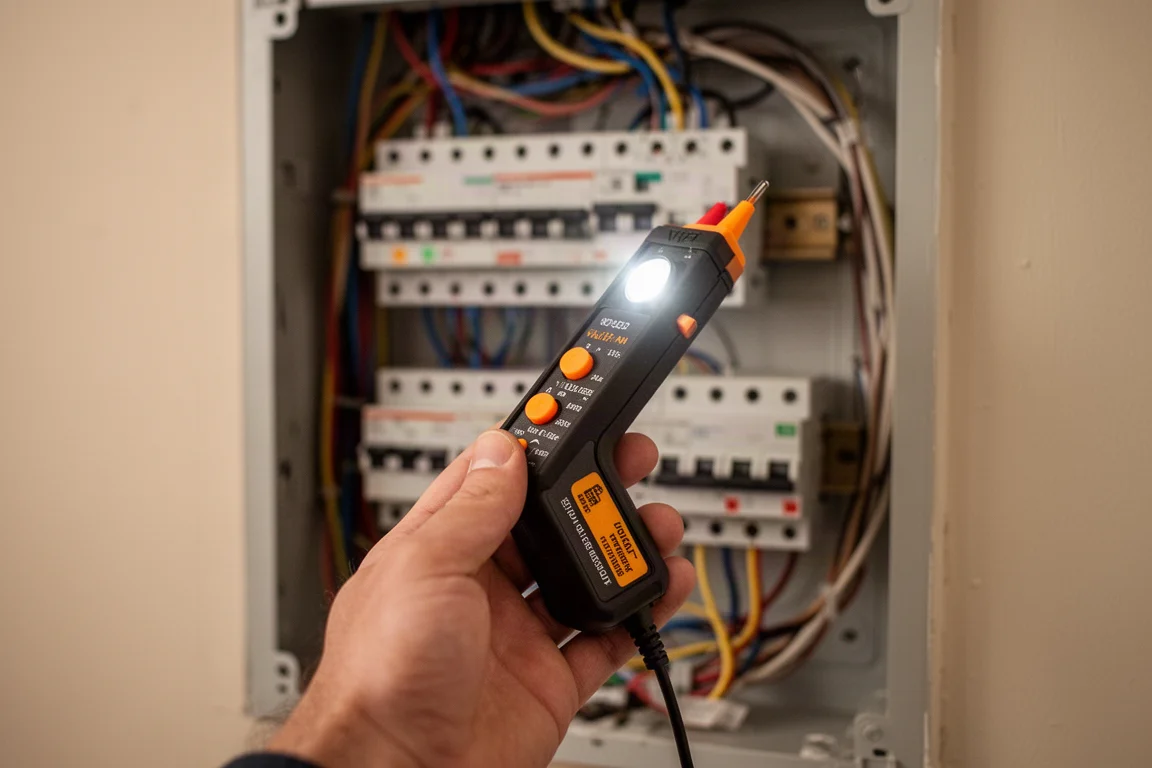
Its voltage range is the standout detail. The tester covers 12 to 600 volts, which is a genuinely wide span for such a basic tool. For quick go/no-go checks on everything from low-voltage circuits to mains, that range covers most of what a homeowner or technician would encounter.
Klein MM450: True RMS and a Big Readout
The Klein MM450 represents the other end of the spectrum. It offers a large, easy-to-read screen that stays legible in the dark and in bright light, auto-ranging, selectable ranges, and true RMS measurement. Where a simplified tester gives you a light or a vague indication, the MM450 gives you a real number and a lot more information on one screen.
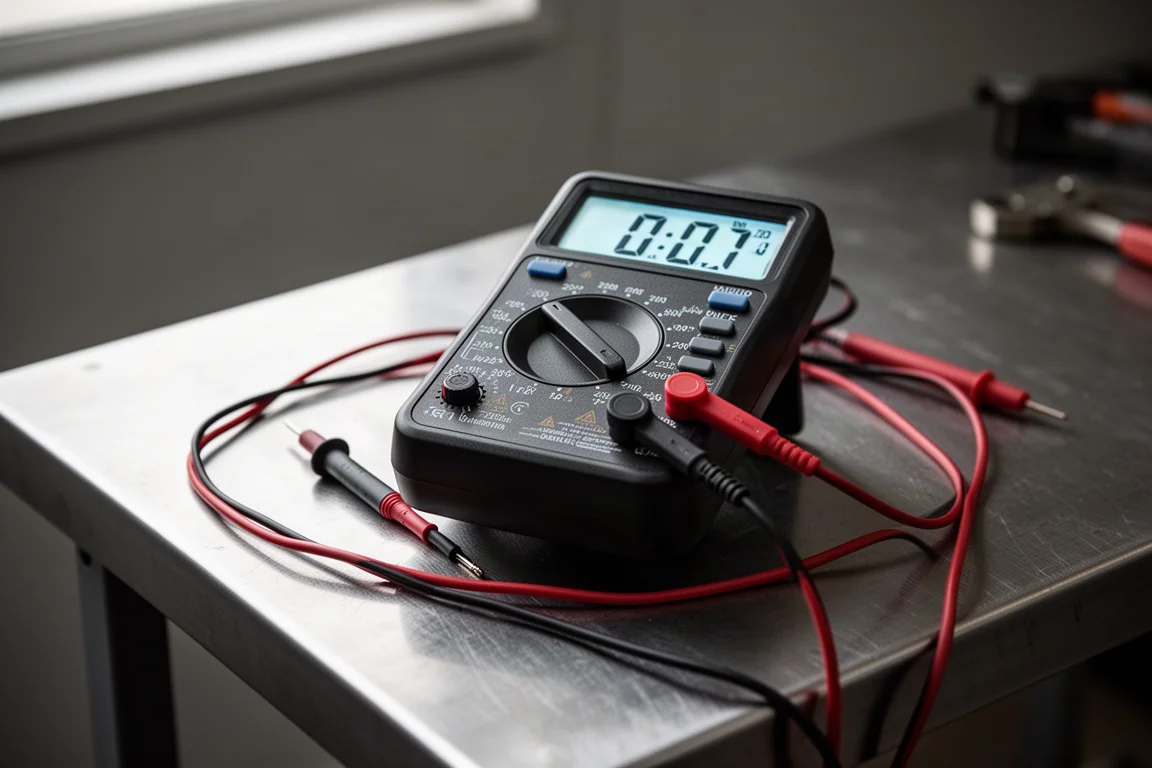
For anyone diagnosing rather than just confirming, that extra information changes the experience. Instead of “there is some voltage here,” you get a clear reading you can act on.
Klein MM400: The Slightly Simpler Sibling
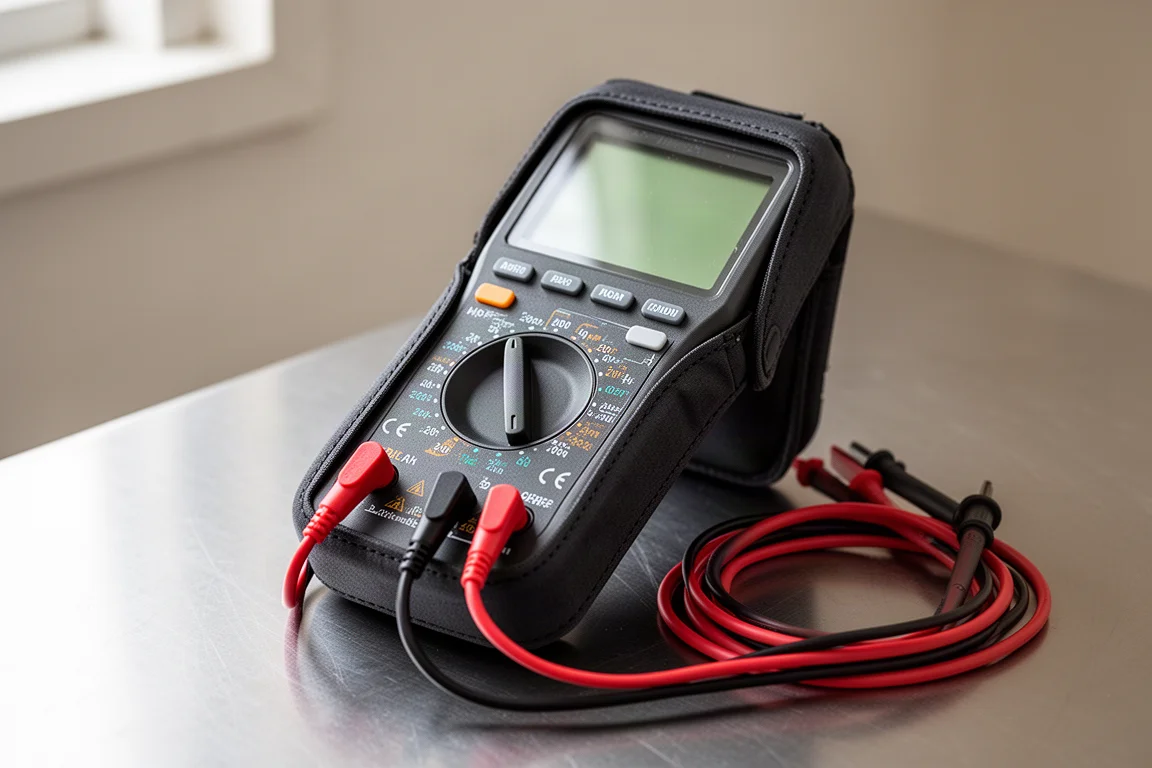
The Klein MM400 sits just below the MM450 in the same family. It shares the same big-screen, easy-to-read approach that makes these newer Klein meters pleasant to use, but without the true RMS measurement of the MM450. For most household checking and basic diagnostics, the MM400 remains a well-rounded choice, and it typically costs a little less than its sibling.
The practical difference between the two comes down to how much you value true RMS. If your measurements involve non-sinusoidal loads or you simply want the more capable meter, the MM450 edges ahead. If you mostly check outlets, circuits, and appliance connections, the MM400 does the job comfortably.
Which One Should You Buy?
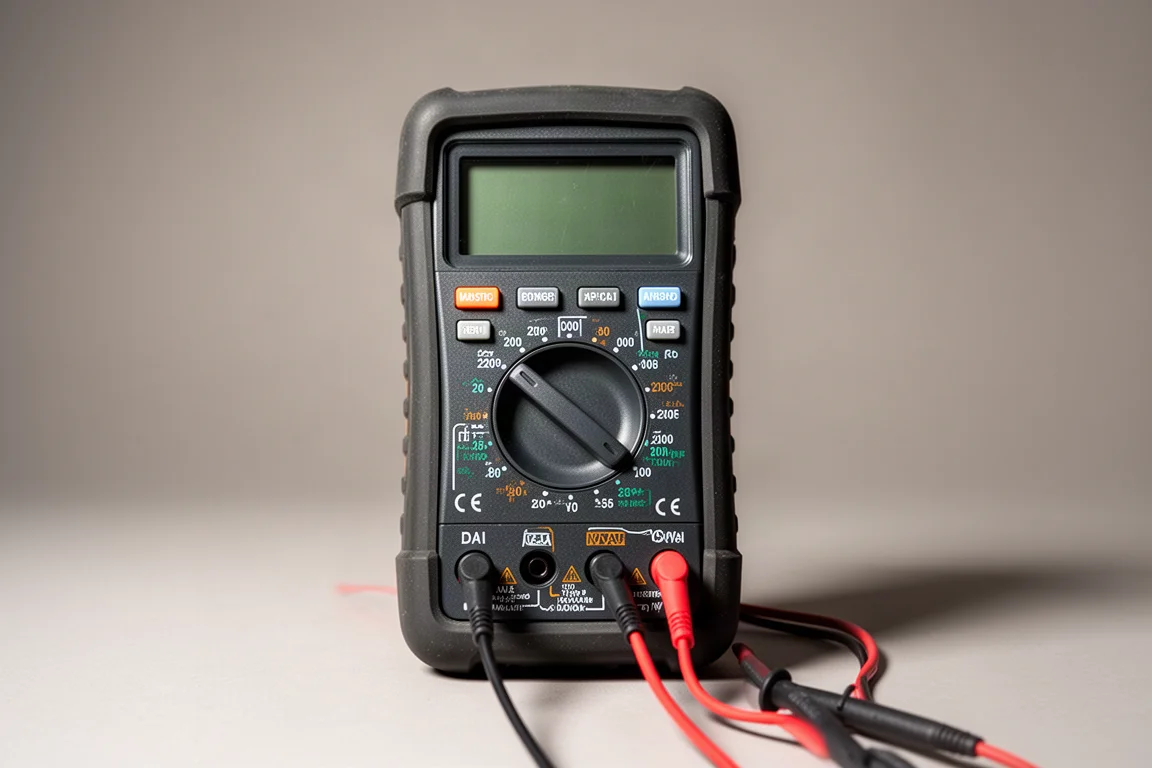
The honest answer is that both categories survive because they answer different questions. Simplified testers like the Milwaukee are for people who want the fastest possible “is it live?” answer with zero learning curve, and its 12 to 600 volt range plus built-in light and detector make it unusually capable for its class. Full meters like the Klein MM450 and MM400 are for anyone who wants actual numbers, more information per check, and the flexibility to grow into more involved electrical work.
If you find yourself doing electrical work more than occasionally, a meter is the better long-term buy. If your needs stop at confirming a circuit is dead before unscrewing a cover plate, a simplified tester is hard to beat.
Conclusion
Simplified voltage testers and full multimeters coexist because they serve different habits. The Milwaukee leans fully into simplicity with a wide 12 to 600 volt range and helpful extras, while the Klein MM450 and MM400 show how little extra money it takes to move up to a large, readable display and far more information. Match the tool to the questions you actually ask about your circuits, and both types make sense.
Further reading
Related Reviews

Tools
Best Contractor Grade Tape Measures 2026: Eight Models Tested Head to Head
We tested eight contractor grade tape measures from Milwaukee, DeWalt, Crescent Lufkin, Tajima, Stanley, Irwin, Gelan, and Craftsman to find the best value and performance.

Tools
Best Precision Screwdriver Sets 2026: Manual and Electric Options Compared
We compare 19 precision screwdriver sets, from budget manual kits to electric drivers, to find the strongest bits and best value.

Tools
Best Stud Finders 2026: Five Popular Models Put to the Test
We tested five popular stud finders on drywall, firewall, and lath and plaster surfaces to see which ones really find studs and avoid false readings.