Running Shoes
Simple Lightweight Trainers: Which Running Shoes Fit Best and Which We Would Buy
Twelve running shoes tested by a team with a physical therapy background, including fit rankings for five simple lightweight trainers and a look at whether fit should outweigh performance.
Introduction
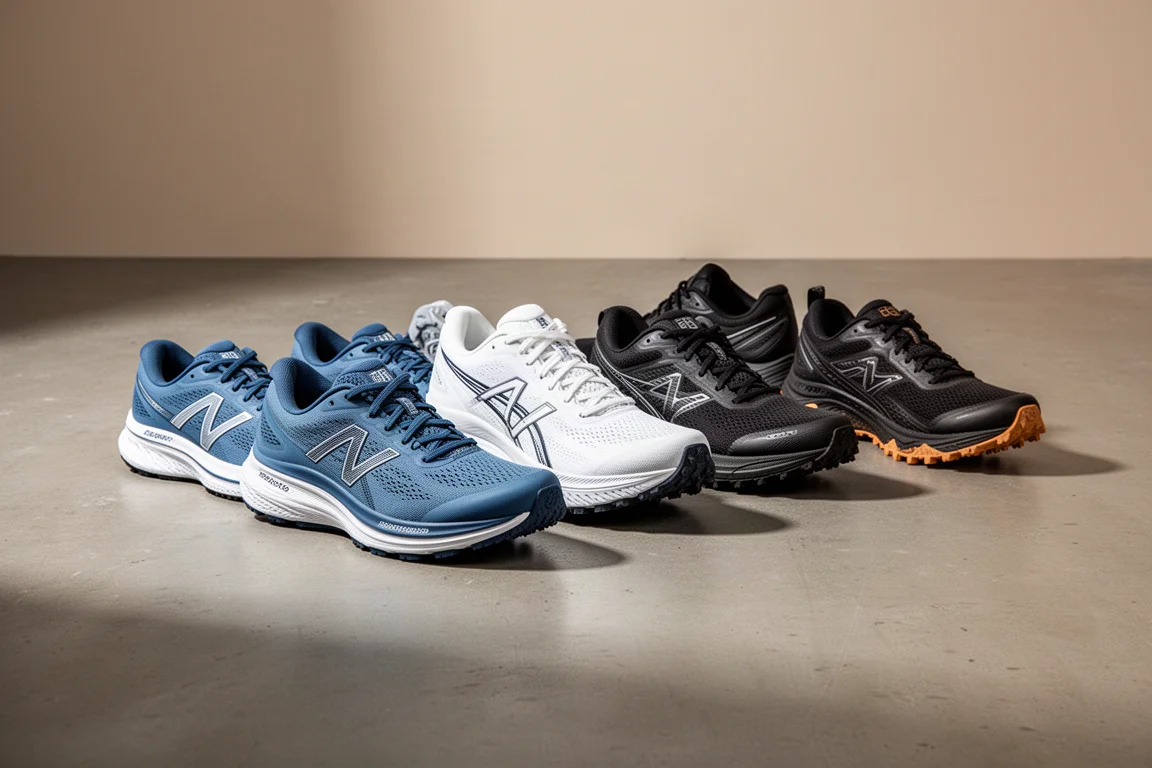
There is a running shoe category that keeps quietly growing: simple, lightweight, non-plated daily trainers that are easy to run in and do not ask much of you. This article draws on long-term testing from a group with a doctor of physical therapy background, covering twelve current shoes: seven in-testing picks across road and trail, and a fit ranking of five simple lightweight trainers, the Diadora Corsa, Puma Deviate Pure Nitro, Brooks Ghost Amp, Hoka Mach 7, and Saucony Endorphin Azura.
Along the way there is a bigger question to settle: does the best-fitting shoe win, or does performance override fit? The short answer from testing is that it depends on the runner, and the reasoning below should help you figure out which side of that line you sit on.
How We Evaluated These Shoes
Evaluation focused on three things: fit, ride quality, and how each shoe behaves at different paces. Fit is inherently individual, so “best fit” here means which upper shaped up best for the testers’ foot types, with notes on taper, volume, and padding so you can map those traits to your own feet. Ride notes cover foam character, rocker geometry, stability, and what paces each shoe likes. Where pricing was notable, it is called out, because value is part of the buying decision in this category.
Veloci Featherweight
The Veloci Featherweight is one of the more unique options in this roundup: a high-drop, rockered daily trainer with an anatomic toe box, a combination that is genuinely rare. At roughly 45 millimeters of stack and just under nine ounces, it is impressively light for the amount of foam underfoot. The foam setup is structured, with a firmer base layer and a firmer, non-mushy poppy layer on top, giving a stable-neutral rocker experience that testers found easy to fall into rhythm with at daily training and long run efforts.
For a tester recovering from Achilles trouble, the high drop and anatomic forefoot were a real win, and durability over the first 30 miles was top notch. Two caveats came up: the shoe pitches you slightly forward, which felt great while running but caused shin and knee soreness when worn for long standing and walking days, and the performance-oriented upper and tongue could use a touch more padding. It is not fully stable neutral, but it is also surprisingly not unstable, sitting comfortably in the neutral category.
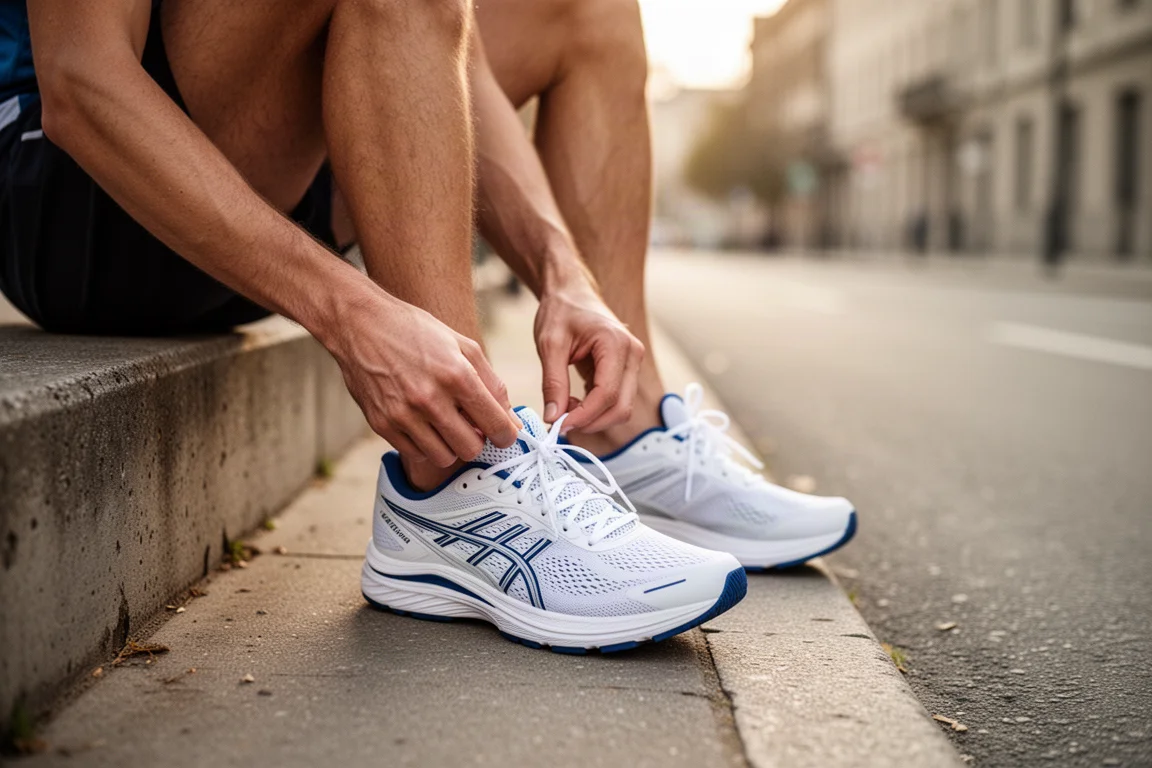
If you want extra forefoot room and mobility but do not get along with zero-drop and low-drop shoes, this fills a space the major anatomic-fit brands currently do not.
Fila Speed Tempo Plus
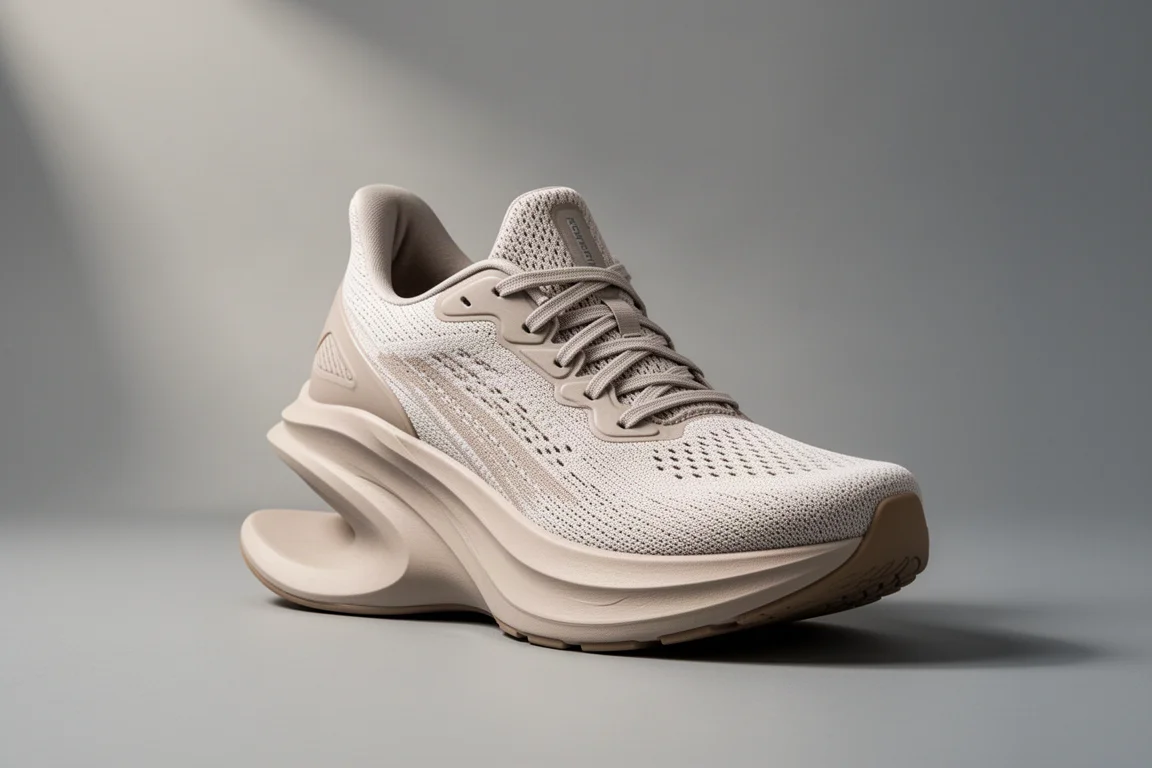
The Fila Speed Tempo Plus was the biggest surprise of the testing block. It is a lightweight, simple daily trainer with a firm-ish Skyfoam midsole, a strong forefoot rocker, and a dual-layer upper that is so light and just stretchy enough that it practically disappears on the foot. In a workout setting, it held 4:50 mile pace at the end of a descending fartlek, which is not what anyone expected from an unassuming $130 trainer.
It is firmer than some peers and less bounce-driven, but it is rhythmic and easy, sitting in the same family as other lightweight simple daily trainers. The toe box tapers slightly, though the accommodating upper kept that from being a real problem. Outsole durability looks promising, and the main open question is how Skyfoam holds up over higher mileage.
Tyr Valkyrie Elite 2
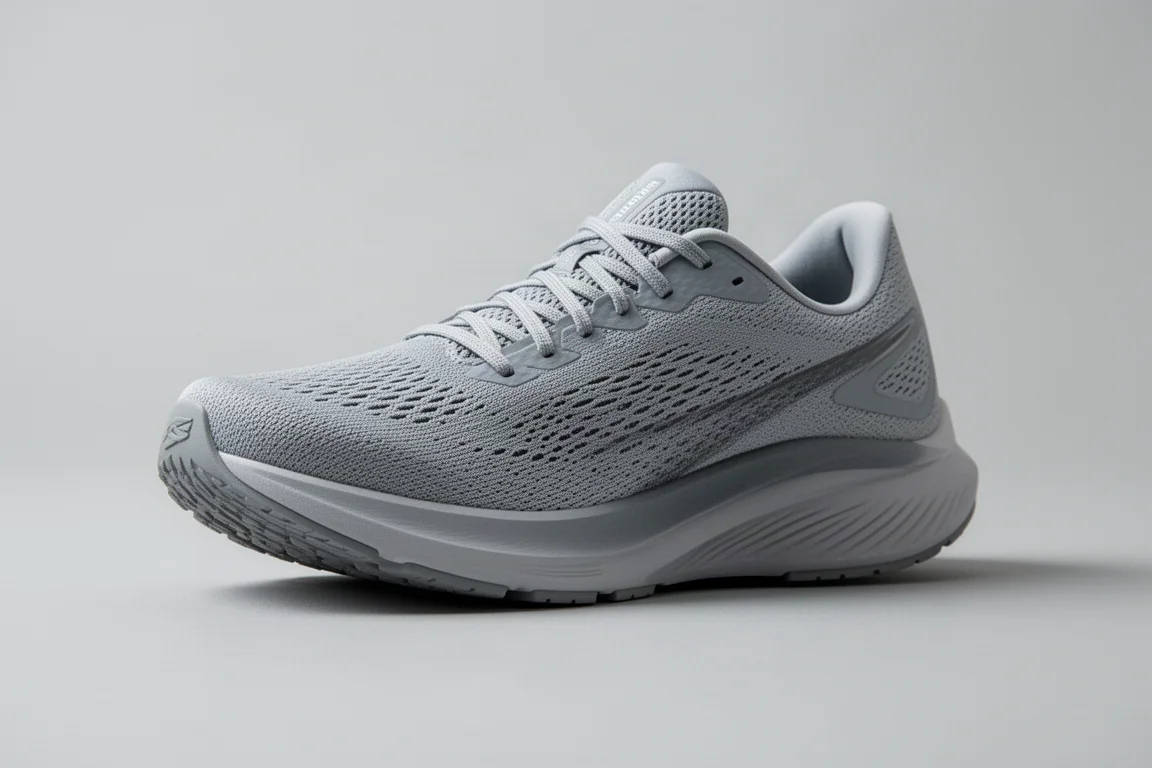
The Tyr Valkyrie Elite 2 is one of the most aggressive racers on the market right now, and it makes the most of that identity. It is fast, with excellent foam, and it earns a spot among the top short-distance 5K and 10K racers in testing. The trade-off is that the heel is much softer than the forefoot, to the point where it almost feels like a negative-drop shoe, which irritated one tester’s Achilles on every run.
That geometry suggests it will suit runners who land farther forward and want a genuinely aggressive racing shoe for short distances. It is not a shoe for everyone, and the testers were quick to say it is not their personal match, but the leap Tyr made from its earlier shoes to this level of aggressiveness impressed them anyway.
inov-8 Trailfly Pro
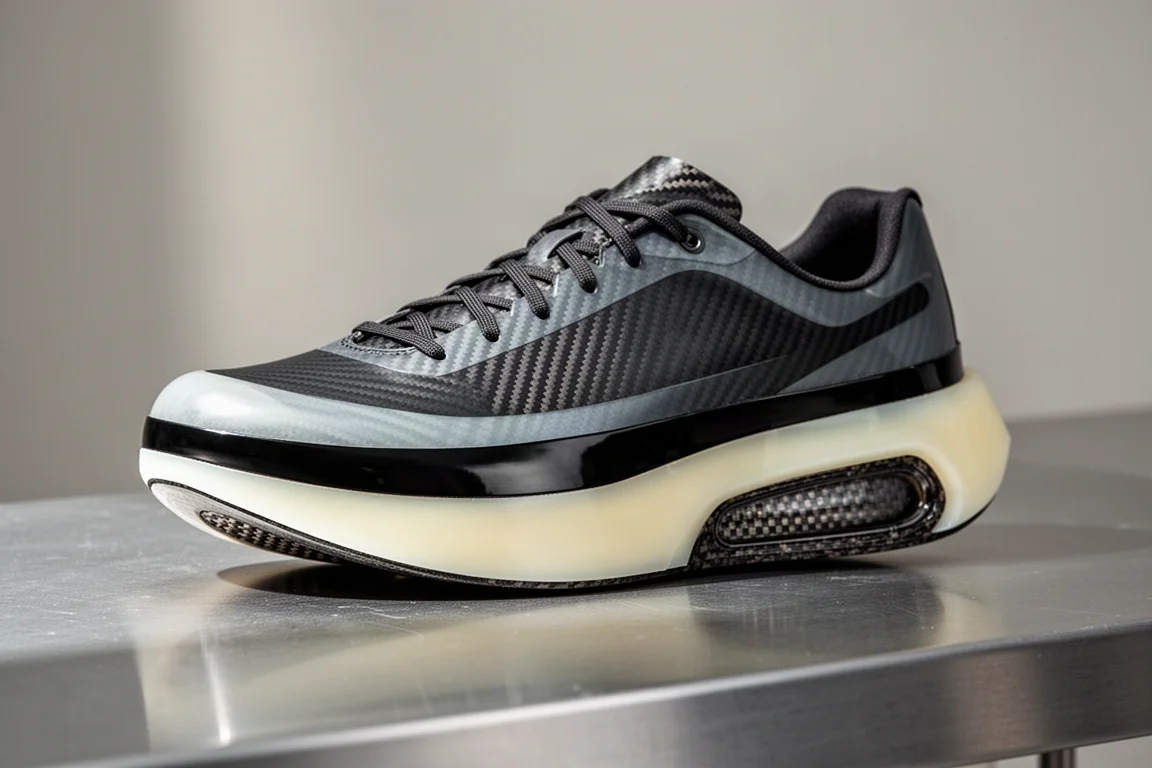
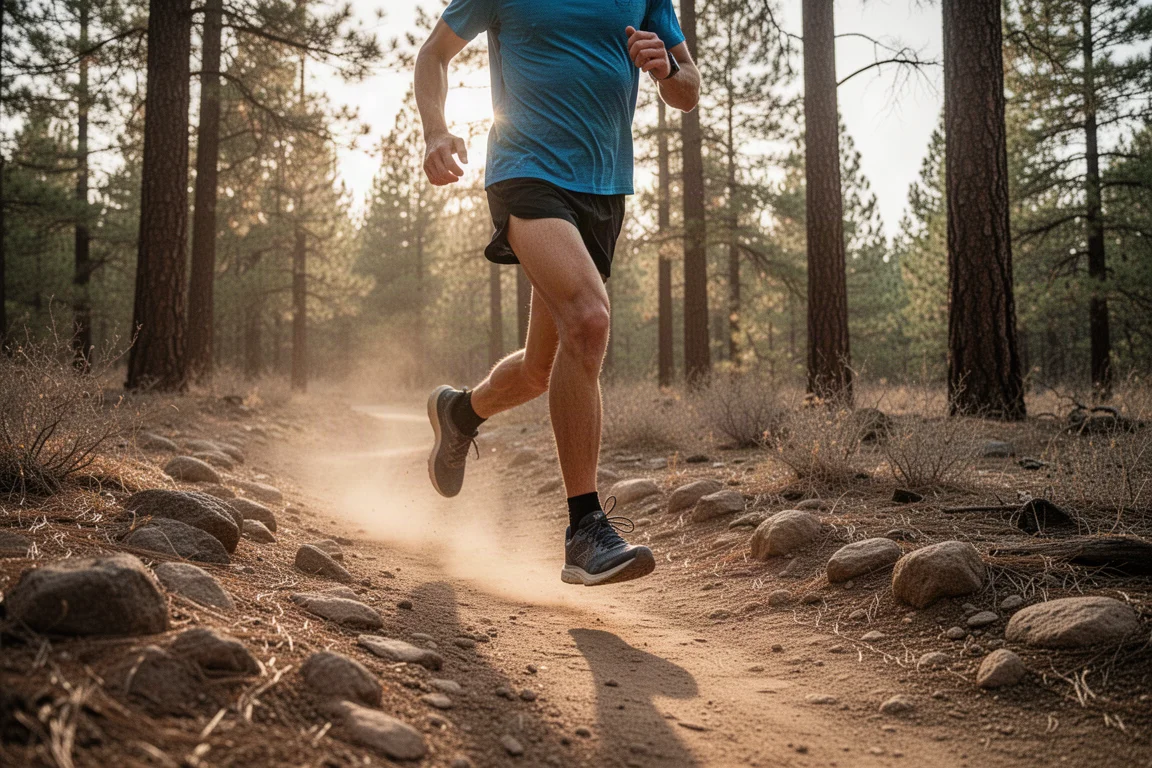
The inov-8 Trailfly Pro brings a supercritical TPE midsole to a low, nimble trail platform: 26 millimeters of stack in the heel (20 millimeter drop, with the commonly quoted 34 millimeter figure including a 4 millimeter footbed and 4 millimeter lugs) and around 8.0 ounces, which is very light for a trail shoe. It grips well, handles rocks and tight turns without complaint, and its soft, bouncy foam clearly prefers to be compressed and rebounded at speed.
The softer foam under only 20 millimeters up front means you feel the ground, and sometimes the rocks, more than some runners will want, though it was never painful in testing. It is a strong match for sub-ultra racing or faster trail training if you like ground feel and a snappy ride. One structural note: the heel and midfoot are narrow, and one tester with a wider foot felt like they were hanging off the side. It also walks and hikes acceptably but clearly prefers to run.
Teva Trail Peak
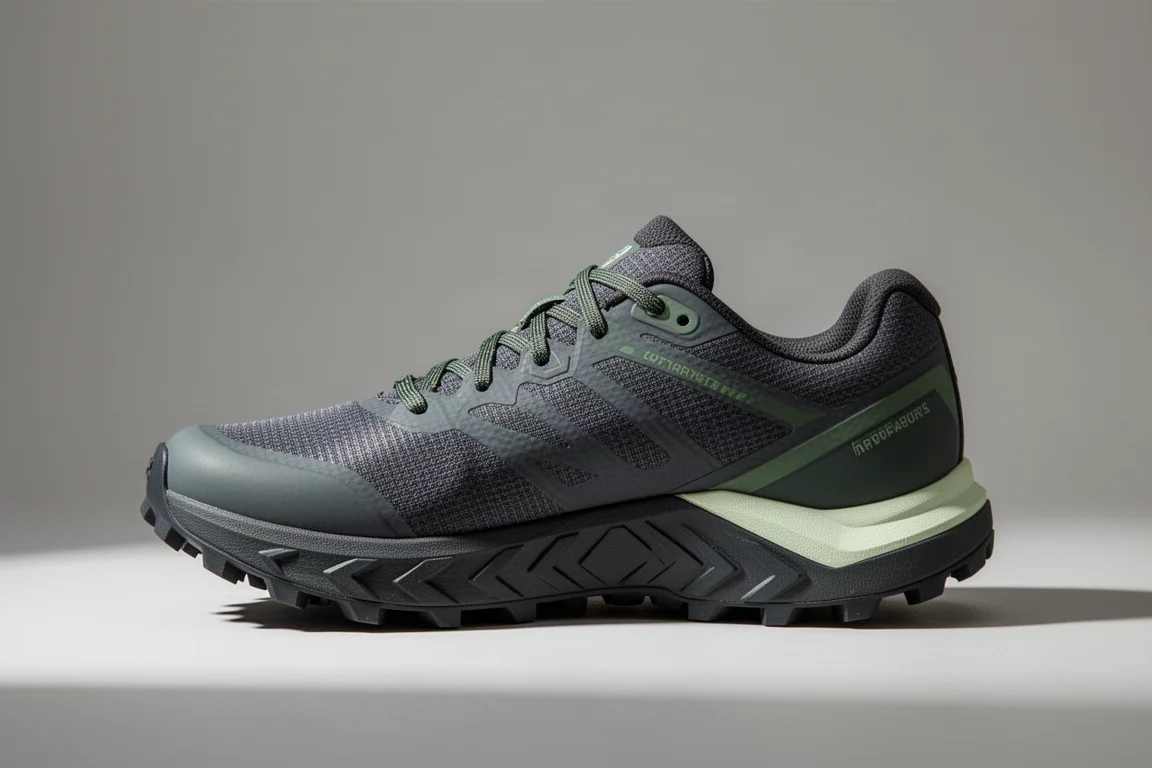
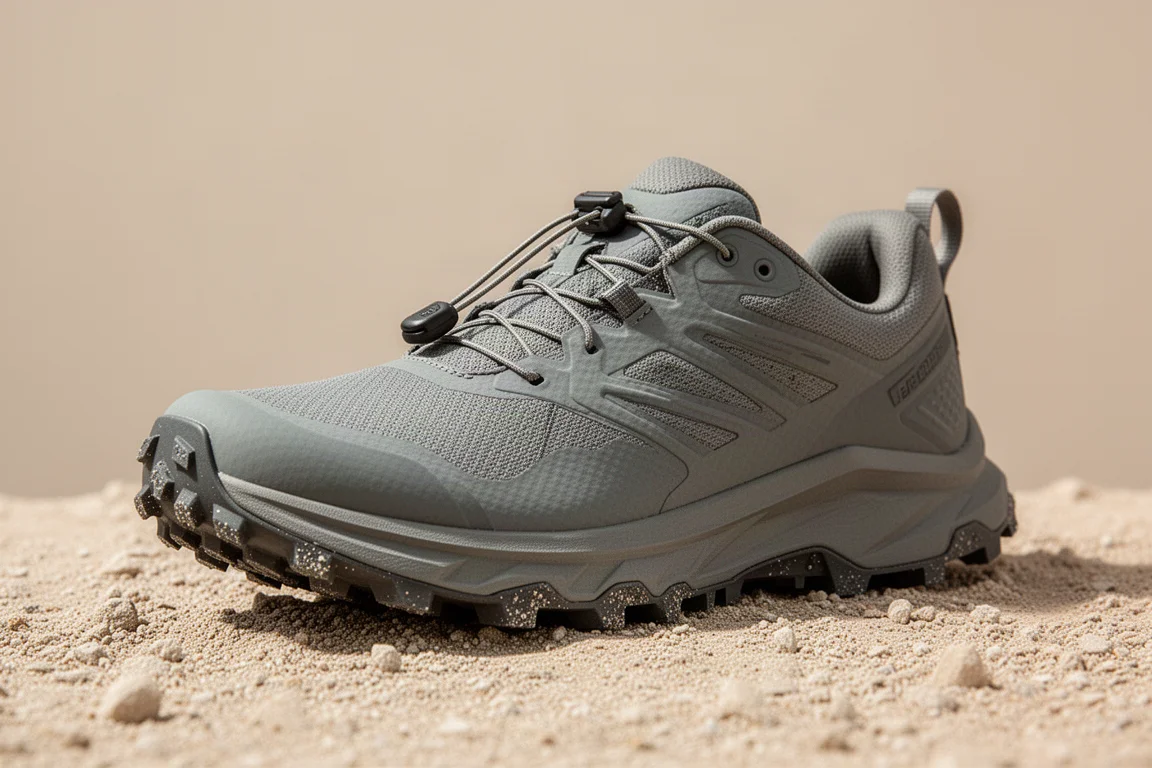
Yes, Teva, the sandal brand under the Deckers umbrella alongside Hoka, now makes a running trail shoe, and the Trail Peak looks genuinely competitive. It uses a supercritical ATPU-style midsole around 30 millimeters of stack, weighs in the low eights at roughly 8.2 ounces, has a fairly wide platform, and wears moderate, non-aggressive lugs that point toward an all-terrain trail shoe rather than a gnarly mountain racer.
The fit is similar to the Hoka Transport upper, which many testers love: slightly snug with speed laces, a little lower in volume, but with enough width to accommodate swelling. The neutral, fall-appropriate colorways are a nice bonus. At $160 with these specs, it is a highly competitive price point, and if it runs as well as it looks on paper, it should be a serious contender on the trail market.
ASICS GT-2000 15
The ASICS GT-2000 15 is back, and the early miles are positive. Testers found it structured, rhythmic, and capable as a long run shoe, with one putting a 13-mile run into it and enjoying the ride throughout. The fit runs slightly snug through the forefoot but expands with wear, and the ride has a nicely balanced, structured cushioning character that several testers actually preferred to some flashier options.
One significant caveat: the heel counter is extremely stiff. The midsole already provides plenty of stability, and stiff heel counters rarely change actual heel motion, so this feels like an avoidable irritation point. That said, it is still an improvement over the previous version, and stability-minded runners may find this among the better stability options of the year.
Altra Vanish Carbon 3
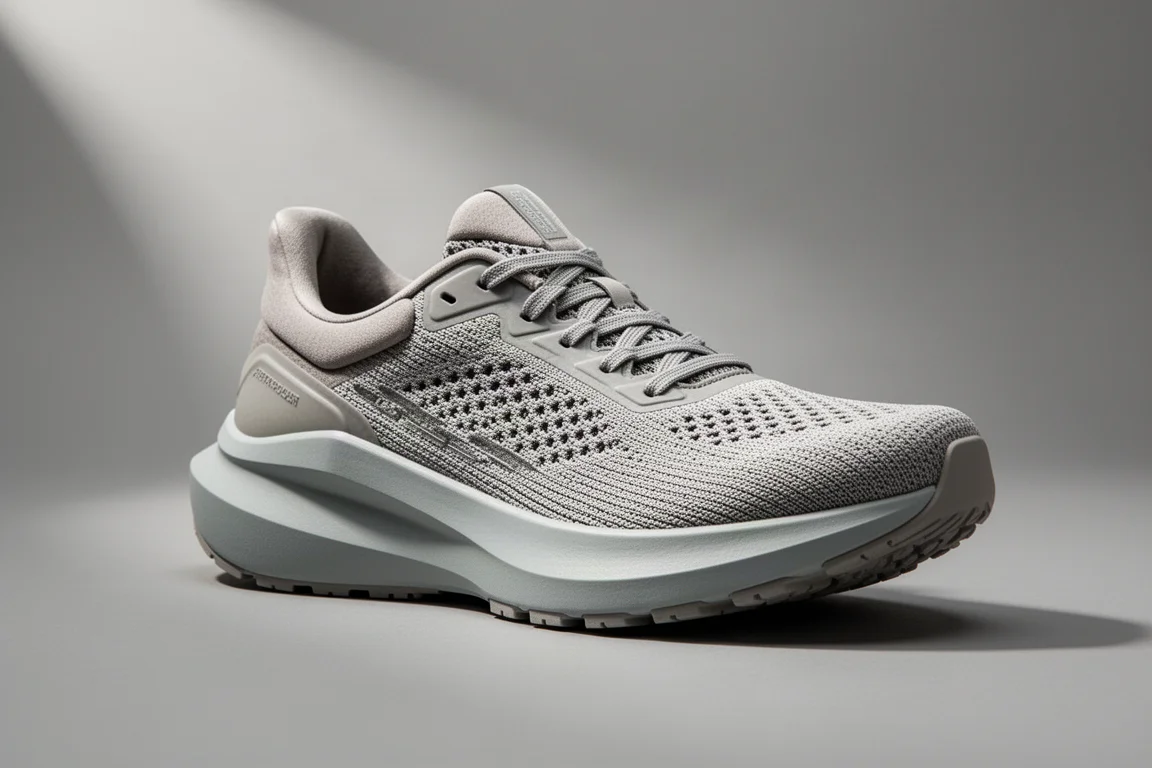
The Altra Vanish Carbon 3 stands out as one of the more approachable super shoes available. One tester who had struggled to get along with plated racing shoes for a year put it straight into a 90-minute long run, and it handled easy and tempo paces with a smooth, rhythmic, gradual rocker and just enough responsiveness per stride. The four-millimeter drop sinks slightly in the heel without feeling aggressively negative, and the foam is among the more stable in the super shoe class, with a midfoot that does not narrow excessively and a forefoot that widens ground contact under the toe joints for a secure, confident feel.
It is not the fastest super shoe out there, and the upper allows a bit of foot movement that harder turning might expose, but outsole durability has been excellent over 70-plus miles. Two practical notes: avoid crushed gravel trails, because debris caked into the grooves down to the plate, and ease into the lower drop if your long runs are usually in higher-drop shoes. At $240 rather than the typical $275 super shoe price, the value proposition is strong.
Fit Rankings: The Best Fitting Simple Lightweight Trainers
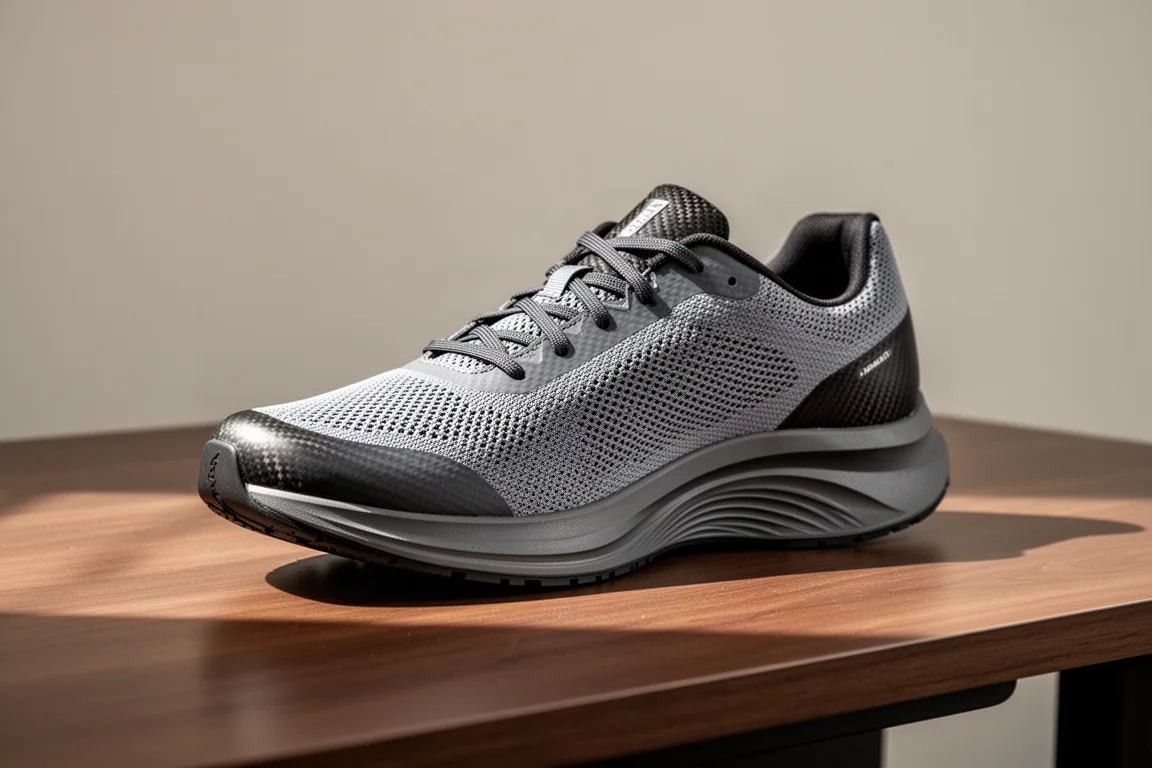
Five shoes, one question: which upper fits best? The rankings below are deliberately subjective, because fit depends on your foot shape, but the reasoning reveals each shoe’s fit personality. Keep in mind that all five uppers were genuinely good; even the “worst” fits here were minor complaints rather than deal breakers.
Diadora Corsa
The Diadora Corsa split opinion more than any other shoe. One tester ranked it dead last on fit because a thick gusseted tongue overlay on the lateral side creates noticeable pressure from the moment you put it on, and the forefoot tapers quickly. Two other testers ranked it near the top: the padding through the tongue and heel is excellent, the fit is secure yet roomy through the midfoot, and the forefoot volume broke in nicely for a comfortable, soft, disappeared-on-the-foot feel. It was even used casually and through airports, which is rare praise for a performance trainer.
Puma Deviate Pure Nitro
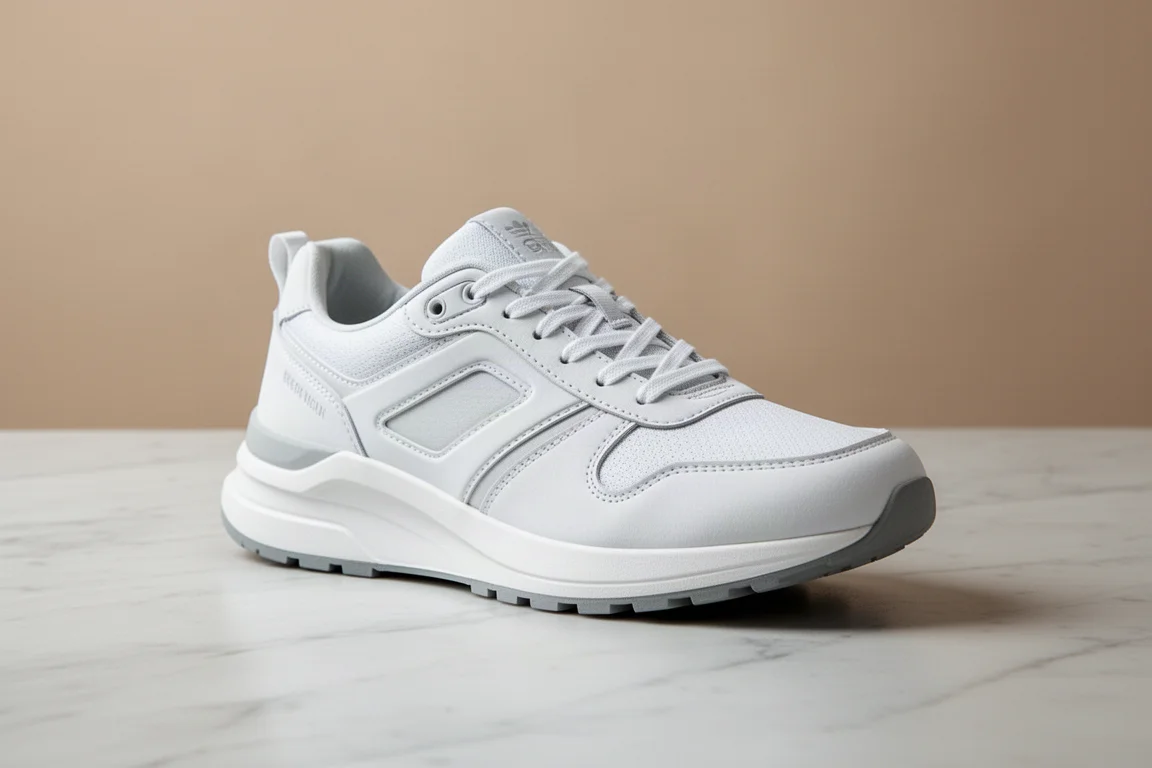
The Puma Deviate Pure Nitro fits like a cozy upper that can still go fast. The volume is a touch low and the toe box is slightly tapered with a bit more layering than ideal, but the mesh is soft and stretchy enough to hug the foot without being overly snug. It breaks in well over the first hundred miles, and the lockdown through the lacing and heel counter is solid. The main critique is that a slightly thinner upper would unlock more of its performance character.
Brooks Ghost Amp
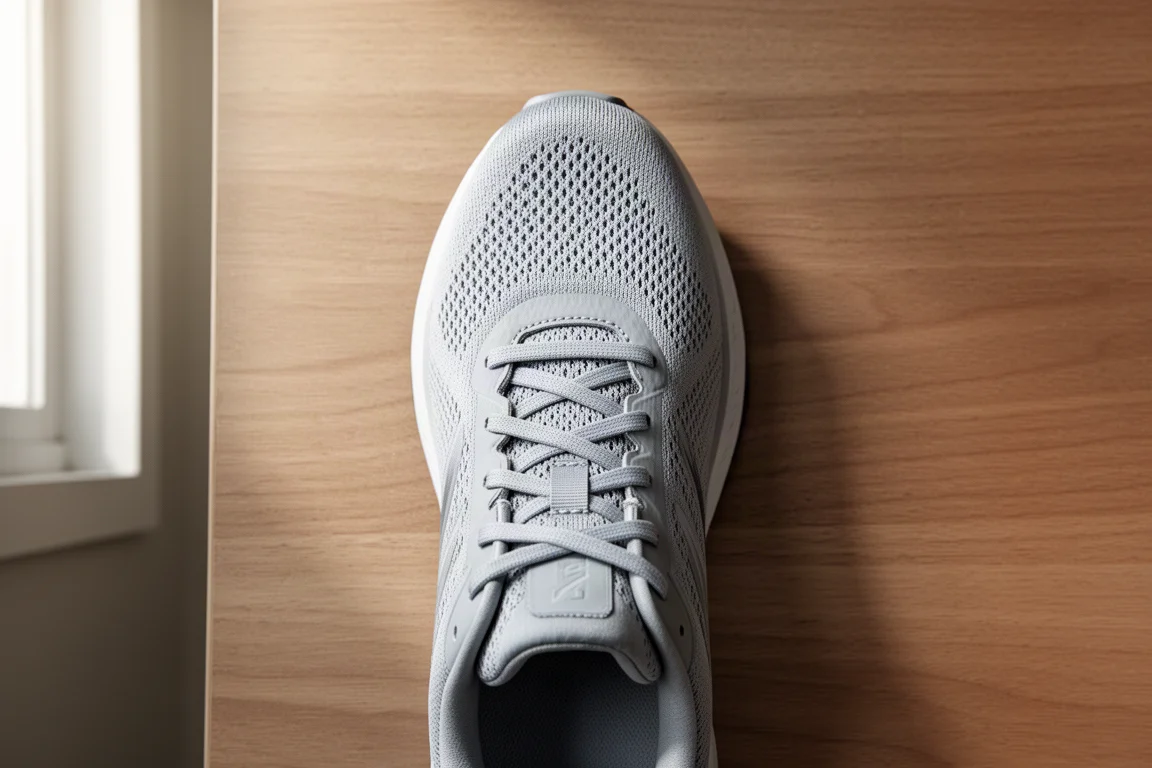
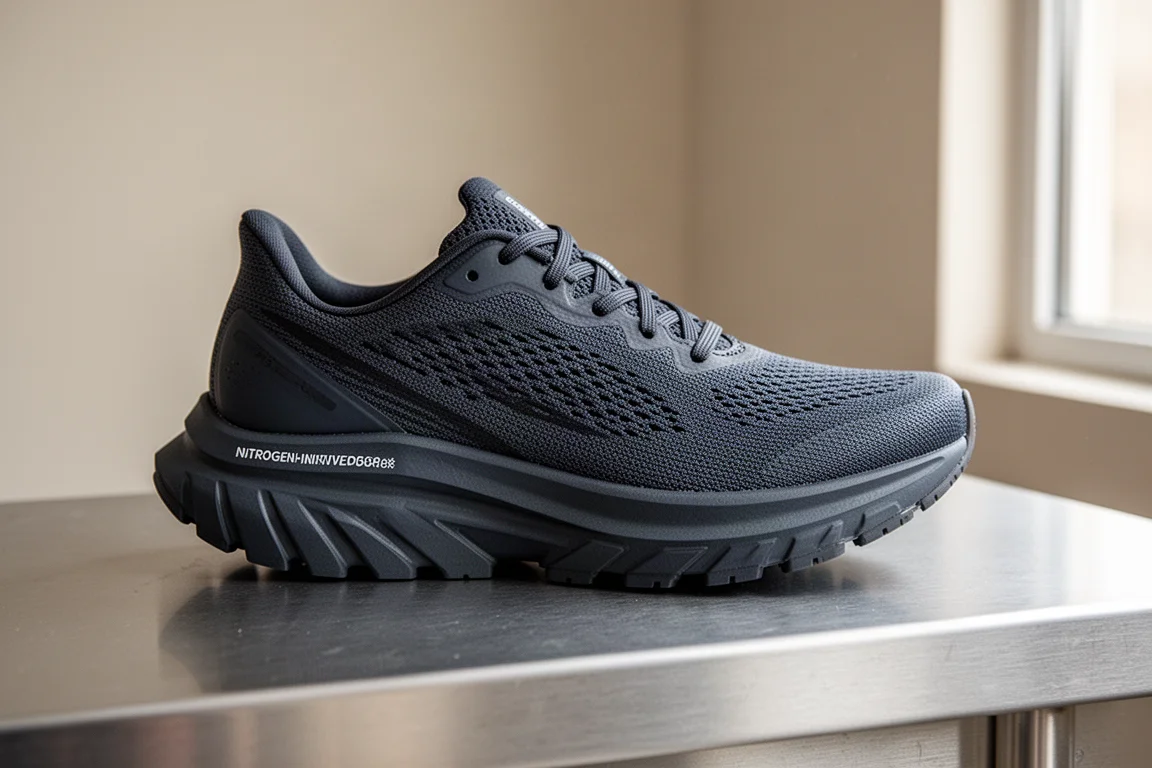
The Brooks Ghost Amp is a major midsole improvement for Brooks, easy to pick up the pace in and far better than the original Ghost for testers who had heel pain in that shoe. The fit, however, is the weak link: sizing runs awkward (one tester needed a half size up), the upper feels heavier than it should, and the taper does not match some foot shapes. On the positive side, it has more forefoot volume and slightly more upper give than several rivals, which some testers valued, while others found the volume and stiffness combination awkward. The heavily padded heel also feels mismatched with the shoe’s performance intent.
Hoka Mach 7
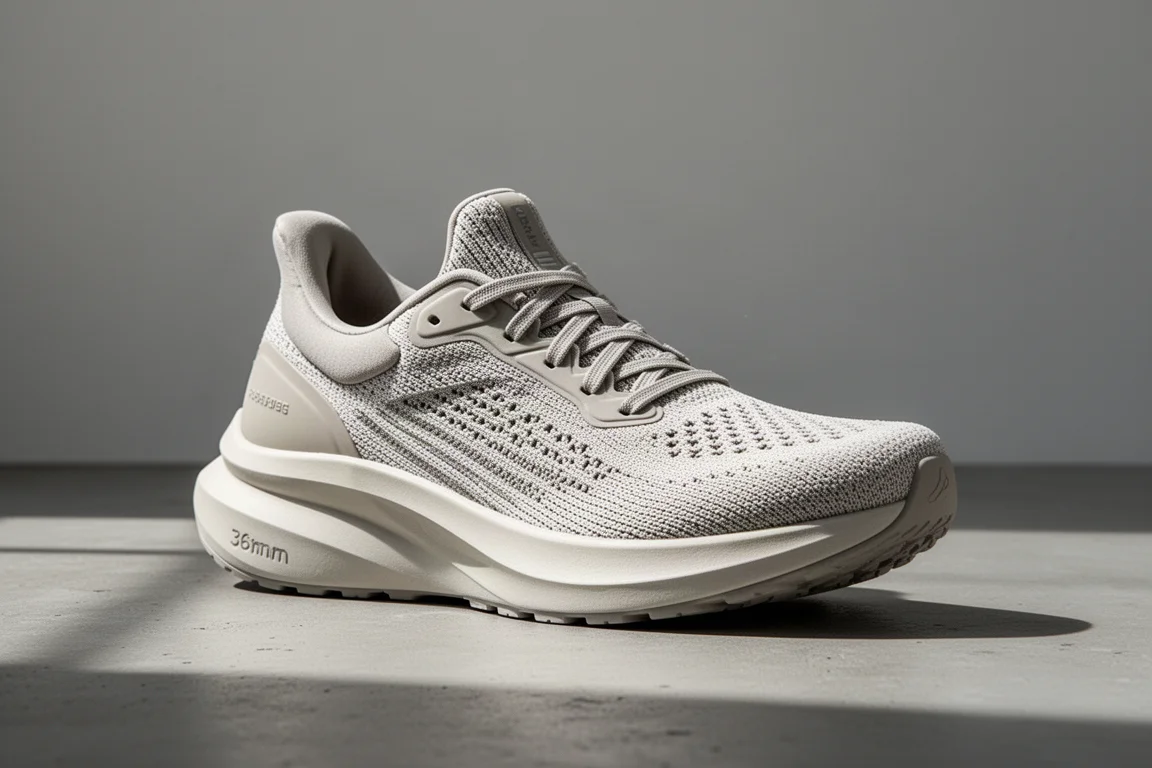
The Hoka Mach 7 is a short-distance speed shoe with a close-fitting, low-volume forefoot. That is not a flaw so much as a design intent: if you are used to track spikes, it makes sense. But the narrow forefoot with a slight lateral sidewall compresses the toes for testers with wider feet, and the non-stretchy mesh means the shape you get is the shape you keep. Heel lockdown is excellent, the upper is simple and secure, and it is one of the lightest shoes here. If you want a fast, versatile trainer, just be aware the forefoot fit narrows its audience.
Saucony Endorphin Azura
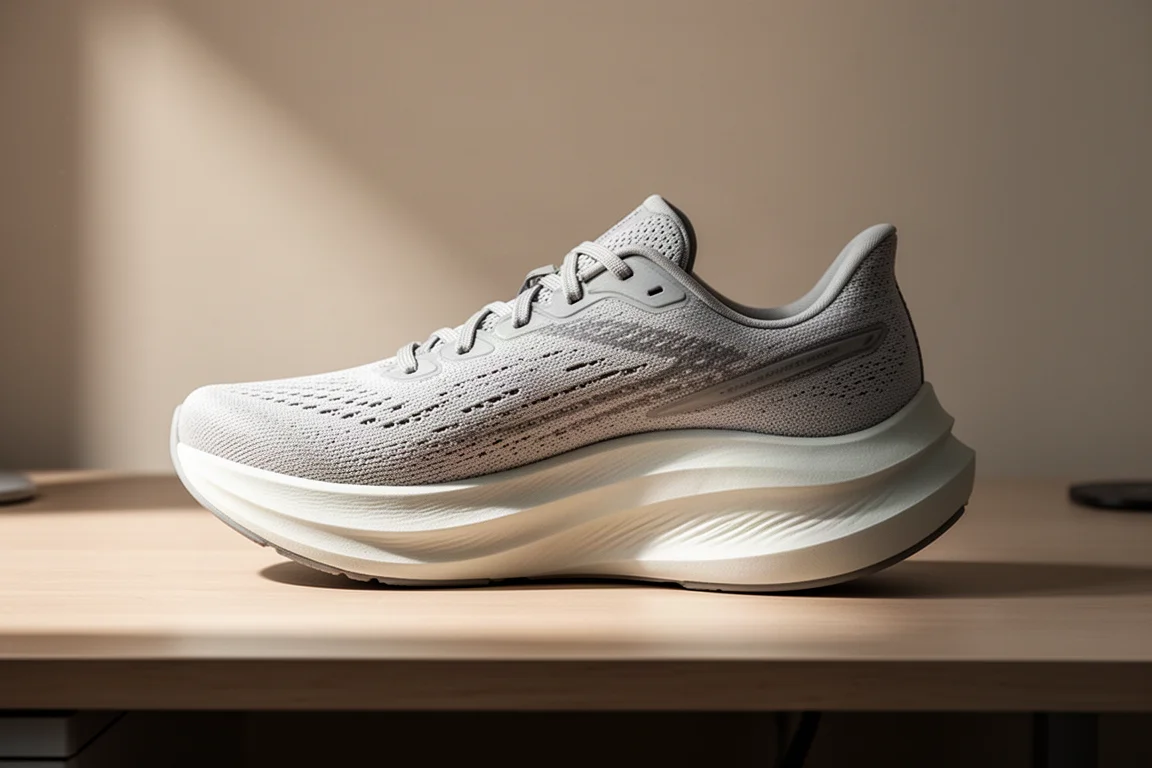
The Saucony Endorphin Azura took the top fit spot for two of three testers and second for the third, making it the consensus winner. The toe box runs slightly wider with low-but-workable volume that still allows toe splay, the lacing system sits a touch lower at the forefoot transition to open up space over the big toe, and the lateral taper is the most gradual of the group. The tongue is moderately padded with clever grooves that add cushioning exactly where tighter lacing demands it, and the secure heel collar caused no issues.
The ride backs it up: a structured, rockered, stable-neutral design on responsive PWRRUN PB foam that handles long runs and tempos with equal confidence. The one dissent came from a tester whose running style does not get along with late-stage rocker geometry, which is a useful reminder that ride geometry can trump even the best upper.
Overall Buying Advice
So, does fit beat performance? The testers landed in three different places, and their reasoning is the real takeaway.
One tester picked the Endorphin Azura outright: the upper was good enough, and the stable, structured ride matched what they look for, vaulting it from second on fit to first overall, with the Puma Deviate Pure Nitro second thanks to its versatility and structure. Another picked the Diadora Corsa, arguing that as long as fit passes a threshold, midsole feel and ride decide the purchase; the Corsa’s sweet-spot foam and smooth daily-training ride earned it the win despite the upper quirks. The third called it a genuine toss-up between the Endorphin Azura and the Puma Deviate Pure Nitro, noting the Puma’s better traction and nimbleness against the Azura’s structure and rockered ride.
A practical pattern emerged: the Azura dropped to last for the tester whose running style dislikes late-stage rockers, despite its winning upper. Fit is a pass-or-fail gate, but geometry and ride character are the tiebreakers. Match the fit notes above to your foot shape first, then pick the ride that suits how you actually run.
Conclusion
Across twelve shoes, the simple lightweight trainer category proves it can deliver a lot without plates and premium price tags, from the Fila Speed Tempo Plus at $130 to the well-priced Altra Vanish Carbon 3. On fit among the ranked five, the Saucony Endorphin Azura is the consensus pick, with the Diadora Corsa and Puma Deviate Pure Nitro close behind depending on your foot. Before buying, weigh your own fit deal breakers and ride preferences, because in this category the right answer is genuinely personal.
Further reading
Related Reviews

Running Shoes
Best Road-to-Trail Running Shoes: Three Versatile Options for Mixed Terrain
A practical guide to three road-to-trail running shoes that handle both pavement and mild trails, with clear strengths and trade-offs for different runner types.

Running Shoes
Best Running Shoes for Achilles Tendonitis: Three Options Explained
Three running shoes with different heel drops and support features designed to help reduce Achilles tendon pain during walking and running.

Running Shoes
Best Running Shoes for Women: Five Top Choices Ranked
A ranked guide to five women's running shoes, from versatile daily trainers to high-performance racing options, with real strengths and trade-offs for each.